Tag

featured

Browsing

Introduction

Due to limited time, most travellers focus only on visiting New Zealand’s North and South Islands, excluding the third biggest Stewart Island/Rakiura from their itineraries. At first, I didn’t plan to visit the island and hike Rakiura Track either. However, after my first Great Walk – Tongariro Northern Circuit, I totally fell in love with long-distance treks. I instantly thought I want to have them all in my collection of memories from New Zealand.

Rakiura Track is the shortest and certainly the easiest of all Great Walks. It’s a 32 km loop in the Eastern part of the island. Department of Conservation (DOC) suggests 3 days itinerary but the track can be done by an average hiker in 2 days without a problem. Some do it in 1 day, even though I don’t recommend that option as it will be extremely rushed.

The big benefit (especially when heading from Fiordland) is that Rakiura Track is the cheapest Great Walk to do and the easiest to organize. I booked the campsite just 1 day in advance which would be highly unlikely on any other Great Walk.

Stewart Island/Rakiura

Rakiura National Park

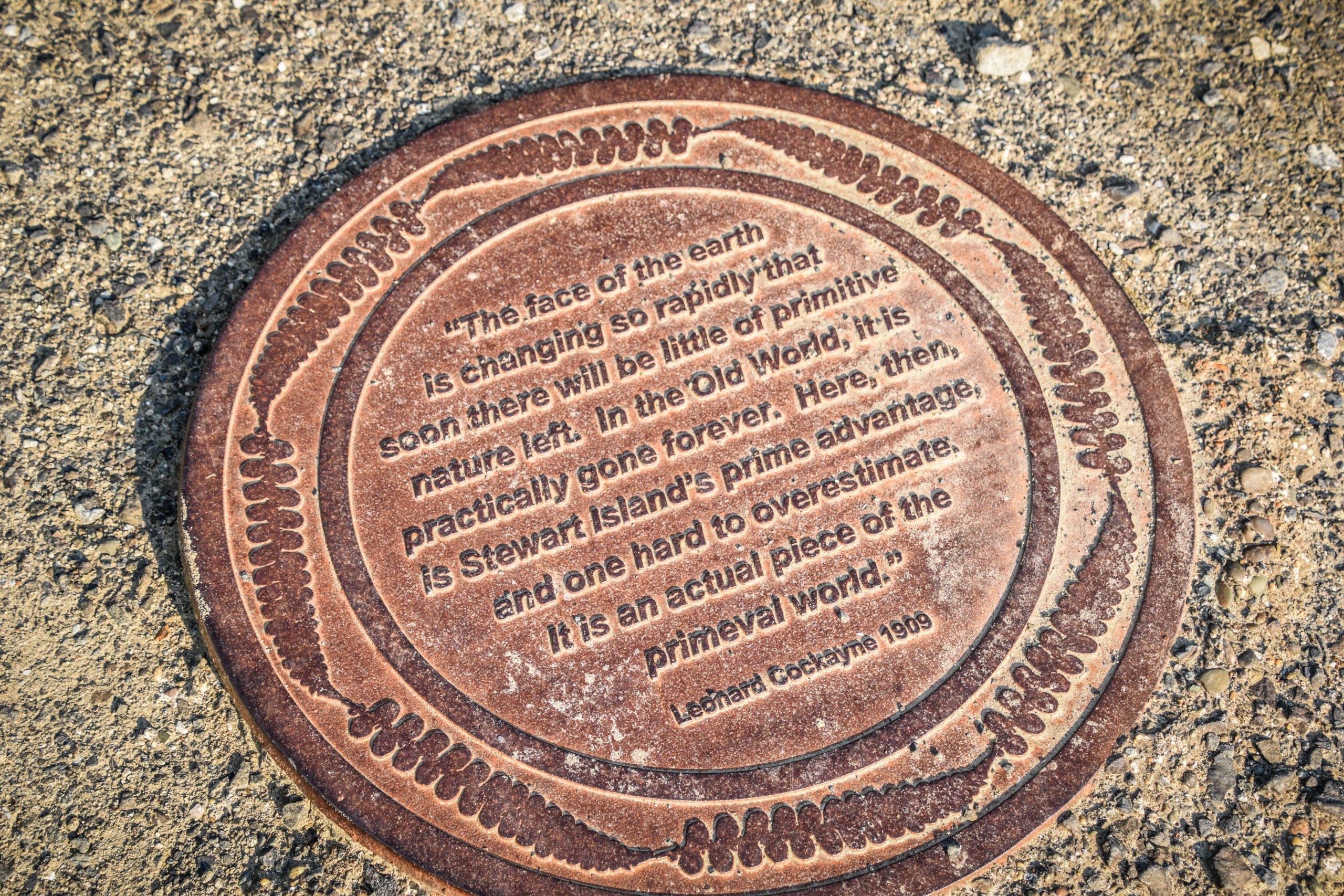
The park was established in 2002 and is made of over 80% of the island’s territory. On the track, you will encounter information boards about early Maori settlements especially around Maori Beach and Port William as well as relicts of sawmilling industry which lasted until 1931. Some parts cross the Maori land which has been shared for the public use by the courtesy of its owners.

How to get to Stewart Island?

There are 2 options to get to Stewart Island: ferry or plane.

Ferry service is operated by Stewart Island Experience. Depending on the season, it goes 2, 3 or 4 times a day. The crossing takes 1 hour and regular ticket costs 89 NZD one way or 159 NZD return. Always make a booking in advance. I didn’t and the ferry that I planned to take the next morning was fully booked. There is free parking just in front of the terminal in Bluff. The crossing can be quite bumpy, so better get your meal not before but after the arrival to Oban.

Flights are operated by Stewart Island Flights and leave Invercargill 3 times per day. It’s definitely faster (20 minutes) and more scenic way to arrive in Oban. As usually in New Zealand, it comes with the price and will hit the budget significantly with 130 NZD for a one-way ticket or 220 NZD return.

Overnight in Oban

If arriving in the afternoon, it’s worth to spend the night in Oban and start the track the next morning. Bunkers Backpackers Hostel is an excellent choice.

Clockwise or anticlockwise?

There is not much difference in which direction you start the hike. Deciding for 2 days itinerary, it’s up to you if longer and harder part should be done on the first or the second day of the hike.

If starting in the anticlockwise direction, make your way from Oban towards starting point at Lee Bay (5km). Otherwise, your starting point will be at the Fern Gully Road end (2km from Oban).

Weather

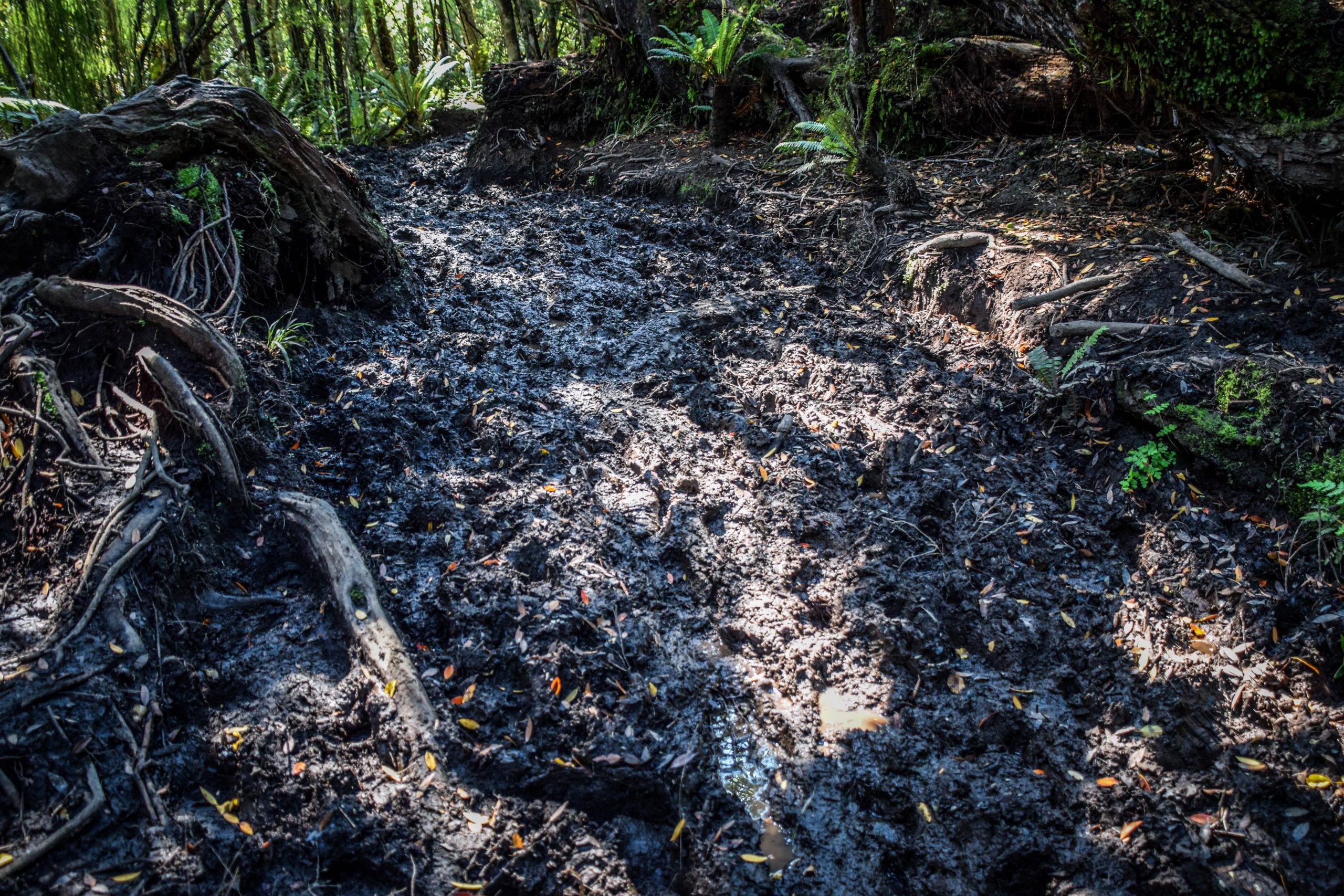
Due to its location, Stewart Island/Rakiura is exposed to even more changeable weather than the rest of New Zealand. It’s best to monitor the conditions on MetService. Strong winds and heavy rains are known on this track and can occur at any time of the year. After rains, be prepared to walk in deep mud. It’s worth dropping by to DOC office to reconfirm the weather conditions and ask for recommendations.

1,2 or 3 days?

Technically it is possible to do the track in one day, however, it would be a very long and very tough day. Start at sunrise is essential and you will finish around dusk, with not too much time for breaks along the way.

More popular versions are the ones over 2 or 3 days.

I did the track in 2 days and it was optimal time, giving the chance to have a break, take in all the sights and camp in the middle of the forest with the best chance in New Zealand to spot a kiwi in natural habitat.

3 days would be a bit too much for me, nevertheless, if you prefer to take your time, do sunbathing and picnicking on the way, then it’s a great opportunity.

Huts and campsites

The Great Walk season on Stewart Island/Rakiura begins usually at the beginning of October and lasts until the end of April. Bookings for huts and campsites are required year-round.

Booking can be done at the Department of Conservation website. Once on the island, don’t forget to drop by to DOC office in Oban to pick up the tickets and re-check weather conditions.

Both huts and campsites have pros and cos. Doing all of Great Walks, I used huts only on Milford Track and that’s because camping there is forbidden. I like to feel that I am totally independent and rely only on own supplies and equipment. Moreover, camping gives more flexibility to re-schedule the hike when the weather turns bad. Huts are rather booked out weeks in advance, especially on the most popular tracks. Camping on Rakiura Track gives you also better chance to spot the kiwi and hear all the sounds of the forest in the night.

Great Walks huts have bunk beds, mattresses, heating, toilets and cold water. Campings comes with water supply, cooking shelter, sinks and toilets.

List of huts and campsites

There are 2 huts and 3 campsites along the track. As for all Great Walks, overnight stays must be booked in advance and tickets should be picked up at DOC office in Oban before departure. As the track is the least popular of all Great Walks, there is usually no need of booking months in advance, however, do monitor the situation to avoid disappointment.

Maori Beach Campsite – besides being a grassy campsite close to the beach, it’s also the historic site where you can learn about remains of sawmill industry present on the island until 1931. It’s only a few kilometres from Oban so not many hikers stay here. There are 16 camping spots.

Port William Hut and Campsite – popular overnight stop located 8.1 kilometres from the trailhead at Lee Bay. If offers 24 bunk beds and 16 camping spots.

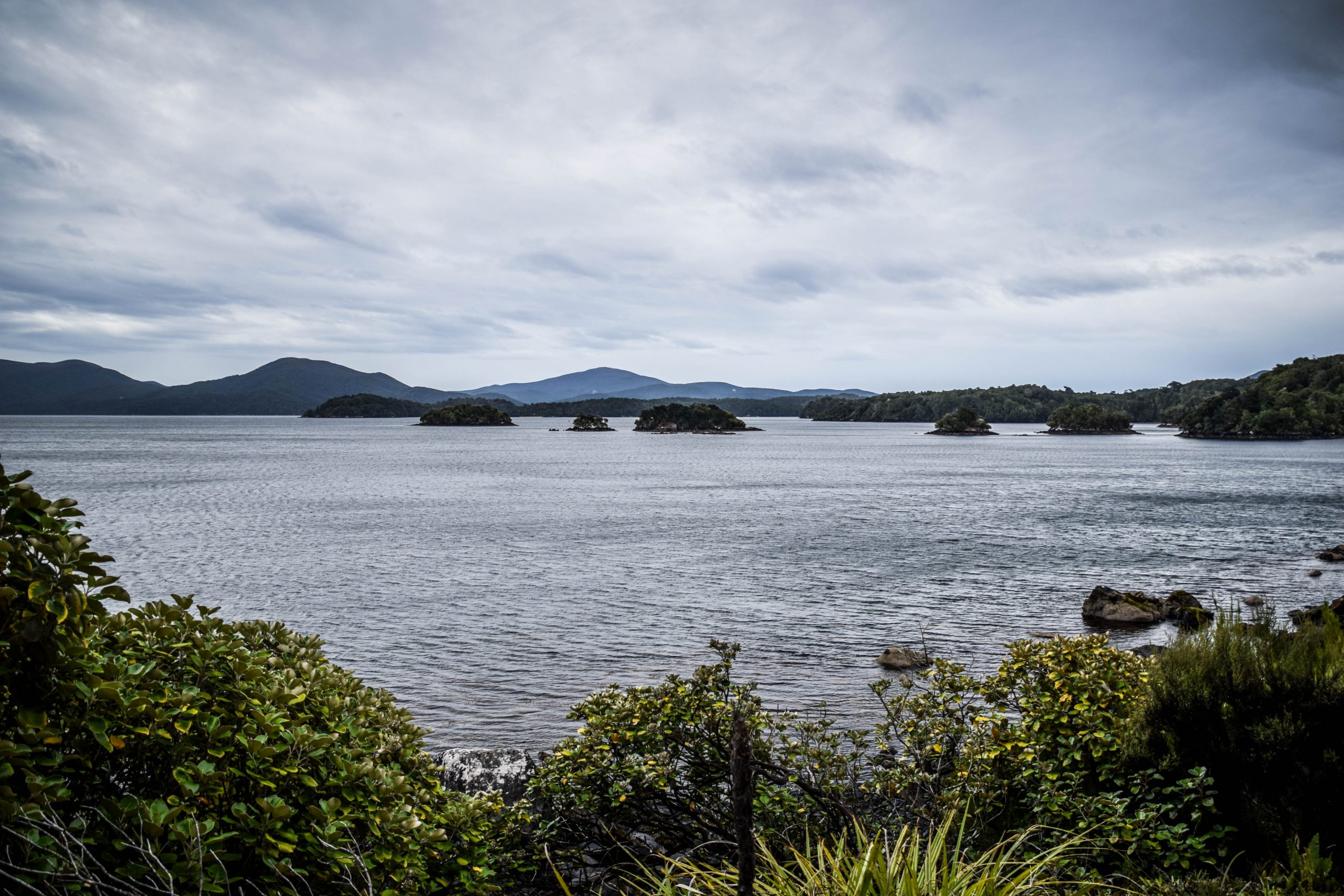
North Arm Hut and Campsite – from my point of view, the best place for the night on a track located only a stone’s throw away from Paterson Inlet. It offers 24 bunk beds and 16 camping spots.

Pricing

In the Great Walk season (1 October – 30 April) the prices are as follows:

Huts: 24 NZD per adult per night, 17 years old and under free (booking still required)

Campsites: 6 NZD per adult per night, 17 years old and under free (booking still required)

Outside of the season ( 1 May – 30 September), the price for a hut drops to 22 NZD. Price for campsite doesn’t change.

Track details and profile

Distance: 32 km (loop)

Time: 1-3 days

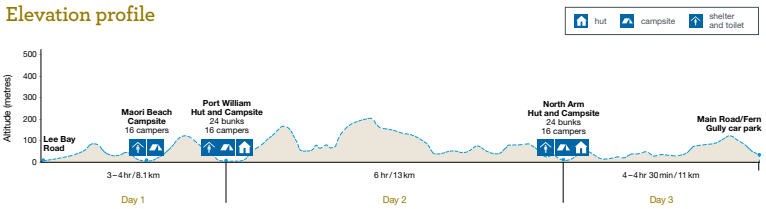
Rakiura Track elevation
www.doc.govt.nz

The track profile and other useful details can be found inside the Department of Conservation (DOC) brochure.

The following itinerary assumes 2 nights on a track which will give you plenty of time to relax, take a swim and enjoy nature. I did the track with only one overnight stay at North Arm Campsite (departing from Oban towards Lee Bay).

Stage 1 – From Lee Bay to Port William Hut and Campsite (3-4h, 8.1km)

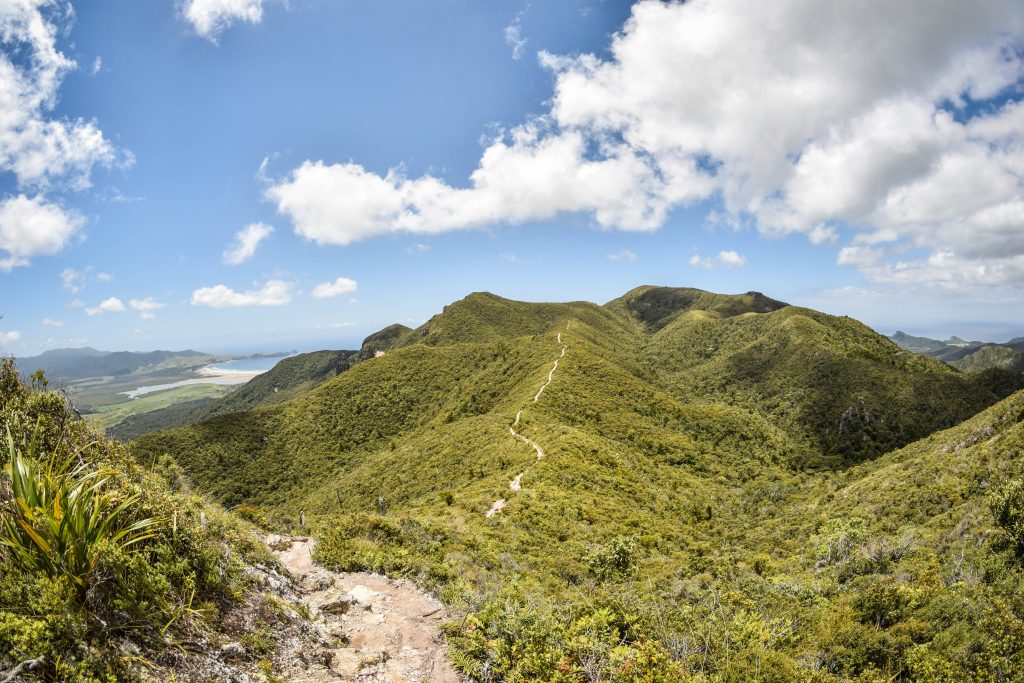
The day at Oban started with perfect weather and I dropped by to DOC office to pick up the map and tickets for the campsite. Then I followed the road towards Lee Bay (5 kilometres). Alternatively, it’s possible to take a taxi and save the legs, but it’s a pleasant walk through the village. The chain-link sculpture at Lee Bay is the official beginning of the track and symbolizes one of the Maori legends. It’s the story of Maui, who used South Island as his canoe and Stewart Island/Rakiura as the anchor to fish the North Island.

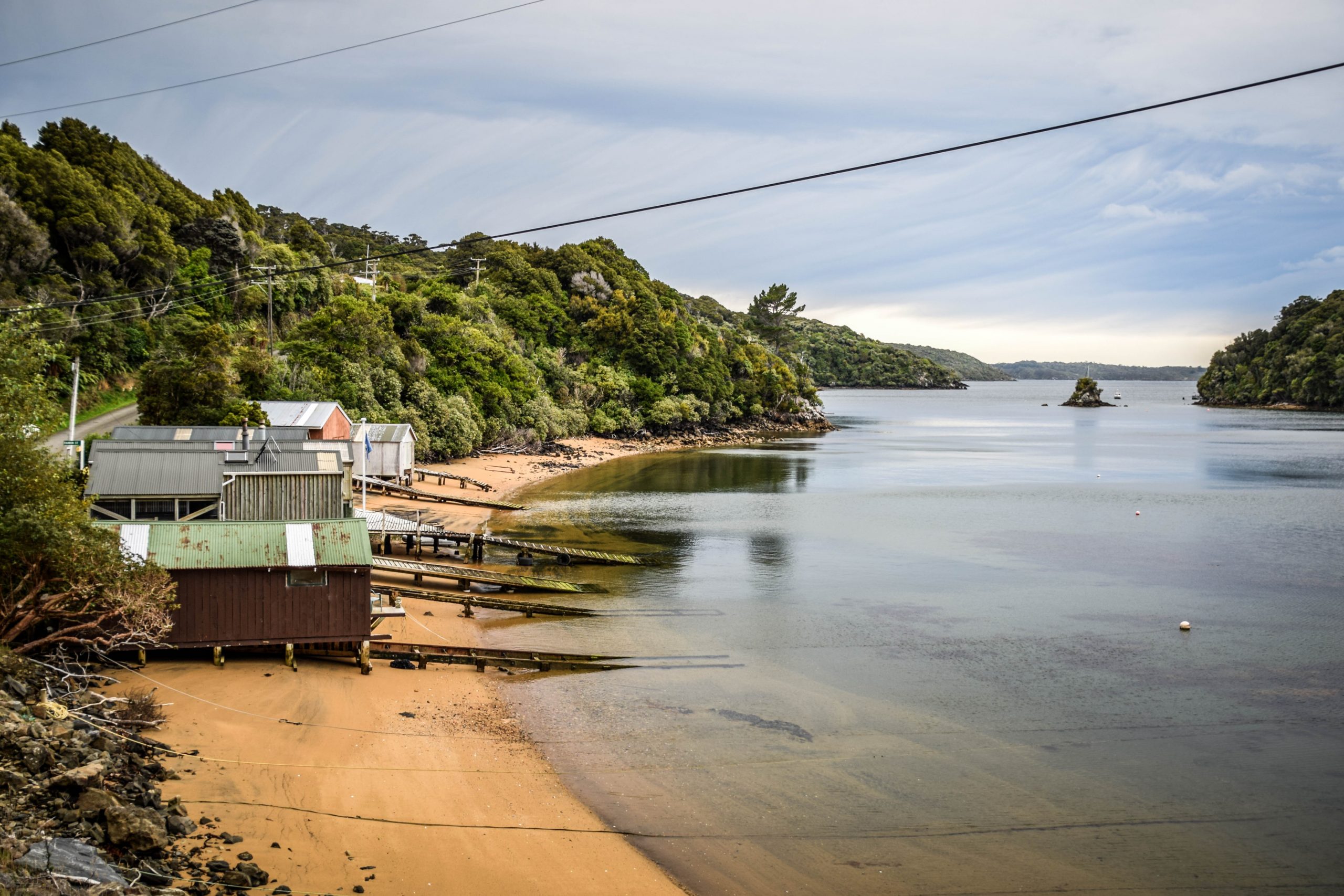
Stewart Island/Rakiura

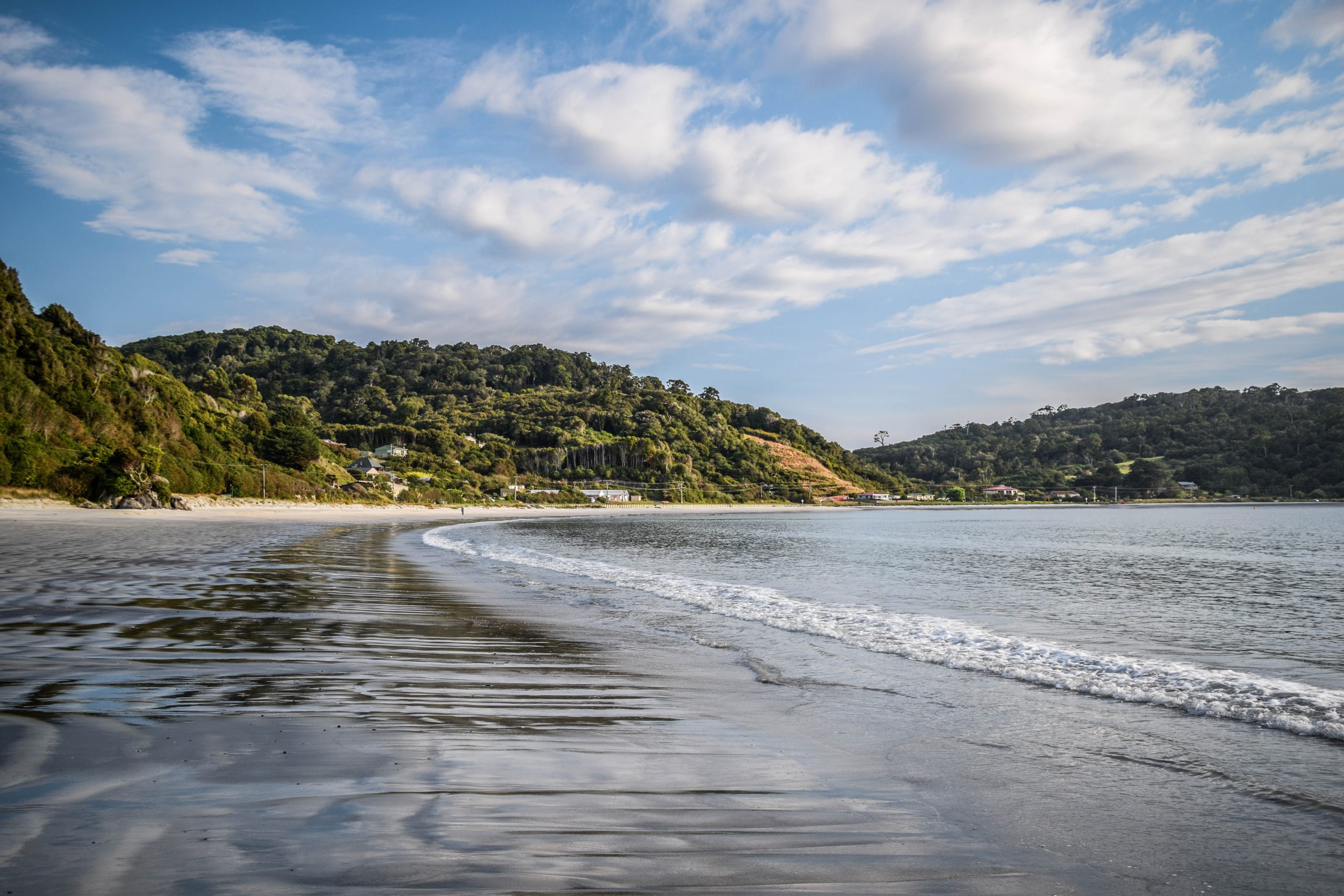
From here, the track continues along the coast to Maori Beach. It’s a perfect place for a snack and swim. The campsite is just right next to the beach and it’s much less crowded than the one at Port William, so if you like peace and silence, consider staying here overnight.

Stewart Island/Rakiura

For me, it wasn’t the time to rest yet and I continued further across the swing bridge and then to the turn off to Port William Hut and Campsite. Even though it wasn’t my overnight stopover, I dropped my backpack in the bushes, took my lunch and went there to eat and relax. It’s 40 minutes off the main track and as it was still early hour, not too many hikers were there. Two women were chilling on the grass in front of the hut and one of them happened to be half Polish so we had a nice chat in my native language.

Stewart Island/Rakiura

Stage 2 – From Port William Hut and Campsite to North Arm Hut and Campsite (4-6h, 13km)

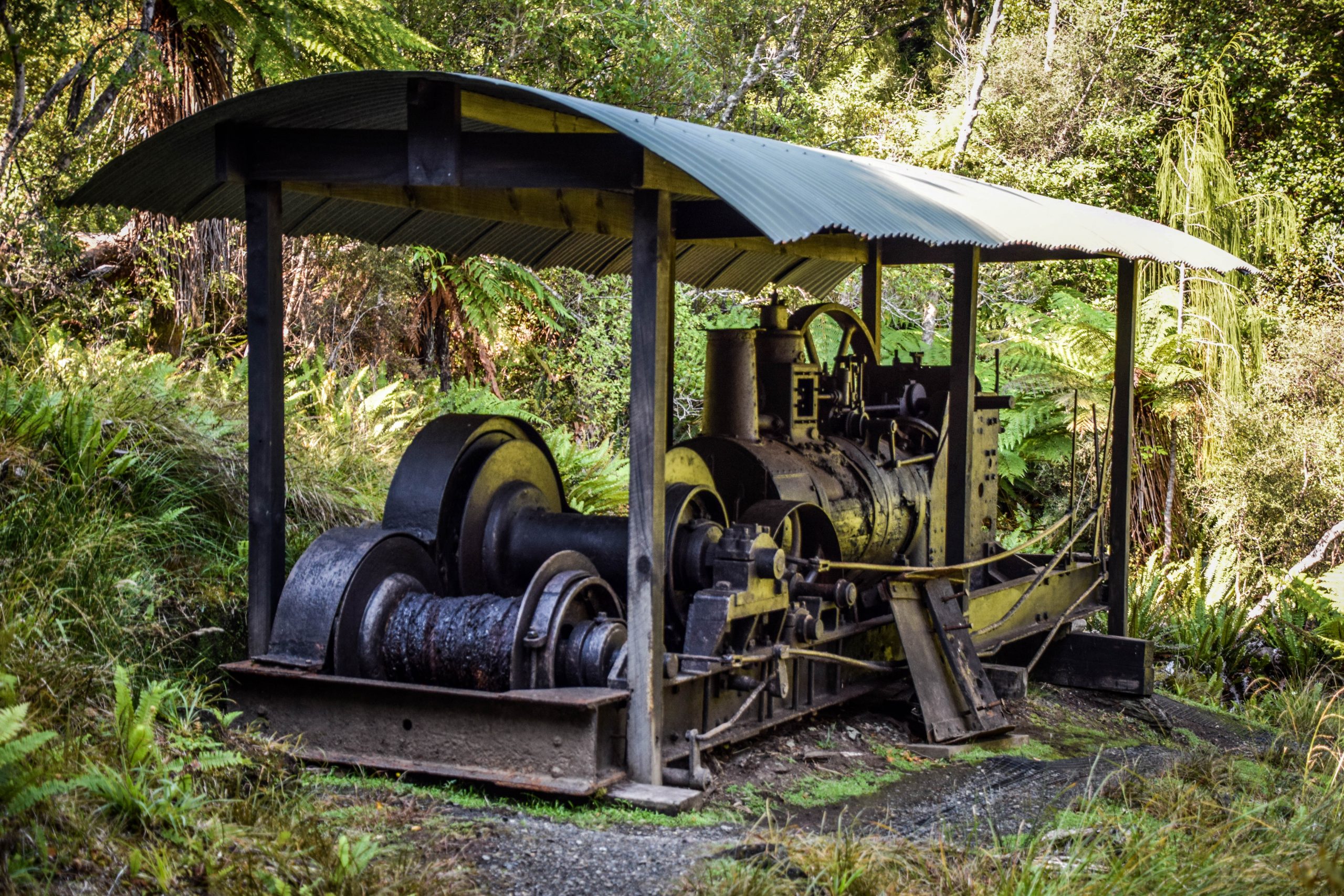
The second stage became harder but not because of its steepness but rather constant need to jump over the mud. In parts, it’s necessary to get off the main track and take a detour through the bush. Honestly, it was quite a boring couple of kilometres. It’s just the path through the forest like any other in New Zealand, where the only highlights were passing by the old log hauler once used to drag trees to the gullies seeing… a stick insect.

Stewart Island/Rakiura

Upon arrival to North Arm Campsite, I was greeted by a Kiwi couple. We cooked our freeze-dried food made by Backcountry Cousine and had a nice chat. The guy was a real badass as in his late 50’s he finished Te Araroa Track which is 3.000 kilometres long hike from the very top of North Island to the very bottom of South Island. I really hope to follow his example when I am at his age.

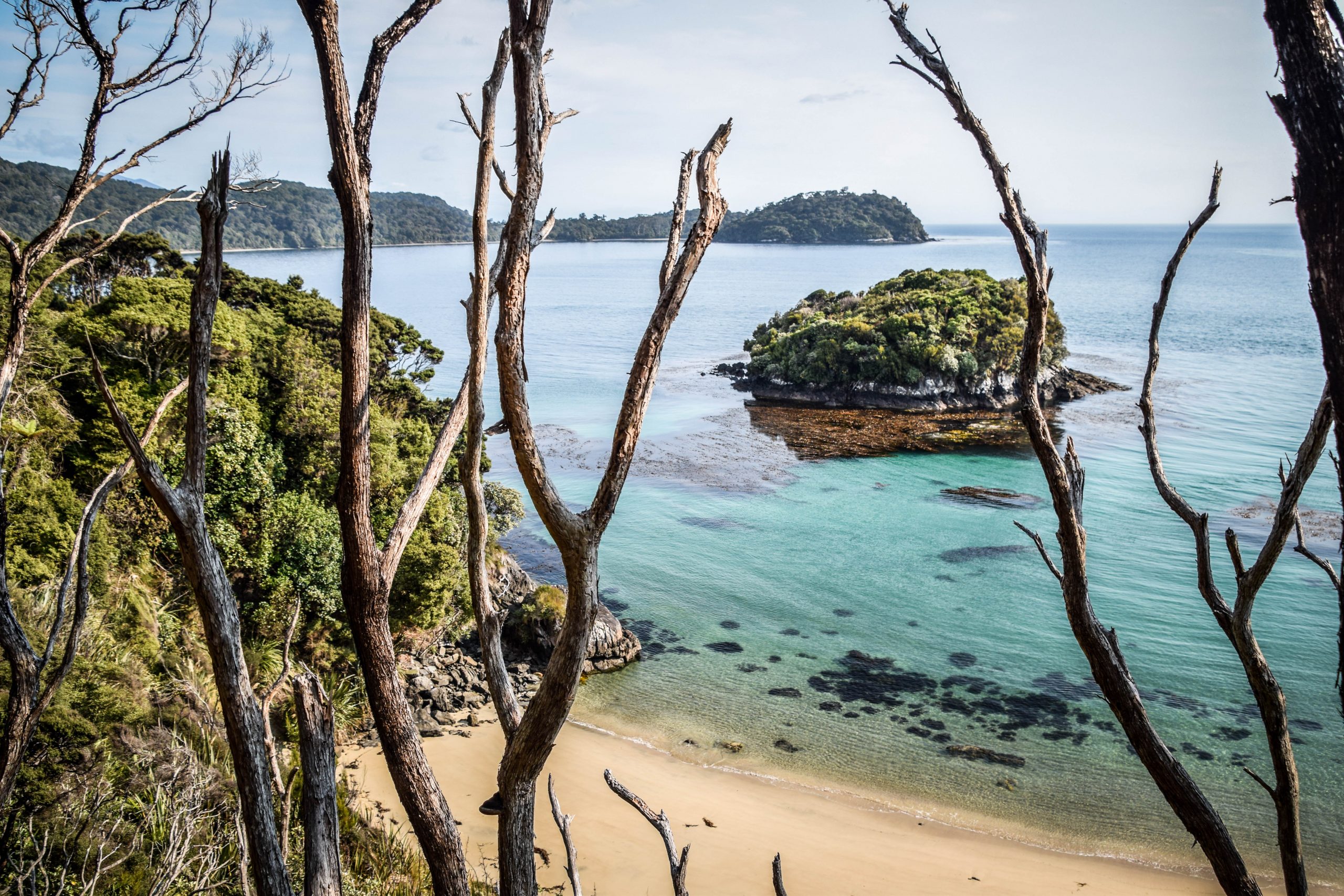
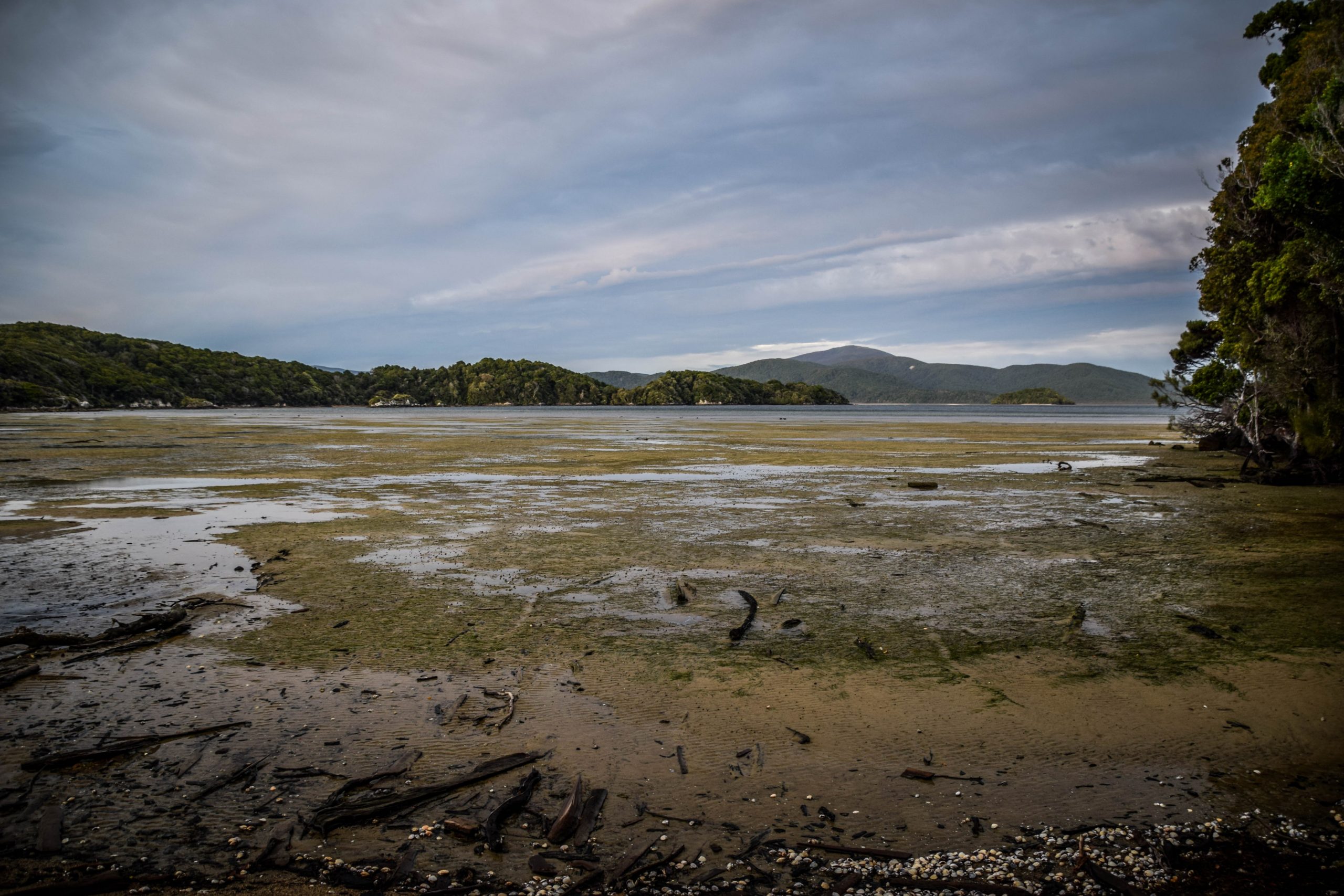
I still had over an hour before the sunset and there is a nice place to relax behind the hut. Just follow the path down towards Paterson Inlet. Have a swim or just put your feet to the water and wait for the low tide to come.

Stage 3 – From North Arm Hut and Campsite to Oban (13 km)

In the morning of the next day, the weather changed significantly. It started to get windy and kiwi guy said that according to forecast, it’s gonna rain at 1 pm. I left the campsite at 7:30 am to be able to arrive in Oban before it gets wet. The easy path through the forest led me to the junction, where I took Ryan’s Creek Track for a more scenic detour to Fern Gully Carpark. It adds only around 1.5 hours to already quite an easy day.

Stewart Island/Rakiura

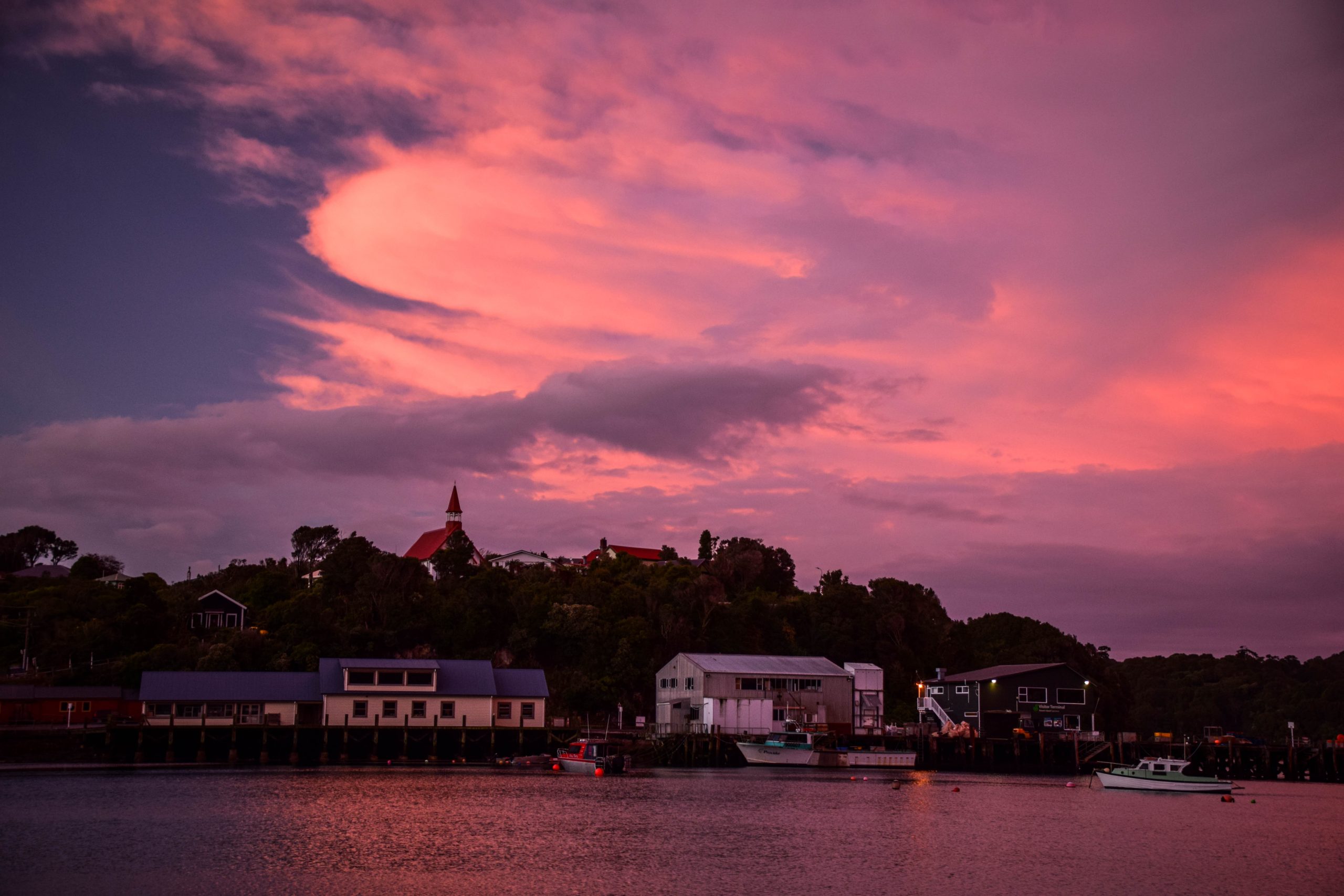
From Fern Gully Carpark, which is the end of the track, it’s another 2 kilometres to Oban. I checked in again to Bunkers Backpackers Hostel and enjoyed one of the most amazing sunsets in New Zealand.

Stewart Island/Rakiura

Don’t miss!
Dark Sky Sanctuary & Aurora Australis

Rakiura in the Maori language means ‘the land of glowing skies’. You will understand why. Stewart Island/Rakiura is one of the International Dark Night Sanctuaries and with clear skies, it’s a spectacle on the sky. Moreover, around winter you have good chances to see Southern Lights also known as Aurora Australis.

Kiwi spotting

There are less than 40 human inhabitants of Stewart Island/Rakiura. How about kiwis? Well, the estimated population is 20.000. It makes the island the best place to see kiwis in their natural environment. To be precise, the species is the southern brown kiwi. While in other parts of New Zealand kiwis are nocturnal, on Stewart Island/Rakiura they can be also spotted in daylight!

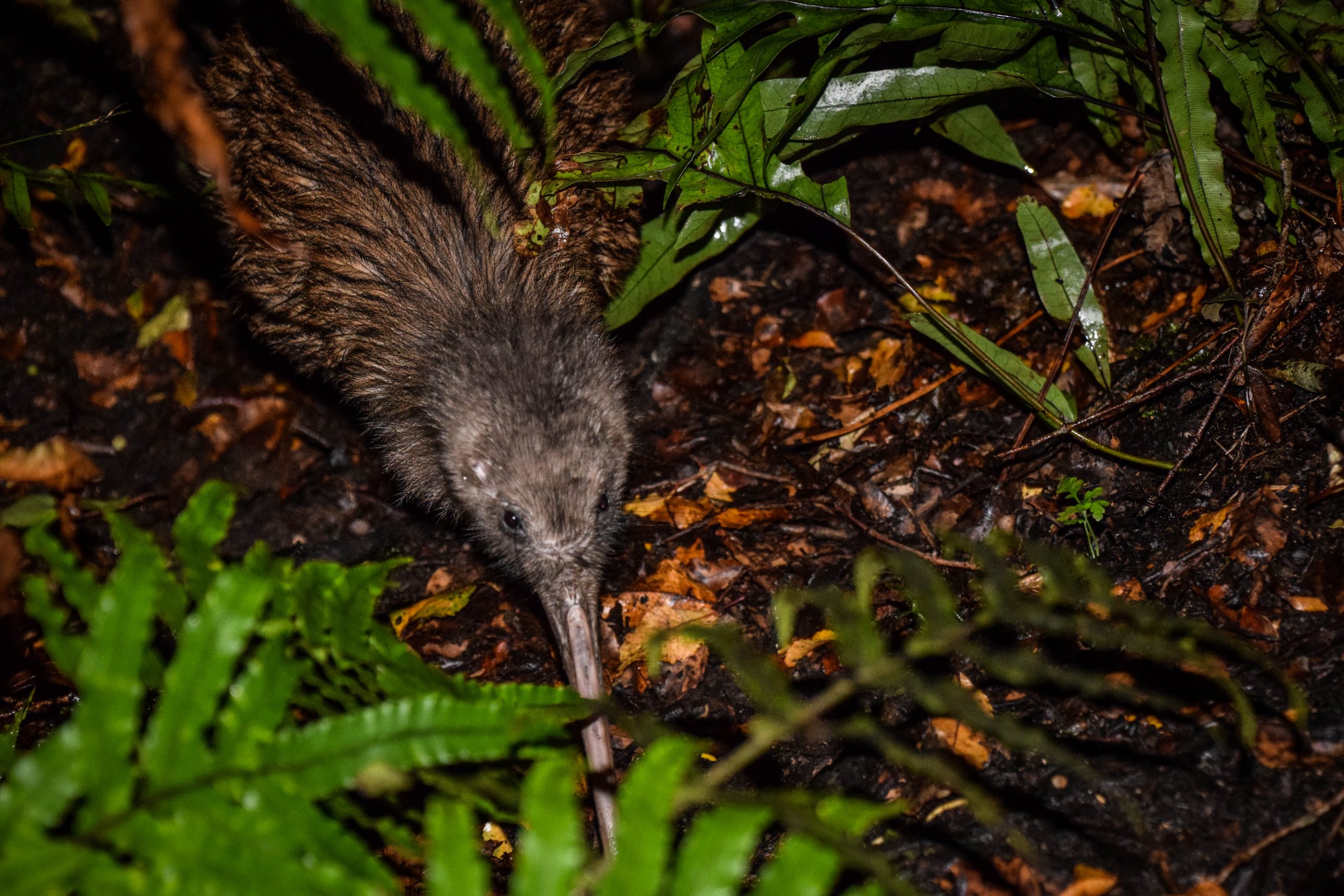
I got lucky as well. I set an alarm for midnight, took my flashlight and went for a short walk on a track, from where I came the previous day. I was walking very slowly, focusing on all the little noises in the bushes. Suddenly, I heard something and stopped moving for at least 15 minutes. I could clearly hear the movement closer and closer. The kiwi was walking perfectly towards me, probably curious about my flashlight. I had the one with white light but the best would be using the red light mode, so it doesn’t scare the kiwis off.

Kiwi on Stewart Island/Rakiura

It was quite a brave kiwi. At some point it was just at my feet, touching my shoelaces with his beak. Realizing that it’s not eatable, he continued his night journey through the forest. So did I, coming back to the tent to fell asleep completely satisfied with the night encounter.

Is it worth hiking Rakiura Track?

It’s definitely not that scenic as other Great Walks. However, there are things making up for it. Night walks in the forest in search for kiwis, spectacular sunrises and even more spectacular sunsets, dark skies and the chance to see Southern Lights. Due to the distance and advancement level, Rakiura Track is probably the best Great Walk for newbie hiker. And if you are experienced and want to go through muddy tracks even further, it’s possible to hike North West Circuit (125 km, 9-11 days) or Southern Circuit (71.5 km, 4-6 days).

Enjoy!

For questions, contact me on pinyourfootsteps@gmail.com

Introduction

Making use of cheap flights from Warsaw to Amman and a couple of free days between Christmas, New Year and Epiphany, I decided to visit the country that is home to spectacular sights such as Petra and Wadi Rum. Jordan has also the opinion of being the safest country in a rather unstable region. Travelling through Jordan in winter is a good idea for those that prefer cooler temperatures. It’s quite pleasant around the Dead Sea and the Red Sea, but the desert can get really cold and snowfall is possible. Furthermore, some attractions won’t be available due to the risk of flash floods, e.g. canyon hikes.

The following itinerary assumes you rent a car for the entire duration of your stay which makes moving between sights much easier and faster.

Day 1 – Amman airport, Bethany Beyond the Jordan, the Dead Sea

Upon arrival in Amman, you will meet a representative of Monte Carlo Car Rental company. They will take you to their office which is only 10 minutes from the airport, where you will pick up the keys to your car. In my case, it was a Mitsubishi Mirage. It’s a small car but should fit perfectly for 1-2 travellers or even 3 if travelling light.

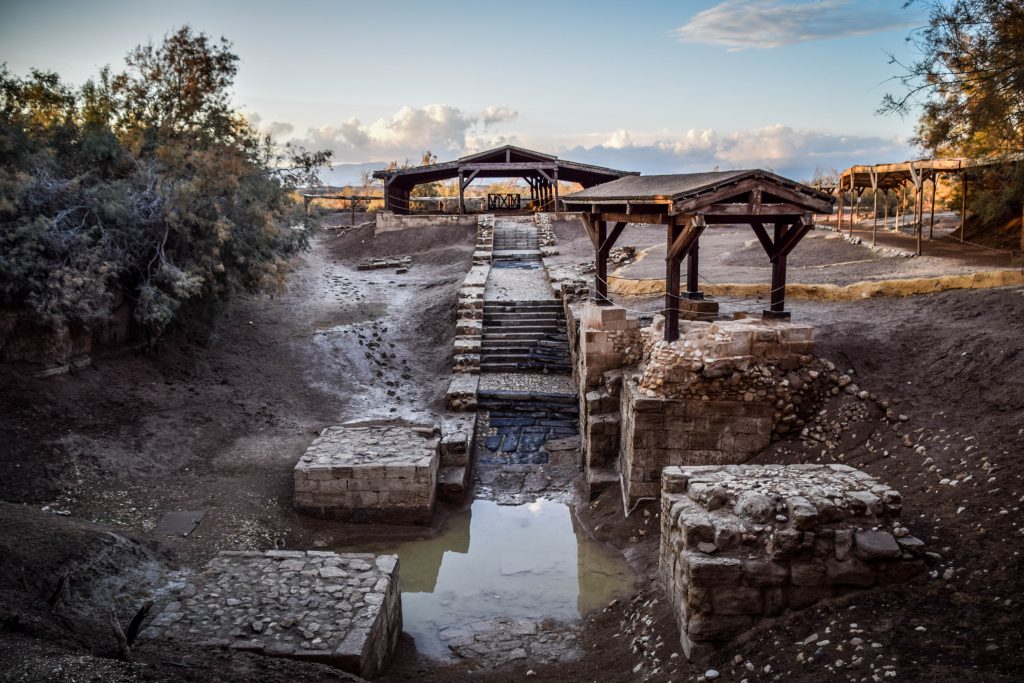
From there, take a very picturesque road descending the hills towards the Dead Sea, passing by the area where people live in tents and walk with the goats. Soon you will arrive at Bethany Beyond the Jordan. Several archaeological excavations in that area uncovered remains of churches, baptismal pools and prayer halls. Today, it is believed to be the most likely site of the baptism of Jesus by John the Baptist. Of course, it’s kind of symbolic, as the exact spot will probably never be identified. Entrance costs 12 JOD and sightseeing is with guided tours only which include transfer from the parking to the baptism site by minibus. The last entry in the wintertime at 4 pm and in the summertime at 6 pm.

Overnight: Ramada Resort by Wyndham Dead Sea. The hotel has its own beach and is very affordable comparing to other hotels and resorts in the area of Dead Sea.

Monte Carlo Car Rental, Jordan
Small but fast! Rented MItshubishi Mirage from Monte Carlo Car Rental
Bethany Beyond Jordan
Baptism site, Bethany Beyond Jordan
Bethany Beyond Jordan
Jordan
En route from Amman to Bethany Beyond Jordan
Jordan, Middle East
En route from Amman to Bethany Beyond Jordan

Day 2 – Dead Sea Highway, Wadi Mujib, Karak Castle, arrival to Wadi Rum

After breakfast, check out the beach that belongs to the hotel. It’s only 10 minutes walk or alternatively you can use a shuttle bus. When I was there, the weather was pretty bad. Cloudy, windy, cold. There was a blue sky on the horizon so probably later the situation improved but at that moment I really didn’t feel like going to the water. Instead, I hit the road towards Karak Castle with several stops on the way.

The Dead Sea, Jordan
Beach at Ramada Hotel

First stop is Wadi Mujib. It’s a very popular canyon for hikes, however, in winter it’s closed due to the risk of flash floods. The information centre and viewpoint there is still open though, so it’s worth to have a look.  

Wadi Mujib, Jordan
Wadi Mujib

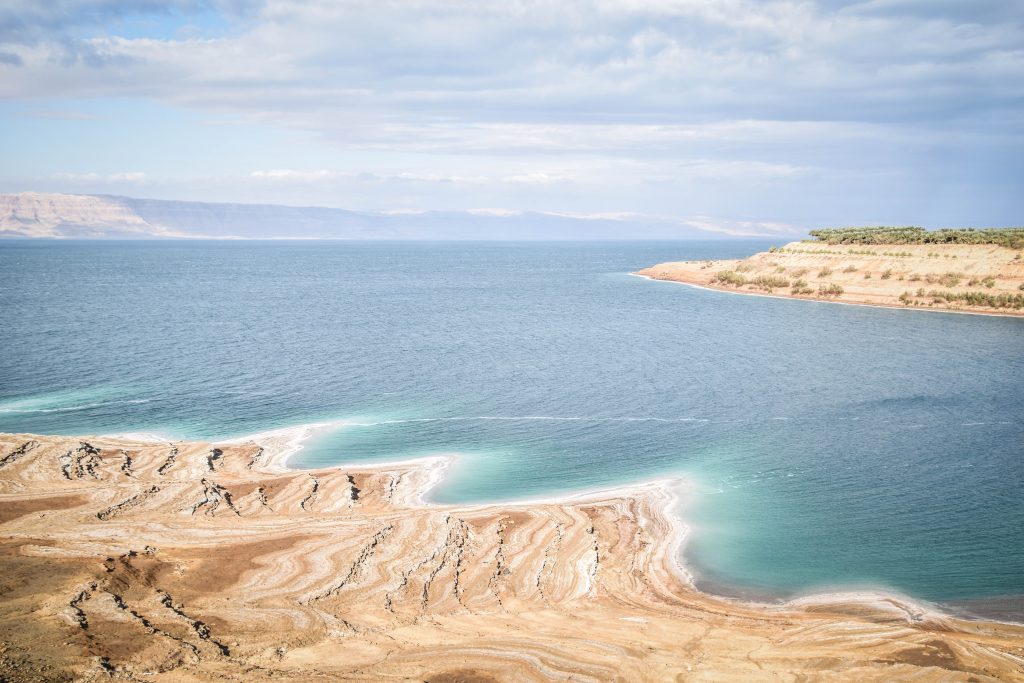
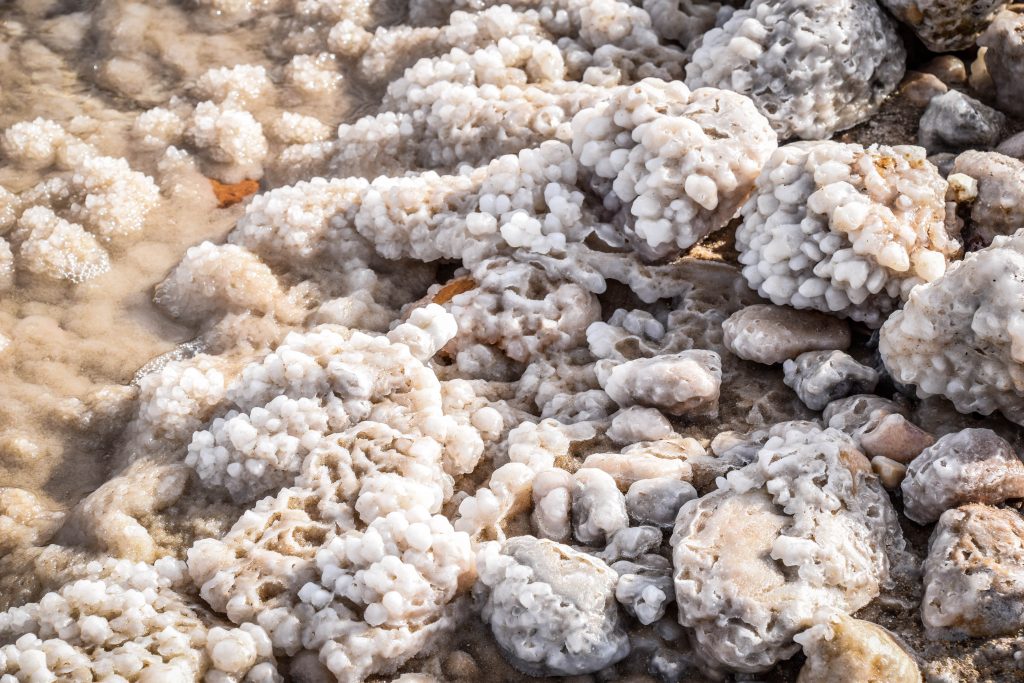
Continue along Jordan Hwy towards the place called Coral Reefs. The name comes from the salt formations on the banks of the Dead Sea, which looks similar to the coral reef. Leave the car just off the main road, take your swimming shorts and shoes (essential as the salt crystals are very sharp) and make your way down the hill. Being away from the main paid beaches, it’s a great place for a peaceful play in the Dead Sea. The water was much warmer than I expected and the feeling of floating was stunning!

The Dead Sea, Jordan

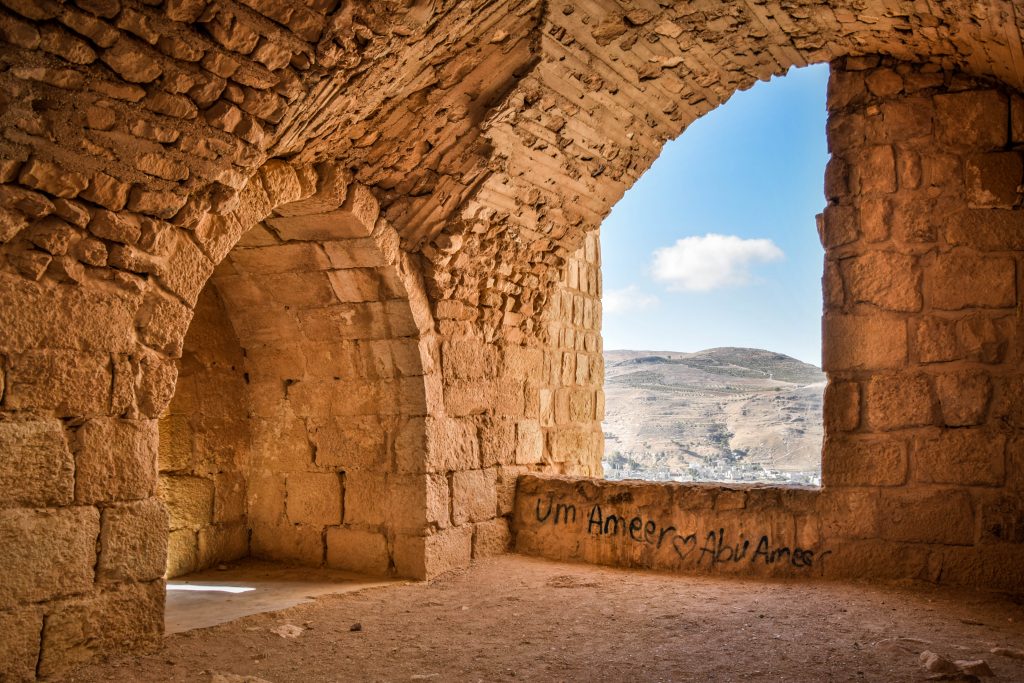
Next, take Route 50 towards Karak Castle. It’s one of the largest and most famous Crusader castles in the region where furious battles between Crusaders and Islamic armies of Saladin took place.

Karak Castle, Jordan

From Kerak it’s about 3.5 hours drive via Kings Hwy to Rum Village. Whichever Bedouin camp you choose, it’s necessary to park the car here, find your company representative and continue further to the camp by 4×4 jeep. I chose Bedouin Directions, which have a camp about 45 minutes drive from the village into the desert. Contact them online to check availability.

Overnight: Bedouins Directions campsite

Day 3 – Wadi Rum

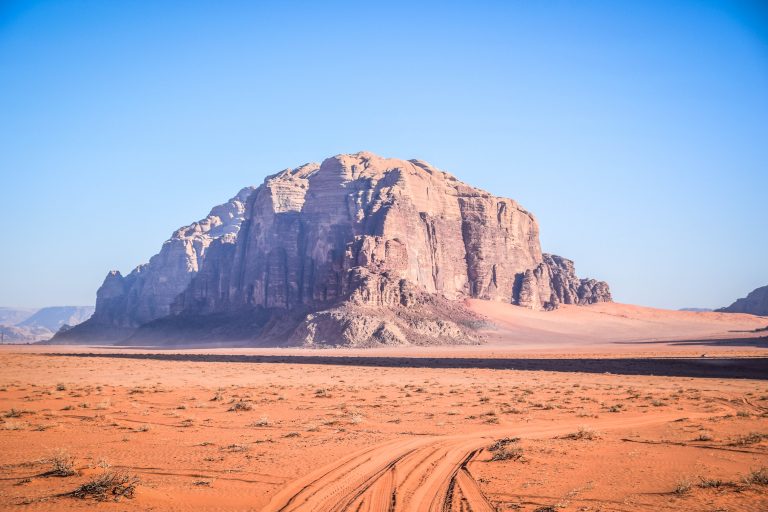
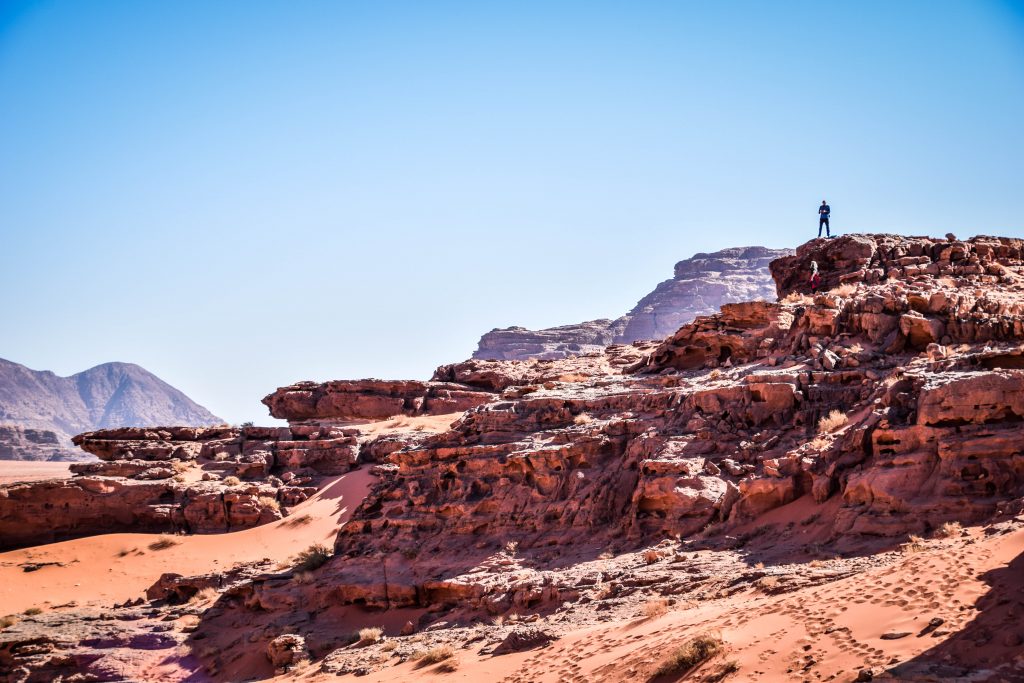
You have several options about how to spend the day. Hiking, camel trekking or jeep tours being the most popular ones. I opted for the full-day jeep tour. The guide and driver from Bedouin Directions was a great guy, even though his English skills were very limited. During the tour, you will visit several highlights of the desert: Lawrence Spring, Red Sand Dune, Little Rock Bridge, Burdah Rock Bridge, Um Fruth rock bridge, Khazali & Burrah Canyons. Everything concluded with an amazing sunset!

Wadi Rum, Jordan
Wadi Rum, Jordan
Wadi Rum, Jordan
Wadi Rum, Jordan
Wadi Rum, Jordan
Wadi Rum, Jordan

Overnight: Bedouins Directions campsite

Day 4 – Wadi Rum, Aqaba

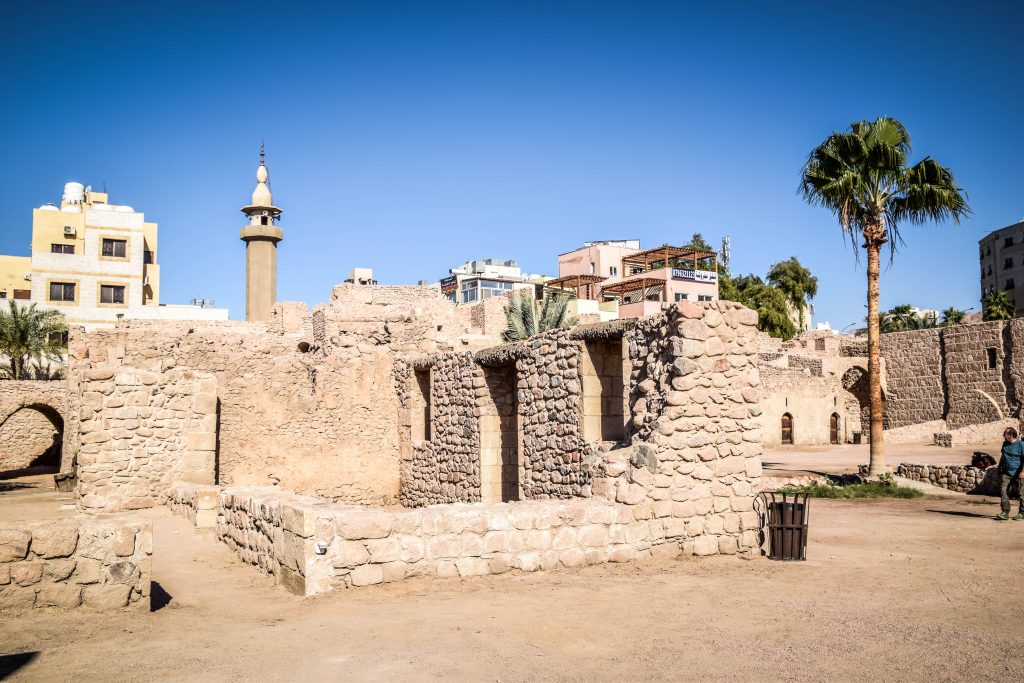
In the morning, do 1-hour camel ride back to the Rum Village and then stop at the Visitor Centre for a short hike from there towards The Pillars of Wisdom. How difficult it is to walk on soft sand! In the second half of the day, make your way to Aqaba. There, visit the castle built by Crusaders, Sharif Hussein bin Ali Mosque and South Beach known for great snorkelling and diving. Corals are really nice, there is also the wreck of the plane and tank accessible even for snorkelers. Several dive centres operate in the area so rent your gear and ask for directions over there.

Aqaba, Jordan
Aqaba Castle
Aqaba, Jordan
Sharif Hussein bin Ali Mosque, Aqaba
Aqaba, Jordan
Aqaba

Overnight: Grannie House

Day 5 – Little Petra, Petra

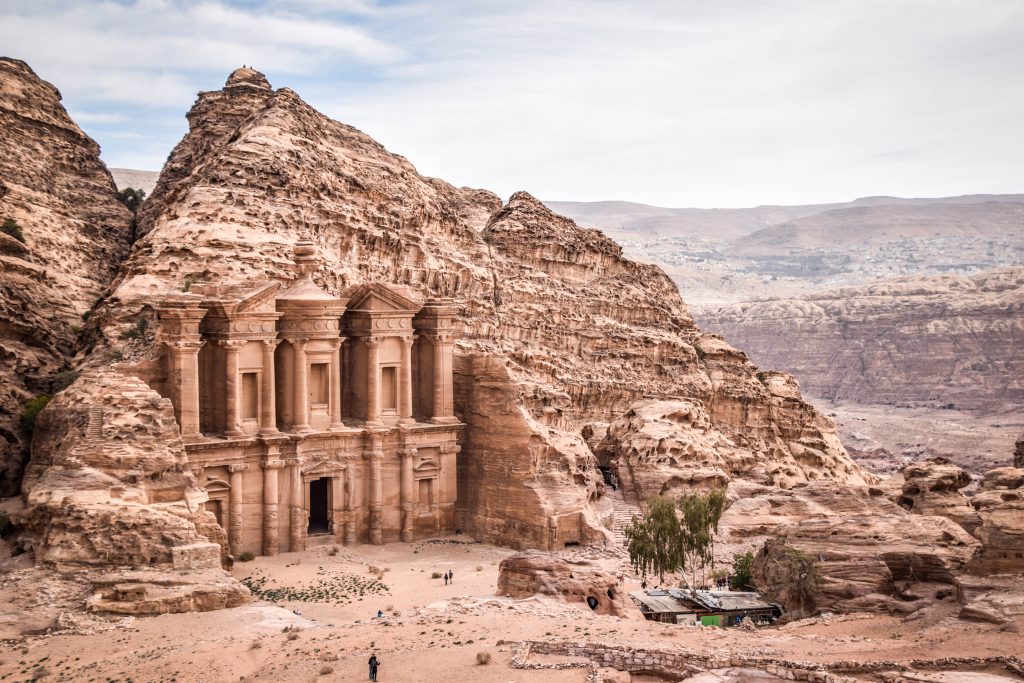
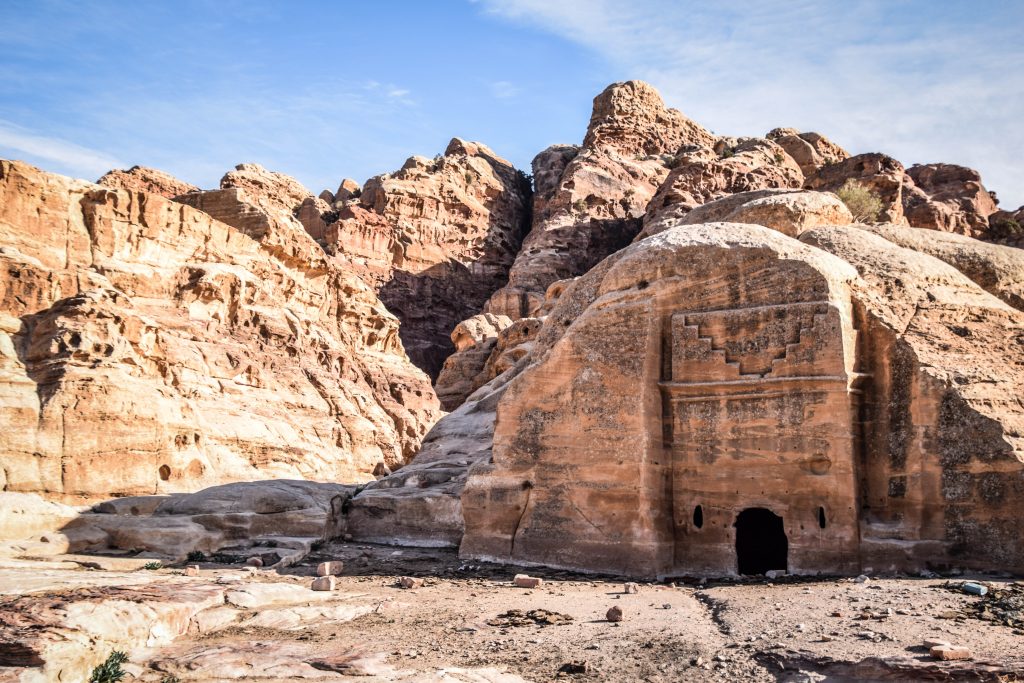
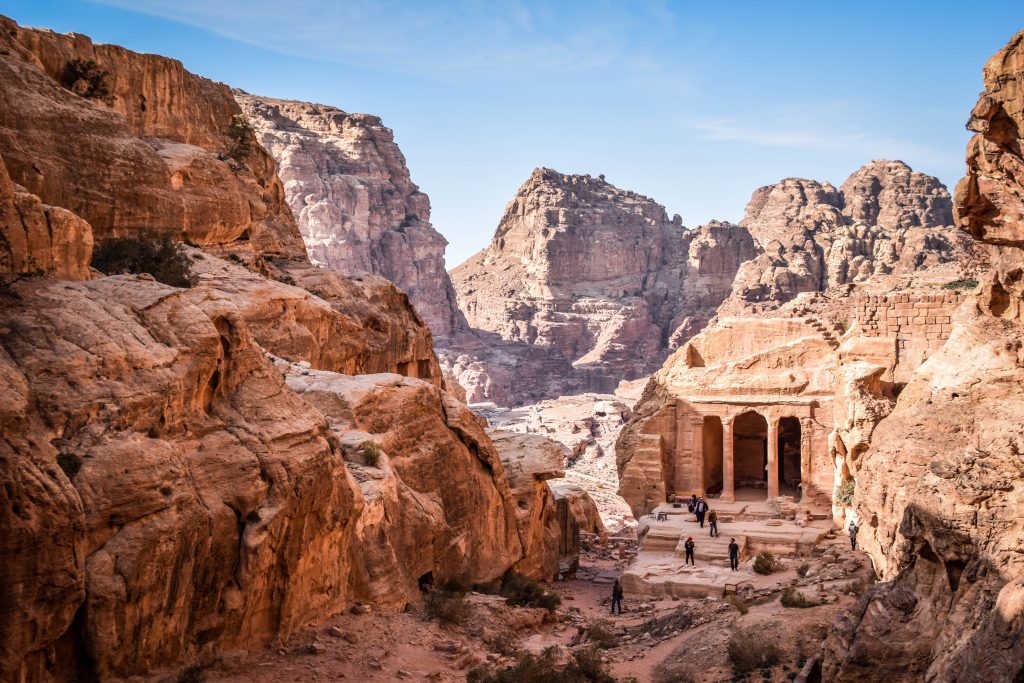
Follow Route 65 to the north until after around 1.5 hours you will see the signs towards Petra. Turn right and continue along the mountain road to the intersection with Kings Hwy. Little Petra should be your first stop. If you do Little Petra after main Petra, then it simply won’t impress you that much. Continue to one of the New Seven Wonders of the World – Petra and have a look into Petra Museum first to get the historical background of what you will see later. Then, continue through the Siq to the High Place of Sacrifice and further through Wadi Farasa exiting right next to Temple of Dushares. It’s a great hike and not that busy as the main road in Petra. It’s getting late so start to walk back, stopping next to the Royal Tombs to admire the sunset.

Petra, Jordan
Ad Deir, Petra
Petra, Jordan
Petra
Petra, Jordan
Treasury, Petra
Petra, Jordan
Wadi Farasa Trail, Petra
Petra, Jordan
Wadi Farasa Trail, Petra

I was considering doing the attraction called Petra by Night, but after reading so many negative reviews I decided not to. If you decide to do it, it’s every Monday, Wednesday and Thursday of each week and costs 17 JOD.

Overnight: Nomads Hostel

Day 6 – Petra, Shobak Castle, Dana Village

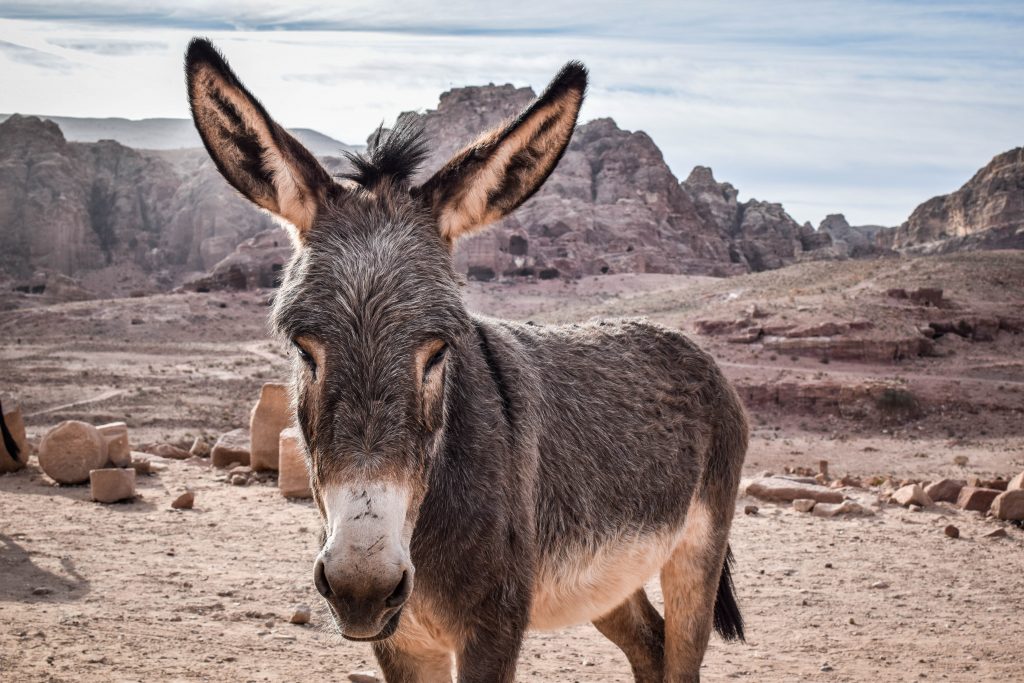
Start the day at 6 am to have the chance of taking a couple of pictures in the Siq without crowds. Next, climb the rock just opposite the Treasury and then follow Al-Khubtha Trail (starting just to the left behind the Royal Tombs) to another Treasury Viewpoint. The next stop is Ad Deir (Monastery) and you will get there following the uphill trail to the end of the valley with lots of donkey poo on it. On the way back, I check out the Great Temple, Lion Triclinium, Roman Theatre and Byzantine Church. Finally, it’s time to hit the road again. Make your way to the next destination – Shobak Castle.

Petra, Jordan
Petra
Petra, Jordan
Petra

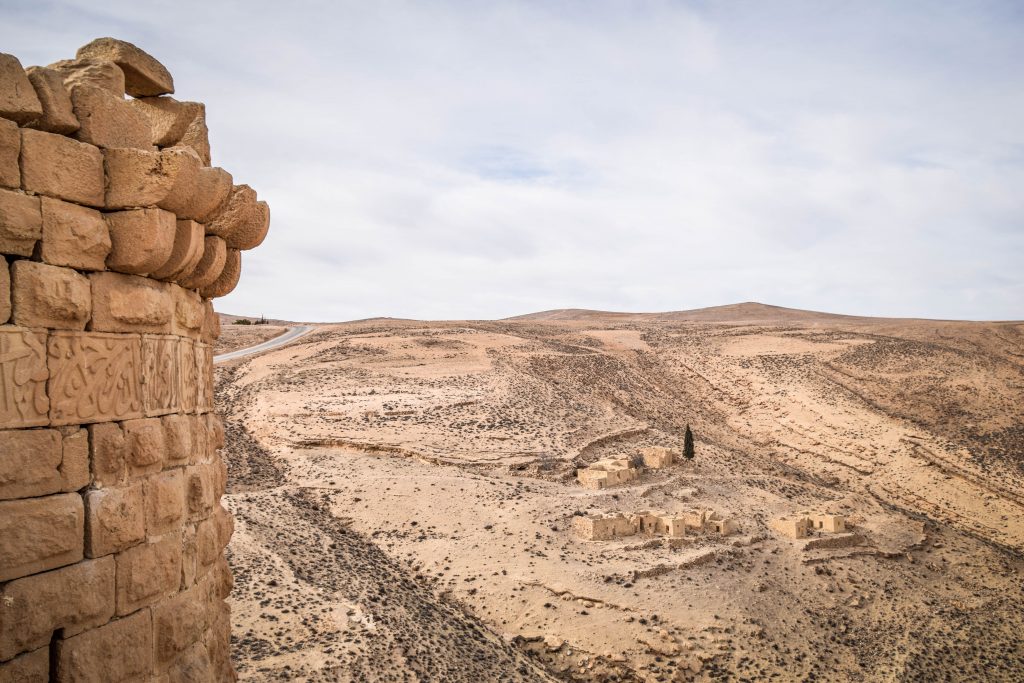
Shobak Castle is a Crusader castle built by the king Baldwin I in 1115. The location on the hill and landscape around it are more interesting than the castle itself, although it’s still interesting to wonder around such old walls. Defenders of the castle resisted numerous attacks from the armies of Saladin before giving up after an 18-month siege. From here, your hotel in Dana Village is only half an hour away.

Shobak Castle
Landscape around Shobak Castle
Shobak Castle
Shobak Castle panorama
Shobak Castle
View from Shobak Castle
Dana, Jordan
Dana Reserve

Overnight: Dana Tower Hotel. I recommend paying extra for dinner. It doesn’t seem that there is a lot of restaurants beside ones in hotels, and the buffet in Dana Tower Hotel is great value for the price.

Day 7 – Wadi Dana Trail

The guys in Dana Tower Hotel advised me to start the hike early as later on there is someone standing at the entrance and charging 8 JD. I recommend to do the same! The trail is 16 km long and starts just behind the hotel. It is not marked, however, it would be really difficult to get lost as you follow the valley all the time. You can either go to the end, where you will reach Feynan Eco-Lodge and organize a taxi back to Dana Village. A taxi will cost around 40-50 JD and take over 2 hours. You can get a drink in Feynan and wait for more hikers to split the costs. Alternatively, simply don’t go to the very end of the trail and come back the same way on foot. The landscape does not change anyway and you will save quite some money. The whole adventure takes most of the day and Dana Village is pleasant enough to justify another night there.

Dana, Jordan
Dana Trail
Dana, Jordan
Dana Trail
Dana, Jordan
Dana Trail
Dana, Jordan
Dana Village

Overnight: Dana Tower Hotel

Day 8 – Lot’s Cave, Umm ar-Rasas, Fortress of Machaerus, Madaba

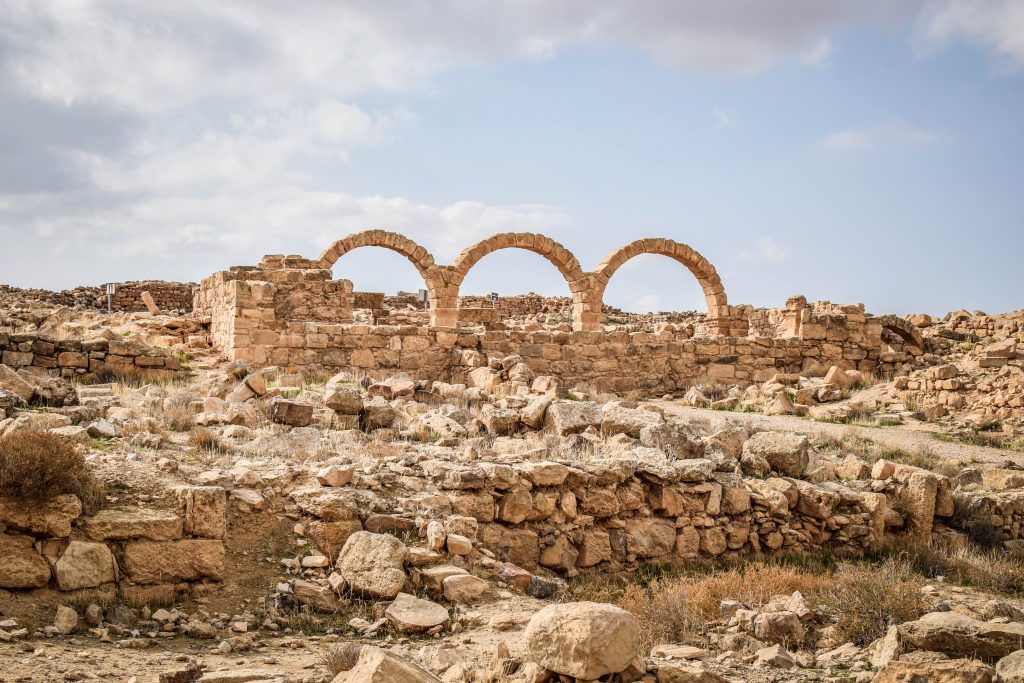
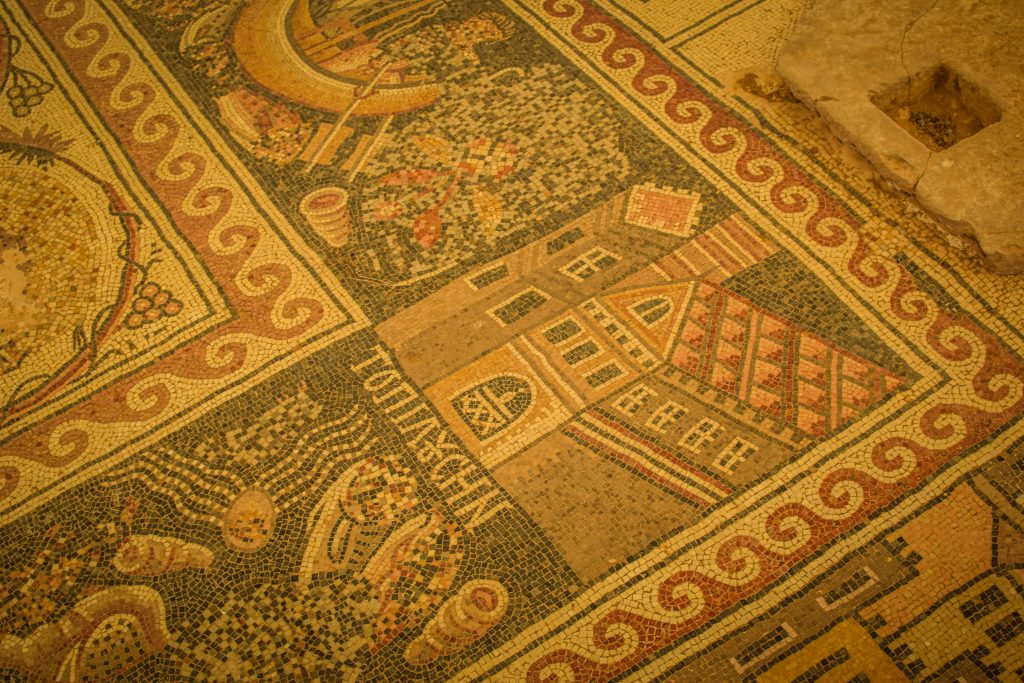
Long drives today. First, make a detour to Lot’s Cave. Lot is believed to have lived here together with his daughters after fleeing the destruction of Sodom and Gomorrah. Next stop is Umm ar-Rasas ruins with famous floor mosaic in Stephen’s Church.

Umm Ar Rasas, Jordan
Umm ar-Rasas
Umm Ar Rasas, Jordan
Umm ar-Rasas
Umm Ar Rasas, Jordan
Umm ar-Rasas

Further on the Fortress of Machaerus offers breathtaking views of the Dead Sea and the surrounding area. The place is most likely where John the Baptist was kept captive and eventually beheaded. Not much of the ruins left though.

Machaerus, Jordan
Machaerus Fortress

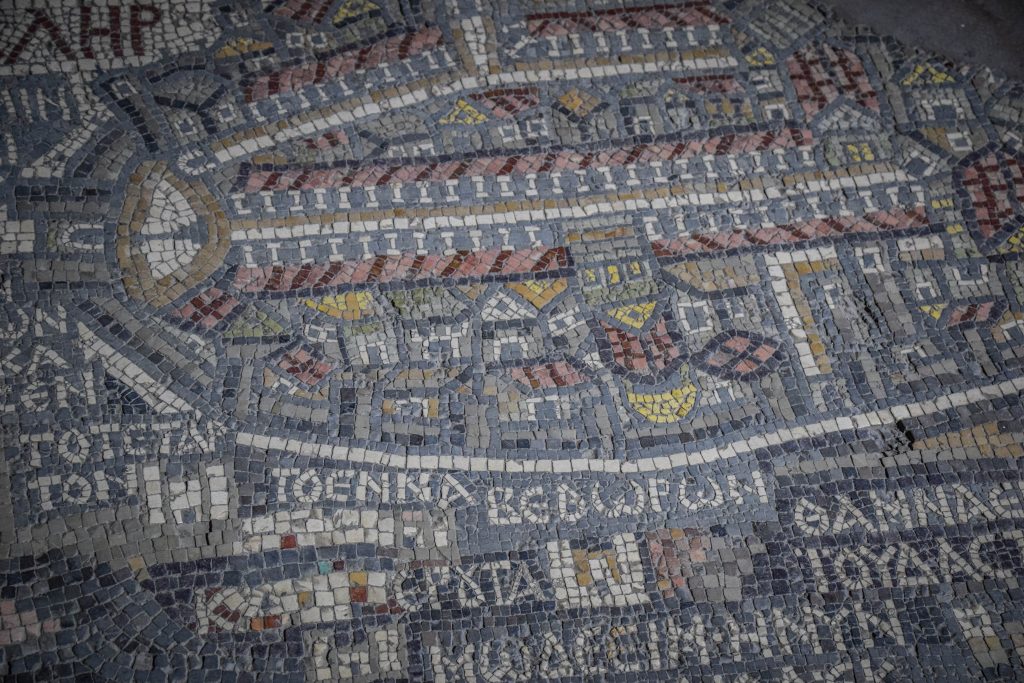
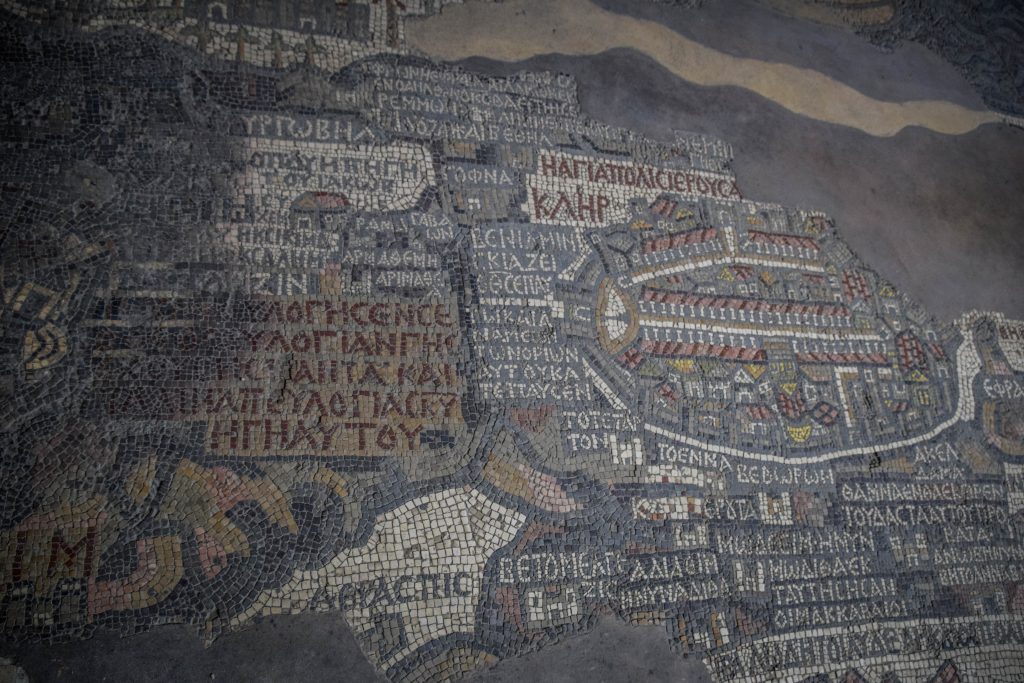
Continue to Madaba – the city of mosaics. The most famous one is in St George’s Church and presents the map of all major biblical sites in the Middle East, including Egypt and Palestine. But it’s certainly not the only site worth visiting in town. Church of the Beheading of John the Baptist offers superb city panorama from its bell tower but also photographs and replica of mosaic at Umm ar-Rasas. Not enough of mosaics? Then drop by to Church of the Apostles, Archeological Parks I & II and Madaba Museum.

Madaba, Jordan
View from the Church of the Beheading of John the Baptist
Madaba, Jordan
Madaba Map, St George’s Church
Madaba, Jordan
Madaba Map, St George’s Church
Madaba, Jordan
Madaba Map, St George’s Church

Overnight: Moab Land Hotel

Day 9 – Amman

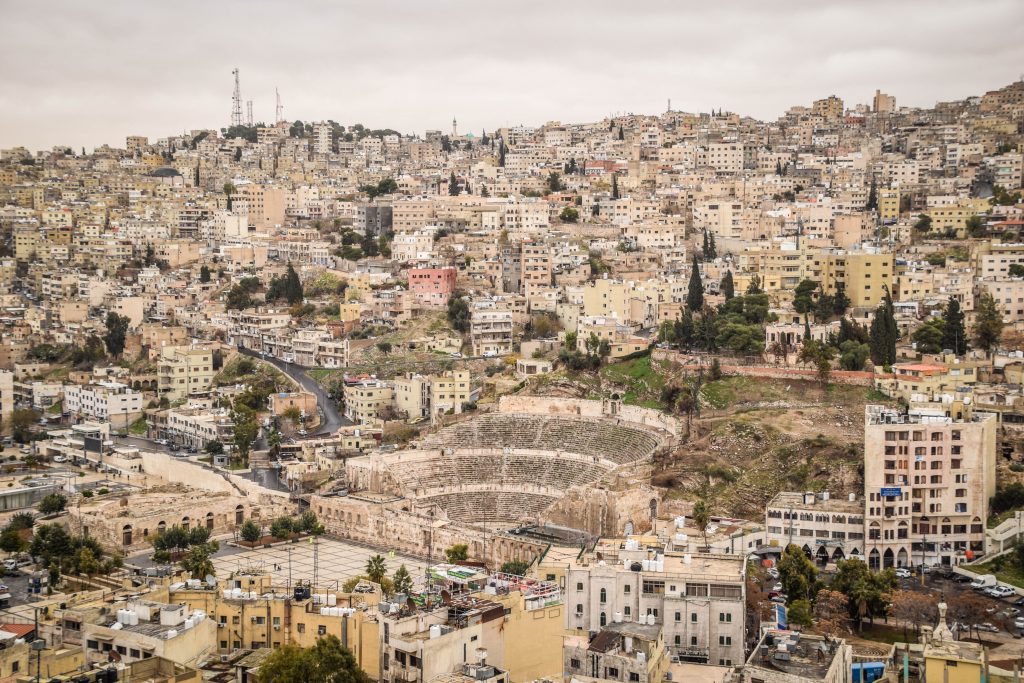
One day is an absolute minimum to do the city justice. The ruins of Citadel on top of Jebel Al Qala and Roman Theatre (seating capacity 6.000) downtown are must-see. Getting a ticket to the last one will also get you into the Folklore Museum and Museum of Popular Traditions. Both are very compact but worth having a quick look. Odeon is just on the east side of the Roman Theatre. Back then it was a place for music performances and seated 500 people. A few steps further are Al Husseiny Mosque and Nymphaeum (public fountain).

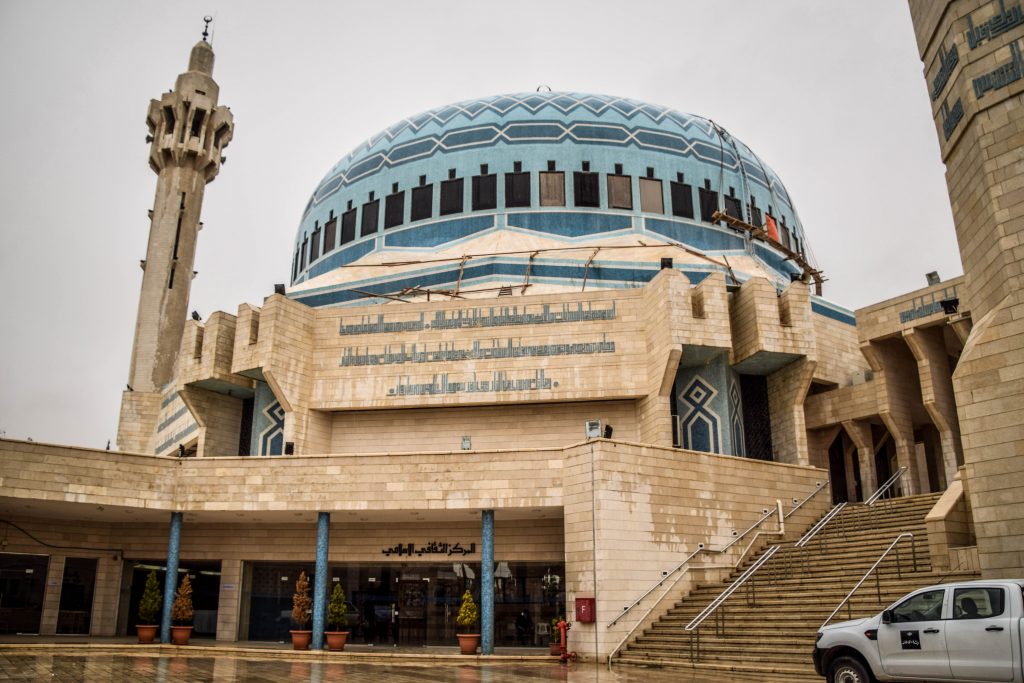
Drive or take a taxi to King Abdullah Mosque. It was finished in 1989 and is recognizable by a huge blue dome. Tourists are welcome to visit.

Add to your day Jordan Museum which is the best in the country and leads you through Jordan’s history from ancient to modern times.

Putting all the historical attractions on the side, in this city, you will get something that you can’t get anywhere else in Jordan. It’s big, dynamic and modern with a lot of nice eateries, coffee houses and cool hostels. For dinner and drinks check out Rainbow Street or Hashem Restaurant for their famous falafel and hummus. I was there twice!

Amman, Jordan
View from Citadel, Amman
Amman, Jordan
Roman Theatre, Amman
Amman, Jordan
Roman Theatre, Amman
Amman, Jordan
Citadel, Amman
Amman, Jordan
Citadel, Amman
Amman, Jordan
Streets of Amman
Amman, Jordan
Streets of Amman
Amman, Jordan
King Abdullah Mosque

Overnight: Sydney Hotel

Day 10 – Jerash, As-Salt

Start the day with a drive to Ajloun Castle, which was built in the 12th century under the rule of the sultan and military leader Saladin. The castle sits on top of Mount ‘Auf and provides visitors with panoramic views of the Jordan Valley and surrounding desert. 

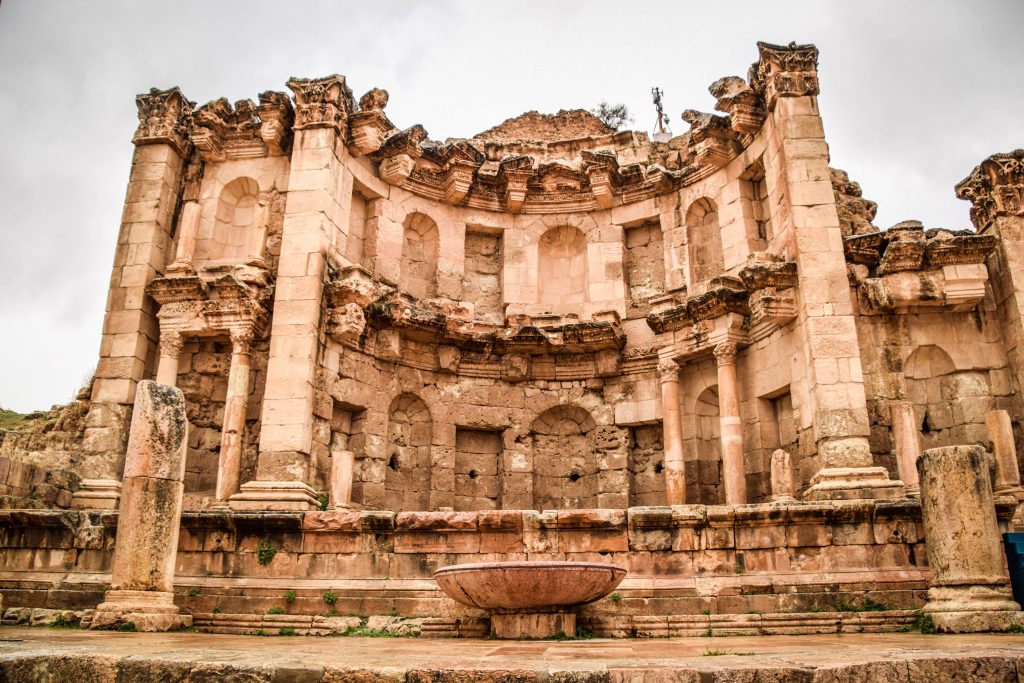
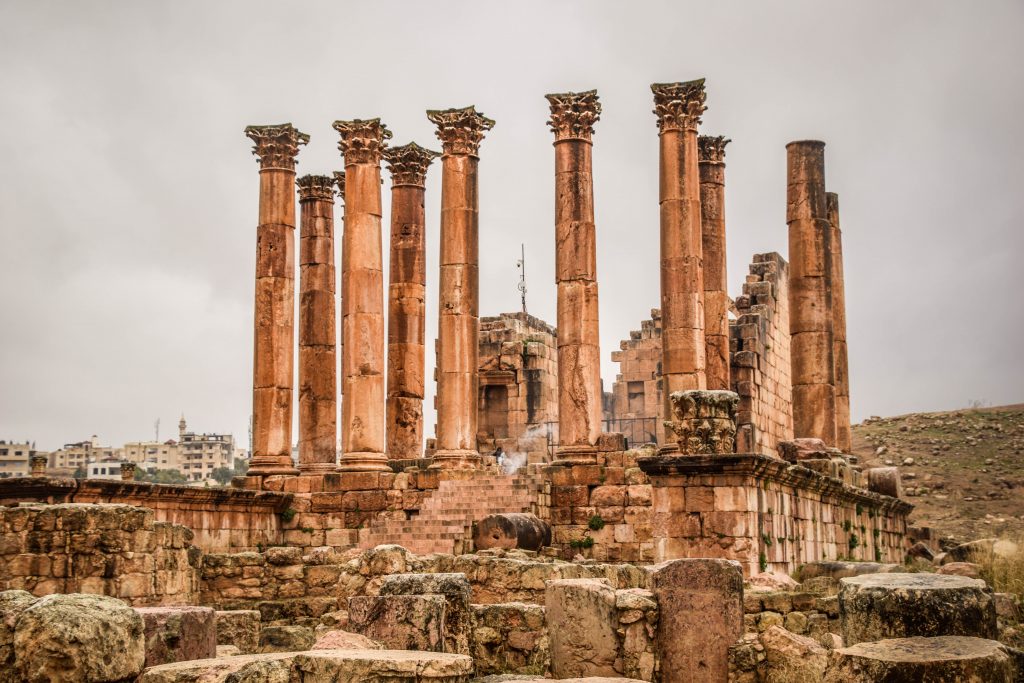
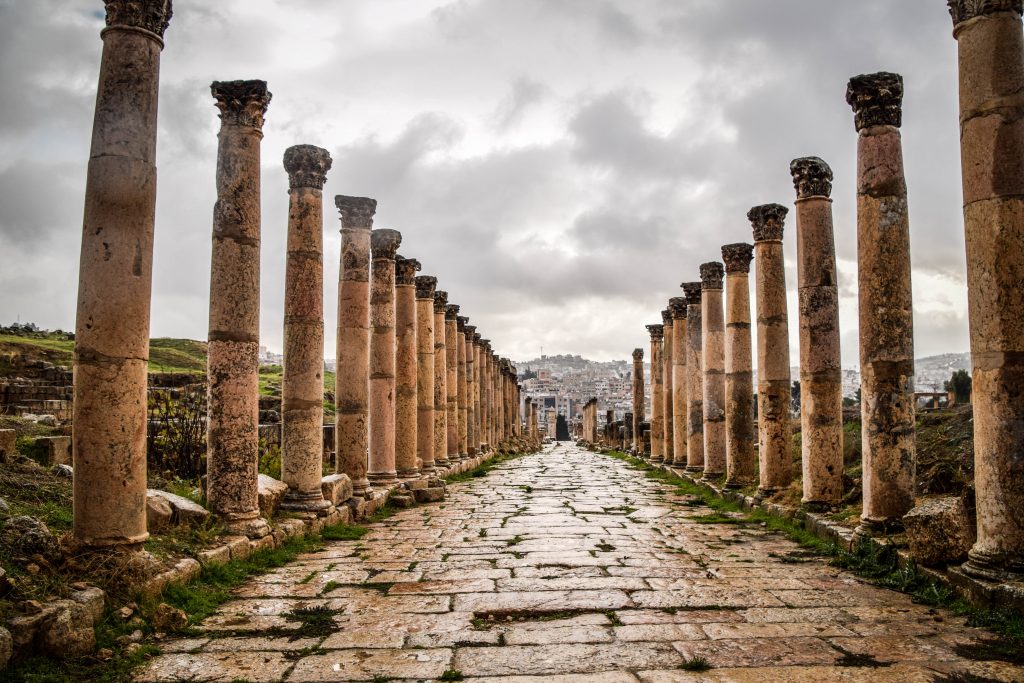
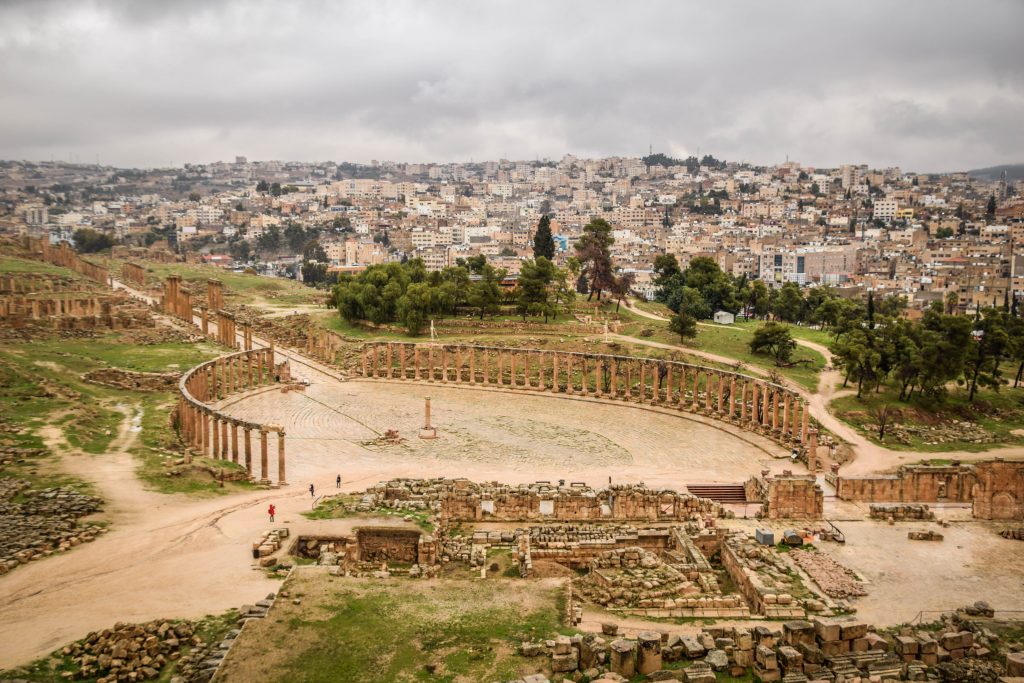
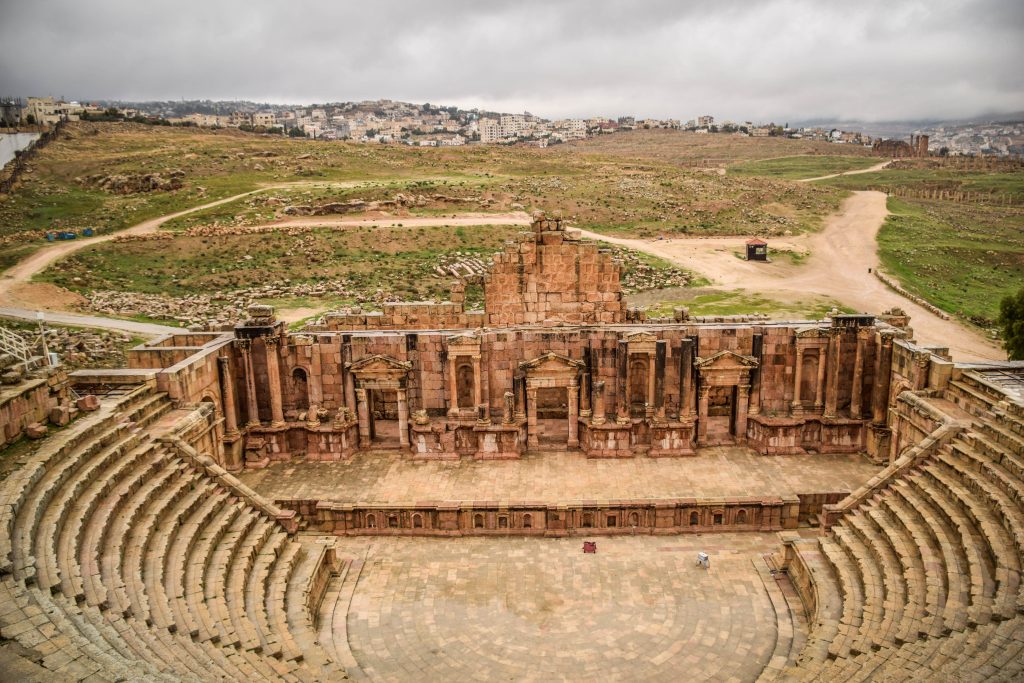
Next, return to Jerash. Tourists stop here for one reason – Roman ruins of the ancient city in Archeological Site of Jerash. Enter through Hadrian’s Gate and get lost in this big area with ceremonial gates, collonaded streets, hippodrome, forum, theatres, temples, fountains and a small museum. At least 3 hours are necessary to see and appreciate it all.

Jerash, Jordan
Nymphaeum, Jerash
Jerash, Jordan
North Gate, Jerash
Jerash, Jordan
Temple of Zeus, Jerash
Jerash, Jordan
North Theatre, Jerash
Jerash, Jordan
Collonaded Street, Jerash
Jerash, Jordan
Forum, Jerash
Jerash, Jordan
South Theatre, Jerash

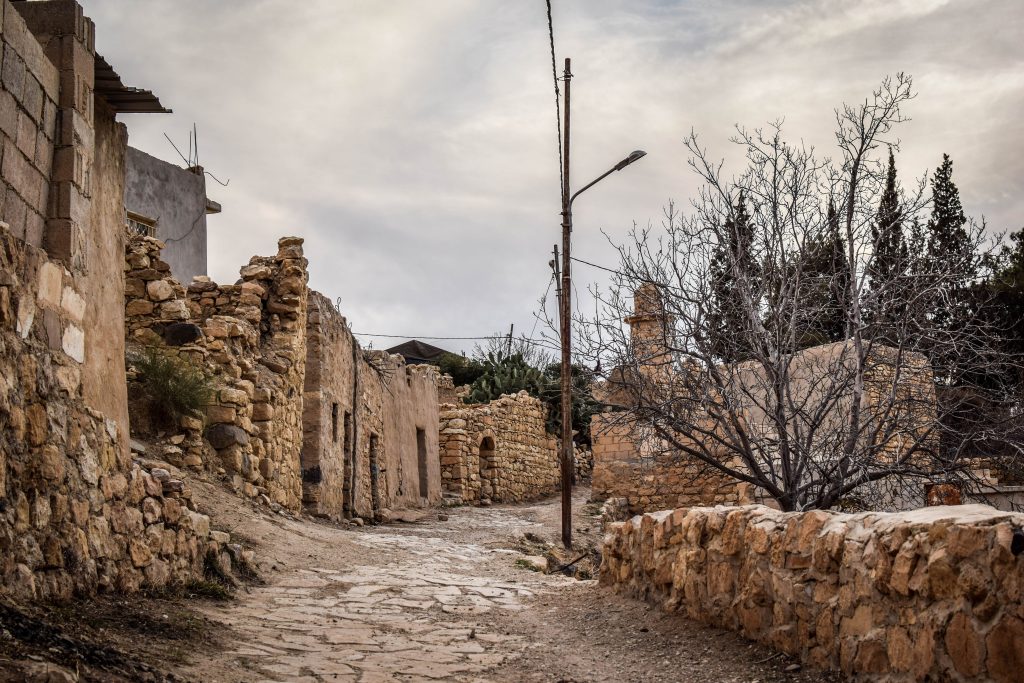
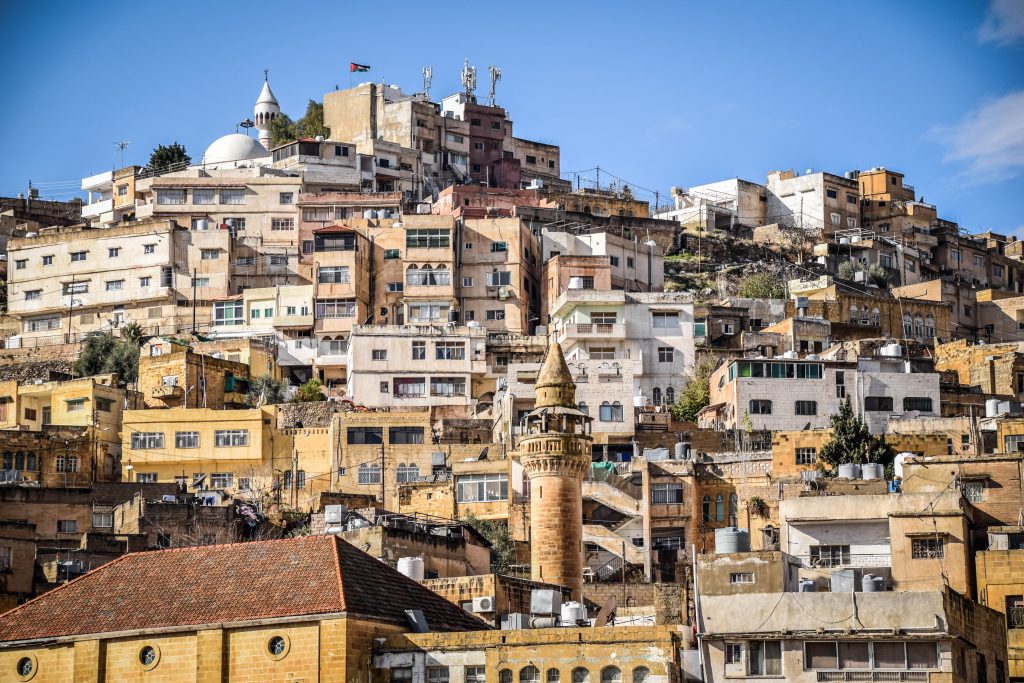
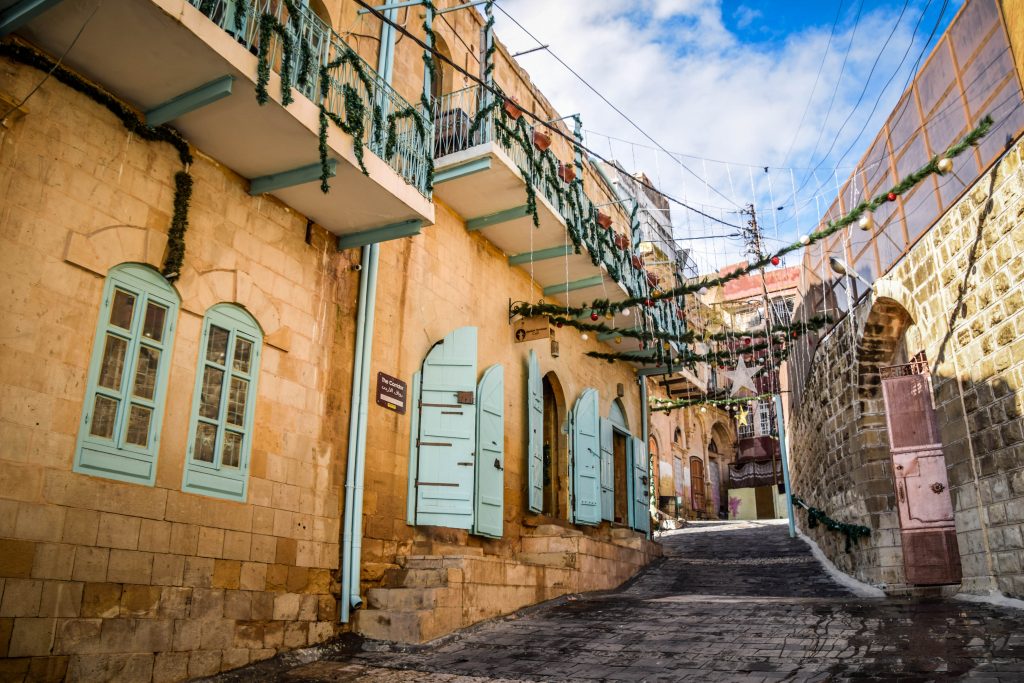
The last stop for today is As-Salt. Here nothing is better than simply walking around and admiring architecture from the Ottoman period. The city was the most prosperous when in the 20th century Ottomans established a regional administrative base here. But then, Amman was chosen as the new capital of the Empire of Transjordan and As-Salt lost its importance.

Check out Orthodox Church, Hammam Street Market, Ottoman Mosque, Salt Archeological Museum, Muhammed Al Bashir’s House and Abu Jaber Museum.

As-Salt, Jordan
As-Salt
As-Salt, Jordan
As-Salt
As-Salt, Jordan
As-Salt
As-Salt, Jordan
As-Salt
As-Salt, Jordan
As-Salt

Come back to Amman and spend your last night in one of the traditional restaurants, e.g. AlQuds.

Overnight: Sydney Hotel

Day 11 – Mount Nebo, Amman airport

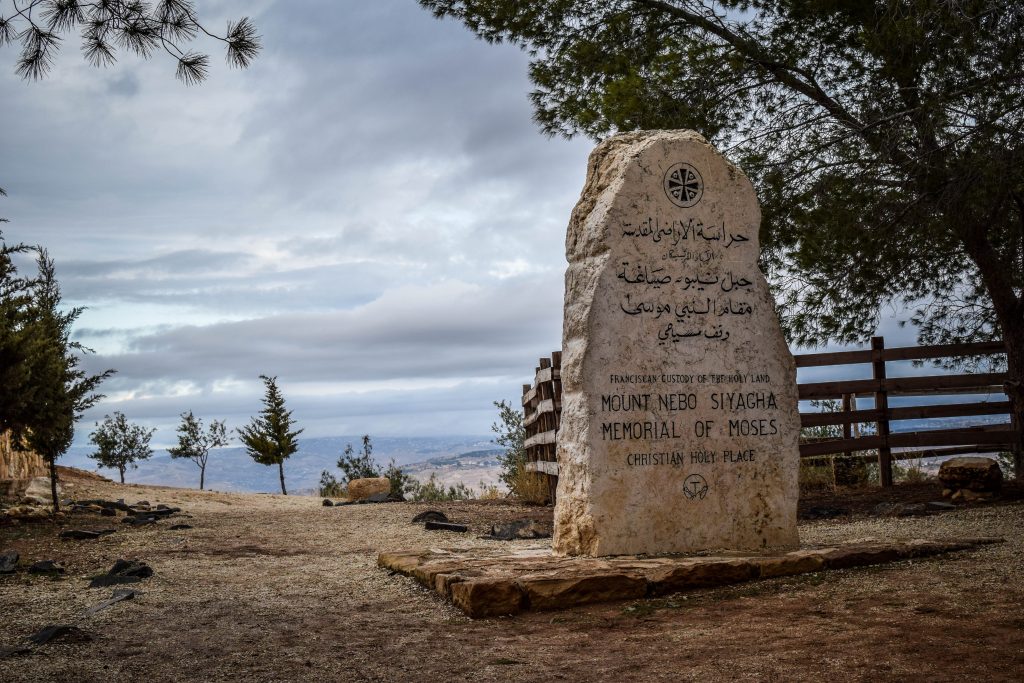
It’s around one hour from Amman to Mount Nebo. The place is mentioned in the Hebrew Bible as the one where Moses was granted a view of the Promised Land. Nowadays, the views are still amazing. The Dead Sea, the Jordan River Valley, Jericho, Bethlehem and the hills of Jerusalem in a distance. Drop by to the basilica and have a look at the Byzantine mosaics and serpentine cross sculpture. Nearby, there is the La Storia Tourism Complex with a bit kitschy exhibition but a great shop with mosaics and other souvenirs. Don’t be shy to negotiate the price.

Mount Nebo, Jordan
Moses Memorial, Mount Nebo
Mount Nebo, Jordan
View from Mount Nebo
Mount Nebo, Jordan
En route to Mount Nebo
Mount Nebo, Jordan
En route from Mount Nebo

Floor mosaic can be also viewed in Church of Saint George. If it’s closed, go to the nearby house and the owner will open it for you. Then… it is time to return the car and get ready for the flight back!

Questions? Contact me via Instagram or pinyourfootsteps@gmail.com

Introduction

Tongariro Northern Circuit was my first New Zealand’s Great Walk. It was also the first overnight hike in my life! I did camp before, but it was rather during road trips. Carrying food supplies, water, tent, sleeping bag, gas stove, cooking pot, water filter, clothes for change – all of it on my back for 2 days in volcanic landscape sounded like a challenge. What an exciting one!

Tongariro National Park

You will be hiking in one of the oldest National Parks in the world!

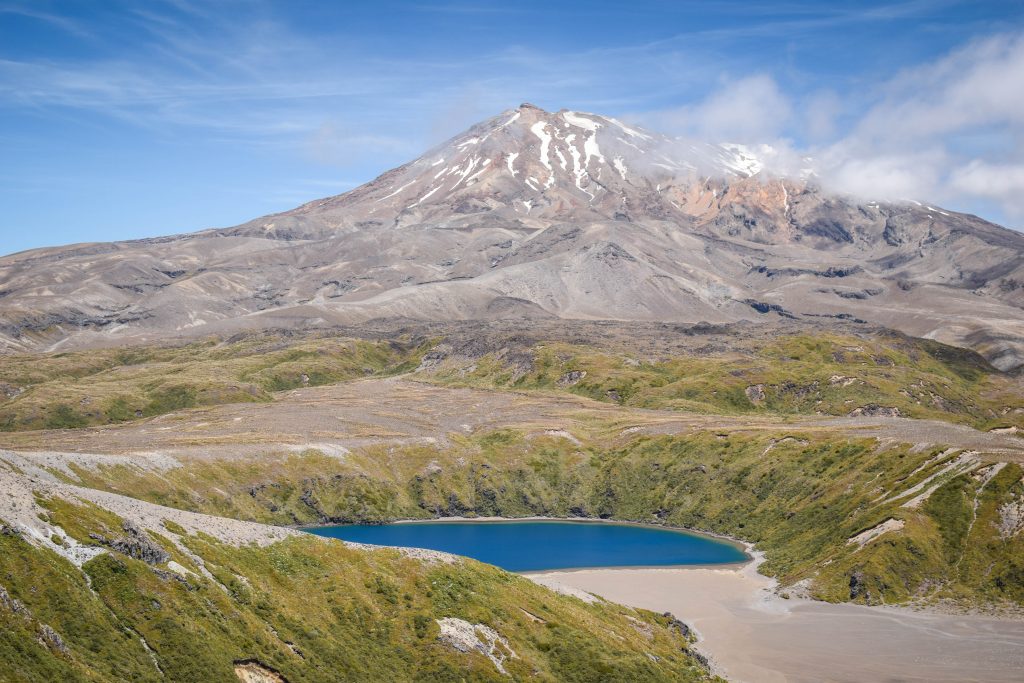
In 1894, Tongariro became the first National Park established in New Zealand and the fourth to become such worldwide. From 1993 it is on the World Heritage List for both Maori cultural significance and volcanic landscape. There is a wide choice of walks available in the area, suitable for all levels of fitness. Two of them are especially worth considering!

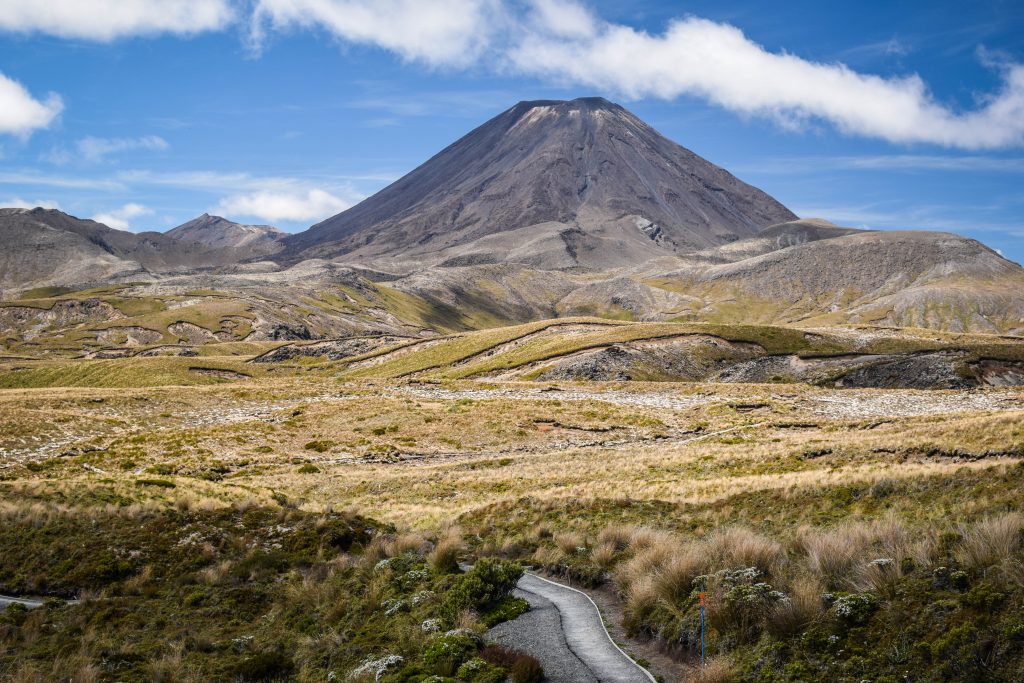
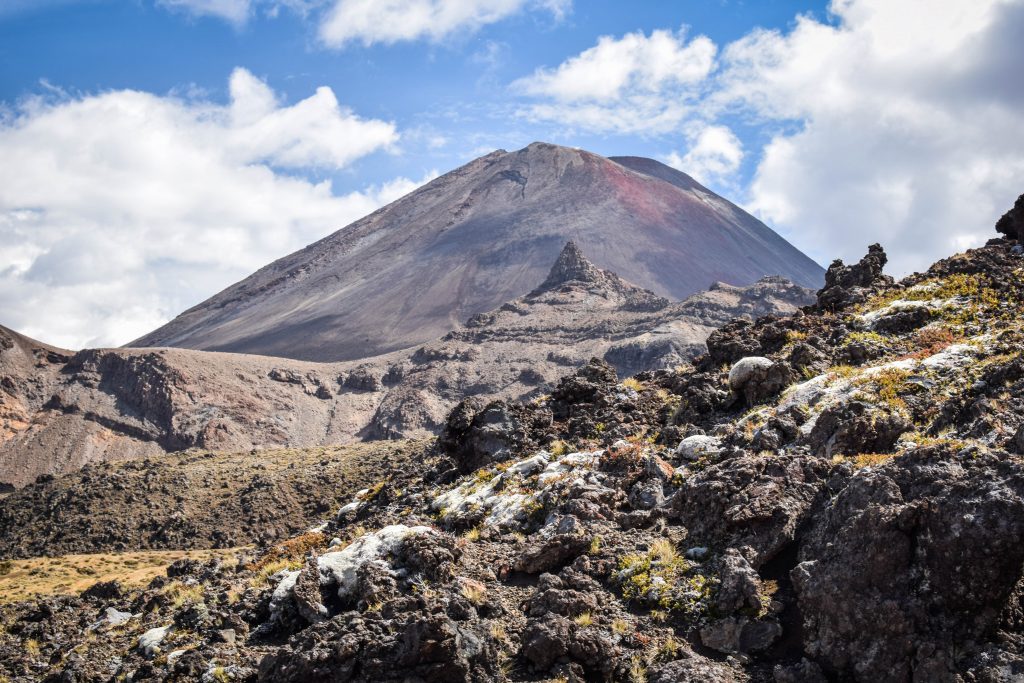
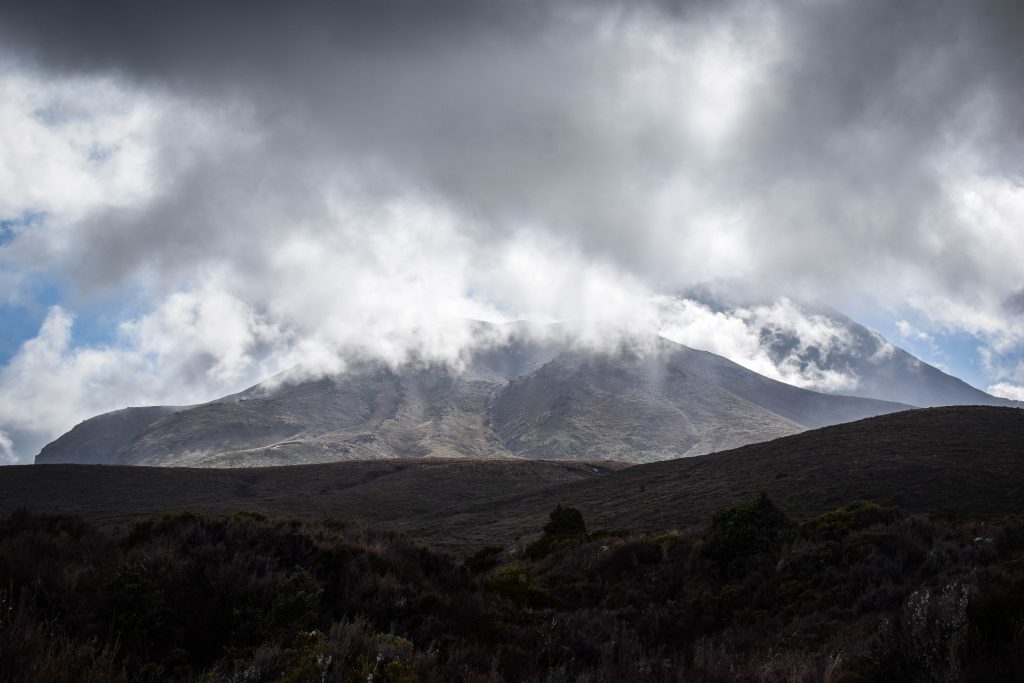
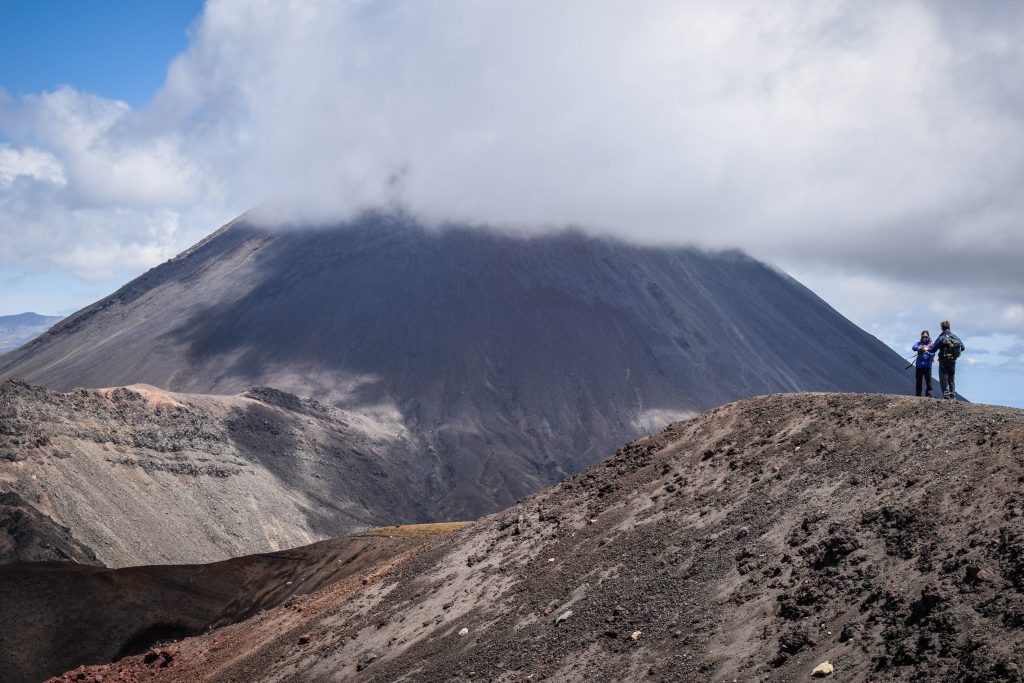
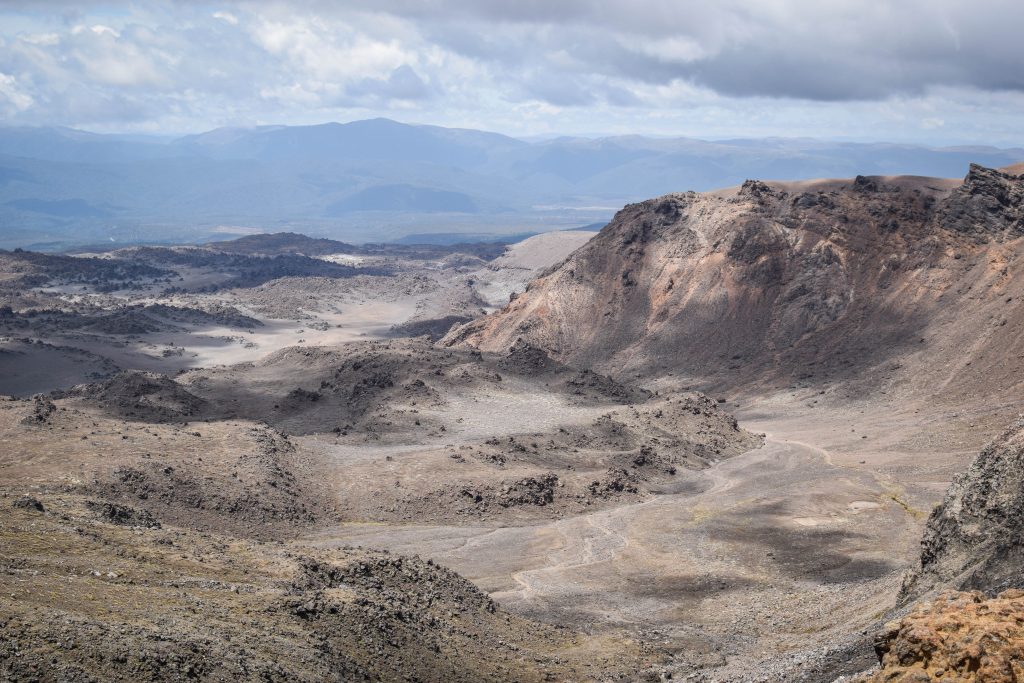
Tongariro Northern Circuit is the longer version of more popular 1-day Tongariro Alpine Crossing. It only depends on your personal preference which version you decide to hike. However, I do encourage you for longer exploration. Northern Circuit includes the most scenic part of Alpine Crossing and adds the chance to camp among active volcanoes in Taupo Volcanic Zone: Ngauruhoe, Tongariro and bit further on the horizon – Ruapehu. It gives you extra time to stop and enjoy the breathtaking scenery, an opportunity to test your limits on over 40 km track and make new friendships with all the fellow hikers that you get to meet on the way! Most likely you will also beat the crowds that start Alpine Crossing every morning from Mangatepopo Road End. And believe me, in high season is A LOT of people. You also won’t need to pay extra for the transport as it is in case of one-way Tongariro Alpine Crossing.

Do you feel encouraged?

Tongariro National Park, New Zealand

The legend has it…

Before going to Tongariro National Park, I visited the second highest volcano of New Zealand – Mount Taranaki. There is a legend that connects all the peaks in the central area of North Island. It says that both Taranaki and Tongariro were in love with Mount Pihanga and the fierce fight between them started. Tongariro won and Taranaki escaped to the west coast where he was trapped by Pouakai Ranges in the place he stands now. Taranaki is often covered in clouds, hiding the tears shed after his lost love.

Welcome to Mordor

Tongariro National Park acted as a filming location for Peter’s Jackson world-famous trilogy Lord of the Rings. Volcanic rocks and unique landscape were ideal for creating Mordor and Mount Ngauruhoe shape was digitally enhanced to make Mount Doom. Other locations include Emyn Muil (Iwikau Village at Whakapapa), Ithilien Camp (Mangawhero Falls) and scenes with Orc Army (Rangipo Desert). It’s quite cool add-on for all fans, even though sometimes you need to use your imagination to recognize the places.

Tongariro National Park, New Zealand

Clockwise or anticlockwise?

Tongariro Northern Circuit is a loop track and can be hiked in either direction. I started clockwise from Whakapapa Village towards Mangatepopo Hut and further to Oturere Campsite. In this way, I tackled more difficult part on the first day. It’s a good choice because of higher energy level at the beginning, however, you will be carrying a backpack loaded with most of your food supplies on the ascent to Red Crater. That’s also the more popular directions among hikers. I personally think that the track is so spectacular that it doesn’t matter which direction you choose.

Tongariro National Park, New Zealand

Bookings of huts and campsites

The season for Great Walks begins usually at the end of October and lasts until the end of April. In this period, bookings for huts and campsites are required. Outside of the season, they work on a first-come, first-served basis, however, please do remember that because of weather conditions the trail becomes much more difficult to tackle (avalanche risk) and experience is required.

Booking can be done at the Department of Conservation website. After a booking is done, don’t forget to drop by to DOC Office in the Whakapapa Village to pick up physical tickets and re-check weather conditions.

Both huts and campsites have pros and cos. Doing all Great Walks, I used huts only on Milford Track and that’s because camping there is forbidden. I like to feel that I am totally independent and rely only on own supplies and equipment. Moreover, camping gives more flexibility to re-schedule the hike when the weather turns bad. Huts are rather booked out weeks in advance, especially on the most popular tracks like Tongariro Norther Circuit, Milford Track, Kepler Track or Routeburn Track. The chance to postpone the adventure is small, meaning you either go in bad weather or don’t go at all.

Great Walks huts have bunk beds, mattresses, heating, toilets, basic gas cooking facilities, solar-powered lighting and cold water.

List of huts and campsites

Mangatepopo Hut and Campsite – it’s only 9.4 km from the trailhead at Whakapapa Village and unless you really want to take your time and enjoy the landscape, it’s simply not far enough to justify overnight stay.

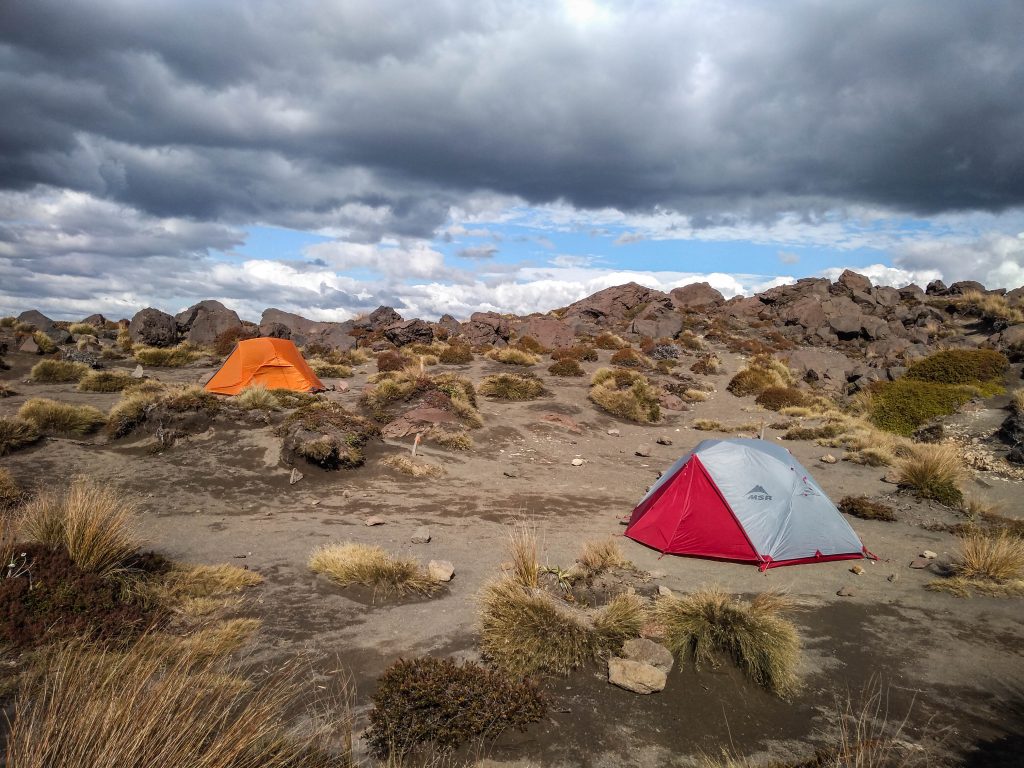
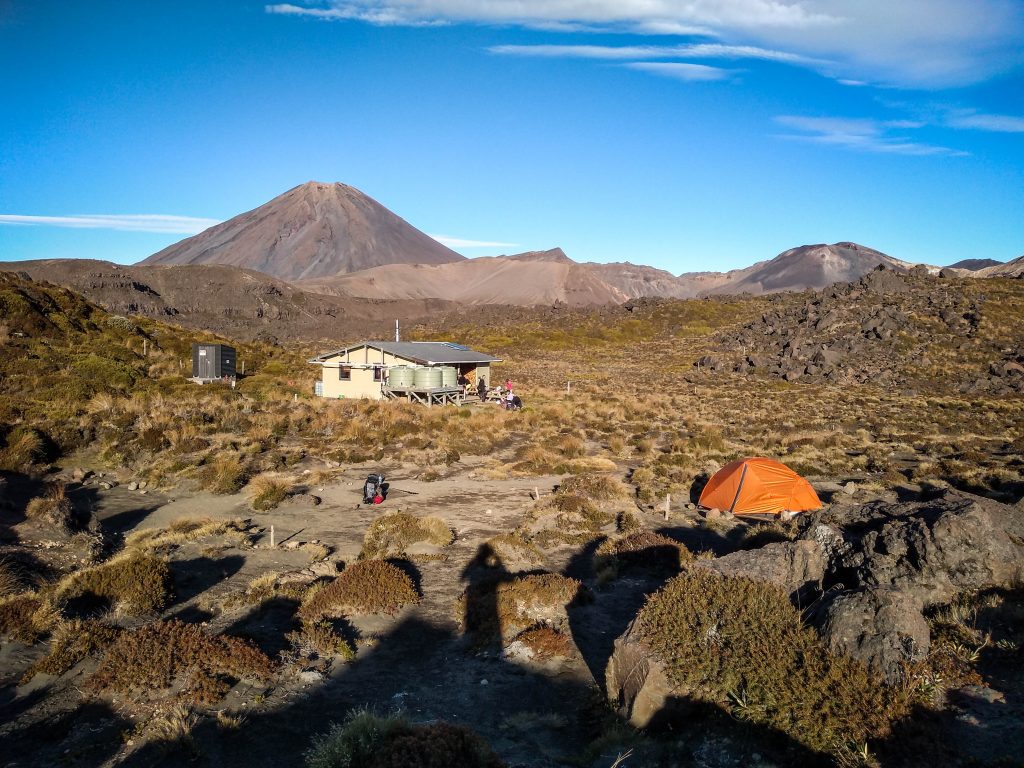
Oturere Hut and Campsite – the most picturesque overnight stop and the only one I stayed on the track. It’s 21.4 km from the trailhead and I must say that for the last 2-3 km I was tired and couldn’t wait to reach the place. But it’s worth pushing. The clouds passing through the top of Ngauruhoe at dusk were unforgettable. It’s just next to the hut where you can use the facilities as well as have a chat with fellow hikers. It can get quite windy there and before I started to set up a tent, the ranger approached me. First, I thought that she wants to collect a ticket, but it wasn’t a case. Instead, she warned me that the day before, one of the hikers tried to set up a tent but the wind was so strong that the tent was blown away into the valley in a matter of seconds. The rather surprised hiker was forced to spend the night on the floor in a hut.

Tongariro National Park, New Zealand

Waihohonu Hut and Campsite – I had a booking there for the second night, but it took me only 2 hours to reach the place from Oturere. Therefore, I decided to spontaneously change the plans and push until the end of the trail. But again, if you want to take your time and not rush, then it’s a nice place to stay.

Pricing

Huts: 36 NZD per adult per night, 17 years old and under free (booking still required)

Campsites: 15 NZD per adult per night, 17 years old and under free (booking still required). Campers can use huts facilities (except for the beds obviously).

Tongariro National Park, New Zealand

Weather

It’s best to monitor the conditions on MetService. The weather can change quickly, and strong winds are known on this track due to exposed terrain. It’s also worth dropping by to DOC office and reconfirm weather conditions. I learned the importance of it on my own skin (more below)!

2, 3 or 4 days?

Many people keep asking how many days they should split the distance for. The track offers 3 huts and campsites on the way, however, if you decide to stay in all of them, you won’t hike for longer than 3-4 hours per day. That’s rather short for me. I initially planned to have a tough first day, spend the night at Otutere campsite and on the next day stop for the second night at Waihohonu campsite. After departing from Otutere early, I arrived Waihohonu only after 2 hours. It was 9 am, the weather was perfect, my level of energy high enough so I just decided to push till the end. I wasn’t the only person that changed the plans in this way.

Tongariro National Park, New Zealand

If you are reasonably fit and don’t mind walking over 20 km a day, do it in 2 days.

If you prefer to sleep longer, make picnics along the way and do side trips, do it in 3 days.

If you prefer to do all of the above plus read a book and take all the scenery really slow-paced, then 4 days is the answer.

Track details and profile

Distance: 43.1 km (loop)

Time: 2-4 days

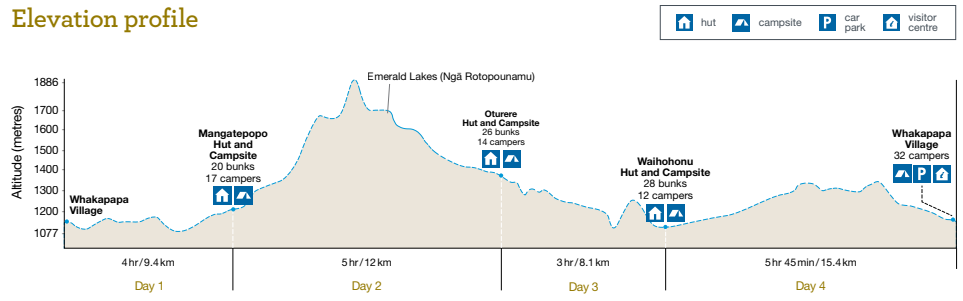
Tongariro Elevation
www.doc.govt.nz

The track profile and other useful details can be found inside the Department of Conservation (DOC) brochure.

Stage 1 – From Whakapapa Village to Mangatepopo Hut and Campsite (2-3h, 9.4km)

The start of the hike took me… 3 days. I arrived at Whakapapa Village a day before and was welcomed by cold weather, fog and pouring rain. Not perfect conditions for the first overnight hike. I didn’t know what to do so I went to the Visitor Centre asking DOC staff for advice and they said that indeed it won’t be very enjoyable to walk out there. „If you have time, go to see Taupo and Rotorua first, and we will postpone your bookings by 3 days”. It was an excellent decision and I must say that the DOC staff is always very helpful and professional. In the end, it’s not only about covering the distance of 40+ km but actually seeing some landscape.

I came back 3 days later and that time the weather seemed to be more friendly. I left the car at the parking near the Visitor Centre and hit the track in the early morning. I was the only hiker walking the narrow path across huge wide spaces with the cone of Ngauruhoe appearing on my right side. After around 1 hour, I met the only hiker during that stage. The guy was walking with a backpack 3 times smaller than mine and he was actually doing Te Araroa Trail which is 3000 km route from the top of North Island to the bottom of South Island. What a badass.

Tongariro National Park, New Zealand

I don’t know if I was shocked after a short chat with another hiker or maybe my backpack was too heavy with all the unnecessary things I took (more likely), but I slipped on one of the big and wet stones, lost my balance and fell down on my face. Hiking poles didn’t help! Falling was quite straightforward, getting up with huge and heavy backpack not so much.

After around 2-2.5 hours I arrived at Mangatepopo Hut and here I realized that walking times provided by DOC are way overestimated (it is around 4h in track description). Refill your water bottle here if necessary, you will need for next, much more demanding stage.

Tongariro National Park, New Zealand

This stage is the least impressive, therefore if you doubt your fitness level, you can start the hike from Mangatepopo Road End and cut 9 km from your first day. You would need to arrange transport, as you will not complete the full loop.

Stage 2 – From Mangatepopo Hut to Oturere Hut (3.5 – 4h, 12km)

Here the most popular part of the hike known as Tongariro Alpine Crossing starts. Luckily, I was already on the way for over 2 hours so all the crowds doing the 1-day version of the hike were far ahead of me.

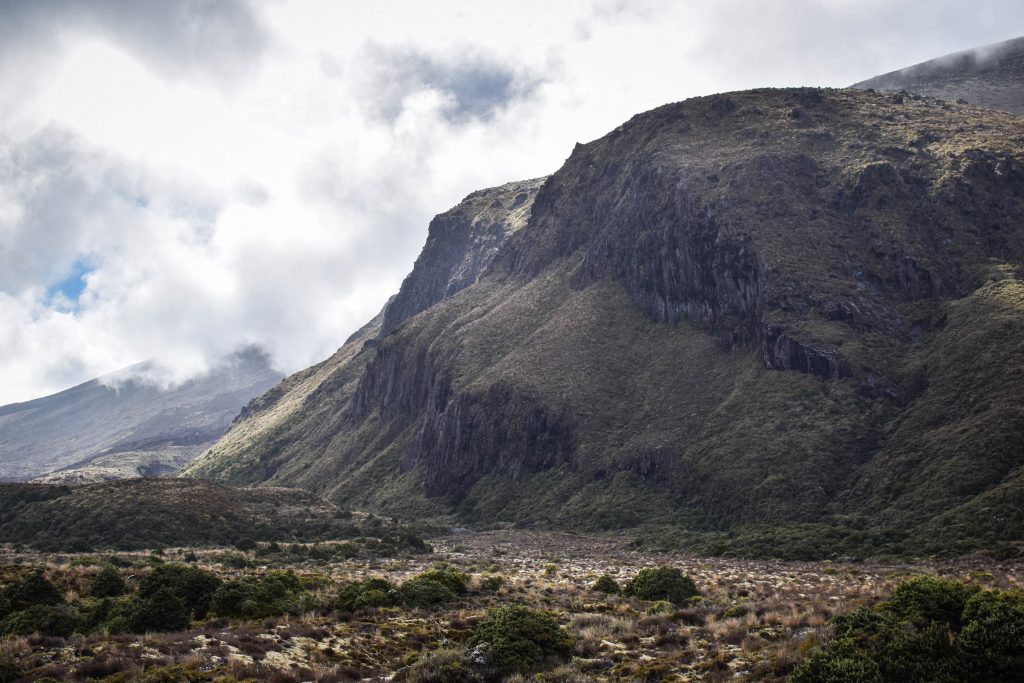
The track becomes wider and continues up the valley towards Mangatepopo Saddle. The wide valley is just impressive, and I seriously had the music theme from Lord of the Rings playing in my head.

Tongariro National Park, New Zealand

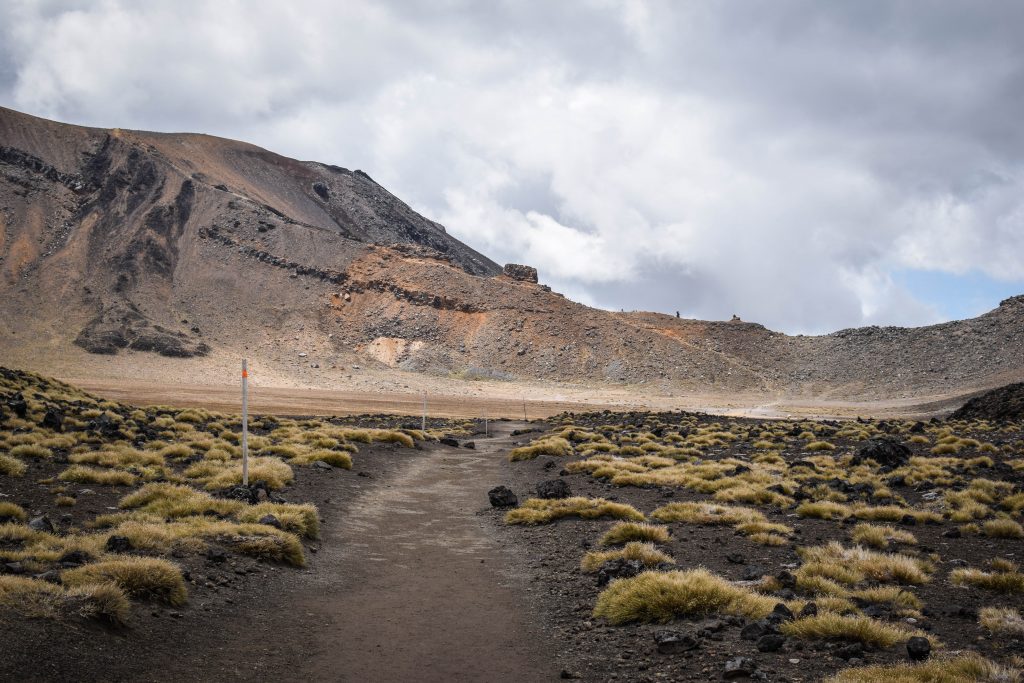
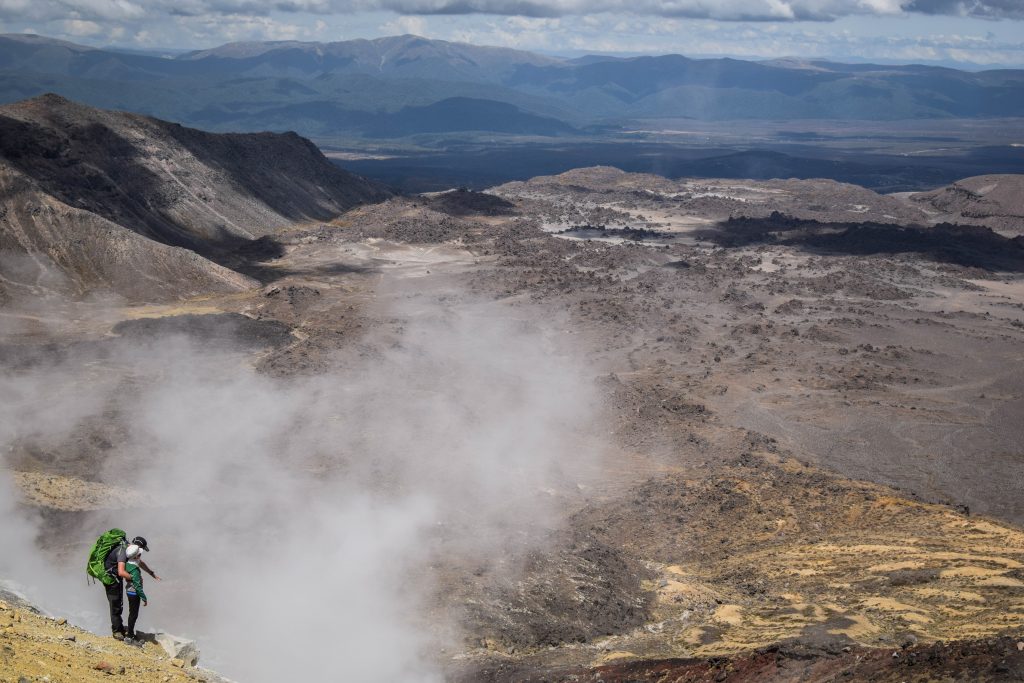
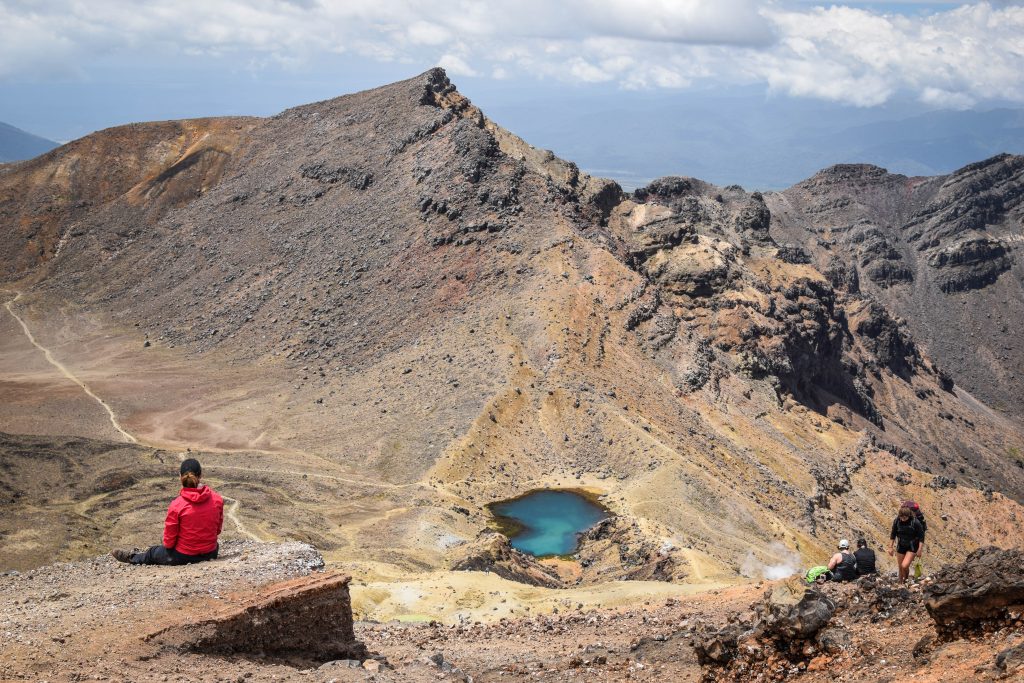
Climb to the Saddle is the most challenging part of the day and here backpack starts to be really heavy. It also becomes warmer and the sun starts to burn my skin. I knew I forgot something, and that something was sun cream. Luckily it didn’t take long until I saw a couple having a rest and being kind to save me from sunburns by sharing the cream. The climb continues up to the Red Crater where I took the long break to take in all the views. In clear weather, you can even see Mount Taranaki! Magnificent.

Tongariro National Park, New Zealand

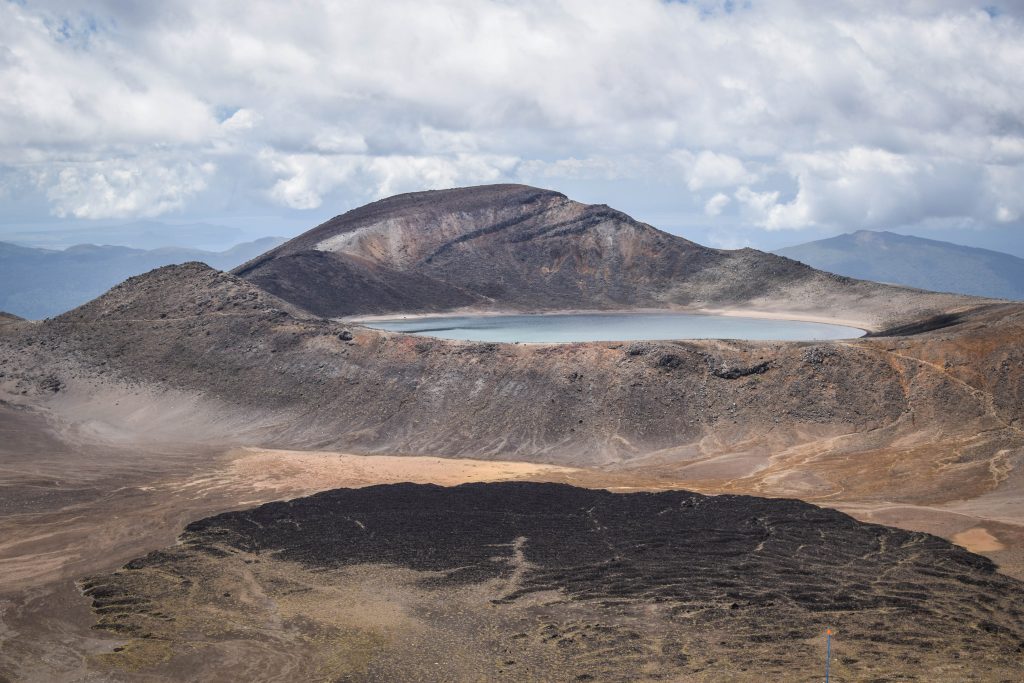
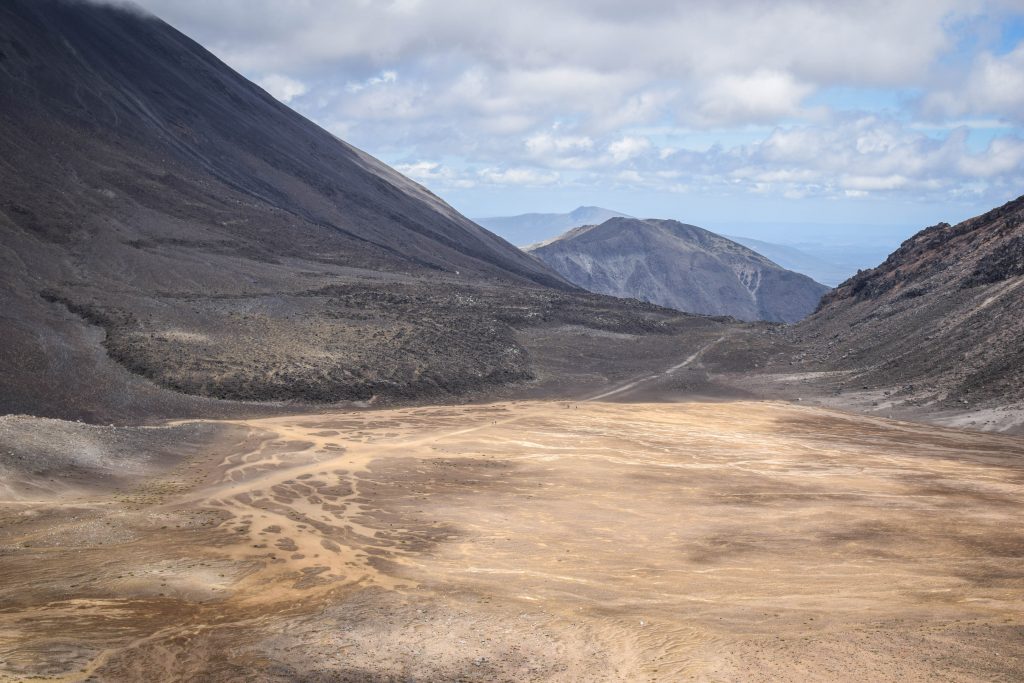
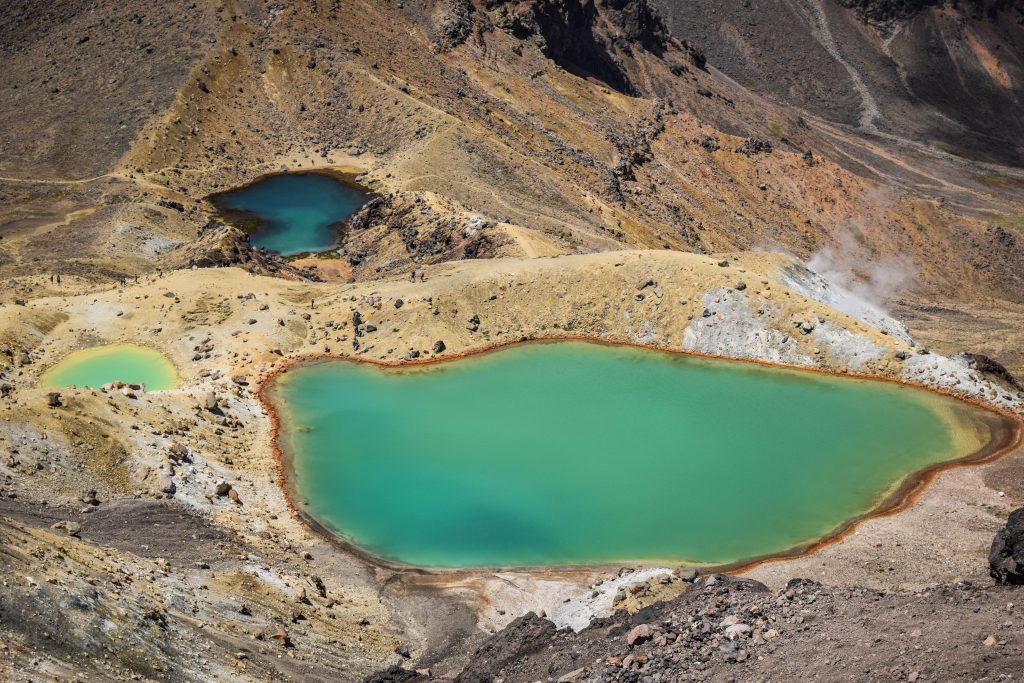
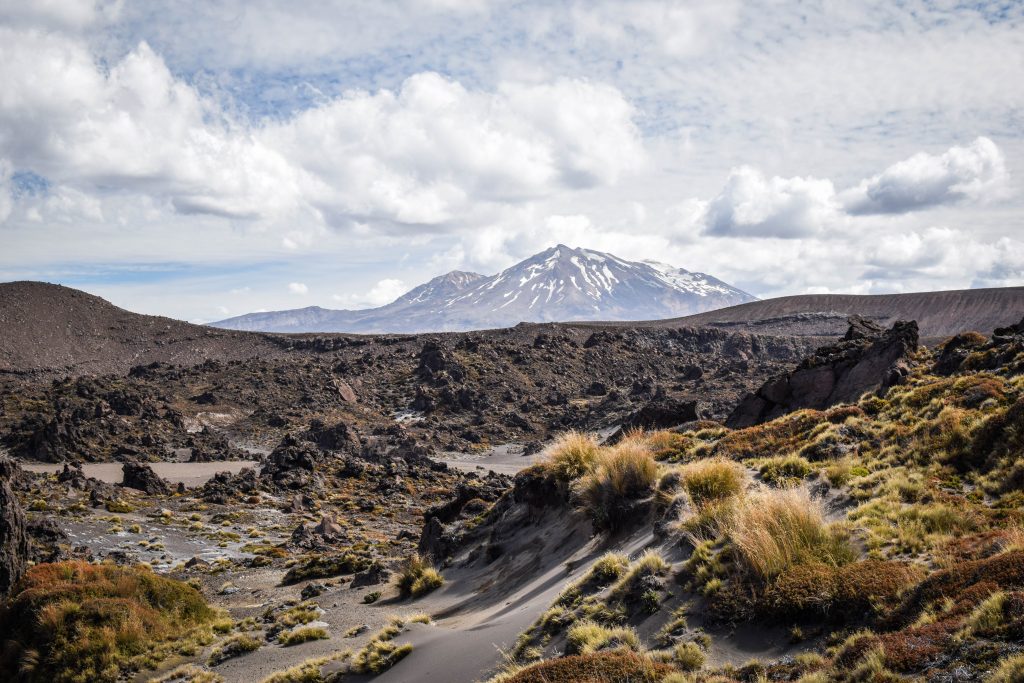
Then the track goes down to Emerald Lakes. It’s a steep way down with plenty of small and slippery stones that proved to be challenging for a lot of tourists. My hiking poles proved to be very helpful to keep the balance. After descending, there is an option for 30min return side trip to Blue Lake which I took. It’s a sacred place for Maori and you must not touch the water. After that, I retrieved my steps and followed the track into Oturere Valley. Here I got the feeling like walking in the desert among lava forms. Ruapehu with its snowy peak is clearly visible on the horizon. After around 1 hour, I reached Oturere Hut and Campsite. If you desperately need a bath in ice-cold water, there is a waterfall close by (ask the ranger).

Tongariro Northern Circuit
Tongariro National Park, New Zealand

Stage 3 – From Oturere Hut and Campsite to Waihohonu Hut and Campsite (2-2.5h, 8.1 km)

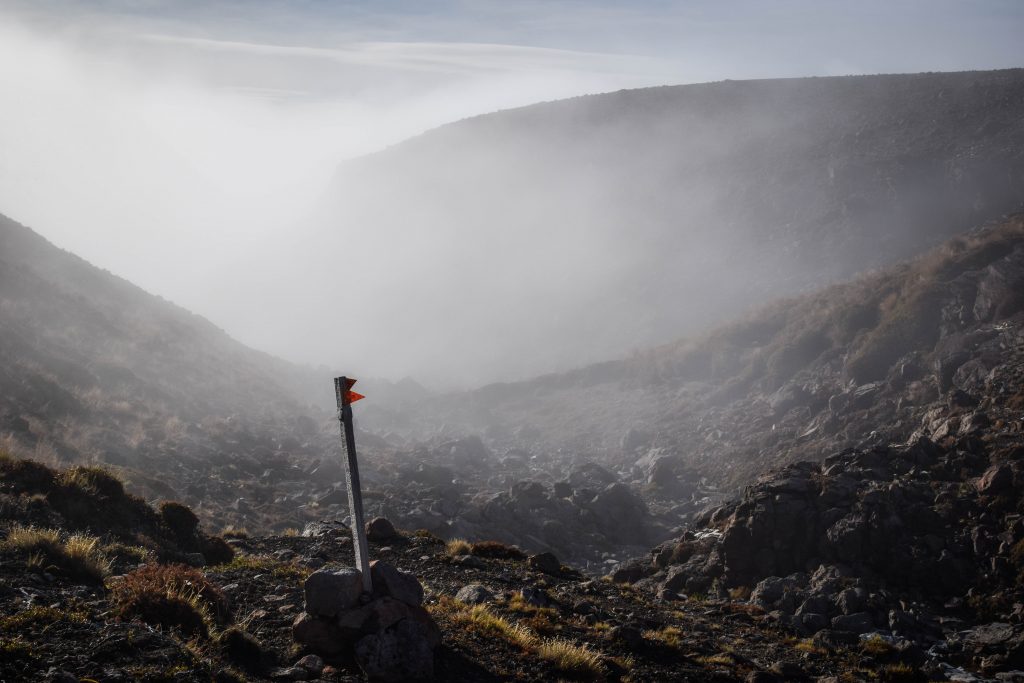
The track continues for over 8 km through stream valleys and gravel fields. The morning fog made the atmosphere during the walk unique. On that day, there was a running event going on so I was passed by hundreds of runners. After around 2 hours I reached Waihohonu Hut, changed my initial plan of staying there overnight and continued until the track end.

Tongariro National Park, New Zealand

Stage 4 – From Waihohonu Hut and Campsite to Whakapapa Village (4-4.5h, 15.4 km)

The track follows Waihohonu Stream and climbs Tama Saddle. The area is known for strong winds. I experienced it on my skin, especially during a side trip to upper Tama Lake (1.5h return). Even though I left the backpack at the crossroad and continues just with a bottle of water, it was a steep incline and the wind made it very difficult to keep the balance. From the upper viewpoint, you get fine views over the lakes as well as Mount Ruapehu. After coming back to the crossroad and taking my backpack, it was another 2 hours to Whakapapa Village. I decided to add a bit more to the distance and check out Taranaki Falls as well. Don’t miss it!

Side trips

Blue Lake – Half an hour detour from the track junction nearby Emerald Lakes (along the Tongariro Alpine Crossing Track).

Tama Lakes – Two crates filled with water. It takes 15min return to Lower Tama and 1h return to Upper Lama. You can leave your backpack at the junction of the tracks and go light. Be careful of strong winds.

Tongariro National Park, New Zealand

Taranaki Falls Track – An alternative way to reach Whakapapa Village. Go down the steps to the base of the waterfall.

Mount Tongariro and Mount Ngauruhoe Summits – Technically, both summits can be climbed as a side trip. However, the route is not poled and the same as lakes, mountain’s summits are sacred for local Maori tribe and climbing is discouraged. I didn’t go to either of them and will not advertise this option.

Time to chill

It was wonderful 2 days in an out of this world landscape. When I reached parking, I was tired as hell. It’s a kind of physical exercise that consume your calories but build psychological strength and satisfaction. If I would need to select 3 places that I would like to visit again on North Island, Tongariro National Park would be one of them without a doubt!

Introduction

New day, new adventure! I woke up early and took my bags down to the reception. I was going to Great Barrier Island for 2 days only, so it didn’t make sense to take the whole luggage. Probably due to early hour, no one was there though, so I just left the note and 3 NZD fee hoping that my luggage will still be there when I arrive back the next day.

After doing some research about Great Barrier Island, I felt like I am going on an adventure. No ATM, no supermarket, solar energy or power generators, unsealed roads, no streetlights, limited mobile coverage. Sounds cool, doesn’t it? 

Great Barrier Island got its name from James Cook, as it lays like a barrier between the Pacific Ocean and Hauraki Gulf. Indigenous Maori people called it Aotea, meaning ‘Cloud’. It’s New Zealand’s fourth-largest island, after North, South, and Stewart.

How to get there: ferry or plane?

From Auckland, there are 2 options: either by plane or by ferry. 

The ferry is operated by SeaLink and in high season goes once per day, departing Auckland at around 8:00 AM and arriving at Tryphena 4.5 hour later or to Port Fitzroy 5 hours later. The cost is around 115 NZD for the return trip. It is quite a long travel if you just plan to drop by for 2 days as I did. 

Therefore, I decided on 30 min flight with Barrier Air. Yes, you will spend more money as the flight will cost you around 200 NZD. But people say that time is money. Taking a flight is also a more scenic way of arriving on the island. The plane is small, you have great views through the window being able to admire other islands from Hauraki Gulf such as Waiheke, Rangitoto, Little Barrier as well as the Coromandel Peninsula. The airport is at Claris, 12 km away from Tryphena where you can find accommodation, shop, pharmacy, and (as everywhere on the island) expensive fuel.

The hassle-free way to get to the airport in Auckland is with SkyBus. I bought the ticket online and enjoyed a 1-hour ride using free WiFi and reading about my next destination. Buses depart very frequently from Auckland CBD.

How to get around Great Barrier Island?

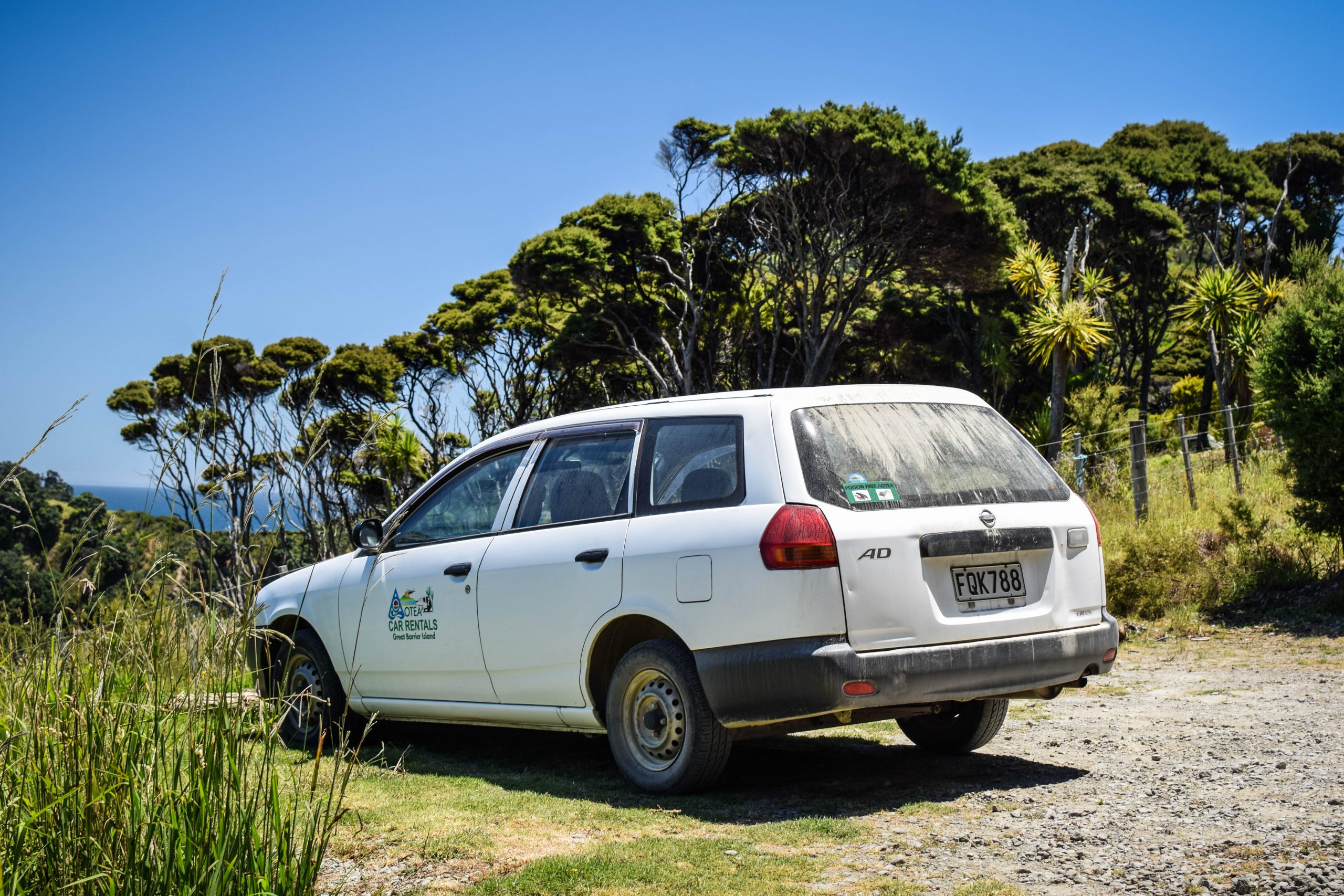
As the name suggests, Great Barrier Island is pretty big, so walking is not exactly the best idea. There is some bus going around but you will rely on the schedule and many of the scenic bays will be out of your reach. That’s why the best idea is to rent a car. I booked the one with Aotea Rentals – Nissan AD for 70 NZD per day. Never heard about a model like that but its youth time definitely passed a long time ago. It had so many scratches already that I knew that even if I make another one, that wouldn’t make a difference. It was still a decent and economical car that took me without an issue to all the places that I wanted to go to. Additionally, it has a big truck so it’s an extra advantage for people travelling in groups. The guy from Aotea Rentals was waiting for me at the airport and when I asked how should I return the car, he said: ‘just park it here and leave the keys inside’. Fair enough!

Driving on the island was quite an experience. Roads are narrow, sometimes sealed sometimes not. And it was the first time in my life that I had to drive on the left side of the road! Luckily even in high season, the traffic on the island is light, so after a while, I started to feel comfortable.

On the way to Port Fitzroy, I saw some shady bare foot hitchhiker and I felt the impulse to stop. He happened to be retired Kiwi fella that was going back to his boat parked in a bay down the road. Well, you can say – that’s life. We had a nice chat even though the Kiwi accent is sometimes beyond my understanding. And he thought all the time that I am from Holland, not Poland. Quite a common misunderstanding here, which I learned in the following months.

Top things to do and see

Dark Sky Sanctuary

Beautiful beaches and nature were not the only things that encouraged me to visit the Great Barrier Island. Another one was the fact that it’s one of 10 places recognized as International Dark Sky Sanctuaries (others being in Australia, US, Chile, South Africa, and the Pitcairn Islands). Remember when I said there is no electricity? This and the fact that the island is nearly 100 km away from Auckland make the night pitch black. It is an amazing spectacle in the sky. The best way to admire the Milky Way and other interesting constellations that can be seen in Southern Hemisphere is to spend the night camping.

Kaitoke Hot Springs

My first destination was 45 minutes track leading to forest hot springs. The track was completely empty and at some point, I started to doubt that I’m going the right way, but when I finally reached the spring, 3 folks were already enjoying their time there. I continued the short way up to the lookout and then came back meeting many more people heading the opposite direction. I guess not everyone is going for the hike straight after arrival at 9 am. The track starts and ends at Whangaparapara Road.

Great Barrier Island

Windy Canyon & Mount Hobson

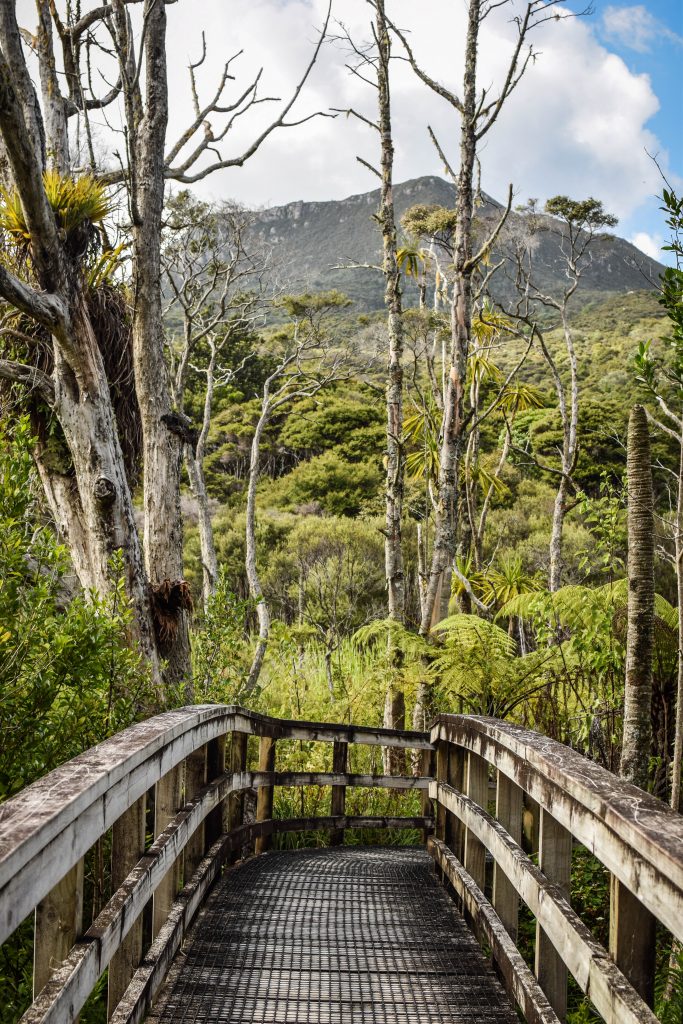
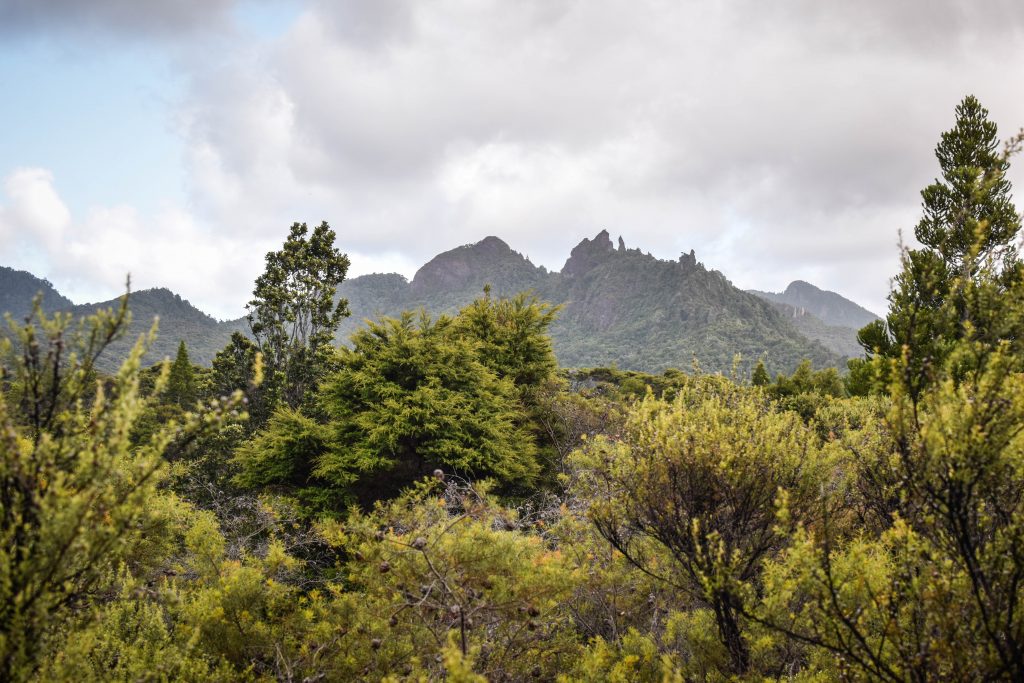
The most scenic short hike on the island and, according to me, the best thing to do in general. You reach Windy Canyon around 10 minutes after departing from Aotea Road, and then continue for another ca. 2 hours to the highest point of the island – Mt Hobson (621m). Views from the top are simply magnificent and no picture can do this place justice. Go and see by yourself!

Track to Mount Hobson
Great Barrier Island

Ruahine Lookout

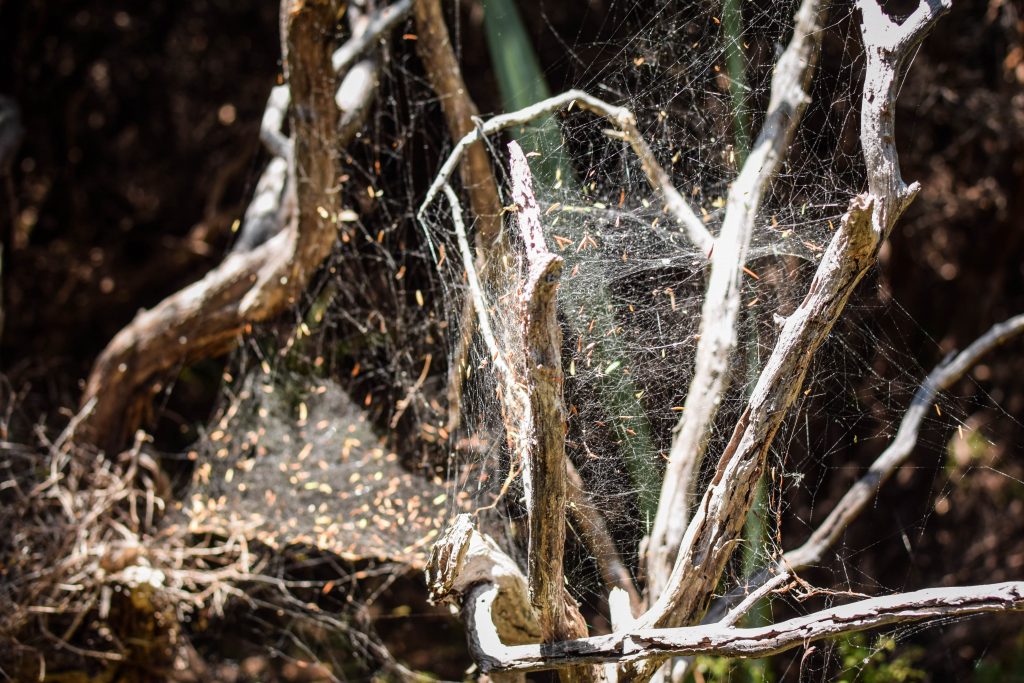
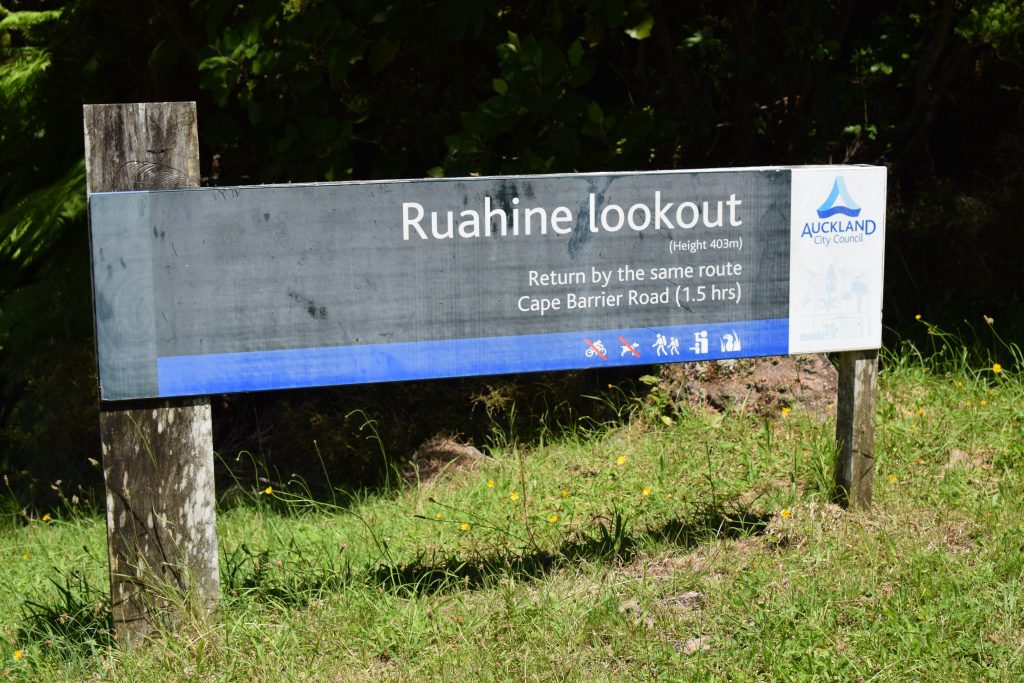
Even though there was a sign ‘4WD only’ I took the risk and drove down to Cape Carrier. From there I followed the track down to Johnson’s Bay and then up the mountain. Bloody hell, I had the feeling that I was the first hiker on this trail for several weeks. Not meeting a single soul on the way up and down and having my face literally covered with spiderwebs seemed to confirm that. Close to the summit, there is Ruahine Lookout proving decent but not the best ocean views. It’s quite a steep climb taking anything between 3-4 hours return, depending on your shape. Luckily my car got out of the parking without any issue so if dry, I would say 4WD is not essential.

Great Barrier Island

Whalers Lookout

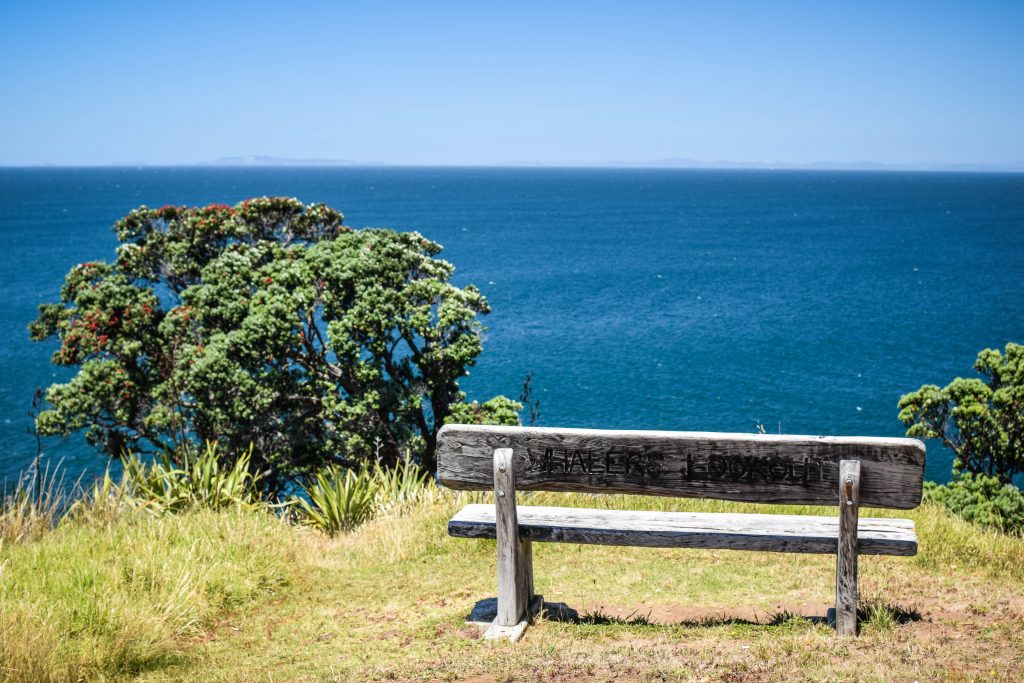
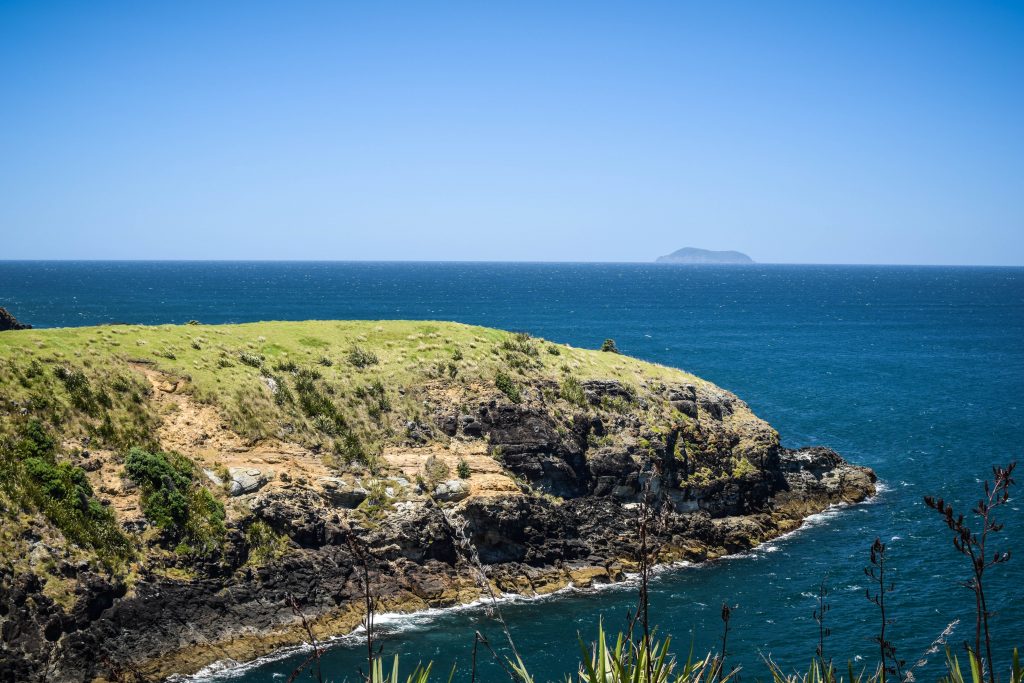
You can make it a destination on its own or just a stop on the way to Ruahine Lookout. Reachable from Johnson’s Bay, it’s the southernmost point of Great Barrier Island. There is a nice bench to have a rest and wait for the whales to make a splash, however, you have to be very lucky to actually see one.

Great Barrier Island

Other hiking trails

Track to Mt Hobson is obviously not the only one on the island. There are amazing alternatives available, ranging from being just a couple of hours warm-ups, such as:

  • Tramline Track (6 h) following old tramline used by the Kauri Timber Company during the 1920s and 1930s.
  • Harataonga Coastal Walk (4-5 h one way) which is an easy and flat track with superb views of the coast.

… to some being multiple-day adventures:

  • Aotea Track (2-3 days) – the father of all hikes on the island, 25 km long loop encircling central mountain area. There are two huts on the way available for overnight stay.

Check the website of the Department of Conservation and select the hikes you like the most! In all cases be well prepared: take plenty of water, snacks, sun cream, hat and tell someone about your plans and expected return time.

Beaches and bays

If you like chilling on the sand (and I mean really white sand), you will have a blast here. The population of the island is around 600, increasing with tourists flow especially on summer weekends, but it’s still possible to find a perfect spot on the beach just to yourself, without anyone in the sight. There is more white sand beaches with fine surfing opportunities on the East Coast: Whangapoua Beach, Haratonga Beach, Awana Beach, Kaitoke Beach or Medlands Beach. You can feel the power of the ocean here! On the other hand, West Coast is dotted with calm bays giving even wilder and more remote feeling: Karaka Bay, Katherine Bay, Whangaparapara or Okupu Bay.

Port Fitzroy and Glenfern Sanctuary

Port Fitzroy is the arrival point of the ferry from Auckland CBD. There is a general store, a boat club, an information desk and fuel station.  Old Lady Track (45min – 1h) is a great way to straighten your legs and it has a steep side trip (30 min) up to Lookout Rock with stunning views over the harbour. Another point worth checking is Glenfern Sanctuary Regional Park located nearby. They offer self-guided or guided walks in the huge predator-proof area where endangered species of birds can recover. The loop walk is the most popular one.

Make a splash!

There are heaps of water activities to choose from: surfing, kayaking, fishing or diving. Numerous bays are also a heaven for all yachts lovers. You can also go the cheap way  – just relax at Kaitoke Hot Spring or at one of many scenic white sand beaches.

Was it worth it?

Yes, it was! Going to Great Barrier Island isn’t particularly cheap, but experience even half of what the island has to offer and you will certainly not regret it!
Questions? Please write a comment 🙂

Being a bit tired of big city life, I decided to spend another day in NZ closer to nature. Waking up early (probably jet-lag started to catch up on me) made it possible to board the first ferry of the day going to Rangitoto Island. 

Rangitoto is one of 50 volcanoes around Auckland, last time erupting around 600 years ago. It is still active and basically can erupt anytime. How fun for Aucklanders!

How to get to Rangitoto?

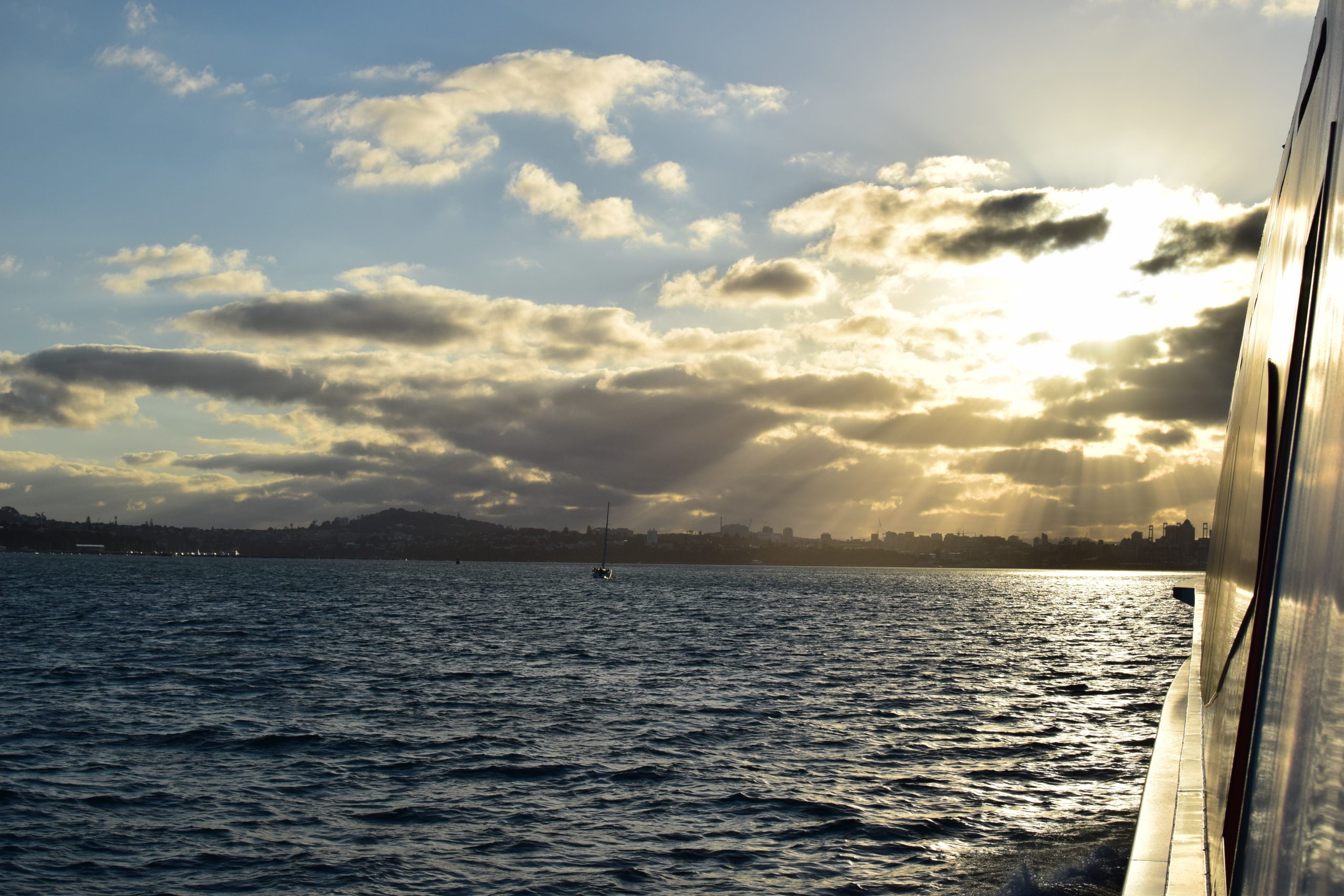
The connections between Auckland and surrounding islands are operated by Fullers and the return trip to Rangitoto lowered my budget by only 39 NZD. Not too bad for the whole day trip visiting two islands, isn’t it? The cruise takes just 25 minutes but what a scenic 25 minutes it is. You will pass by Auckland Port as well as fancy Davenport district with its Mount Victoria and historic reserve at Davenport.

Rangitoto

Hiking on Rangitoto Island

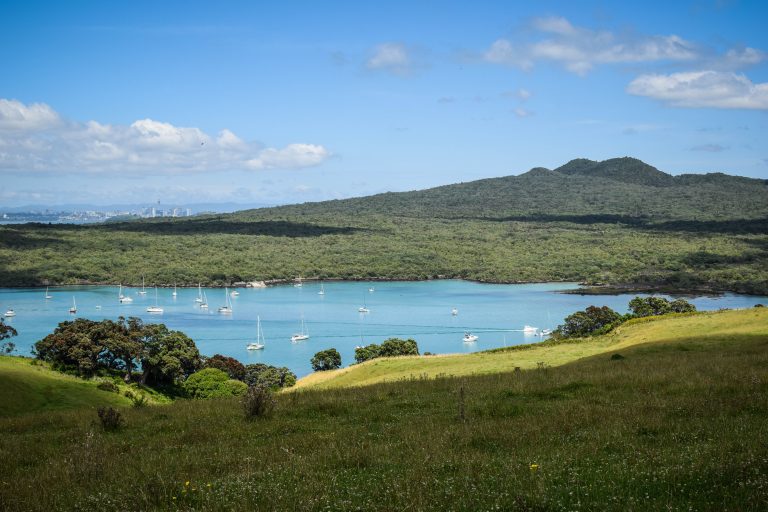
Once the boat arrived at the wharf, I and pretty much all the other passengers went on to climb the top of the Rangitoto volcano which stands 259m above the sea level. The climb is a too big word though, it’s rather a gentle walk up through lava fields that is 3.1 km long, with the only steep part at the very end (stairs). The effort was rewarded with the view of the crater rim and, once at to the higher viewpoint, your eyes open to the sublime panorama of Auckland and Hauraki Gulf.

Along the path to the top (or when going back down), you can make a small 15 minutes detour to explore lava caves. If you like dark, wet and insects’ friendly places – you just found one.

After taking a couple of panoramic pictures, I decided to take another way down towards crossroads with Summit Rd, then turn right and go to the beginning of Boulder Wreck Bay Track. Here I understood why everyone suggests wearing sturdy shoes on Rangitoto. I was walking on lava rocks. Big. Sharp. Getting hotter and hotter with every minute. My sports shoes tackled the summit without an issue, but here the discomfort and (shortly after) pain became significant. 

The track is about 45 minutes one way until you reach the bay that is now the graveyard of over 10 vessels that were parked here for disposal between 1887 and 1947. Some parts are well visible, especially during low tide.

After another 45 minutes back to the main road, it was time to change the scenery and cross the bridge to much grassier Motutapu Island.

Hiking on Motutapu Island

There are several tracks on the island (including 4.5 h loop track) passing by remains of island’s rich history from the times when there were Maori settlements, Victorian picnic parties or WWII military base. However, having covered a couple of kilometres on Rangitoto already and being short on time before the last ferry back to Auckland, I decided to walk to Emu Point and back. After all, missing the last ferry and being stranded on the island without food and water didn’t sound like a good idea.

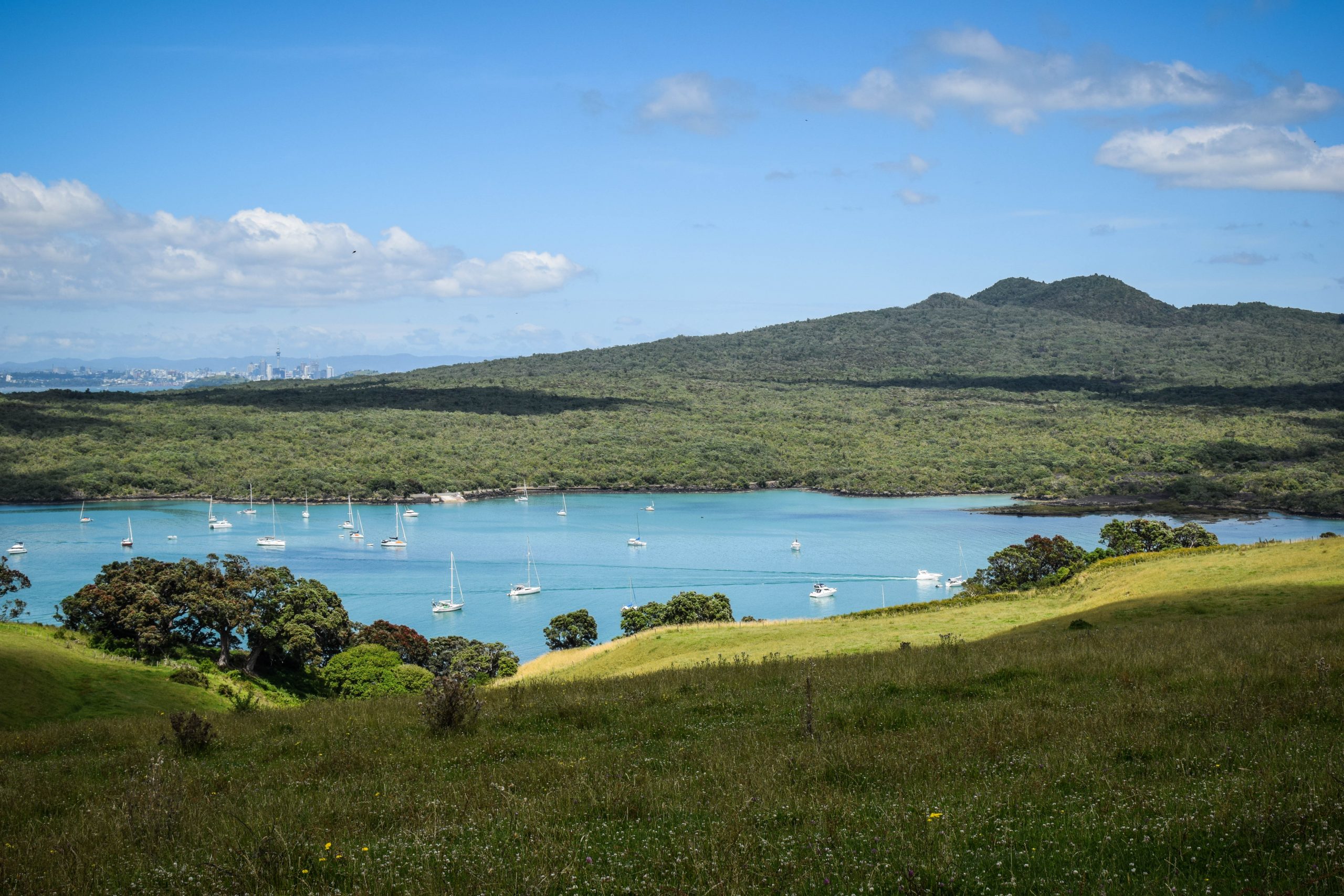
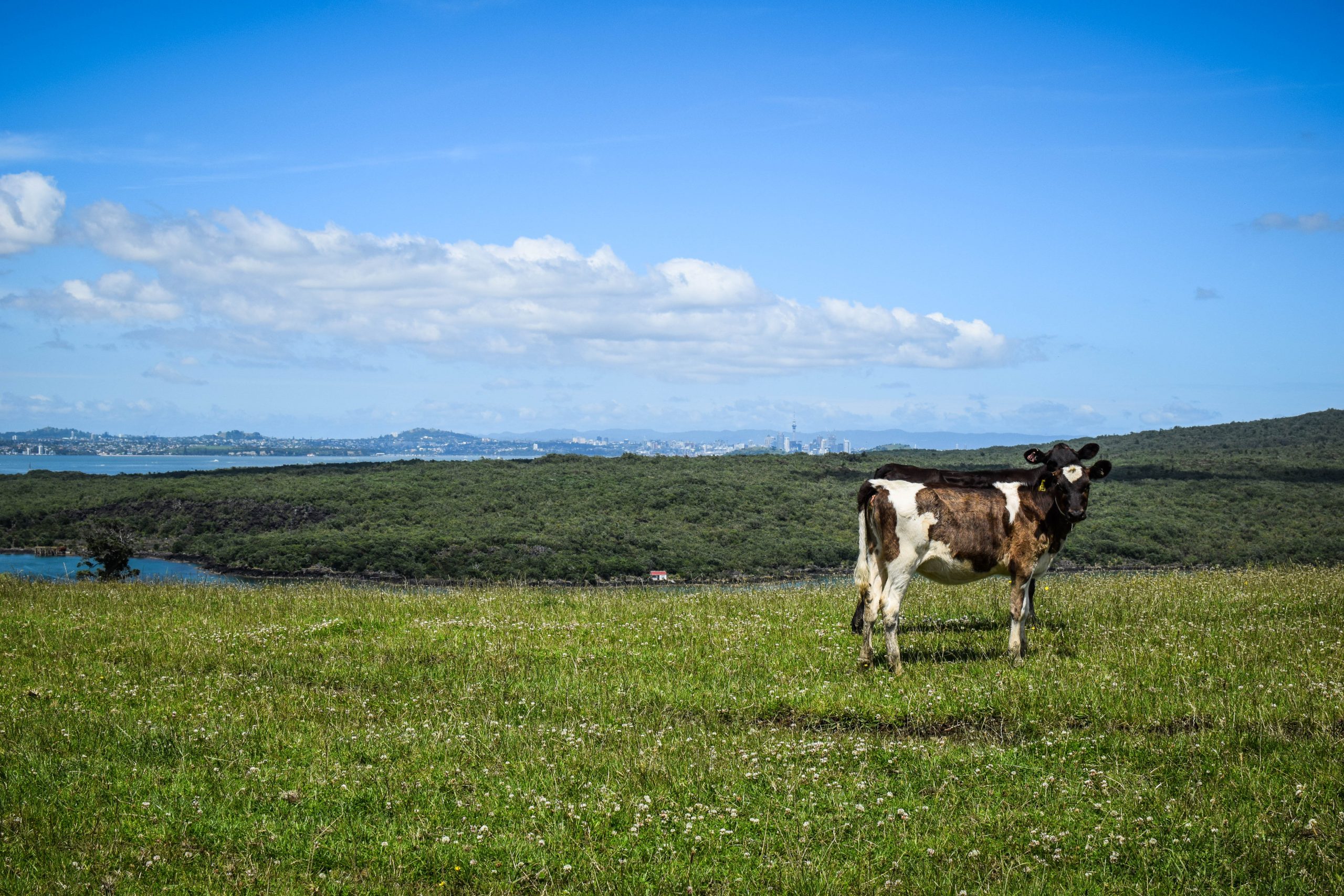
What a change after rough rocks at Rangitoto! Here you are walking through grassland that is mainly a playground for bulls so the only thing you must take care of is not to step into their fresh poo. Views are particularly nice with Rangitoto Island on one side, the panorama of Auckland on another and plenty of yachts in between.

Motutapu Island

If you wish to extend your adventure, it’s possible to camp overnight at Home Bay. Home Bay is also a place where you can catch the ferry back to Auckland (less frequent than from Rangitoto, check the schedule first). In my case, I just retrieved my steps and came back all the way to the wharf on Rangitoto Island following very scenic and even very rocky Coastal Track (around 2 hours). Rocks were not the only bad news. Another one was that I was running low on drinking water so during the last hours I had to deal without it.

If you still have some time before the departure, you can check the small Bach Museum. Baches are a typical kiwi style summer houses built here. Quite cool to have a summer house on the active volcano and just drop by from time to time from Auckland! This is also probably the only place on the island where you can buy drinking water. A small bottle cost 2 NZD but I was seriously so thirsty that I would have probably paid 20 NZD if necessary. Such a relief!

Is it worth visiting Rangitoto and Motutapu Islands?

I can say it was an awesome second day in New Zealand. Both islands are full of incredible scenery and even though they are so close to Auckland, it feels to be miles away. The trip taught me important kiwi lessons, that stayed in my mind for next travels.

Firstly, if you are uncertain about how hiking track looks like, always prepare for the worst and take sturdy shoes

Secondly, don’t underestimate your water supplies. Taking too much and carrying it in your backpack is still better than walking in the heat without a single drop.

Finally, always use sun cream! This part I learned after being back at the hostel. Probably I looked like a typical tourist on the first days in New Zealand. Well, true story. New Zealand’s sun can be very deceptive. Even though it doesn’t look very sunny, you can still get badly burned.

Landed!

Auckland International Airport. Despite all the information that I read before, the arrival and immigration process went fairly smoothly. I wasn’t asked to show an exit ticket and got a stamp in my passport with a free visa for up to 3 months without an issue. Biosecurity went fine as well. My hiking equipment was in good shape though. Brand new tent and hiking shoes used only a couple of times in the forest in Poland, therefore the officer just had a quick look at it and told me to move on. Some other guys that had their stuff much dirtier had to wait a couple of minutes until all the things were returned to them washed and clean. Not a bad way to get your hiking shoes polished!

The easiest transport option from the airport to the city centre (also called CBD – Central Business District) is SkyBus. It operates frequently 24/7, the trip takes about an hour, free Wi-Fi onboard. All of these for 17 NZD one way or 32 NZD return. Tickets can be bought either online or directly at the airport.

View on Auckland CBD from Wynyard Quarter

Short background info

Before I start describing my top places in Auckland, let me mention a few important facts from its history. New Zealand territory is slightly bigger than the United Kingdom, however with only 7% of the population. While driving around the country, you will not pass through many concrete jungles. Well, you will not encounter any at all. Even Auckland, which is the biggest city, has lots of green neighbourhoods with villas and the idyllic Pacific Ocean and the Tasman Sea background.

Maori called that area Tamaki or Tamaki Makarau which means Tamaki with a hundred lovers. The land was fertile and located at the waterways going in all directions, hence it was very desired by local tribes. As usual in such cases, conflicts followed.

Being the biggest city does not always mean being the capital of the country. Auckland was one from 1842 when New Zealand’s Governor William Hobson selected that land for capital and named if after first Lord of the Admiralty – Lord Auckland. However, in 1865 officials decided that travelling there all the way from South Island was kind of a pain in the ass and moved the capital to Wellington.

Maybe that was a good decision. I’m not a big fan of walking around the town surrounded by embassies and other government buildings with high fences and security. Today, Auckland has quite a relaxed atmosphere with top-quality museums, restaurants, bars and events. Add to this multicultural twist and you get the vibe that can’t be experienced anywhere else in the country. 

Here, water is never far away. Hauraki Gulf and its islands are boating paradise and Kiwis know how to make use of it. One in three households owns a boat. It’s more boats per capita than anywhere else in the world. All of these could influence the fact that Auckland was voted several times as one of the most liveable cities in the world. 

Top 10 places to see

As I arrived in the morning, my room at Nomads Auckland Backpackers was not ready yet. Dropping my backpack there was as easy as pie though and immediately after I went out. Time to start exploring!

Here are the top 10 places that according to me you should check out in Auckland:

  1. Mt Eden – highest volcanic cone in town (196m). After a short walk to the top, you will be rewarded with panoramic views of Auckland and reminiscence of the last eruption – 50m deep crater. The mountain was once inhabited by Maori and the crater is considered as the sacred site so be respectful and stay on the path. I reached it by public bike from downtown (4 km) which was a pleasant but tiring trip due to numerous hills along the way.
Auckland Panorama from Mt Eden
  1. Walk from Achilles Point to Ohaku Bay – I took an electric scooter to Achilles Point Lookout first and then walked to Ohaku Bay passing by St Heliers Bay, Kohimarama Beach and Mission Bay. The whole walkway is busy with walkers, runners, picnickers and all other types of people spending relaxed time on the beach. If you want to free your mind and especially the body, check out nudist Ladies Bay Beach (men allowed).
  1. Auckland Museum – beautifully located on Auckland Domain, it shows not only Kiwis’ engagement into wars but also extremely interesting exposition about Maori culture. Entry costs 25 NZD for an international visitor but it’s worth it. Allow enough time so you don’t have to rush through. It is among my top 2 museums in New Zealand together with Te Papa Tongarewa Museum in Wellington.
  2. Mt Victoria and North Head – Two volcanic cones located in a fancy area of Davenport, with well-preserved Victorian and Edwardian buildings around. You will notice gun embankments at both sites and underground tunnels at North Head. These are the remains of threats that New Zealand faced from Russians and later on during WWI & WWII. Fantastic postcard view of Auckland on one side and Rangitoto on another from up there. Cheltenham Beach only minutes’ walk away is also worth checking.
  1. Sky Tower – The highest construction on the southern hemisphere providing 360 degrees view around the city and Hauraki Gulf islands. The glass floor still excites a lot of people, some of them laying down and taking selfies. But if you ignore that and just jump above their heads, it’s a really nice place to visit especially late afternoon to see the sunset. The ticket is not the cheapest though – 32 NZD for the international visitor. If you are adventurous, try some extras. SkyWalk around platform hanging 192 meters up can give a thrill. If it’s not enough, then SkyJump must be.
  1. Coast to Coast Track – Did I already mention that you are never far away from water in Auckland? To prove yourself that point you can follow 16-kilometre-long Coast to Coast track Waitemata Harbour by the Pacific Ocean and ending at the Manukau Harbour by the Tasman Sea.
  2. Pasifika Festival – The big event taking place every year in March at Western Springs Park. Auckland has the biggest Polynesian population of any city in the world so if you are around at this time of the year, check the details on their website and don’t forget to drop by.
  1. Viaduct Harbour / Wynyard Quarter – both places are connected by a bascule bridge and offer plenty of restaurants, bars, fish market and simply nice opportunity to admire millions floating on the water (yachts).
  1. One Three Hill – looks like another volcanic cone with sheep on its slopes. However, back in the past, it was the largest Maori fortification in the country with a population of around 5,000. Today there is an obelisk dedicated to Maori at its top. Cornwall Park below the hill is also worth exploring.
  1. Auckland Art Gallery – main public art gallery in town with emphasize on NZ artists. Current expositions are listed on their website so check if there is something interesting for you. Entry 20 NZD for the international visitor.

These places didn’t make it to the top 10, however, I still consider them as worth visiting:

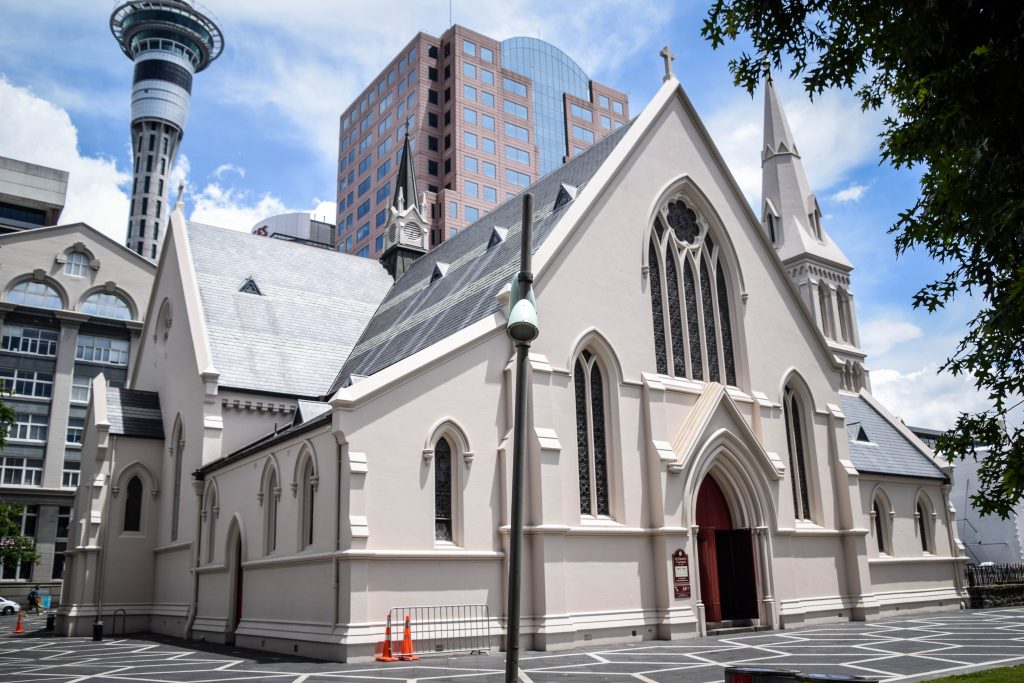
  1. St Patrick’s Cathedral – nicely fitted between taller office building in Auckland CBD. Founded by first Catholic bishop in New Zealand – Jean Baptiste Pompallier.
St Patrick's Cathedral in Auckland CBD
St Patrick’s Cathedral in Auckland CBD
  1. University Clock Tower – 54-meter tower is the centrepiece and symbol of Auckland University. In the past, it housed various departments, library and University Hall. Currently, there is Student Administration and the Council Room. It was closed when I was passing by but apparently interior is worth checking out. It’s vaulted and consists of floor mosaic.
  1. New Zealand Maritime Museum – vast museum touching the topics of first vessels of Polynesians explorers, whaling & sealing, navigation, maritime trade as well as the more modern story of America’s Cup.

I would say that 3 days I spent in Auckland were enough to get the feeling of the city. Add some extra if you wanna visit Hauraki Gulf Islands such as Waiheke, Rangitoto or Great Barrier. Stay tuned and contact me or comment below in case of questions about Auckland!

I will start with something not that surprising – I really like travelling. You may ask: who doesn’t?

Fair enough.

I don’t know too many people who say no to going to the country they haven’t been before, hang around here and there, take a couple of selfies #paradise, sweat the stress out on the beach or getting dirty when hiking.

But then, after 2 or 3 weeks (if you are lucky), all of it ends and suddenly you come back to… daily routine.

Sounds like the standard holiday, doesn’t it?

More and more people decide to go on long-term travel and everyone does it for different reasons. For some, it’s burnout, broken heart, the need to change something in their lives, or a desire to experience an adventure. All the rest dream about such a journey, but they never go for it. There are even more reasons for that and they deserve a separate article. Some are ridiculous and serve as excuses to mask what we really feel. Fear of leaving our comfort zone.

I could never stand boarding the plane back home with that disappointment in my head. Is it really finished already? Do I really have to wait another couple of months to feel the excitement that comes with travel preparation?

Many people enjoy the routine. It gives them the level of security that they need. What will happen tomorrow? Just another day in the office, colleagues bitching around about deadlines, back home, eat, sleep, repeat. Maybe you could fit Netflix somewhere in between. Some say: “shitty but stable“.

That’s the way most people follow and so did I until I made my mind to stop postponing dreams for later. I was 28 years old, finishing my 1-year work assignment in Germany, being tired of corporate life and without any big plans what to do next. Hard to imagine a better moment for some serious decisions, isn’t it?

So I started to check the ground and asked my boss how about I take unpaid leave for a couple of months. To be precise: 10 months.

Back then I asked it more in a joking way, but the response was positive, so I kept digging the topic further. At some point my excitement was so huge that I knew, with or without unpaid leave, I will do it.

I will go for long-term travel.

Big corporations have one thing in common (well, there is more but only one was relevant for me back then) – they usually don’t disappear from one day to another, so you always can hire yourself back if not in the same one, then another. Not much difference anyway. Luckily, after a short time I had the green light from my employer, that, of course, gave me peace of mind what I will do if something goes wrong on the way. I could basically come back anytime to my old job in Gdansk.

The big question appeared shortly after – where to go?! Having such a long time, I wanted to go to places that I cannot easily visit Europe for a regular holiday. Two options appeared in my mind and the battle started: South America vs. Australia & Oceania.

My usual problem is that I always want to go everywhere and see everything. I don’t like to just drop by to 2-3 major tourist attractions in a certain country and move on to the next one. I bought a one-way ticket to Auckland, New Zealand. Planning to spend there 3 months, meaning as long as tourist visa allows. Then, my plan was to travel around Australia for another 3 months. And the remaining time? Didn’t make sense to plan so much in advance. Depending on my feeling and obviously budget, I left the decision to be made once I am in Australia.

So here the moment came, packing all my things to boxes and first moving from Germany back to Poland. Packing for me somehow is not too difficult, but unpacking…damn, I hate it. Luckily I separated the things that I potentially will take with me on the trip from all the others, so most of the boxes I didn’t even have to open later at all.

But packing also helps me to realize how many things I still don’t have but I need! Tent, sleeping bag, sleeping mat, cooking stove, hiking shoes. All of these I had to buy only a couple of days before departure with no time to test it outdoor. But that’s only added more fun.

Check out the tent I got especially for this trip: MSR Elixir 2-Person Lightweight Backpacking Tent. It’s made for 2 people but light construction should satisfy solo travellers as well. It did satisfy me and extra space was awesome!

The last meeting with family during Christmas was just fine but I was already counting hours. A good occasion to eat a lot of traditional polish food though, especially before starting canned tuna, canned chicken, canned whatever else and pre-boiled rice diet. One day after Christmas I was all good to go and early morning I was already sitting on the train to Warsaw airport.

First flight From Warsaw to Prague was just fine. Then from Prague to Seoul not too bad either. But when I boarded the plane going from Seoul to Auckland (another circa 10 hours) I realized that I’m really going far away from home.

Ah… and I realized on more thing. The decision about long-term travel was the best that I could take.

Checking out traditional goulash and dumpling during first stopover in Prague.
Stopover in Prague was a good excuse to check out traditional goulash and dumplings

In fact on the airport in Seoul, I came across that brilliant and not original at all idea that I will write down my memories from each day of travel. More for myself, because I know from experience that my memory is not that good with remembering things I did a couple of years ago. Especially when travel life is a bit more dynamic and packed with activities than working life.

Second stopover - Seoul airport
The very modern and traveller-friendly airport in Seoul

I didn’t take my laptop, just a crappy mobile phone and camera. But hey, what’s wrong about writing in a classic old school notebook? Well, not much besides that it makes the blogging part a bit more difficult.

That’s why you read the post now after I already came back to Poland. Nevertheless, all emotions are still alive and I want to share with you my experiences, stories and the most beautiful places that I encountered on the road.

What happened after landing in Auckland and what’s worth to see there? Read the next post!

Stay tuned!