Tag

featured

Browsing

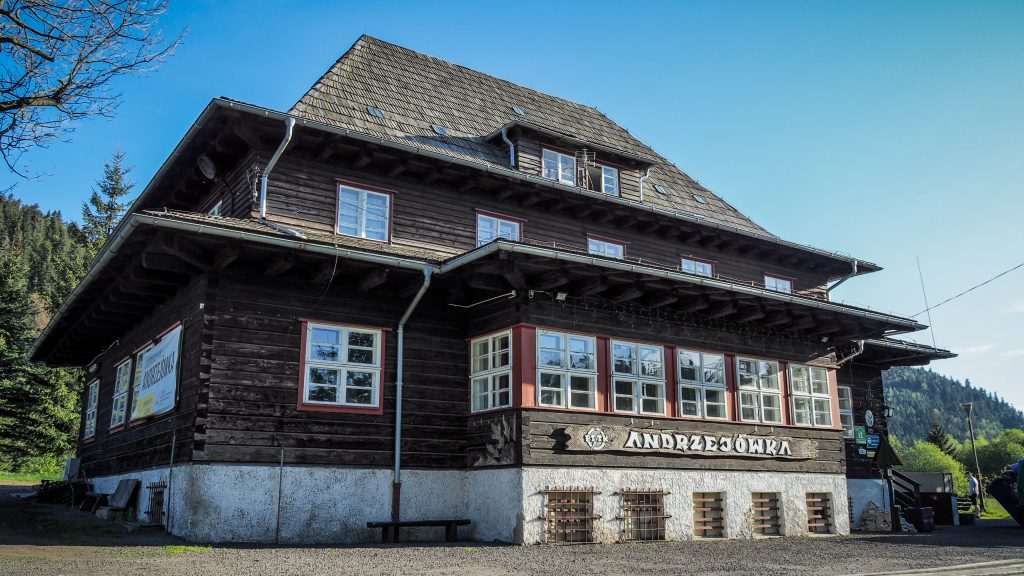
Nearly 30 km to go, no time to waste. Hiking or not, breakfast is always an important meal and somehow it just sets the mood for the rest of the day. I went for pancakes with cheese and red berries at Andrzejówka Hut. The portion is huge. Finished the first pancake and took the second to eat later, somewhere in nature.

Route: Andrzejówka Hut to Zygmuntówka Hut
Distance: ~ 28-29 km

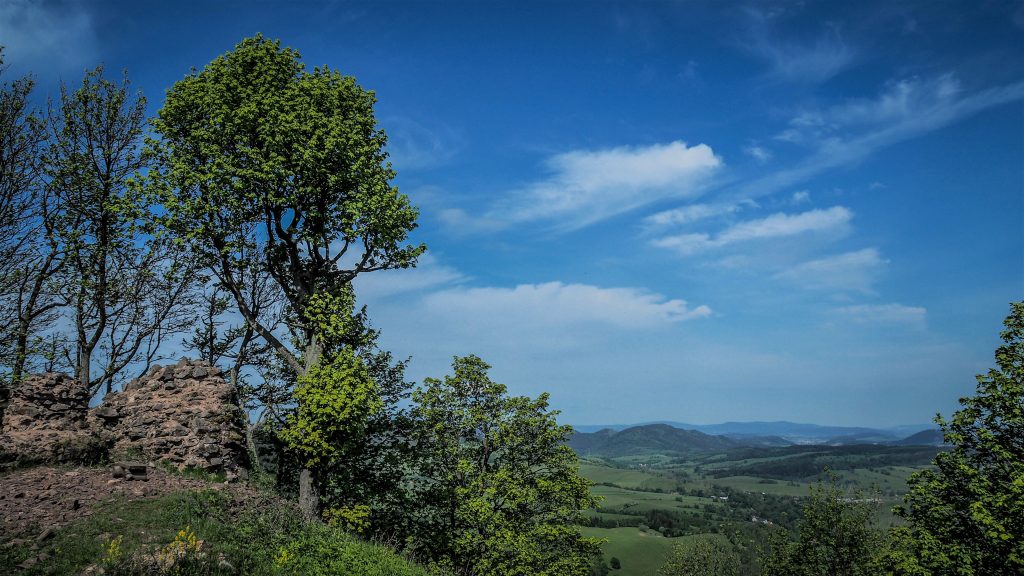
The track begins rather moderately and after less than a kilometre, I am at Turzyna (898m a.s.l.) from where it’s another 3 kilometres to the ruins of Rogowiec castle. For castle enthusiasts – nothing much to see here, but as a viewpoint, it’s totally worth a stop. To get to the ruins I have to leave the red track and follow the yellow one which later on merges with red again, making it a super easy detour.

Główny Szlak Sudecki
Decent views from Rogowiec castle

Now it’s time for 2 kilometres of easy descent through the forest towards Rybnica Mała. I am not far from Jedlina Zdrój but first I need to go up to Wawrzyniak Pass (568m a.s.l.) and cross the railway tracks before entering the town.

The track crosses the road 381 and leaves the town immediately, but it is worth to take a short detour and check out Jedlinka Palace. Unfortunately, due to COVID-19, the place was open for tourists only on the weekends, so I couldn’t go inside. Nevertheless, it’s a beautiful building to see from the outside and have a lunch break on the grass in front of it. The building was built at the beginning of the 17th century as a baroque manor house. In the years 1944–1945, it housed the design office of the Nazi Todt Organization and is closely connected to many other Nazi locations in the Owl Mountains and Włodarz Massif.

Główny Szlak Sudecki
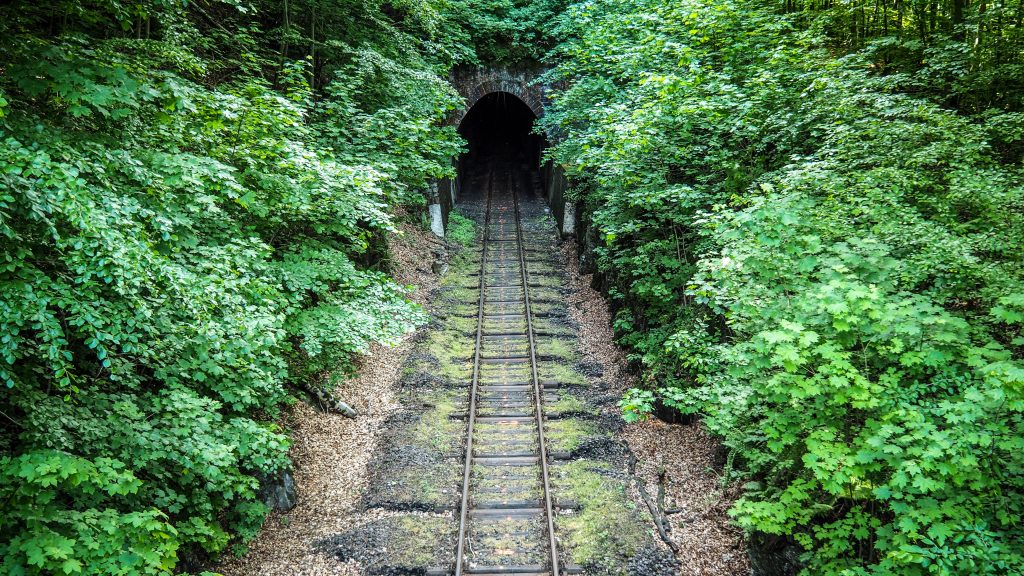
Railway tunnel near Jedlina Zdrój

After the lunch break, it’s time to sweat. The track climbs to Marcowa Pass. It’s already after 1 PM, so the temperature doesn’t make it easier. It’s a scenic fragment of the track though! After Marcowa Pass (Przełęcz Marcowa) it becomes flatter and here I met a couple following Main Sudetes Trail as well, but not in one push like me but they split over a couple of visits in the region. The guy seems to be a real hiker with huge experience in Polish mountains so it’s a pleasure to listen to his stories and the time (and distance) flies fast until we reach the Eagle’s Pass (Przełęcz Sokola).
First issues with the weather appeared when I saw dark clouds on the horizon, the sun was burning like crazy and I couldn’t stop the feeling that it had to end with a storm. 8 kilometres left to Zygmuntówka Hut but on the most difficult terrain of the day.

I started the ascent from Eagle’s Pass (754m a.s.l.) to the Great Owl (Wielka Sowa – 1015m a.s.l.). There was a lot of people on the track, going to the observation tower. Dark clouds were getting closer and I could already see the lighthouse-like construction at the top of the Great Owl when I heard the first thunder.

Góry Sowie Główny Szlak Sudecki
Viewing tower at the top of the Great Owl

I didn’t go up the viewing tower but rushed towards my final destination. Seems that not too many people venture beyond as the track became totally deserted. Luckily it’s mainly downhill so I was moving really fast. Unfortunately, the wind was getting stronger and stronger and I knew it’s only a matter of minutes to feel first drops of rain on my head. It started around Kozia Równia, so 2 kilometres before Zygmuntówka Hut. I put a rain jacket and rain cover on my backpack and continued walking for another 1 kilometre. Suddenly, the rain started to be simply insane and thunders were getting launder. Luckily, I noticed a wooden structure, full of rubbish and empty beer bottles inside, but good enough to spend next hour there waiting for the storm to calm down.

I knew I am very close to the hut, but it really didn’t make sense to push in such weather conditions. After a perfect sunny day with blue sky, a few hours later everything was covered in clouds and the temperature was dropping together with heavy rain. Quite common in the mountains, isn’t it?

Góry Sowie Główny Szlak Sudecki
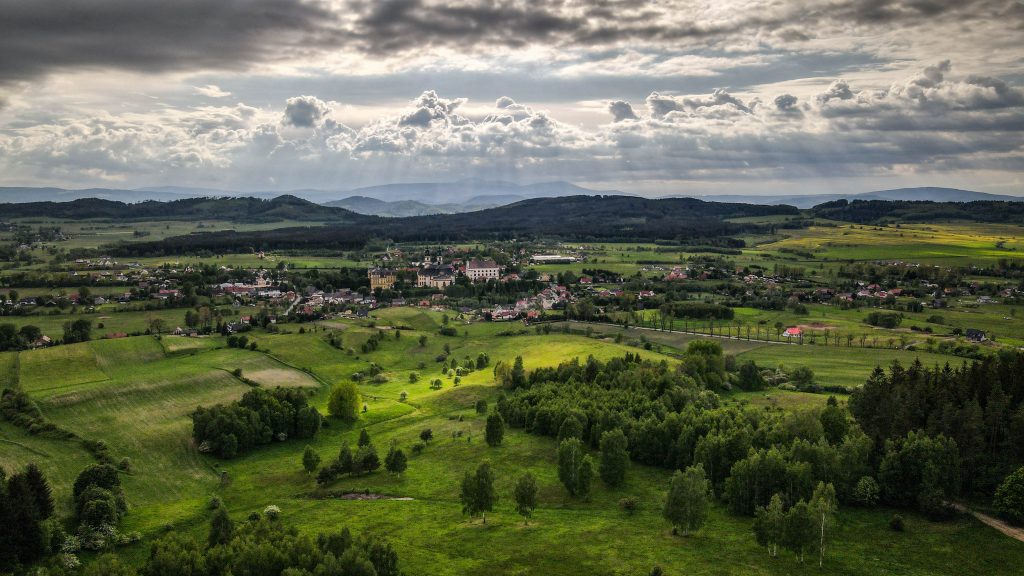
Drone flight after the rain was entremely picturesque
Góry Sowie Główny Szlak Sudecki
Clouds hanging above Zygmuntówka Hut
Góry Sowie Główny Szlak Sudecki
Panoramic views just in front of the hut
Góry Sowie Główny Szlak Sudecki
Zygmuntówka Hut

I reached the hut totally soaked, yet satisfied. It was a challenging day without the happy ending but damn, so enjoyable. After all, that storm will stay in my memories and I created my own happy ending – with the Owl’s beer (Sowie).

Góry Sowie Główny Szlak Sudecki

Introduction

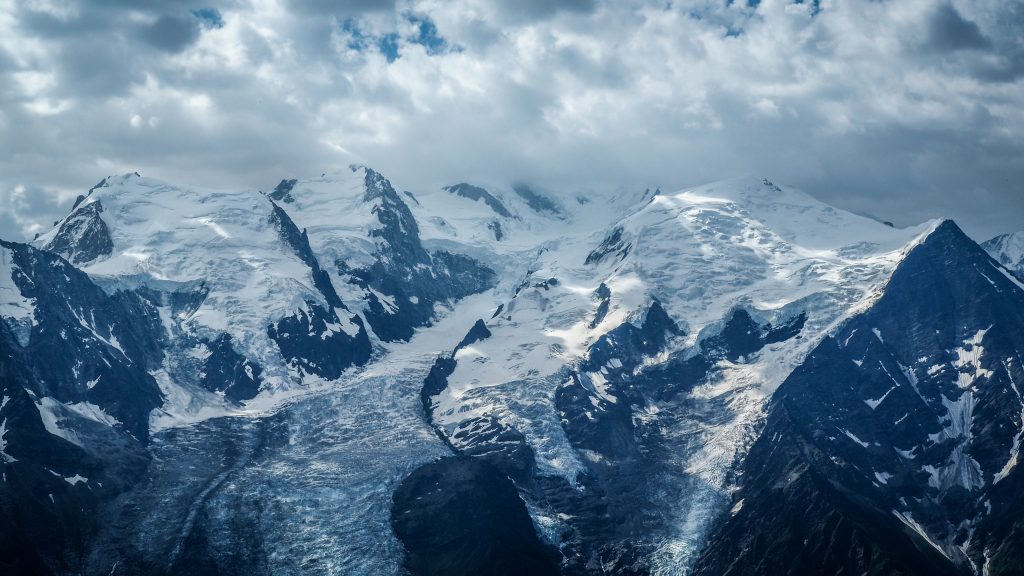
The main attraction bringing tourists to Chamonix-Mont-Blanc, commonly known as Chamonix, is Mont Blanc. The summit of the highest mountain in Western Europe is at 4810m a.s.l. and the first successful ascent by Jacques Balmat and Michael Paccard took place on August 8th 1786, causing a significant boom in mountaineering.

Winter sports were always popular in the region and it resulted in the first Winter Olympics organized here in 1924.

Mont Blanc MultiPass

Following below itinerary, you will save a lot of money by purchasing a 1-day version of Mont Blanc MultiPass. It costs 68 EUR, while return ticket for the cable car to Aiguille du Midi costs already 65 EUR. Totally worth it!

Aiguille du Midi

It’s impossible to miss a huge cable car station in the centre of Chamonix. Looking up, you can see the destination and the upper station at a height of 3,777m a.s.l. with o the summit terrace at 3,842m a.s.l. One can’t get closer to the summit of Mont-Blanc without hiking or climbing. It only takes around 20 minutes to get there, starting at the altitude of 1035 m a.s.l. It’s like a journey to a different world. Alpine world.

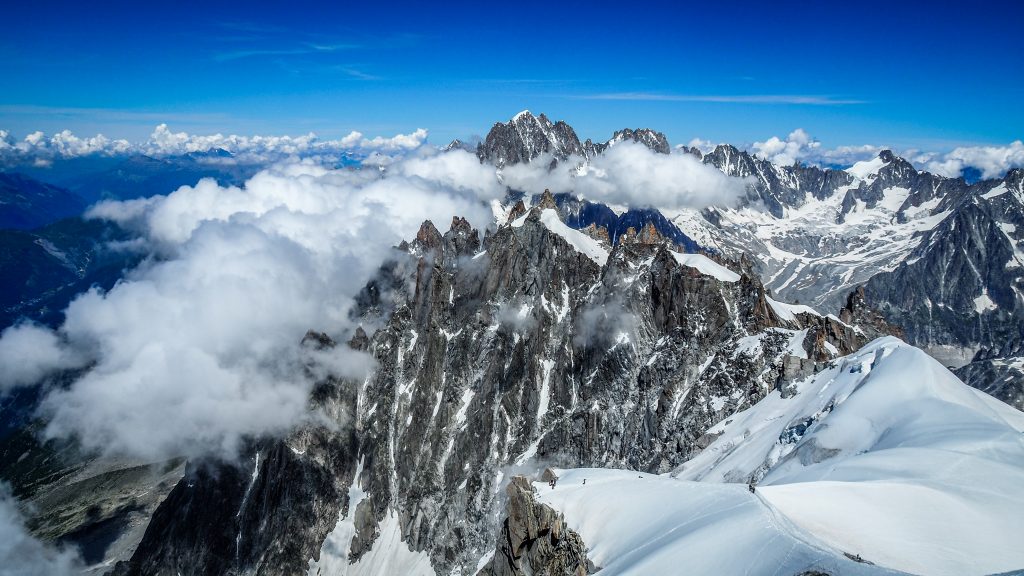
There is usually a lot of people but also a lot of space on the terraces to observe the panorama of the French, Swiss and Italian Alps, of course including the king – Month Blanc.

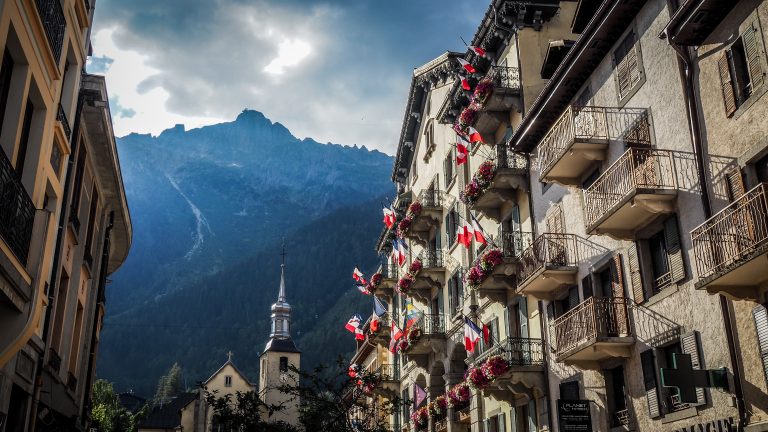
View to Aiguille du Midi from Chamonix centre
Upper station of Aiguille du Midi cable car


At this altitude, it is usually much colder and windier than down in the valley, so take an extra layer but also sunglasses and suncream.

You may want to check out extra attractions such as small exhibition, cinema or something called Step Into the Void. It’s a 2.50 m glass cage out over a 1000 m precipice. Waiting lines are usually long here so I didn’t want to lose time just to take one picture.

Gondola ride to Aiguille du Midi is included in Mont Blanc MultiPass, otherwise, return trip costs 65 EUR.

Panoramic Mont Blanc Gondola (optional)

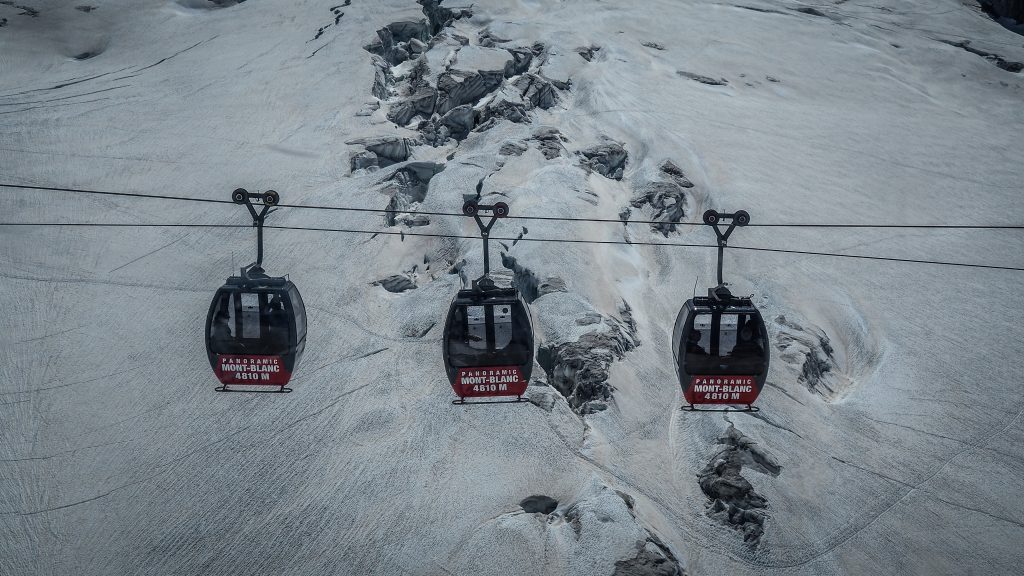
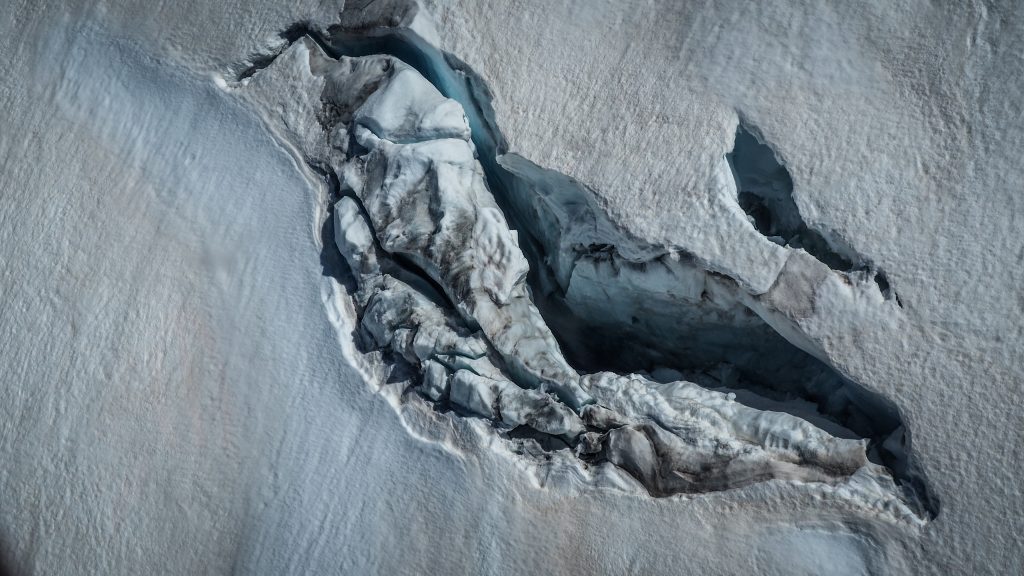
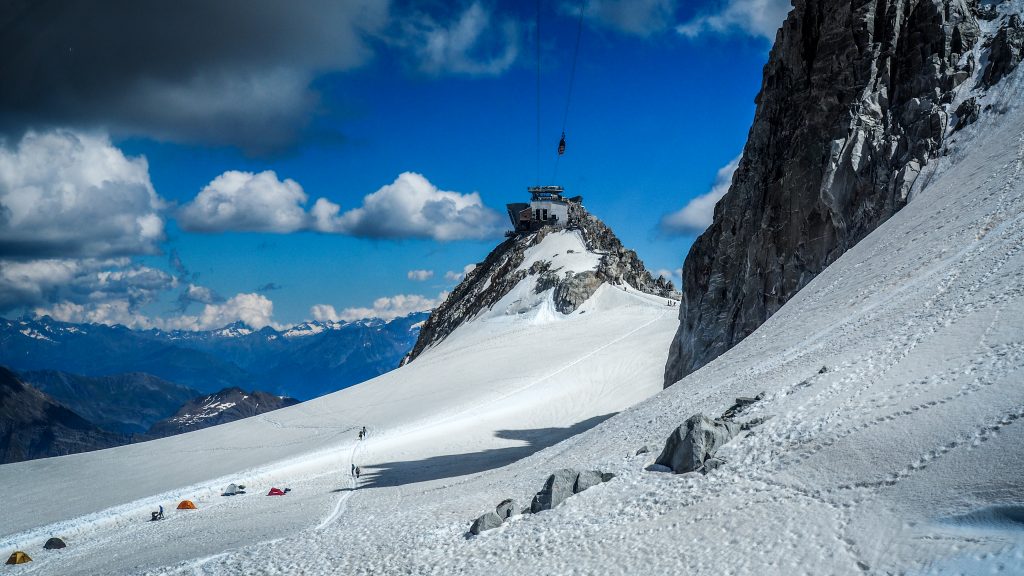
The Panoramic Mont-Blanc gondola is not included in Mont Blanc MultiPass but for me, it’s the most awesome ride in Chamonix region. For an extra 32 EUR, it takes you from Aiguille du Midi over the Glacier du Geant seracs and crevasses to the Pointe Helbronner in Italy. One way ride takes around 30 minutes.

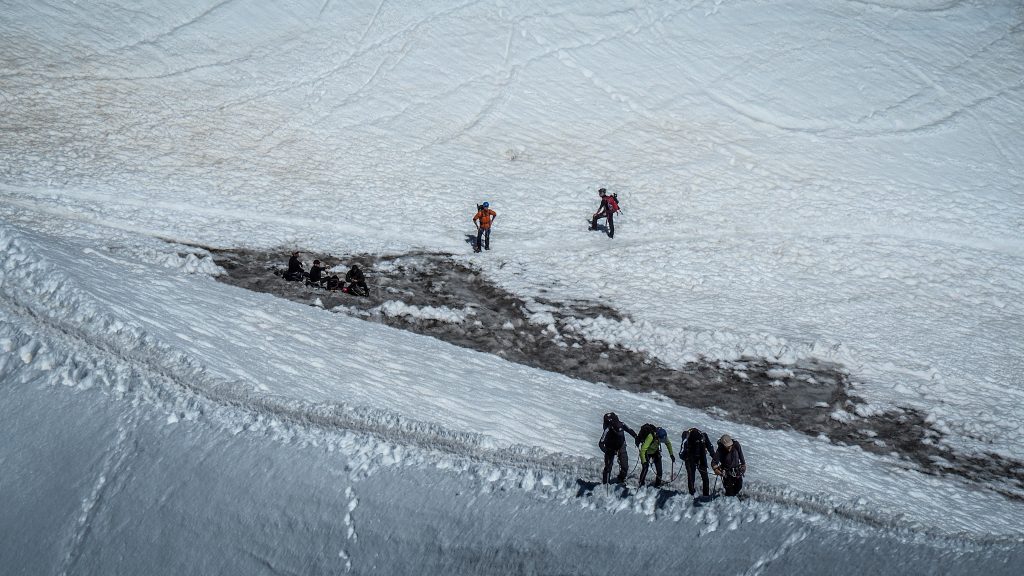
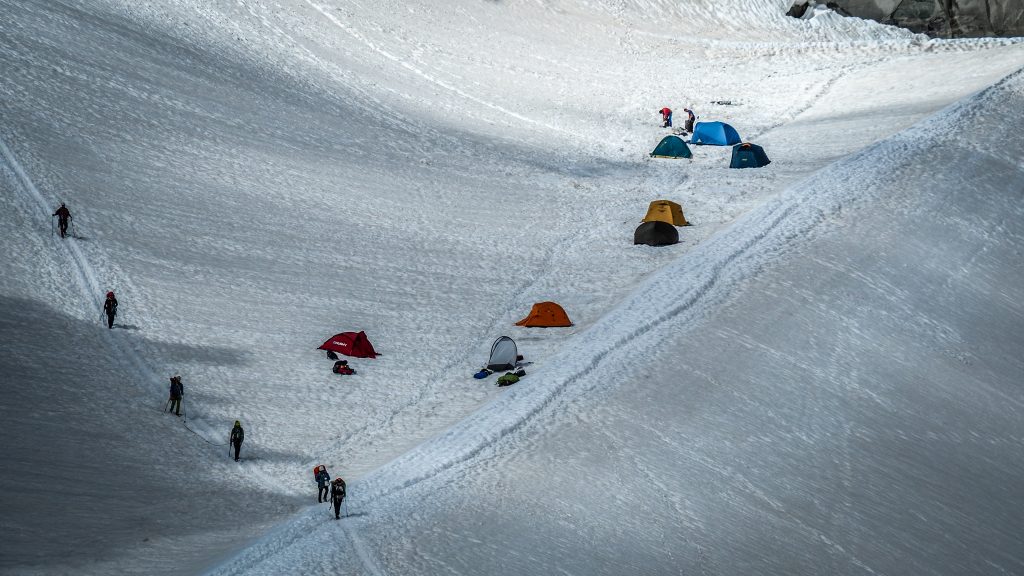
There are a lot of hikers who challenged themselves to tackle the highest mountain in the Alps and their camps are like colourful pins on a white sea. I feel the strong atmosphere of this place. Will I ever be able to stand at the top of Mont Blanc? I have no experience in mountaineering whatsoever, but it’s never too late to learn.

Mer de Glace

From Plan de l’Aiguille du Midi, which is the mid-station of Aiguille du Midi gondola, take a scenic track known as Grand Balcon Nord towards Mer de Glace. It takes 2 – 2.5 hours and it’s a wonderful alpine walk.

In English, Mer de Glace means the Sea of Ice.  It’s the largest glacier in France, 7km long and 200m deep. Being heavily covered in debris, it doesn’t look like it at all. But take your time, use your zoom lens or binoculars and you will understand how impressive it is.

Chamonix Mer de Glace
Panorama of glacier

Obviously, it was even more impressive some years ago. After reaching Montevers train station, check out small exhibition located dedicated to the history of glaciers in Glaciorium. Then, take a small cable car down to the ice cave. From the cable car lower station, there is still a long descent on metal platforms and steps. Every year new platforms are added and the way down is getting longer. Why? There are a lot of information boards along the track indicating the level of the glacier in the last years. It is really scary to see how fast it’s receding.  

Ice cave itself was not very impressive but maybe it’s because I saw similar attractions in Switzerland before. When I was there, it was way too crowded to really enjoy the experience.

Chamonix Mer de Glace
Inside the ice cave

The Montevers train, even though looking cute, was even more crowded with tourists and hikers with big backpacks and equipment. The ride is included in Mont Blanc MultiPass, otherwise, one-way ticket costs 28.50 EUR.

Le Brevent

Another popular gondola lift takes you from Chamonix to Plan Praz (2000 m a.s.l.), from where you continue by cable car to the top of Le Brevent (2525 m a.s.l.). Views to the south slope of Mont Blanc are terrific and there are nice walks in the area as well, such as Grand Balcon Sud or Lake Cornu.

The ride is included in Mont Blanc MultiPass, otherwise return ticket costs 34 EUR.

If you are about to hike Tour du Mont Blanc, you will conquer Le Brevent anyway by foot, so going there by cable car won’t make sense.

Chamonix Brevent
View from Le Brevent

Chamonix

In such a case, spend the afternoon visiting the Alpine Museum in Chamonix. It’s quite cheap compared to other attractions in the area and for 6 EUR you can easily spend an hour here learning about the increasing popularity of mountain hikes, followed by the construction of cable cars and gondolas to meet the demand. All of that resulted in the development of the popular French mountain resort – Chamonix.

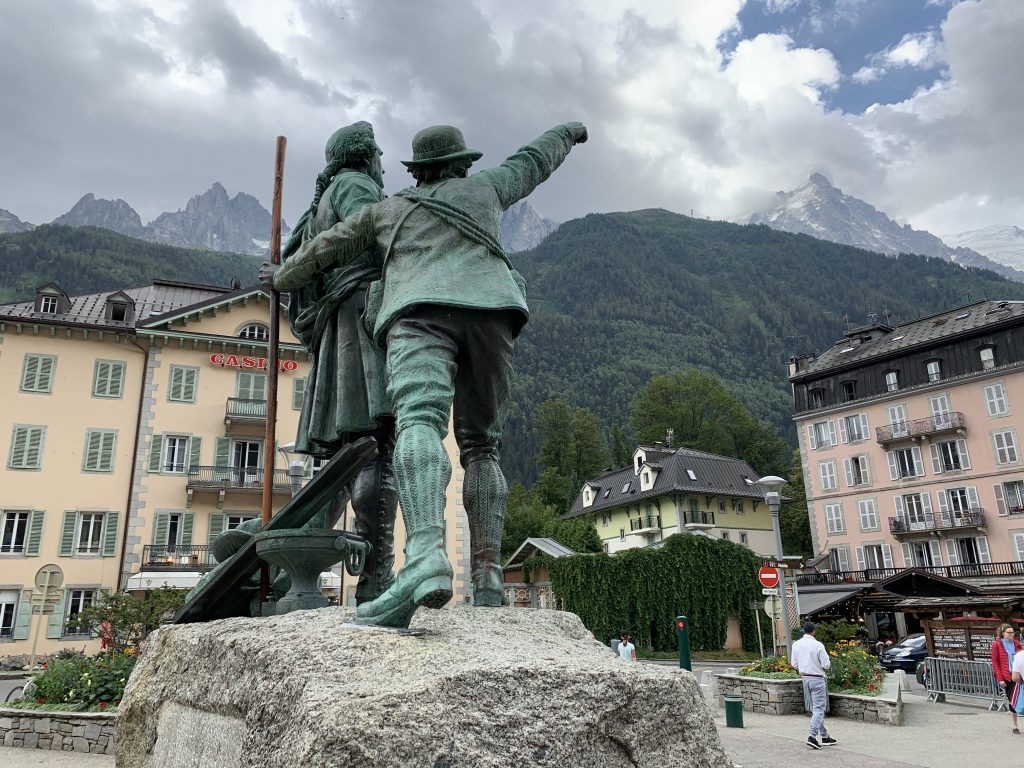
The town is extremely charming, despite the crowds of tourists. Spend your evening strolling on the streets. Don’t miss the statue of Balmat and Saussure. In 1760 Horace Bénédict de Saussure challenge climbers offering a financial prize to the first people setting foot on the top of Mont Blanc.

The statue of Balmat and Saussure in Chamonix

After several unsuccessful attempts, on August 8th 1786 two local Chamonix men finally made it happen. They were Jacques Balmat and Dr Michel Gabriel Paccard. As always, it’s all about money and a great story which in that case promoted Balmat, making him a local superstar. The role of his companion was consistently ignored and downgraded.

The second bronze statue to commemorate Dr Paccard was erected only in 1986. It stands only a few meters away and somehow nicely corresponds to the original story. Paccard calmly looks at the mountain when Balmat and Saussure stand in the spotlight, pointing at the summit in clearly visible excitement.

After most of the previous day spent in Krzeszów, when the weather was rainy, then sunny, then stormy again I was really happy to wake up and see perfectly blue sky. It always gives some extra boost of energy in the morning!

The plan for today was to reach Andrzejówka Hut and spend the night there. Due to COVID-19 and uncertainty what is open and what is still closed, I gave them the call to confirm availability. They said they are in the middle of renovation but still have some rooms available and I am welcomed. Great news! After the night spent in Odrodzenie Hut in Karkonosze Mountains, I had only good memories and was looking forward to staying again in a proper mountain hut rather than private accommodation in the village.

Route: Krzeszów to Andrzejówka Hut
Distance: ~ 22 km

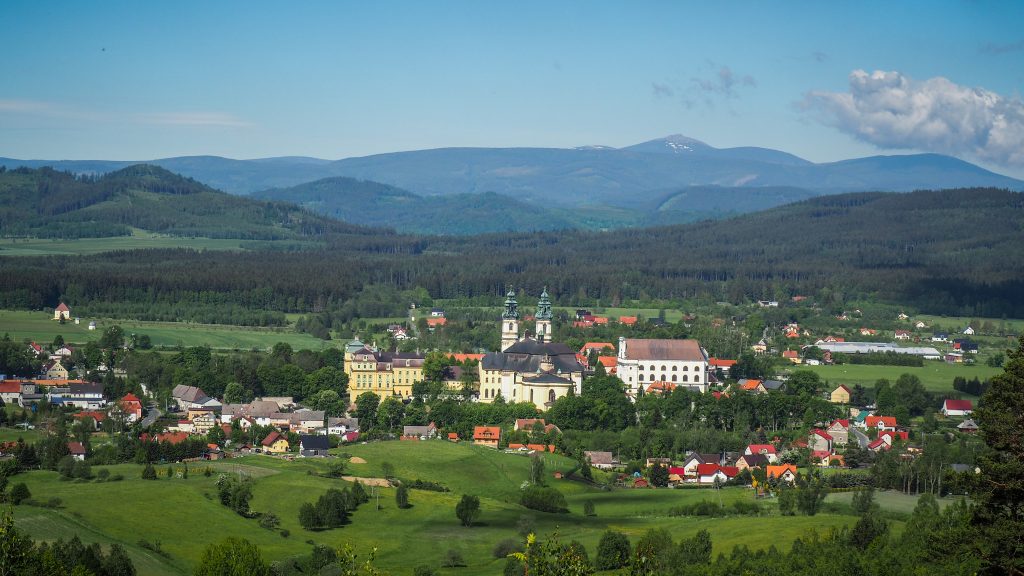
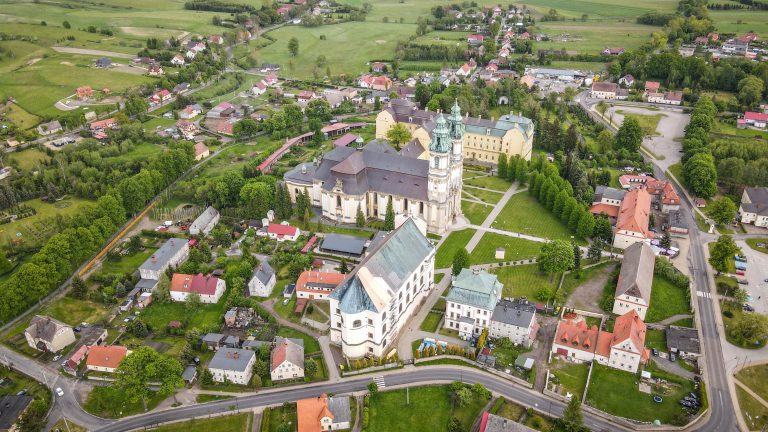
For the first 2 kilometres after leaving Krzeszów, the track takes me uphill towards Mount of Saint Anna (Góra Św. Anny), where I can have a closer look at the chapel seen the day before from a drone. From here, I look for a very last time to the panorama of Krzeszów.

Krzeszów, Główny Szlak Sudecki
Panorama of Krzeszów seen from Mount of Saint Anna

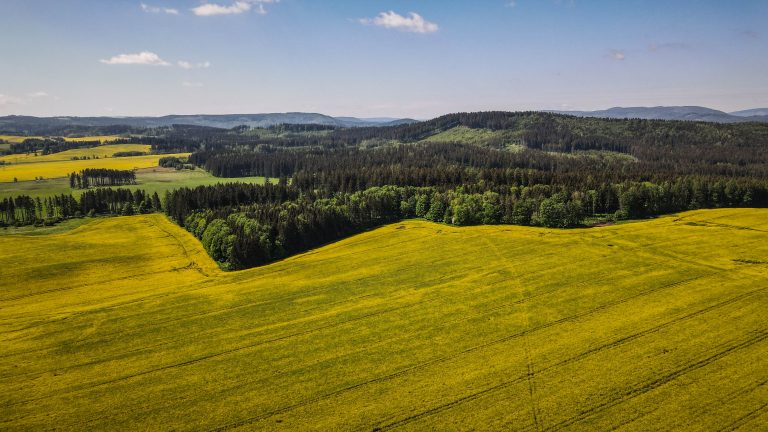
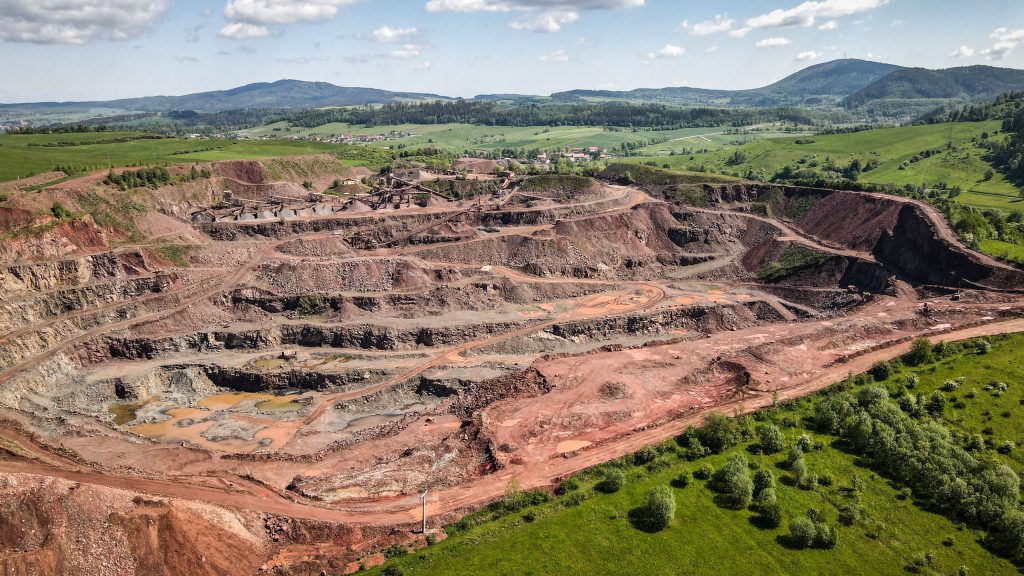
Then, it’s another 4 kilometres through the area called Hills of Krzeszów (Krzeszowskie Wzgórza) to the village Grzędy. Mostly in the forest, however as I get closer to the village, the forest is left behind and I see huge fields of yellow-blooming rape. It seems to be a great scenery for drone footage, therefore it’s time for a short break. With a drone, I discovered something that otherwise I only heard from the distance – melaphyre mine.

Główny Szlak Sudecki
Melaphyre mine around Grzędy
Główny Szlak Sudecki
Fields of yellow-blooming rape seen from the drone

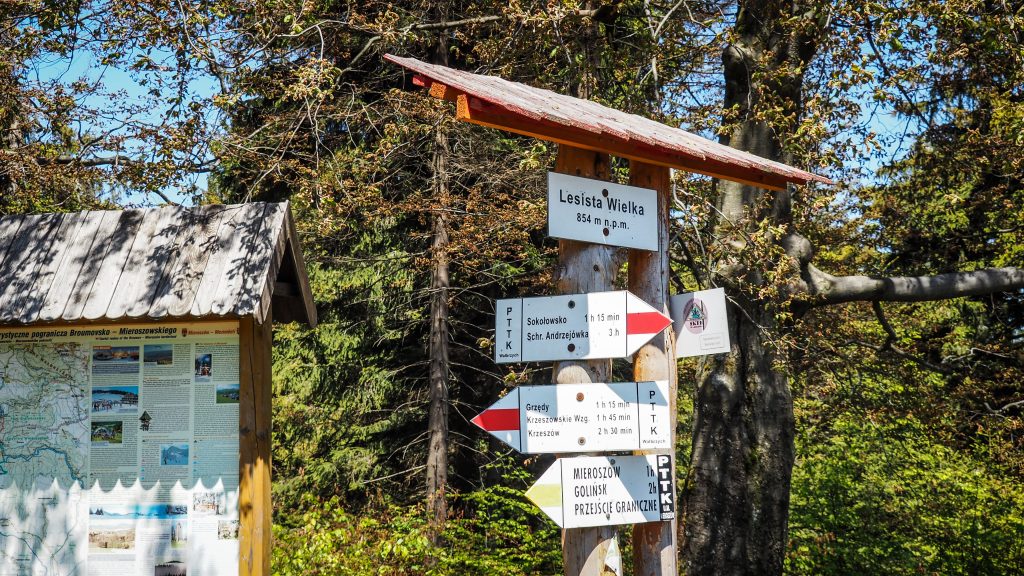
From Grzędy, the next destination is Sokołowsko, roughly 10 kilometres away but with significant ascent (~450m) and descent, passing through mountains, such as Mount Sucha (Sucha Góra – 767 m a.s.l.), Great Lesista (Lesista Wielka – 854 m a.s.l.) and Ostrosz (792 m a.s.l.).

But after walking through the Grzędy village, the most unpleasant section of the day begins. First, it’s over 2 kilometres walk on an asphalt road with cars passing by and then when it’s time to get back to the forest, the track is so poorly marked that I couldn’t find a way without double-checking it in the phone. It goes left into which seems to be a backyard of somebody’s house, but after you pass it, there is, in fact, a proper road. Moments like this give me a lot of frustration. Nowadays you can find detailed maps and descriptions online, but on the other hand, it would be so easy to mark it. Yet, no one cares. I would suggest to save yourself time as well as nerves and always have at hand mobile map, such as the one at www.mapa-turystyczna.pl

The steep descent from Great Lesista takes me all the way to the crossing with road 35 and then again the walk on asphalt road begins. Not pleasant at all, especially in full sun. In about half an hour I am at Sokołowsko and here I made short detours around the town to check out the sights.

Główny Szlak Sudecki
The Great Lesista (854 m a.s.l.)

In 1849 countess von Colomb arrived at the village, which had a significant impact on its further development. She found the area so nice and relaxing that she went one step further and persuaded her brother-in-law, Doctor Hermann Brehmer, to open a health resort. In 1855, worlds first specialized tuberculosis sanatorium was ready and the village was named after Professor Alfred Sokołowski, Brehmer’s co-worker.

Shortly after entering the town, I find old Sanatorium Grunwald on the right side of the road. After the fire in 2005, today it’s still a ruin, however there are works going on at some day it may come back to the old glory.

Sokołowsko, Główny Szlak Sudecki
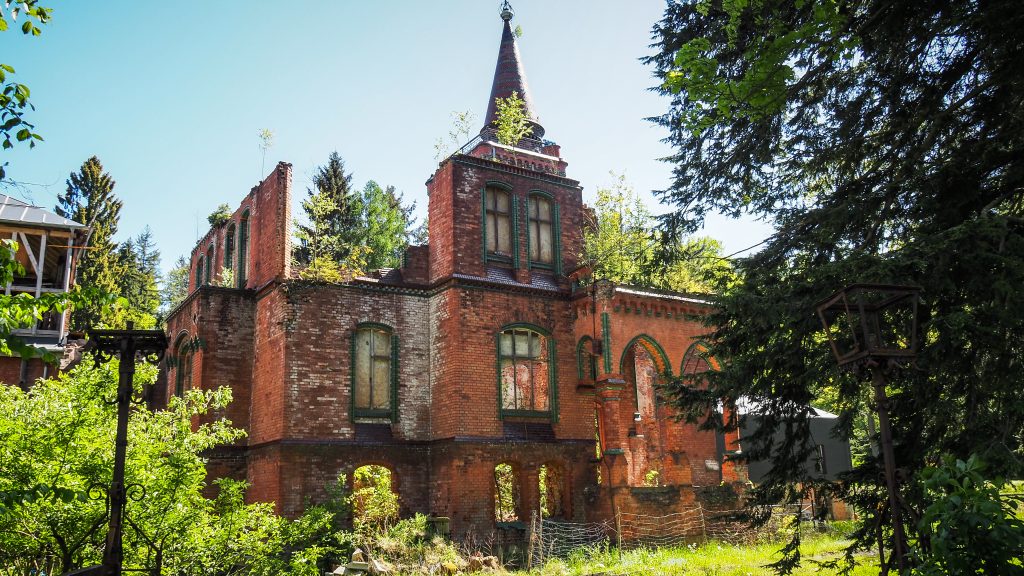
Sanatorium Grunwald

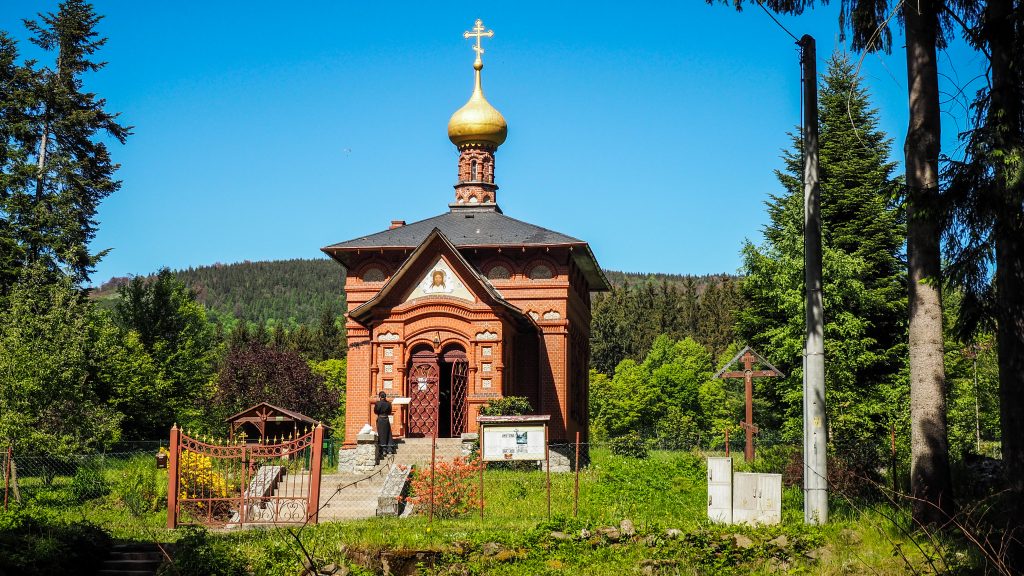
Turning right into Parkowa Street, I reach Orthodox church of St. Michael the Archangel. It was built to meet the religious needs of patients who came in large numbers from Russia.

Sokołowsko, Główny Szlak Sudecki
Orthodox church in Sokołowsko

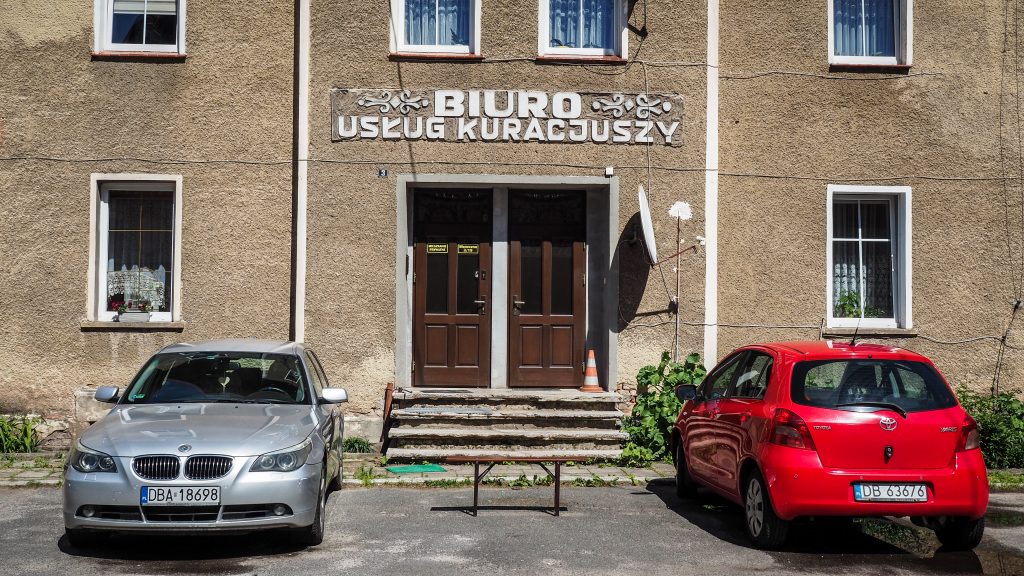
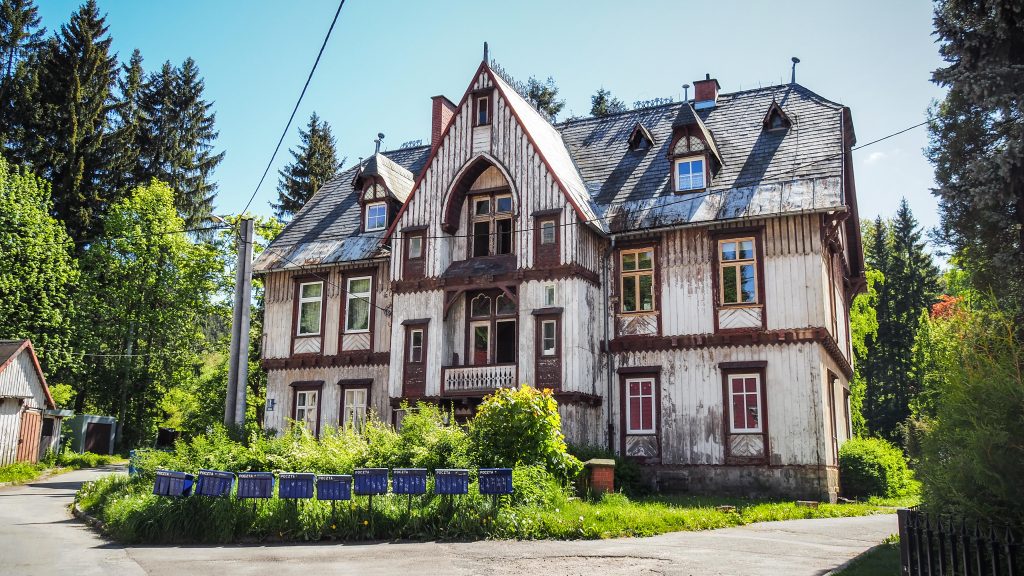
Other than that, it’s just nice to walk around and admire old buildings and architecture, of once popular and today forgotten by the world spa town.

Sokołowsko, Główny Szlak Sudecki
Sokołowsko
Sokołowsko, Główny Szlak Sudecki
Sokołowsko
Główny Szlak Sudecki
Sokołowsko
Główny Szlak Sudecki
Sokołowsko

From Sokołowsko, the fun begins as according to my resources, the ascent to Bukowiec and into Dry Mountains (Góry Suche) is one of the steepest on the track. I meet a group of people that just went down and I see big smiles on their faces when they see me walking the opposite way. Well, if I didn’t like to go up and down, then I wouldn’t go to the mountains 🙂 It was steep. It was tiring. It took me quite some time and around 3-4 breaks on the way up. I think the main problem was my heavy backpack and the fact that I already had some kilometres in my legs.

Główny Szlak Sudecki
Views from the climb to Bukowiec

From here, only ~2.5 km left to Andrzejówka Hut and the section was mostly in the forest, having another melaphyre mine on the left side, which couldn’t be clearly seen but could be clearly heard.

Andrzejówka Hut was not as remote as mountain hut should be, at least to match my expectations. To be honest, it isn’t remote at all, there is an asphalt road leading to it from one side so there is a lot of day visitors walking around and enjoying food and drinks. By then I didn’t know yet that it’s rather normal in the Polish mountains. Mountain huts are like restaurants giving you an option to stay for the night, rather than remote shelters to which you have to carry your own food and fuel, as it was during my hikes in New Zealand. Well, now I know.

Schronisko Andrzejówka, Główny Szlak Sudecki

The room had 2 bunk beds but due to COVID-19 restrictions, I was the only one in the room. I enjoyed dumplings, apple cake and a coffee at a terrace and started planning the next day.

Today is a relaxing day. It doesn’t mean that I’m gonna be in bed the whole day watching Netflix though. Instead, I have 10 kilometres to walk through Raven Mountains (Góry Krucze) from Lubawka to Krzeszów.

In the morning I said goodbye to my travel buddy who according to the initial plan, after joining me for the first couple of days, came back to Gdansk to enjoy 9 AM – 5 PM life.

Above all, it was my back that needed a lighter day without carrying heavy load for such a long time.

Route: Lubawka to Krzeszów
Distance: 10 km

I departed from the main square in Lubawka and as always, followed red signs of the track leading me out of town into the Hazel Tree Ravine (Leszczynowy Wąwóz). Here the path goes gently up all the way to the Linden Tree Saddle (Lipowe Siodło). It’s around 3 kilometres from the starting point.

Krzeszów, Główny Szlak Sudecki

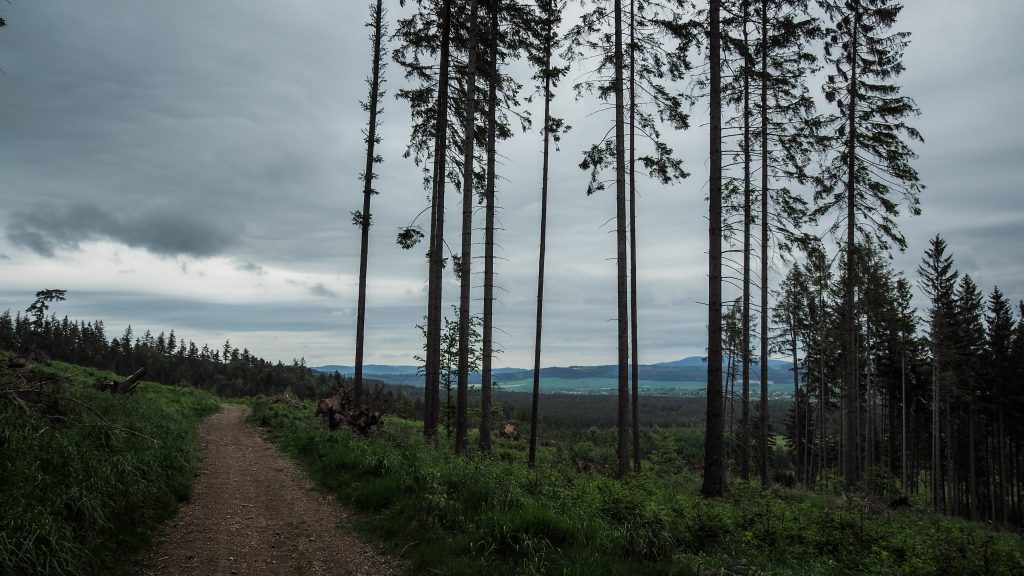
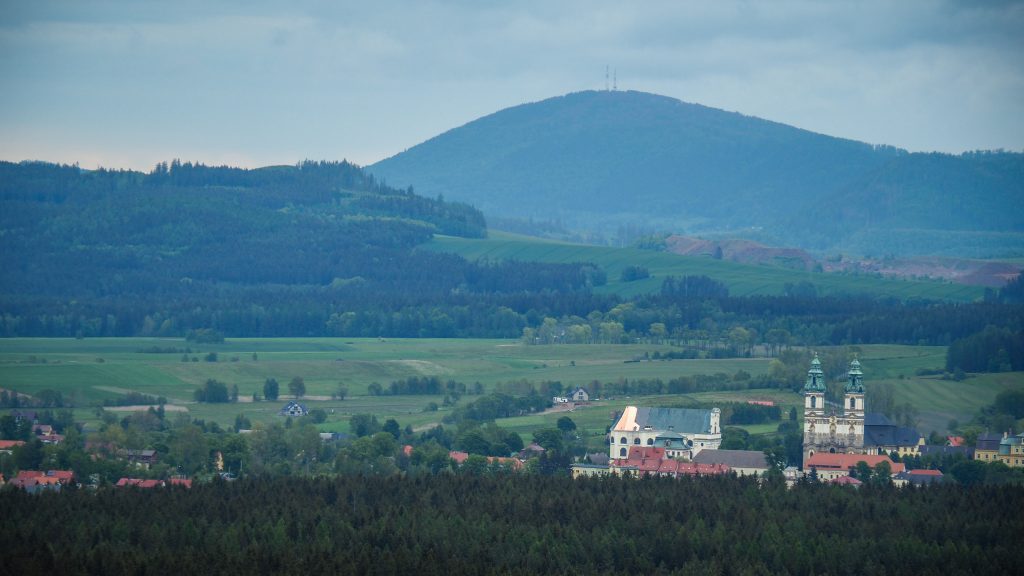
Next 5 kilometres are still in the woods, without a single soul around me. I push forward going sometimes up and sometimes down but no steep climbs today. After all – it’s a rest day! At some point, just behind the trees, I see a little town with a huge church. It must be my today’s destination – Krzeszów.

Główny Szlak Sudecki
Krzeszów, Główny Szlak Sudecki

But first, I pass by Bethlehem (Betlejem). Yeah, you read it right. Welcome to the Polish countryside. During the whole Main Sudetes Trail, I passed countless villages with sights named after the bible. I don’t even know how many Calvary mountains (Góra Kalwaria) there are but it seems like every village has it’s own.

Główny Szlak Sudecki
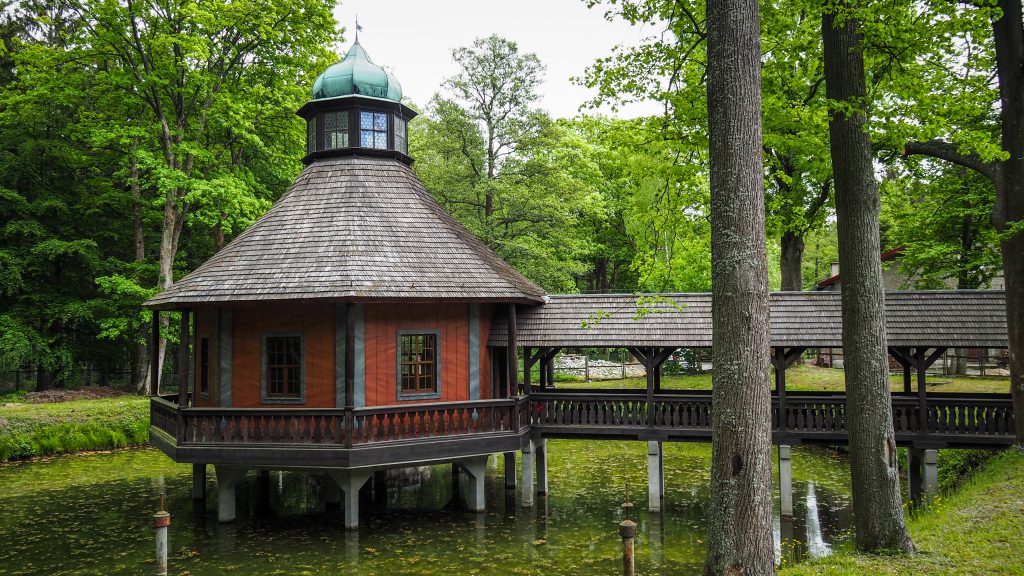
Wooden pavilion on the water in Bethlehem

Besides restaurant and guesthouse, it’s worth to have a look at the wooden pavilion that was built in the middle on the pond in the years 1674-1680 by the Cistercians. Apparently, inside there are paintings referring to the Old Testament, depicting scenes with the water theme. It was closed when I was there, however, if you wish to have a look inside, ask at the guesthouse.

Last kilometres are on a wide road leading to the centre of Krzeszów, but keep your eyes open as occasionally you can spot small chapels in the woods. These are the Stations of the Cross.

First buildings appear and my feet and back are very happy that soon backpack will rest on the floor and I will jump in sandals instead of heavy boots.

Główny Szlak Sudecki
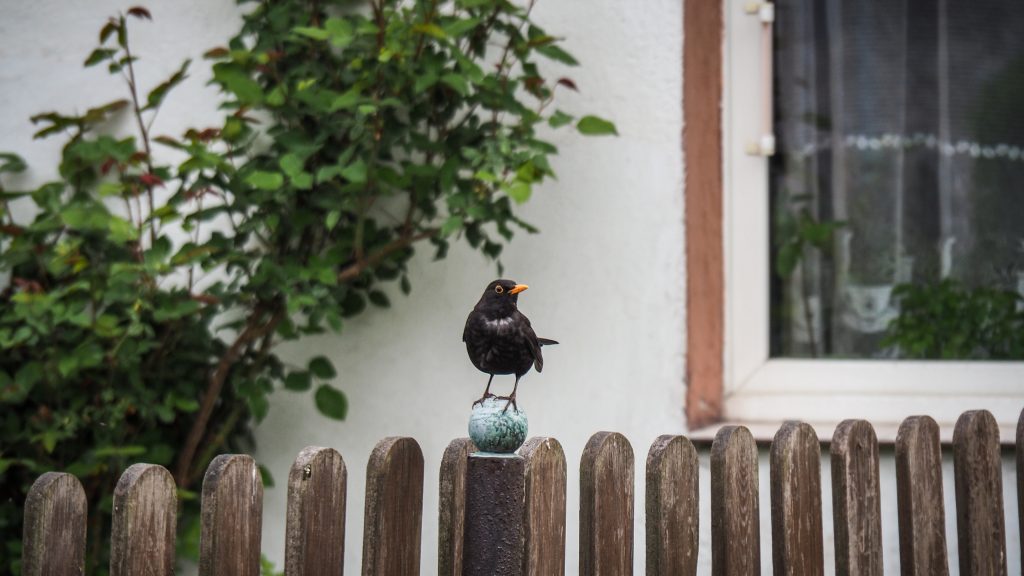
Bird seemed to be very interested in seeing hiker…
Główny Szlak Sudecki
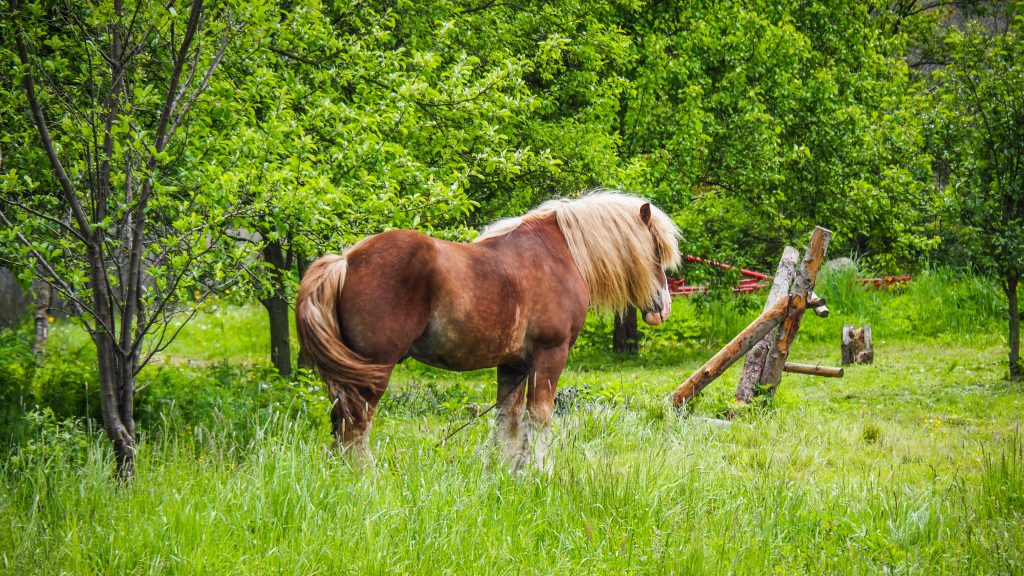
…but horse not too much.

For the night, I recommend the agrotourism place “Mała Chatka“. It was only 50 PLN per night and I had the whole place to myself. It was probably the best price to the quality ratio when it comes to accommodation on the whole track.

What to do in Krzeszów?

It was still quite early and I wouldn’t be myself to just sit at home and do nothing.

Basilica of the Assumption of the Blessed Virgin Mary

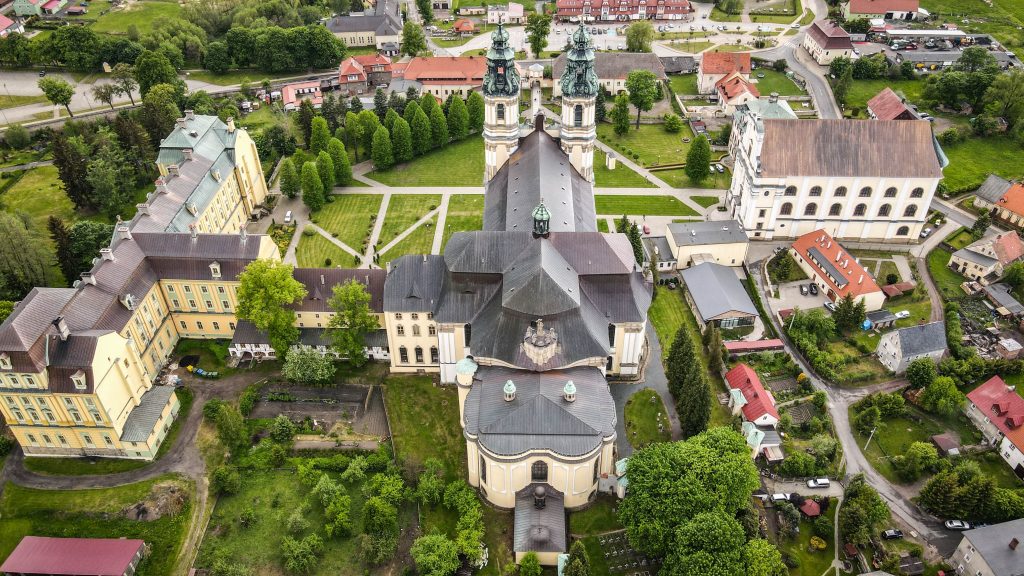
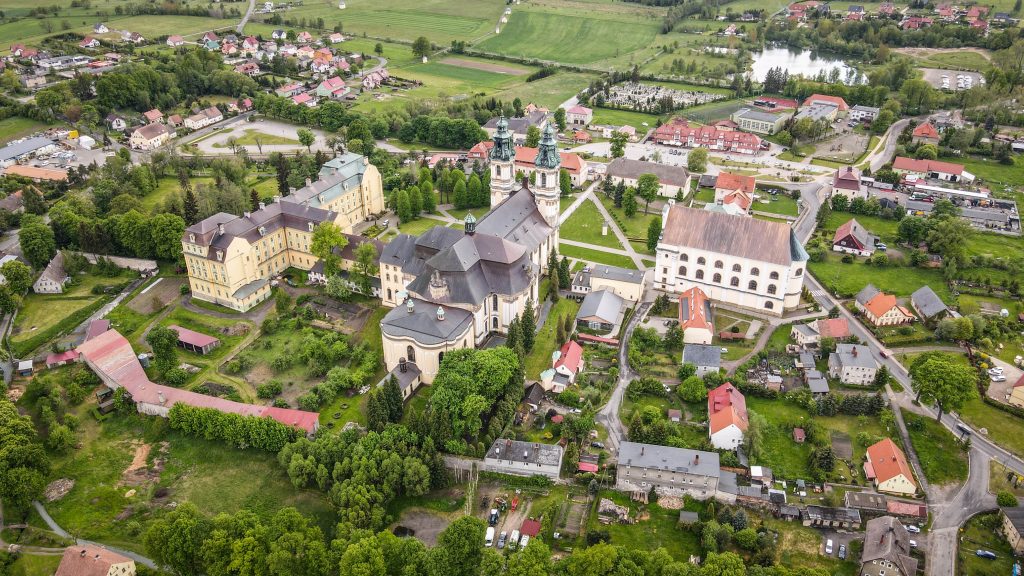
First monks in the region were the Benedictines that established an abbey in 1242, as a filial of the Opatovice monastery. 50 years later, the buildings were acquired by the Silesian duke Bolko I the Strict, who invited Cistercians. They managed what they got quite well and did not spare time, money and resources to build an impressive baroque church.

The standard ticket includes entry to 4 sights plus an audioguide:

  • Monastery Church (Basilica)
  • Bracki Church
  • Mausoleum of the Silesian Piasts
  • Maria Magdalena Chapel with the area of the historic cemetery

If this is not enough, get an extended ticket adding 3 more attractions:

  • Monastery Underground
  • Attic and tower of the Monastery Church
  • Summer Pavilion on the Water in Bethlehem

Check their website for current prices: https://en.opactwo.eu/dla-turysty/sightseeing/price-list-2020/

Krzeszów, Główny Szlak Sudecki

In the evening, it’s pleasant to stretch your legs walking the shorter path with the Stations of the Cross. For me it was also a great departing point for drone flight 🙂

The plan for day 5 was to cover the distance of approximately 23 km, which gave us plenty of time to enjoy the hike without the need of being in a hurry.

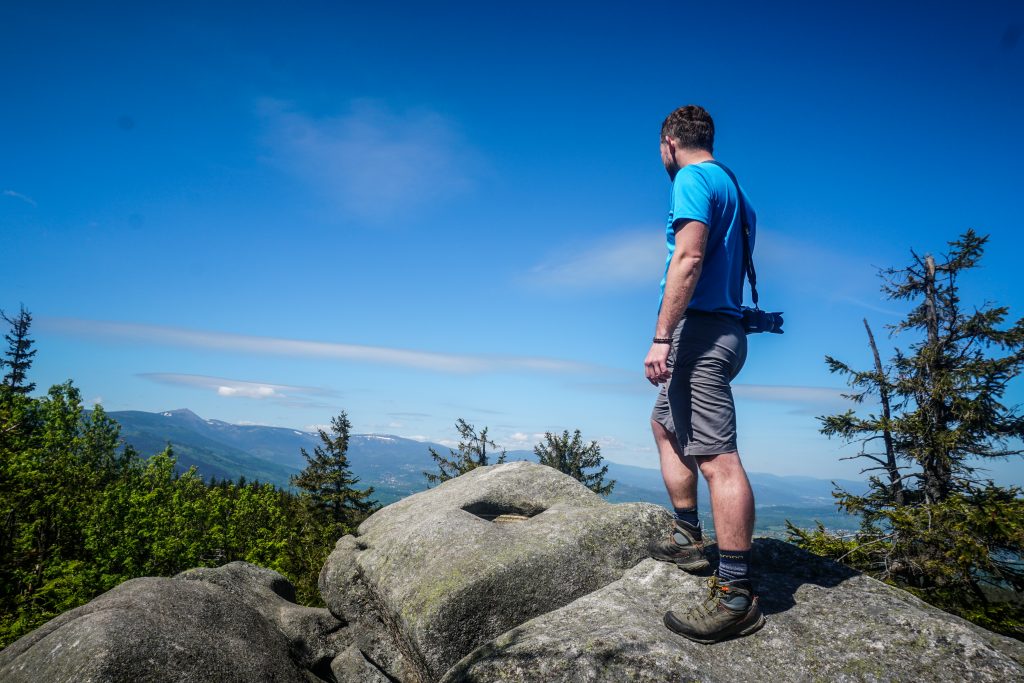
From Średnica Pass, the trail ascents for 3 km to Mała Ostra, where we found amazing rock formation to climb, from top of which we were rewarded with the breathtaking view to the places that we passed in the last days, e.g. Śnieżka and Karkonosze Mountains.

From there, you may want to take a short detour (~ 700m) along the blue track to Skalnik (945 m a.s.l.), though the views won’t get any better. The summit belongs to the Crown of Polish Mountains, so it’s tempting to tick it off from the list.

Główny Szlak Sudecki
Views from Mała Ostra

Route: Średnica Pass to Lubawka
Distance: ~23 km

Next, the track gradually descends towards Bobrzak Crossroads and Czarnów, which is known for its Hare Krishna farm. Apparently it’s a good place to learn about the culture and try vegetarian food if you find it interesting. We decided to skip it at that time.

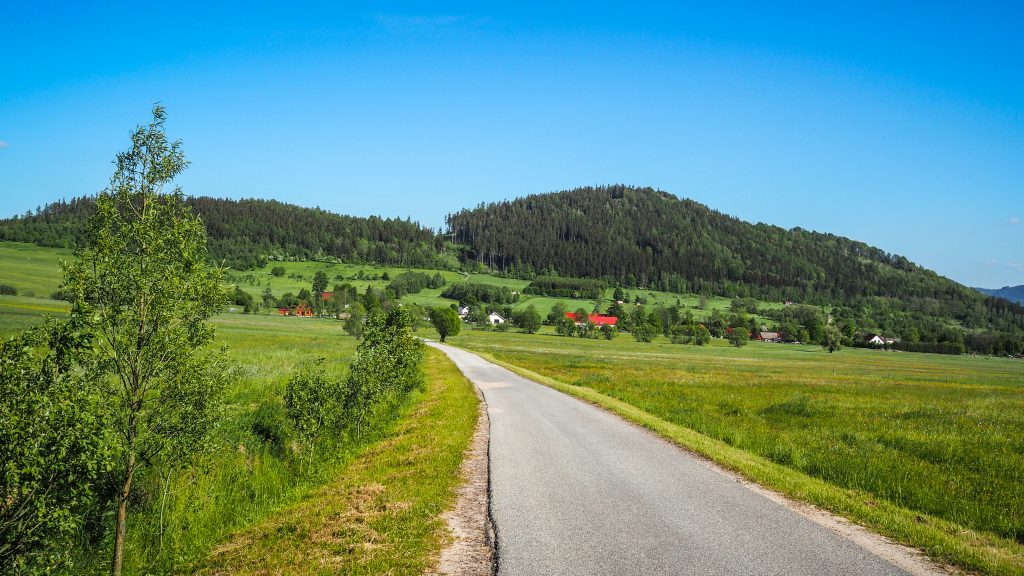
Passing through the peaks of Wilkowyja (776 m a.s.l.) and Liściasta (755 m a.s.l.), we finally arrived in Szarocin. Leaving it behind, we tackled the peak of Świerczyna (720 m a.s.l.). After the descent, there is a longer fragment of the track leading on an asphalt road, until we reached Paprotki.

Główny Szlak Sudecki

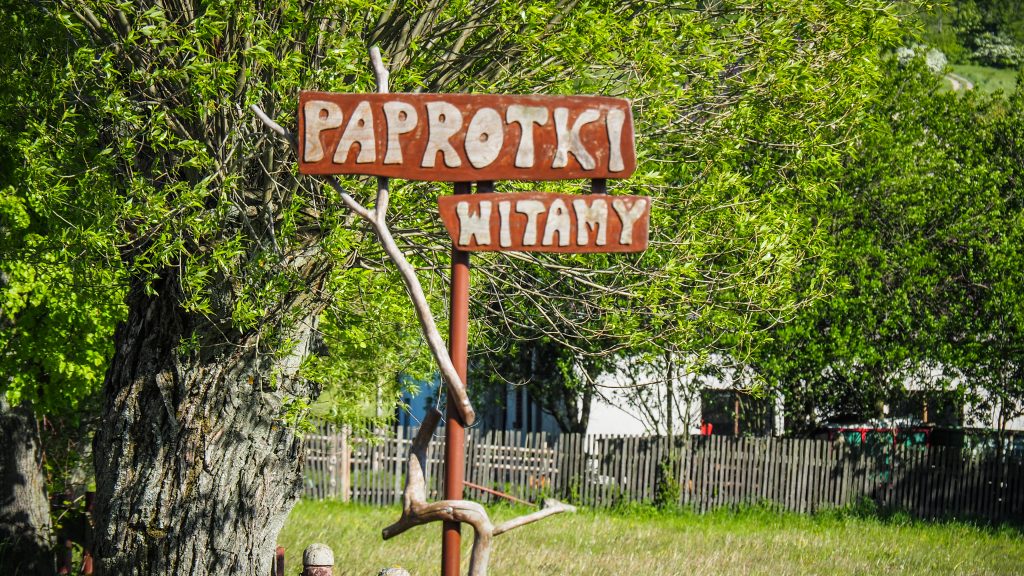
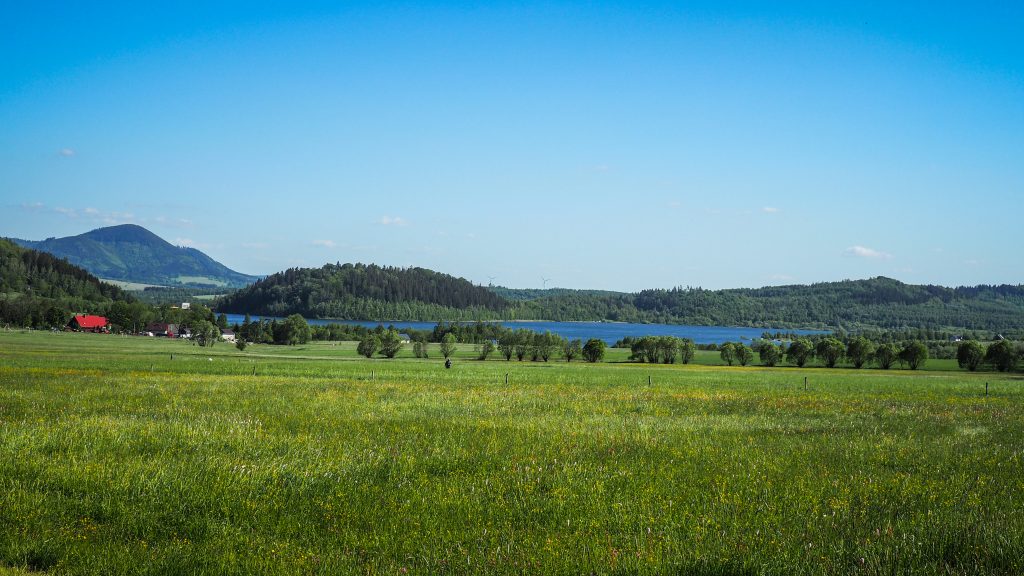
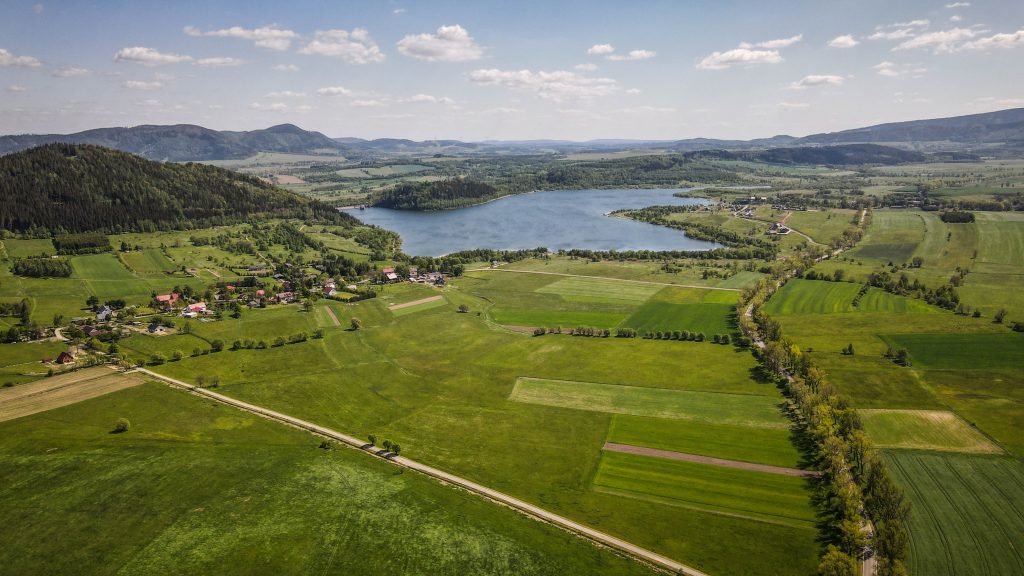
Paprotki is known for nearby Bukówka Lagoon. However, the track doesn’t follow near the banks but instead climbs to Zadzierna Rocks (724 m a.s.l.). It is a wonderful viewpoint but having already some kilometres in our legs, we started to feel first symptoms of fatigue 🙂

Główny Szlak Sudecki
Passing by Bukówka Lagoon on a nearby asphalt road
Główny Szlak Sudecki
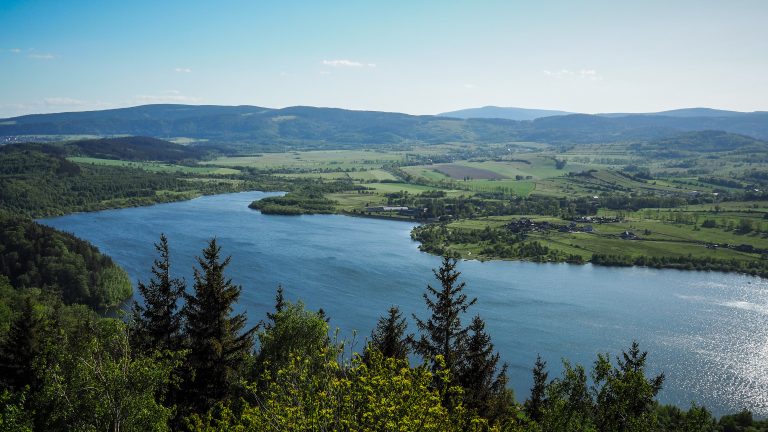
Bukówka Lagoon from the drone

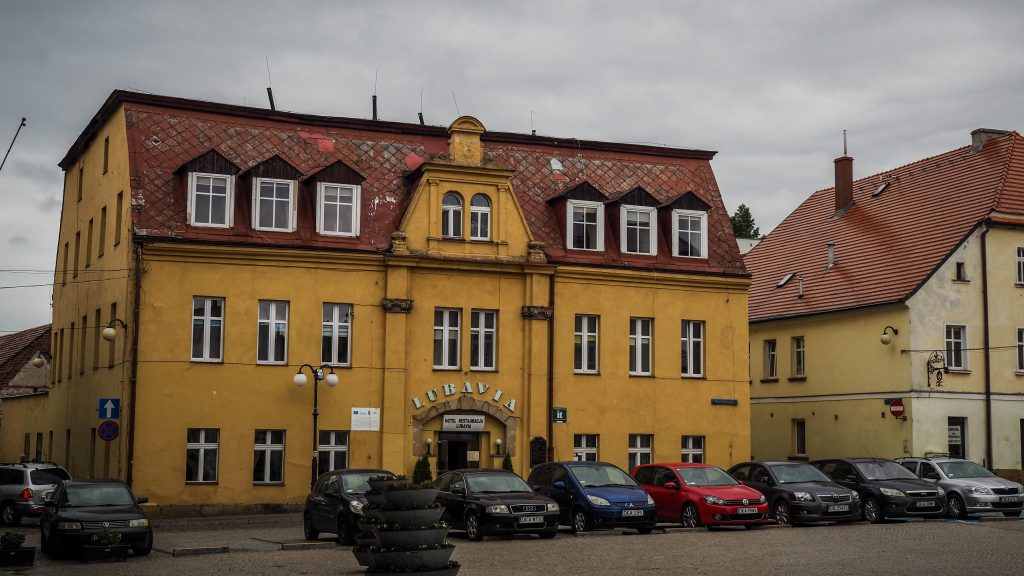
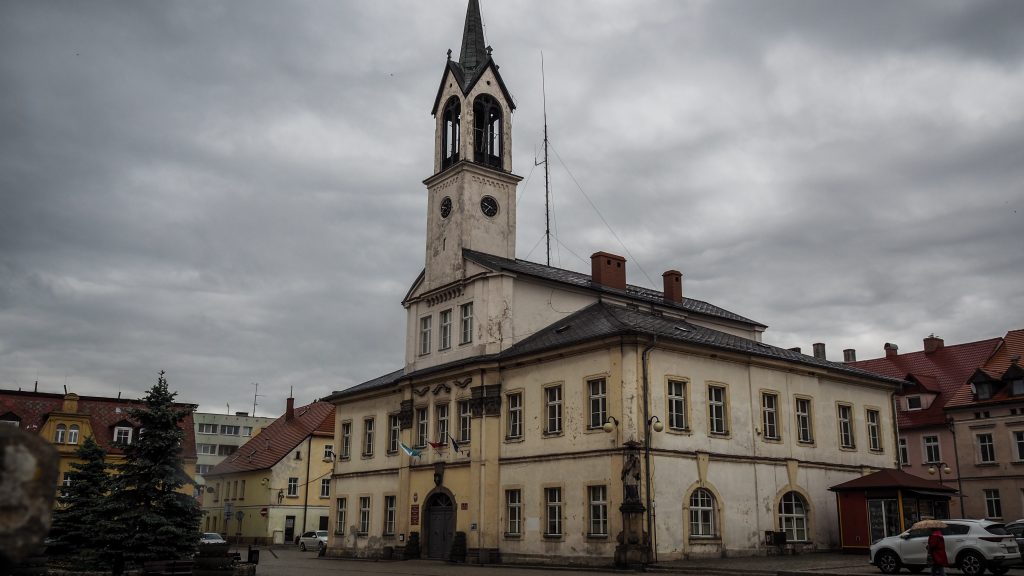
The last section leads downhill to Bukówka village from where we were forced to follow rather an unpleasant asphalt road with car traffic on it, which is never nice for hikers. Luckily, it’s only 3 kilometres to reach Lubawka. The city has a nice main square with city hall and tenement houses from XVIII century. We stayed for the night in Hotel Lubavia which was quite minimalistic. They have a restaurant too, where we refilled with energy in the form of schnitzel, listening to a rather horrible disco polo concert on local TV.

Główny Szlak Sudecki
Lubavia Hotel where we stayed for the night
Główny Szlak Sudecki
City Hall in Lubawka
Główny Szlak Sudecki
Tenement houses on the main square
Główny Szlak Sudecki
Tenement houses on the main square

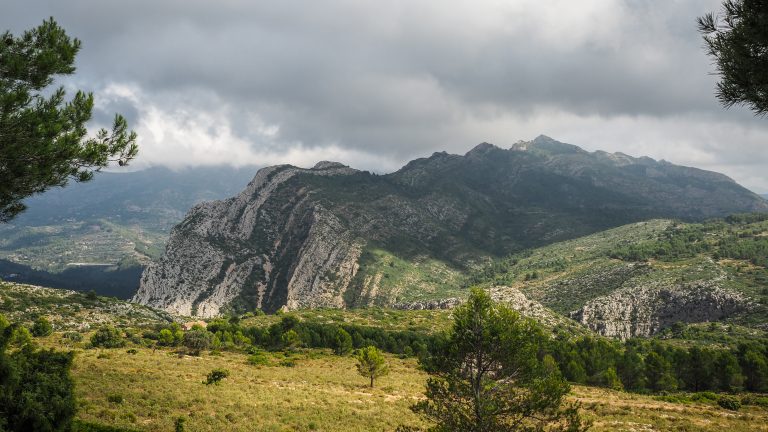
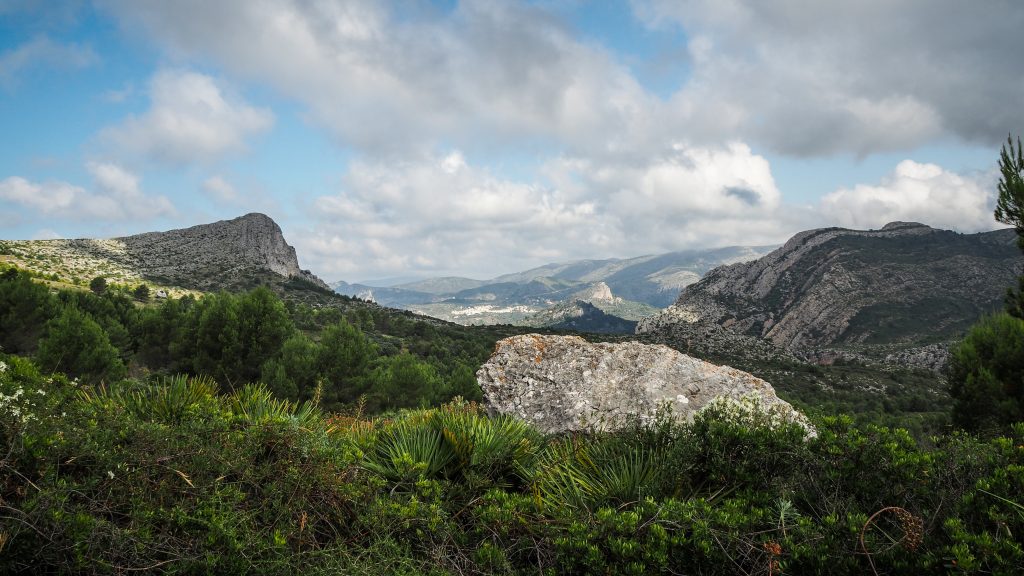
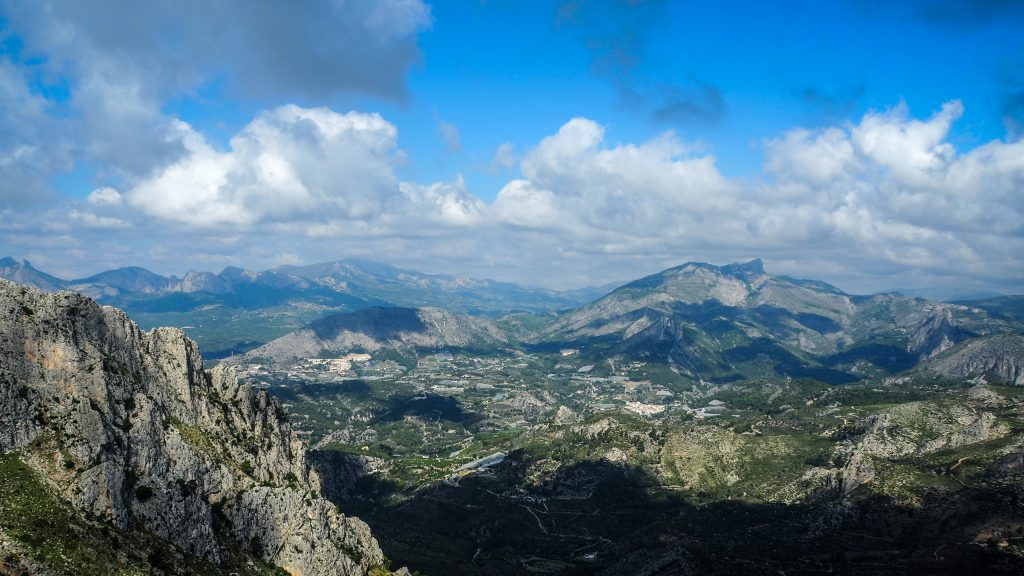
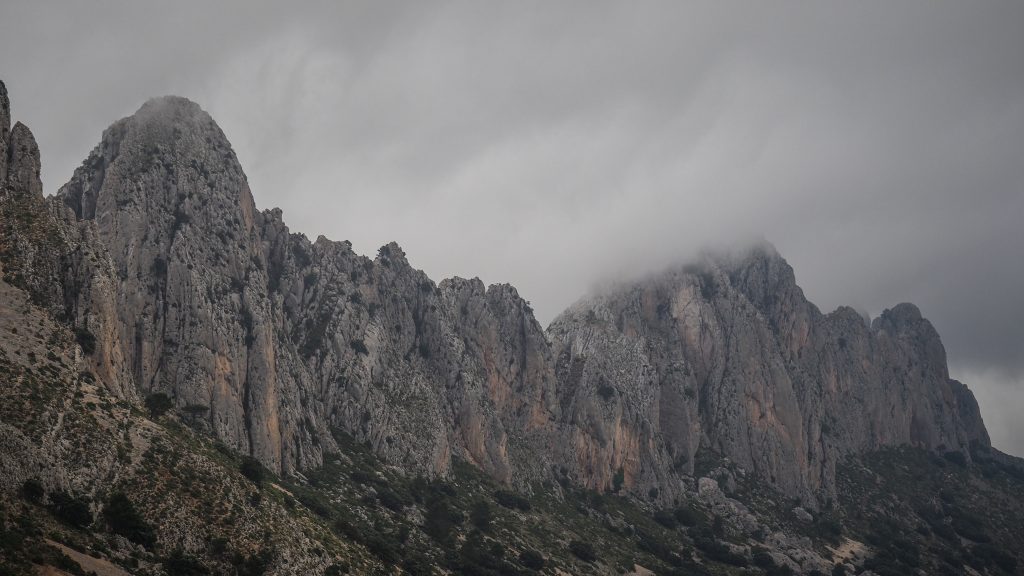
Sierra Bernia mountain range is located around 140 km south of Valencia and 65 km north of Alicante, covering an area of 1,900 hectares. It divides the Costa Blanca from North to South creating the Marina Alta and Marina Baja. The highest peak is at 1.128 m a.s.l.

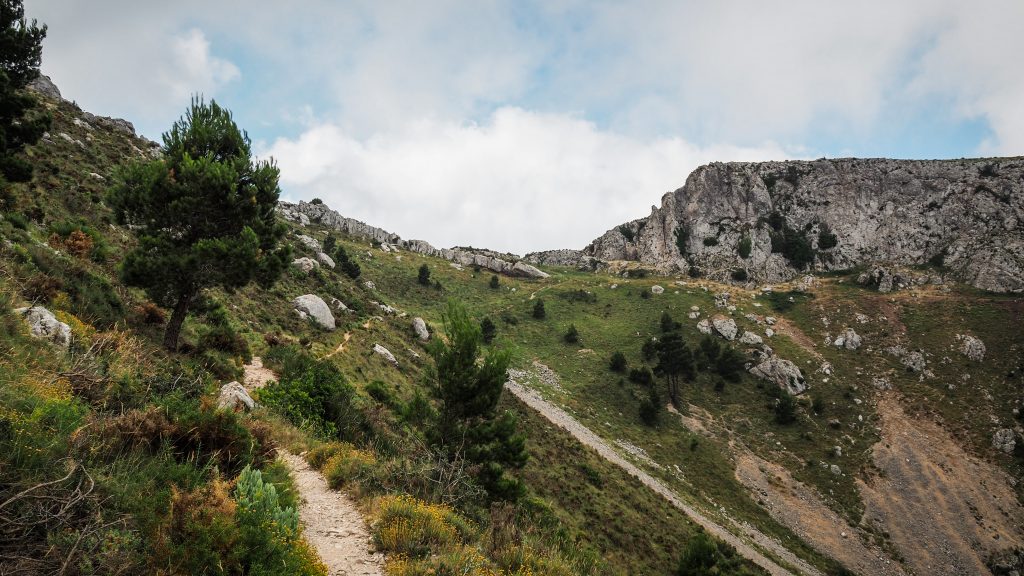
Sierra de Bernia Circuit is the most popular hike in the area, including breathtaking views as well as adventurous crawl through the tunnel in the rock to the other side of the mountain. The whole route is between 9 – 10 km and should take approximately 4 hours to complete.

We got to the starting point with a rental car and once we turned off the highway and passed through Benissa, the road turned into an experience in itself. It is in a very good condition but quite narrow and winding so be careful, especially when you see the cyclists or cars coming from the other direction.

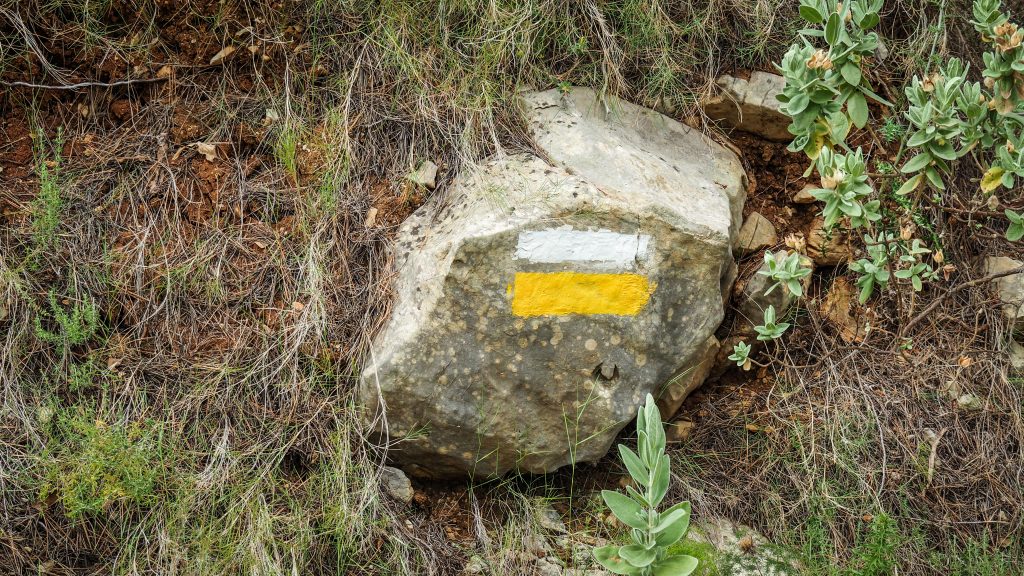
Leave the car next to Restaurant Serra Bernia and proceed beyond the building to the crossroad with trail directions. Does it matter if you follow the track in clockwise or anticlockwise direction? Honestly, I don’t think so. We decided to turn right and follow the trail in counter-clockwise directions.

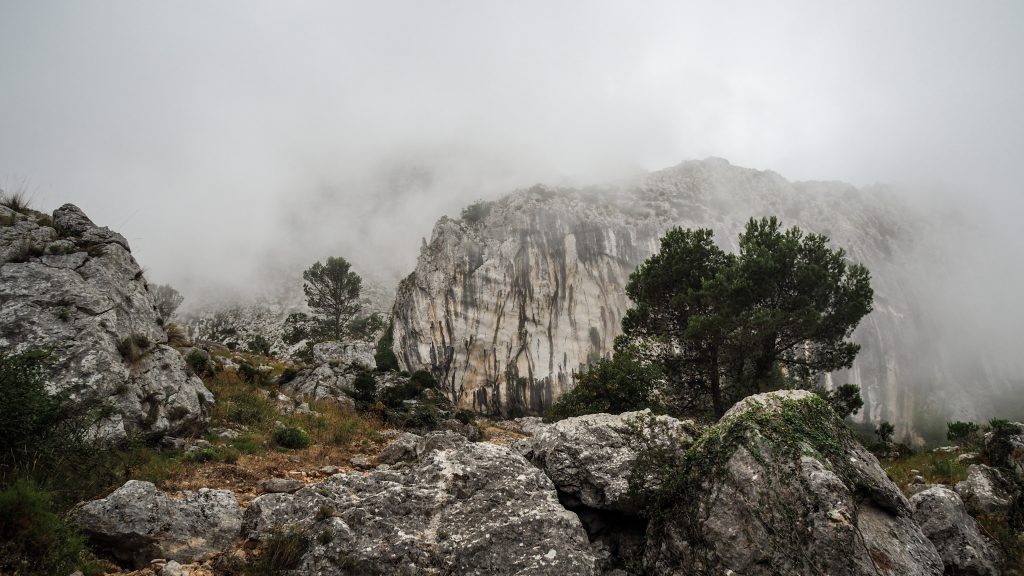
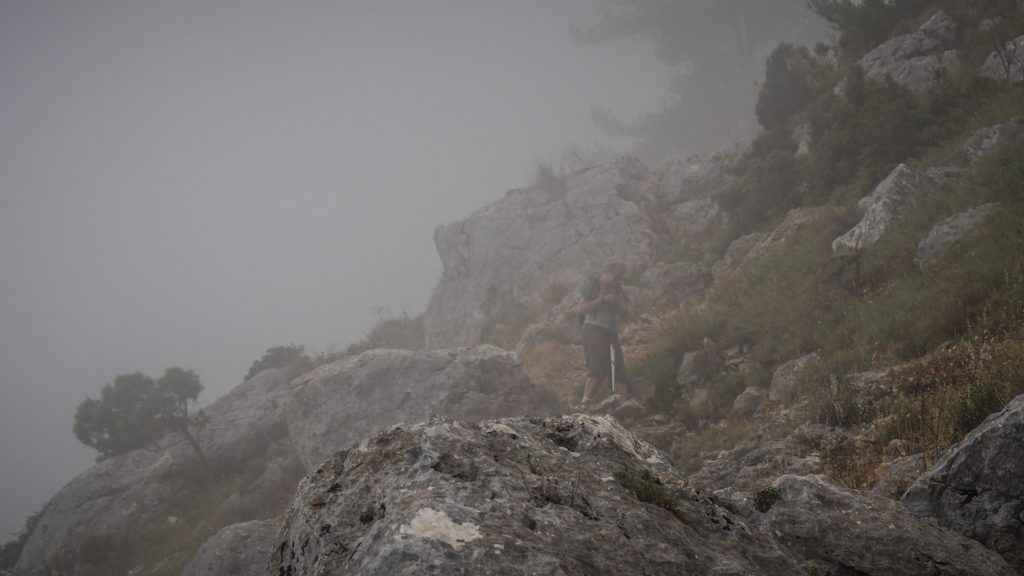
It was the beginning of July and it scared us at first but seems we were lucky enough to bring some clouds with us. After a sunny and hot beginning, it was around halfway to the Fort when first clouds rolled in bringing a pleasant shadow. In general, aim for the start in the early morning and late afternoon, especially during summer months.

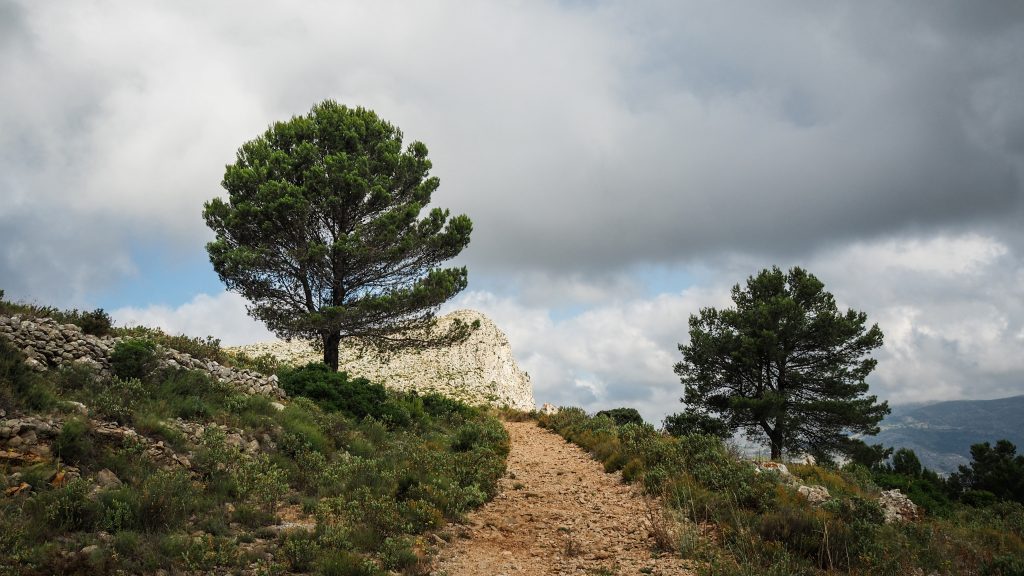
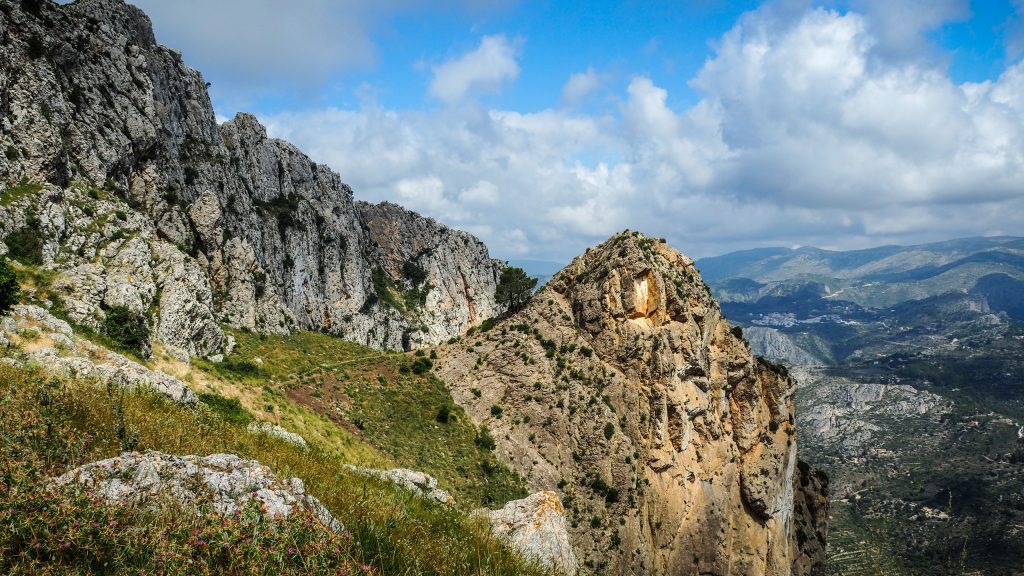
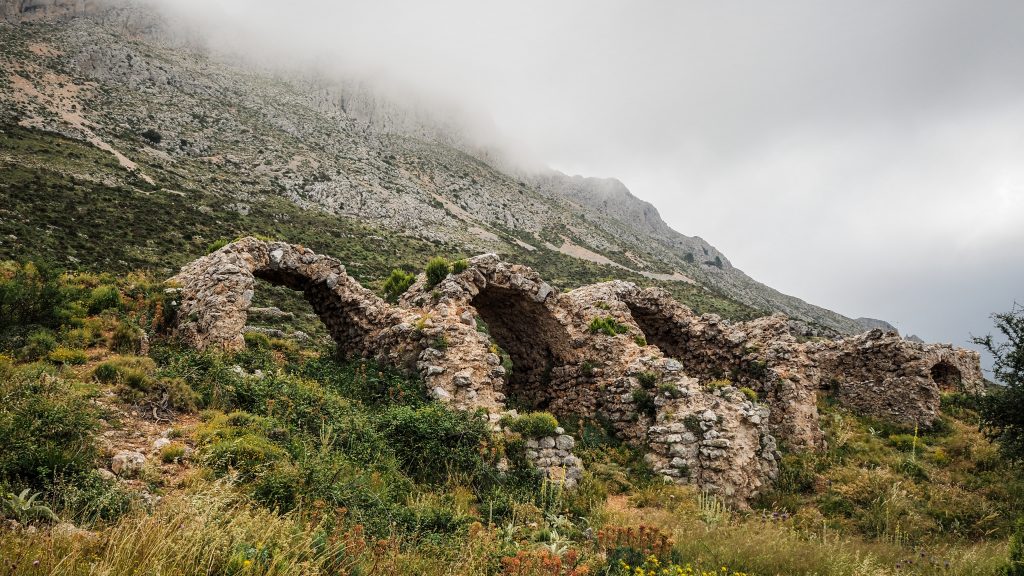
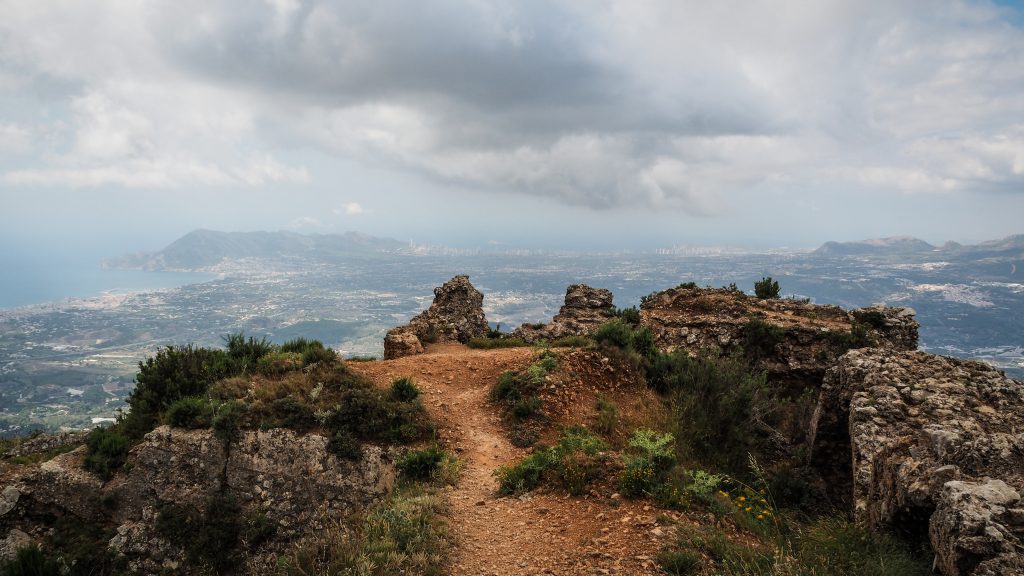
The fort was our first stop and the path from the parking lot was gradually ascending until we saw first ruins in front of us. The views were simply awesome all the way up with Sierra de Bernia mountain range on the left side and wide-open panorama on the right. Better keep your camera close. The fort was designed by Juan Bautista Antonelli in 1562 and commissioned by Prince Philip II to combat the Moorish uprisings. Being located 803 m a.s.l. certainly helped to do the job very well. Today you can see the skyline of Benidorm and apparently if the weather permits, even the islands of Ibiza and Mallorca.

From the fort, the track continues towards the Forat, which is a man-made tunnel through the rock to the other side. It’s not too long, just around 20 meters, but if you are tall, you would need to go down on your knees and crawl. In my case, it wasn’t so drastic 🙂

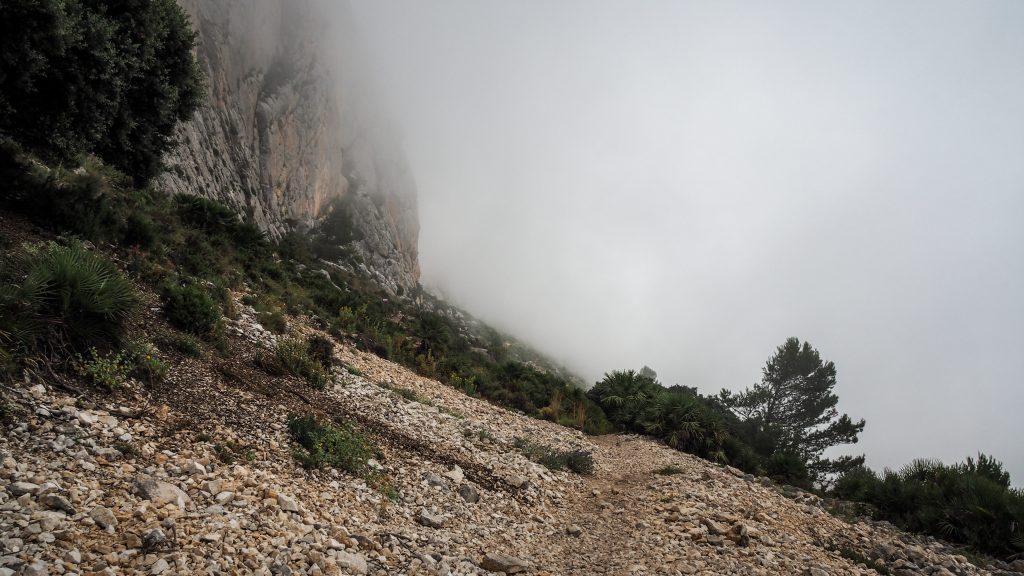
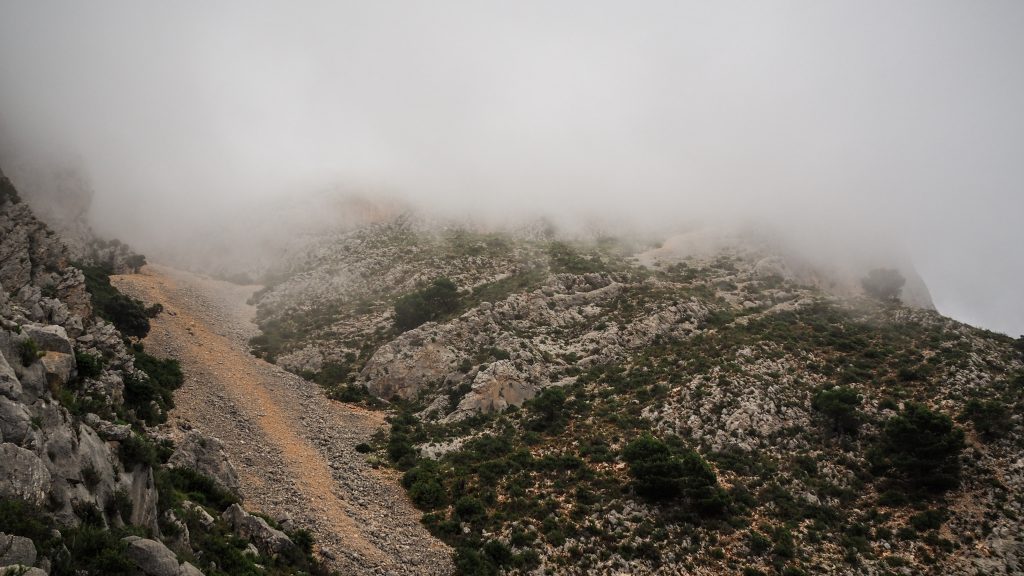
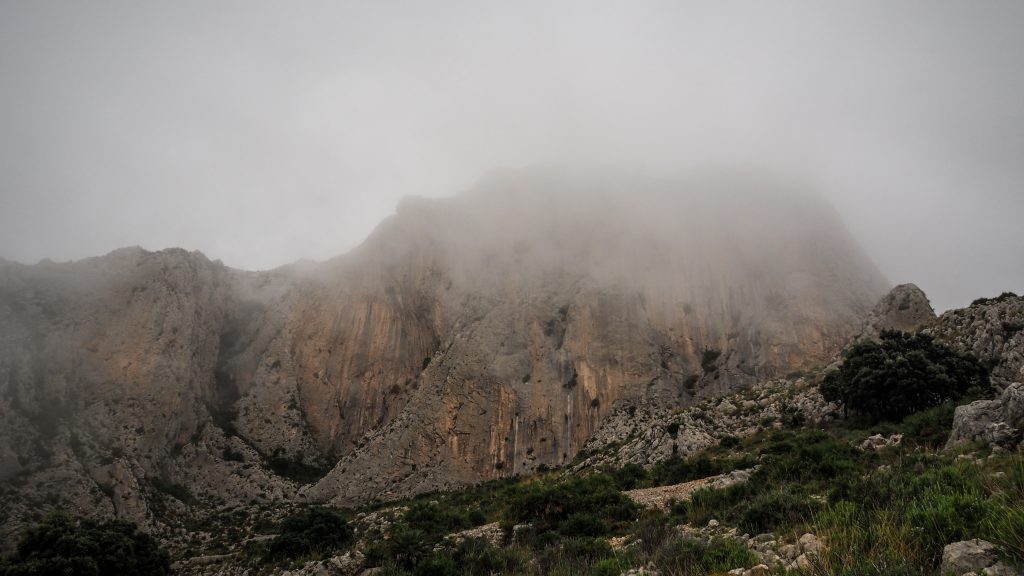
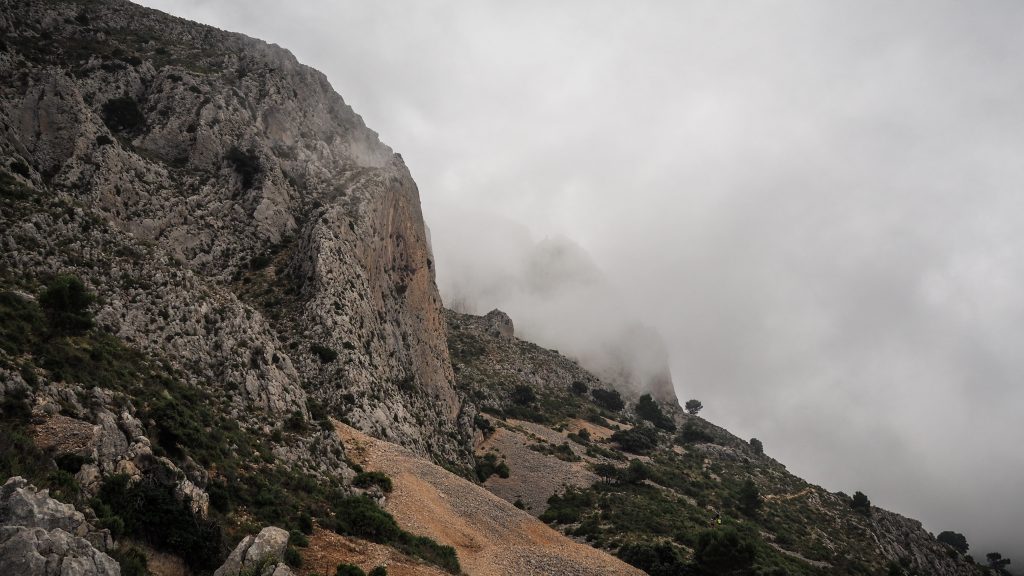
The last leg of the track descents all the way down to the Font which is a nice place to refresh before the final section back to the parking. The path here becomes much wider and within a couple of minutes, we were back at the parking. Just in time, as it started to rain 10 minutes later! For the second half of the day, we made our way to Calpe, which has a nice beach and awesome Nature Park Penyal d’Ifac to relax (or tackle another rock if your energy level permits).

To sum up, the hike was definitely worth the time and I took tons of nice pics and videos. From the physical point of view, it was more serious than I expected and I was glad to have proper hiking shoes, enough water and snacks. If you prepare well and take your time, it’s certainly doable even for spontaneous hikers.

Our fourth day of the hike began in Karpacz and the target was about 22 km further around Średnica Pass. Not a very demanding day from the physical point of view, but sometimes it’s just nice to take it slowly. The red track was only a few hundred meters away from our accommodation so we joined it without wasting the time for passing through the city.

Route: Karpacz to Średnica Pass
Distance: ~ 22 km

Don’t get me wrong, Karpacz is a nice town and very pleasant to walk around but we already did that the day before. Take your time to check out Wang Church, Wild Waterfall, Dam on Lomnica or the view from Karpatka. Sooner or later I will make a dedicated post about that popular town in Karkonosze Mountains so stay tuned!

Dziki Wodospad w Karpaczu
Wild Waterfall in Karpacz
Kościół Wang w Karpaczu
Wang Church in Karpacz

Meanwhile, let’s come back to Main Sudetes Trail. The weather wasn’t good. Light rain accompanied us for the first two hours but the forecast was right and it improved around noon. We passed Płóczki – the oldest area of Karpacz and pushed towards Przełączka pod Grabowcem (~ 2.5 km).

From there it was downhill all the way to Radzicz (~ 3km) and at some point, we saw quite cool ruins of old preventorium on the left side. From Radzicz the track continued to Mysłakowice (~ 6km) on a flat and mostly asphalt surface.

Ruiny prewentorium w okolicach Karpacza
Ruins of preventorium around Radzicz

What you may find interesting in Mysłakowice are the houses in Tyrolean style. In 1837, the Austrian emperor issued an order according to which infidels had to decide whether they would convert to Catholicism and stay in the country or they would remain with their faith and leave Austria. Over 400 Evangelicals decided to move to Jeleniogórska Valley, thanks to the Prussian king Frederick William III, who let them settle there. The largest group stayed in Mysłakowice building houses and making the city their home.

Mysłakowice
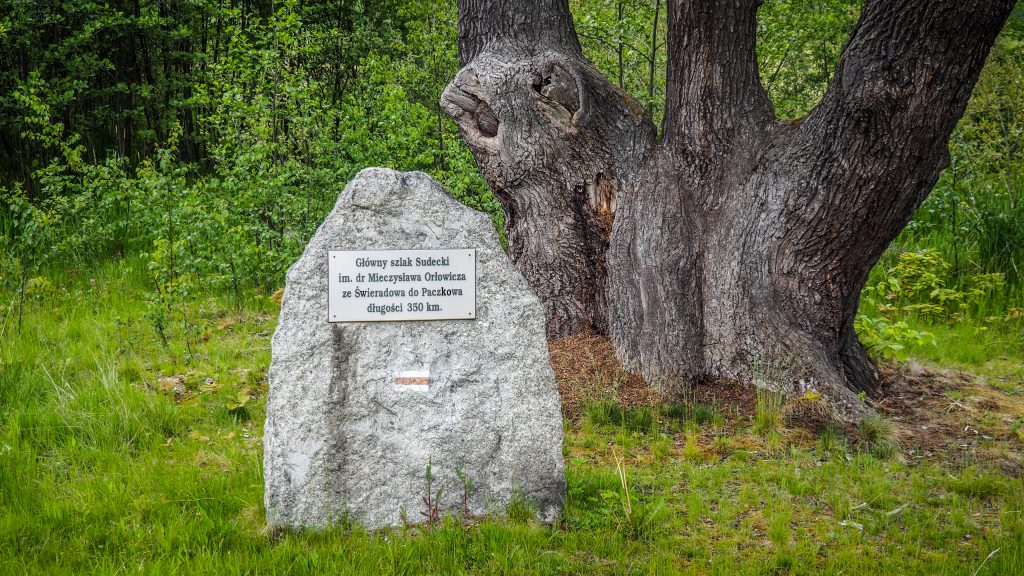
Stone showing old distance of Main Sudetes Trail when the track used to finish in Paczków – 350 km
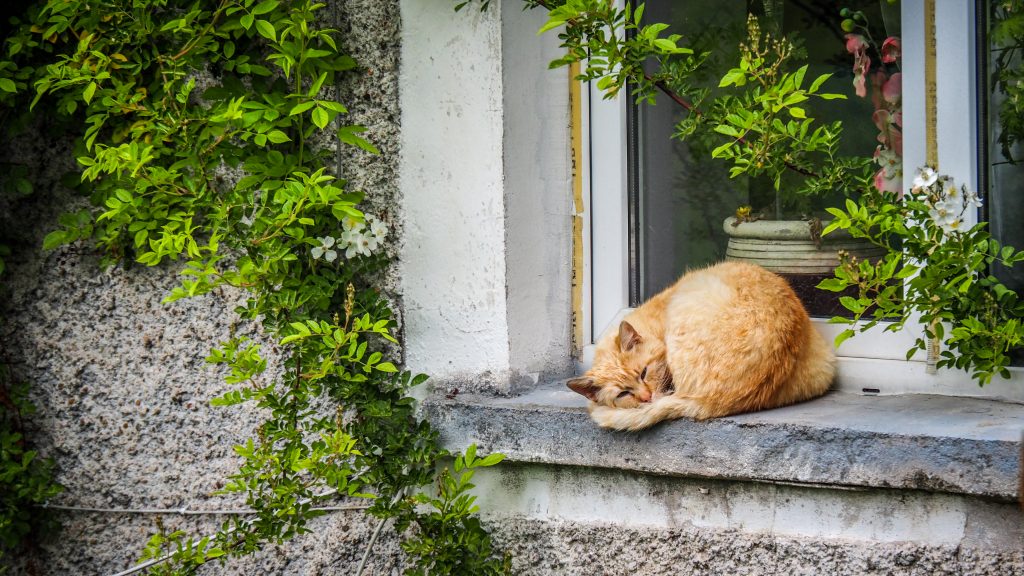
Lazy atmosphere in Mysłakowice

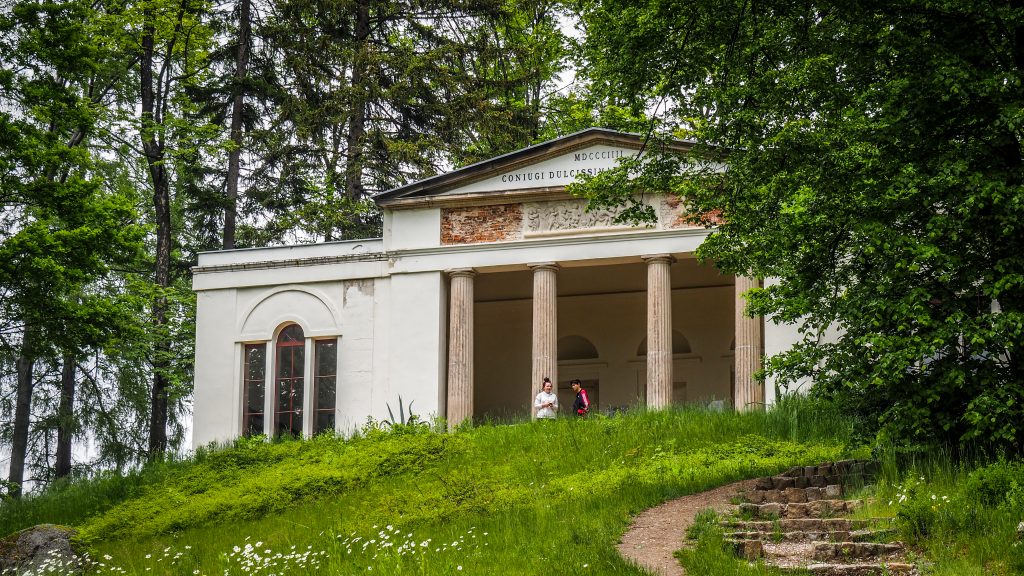
4-5 km further we reached Bukowiec which was the highlight of the day. We got out of the forest to the meadows and saw the picturesque ruins of the abbey on our right side. Then, surrounded by several ponds we passed through the village checking out the palace and the tea house pavilion in Athena Temple in the gardens.

Bukowiec was once owned Friedrich Wilhelm von Reden, who was a German pioneer in mining industry. He and his wife turned the town into a significant cultural centre of Prussia, with the status of a summer resort.

Mysterious Forest Museum is located in a former brewery building and presents in an interactive way flora and fauna of the region. We didn’t visit it but if you have more time, it looks like a nice stopover and has good reviews.

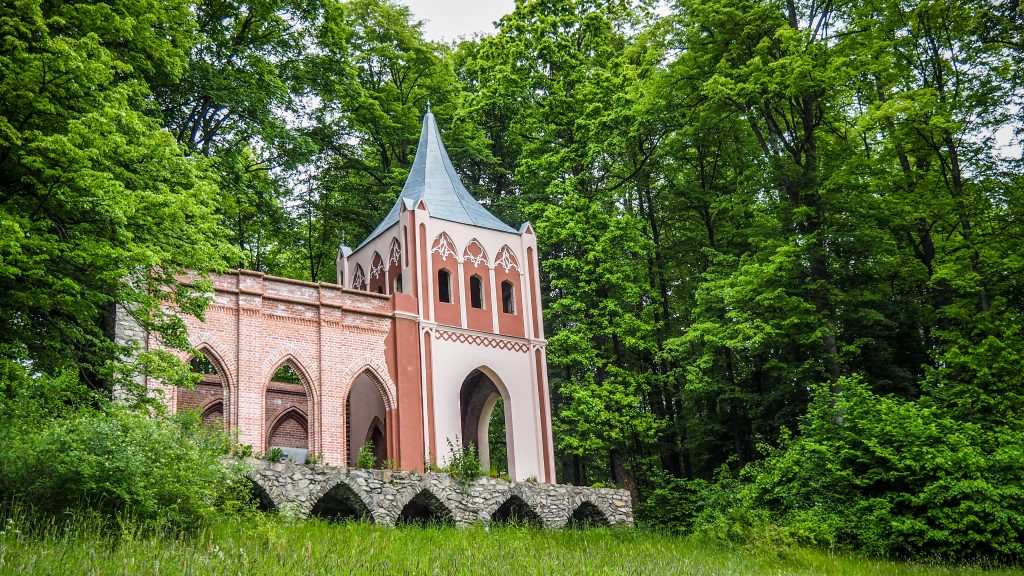
Ruiny opactwa Bukowiec
Ruins of the abbey in Bukowiec
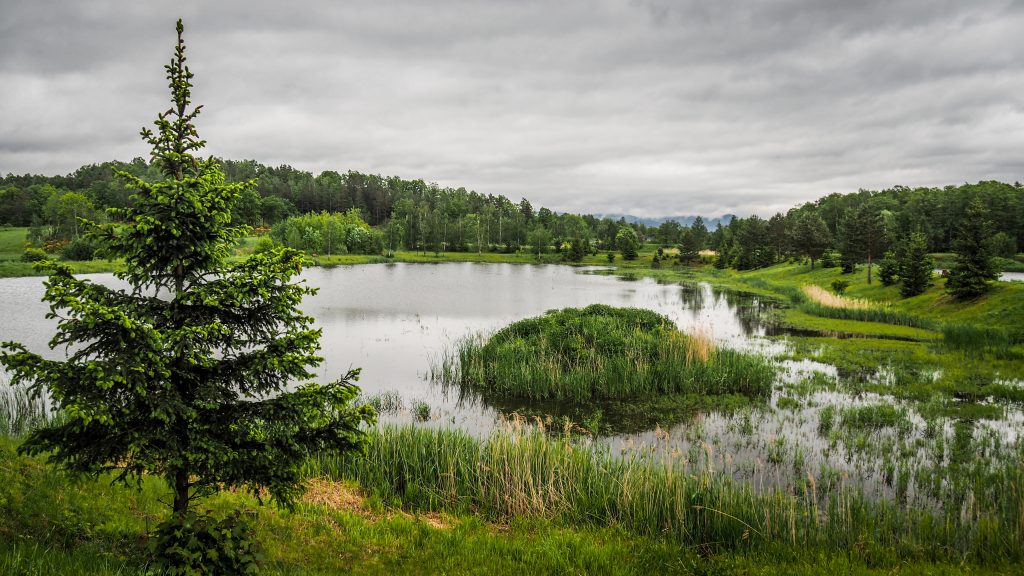
Stawy w Bukowcu
Ponds around Bukowiec
Stawy Bukowiec
Ponds around Bukowiec
Herbaciarnia Bukowiec
Athena Temple in Bukowiec

From Bukowiec, the track ascents gently through the forest for about 5 km to Średnica Pass. Here, we left the red track and walked to Wojków where our accommodation for tonight was.

To sum up, it was a very different stage compared to the previous ones. It leads mostly through the forest and typical Polish countryside, which provided an extra variety to the experience.

Główny Szlak Sudecki
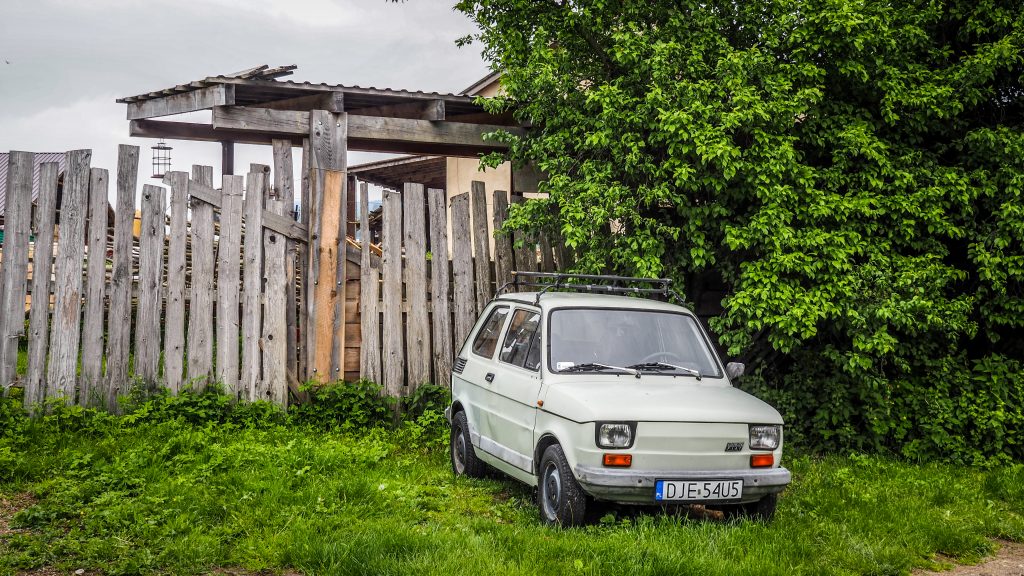
Fiat 126p – the icon of Polish automotive industry
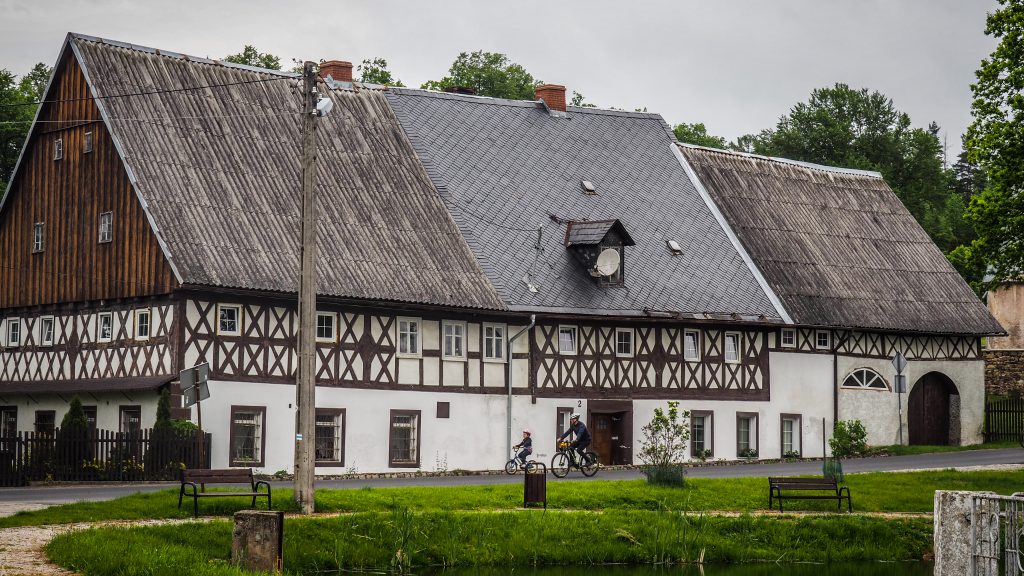
Houses on Polish countryside

And again. Opened my eyes in the morning, saw the backpack and I knew it is going to be another day on the track. Fog from the previous day was gone and in the morning there were only different versions of blue and green. Perfect day.

We left shortly after breakfast which was as delicious as yesterday’s dinner. Pancakes with blueberries and some extra scrambled eggs.

Route: Odrodzenie Hut to Karpacz
Distance: ~ 21 km

The first stage (~3.5 km) lead us from Odrodzenie Hut to Sunflower (Słonecznik). It was a very gentle ascent, perfect for the easy start just after breakfast.

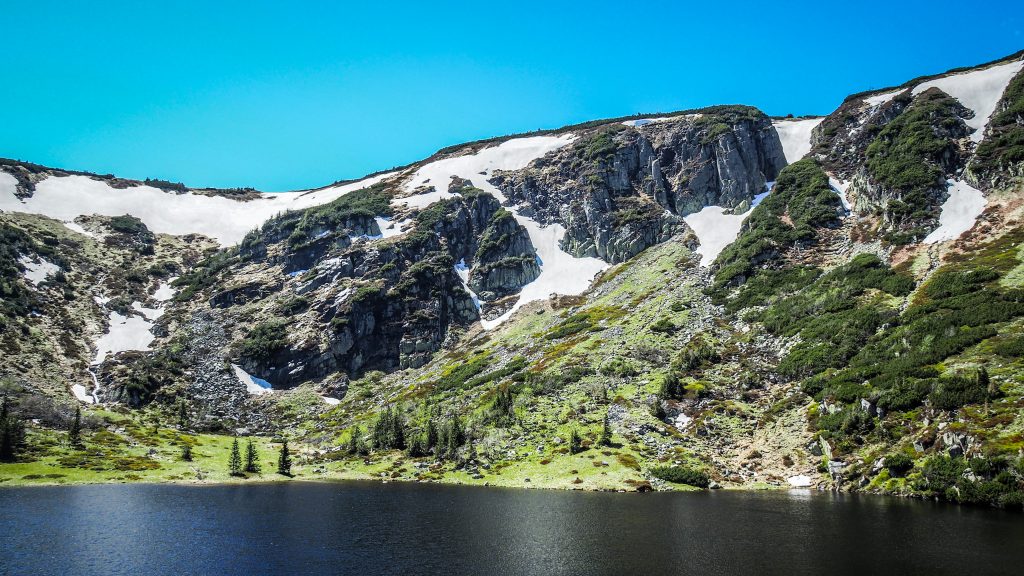
There is a legend explaining how the rocks appeared in that place. It was the devil himself who tried to flood the nearby villages and figured it out that throwing big rocks to the Great Pond (Wielki Staw) would do the job. Easier said than done though. The rocks were too heavy and before he reached the edge of the pond, he heard church bells ringing in the morning and he lost all his powers, dropping and rocks where they stand today. The devil turned into the rock as well (the one that looks like a man looking over the horizon). Nevertheless, the legend still doesn’t explain the name Sunflower. The answer is much easier to digest than the devil’s legend. The neighbouring villages used it as a natural clock. With the sun above the rock, they knew it’s noon.

Karkonoski Park Narodowy
Between Odrodzenie Hut and Sunflower
The Sunflower
Słonecznik, Karkonoski Park Narodowy
The Sunflower

Sunflower is a major crossroad with green and yellow tracks. Here we had to make a detour again as the red track was closed. At first, we decided to make a coffee and wait to see if someone is going to go anyway. There were quite a lot of people hesitating and we could feel the tension in the air. Finally, two women passed under the rope but it wasn’t longer than 10 minutes until they came back being returned by the ranger who was waiting just around the corner.

Luckily, the detour took us to one of the most scenic locations in Karkonosze Mountains – Samotnia Hut. The place is a kind of a legend as the first records say about a man guarding trout kept in the water and living in the hut as early as 1670. It is located just at the edge of the Small Pond surrounded by snow-capped peaks and ridges. Karkonosze aren’t the highest mountains you will see in your life, but here I had a feeling that I am in much more serious mountains that I really was. The only negative side is that proximity to Karpacz (1.5 – 2 hours walk) make is a very busy and crowded place.

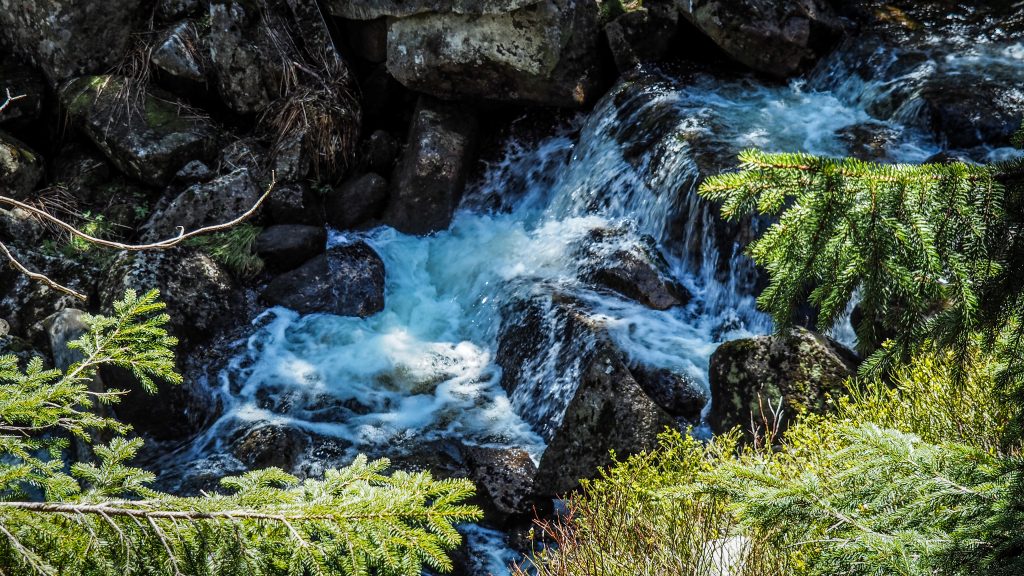
Cascades on the way to Samotnia Hut
Samotnia, Karkonoski Park Narodowy
Samotnia Hut
Small Pond around Samotnia Hut
Samotnia, Karkonoski Park Narodowy
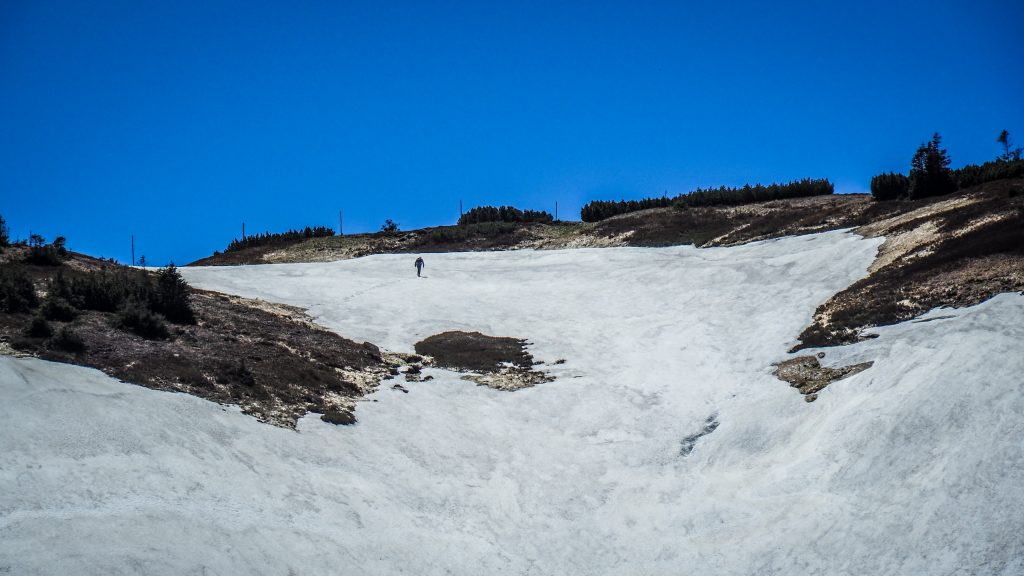
Lonely soul wandering up there in a snow

After a decent photo session and snack break, we pushed forward towards via blue track towards Sněžka /Śnieżka in excellent moods. It was a short ascent to Strzecha Akademicka Hut. From there it was another hour to Silesian House (Dom Śląski) and meanwhile we met the red track again. Hopefully no more detours! Here the way turns into concrete blocks, which is never good. I really hate all those concrete roads in the mountains. Keep it in the cities!

At first, we were thinking of leaving the backpacks at the hut and going to the top just with cameras and water but all the madness with COVID-19 made it impossible. There was a long queue of guys waiting to get inside to order the meal and we did not want to take part in this parody. After all, you can’t let the people inside the building because of social distance but they stand in line one after another like penguins. Very logical 🙂

Dom Śląski, Karkonoski Park Narodowy
Silesian House, just before final ascent to Sněžka / Śnieżka
Śnieżka, Karkonoski Park Narodowy
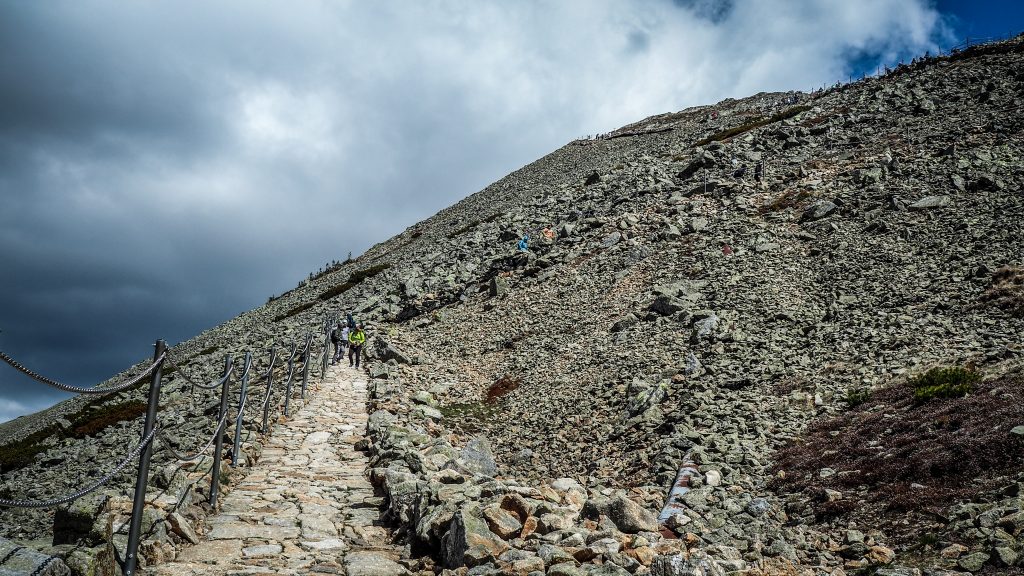
Ascent to Sněžka / Śnieżka

It was around half an hour of quite a steep ascent and strong winds didn’t make it easier. With its 1603 m a.s.l. Sniezka is the highest mountain in the Karkonosze Mountains. On top, there is a meteorological observatory, a chapel and obviously splendid panoramic views over Polish and Czech parts of Karkonosze Mountains. There is a gondola providing easy access to the summit from the Czech side, and thanks to that the atmosphere on the kinda like picnic-style which is not really my taste. Every time in places like that, I miss the real mountain experience in New Zealand, where you have to hike long hours to reach beautiful, remote places, not to mention the need of being totally self-dependent.

Śnieżka, Karkonoski Park Narodowy
Meteorological observatory on top of Sněžka / Śnieżka
Śnieżka, Karkonoski Park Narodowy
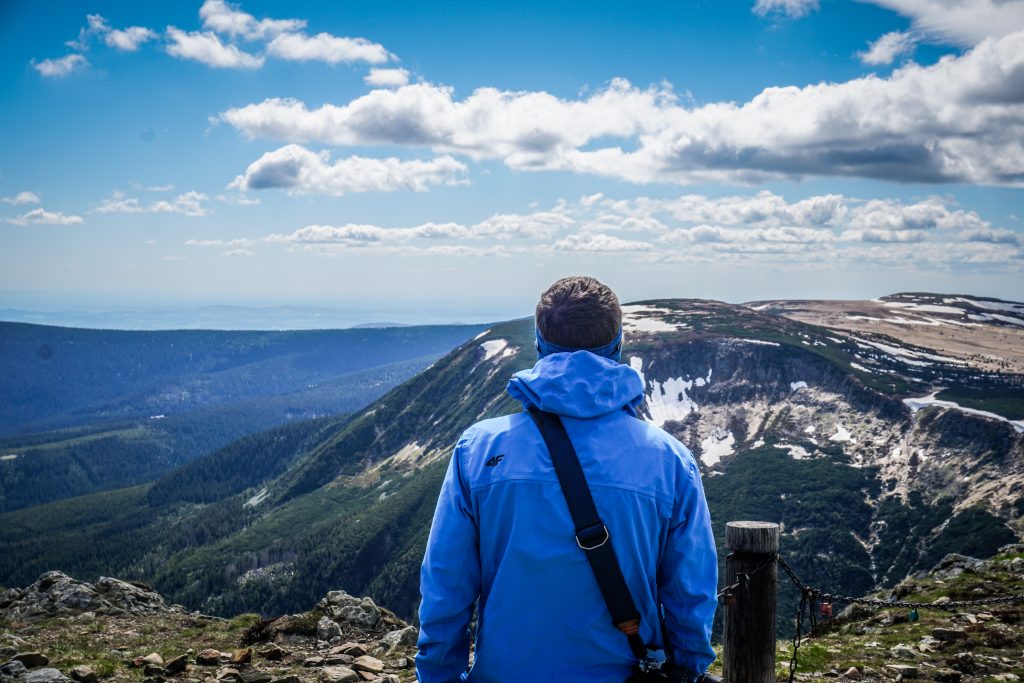
Panorama from Sněžka / Śnieżka
Another panorama, just from the different side 🙂
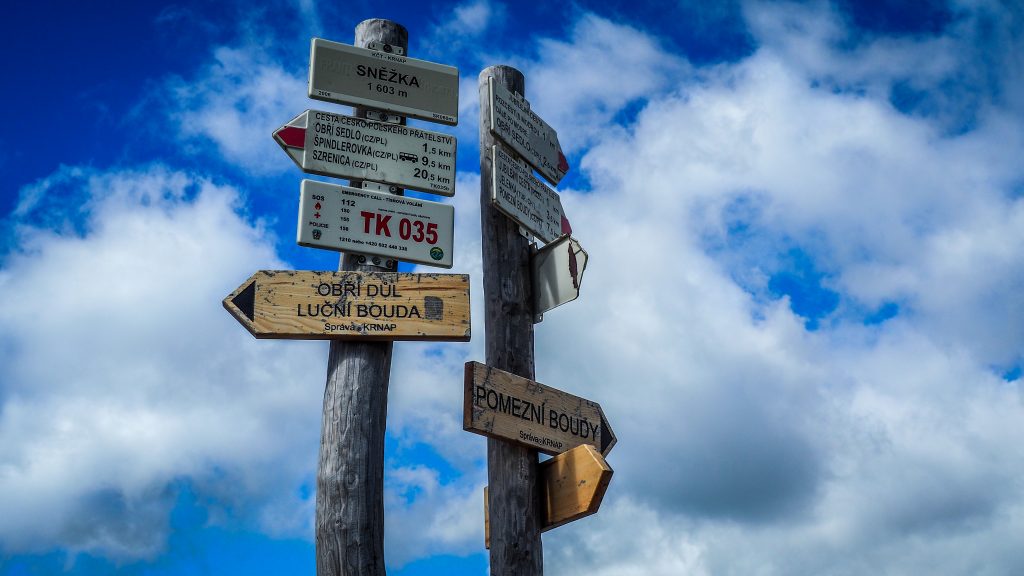
Tracks directions on the summit

The wind was even more annoying when going down and a few times I nearly lost my balance after strong and sudden blows. Back to Silesian Hut again and from there it was nothing but descent all the way to Karpacz (~ 8km). We passed by the memorial to the victims of the mountains which reminds to never underestimate your target.

Karkonoski Park Narodowy

We booked a room in Noclegi Karpacz Centrum which looks pretty spooky from the outside but the room was decent and the internet connection was very fast. The fact that we were the only guests could have something to do with that 🙂

Please remember that the distance covered in that stage is only the description of my preferred itinerary. If that sounds too much for you, consider staying overnight in another place. Never underestimate the mountains.

Day 1 made us tired but warm dinner and good sleep helped to recover quickly. At 9 AM we were packed and ready to go. The weather wasn’t as good as the day before. The sky was covered with dark clouds and it was significantly colder. It seemed that the experience up in the mountains could be limited to “walk in the fog”. Moreover, parts of the red track were apparently closed due to the proximity of the border of Poland with the Czech Republic which wasn’t allowed to cross due to the epidemy of COVID-19. In fact, the track meanders just between these two countries, sometimes with hikers having one leg in Poland and another one in the Czech Republic. For common sense – who cares? Unfortunately, virus paranoia was taking its toll.

We had met a fellow hiker the day before saying that he passed through without any issues even though he was seen by border guards. With uncertainties about our route for today, we decided to hit the road and make further decisions on the way.

Route: Szklarska Poręba to Odrodzenie Hut
Distance: ~ 20 km

Skalny Pensjonat was way off the red track so it took us a good half an hour wandering around Szklarska Poręba to finally get to the road leading towards Kamieńczyk Waterfall. Here, uphill walk began. Maybe it was better. We could quickly warm up and burn poor breakfast within 1 hour 🙂

We left our backpacks next to the ticket boot and armed ourselves with a helmet. Then it was just a few steps down on a metal construction to see the first glimpse of the highest waterfall on the polish side of Karkonosze Mountains. There are 3 cascades of total high 27 m. Not the most impressive ones but still very photogenic and definitely worth a stop. A regular ticket costs 8 PLN once discounted one 4 PLN.

From the waterfall, a boring concrete road leads all the way to PTTK Hut “Na Hali Szrenickiej” (1195 m a.s.l.). It’s time for a coffee. Clouds are passing by so quickly like it’s some kind of weird race and it’s getting certain than in a few hundred meters, we will disappear in the clouds as well.

The hut visible close by is on the top of Szrenica (1361 m a.s.l.) and it’s possible and recommended to do a short detour there. Afterwards, it was decision time. The red track was closed and we saw a group of tourists discussing options so I happily join the conversation. The outcome was very Polish – let’s fuck the rules and go anyway.

Schronisko na Hali Szrenickiej
PTTK Hut “Na Hali Szrenickiej”
Schronisko na Hali Szrenickiej
PTTK Hut “Na Hali Szrenickiej”
Schronisko Szrenica
Szrenica Hut

Maybe I didn’t get the sense of humour of those enthusiastic folks because when we left slightly behind taking pics of the rock formation The Three Pigs (Trzy Świnki), the group didn’t go to the red track at all but instead followed the green one towards PTTK Hut “Pod Łabskim Szczytem”. So did we, as being the only outlaws in the area didn’t sound right. From there we planned to continue along the green track to meet a blue one that should link us back on the red just after Śnieżne Kotły.

Karkonoski Park Narodowy
The Three Pigs
Karkonoski Park Narodowy
The Three Pigs

Guess what? After PTTK Hut “Pod Łabskim Szczytem” the green track was closed as well and the available alternative was a big detour through the forest, far from all the cool sights. That time our dark side won and we decided to bend the rules and simply follow the closed green track called “Ścieżka nad Reglami”. Just to be clear – we are not proud of it and absolutely do not encourage anyone to do the same. However, having lots of kilometres to go, we weren’t convinced that we will make it to the next overnight stopover before the night. It’s a poor excuse and only shows that we were underprepared but yeah, that’s a story.

The path was forbidden but incredibly interesting. Fog, snow and passing clouds only added to the atmosphere. No words can describe the fun we had there so just have a look at these pics:

Karkonoski Park Narodowy
Główny Szlak Sudecki w Karkonoskim Parku Narodowym

Not too bad, isn’t it?

There were wide panoramic views all the way towards Snowy Ponds “Śnieżne Stawki” where the track got a bit rough. The level of the water in ponds was so high that track partially got completely flooded and we had to scramble on the wet and slippery rocks and tree roots. Honestly, that looked like a decent reason for the track being closed for the average hikers (so the group we belong to). Turning around wasn’t preferred solution so we pushed forward very slowly but successfully, somehow even keeping feet dry.

Główny Szlak Sudecki w Karkonoskim Parku Narodowym

Finally, we met blue track and went up to Śmielec Pass (Przełęcz pod Śmielcem). Back on the red track again. Continuing in the dense fog was fine but at the same time, we felt lucky that we chose the green track instead. With lower altitude, it was still possible to see the landscape, which most likely wouldn’t be the case up there. Plus we avoided the risk of getting spotted by the border guards (even though we went on the closed track anyway).

Karkonoski Park Narodowy

After Black Pass (Czarna Przełęcz) energy level dropped significantly but we still had ~ 6 km to Odrodzenie Hut. It was a long 6 km. I went a bit faster downhill, passing Petrova Bouda on the Czech side and Taito stayed behind. Then I took off my backpack and was waiting for him but time was flying and the dude was clearly not there. Probably something had happened. I started to go back only to see him wandering around like stupid around the abandoned Petrova Bouda thinking that it’s our hut and trying to get inside. Well, just desperate hikers 🙂

Karkonoski Park Narodowy

Finally, after another 30-40 minutes, we reached Karkonoska Pass (Przełęcz Karkonoska) at 1198 m a.s.l. from where we ascended final meters thinking very intensively about żurek that we wanted to order for the dinner. We were super lucky to arrive literally 15 minutes before kitchen and as żurek didn’t seem to be enough, fried cheese with fries landed on the table as well.

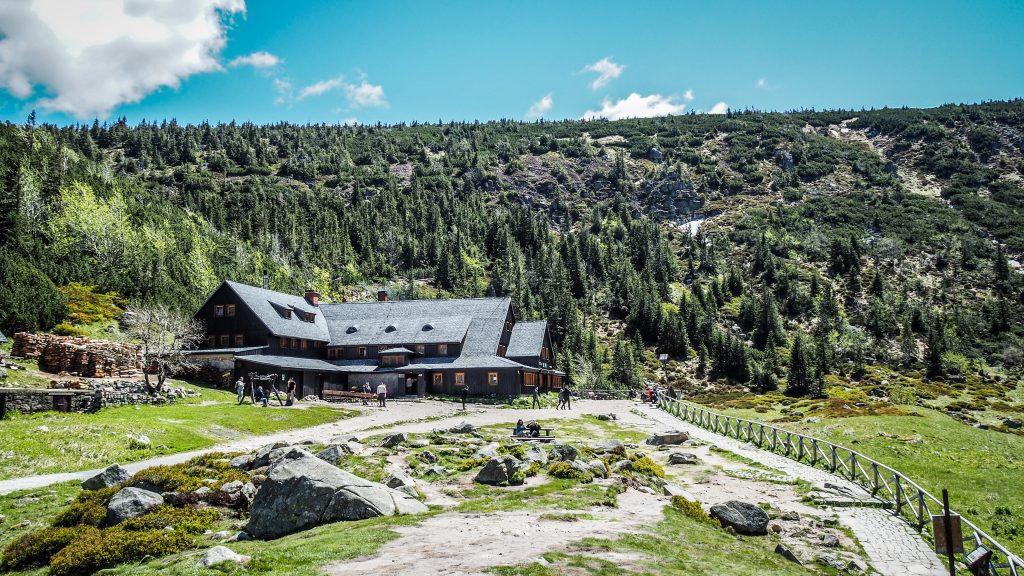
The Odrodzenie Hut was built in 1928 and it sits 1236 m a.s.l. Believe me or not, it was my first overnight stay in a mountain hut in Poland. What a positive surprise! The food was great, rooms very cosy and hot shower after the day like that was a treasure.

PS: After foggy afternoon, next morning greeted us just like that:

Schronisko Odrodzenie

Please remember that the distance covered in that stage is only the description of my preferred itinerary. If that sounds too much for you, consider staying overnight in another place. Never underestimate the mountains.

The day has come! The clock showed 10 AM when I was parking the car at the guarded yard at the Wyszyńskiego and Sienkiewicza streets crossing. The price for leaving a car for 3 weeks was very decent (200 PLN) and probably could have been negotiated even more but somehow due to all this hassle with COVID-19 and lack of tourists, it didn’t seem right to discuss it further.

Route: Świeradów Zdrój to Szklarska Poręba
Distance: ~ 26 km

The backpack seemed to be heavy, but at that time I didn’t know that after a few kilometres it would seem much too heavy. Maybe because I was just in a good mood, chatting with my hiking mate Taito and not thinking enough about the things that I don’t need and can be left in a trunk.

Taito wasn’t joining me for the full hike, just for a week or so. However, his backpack was pretty heavy too so I guess we both made mistakes that we would need to pay for during the next couple of days.

Świeradów Zdrój looks like a typical Polish spa. There are several holiday houses hosting patients on a few weeks stays as well as private tourists coming independently to try treatments, taste mineral waters and relax on mountain tracks. Getting a drink isn’t a bad idea. Maybe it will boost your energy level on the first uphill stage ?

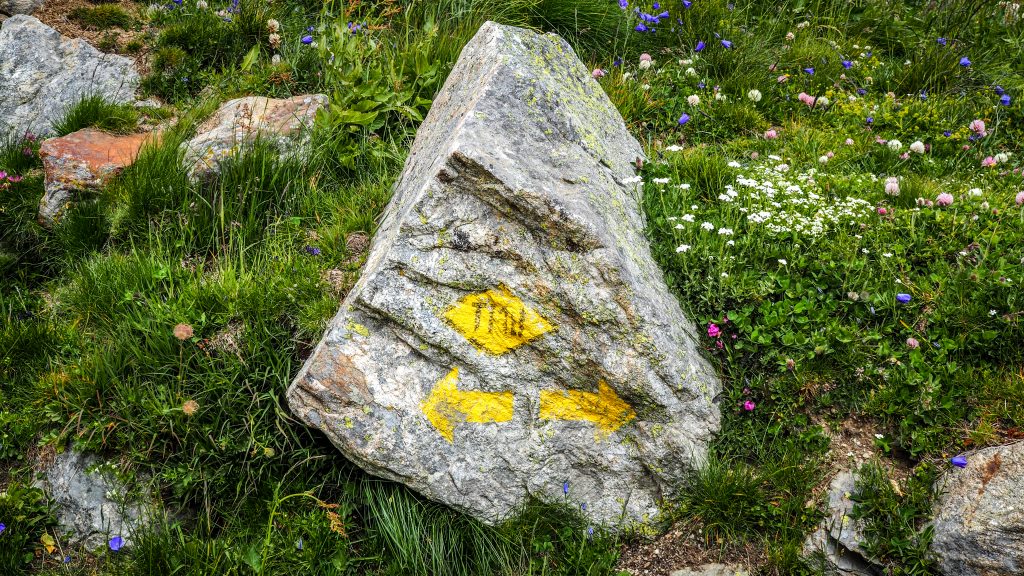
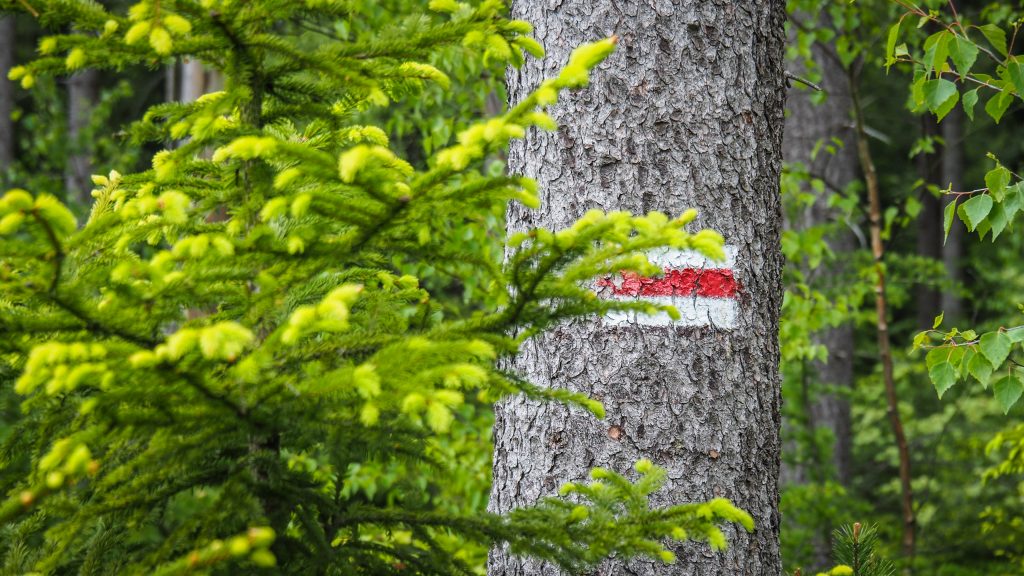
The red track starts just a short walk down the Wyszyńskiego street. Yes, red would be the desired colour for the next several days. Painted on the trees, stones, branches or simply direction boards. Every glimpse of it would bring me a wide smile and satisfaction.

Główny Szlak Sudecki

Our final destination for today was Szklarska Poręba ~ 6 – 6.5 hours away. The nearest point of interest was much closer though: PTTK Hut “Na Stogu Izerskim”. Less than 5 km walk (1 hour 30 min away) but all the way is uphill giving a decent warm-up at the start of the adventure.

Główny Szlak Sudecki
In recognition of his merits for tourism and sightseeing, Mieczysław Orłowicz is the patron of the track

The first fragment of the track isn’t particularly interesting as we were gaining elevation following an asphalt road. After approximately 4 kilometres, the path turns left and the final steep push towards PTTK Hut “Na Stogu Izerskim” begins. From time to time I had to stop and caught my breath. Luckily, the way up was worth the effort and surrounding views kept my camera busy.

Finally, we reached upper gondola’s station and PTTK Hut “Na Stogu Izerskim” (1060 m a.s.l.) was just around the corner. Hassle (and sweat) free accessibility makes that area very popular, at some times even crowded. Anyway, it was coffee time!

Główny Szlak Sudecki

There is something magical about preparing and drinking coffee in places like that one. Even the worst mud tastes like heaven.

Główny Szlak Sudecki

The building was constructed in 1924 and at first, it was a private residence of doctor Josef Siebelt. After World War II, it was refurbished into mountain shelter for tourists and it remains one until today.

From the hut, the track becomes much flatter and continues ~ 5 km towards Polana Izerska and then ~ 3 km to Wet Pass (Mokra Przełęcz). From there, climbing for ~ 2.5 km first to Crossroads under Kopa (Rozdroże pod Kopą) and then to Sine Skałki (1122 m a.s.l.). Afterwards, the track descents ~ 5 km towards Zwalisko, passing by Quartz Mine which is worth to have a quick look. Zwalisko is not less interesting either. First of all, here your covered distance should already be around 20 km. Secondly, there is the legend connected with one of the rock formations – Evening Castle (Wieczorny Zamek).

Góry Izerskie, Główny Szlak Sudecki

Once in a year, in the midsummer night, the rocks take the shape of the castle and magic door let the brave people inside. And it’s worth it as the castle is filled with treasure. Everyone going inside is allowed to take as much gold as he or she is able to carry out. On one of these nights, the woman with a child noticed the opened door and went inside. She took so many treasures that at first didn’t even notice her young kid staying behind. Finally, the door closed, trapping him inside. The woman was devastated and kept coming to the place every other night hoping for the door to appear again. After the year, she saw the door and rushed inside hopelessly looking for a body of her kid. How surprised she was seeing the kid all fine playing with a golden apple. She quickly grabbed his hand and left the place leaving the treasures behind.

Does it sound like a good life lesson about greediness? I bet it does.

Góry Izerskie
Góry Izerskie

From Zwalisko it is ~ 3 km to the High Stone Hut (Schronisko Wysoki Kamień) which provides magnificent views over Karkonosze Mountains and is a popular spot for couples coming from Szklarska Poręba to see the sunset.

Góry Izerskie, Główny Szlak Sudecki

The last stage of that day was ~ 3.5 km steep descent towards the city. We spent the night in Skalny Pensjonat which I can fully recommend. It was a fair compromise between quality and price, though getting there was quite off the red track and made me cover extra kilometres.

The first day of the hike was challenging and we both could feel that bodies need time to adjust to all-day effort and carrying quite some weight. Around halfway, my feet were surprisingly good but shoulders were literally killing me. Every short stop to take a backpack off for some minutes was like long-awaited pleasure. On the other hand, it was exactly as I expected and I knew that every next day will be physically easier.

Please remember that the distance covered in that stage is only the description of my preferred itinerary. If that sounds too much for you, consider staying overnight in another place. Never underestimate the mountains.