Introduction
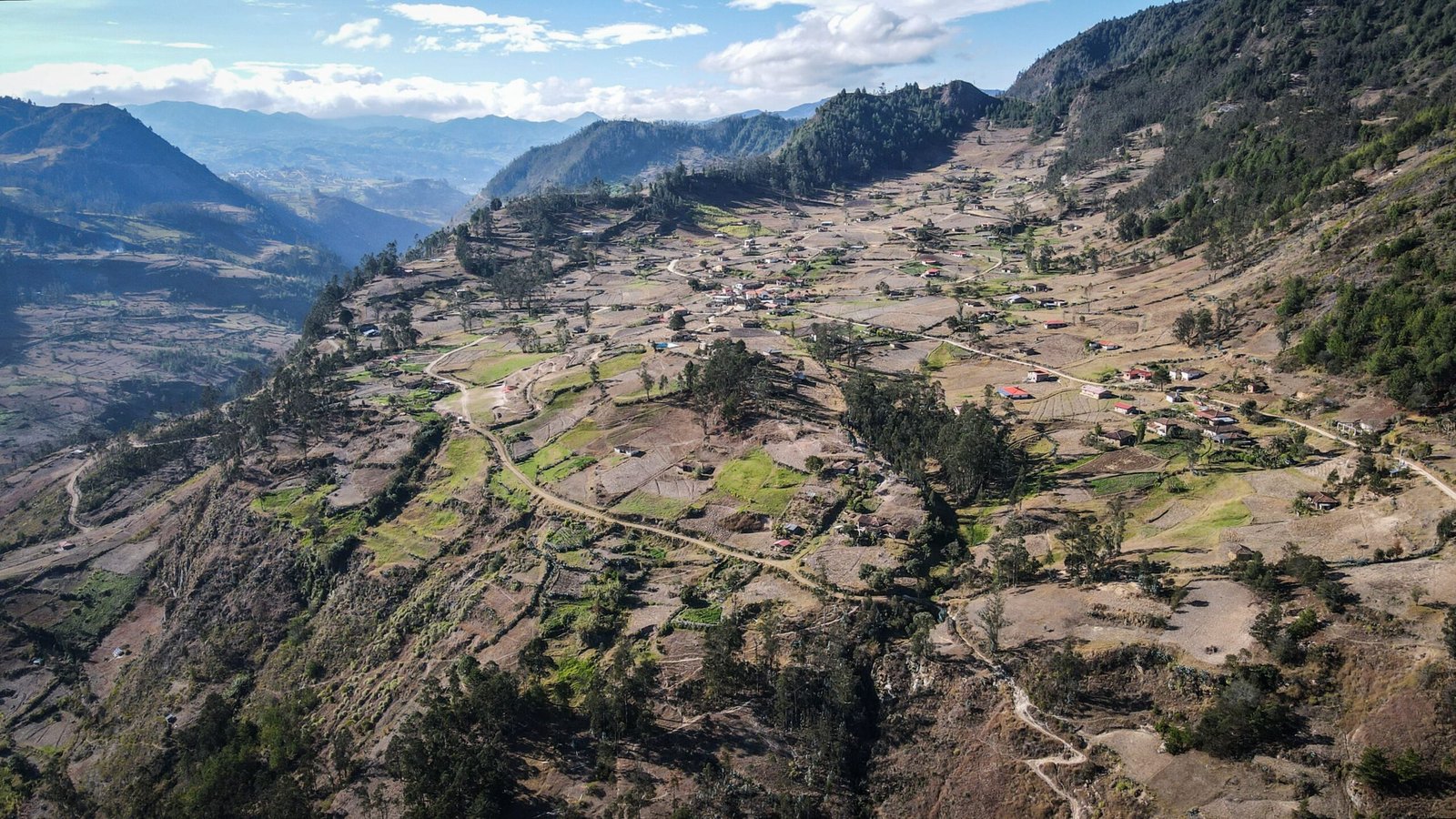
Hidden in the southern Ecuadorian Andes, between Cuenca and Loja, Saraguro is a destination where history, Indigenous identity and rural life remain closely connected. While many travellers cross this region on their way between Ecuador’s larger cities, the town and its surrounding communities offer a fascinating opportunity to discover a different side of the country.
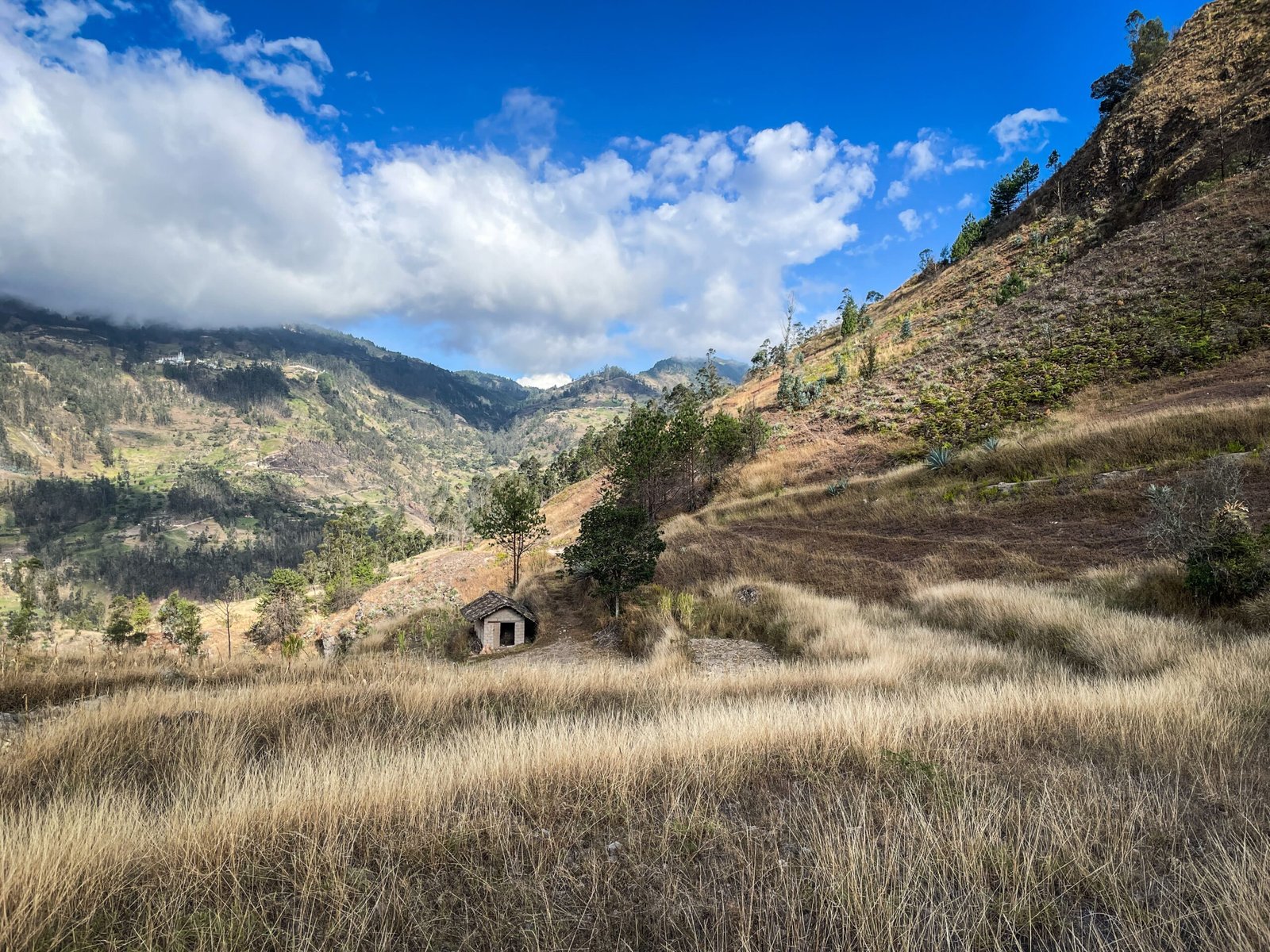
Saraguro is best known as the homeland of the Kichwa Saraguro people, an Indigenous community recognised for its distinctive traditional clothing, cultural celebrations and strong connection to ancestral customs. Here, black and white garments, long braided hair, agricultural traditions and community festivities are part of a living cultural identity rather than simply reminders of the past. Beyond the town centre, the surrounding countryside reveals green Andean hills, traditional villages and opportunities to experience local life at a slower pace.
A Brief History of Saraguro
The history of Saraguro is closely linked to the expansion of the Inca Empire across the southern Andes during the fifteenth century. According to historical interpretations and community traditions, the ancestors of the modern Saraguro people may have been among the groups relocated by the Incas from other parts of their empire. Such movements, known as mitma, helped the Inca rulers strengthen their control over newly incorporated territories. However, the precise origins of the Saraguro people remain a subject of historical discussion.
The region was also connected to the extensive Inca road network, known as the Qhapaq Ñan, which linked important settlements throughout the empire. Its location along a route between the southern highlands made the area significant for travel, communication and the movement of goods.
Following the Spanish conquest, the Saraguro community developed a distinctive relationship with the colonial authorities. Historical accounts describe land rights that helped some local families maintain a degree of independence from the large estates that dominated much of the Andean countryside. Over the centuries, the community preserved important aspects of its cultural identity while adapting to changing political, religious and economic circumstances.
Today, Saraguro’s heritage can be seen in its clothing, language, agricultural practices, festivities and community life. Rather than being confined to museums, these traditions continue to evolve across the town and the surrounding Indigenous communities.
Why Is Saraguro Called the Land of Maize?
One of the most interesting details about Saraguro is the meaning associated with its name. Several interpretations connect it to maize, known as sara in Kichwa. Proposed meanings include references to golden maize, maize that is growing, and other associations with this important crop.
Maize has long played a significant role in local agriculture, food and cultural life. It is used in traditional dishes and drinks and remains closely connected to the region’s agricultural calendar. This relationship between the land, food and community identity helps explain why maize features so prominently in descriptions of Saraguro.
What Makes Saraguro Unique?
One of the first things visitors may notice is the traditional clothing worn by members of the Saraguro community. Black and white are particularly prominent, with women often wearing dark skirts and shawls, while men traditionally wear dark garments and distinctive ponchos or hats. Long braids are another recognisable feature among both men and women.
These garments are not merely a tourist attraction. They reflect cultural identity and traditions passed down through generations, although clothing choices naturally vary between individuals and generations.
Saraguro is also known for its Andean celebrations, including the Raymis, a series of festivities associated with different stages of the agricultural and ceremonial calendar. Some celebrations combine Indigenous traditions with elements of Catholicism, reflecting centuries of cultural interaction.
Another reason to visit is the opportunity to explore the communities beyond the main town. Places such as Gera, Las Lagunas, Ñamarín and Ilincho offer different ways to learn about local heritage, traditional crafts and rural life. Community-based tourism can provide a more personal experience.
How to get to Saraguro?
From Cuenca
The easiest way to reach Saraguro from Cuenca is by public bus. Buses depart from Terminal Terrestre de Cuenca, the city’s main bus terminal, and travel south along the Pan-American Highway.
The journey covers approximately 140 km and usually takes around 2.5–3 hours, depending on traffic and stops. Several bus companies serve this route, including Viajeros Internacional, Cooperativa Loja, and Santa. Some services travel onwards to Loja or other destinations in southern Ecuador.
When boarding, confirm with the driver or ticket office that the bus stops in Saraguro, particularly if you are taking a service heading further south.
From Loja
Travelling from Loja is even easier, as Saraguro is only about 60–65 km away. Direct buses connect the two towns throughout the day, and the journey generally takes around 1–1.5 hours.
Buses leave from the main bus terminal in Loja, with services operated by companies such as Transporte Ejecutivo San Luis, Viajeros Internacional, Cooperativa Loja, and Trans-Saraguro. Frequency varies by operator, so it is best to check the current timetable at the terminal rather than rely on an old schedule.
Where to stay in Saraguro?
If you want to experience more than just the town centre, I highly recommend staying at Taski Wasi Mirador del Cóndor Andino, a small guesthouse located in the Gera community, around 10 km from Saraguro. Surrounded by Andean landscapes, this accommodation offers a wonderful opportunity to slow down, enjoy the countryside and learn more about the culture of the Indigenous Saraguro people.
One of the biggest highlights is the spectacular view over the surrounding valleys and mountains. The property is run by Rosa, a local host who welcomes visitors into her home and can introduce them to local traditions, food and everyday life. You can also arrange homemade meals prepared using ingredients from the family garden, making the experience particularly appealing if you enjoy discovering local cuisine.
Taski Wasi is also an excellent base for exploring the surrounding area. Nearby attractions include the striking red cliffs of El Infiernillo, local walking trails and the Pucará archaeological trail. The area is also associated with the Andean condor, making it an interesting destination for nature lovers and birdwatchers.
Getting a taxi to Taski Wasi from Saraguro’s city centre costs between 6 and 8 USD.
What to see around Saraguro?
Saraguro Main Square
Saraguro’s main square, known as Parque Central, is the natural starting point for exploring the town. It lies in the centre of the community, directly opposite the Iglesia Matriz de Saraguro, and provides a good place to observe the rhythm of everyday life in this part of the Ecuadorian Andes.
The square is more than a place to sit and relax. It serves as a meeting point for residents from Saraguro and the surrounding rural communities, particularly during cultural celebrations, religious festivities and local markets. On busier days, the area becomes an excellent place to observe the traditional clothing worn by members of the Kichwa Saraguro community, including dark garments, distinctive hats and long braids.
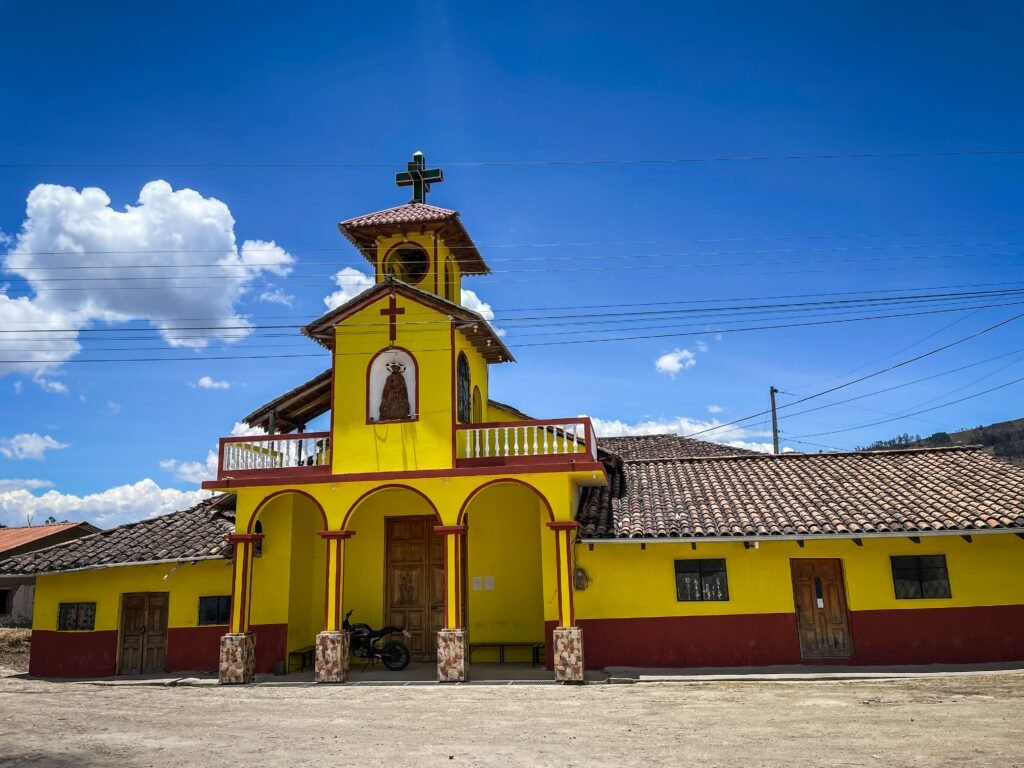
One of the square’s main landmarks is the Iglesia Matriz de Saraguro. Construction of the church began in 1943 and continued until 1963, with restoration work carried out in later decades. Its stone façade and traditional materials give it a prominent position in the town centre. Inside, colourful columns, stained-glass windows and a decorated altar create a contrast with the more restrained exterior.
Cascada Virgen de Agua Santa
The site is located approximately 8 km northeast of Saraguro, in the Indigenous community of Oñacapac and is not just a single waterfall but a collection of cascades along the Waylashi River, surrounded by dense green vegetation and steep mountain slopes. To get there, you may need to hire a camioneta (pick-up truck), as the road may be rough.
The main attraction is Virgen Kaka, the largest and most significant waterfall in the complex. Its name is connected to a remarkable local belief: visitors can see a natural formation resembling the Virgin Mary on a rock near the falling water. According to community tradition, the image appeared in the early eighteenth century after a religious image carried by a local community member was lost in the river. Over time, the place became associated with devotion to the Virgen de Agua Santa and continues to attract visitors interested in both nature and local spirituality.
The complex also includes the smaller waterfalls of Sharazhi and Mama Sharazhi. From the main waterfall, take a path heading left, across the bridge, to reach the remaining waterfalls.
Baños del Inca
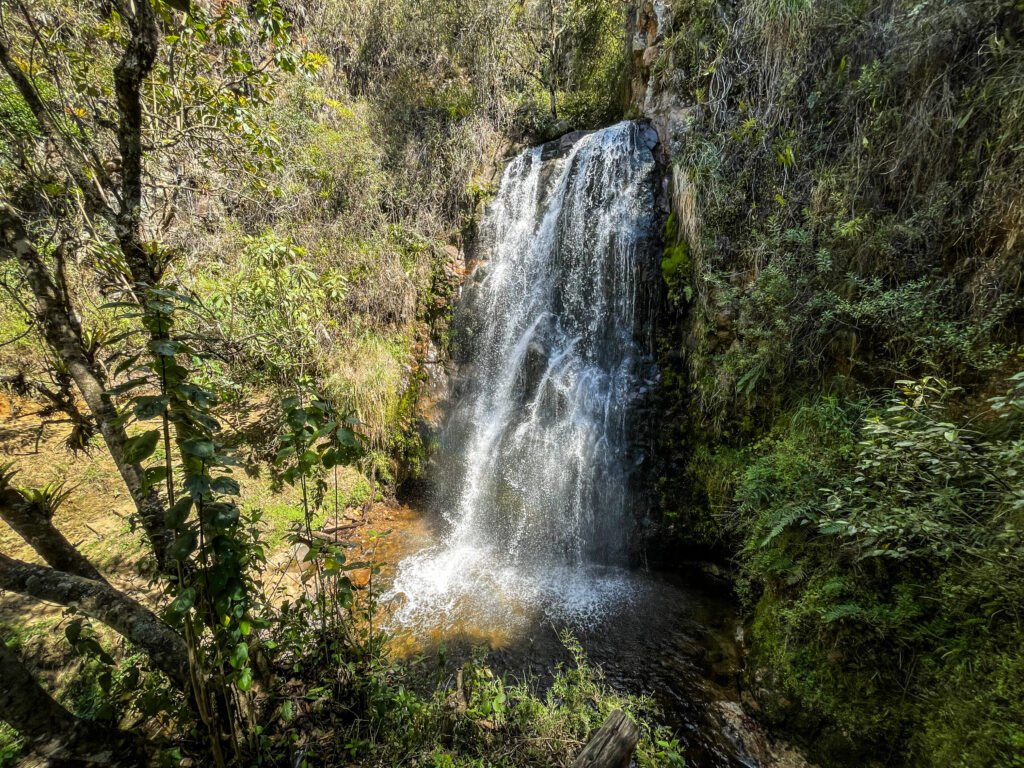
Just a few minutes from Saraguro’s town centre, in the community of Ñamarín, Baños del Inca is a fascinating natural site associated with the region’s pre-Columbian past. Despite its name, this is not a modern thermal spa. Instead, it is a secluded landscape of waterfall, rock shelters, caves and natural pools, tucked into the slopes around the Ñamarín area.
The main waterfall reaches approximately 60 metres in height, descending from the surrounding mountain into a natural pool below. Unfortunately, at the time of my visit in early October, it was almost completely dry. In the wetter season, the water, dark rock and green vegetation create a secluded atmosphere, even though the site is close to town. Nearby are caves traditionally known as the Caves of the Inca, which add another layer of mystery to the visit.
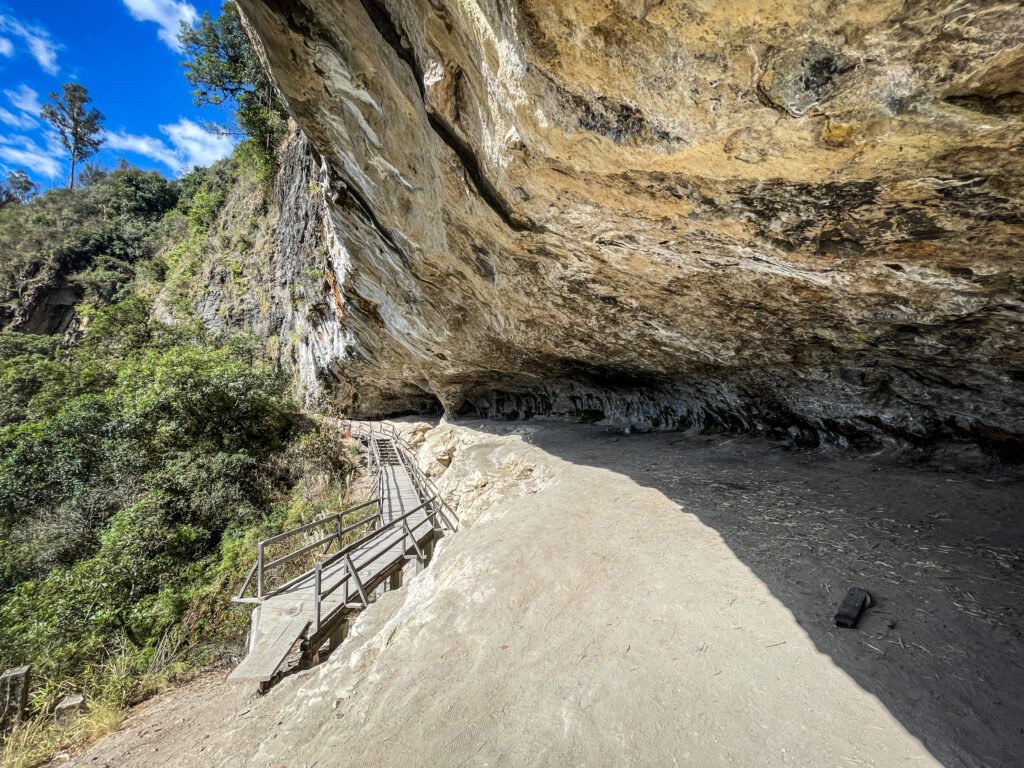
Local accounts associate the place with the Inca ruler Atahualpa, suggesting that he once rested or bathed here during his travels. Although this story forms part of the site’s cultural appeal, it is best understood as local tradition rather than a definitively established historical fact.
Mirador del Cóndor Andino at Taski Wasi
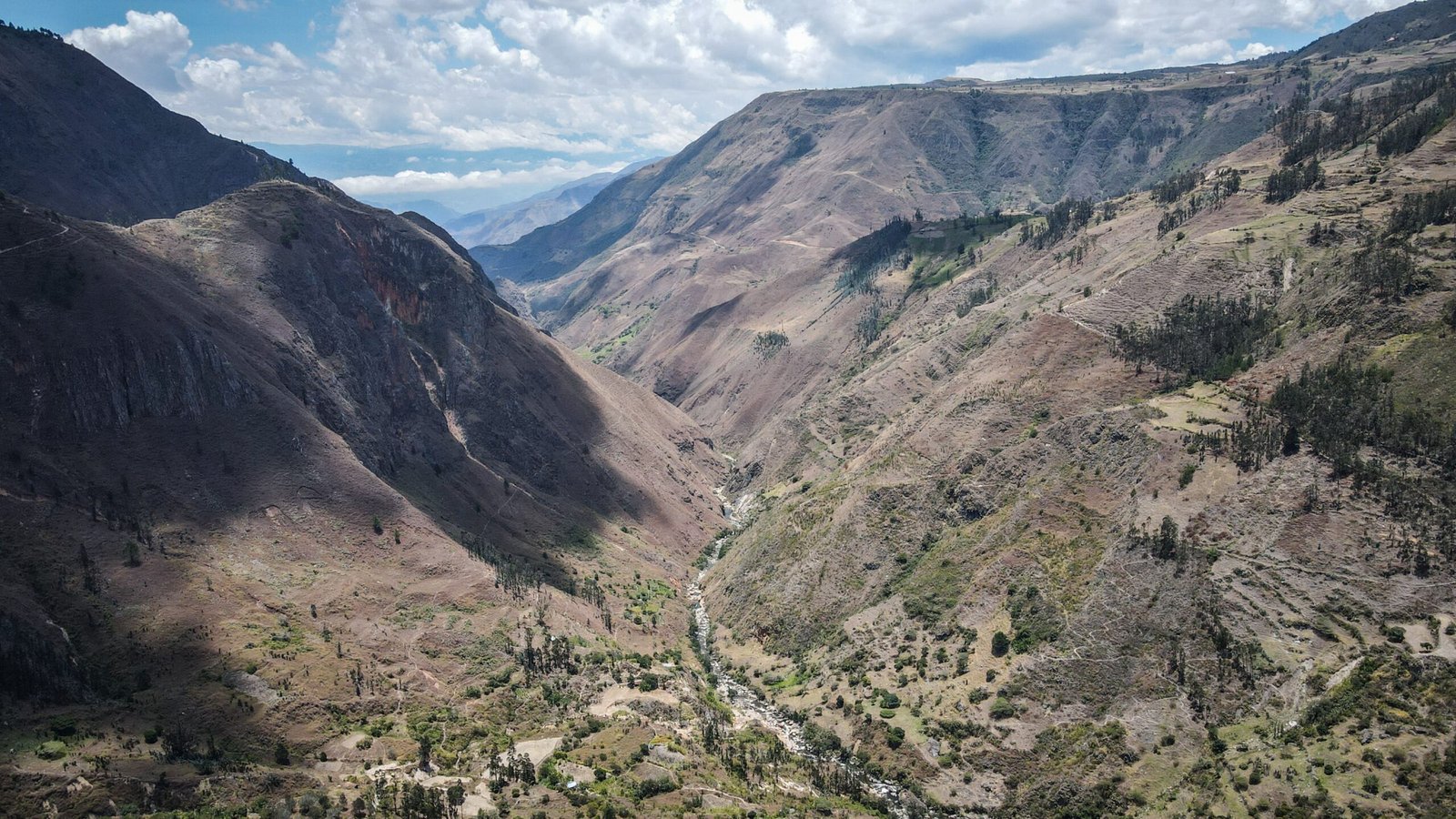
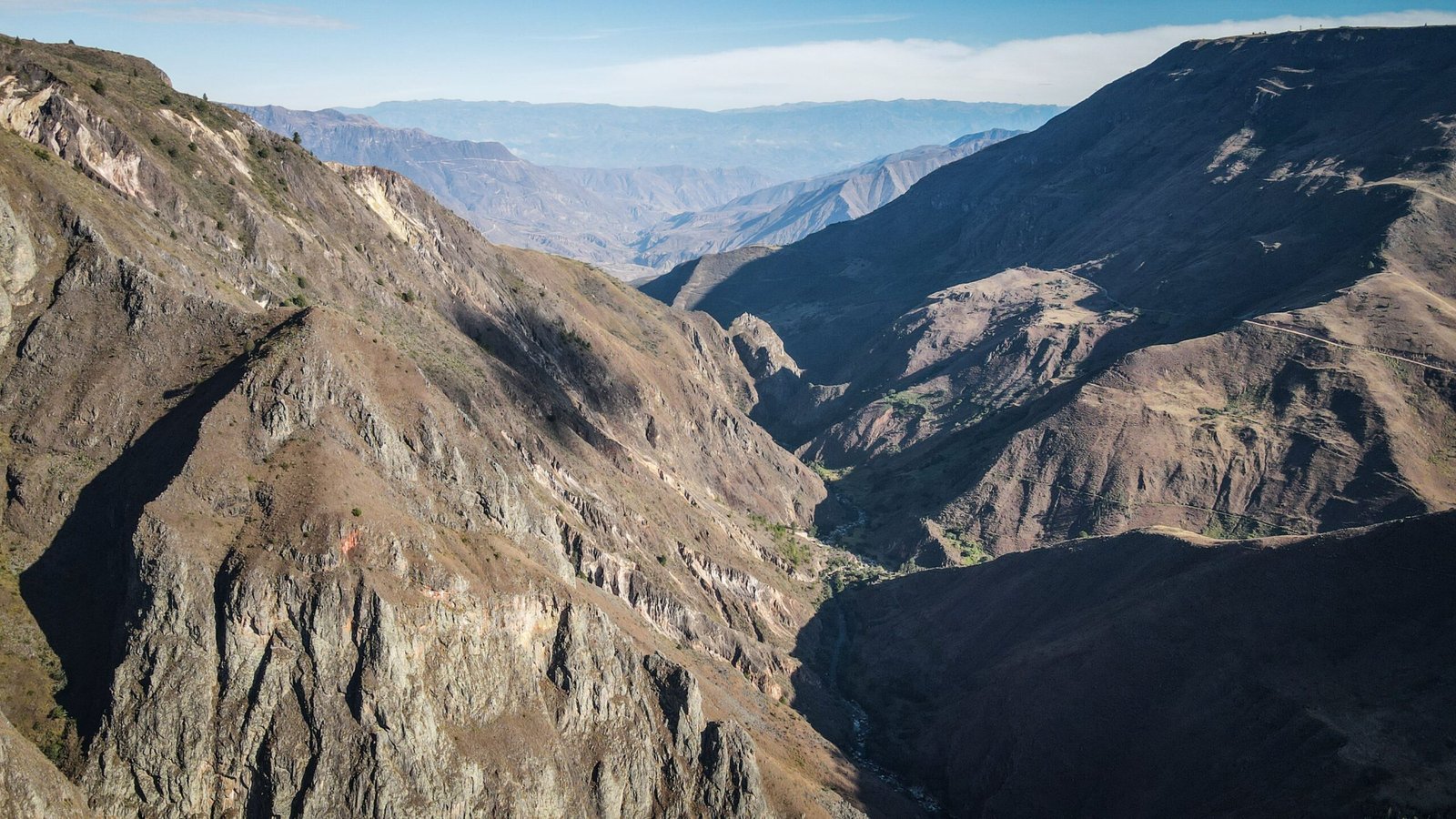
One of the highlights of staying at Taski Wasi, in the Gera community near Saraguro, is the Mirador del Cóndor Andino. This viewpoint offers an opportunity to appreciate the dramatic Andean landscape, with rolling green hills, deep valleys and expansive mountain views stretching across the surrounding countryside.
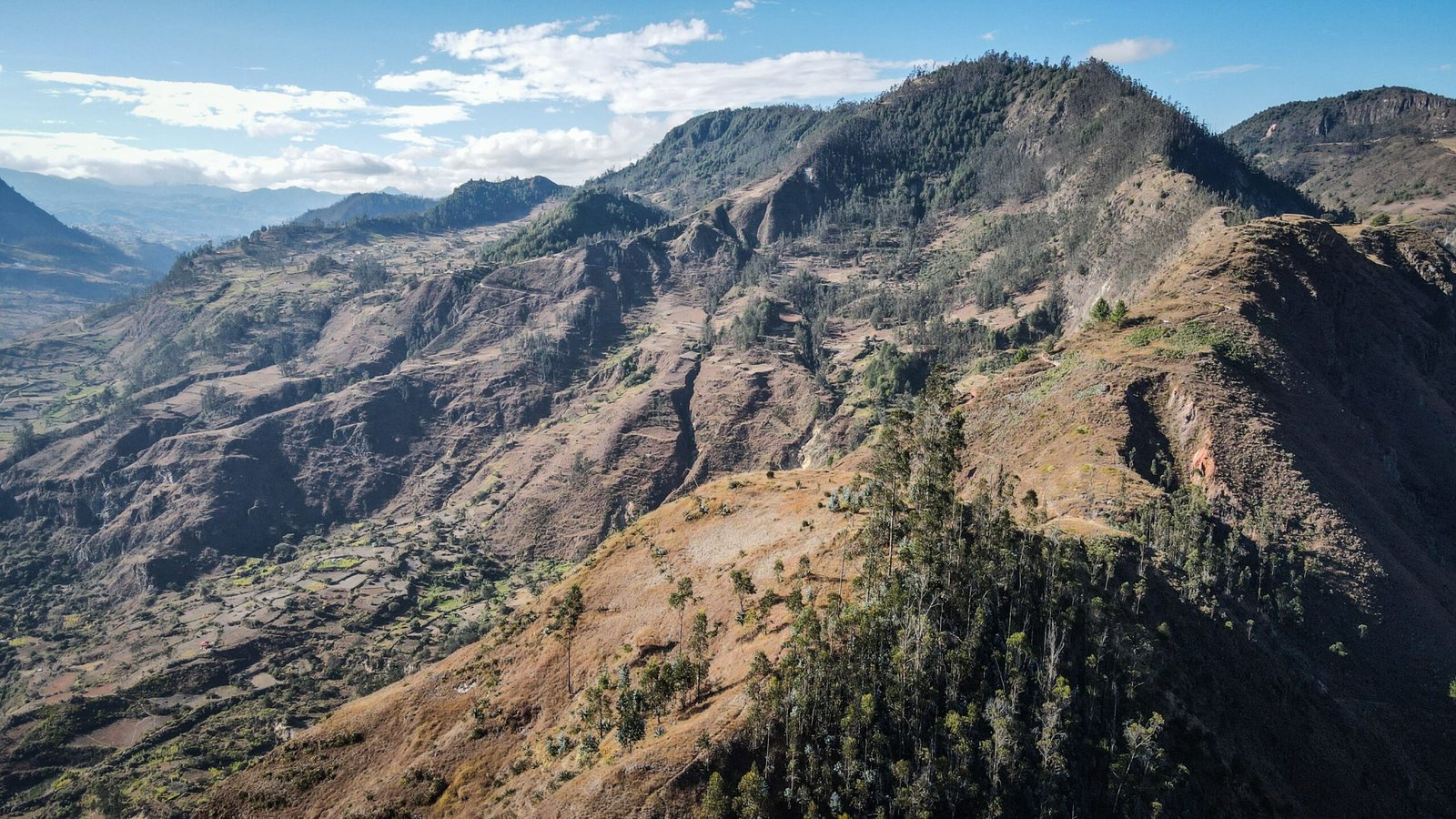
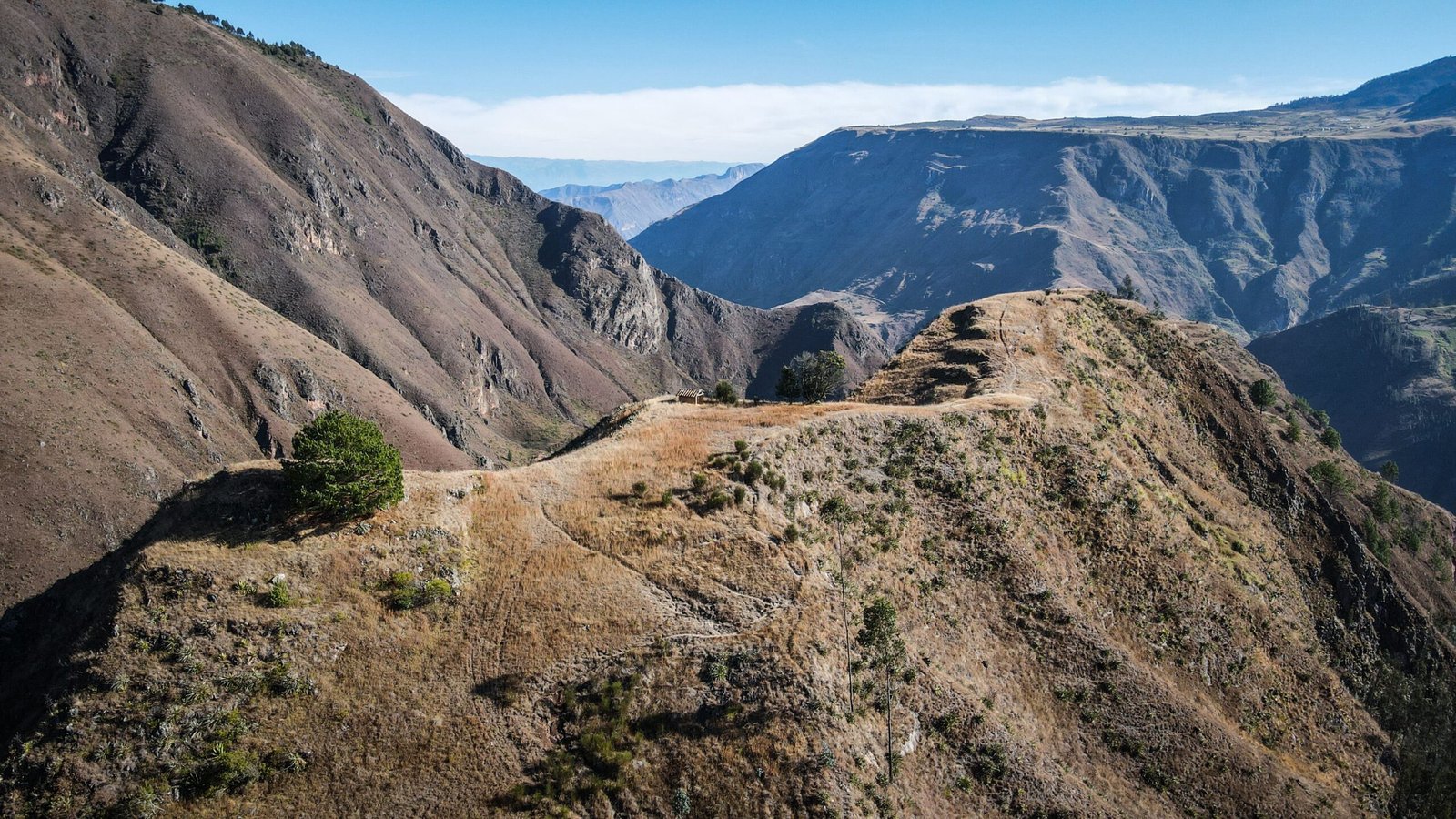
The viewpoint is closely associated with the Andean condor, one of South America’s most impressive birds and an important symbol of the Andes. With its enormous wingspan, the condor is adapted to soaring on rising air currents above mountain slopes. Although sightings are never guaranteed, the viewpoint’s name reflects the region’s connection with this iconic bird.
Near the viewpoint, there is also a trailhead of 1 km route towards Pukara – an old Inca’s site.
Museum in Gera Community
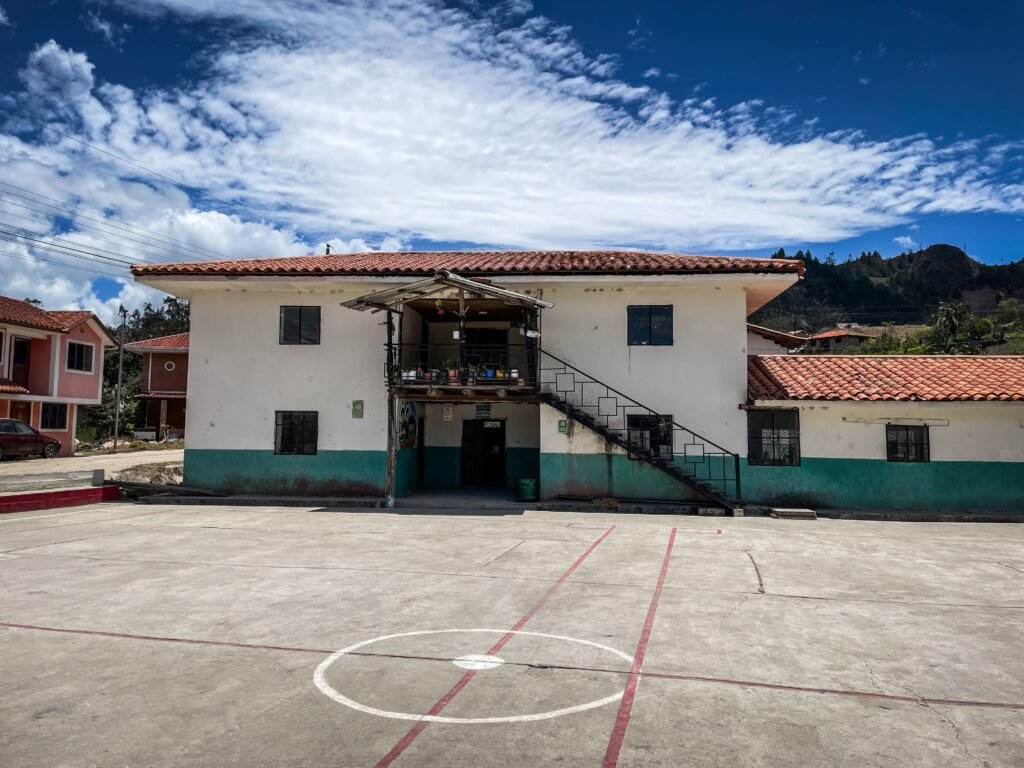
A small local museum is located near the community school. Although modest in size, it offers an opportunity to learn more about the area’s cultural heritage and the traditions of the Kichwa Saraguro people.
Because it is a small community-run attraction rather than a conventional museum, opening hours may be limited. It is best to ask local residents or your host at Taski Wasi whether it is possible to visit.