Introduction
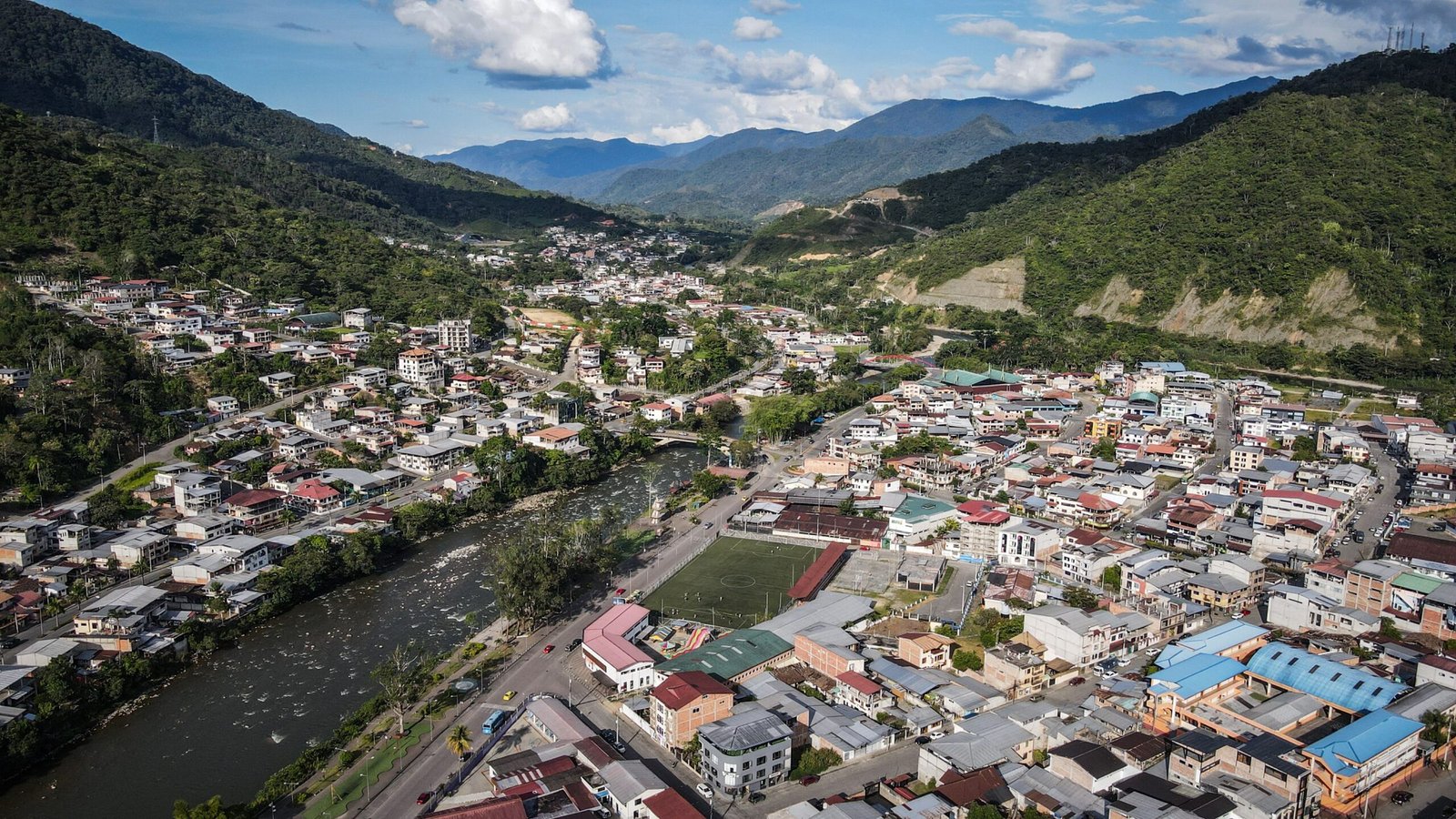
Zamora doesn’t immediately make it onto most travellers’ itineraries in Ecuador. Located in the country’s southeast, close to the Peruvian border, it is better known as a provincial capital than as a tourist destination. Yet spending time here reveals a surprisingly interesting corner of the country, where the Andes meet the Amazon, rivers cut through the surrounding valleys, and waterfalls appear almost everywhere in the countryside. Its history is equally worth exploring, from the first Spanish expeditions in the 16th century to the arrival of settlers who eventually established the modern city.
A Brief History of Zamora
On 6 October 1549, Spanish explorers established a settlement known as Zamora de los Alcaides, traditionally associated with Hernando de Barahona and other conquistadors. The Spanish were attracted to the region partly by rumours of gold deposits, but maintaining a permanent presence proved difficult. The Shuar people, who had inhabited the region long before the arrival of Europeans, resisted colonial expansion, and the original settlement was eventually abandoned. Subsequent attempts to establish a lasting settlement also struggled to survive.
The foundations of the present-day city were established much later. On 12 March 1921, a new wave of settlers, mainly arriving from the provinces of Loja, Azuay and El Oro, helped establish a more permanent community. Zamora gradually developed from a small settlement into an important administrative and commercial centre. In 1953, when the province of Zamora Chinchipe was officially created, the city became its capital.
Today, Zamora offers a quieter alternative to Ecuador’s better-known destinations. It is not necessarily a place packed with major tourist attractions, but rather a destination worth appreciating for its natural surroundings, local character and position on the edge of the Amazon. For travellers heading east from Loja or exploring the southern Ecuadorian Amazon, it also makes a convenient base for discovering the region’s waterfalls, rivers and protected forests.
How to get to Zamora?
Zamora is relatively easy to reach by bus, particularly if you are travelling from Loja, which serves as the main transport hub for this part of southern Ecuador. There are also connections from Cuenca and Guayaquil, although some journeys take considerably longer. Here are the main options for getting to the city.
From Loja
Loja is the most convenient starting point for reaching Zamora. Buses operate regularly between the two cities, with the journey taking approximately 1–1.5 hours. Several companies serve this route, including Unión Yantzaza and Viajeros Internacional. Departures are available from Loja’s main bus terminal, and tickets are relatively inexpensive, usually costing just a few dollars. The road follows a scenic route through the mountains before descending towards the warmer, greener landscapes of Zamora Chinchipe.
From Cuenca
Travelling from Cuenca takes around 4.5–5 hours by bus. Viajeros Internacional operates services connecting Cuenca with Zamora, although departures are more limited than those from Loja.
From Guayaquil
There are also direct bus connections from Guayaquil to Zamora. The journey takes approximately 8–9 hours, depending on the service and road conditions. Cooperativa Loja and other regional operators serve routes connecting the coastal region with southern Ecuador. Alternatively, you can travel via Loja, which offers more flexibility when choosing departure times.
Getting Around Zamora
Zamora is a relatively compact city, and the central area can easily be explored on foot. For attractions outside the centre, including some of the waterfalls and natural areas surrounding the city, taxis are a convenient option.
Where to stay in Zamora?
If you are looking for a convenient place to stay in Zamora, I can recommend Hotel Everlast. I stayed here during my visit and found it a perfectly practical option for exploring the city. The room was simple but comfortable enough, and the location was probably its biggest advantage. The hotel is situated on Diego de Vaca Street, just a short walk from the main bus terminal and within easy walking distance of the city centre. There are also several cafés and small eateries nearby, making it easy to find somewhere for breakfast before heading out to explore the surrounding area. It is not particularly luxurious, but if you are looking for straightforward accommodation in a convenient location, Hotel Everlast is worth considering.
What to see around Zamora?
Malecón de Zamora
The Malecón de Zamora is one of the more pleasant places for a relaxed walk in the city. Running alongside the Zamora River, the riverside promenade provides a change of scenery from the streets and commercial centre. It is particularly nice towards the end of the afternoon, when you can enjoy the river and watch a little of everyday life unfold around the waterfront.
Parque Central Zamora
The central square is an important meeting place for locals and is surrounded by some of the city’s main buildings. It is worth spending a little time here, particularly if you want to get a feel for the atmosphere of the provincial capital.
Reloj Gigante de Zamora
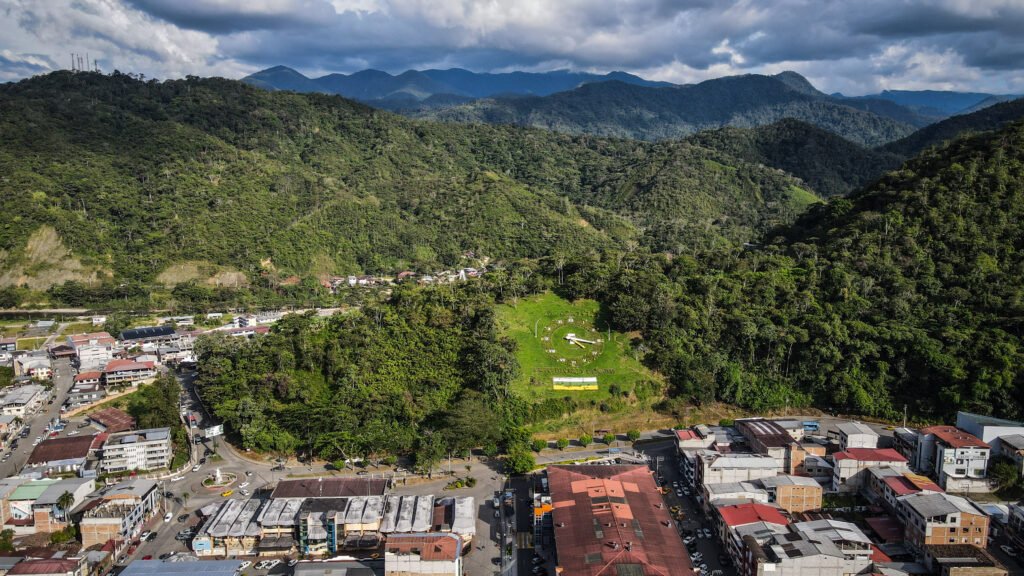
Giant Clock is built on the hillside overlooking the city, and it’s an unusual attraction that stands out against the surrounding greenery.
Mirador Doña Dorita
It is a slightly unusual viewpoint, filled with kitschy decorations and quirky structures designed mainly for taking photographs. You will find plenty of colourful backdrops and photo opportunities, some of them rather over the top, but that is part of its charm. The views, however, are genuinely impressive, with a lovely panorama of Zamora and the surrounding green mountains. There is also a small local treat included in the visit: you get a little cup of freshly prepared sugarcane juice to enjoy while taking in the scenery. It is not exactly an untouched natural viewpoint, but it is a fun stop and worth visiting for the views alone.
Mirador 3 Cruces
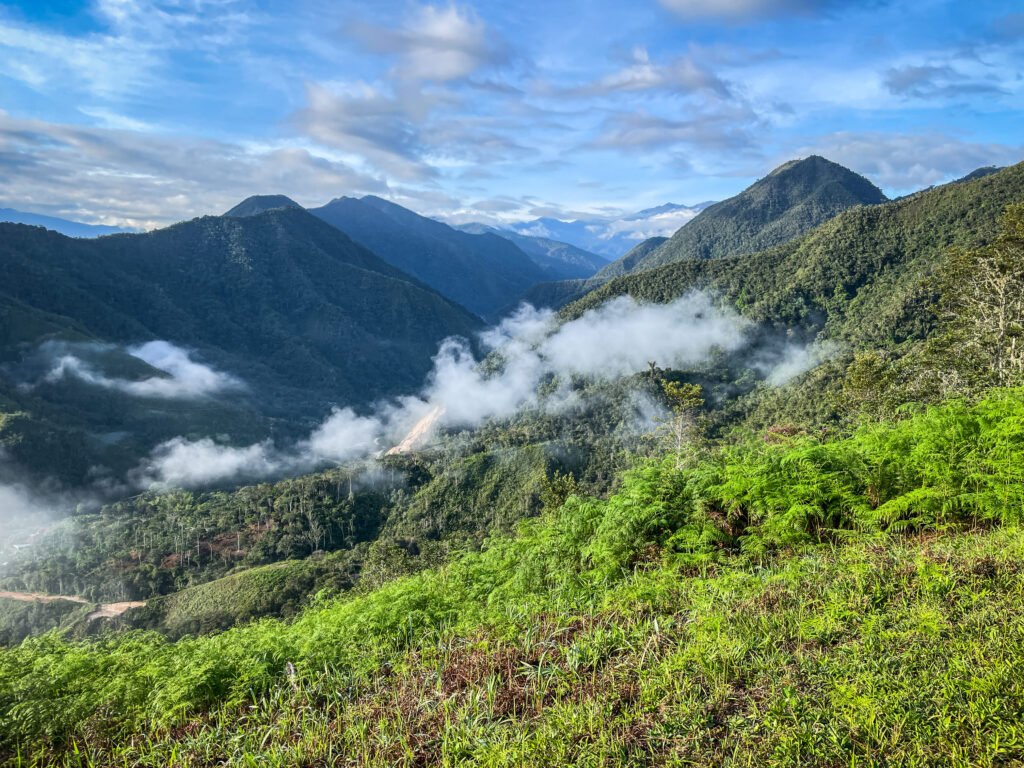
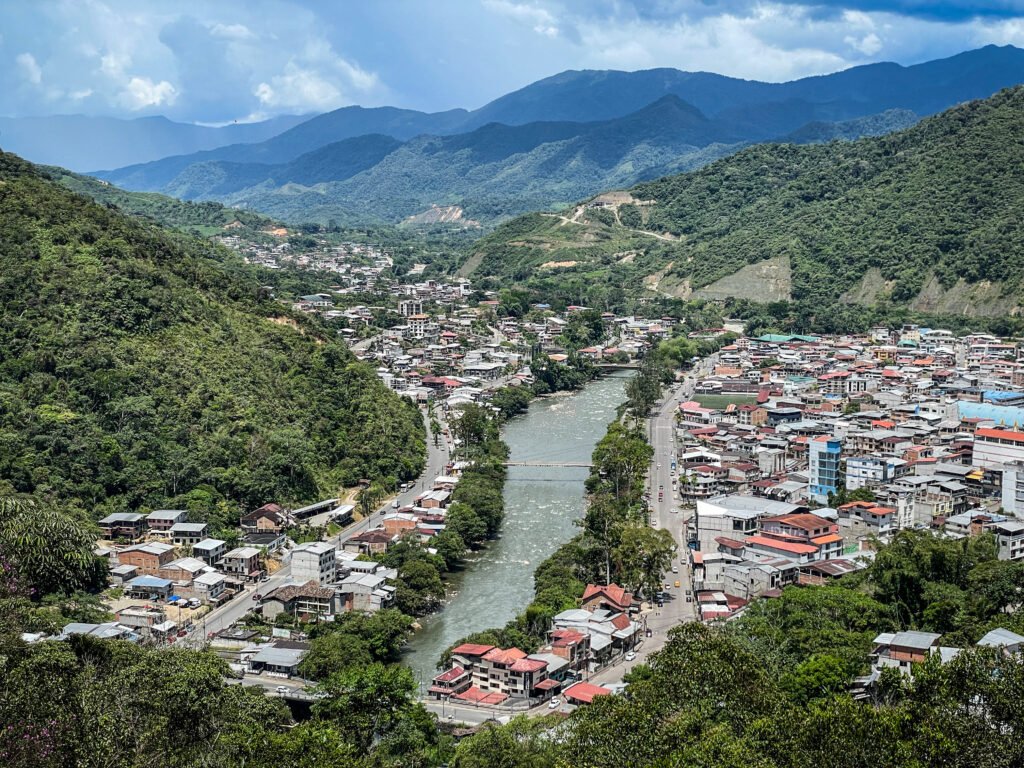
Another viewpoint worth adding to your list is Mirador 3 Cruces. As its name suggests, the viewpoint is associated with three crosses and offers an opportunity to admire the surrounding landscape from above. The combination of forested hills, river valleys and scattered buildings gives you a good idea of what makes Zamora such a distinctive place in southern Ecuador. It takes about half an hour to reach the top.
Mirador Yamila
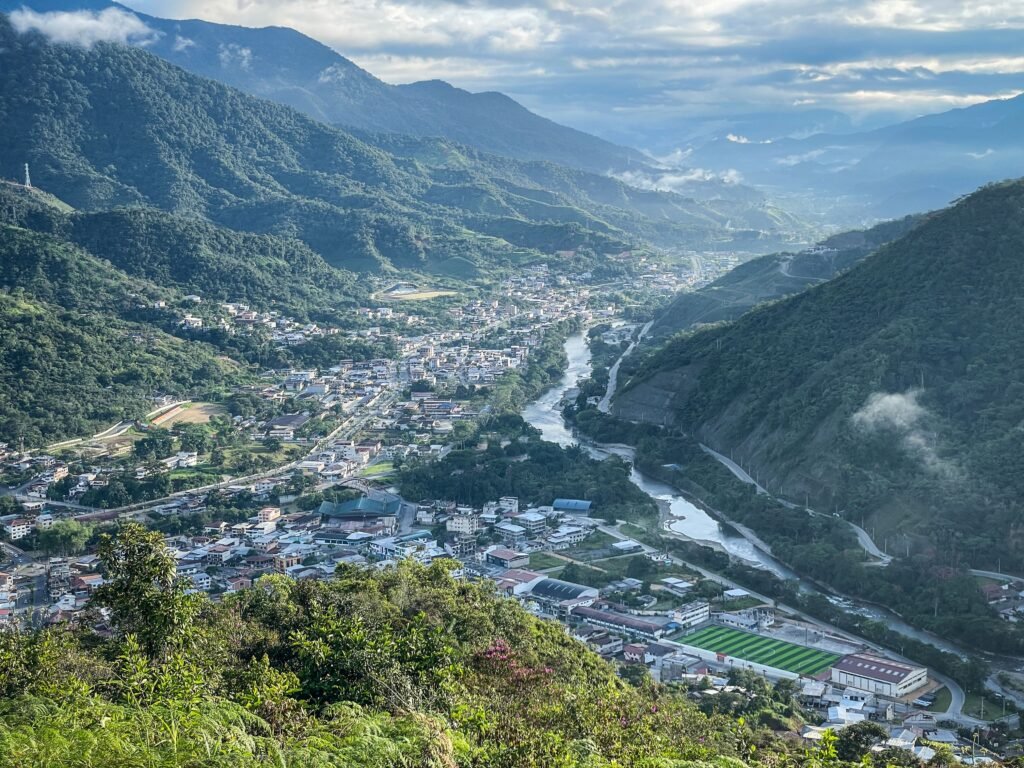
Another place to consider if you enjoy panoramic views. Zamora is particularly interesting from above because of its position between the mountains and the Amazon basin. It takes about 1 – 1.5 hours to reach the top.
Cascada La Rosa
Like many waterfalls in this part of Ecuador, it is surrounded by lush vegetation, with the humid climate creating ideal conditions for tropical plants and dense forest growth. It makes a nice short excursion if you want to spend some time outdoors without travelling too far from the city. The best is to arrange a private taxi and ask the driver to wait.
Cascada El Aventurero
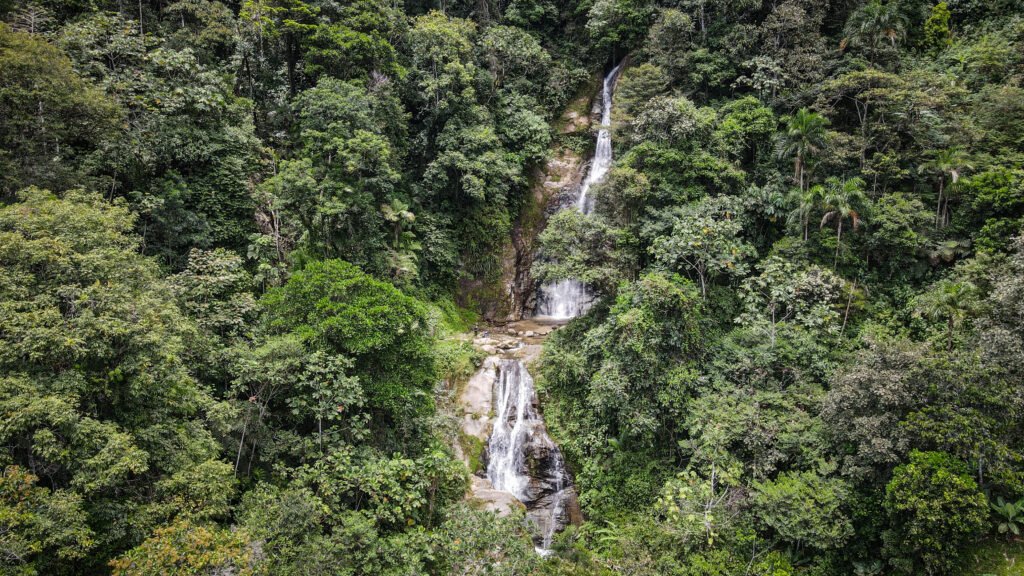
Cascada El Aventurero is located in the Buenaventura area of the Timbara parish, a short distance from Zamora. The surroundings are typically tropical, with abundant vegetation and a warm, humid climate. It is a nice option if you want to discover another waterfall in the countryside without committing to a full-day excursion, and it can be easily combined with Cascada La Rosa.
Please note: the place was closed when I visited in October 2026.
Centro de Interpretación Cultural Shuar
For something different from the waterfalls and natural viewpoints, consider visiting the Centro de Interpretación Cultural Shuar in Timbara. The centre was established to preserve and share the history, traditions and cultural identity of the Shuar people, one of the indigenous nationalities of the Ecuadorian Amazon. Its exhibitions include traditional clothing, handicrafts, historical photographs, archaeological objects and items associated with everyday life, music and traditional practices. It provides a useful introduction to a culture that has been an integral part of this region long before the arrival of Spanish settlers.
Podocarpus National Park – Bombuscaro Entrance
If you have time for just one major excursion outside Zamora, I would make it Podocarpus National Park. The park is one of the most important protected natural areas in southern Ecuador, covering an enormous territory across the provinces of Zamora Chinchipe and Loja. What makes it particularly interesting is the variety of ecosystems found within its boundaries, ranging from humid tropical forests at lower elevations to cloud forests and high-altitude páramo landscapes.
From Zamora, the most convenient access is through the Bombuscaro entrance, located approximately 7 km from the city. It can be easily reached by taxi.
This side of the park is quite different from the Cajanuma entrance near Loja. Instead of the cooler mountain environments and páramo landscapes, Bombuscaro takes you into the humid Amazonian foothills, where dense vegetation, rivers and waterfalls dominate the scenery.
There are several trails to choose from, including routes leading to Cascada La Poderosa, Cascada La Chismosa, a riverside viewpoint, a mountain viewpoint and different sections of the forest. The area is also particularly interesting for birdwatching, with a remarkable variety of hummingbirds, tanagers and other tropical species.
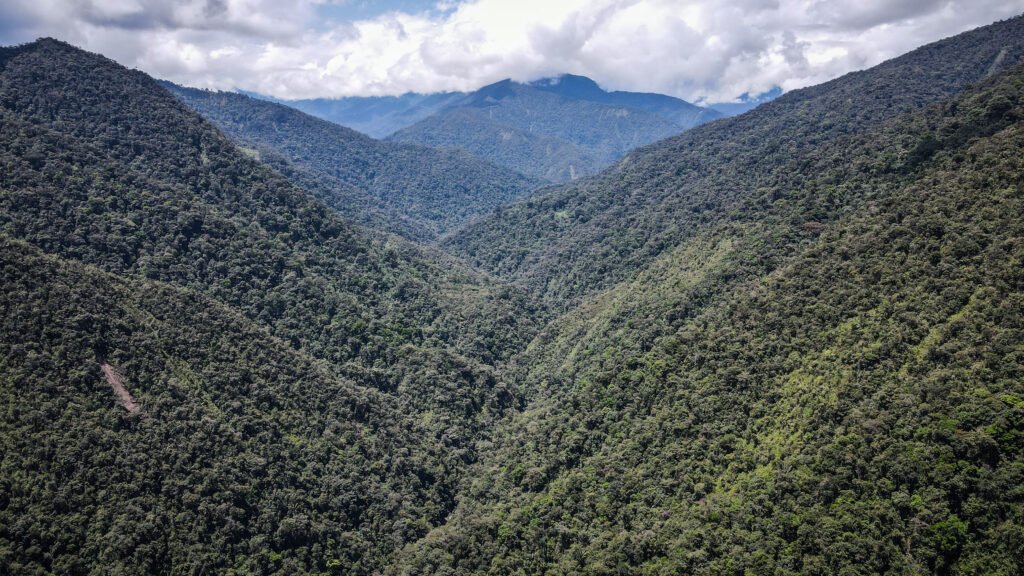
We decided to dedicate an entire day to exploring this part of the park. After starting the morning with some bolones for breakfast at a place just opposite our hotel, we took a taxi towards the park entrance. From the parking area, we still had to walk for around 20–25 minutes to reach the reception building, where we registered before starting our hike.
Our first objective was the viewpoint overlooking Zamora. The trail climbed quite steeply, and the combination of the uphill walk and increasingly hot weather made the ascent a little more demanding than expected. Once we reached the viewpoint, however, we were rewarded with a lovely panorama of the town below and the surrounding green mountains. It wasn’t a full 360-degree view, as the viewpoint was not located on the mountain summit, but it was still worth the effort. I also took the opportunity to fly my drone, which allowed me to get a much better perspective of the landscape and the position of Zamora within the valley.
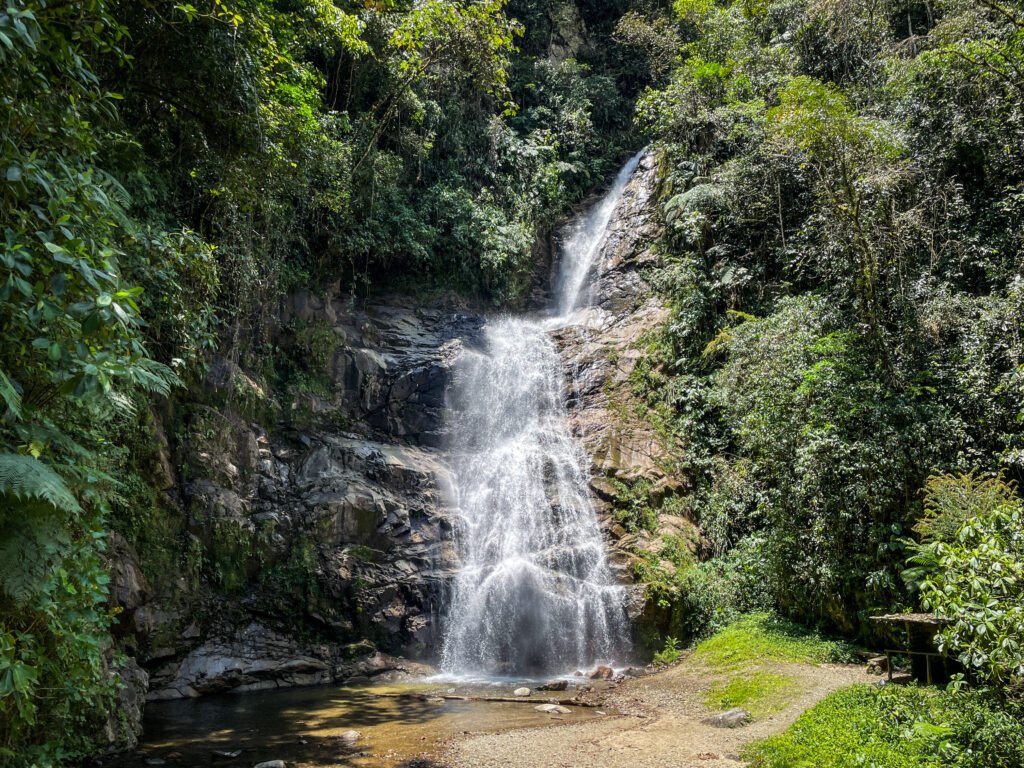
After spending some time enjoying the views, we headed back down and took another trail towards Cascada La Poderosa. This turned out to be one of my favourite stops of the day. The waterfall was really pretty, surrounded by lush vegetation, and getting there was relatively easy compared with the earlier uphill walk. It was a lovely spot to spend some time before continuing our exploration.
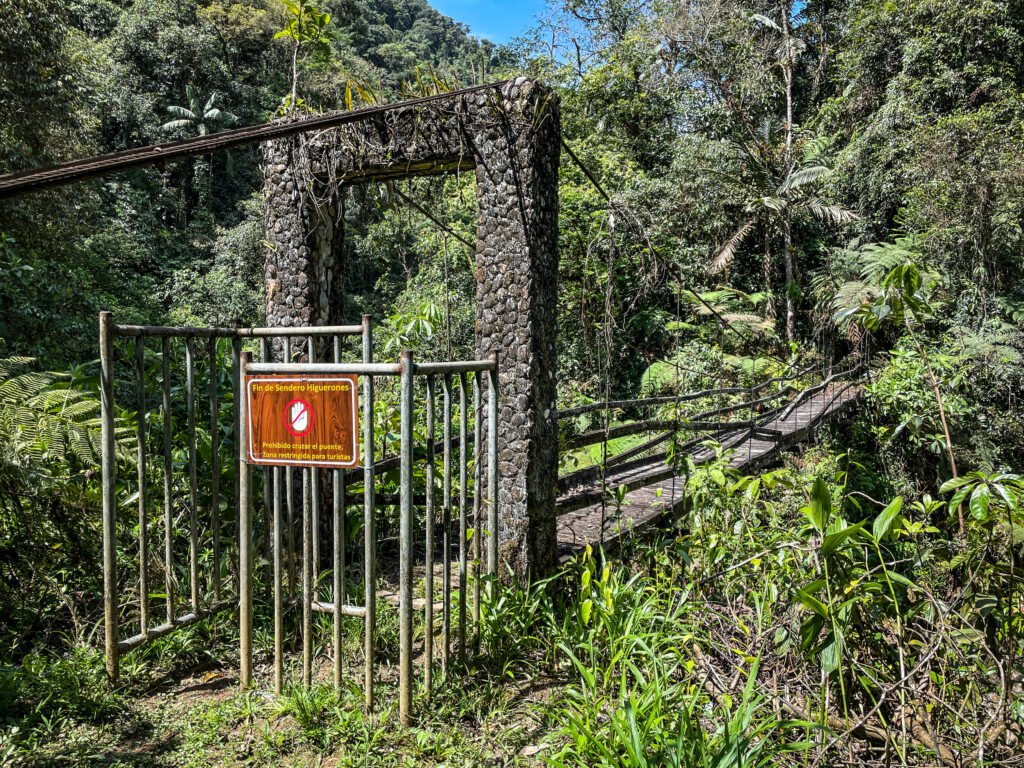
We then followed another trail running alongside the river in the direction of a bridge. The path was pleasant and fairly easy, with plenty of greenery along the way. Unfortunately, the bridge itself was closed to visitors because of its poor condition, so we couldn’t cross it and eventually returned the same way.
Our final stop was a stretch of riverbank where we decided to take a proper break. After several hours of walking, we found some comfortable stones, sat down and dipped our tired feet into the cool water. It was a wonderfully relaxing end to what had already been a fantastic day. The weather had been on our side, with pleasantly cool conditions and not a single drop of rain. Even better, we didn’t encounter another visitor during the entire hike, which made the experience feel particularly peaceful.
On our way back towards the reception building, the park employee kindly helped us arrange a taxi from Zamora. Before leaving, though, we made one last short detour to see another waterfall located close to the reception area – La Chismosa. We then walked back to the parking area, where our transport was waiting.
I would recommend arriving early in the morning, allowing yourself enough time to explore a couple of trails without rushing. Bring proper footwear, insect repellent and a rain jacket, as rainfall is common in this part of Ecuador. Also, check the current trail conditions and park access arrangements before setting off.