Introduction
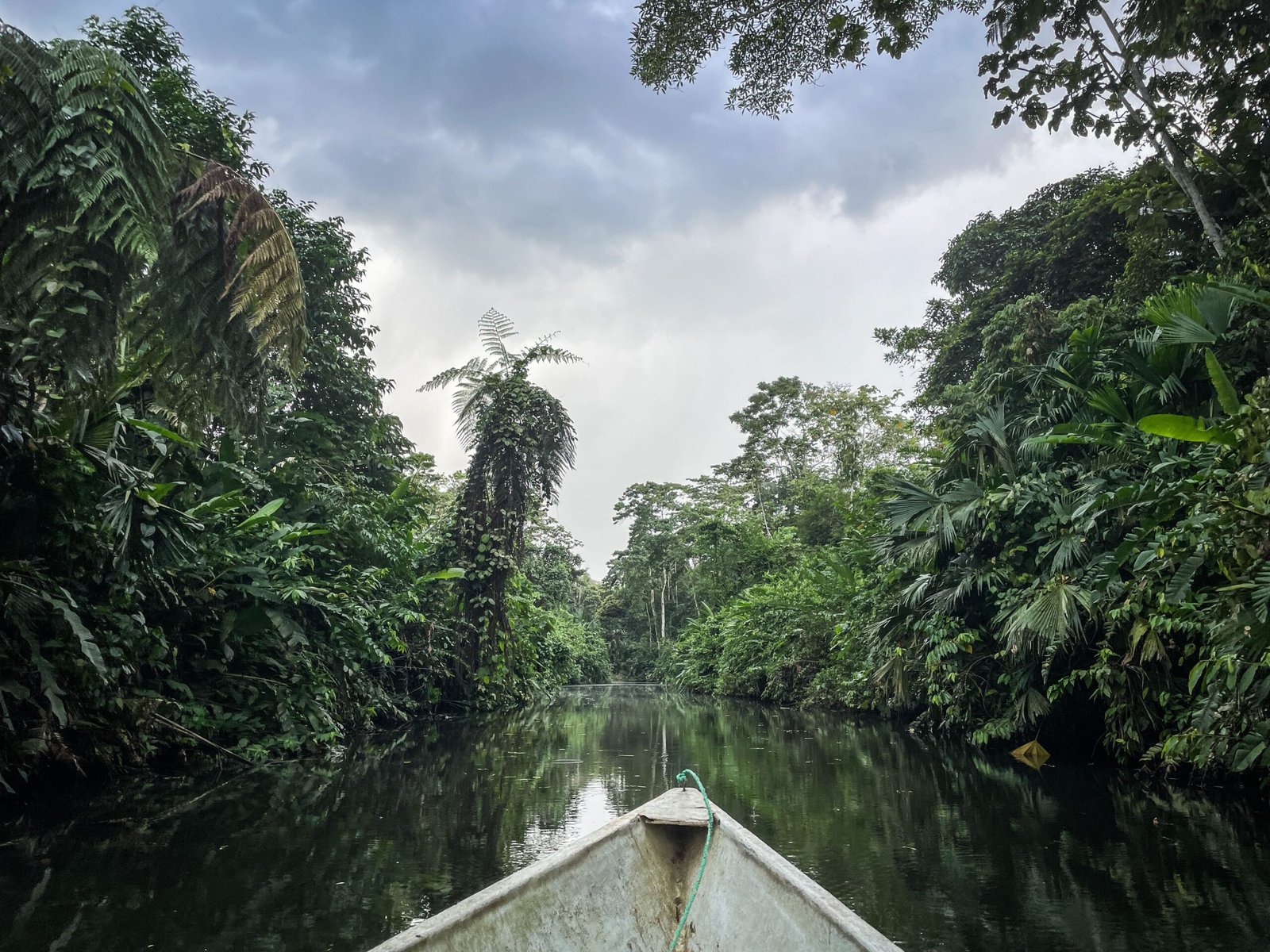
Situated on the banks of the Napo River, approximately 24 km east of Tena, Puerto Misahuallí is a small riverside settlement in Ecuador’s Napo Province. Surrounded by dense tropical vegetation, winding waterways and abundant wildlife, it is one of the most accessible places to experience the Ecuadorian Amazon. Despite its relatively small size, Misahuallí has become an important destination for travellers looking to explore the rainforest, discover Indigenous cultures and enjoy outdoor activities away from the country’s larger cities.
The village is particularly famous for its sandy river beach, where capuchin monkeys can often be seen roaming freely among the trees. Small motorised canoes depart from the riverbank, taking visitors further into the Amazon along the Napo River, towards remote communities, forest trails and natural attractions.
A Brief History of Puerto Misahuallí
Long before Misahuallí developed into a tourist destination, the surrounding territory was inhabited by Indigenous communities with deep connections to the Amazon rainforest. Napo Kichwa families, among others, have lived in this region for generations, relying on agriculture, fishing, hunting and the resources provided by the forest. The wider area also has a complex history involving other Indigenous peoples, including the Waorani, whose ancestral territories extend across parts of the Ecuadorian Amazon.
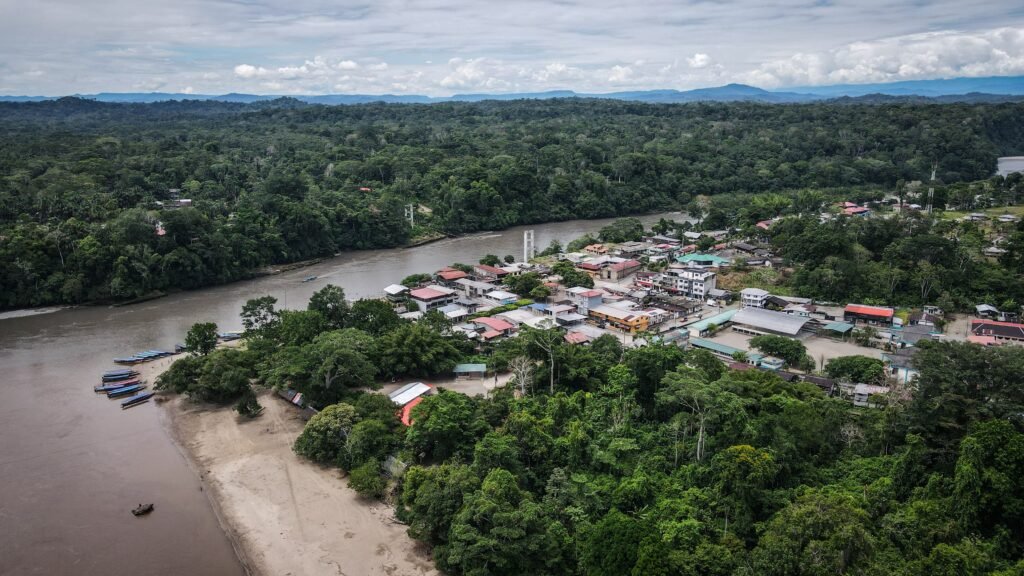
The development of the modern settlement accelerated during the 1940s, particularly following the 1941 conflict between Ecuador and Peru. People living along the Napo River sought refuge in the area, contributing to the growth of a small riverside community. At the time, the river was one of the most important transport routes in the region, connecting settlements and allowing goods and passengers to move through the Amazon.
For many years, Misahuallí functioned primarily as a commercial river port. Canoes and other riverboats played an essential role in transporting agricultural products, supplies and people between communities. Its strategic position near the meeting point of the Misahuallí and Napo rivers made it a natural centre for trade and movement.
A significant change came in 1966, when the road connecting Puerto Napo with Misahuallí was opened. The arrival of road transport, together with increasing oil exploration and settlement in the Amazon, encouraged further development. More people moved into the area, and the small river port gradually became a more established community.
On 30 April 1969, Puerto Misahuallí officially received the status of a rural parish within Tena Canton. This date remains an important part of its local identity, with celebrations traditionally taking place around the beginning of May.
Over the following decades, tourism gradually became an increasingly important part of the local economy. The natural attractions of the Napo River, nearby rainforest and Indigenous communities began attracting visitors interested in exploring the Amazon. Residents increasingly became involved in organising canoe trips, guiding forest excursions and developing community-based tourism experiences.
How to get to Puerto Misahualli?
Most travellers arrive through Tena, which serves as the main transport hub for exploring this part of the Amazon. From there, reaching Misahuallí is straightforward and takes less than an hour.
From Quito to Puerto Misahuallí
The distance between Quito and Puerto Misahuallí is approximately 215–220 km, depending on the route. Travelling by car usually takes around 4–5 hours, although road conditions, traffic and weather can affect the journey.
The most common route follows the eastern highway through Pifo, Papallacta, Baeza, Archidona and Tena before continuing towards Puerto Misahuallí.
The drive is particularly scenic, as the landscape gradually changes from the Andean highlands and mountain passes to the warmer, greener environment of the Amazon foothills.
If you are travelling by public transport, the easiest option is to take an interprovincial bus from Terminal Terrestre Quitumbe in Quito to Tena. Several companies operate this route, including Flota Pelileo, Transportes Baños, Expreso Baños and Amazonas.
The journey generally takes around 5–6 hours. Once in Tena, you can transfer to a local bus heading to Puerto Misahuallí.
From Tena to Puerto Misahuallí
Getting to Puerto Misahuallí from Tena is very easy. The two settlements are connected by a paved road, and the journey takes approximately 30–45 minutes.
Local buses operated by Cooperativa Jumandy and Cooperativa Centinela del Tena connect the two destinations throughout the day. Services generally depart from the bus terminal in Tena, making this the cheapest and most convenient option for independent travellers.
You can also take a taxi or a shared pickup truck if you prefer a faster and more flexible journey.
From Baños to Puerto Misahuallí
If you are travelling from Baños, you can reach Puerto Misahuallí by following the road towards Puyo and continuing through the Amazon lowlands towards Tena.
The distance is approximately 150 km, and the journey usually takes around 3–4 hours by car, depending on traffic and road conditions.
By public transport, you will generally need to travel from Baños to Tena, sometimes changing buses in Puyo, before taking another local bus to Misahuallí.
From Puyo to Puerto Misahuallí
Travelling from Puyo to Puerto Misahuallí is another convenient option if you are already exploring Pastaza Province.
The distance is approximately 100 km, and driving generally takes around 2–2.5 hours. The route follows the Amazonian highway through the area of Puerto Napo before continuing towards Tena and Misahuallí.
There are also interprovincial buses connecting Puyo and Tena. From Tena, you can take a local bus for the final section of the journey.
Travelling by Car
Having your own vehicle gives you more flexibility when exploring the region around Puerto Misahuallí. The roads connecting Quito, Tena and Misahuallí are generally accessible by regular cars, although heavy rainfall can occasionally affect driving conditions.
If you have extra time, consider stopping in Papallacta, Baeza or Archidona along the way. These destinations offer opportunities to enjoy mountain scenery, hot springs and smaller towns before reaching the Amazon rainforest.
Where to stay in Puerto Misahualli?
I stayed at Hostal Albergue Español, and it turned out to be a pleasant surprise. We actually received a much bigger room than the one we had originally booked. Although we were travelling as a couple, our room had one double bed and two additional bunk beds, giving us plenty of extra space.
The room was clean and comfortable, making it a perfectly good place to stay while exploring Puerto Misahuallí. The hostel also serves breakfast for an additional US$5 per person, which is a convenient option if you prefer to start your day without looking for a restaurant.
One unexpected encounter happened late at night when we spotted a tarantula walking along the pavement right in front of the hostel! It was a memorable reminder that we were staying in the middle of the Amazon region. If you are not particularly fond of spiders, keep your eyes open when walking around after dark!
What to see around Puerto Misahualli?
Playa de los Monos
Located right next to the main riverside area, this sandy beach sits close to the confluence of the Napo and Misahuallí rivers. It is particularly famous for the capuchin monkeys that inhabit the surrounding trees and frequently come down towards the beach.
Watching these small primates moving between branches and exploring the area can be entertaining, especially if you have never seen wild monkeys before. The beach itself is also a pleasant place to relax, enjoy the river scenery or watch the motorised canoes arriving and departing.
However, remember that these are wild animals. Avoid feeding them, offering snacks or trying to touch them. Human food can negatively affect their behaviour and health.
If you visit early in the morning or towards the end of the afternoon, you may find the atmosphere particularly enjoyable, with fewer visitors and more opportunities to observe the surrounding wildlife.
Cascada de Latas
The attraction is reached through a tropical forest trail that follows the Umbuni River. Rather than simply walking to a single viewpoint, the experience involves exploring several waterfalls, natural pools and rock formations along the watercourse.
The route includes three main water drops, with sections forming natural slides where visitors can enjoy the refreshing water. The surrounding vegetation creates a beautiful rainforest atmosphere, and the walk itself is part of the adventure.
We took a bus heading to Tena and asked to be dropped at the trailhead. We followed the sign and paid 2 USD per person for access. Quite a pity, because we later discovered that if we had taken another path further to the right side of the bridge, we could have reached the waterfall without paying the entrance fee. Luckily, nobody was waiting further along the trail to charge us an additional US$1, which apparently sometimes happens!
Allow approximately 40 minutes for the approach, although the overall visit can take around two hours if you want to explore and enjoy the pools.
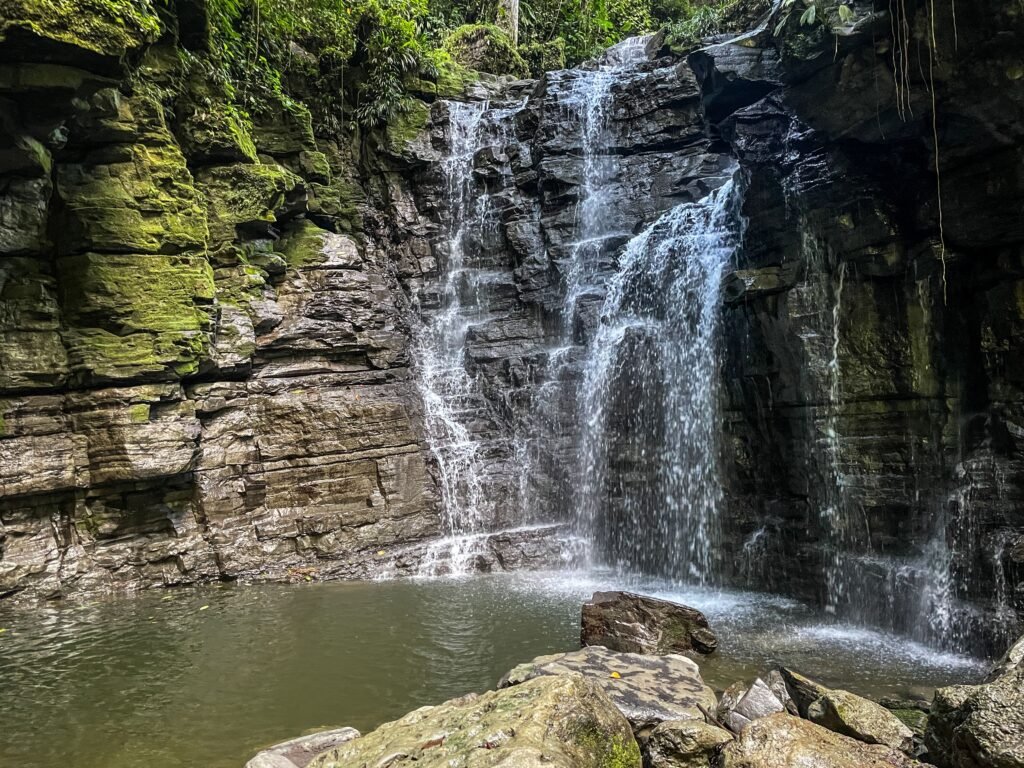
Despite this slightly confusing entrance situation, the waterfall itself was beautiful, and the visit was definitely worthwhile. We had the entire place to ourselves, which made the experience even better. The final section involved climbing over some larger rocks, but nothing particularly difficult if you are reasonably comfortable walking on uneven terrain.
On the way back, we followed a different trail that stayed to the left of the river. I managed to slip and land on my backside at one point, but fortunately, we made it safely back to the main road. After waiting for a while, we eventually caught a bus back to Misahuallí.
The rocks can be extremely slippery, so wear shoes with good grip. Bring swimwear, a towel and a waterproof bag for your belongings.
Ceibo Gigante
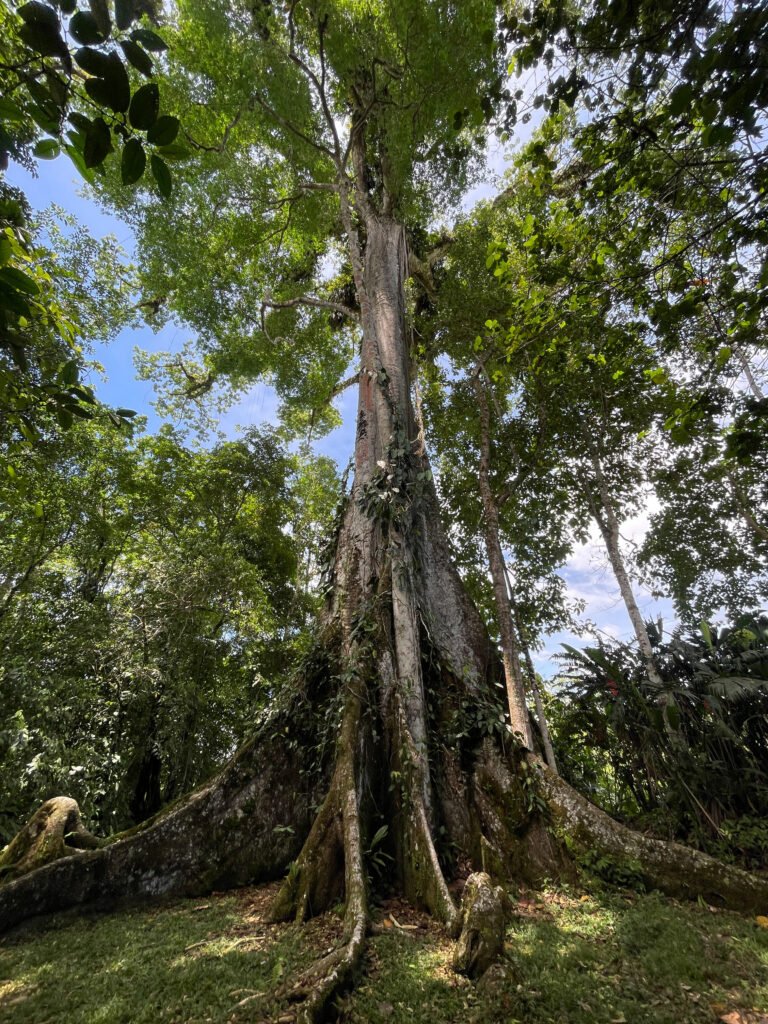
Located in the community of Punuño, a short distance from Puerto Misahuallí, this enormous ceibo tree is one of the area’s most impressive natural landmarks. You can easily get a taxi to get there.
Ceibo trees are characteristic of tropical environments and are known for their enormous trunks, spreading branches and distinctive root systems. This particular specimen is remarkable for its size and age, with local estimates suggesting that it has been growing for several centuries.
Standing next to the massive trunk gives you a different perspective on the scale of the Amazon rainforest. Its extensive roots and enormous canopy also provide a habitat for numerous smaller organisms, birds and insects.
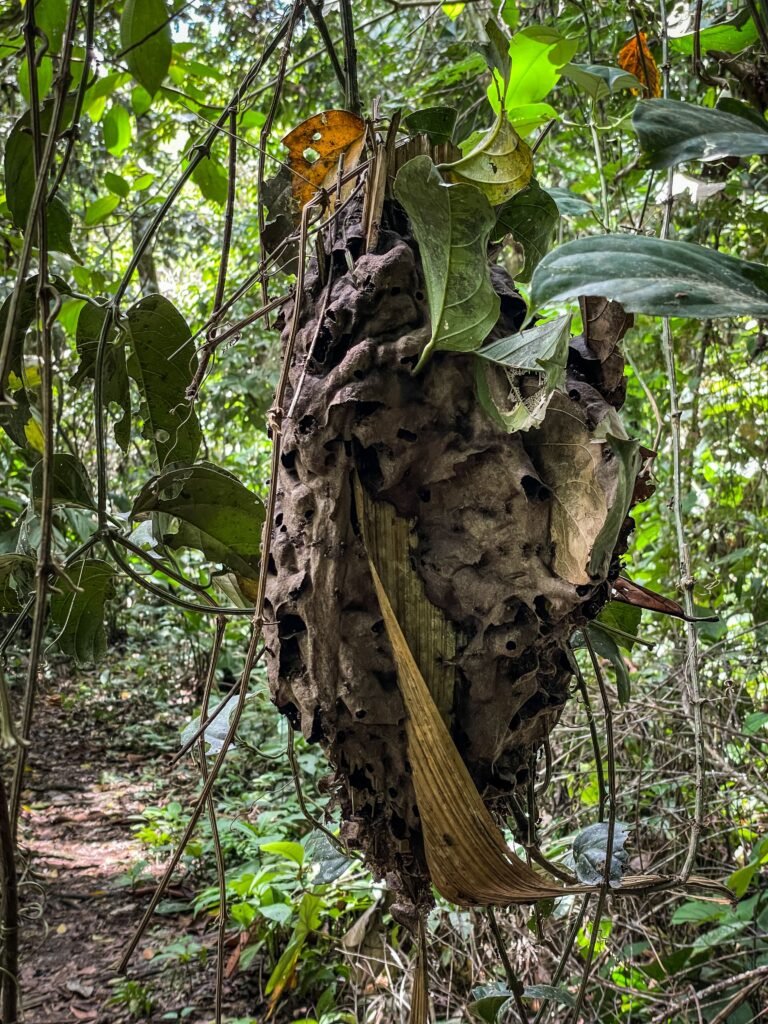
While exploring the area, we spotted a sign pointing towards a trail leading down to the river. Naturally, we decided to follow it. The path took us through the forest, with me walking in front and using a stick to clear the spiderwebs along the way. After reaching the river, we decided not to turn back but to continue along the trail and complete the loop.
We eventually came across a tiny waterfall and decided to push a little further, following the trail all the way towards a nearby village. From there, we managed to catch a boat across the river to Puerto Misahualli.
Comunidad Shiripuno
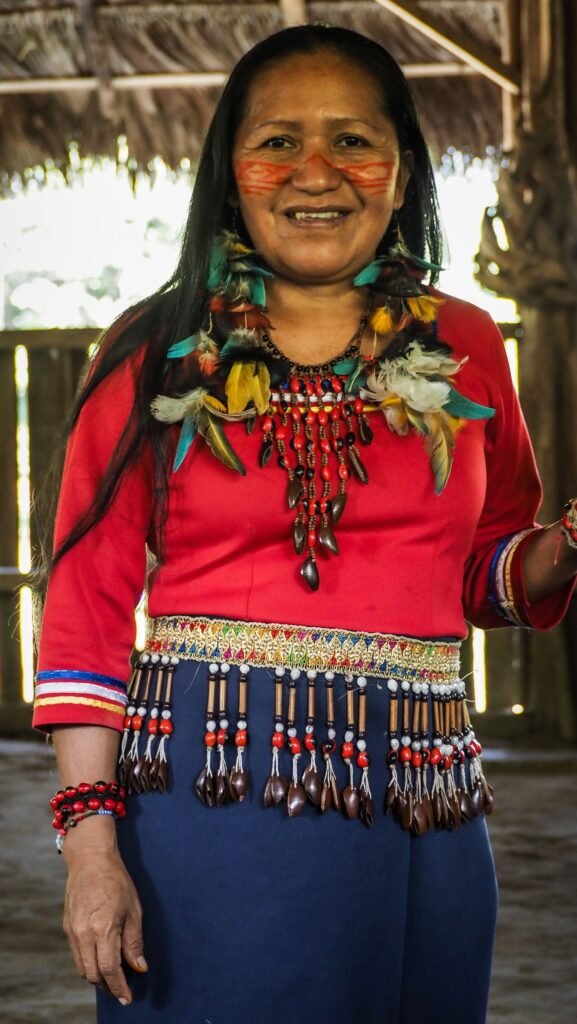
This community is associated with the Kichwa people and offers visitors an opportunity to learn more about their traditions, everyday life and relationship with the surrounding rainforest.
Community-based tourism activities may include traditional dances, music, handicraft demonstrations, local food and guided walks through the surrounding vegetation.
You can also learn about the traditional use of Amazonian plants, the preparation of cassava-based drinks such as chicha and the importance of natural materials in local crafts.
Laguna Paikawe
Located just across the Napo River, the lagoon forms part of a privately protected natural area surrounded by tropical vegetation and patches of primary rainforest.
The main activity here is a guided canoe trip through the calm waters, where you can explore the vegetation and observe the animals living around the lagoon.
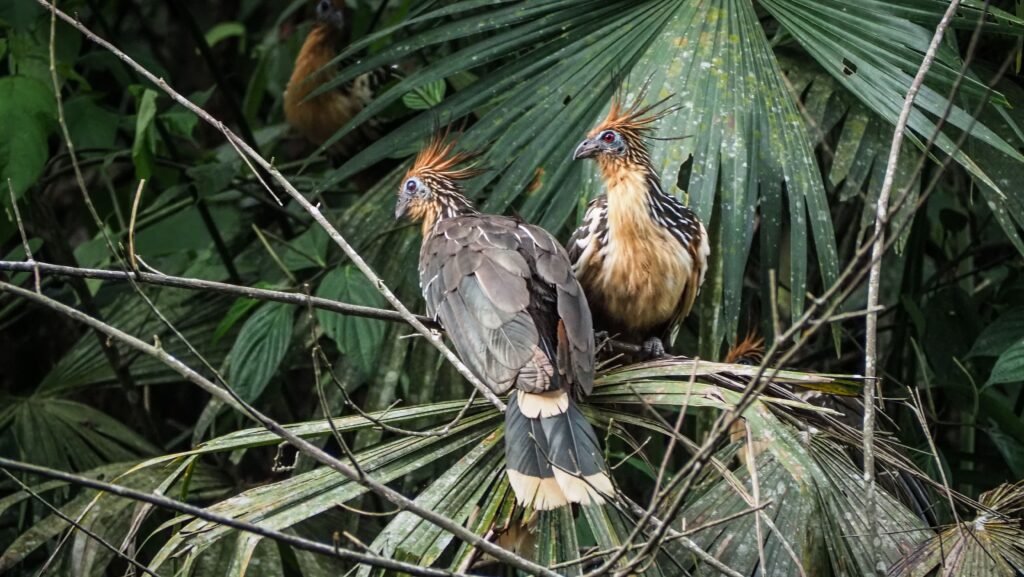
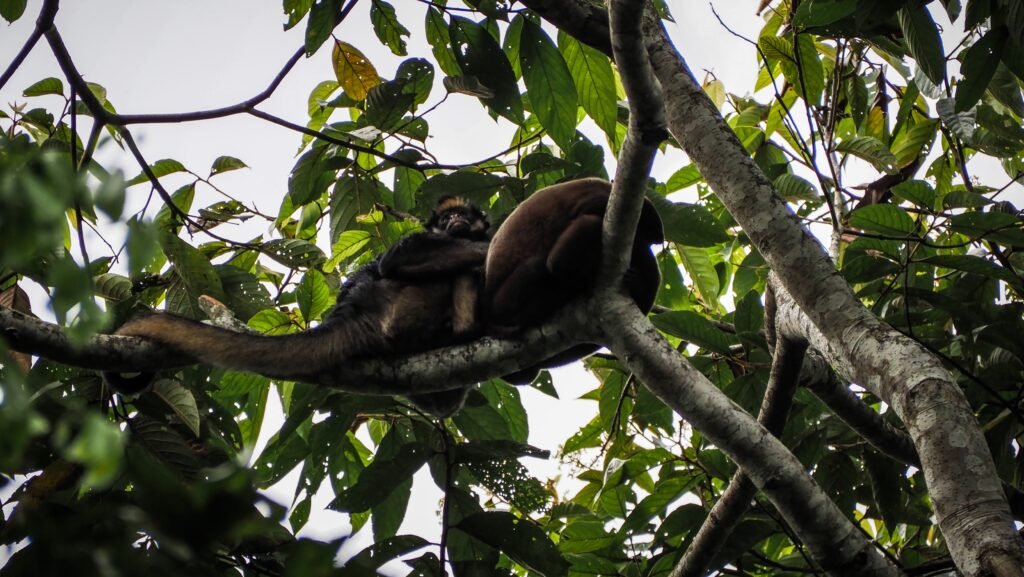
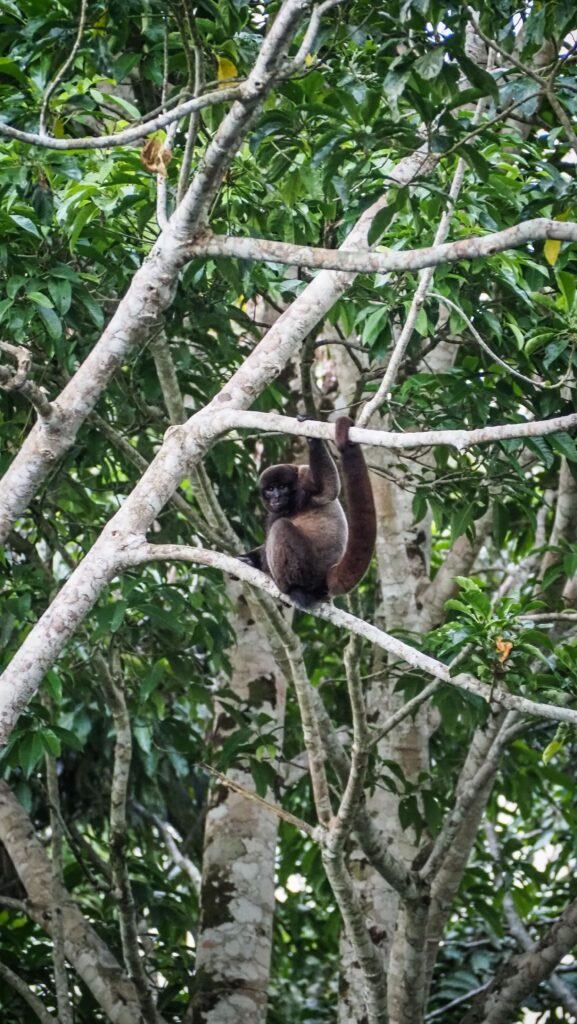
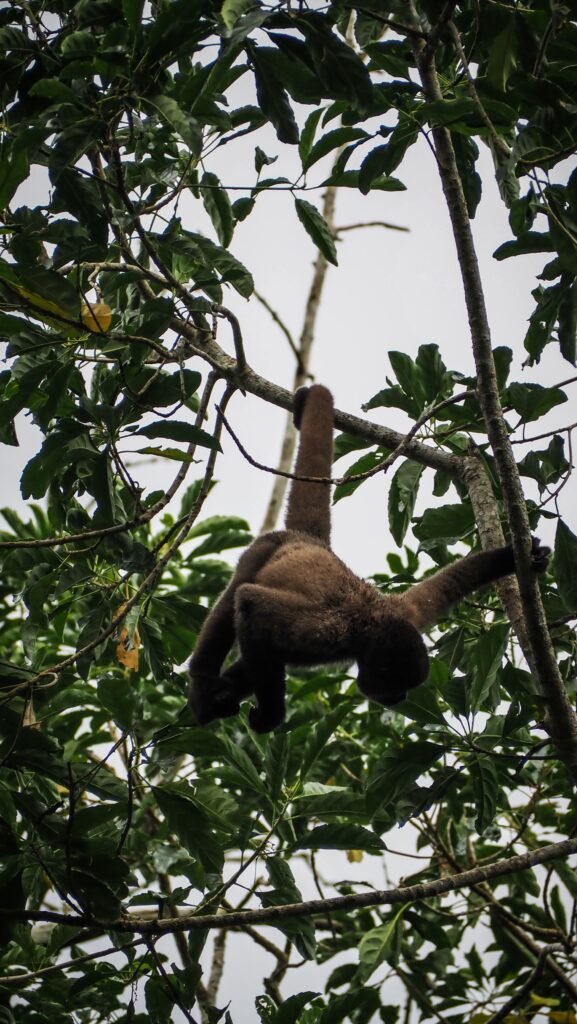
Depending on the season and conditions, you may spot different bird species, including the unusual hoatzin, as well as monkeys and other wildlife. The reserve is also known for its large paiche fish, which can grow to impressive sizes.
Another interesting option is to arrange an early morning or evening excursion, when different animals become active and the atmosphere of the rainforest changes.
The canoes to the other side of the Napo River depart on request and cost 1 USD per person.
Laguna Kawana Reserve
The lagoon is surrounded by tropical vegetation, creating an environment suitable for birdwatching, nature photography and leisurely walks. Visitors can explore parts of the area by canoe.
The canoes to the other side of the Napo River depart on request and cost 1 USD per person. From there, dedicated tricycles pick up tourists and deliver them to the reserve. If you can’t see one, just be patient and wait or text the manager of the reserve on WhatsApp.
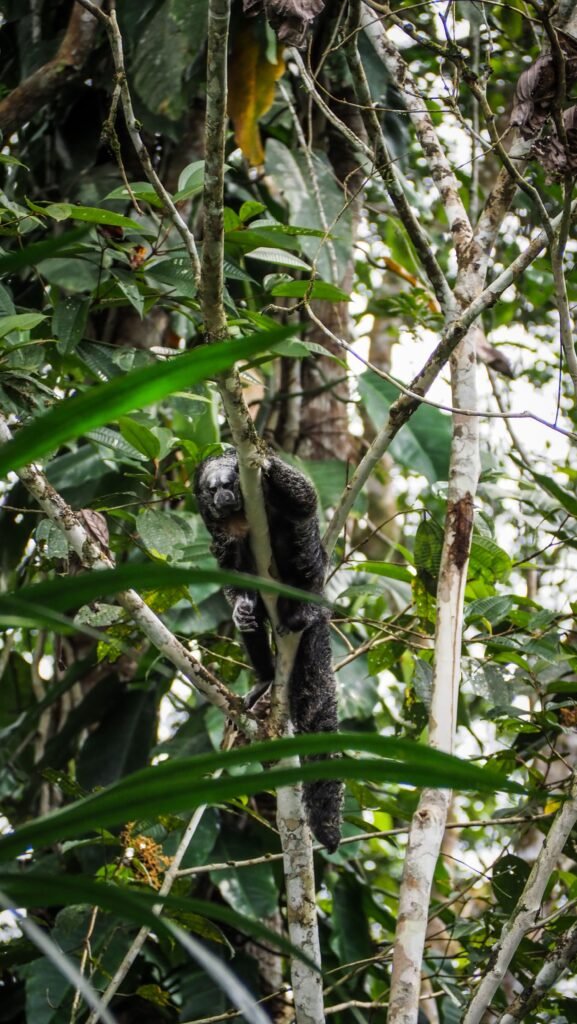
Jatun Sacha Biological Station
The name Jatun Sacha comes from Kichwa and can be translated as ‘Great Forest’, which is a fitting description of this extensive area of tropical vegetation.
The reserve covers an extensive area of rainforest and has historically been an important location for scientific studies, environmental education and conservation initiatives. Its forest trails and rich biodiversity have also attracted nature enthusiasts interested in exploring the Amazon away from the more commercial tourist attractions.
However, there is a catch. As of October 2026, the place looked abandoned, and the facilities were neglected. We were still able to explore forest trails and discover the extraordinary variety of plants found in the Amazon, as the trails were maintained relatively well and the map was provided at the notice board at the entrance.
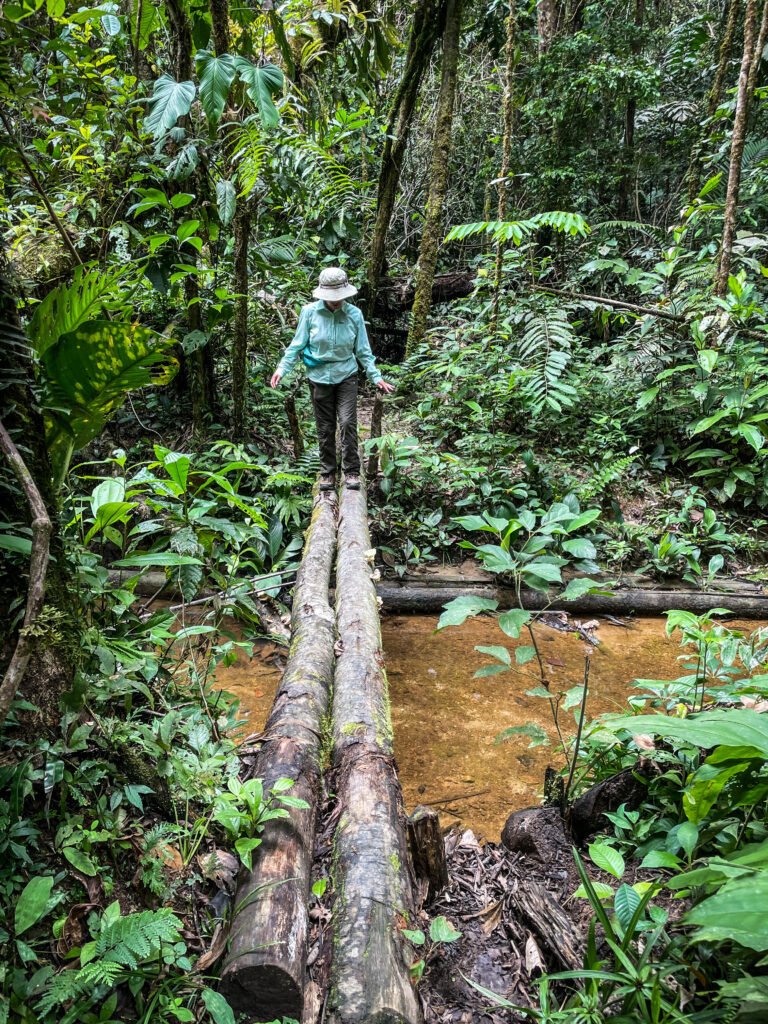
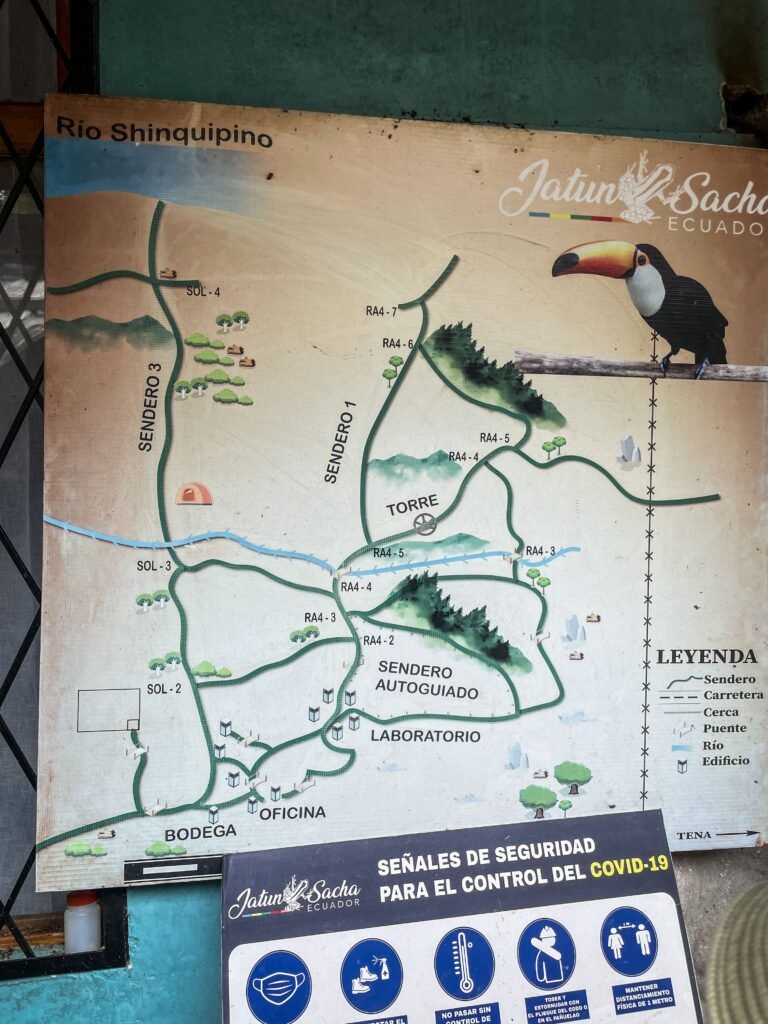
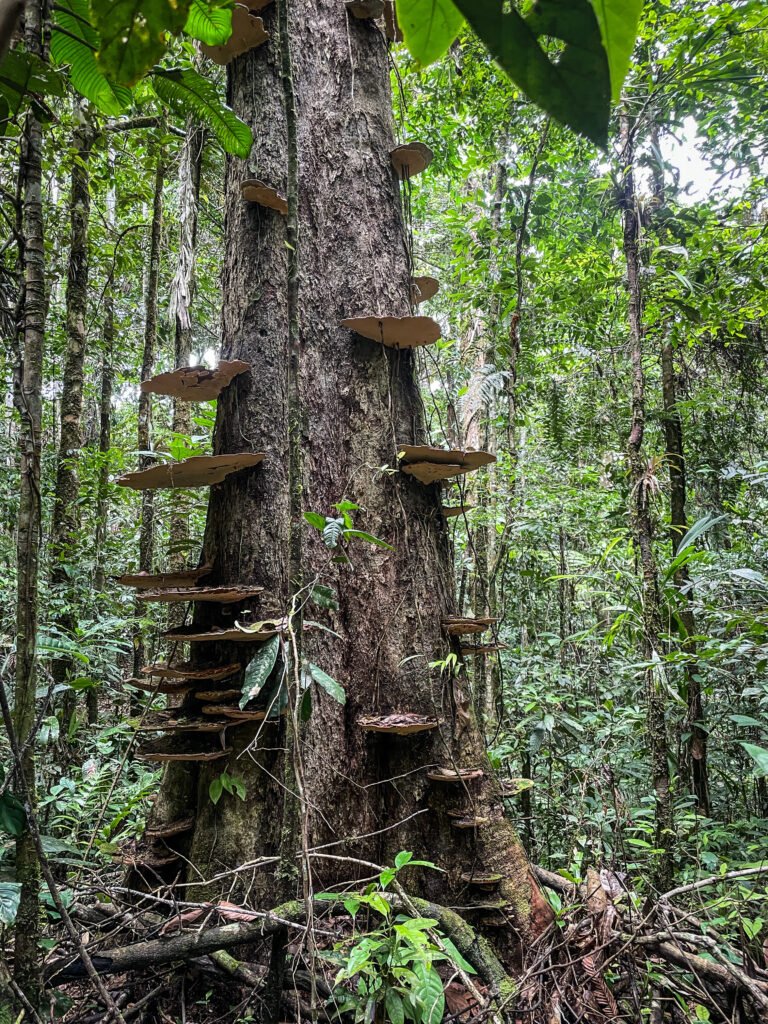
There is also an observation tower that provides a different perspective on the forest canopy, allowing visitors to appreciate how dense and extensive the vegetation really is. To climb it, you will need to use a harness, which you may get from the guy at the reception, if you are lucky enough to meet him there. Unfortunately, we weren’t, and we met him after we came back from the hike as he just came to collect money (6 USD for international visitors).
To get there, take the canoe to the other side of the Napo River and then ask around for a tricycle or taxi to the reserve. It should cost between 7-10 USD one way. Ask the driver for a phone number so you can contact him/her to pick you up after the hike.
Caiman Lagoon
For another wildlife-oriented excursion, consider visiting Caiman Lagoon, located in the Ahuano area, further along the Napo River.
The attraction is situated on Anaconda Island and can be reached by river transport, making the journey part of the experience. Going that way would be expensive, so you may consider catching a bus, but you would need to cross the Napo River first, then take a tricycle or taxi to the crossroads with road #436 and wait for the bus there.
As the name suggests, the lagoon is known for its caimans, reptiles belonging to the alligator family that inhabit freshwater environments throughout the Amazon basin. Guided excursions provide an opportunity to learn about these animals and their role in the ecosystem.