Tag

featured

Browsing

New day, new adventure! I woke up early and took my bags down to the reception. I was going to Great Barrier Island for 2 days only, so it didn’t make sense to take the whole luggage. Probably due to early hour, no one was there though, so I just left the note and 3 NZD fee hoping that my luggage will still be there when I arrive back the next day.

After doing some research about Great Barrier Island, I felt like I am going on an adventure. No ATM, no supermarket, solar energy or power generators, unsealed roads, no streetlights, limited mobile coverage. Sounds cool, doesn’t it? 

Great Barrier Island got its name from James Cook, as it lays like a barrier between the Pacific Ocean and Hauraki Gulf. Indigenous Maori people called it Aotea, meaning ‘Cloud’. It’s New Zealand’s fourth-largest island, after North, South, and Stewart.

Ferry or plane?

From Auckland, there are 2 options: either by plane or by ferry. 

The ferry is operated by SeaLink and in high season goes once per day, departing Auckland at around 8:00 AM and arriving at Tryphena 4.5 hour later or to Port Fitzroy 5 hours later. The cost is around 115 NZD for the return trip. It is quite a long travel if you just plan to drop by for 2 days as I did. 

Therefore, I decided on 30 min flight with Barrier Air. Yes, you will spend more money as the flight will cost you around 200 NZD. But people say that time is money. Taking a flight is also a more scenic way of arriving on the island. The plane is small, you have great views through the window being able to admire other islands from Hauraki Gulf such as Waiheke, Rangitoto, Little Barrier as well as the Coromandel Peninsula. The airport is at Claris, 12 km away from Tryphena where you can find accommodation, shop, pharmacy, and (as everywhere on the island) expensive fuel.

The hassle-free way to get to the airport in Auckland is with SkyBus. I bought the ticket online and enjoyed a 1-hour ride using free WiFi and reading about my next destination. Buses depart very frequently from Auckland CBD.

How to get around Great Barrier Island?

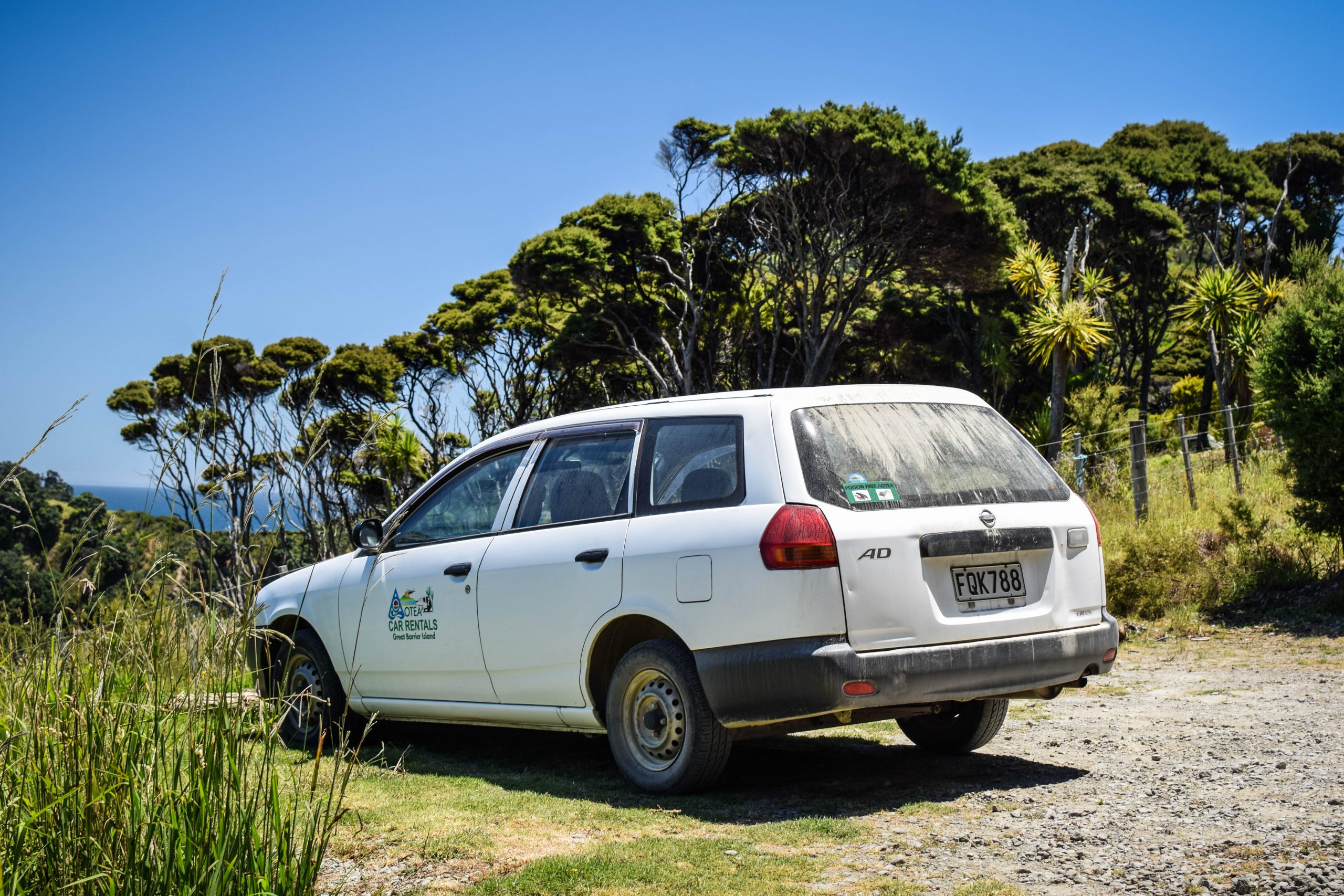
As the name suggests, Great Barrier Island is pretty big, so walking is not exactly the best idea. There is some bus going around but you will rely on the schedule and many of the scenic bays will be out of your reach. That’s why the best idea is to rent a car. I booked the one with Aotea Rentals – Nissan AD for 70 NZD per day. Never heard about a model like that but its youth time definitely passed a long time ago. It had so many scratches already that I knew that even if I make another one, that wouldn’t make a difference. It was still a decent and economical car that took me without an issue to all the places that I wanted to go to. Additionally, it has a big truck so it’s an extra advantage for people travelling in groups. The guy from Aotea Rentals was waiting for me at the airport and when I asked how should I return the car, he said: ‘just park it here and leave the keys inside’. Fair enough!

Driving on the island was quite an experience. Roads are narrow, sometimes sealed sometimes not. And it was the first time in my life that I had to drive on the left side of the road! Luckily even in high season, the traffic on the island is light, so after a while, I started to feel comfortable.

On the way to Port Fitzroy, I saw some shady bare foot hitchhiker and I felt the impulse to stop. He happened to be retired Kiwi fella that was going back to his boat parked in a bay down the road. Well, you can say – that’s life. We had a nice chat even though the Kiwi accent is sometimes beyond my understanding. And he thought all the time that I am from Holland, not Poland. Quite a common misunderstanding here, which I learned in the following months.

Here is the MAP of the island:

www.greatbarrier.co.nz

Top things to do and see

Dark Sky Sanctuary

Beautiful beaches and nature were not the only things that encouraged me to visit the Great Barrier Island. Another one was the fact that it’s one of 10 places recognized as International Dark Sky Sanctuaries (others being in Australia, US, Chile, South Africa, and the Pitcairn Islands). Remember when I said there is no electricity? This and the fact that the island is nearly 100 km away from Auckland make the night pitch black. It is an amazing spectacle in the sky. The best way to admire the Milky Way and other interesting constellations that can be seen in Southern Hemisphere is to spend the night camping.

Kaitoke Hot Springs

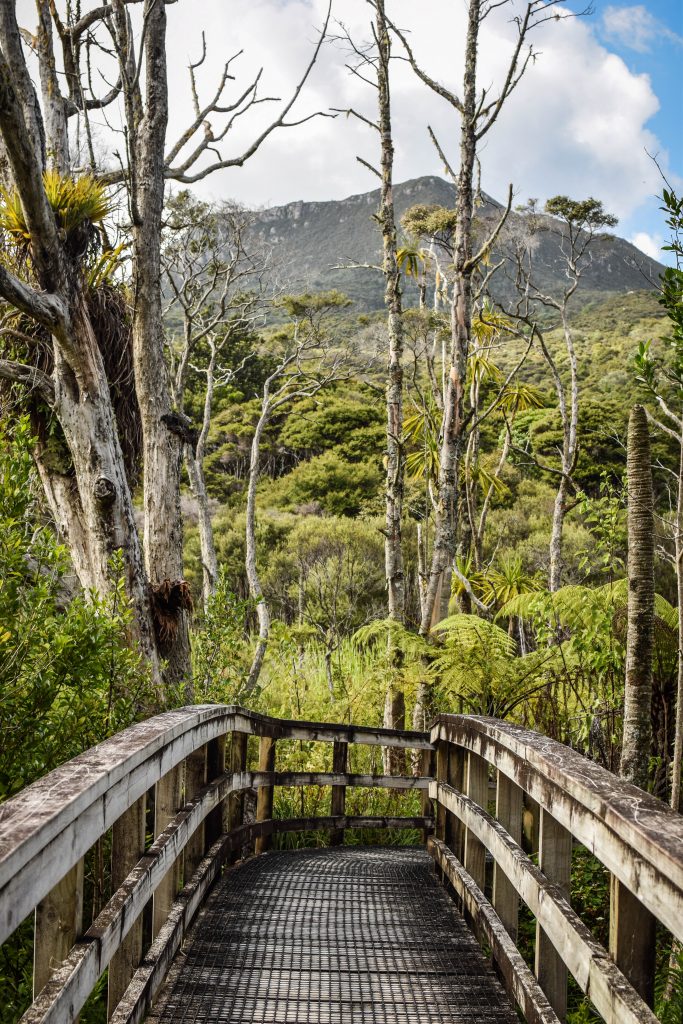
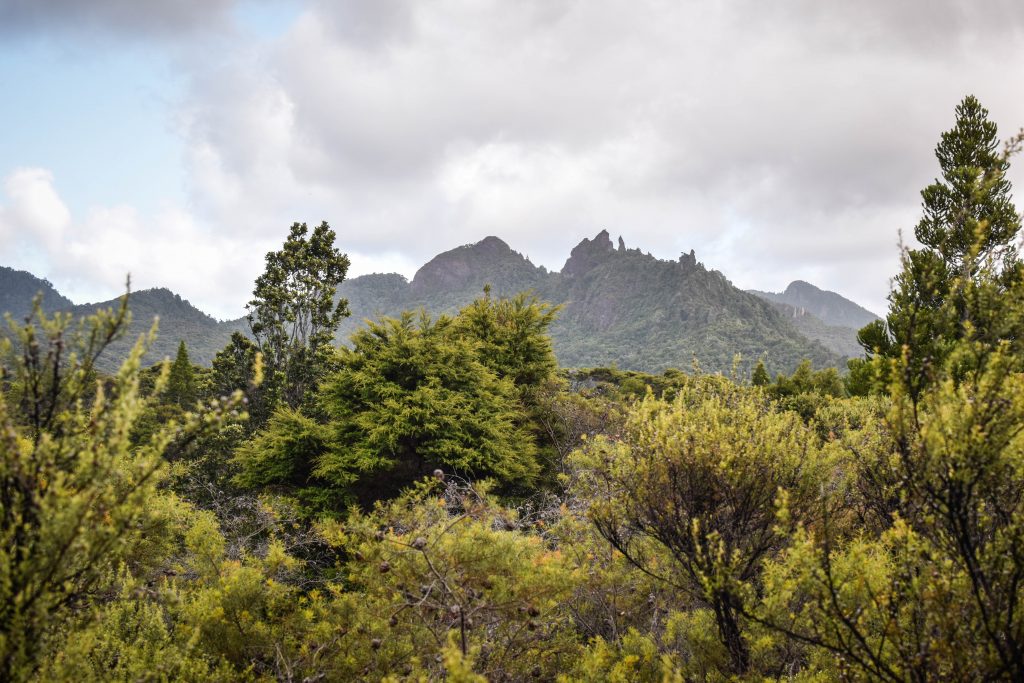
My first destination was 45 minutes track leading to forest hot springs. The track was completely empty and at some point, I started to doubt that I’m going the right way, but when I finally reached the spring, 3 folks were already enjoying their time there. I continued the short way up to the lookout and then came back meeting many more people heading the opposite direction. I guess not everyone is going for the hike straight after arrival at 9 am. The track starts and ends at Whangaparapara Road.
Great Barrier Island

Windy Canyon & Mount Hobson

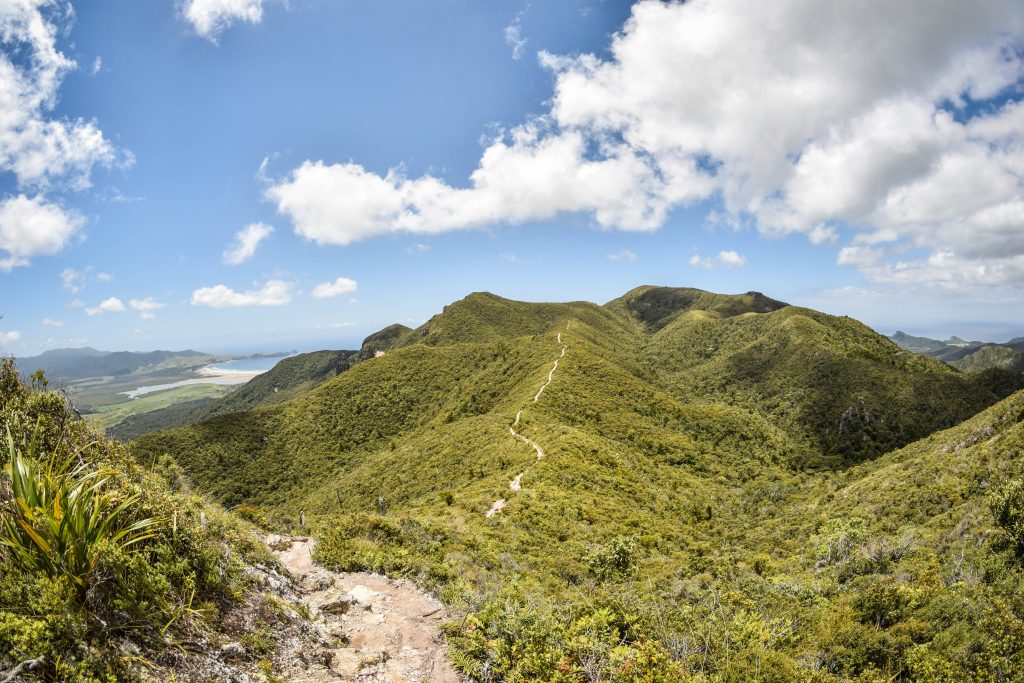
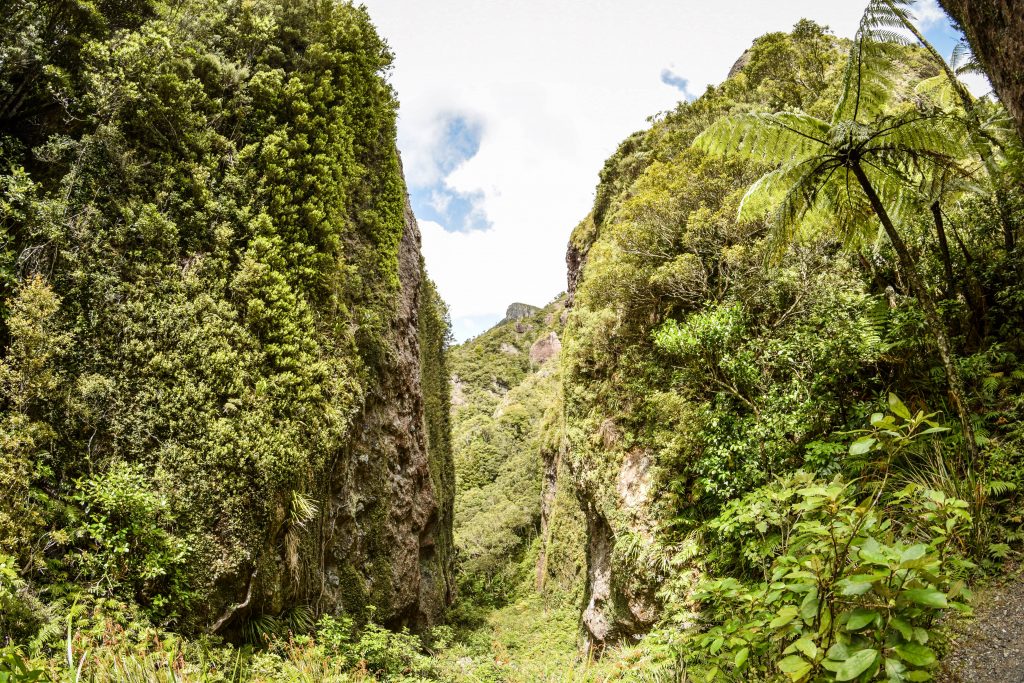
The most scenic short hike on the island and, according to me, the best thing to do in general. You reach Windy Canyon around 10 minutes after departing from Aotea Road, and then continue for another ca. 2 hours to the highest point of the island – Mt Hobson (621m). Views from the top are simply magnificent and no picture can do this place justice. Go and see by yourself!
Track to Mount Hobson
Great Barrier Island

Ruahine Lookout

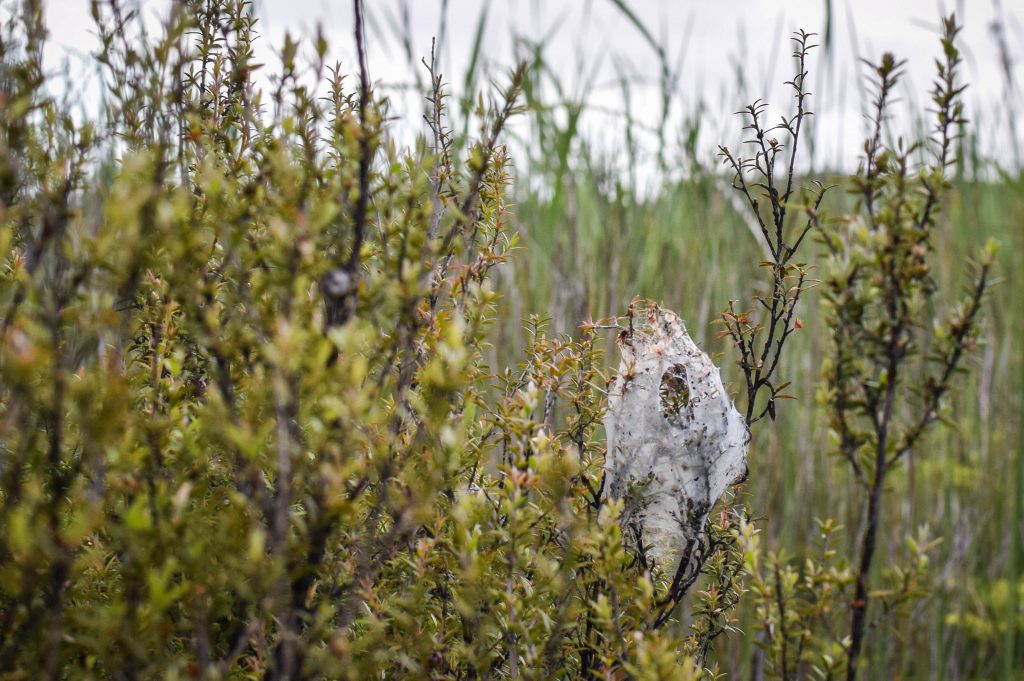
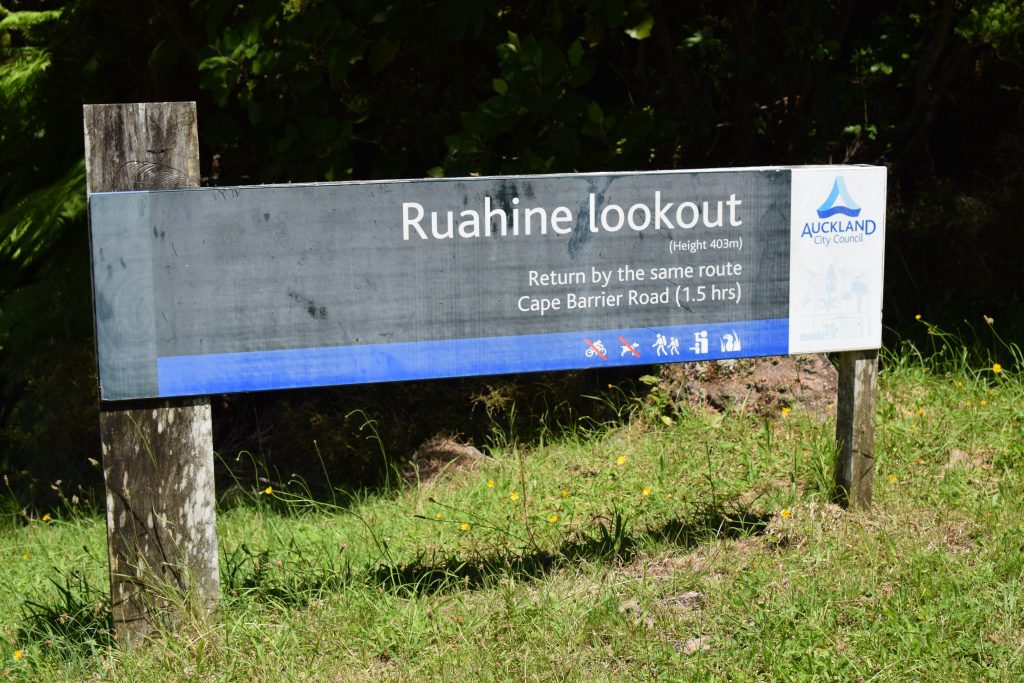
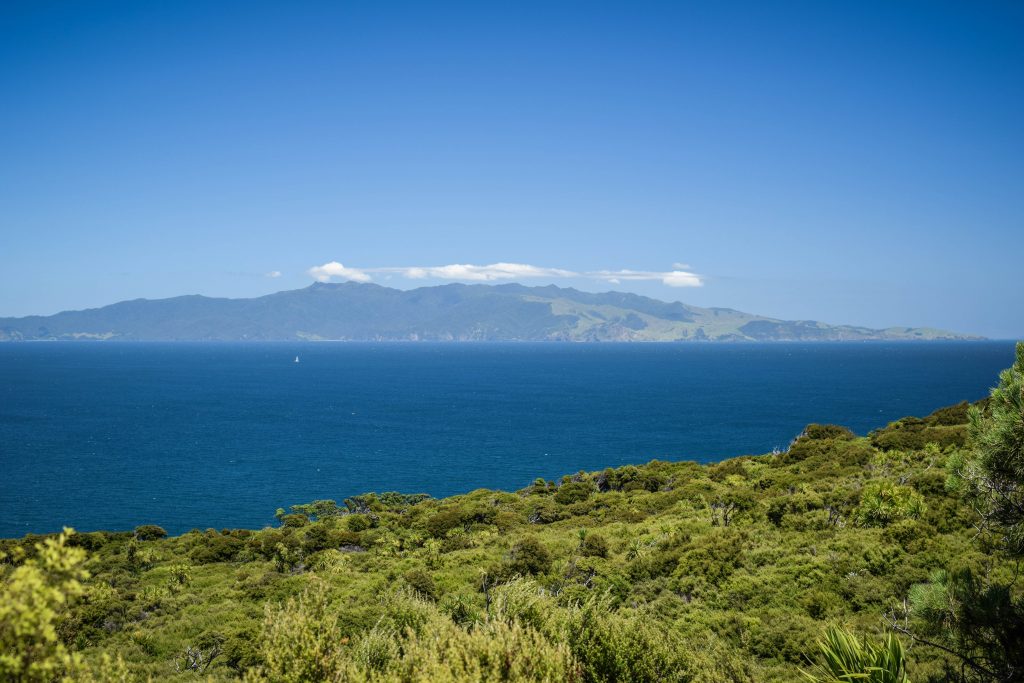
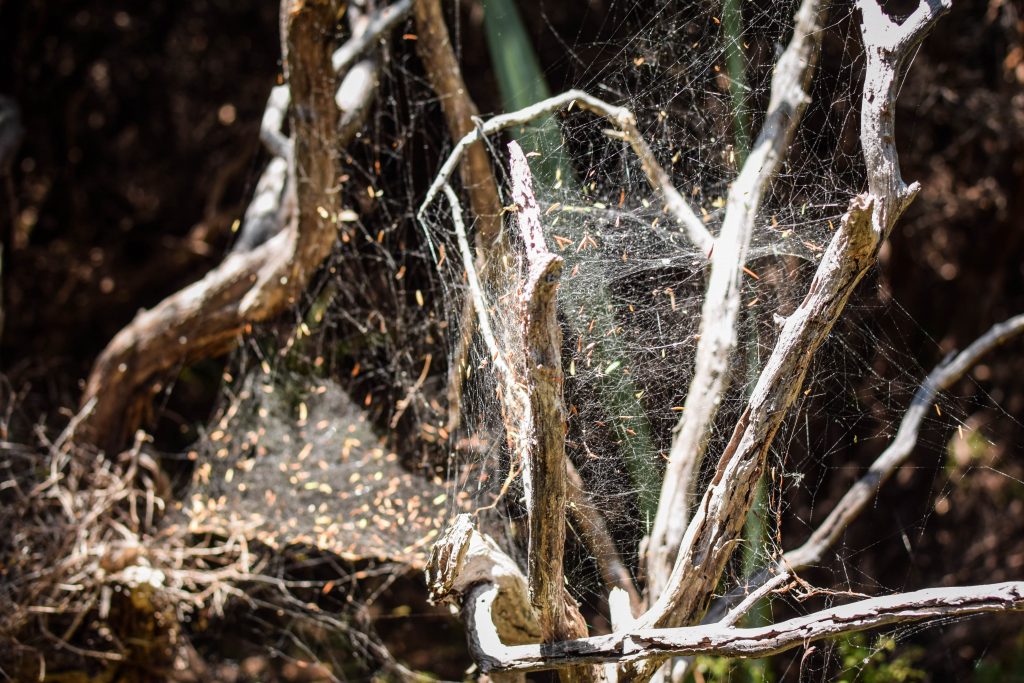
Even though there was a sign ‘4WD only’ I took the risk and drove down to Cape Carrier. From there I followed the track down to Johnson’s Bay and then up the mountain. Bloody hell, I had the feeling that I was the first hiker on this trail for several weeks. Not meeting a single soul on the way up and down and having my face literally covered with spiderwebs seemed to confirm that. Close to the summit, there is Ruahine Lookout proving decent but not the best ocean views. It’s quite a steep climb taking anything between 3-4 hours return, depending on your shape. Luckily my car got out of the parking without any issue so if dry, I would say 4WD is not essential.
Great Barrier Island

Whalers Lookout

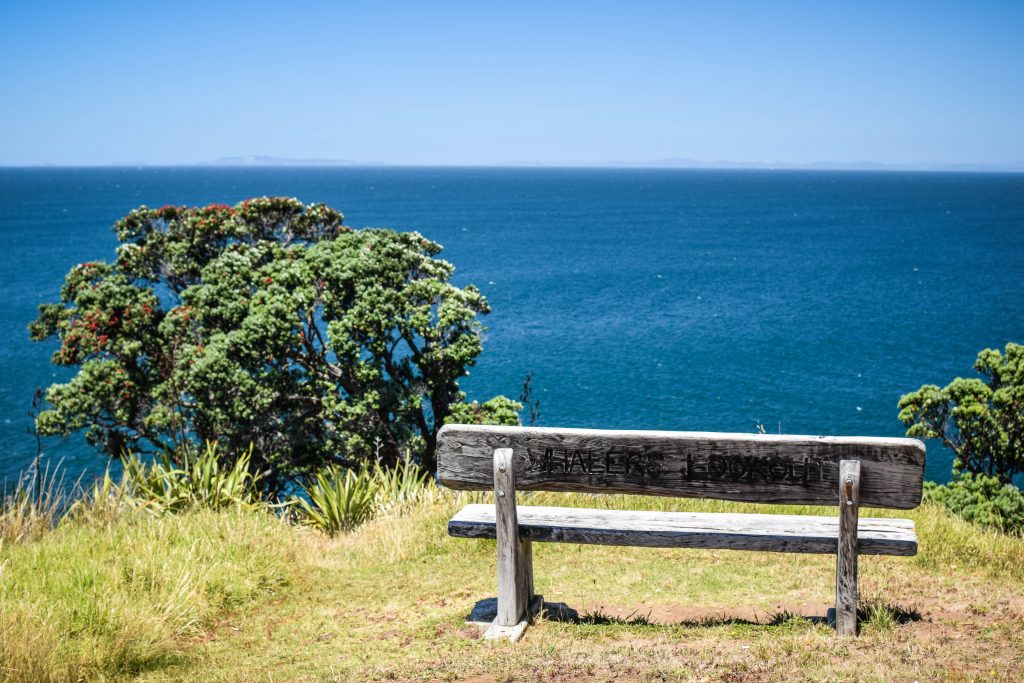
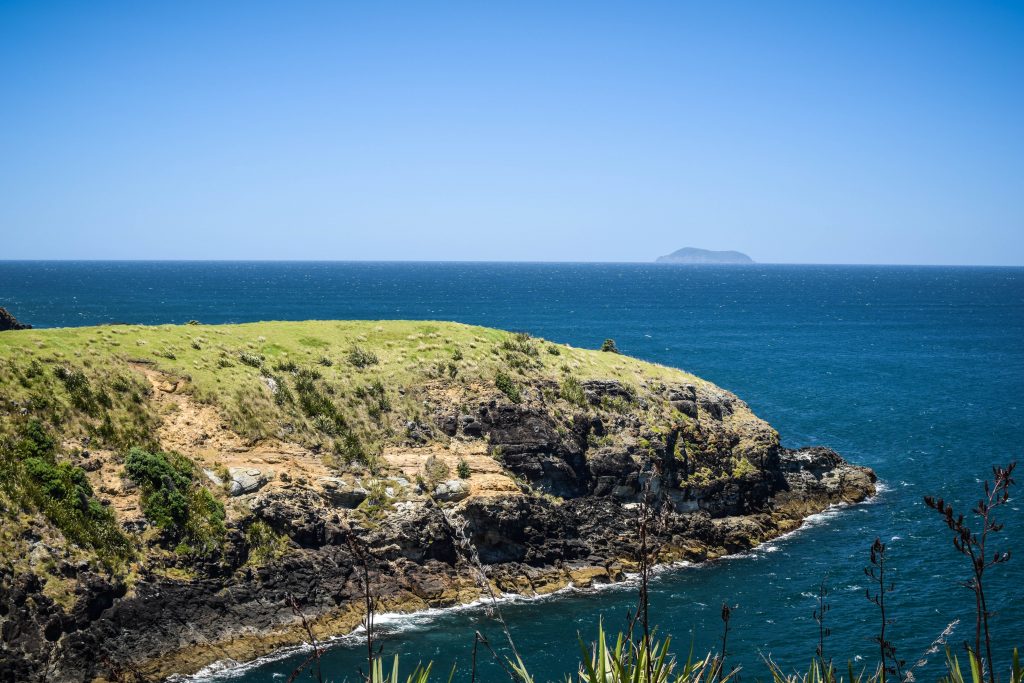
You can make it a destination on its own or just a stop on the way to Ruahine Lookout. Reachable from Johnson’s Bay, it’s the southernmost point of Great Barrier Island. There is a nice bench to have a rest and wait for the whales to make a splash, however, you have to be very lucky to actually see one.
Great Barrier Island

Other hiking trails

Track to Mt Hobson is obviously not the only one on the island. There are amazing alternatives available, ranging from being just a couple of hours warm-ups, such as:

  • Tramline Track (6 h) following old tramline used by the Kauri Timber Company during the 1920s and 1930s.
  • Harataonga Coastal Walk (4-5 h one way) which is an easy and flat track with superb views of the coast.

… to some being multiple-day adventures:

  • Aotea Track (2-3 days) – the father of all hikes on the island, 25 km long loop encircling central mountain area. There are two huts on the way available for overnight stay.

Check the website of the Department of Conservation and select the hikes you like the most! In all cases be well prepared: take plenty of water, snacks, sun cream, hat and tell someone about your plans and expected return time.

Beaches and bays

If you like chilling on the sand (and I mean really white sand), you will have a blast here. The population of the island is around 600, increasing with tourists flow especially on summer weekends, but it’s still possible to find a perfect spot on the beach just to yourself, without anyone in the sight. There is more white sand beaches with fine surfing opportunities on the East Coast: Whangapoua Beach, Haratonga Beach, Awana Beach, Kaitoke Beach or Medlands Beach. You can feel the power of the ocean here! On the other hand, West Coast is dotted with calm bays giving even wilder and more remote feeling: Karaka Bay, Katherine Bay, Whangaparapara or Okupu Bay.

Port Fitzroy and Glenfern Sanctuary

Port Fitzroy is the arrival point of the ferry from Auckland CBD. There is a general store, a boat club, an information desk and fuel station.  Old Lady Track (45min – 1h) is a great way to straighten your legs and it has a steep side trip (30 min) up to Lookout Rock with stunning views over the harbour. Another point worth checking is Glenfern Sanctuary Regional Park located nearby. They offer self-guided or guided walks in the huge predator-proof area where endangered species of birds can recover. The loop walk is the most popular one.

Make a splash!

There are heaps of water activities to choose from: surfing, kayaking, fishing or diving. Numerous bays are also a heaven for all yachts lovers. You can also go the cheap way  – just relax at Kaitoke Hot Spring or at one of many scenic white sand beaches.

Was it worth it?

Yes, it was! Going to Great Barrier Island isn’t particularly cheap, but experience even half of what the island has to offer and you will certainly not regret it!

Questions? Please write a comment 🙂
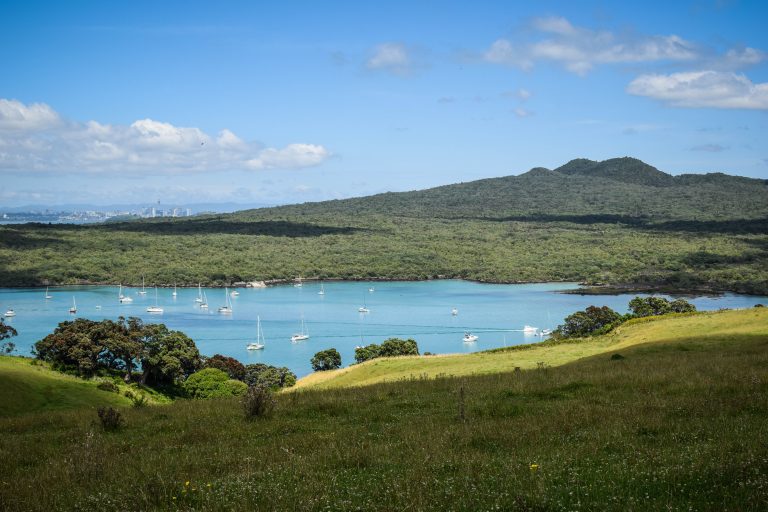
Being a bit tired of big city life, I decided to spend another day in NZ closer to nature. Waking up early (probably jet-lag started to catch up on me) made it possible to board the first ferry of the day going to Rangitoto Island. 

Rangitoto is one of 50 volcanoes around Auckland, last time erupting around 600 years ago. It is still active and basically can erupt anytime. How fun for Aucklanders!

How to get to Rangitoto?

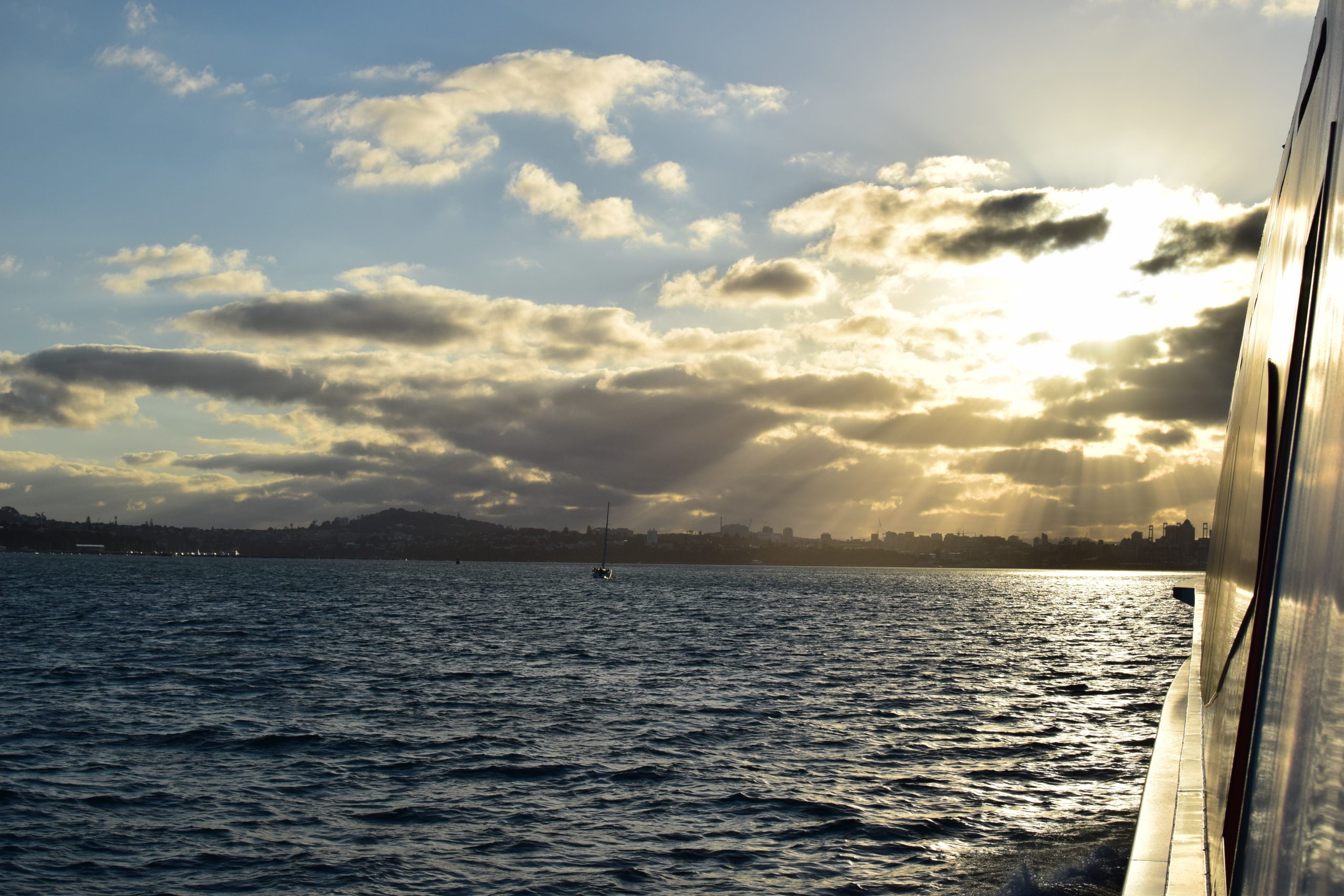
The connections between Auckland and surrounding islands are operated by Fullers and the return trip to Rangitoto lowered my budget by only 39 NZD. Not too bad for the whole day trip visiting two islands, isn’t it? The cruise takes just 25 minutes but what a scenic 25 minutes it is. You will pass by Auckland Port as well as fancy Davenport district with its Mount Victoria and historic reserve at Davenport.

Rangitoto

Hiking on Rangitoto Island

Once the boat arrived at the wharf, I and pretty much all the other passengers went on to climb the top of the Rangitoto volcano which stands 259m above the sea level. The climb is a too big word though, it’s rather a gentle walk up through lava fields that is 3.1 km long, with the only steep part at the very end (stairs). The effort was rewarded with the view of the crater rim and, once at to the higher viewpoint, your eyes open to the sublime panorama of Auckland and Hauraki Gulf.

Along the path to the top (or when going back down), you can make a small 15 minutes detour to explore lava caves. If you like dark, wet and insects’ friendly places – you just found one.

After taking a couple of panoramic pictures, I decided to take another way down towards crossroads with Summit Rd, then turn right and go to the beginning of Boulder Wreck Bay Track. Here I understood why everyone suggests wearing sturdy shoes on Rangitoto. I was walking on lava rocks. Big. Sharp. Getting hotter and hotter with every minute. My sports shoes tackled the summit without an issue, but here the discomfort and (shortly after) pain became significant. 

The track is about 45 minutes one way until you reach the bay that is now the graveyard of over 10 vessels that were parked here for disposal between 1887 and 1947. Some parts are well visible, especially during low tide.

After another 45 minutes back to the main road, it was time to change the scenery and cross the bridge to much grassier Motutapu Island.

Hiking on Motutapu Island

There are several tracks on the island (including 4.5 h loop track) passing by remains of island’s rich history from the times when there were Maori settlements, Victorian picnic parties or WWII military base. However, having covered a couple of kilometres on Rangitoto already and being short on time before the last ferry back to Auckland, I decided to walk to Emu Point and back. After all, missing the last ferry and being stranded on the island without food and water didn’t sound like a good idea.

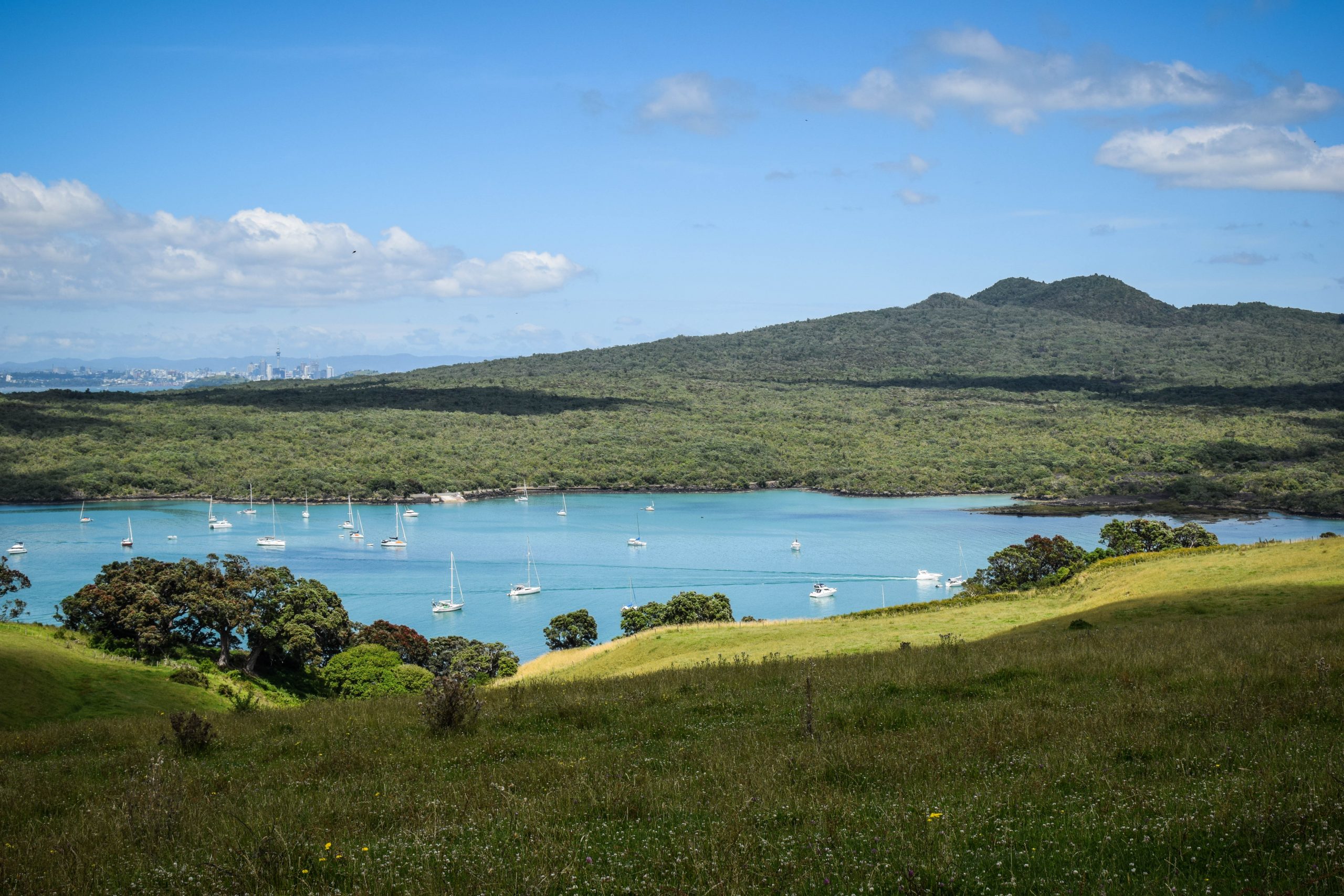
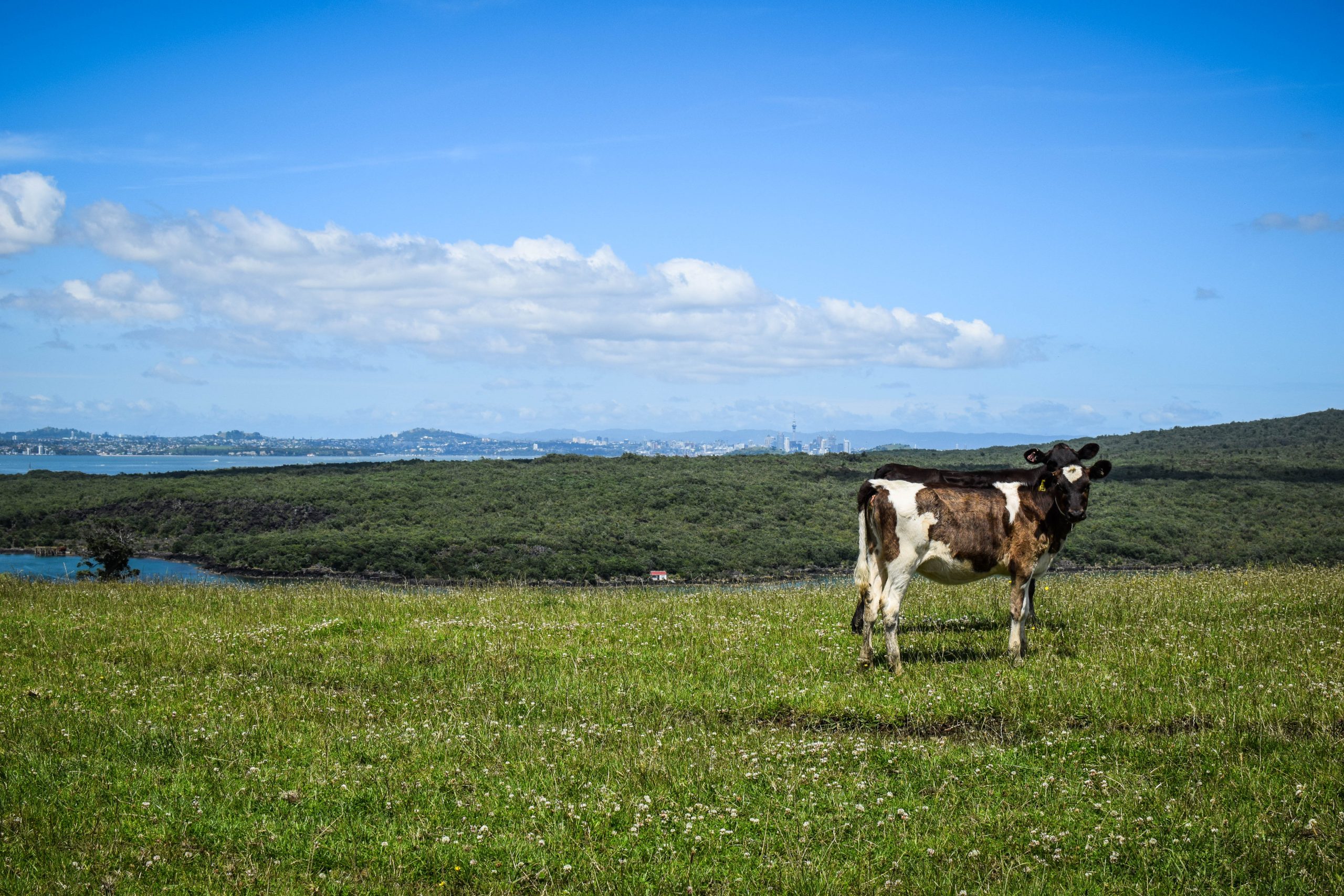
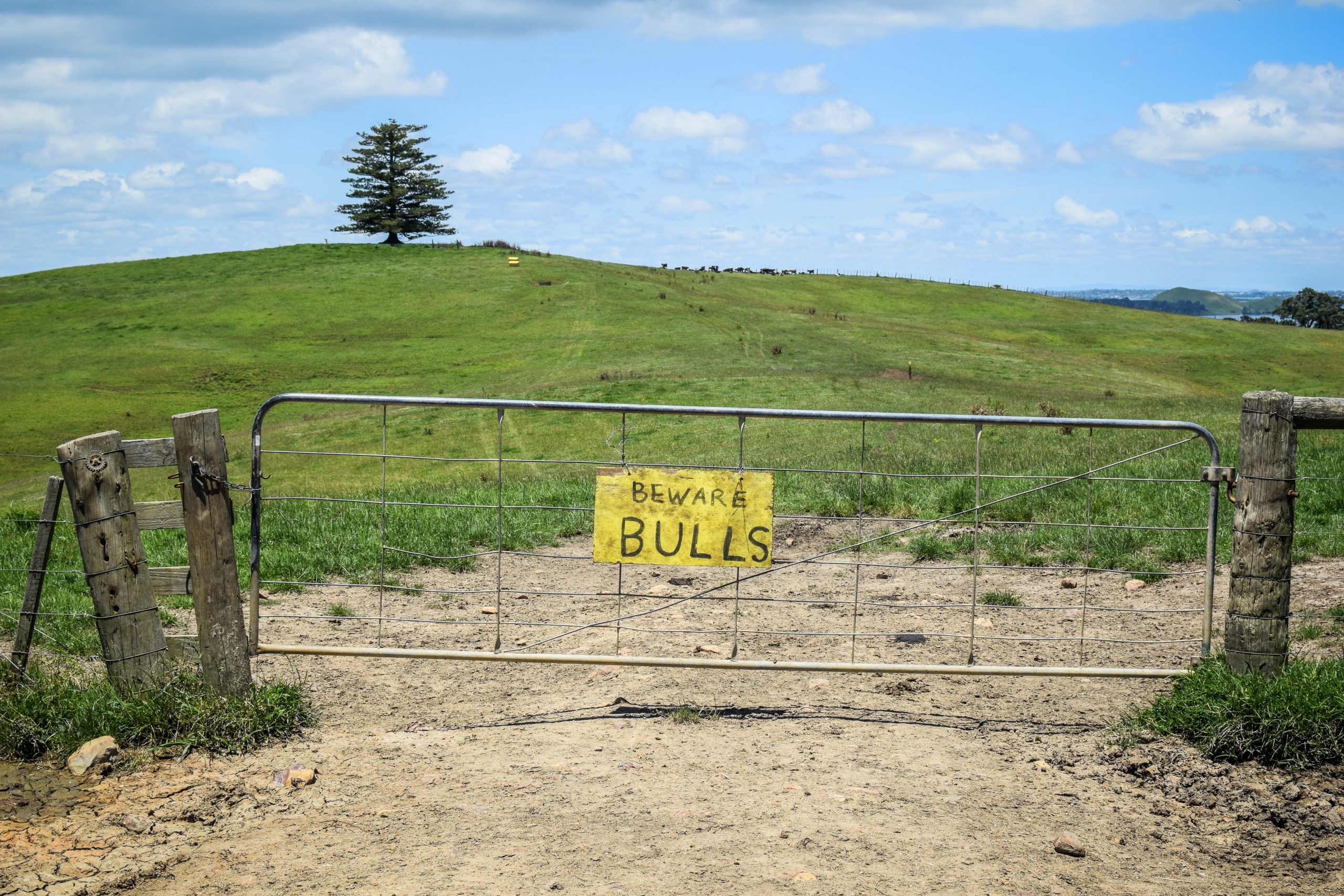
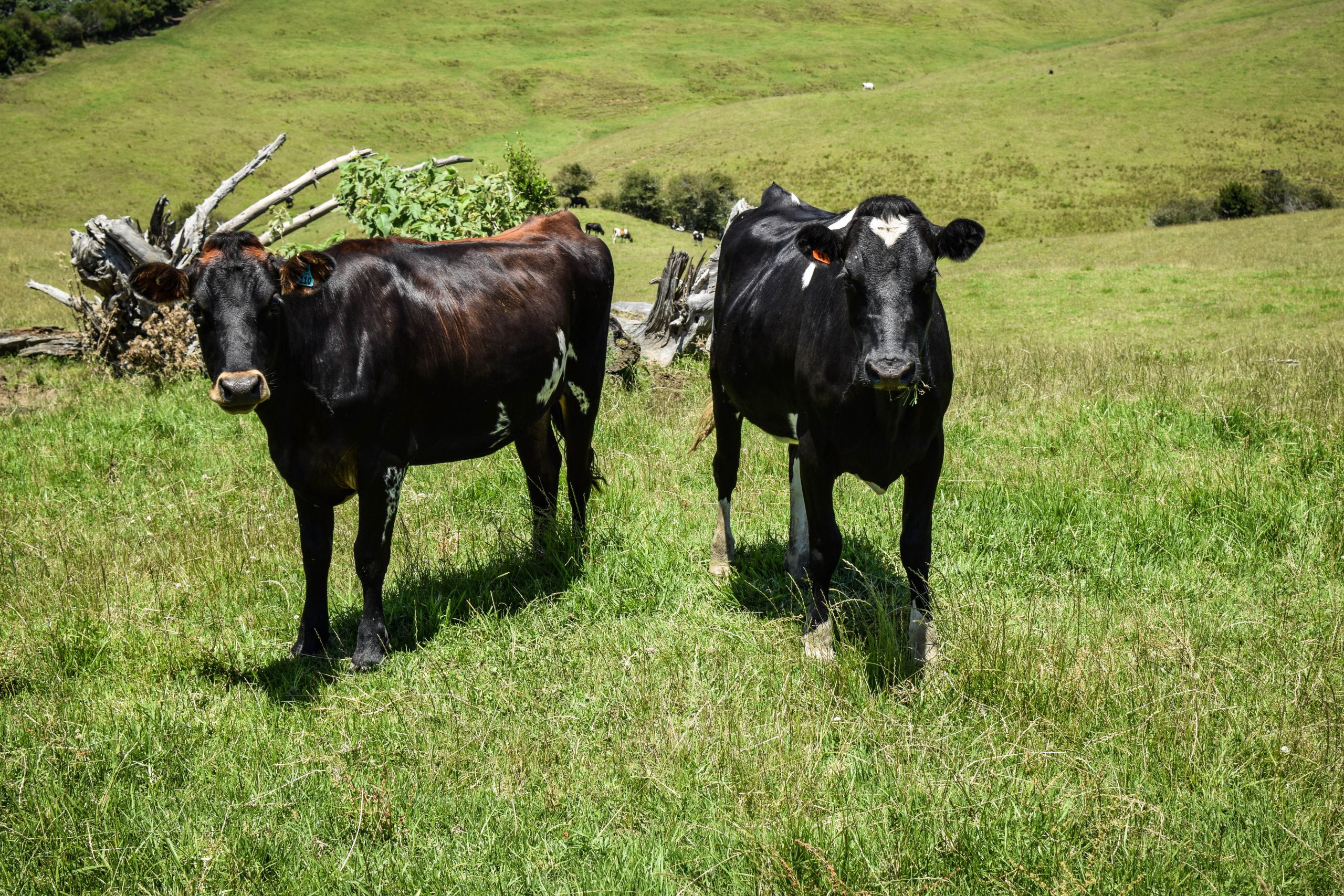
What a change after rough rocks at Rangitoto! Here you are walking through grassland that is mainly a playground for bulls so the only thing you must take care of is not to step into their fresh poo. Views are particularly nice with Rangitoto Island on one side, the panorama of Auckland on another and plenty of yachts in between.

Motutapu Island

If you wish to extend your adventure, it’s possible to camp overnight at Home Bay. Home Bay is also a place where you can catch the ferry back to Auckland (less frequent than from Rangitoto, check the schedule first). In my case, I just retrieved my steps and came back all the way to the wharf on Rangitoto Island following very scenic and even very rocky Coastal Track (around 2 hours). Rocks were not the only bad news. Another one was that I was running low on drinking water so during the last hours I had to deal without it.

If you still have some time before the departure, you can check the small Bach Museum. Baches are a typical kiwi style summer houses built here. Quite cool to have a summer house on the active volcano and just drop by from time to time from Auckland! This is also probably the only place on the island where you can buy drinking water. A small bottle cost 2 NZD but I was seriously so thirsty that I would have probably paid 20 NZD if necessary. Such a relief!

Is it worth visiting Rangitoto and Motutapu Islands?

I can say it was an awesome second day in New Zealand. Both islands are full of incredible scenery and even though they are so close to Auckland, it feels to be miles away. The trip taught me important kiwi lessons, that stayed in my mind for next travels.

Firstly, if you are uncertain about how hiking track looks like, always prepare for the worst and take sturdy shoes

Secondly, don’t underestimate your water supplies. Taking too much and carrying it in your backpack is still better than walking in the heat without a single drop.

Finally, always use sun cream! This part I learned after being back at the hostel. Probably I looked like a typical tourist on the first days in New Zealand. Well, true story. New Zealand’s sun can be very deceptive. Even though it doesn’t look very sunny, you can still get badly burned.

Landed!

Auckland International Airport. Despite all the information that I read before, the arrival and immigration process went fairly smoothly. I wasn’t asked to show an exit ticket and got a stamp in my passport with a free visa for up to 3 months without an issue. Biosecurity went fine as well. My hiking equipment was in good shape though. Brand new tent and hiking shoes used only a couple of times in the forest in Poland, therefore the officer just had a quick look at it and told me to move on. Some other guys that had their stuff much dirtier had to wait a couple of minutes until all the things were returned to them washed and clean. Not a bad way to get your hiking shoes polished!

The easiest transport option from the airport to the city centre (also called CBD – Central Business District) is SkyBus. It operates frequently 24/7, the trip takes about an hour, free Wi-Fi onboard. All of these for 17 NZD one way or 32 NZD return. Tickets can be bought either online or directly at the airport.

View on Auckland CBD from Wynyard Quarter

Short background info

Before I start describing my top places in Auckland, let me mention a few important facts from its history. New Zealand territory is slightly bigger than the United Kingdom, however with only 7% of the population. While driving around the country, you will not pass through many concrete jungles. Well, you will not encounter any at all. Even Auckland, which is the biggest city, has lots of green neighbourhoods with villas and the idyllic Pacific Ocean and the Tasman Sea background.

Maori called that area Tamaki or Tamaki Makarau which means Tamaki with a hundred lovers. The land was fertile and located at the waterways going in all directions, hence it was very desired by local tribes. As usual in such cases, conflicts followed.

Being the biggest city does not always mean being the capital of the country. Auckland was one from 1842 when New Zealand’s Governor William Hobson selected that land for capital and named if after first Lord of the Admiralty – Lord Auckland. However, in 1865 officials decided that travelling there all the way from South Island was kind of a pain in the ass and moved the capital to Wellington.

Maybe that was a good decision. I’m not a big fan of walking around the town surrounded by embassies and other government buildings with high fences and security. Today, Auckland has quite a relaxed atmosphere with top-quality museums, restaurants, bars and events. Add to this multicultural twist and you get the vibe that can’t be experienced anywhere else in the country. 

Here, water is never far away. Hauraki Gulf and its islands are boating paradise and Kiwis know how to make use of it. One in three households owns a boat. It’s more boats per capita than anywhere else in the world. All of these could influence the fact that Auckland was voted several times as one of the most liveable cities in the world. 

Top 10 places to see

As I arrived in the morning, my room at Nomads Auckland Backpackers was not ready yet. Dropping my backpack there was as easy as pie though and immediately after I went out. Time to start exploring!

Here are the top 10 places that according to me you should check out in Auckland:

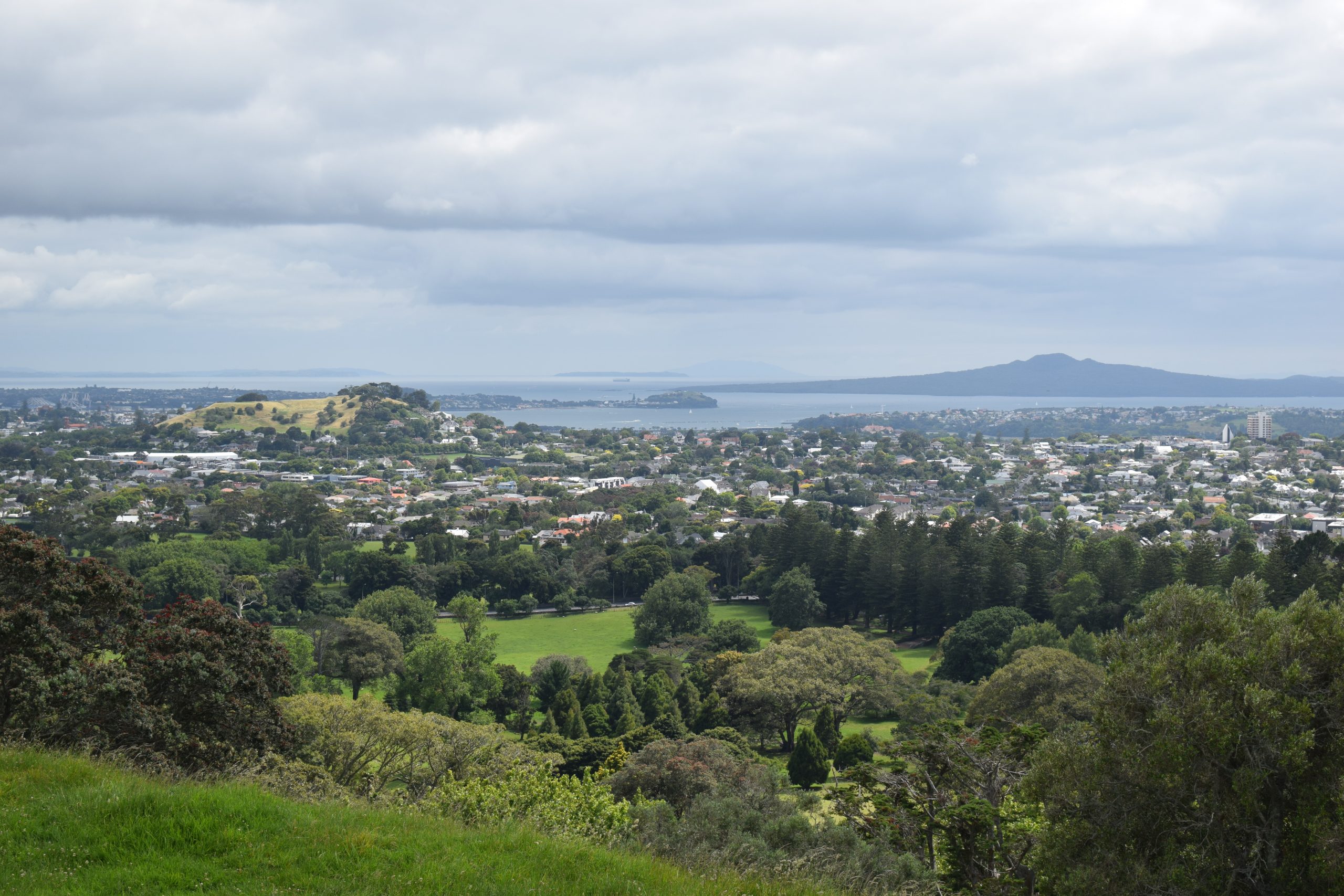
  1. Mt Eden – highest volcanic cone in town (196m). After a short walk to the top, you will be rewarded with panoramic views of Auckland and reminiscence of the last eruption – 50m deep crater. The mountain was once inhabited by Maori and the crater is considered as the sacred site so be respectful and stay on the path. I reached it by public bike from downtown (4 km) which was a pleasant but tiring trip due to numerous hills along the way.
Auckland Panorama from Mt Eden
  1. Walk from Achilles Point to Ohaku Bay – I took an electric scooter to Achilles Point Lookout first and then walked to Ohaku Bay passing by St Heliers Bay, Kohimarama Beach and Mission Bay. The whole walkway is busy with walkers, runners, picnickers and all other types of people spending relaxed time on the beach. If you want to free your mind and especially the body, check out nudist Ladies Bay Beach (men allowed).
  1. Auckland Museum – beautifully located on Auckland Domain, it shows not only Kiwis’ engagement into wars but also extremely interesting exposition about Maori culture. Entry costs 25 NZD for an international visitor but it’s worth it. Allow enough time so you don’t have to rush through. It is among my top 2 museums in New Zealand together with Te Papa Tongarewa Museum in Wellington.
  2. Mt Victoria and North Head – Two volcanic cones located in a fancy area of Davenport, with well-preserved Victorian and Edwardian buildings around. You will notice gun embankments at both sites and underground tunnels at North Head. These are the remains of threats that New Zealand faced from Russians and later on during WWI & WWII. Fantastic postcard view of Auckland on one side and Rangitoto on another from up there. Cheltenham Beach only minutes’ walk away is also worth checking.
  1. Sky Tower – The highest construction on the southern hemisphere providing 360 degrees view around the city and Hauraki Gulf islands. The glass floor still excites a lot of people, some of them laying down and taking selfies. But if you ignore that and just jump above their heads, it’s a really nice place to visit especially late afternoon to see the sunset. The ticket is not the cheapest though – 32 NZD for the international visitor. If you are adventurous, try some extras. SkyWalk around platform hanging 192 meters up can give a thrill. If it’s not enough, then SkyJump must be.
  1. Coast to Coast Track – Did I already mention that you are never far away from water in Auckland? To prove yourself that point you can follow 16-kilometre-long Coast to Coast track Waitemata Harbour by the Pacific Ocean and ending at the Manukau Harbour by the Tasman Sea.
  2. Pasifika Festival – The big event taking place every year in March at Western Springs Park. Auckland has the biggest Polynesian population of any city in the world so if you are around at this time of the year, check the details on their website and don’t forget to drop by.
  1. Viaduct Harbour / Wynyard Quarter – both places are connected by a bascule bridge and offer plenty of restaurants, bars, fish market and simply nice opportunity to admire millions floating on the water (yachts).
  1. One Three Hill – looks like another volcanic cone with sheep on its slopes. However, back in the past, it was the largest Maori fortification in the country with a population of around 5,000. Today there is an obelisk dedicated to Maori at its top. Cornwall Park below the hill is also worth exploring.
  1. Auckland Art Gallery – main public art gallery in town with emphasize on NZ artists. Current expositions are listed on their website so check if there is something interesting for you. Entry 20 NZD for the international visitor.

These places didn’t make it to the top 10, however, I still consider them as worth visiting:

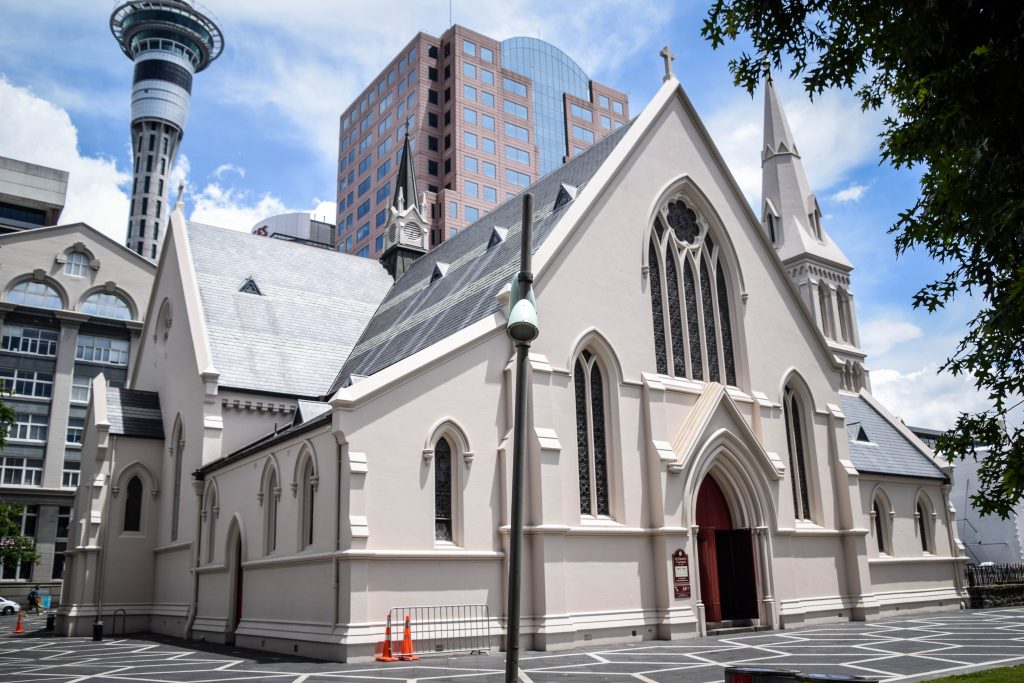
  1. St Patrick’s Cathedral – nicely fitted between taller office building in Auckland CBD. Founded by first Catholic bishop in New Zealand – Jean Baptiste Pompallier.
St Patrick's Cathedral in Auckland CBD
St Patrick’s Cathedral in Auckland CBD
  1. University Clock Tower – 54-meter tower is the centrepiece and symbol of Auckland University. In the past, it housed various departments, library and University Hall. Currently, there is Student Administration and the Council Room. It was closed when I was passing by but apparently interior is worth checking out. It’s vaulted and consists of floor mosaic.
  1. New Zealand Maritime Museum – vast museum touching the topics of first vessels of Polynesians explorers, whaling & sealing, navigation, maritime trade as well as the more modern story of America’s Cup.

I would say that 3 days I spent in Auckland were enough to get the feeling of the city. Add some extra if you wanna visit Hauraki Gulf Islands such as Waiheke, Rangitoto or Great Barrier. Stay tuned and contact me or comment below in case of questions about Auckland!

I will start with something not that surprising – I really like travelling. You may ask: who doesn’t?

Fair enough.

I don’t know too many people who say no to going to the country they haven’t been before, hang around here and there, take a couple of selfies #paradise, sweat the stress out on the beach or getting dirty when hiking.

But then, after 2 or 3 weeks (if you are lucky), all of it ends and suddenly you come back to… daily routine.

Sounds like the standard holiday, doesn’t it?

More and more people decide to go on long-term travel and everyone does it for different reasons. For some, it’s burnout, broken heart, the need to change something in their lives, or a desire to experience an adventure. All the rest dream about such a journey, but they never go for it. There are even more reasons for that and they deserve a separate article. Some are ridiculous and serve as excuses to mask what we really feel. Fear of leaving our comfort zone.

I could never stand boarding the plane back home with that disappointment in my head. Is it really finished already? Do I really have to wait another couple of months to feel the excitement that comes with travel preparation?

Many people enjoy the routine. It gives them the level of security that they need. What will happen tomorrow? Just another day in the office, colleagues bitching around about deadlines, back home, eat, sleep, repeat. Maybe you could fit Netflix somewhere in between. Some say: “shitty but stable“.

That’s the way most people follow and so did I until I made my mind to stop postponing dreams for later. I was 28 years old, finishing my 1-year work assignment in Germany, being tired of corporate life and without any big plans what to do next. Hard to imagine a better moment for some serious decisions, isn’t it?

So I started to check the ground and asked my boss how about I take unpaid leave for a couple of months. To be precise: 10 months.

Back then I asked it more in a joking way, but the response was positive, so I kept digging the topic further. At some point my excitement was so huge that I knew, with or without unpaid leave, I will do it.

I will go for long-term travel.

Big corporations have one thing in common (well, there is more but only one was relevant for me back then) – they usually don’t disappear from one day to another, so you always can hire yourself back if not in the same one, then another. Not much difference anyway. Luckily, after a short time I had the green light from my employer, that, of course, gave me peace of mind what I will do if something goes wrong on the way. I could basically come back anytime to my old job in Gdansk.

The big question appeared shortly after – where to go?! Having such a long time, I wanted to go to places that I cannot easily visit Europe for a regular holiday. Two options appeared in my mind and the battle started: South America vs. Australia & Oceania.

My usual problem is that I always want to go everywhere and see everything. I don’t like to just drop by to 2-3 major tourist attractions in a certain country and move on to the next one. I bought a one-way ticket to Auckland, New Zealand. Planning to spend there 3 months, meaning as long as tourist visa allows. Then, my plan was to travel around Australia for another 3 months. And the remaining time? Didn’t make sense to plan so much in advance. Depending on my feeling and obviously budget, I left the decision to be made once I am in Australia.

So here the moment came, packing all my things to boxes and first moving from Germany back to Poland. Packing for me somehow is not too difficult, but unpacking…damn, I hate it. Luckily I separated the things that I potentially will take with me on the trip from all the others, so most of the boxes I didn’t even have to open later at all.

But packing also helps me to realize how many things I still don’t have but I need! Tent, sleeping bag, sleeping mat, cooking stove, hiking shoes. All of these I had to buy only a couple of days before departure with no time to test it outdoor. But that’s only added more fun.

Check out the tent I got especially for this trip: MSR Elixir 2-Person Lightweight Backpacking Tent. It’s made for 2 people but light construction should satisfy solo travellers as well. It did satisfy me and extra space was awesome!

The last meeting with family during Christmas was just fine but I was already counting hours. A good occasion to eat a lot of traditional polish food though, especially before starting canned tuna, canned chicken, canned whatever else and pre-boiled rice diet. One day after Christmas I was all good to go and early morning I was already sitting on the train to Warsaw airport.

First flight From Warsaw to Prague was just fine. Then from Prague to Seoul not too bad either. But when I boarded the plane going from Seoul to Auckland (another circa 10 hours) I realized that I’m really going far away from home.

Ah… and I realized on more thing. The decision about long-term travel was the best that I could take.

Checking out traditional goulash and dumpling during first stopover in Prague.
Stopover in Prague was a good excuse to check out traditional goulash and dumplings

In fact on the airport in Seoul, I came across that brilliant and not original at all idea that I will write down my memories from each day of travel. More for myself, because I know from experience that my memory is not that good with remembering things I did a couple of years ago. Especially when travel life is a bit more dynamic and packed with activities than working life.

Second stopover - Seoul airport
The very modern and traveller-friendly airport in Seoul

I didn’t take my laptop, just a crappy mobile phone and camera. But hey, what’s wrong about writing in a classic old school notebook? Well, not much besides that it makes the blogging part a bit more difficult.

That’s why you read the post now after I already came back to Poland. Nevertheless, all emotions are still alive and I want to share with you my experiences, stories and the most beautiful places that I encountered on the road.

What happened after landing in Auckland and what’s worth to see there? Read the next post!

Stay tuned!