Tag

mountain

Browsing

Introduction

Numerous beaches, ocean, forest, mountains, waterfalls and rich history. It’s a perfect combination for every holiday. Add to it relaxed vibes as well as proximity to Auckland and you will get a very popular place for summer escapes from a big city.

The area was occupied by Maori long time before the arrival of Europeans. Unfortunately, the distance from Auckland, availability of kauri timber and discovery of gold resulted in intense colonisation and Maori lost most of their lands by the 1880s.

The Peninsula was named after HMS Coromandel, a ship of the British Royal Navy that stopped at Coromandel Harbour in 1820 to purchase kauri spars. The ship was named for India’s Coromandel Coast.

The following itinerary encircles the peninsula from east to west and assumes that you have your own transportation.

Day 1 – Waihi, Whangamata, Wentworth Falls, Tairua, Hot Water Beach, Cathedral Cove

The day is busy and packed with attractions so it’s essential to start early. Driving along the east coast of Coromandel Peninsula will reward you with scening summer towns, waterfall, gold and silver mine and hot water beach. All of that finished with the grand finale at famous Cathedral Cove. Let’s start!

Waihi

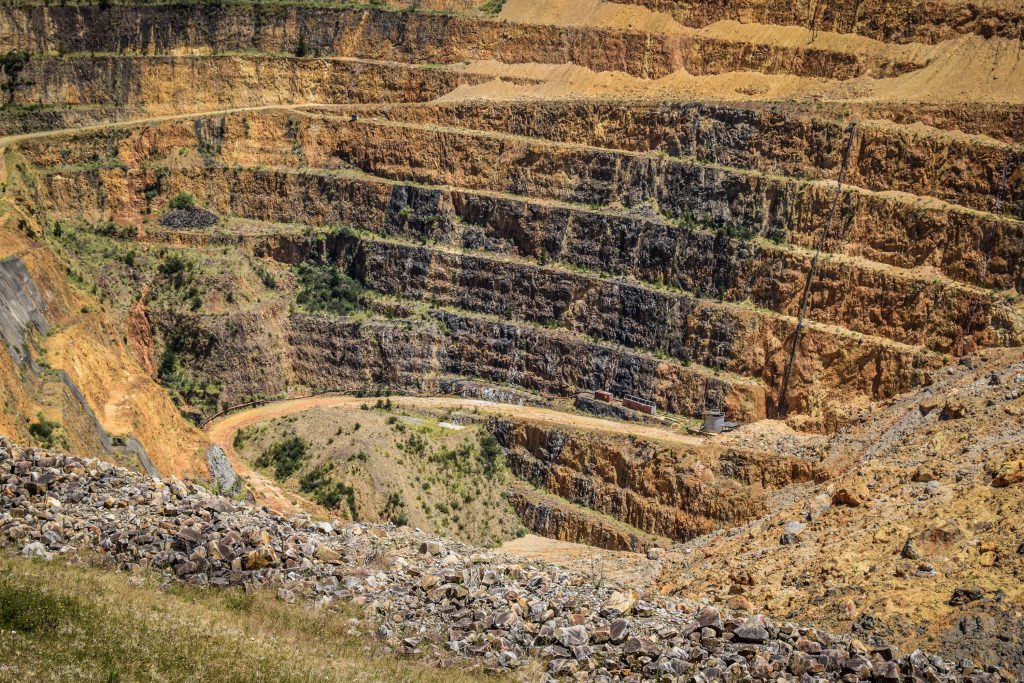
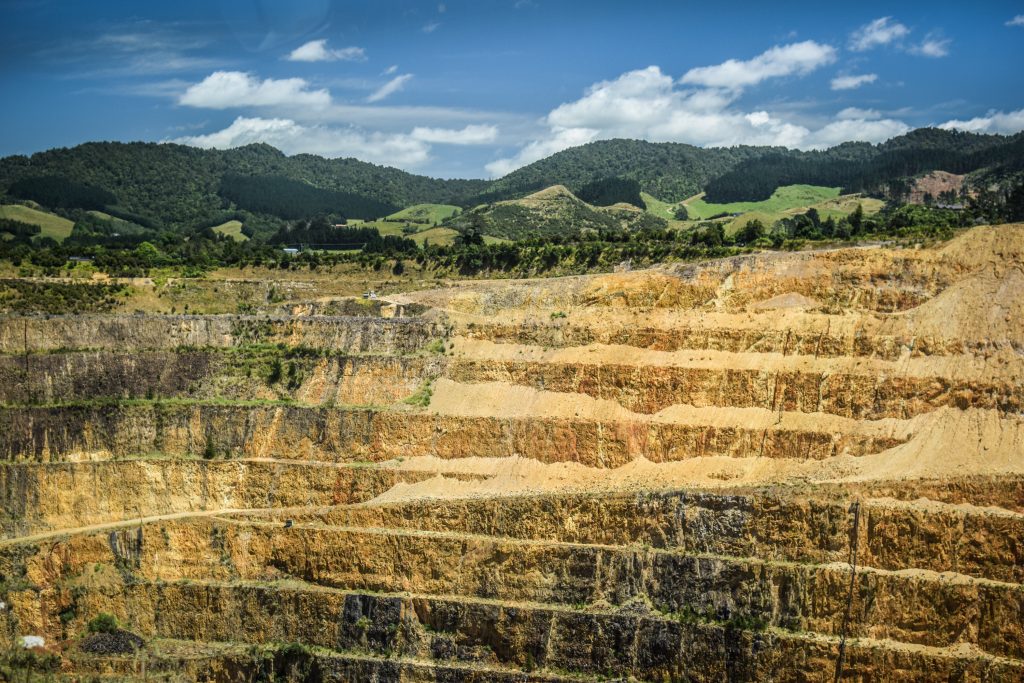
Gold was first discovered here in 1878 and soon after the Martha Mine became one of the most important gold and silver mines in the world and the reachest one in New Zealand. It closed in 1952 due to change in the gold price, outdated machinery and the world depression of the 1930s. In the 1970s, when the gold price went up again, interest in mining at Waihi returned. The site was reopened as an open pit in 1988.

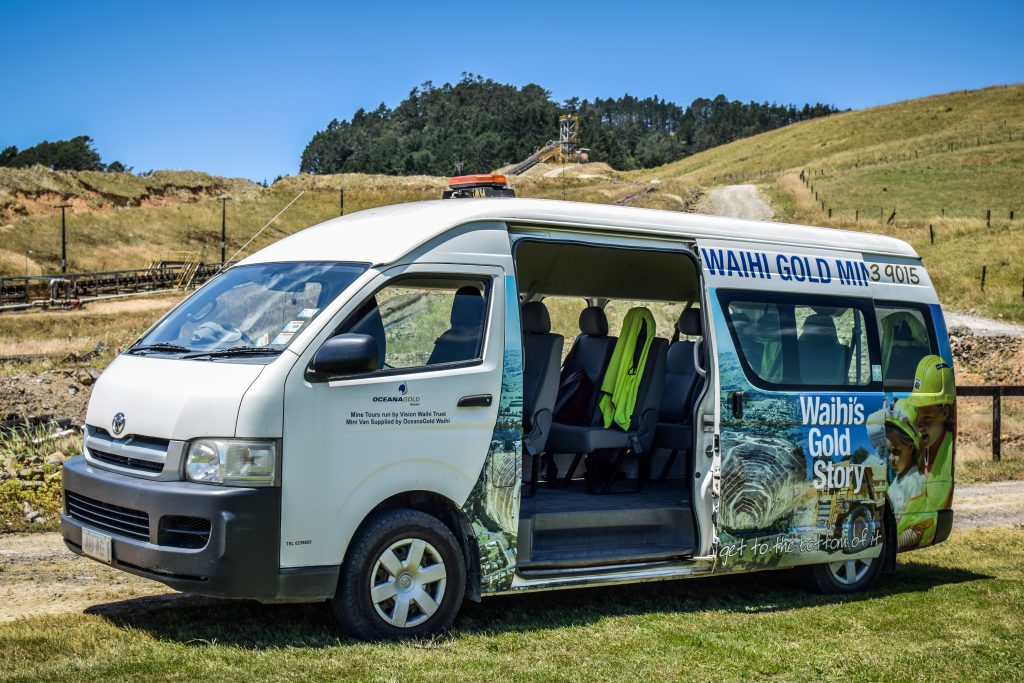
The detailed story is presented in Gold Discovery Centre and additionally, you can join a guided tour to see modern-day gold mining up close. After putting on safety gear, you will board a van driven by a knowledgable guide that stops in many interesting spots along the way. It’s a different kind of experience comparing to historic mines all over North Island, where you walk through old tunnels and see the machinery.

Tickets are quite expensive though – Gold Discovery Centre 25 NZD, guided tour 39 NZD and combo ticket including both 59 NZD (prices for adults).
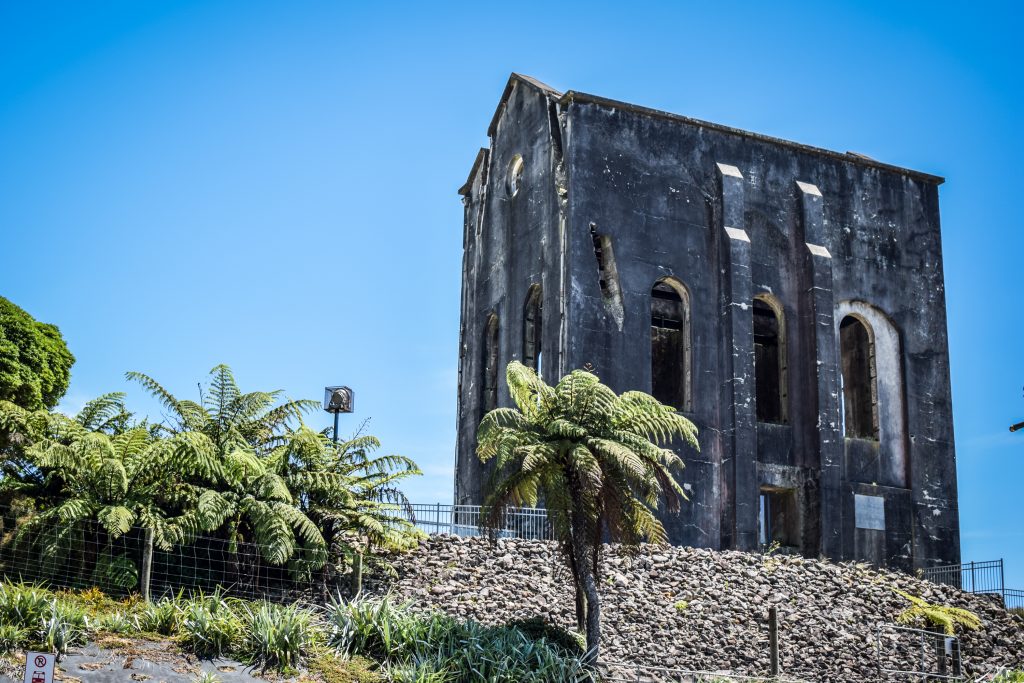
Remainings of old buildings
Waihi, Coromandel in New Zealand
Open pit in Martha Mine
Waihi, Coromandel in New Zealand
Open pit in Martha Mine
Van used for guided tours around the mine

Whangamata

Popular summer-holiday town with restaurants, parties, fine beaches such as Whangamata Beach or nearby Onemana Beach and a wide selection of water attractions.

Wentworth Falls

From Whangamata follow Wentworth Valley Road for around 8 kilometres inland. Park your car and head towards Wentworth campsite. From here, the return hike to the falls should take about 2 hours. The track is easy, mostly flat and crosses two bridges on its way. The falls are in two drops of about 20 metres each.

Tairua

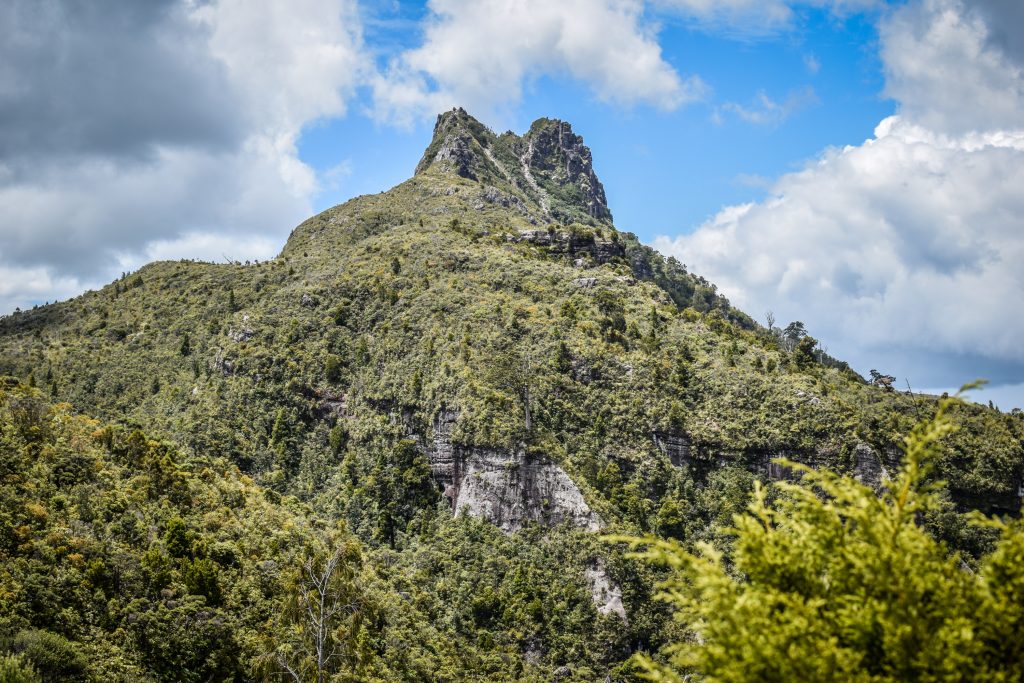
Another popular getaway destination with one particularly nice spot to stop by which was once a volcanic island – Mount Paaku. It’s a short but very steep, half an hour return hike with reward panorama of Pauanui and Tairua. The area was also occupated for a long time by Maori tribes.
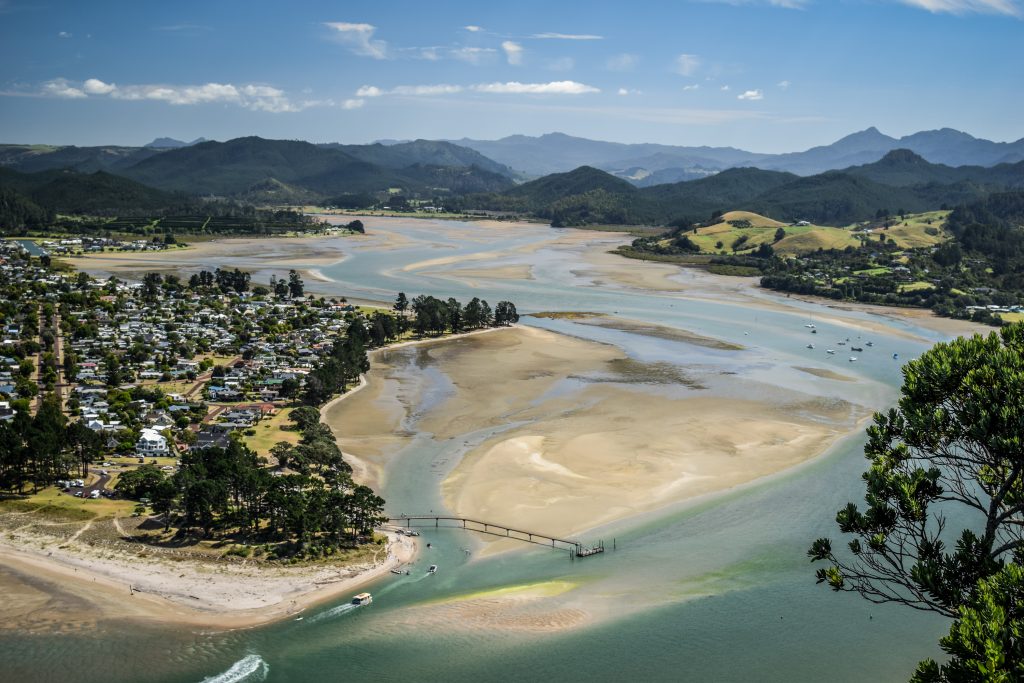
Coromandel Pennisula
Panorama from Mount Paaku

Hot Water Beach

If you see crowds digging holes in the sand and then jumping into them then yes, you are in a good place. It looks quite ridiculous from the distance but in fact, it really is a unique place! Hot water flows from the depths of the earth to surface in the Pacific Ocean exactly here at Hot Water Beach. You can pay a few dollars to rent a spade or simply ask some friendly folks at the beach. Keep in mind that the best time to create your own natural spa is within two hours either side of low tide. Check the times here.
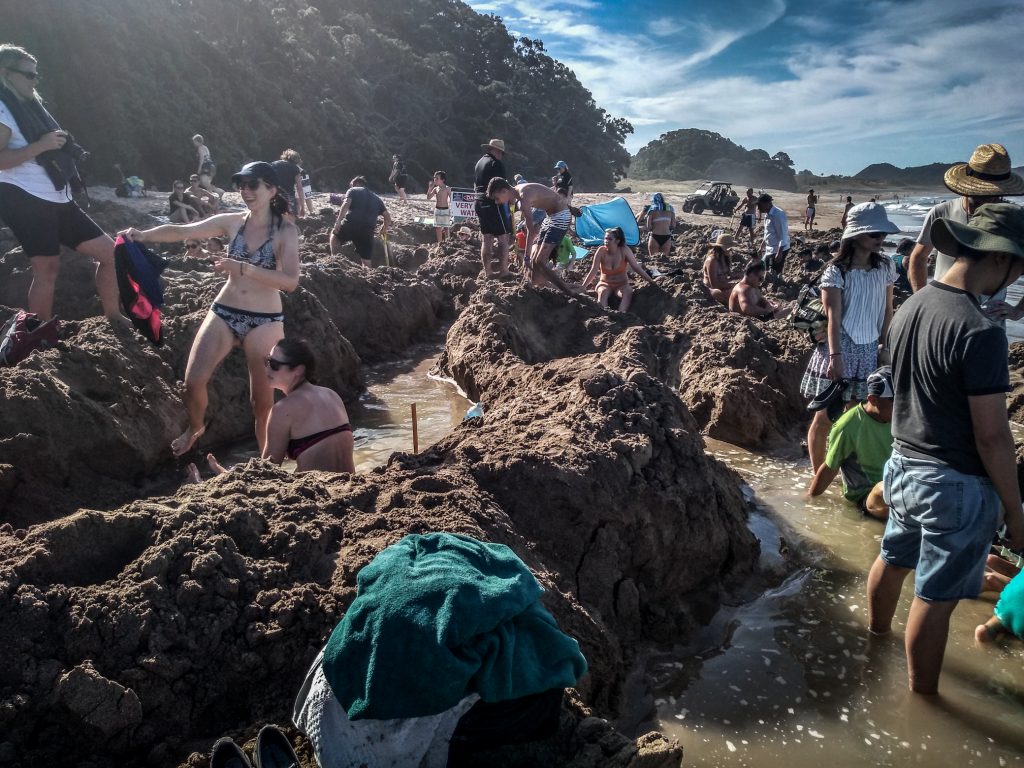
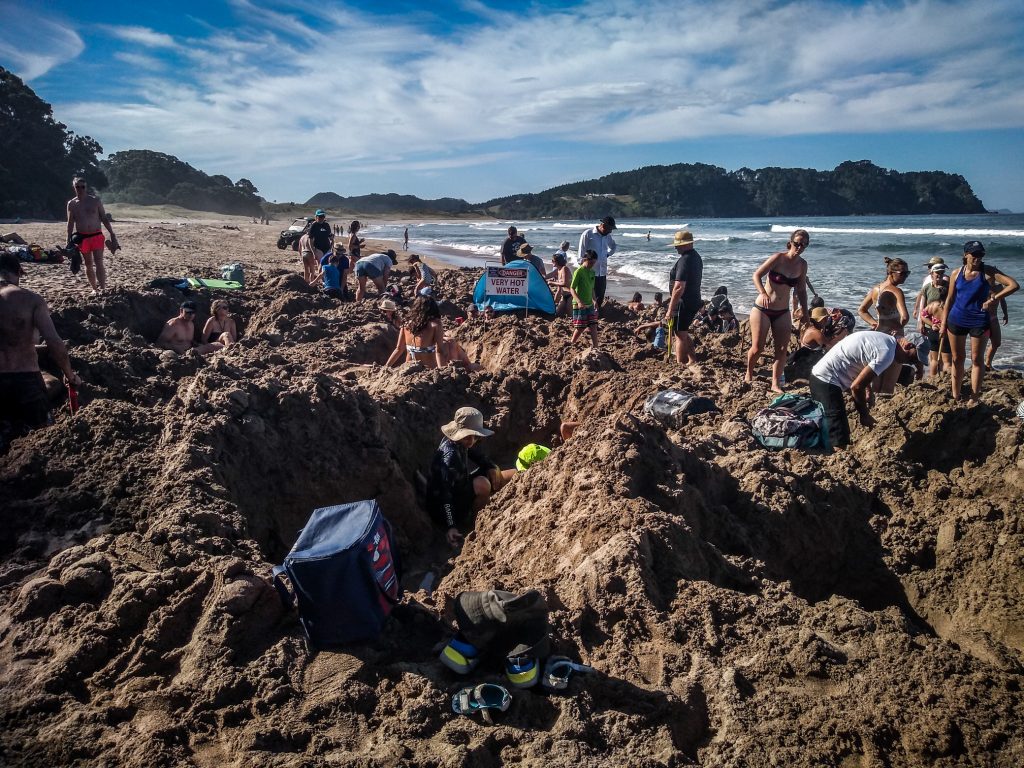
Hot Water Beach, Coromandel
Very popular Hot Water Beach
Hot Water Beach, Coromandel
Dig your own hole and enjoy natural spa!

Cathedral Cove

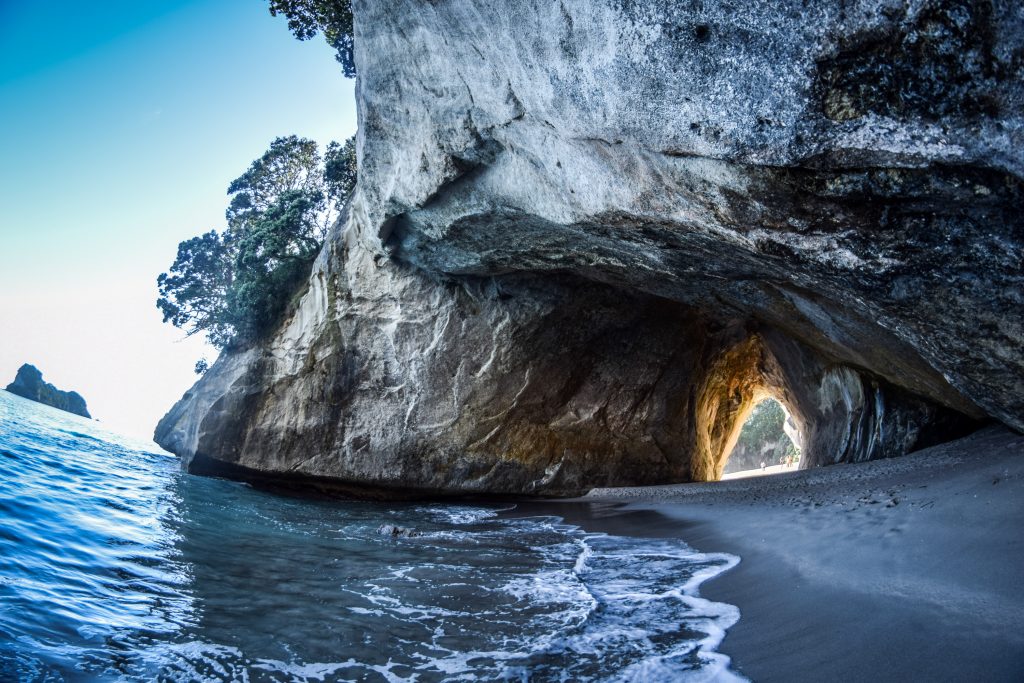
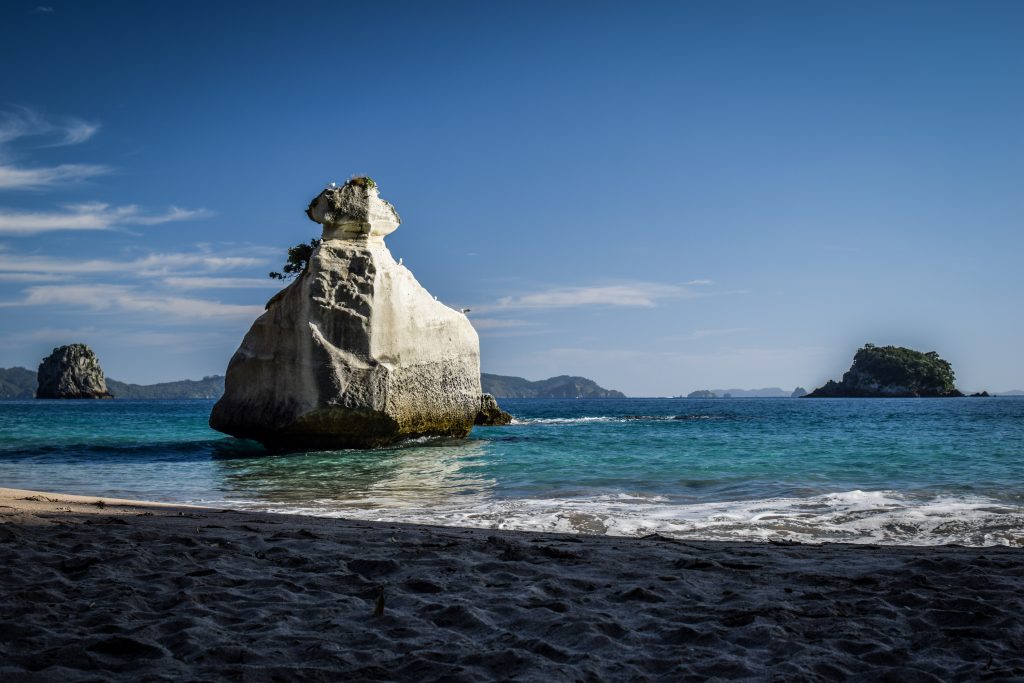
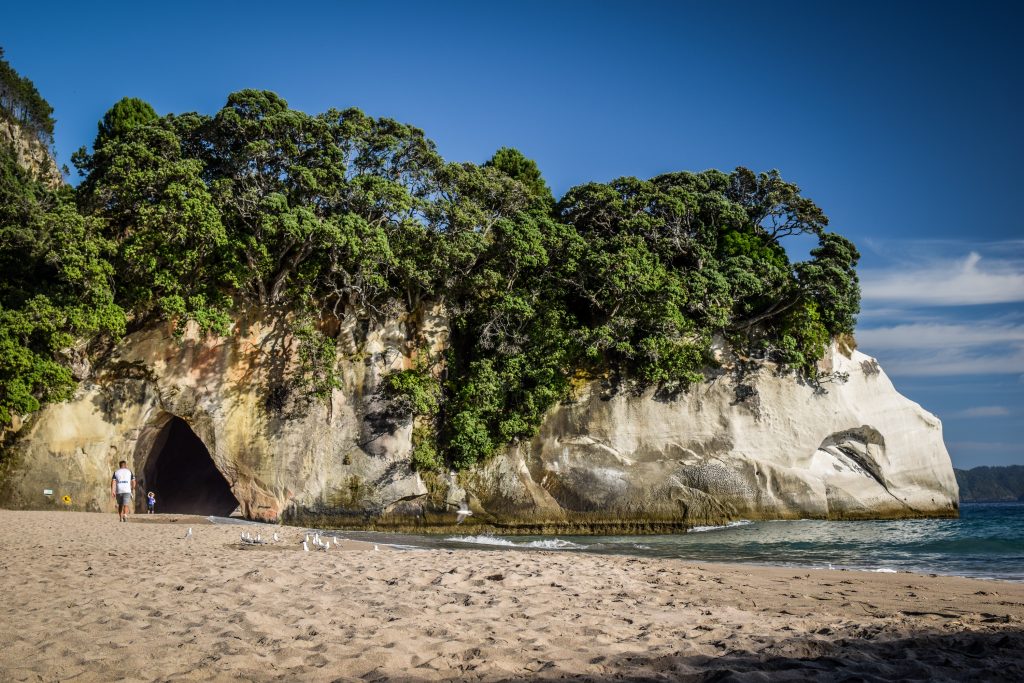
The place with the famous cathedral-like arch is indeed picturesque but somehow I missed that ‘wow effect’. There is too much hype about it and it’s all over Instagram creating false expectations. All those photos with increased colour saturation and extra effects look nice but when you arrive at the actual place… eyes don’t have extra settings 🙂 Best would be to get here in the late afternoon to avoid crowds. From the parking, it’s about 30-45 minutes hike one way. Alternatively, you can park your car in Hahei and walk from there (60-70 minutes one way), take a bus or water taxi.
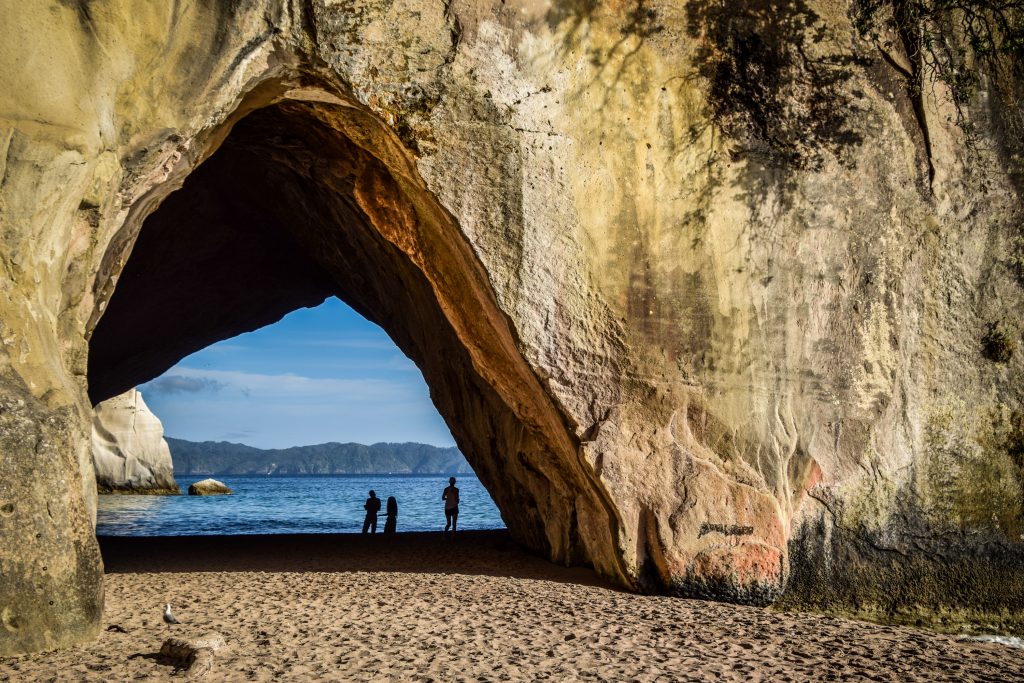
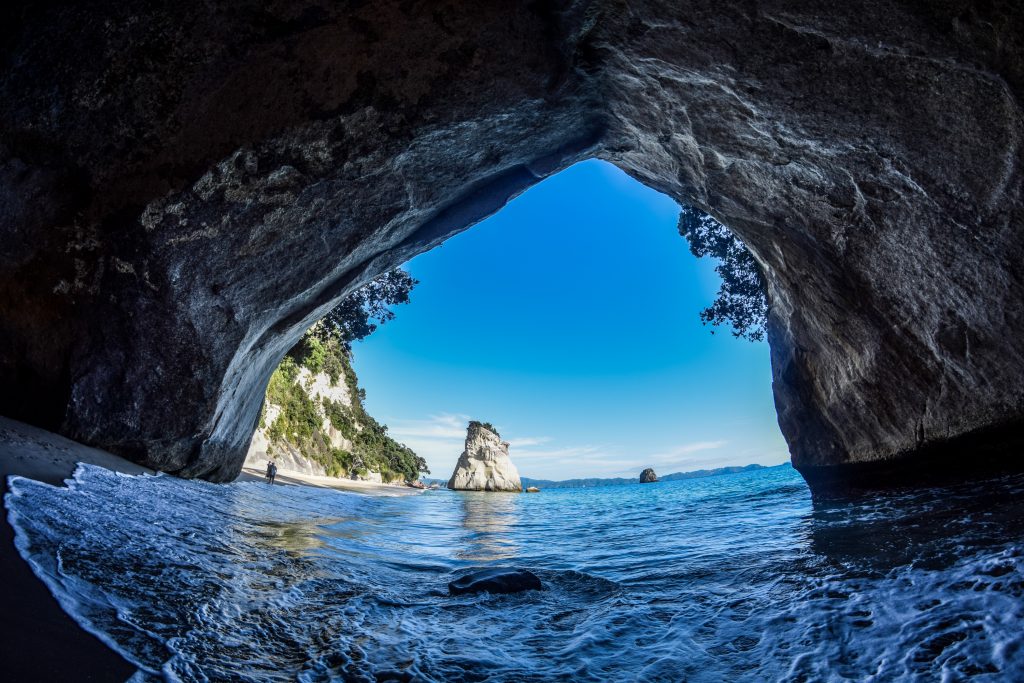
Cathedral Cove, Coromandel
Famous arch at Cathedral Cove from one side…
Cathedral Cove, Coromandel
…from the inside…
…and from another side
Cathedral Cove, Coromandel
Rock formations in the cove
Cathedral Cove, Coromandel
Beach and rock with the arch at Cathedral Cove

Day 2 – Shakespeare Cliff Lookout, Otama Beach, Opito Bay, Waiau Falls, Kauri Grove, Coromandel Town

The second day is fully focused on nature. You will reach remote beaches but also waterfall as well as majestic kauri trees – a cornerstones of the original forests of the North Island.

Shakespeare Cliff Lookout

Scenic reserve located between Cooks Beach and Flaxmill Bay. A very short walk rewards with memorable views of Mercury Bay. You may also spot a cairn that records the arrival in 1769 of the HMS Endeavour under the command of James Cook.

Otama Beach and Opito Bay

Both spots are accessible via Black Jack Road. It’s mostly unsealed but in a good shape so no problems at all with driving a campervan. The long stretch of Otama Beach comes first. Walk around and enjoy remoteness while listening to the sounds of the ocean.

If you continue driving further along a winding road, you will finally arrive at Opito Bay. Here, I recommend you to do exactly the same as at Otama Beach.
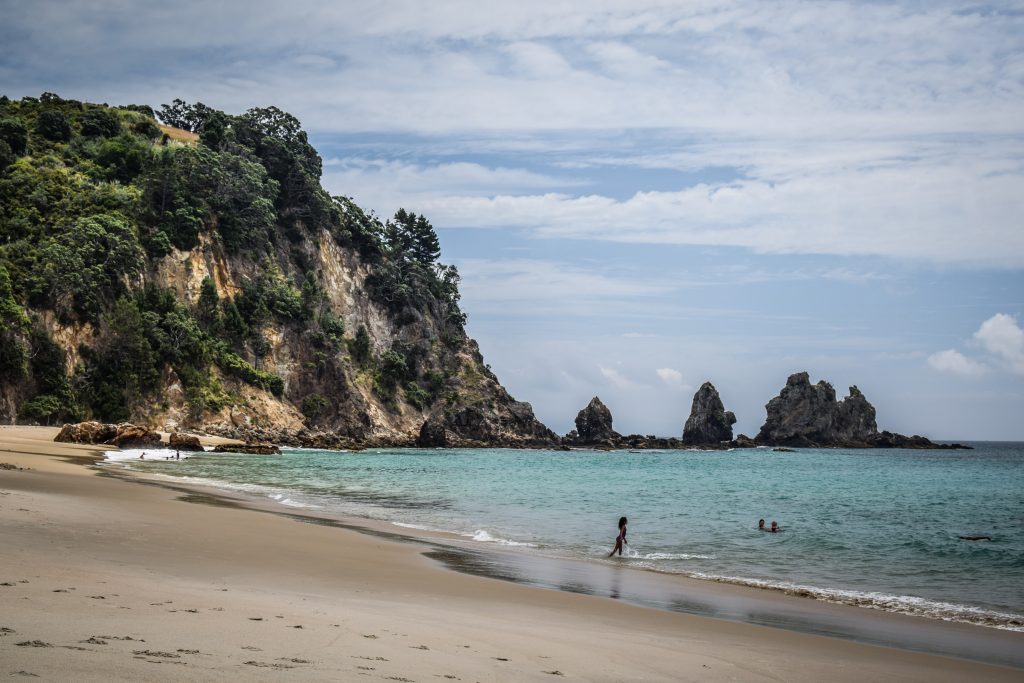
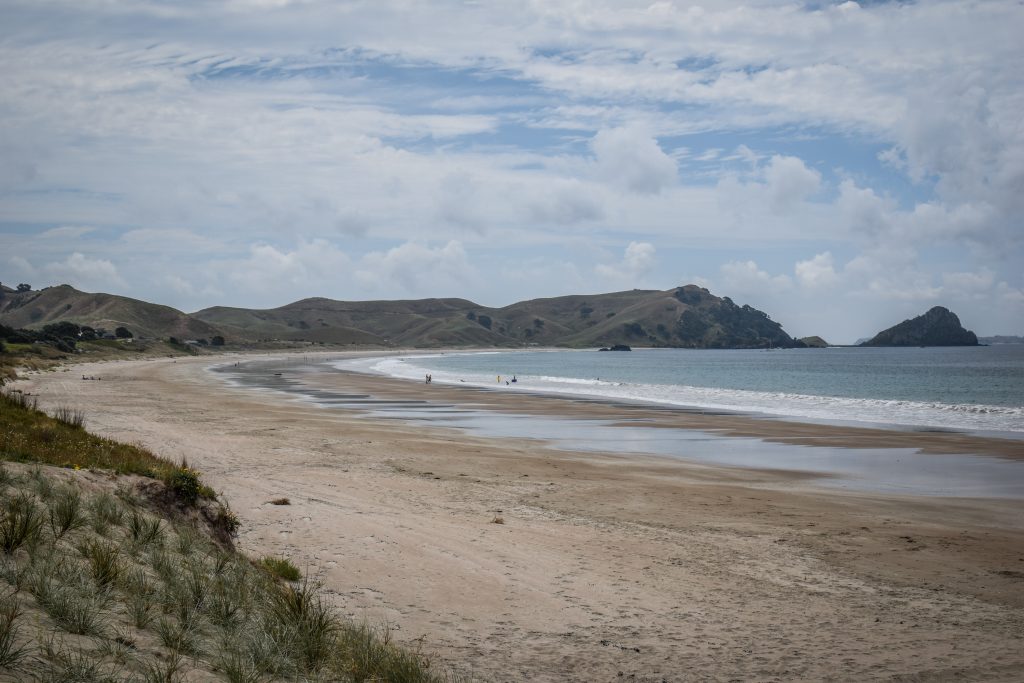
Coromandel Pennisula, New Zealand
Otama Beach
Opito Bay
Coromandel Pennisula, New Zealand
Opito Bay

Waiau Falls and Kauri Grove

Both attractions are located on Road 309 so you need to drive back from Opito Bay towards Kaimarama and then take a turn to Waiau. After half an hour, there will be parking next to Waiau Falls. It’s only 10 metres high but still a very nice place for a quick stop.
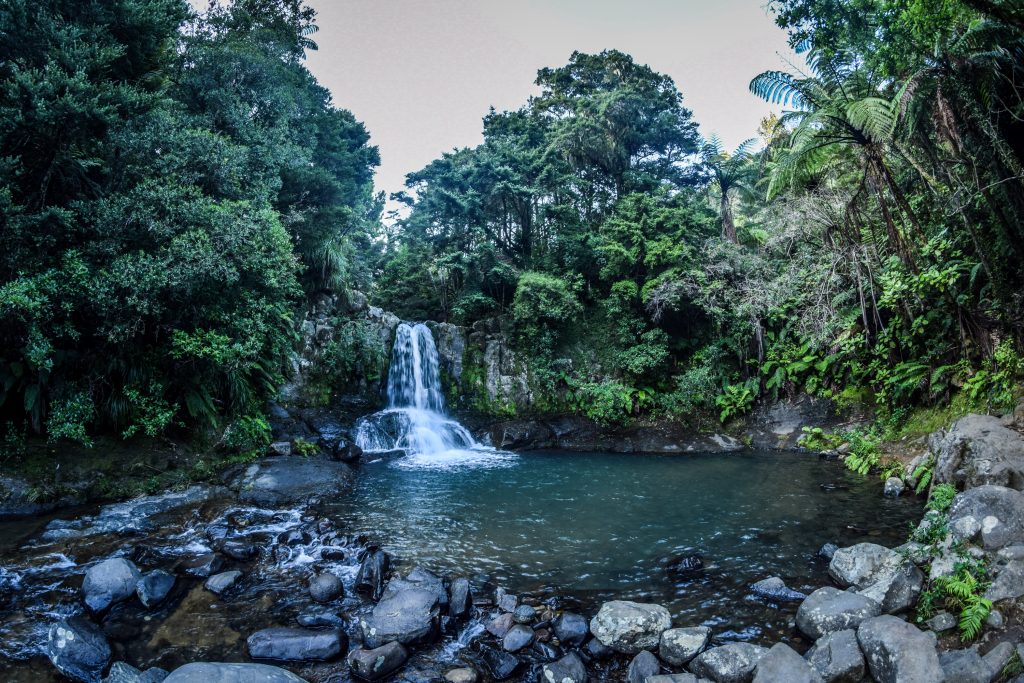
Waiau Falls

From there, is about 10 minutes hike to kauri grove which was probably the highlight of the day. I had never seen this kind of trees before and damn, I was impressed. Just imagine that back then, the whole Coromandel Peninsula was covered by such a forest! The oldest trees are 600 years old and have about 6m circumference.

Kauri trees are a cornerstone of the original forests of the North Island. They are one of the longest-living tree species in the world as well as the largest.

Tane Mahuta with a diameter of 4.6m and height of 52m is the largest kauri tree still standing. It is estimated to be between 1200 and 2000 years old. You certainly shouldn’t miss seeing it when travelling through Northland.

Kauri timber was used by Maori for a very long time, especially for builduing boats and houses or carving. The gum was used as a fire starter and for chewing.

The arrival of Europeans brought the decimation of these magnificent forests. The mature trees were felled to fulfil the high demand for sawn timber of unsurpassed quality for building. The gum was obtained through digging, fossicking in treetops, or more drastically, by bleeding live trees. Finally, more forest was cleared as demand for farmland.
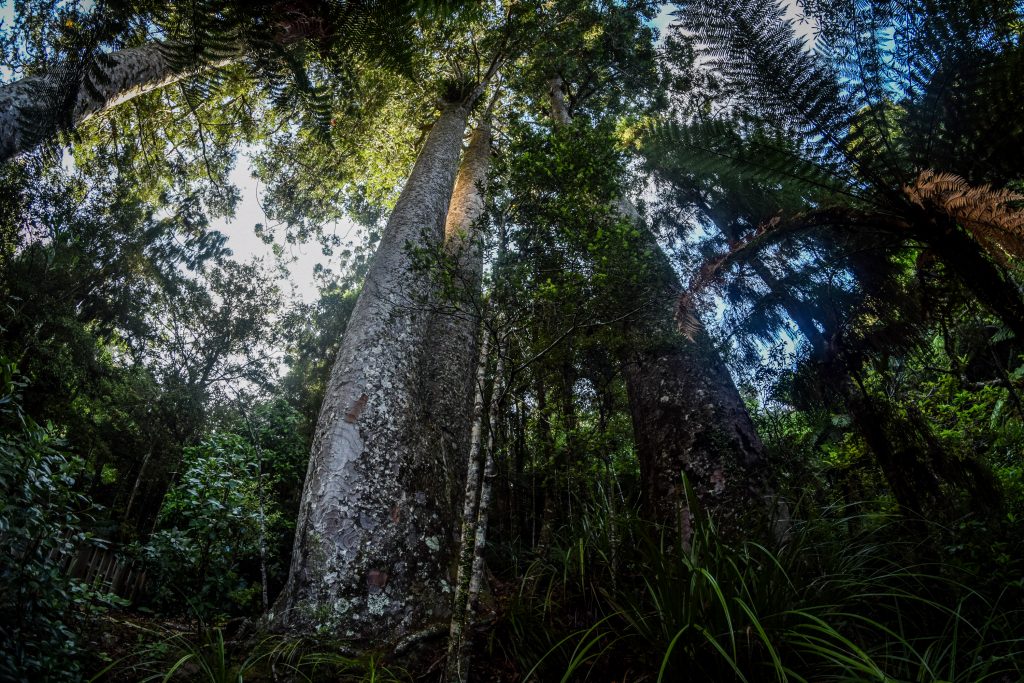
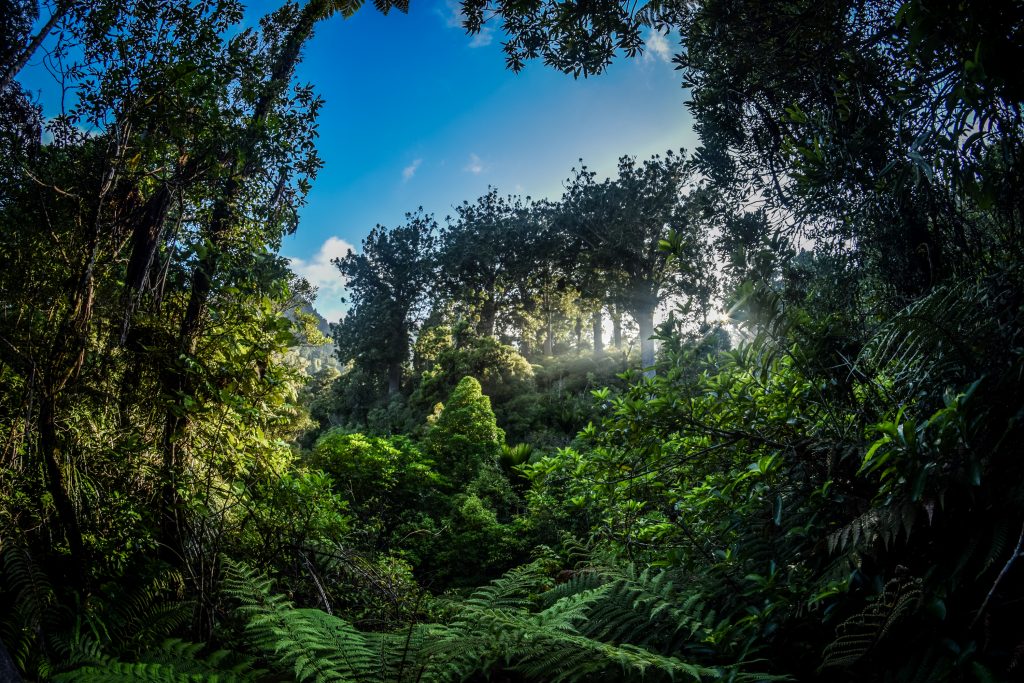
Coromandel Pennisula, New Zealand
My first time to admire kauri trees!
Coromandel Pennisula, New Zealand
Fantastic forest walk at Coromandel Peninsula

Coromandel Town

The discovery of gold in the 1860s resulted in an establishment of settlement that quickly grew to over 10.000 inhabitants. Have a walk around the town admiring the Victorian architecture and finish the day with fish & chips and sunset view at Mcgregors Bay.

Mining & Historic Museum located in the historic Coromandel School of Mines building presents the life of mining and its impact on a small town so you may want to visit it in the morning if you are interested.

Coromandel, New Zealand
Architecture in Coromandel Town

Alternative: night in Port Jackson / Fletcher Bay

A very scenic road goes from Coromandel Town to the very top of the peninsula. It’s about 60 km but you have to count at least 2 hours to get there. The road is gravel and very shaky, so I felt a bit insecure while pushing my campervan to its limits already in a first week. I arrived at Macdonald Recreation Reserve, which is more or less halfway and made a decision to turn back.

Nevertheless, if you decide to proceed further, coastal views will certainly take your breath away. It makes sense to drive in the afternoon, stay for the night in one of DOC’s campsites in Fletcher Bay or Port Jackson and come back to Coromandel Town the following day in the morning.

Hiking enthusiasts will be happy as Coromandel Coastal Walkway (3 hours one-way) links Fletcher Bay with Stony Bay and provides fantastic views.

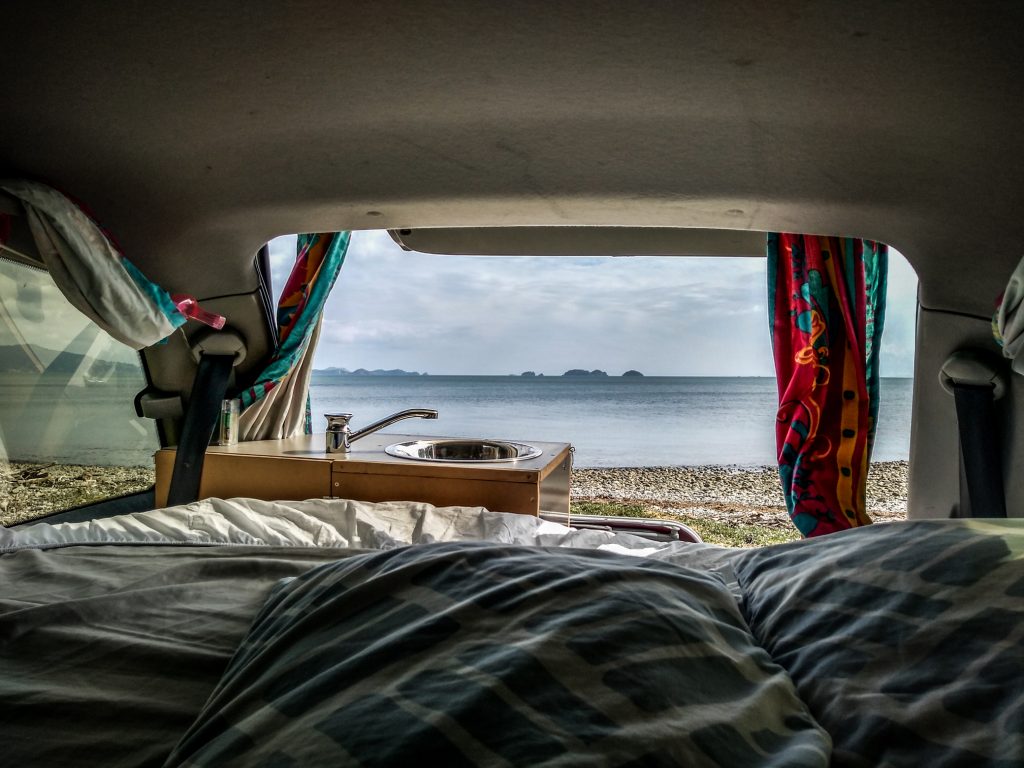
Coromandel Pennisula, New Zealand
Short rest in Macdonald Recreation Reserve
Coromandel Pennisula, New Zealand
Could easily have a nap here!

Day 3 – Thames, Pinnacles

The highlight of the last day at Coromandel Peninsula is without doubt a hike to the Pinnacles. But before you head towards Coromandel Forest Park, dive into the gold rush times at well maintened Goldmine Experience in Thames.

Thames

Currently, it’s the largest city on Coromandel Peninsula but back in time, it was even the second-largest city in New Zealand. As usual, all because of the gold rush. At that time it was discovered in the lower Kauaerange valley. Two smaller settlements (Shortland and Grahamstown) were founded to support mining in the early 1860s and later on merged into one forming Thames.

Visit in Goldmine Experience was worth the time and money as it was completely different than modern mine in Waihi. The staff is lovely too and they will certainly tell you more about the story of that place. Wear a helmet to walk through the tunnel and have a look at still working stamper battery in action. It’s really noisy but no worries, you will get ear protection.

School of Mines & Mineralogical Museum is another historical spot on the map of the city. I decided to skip it though as minerals aren’t that interesting for me and the main plan for the day was a hike to Pinnacles.
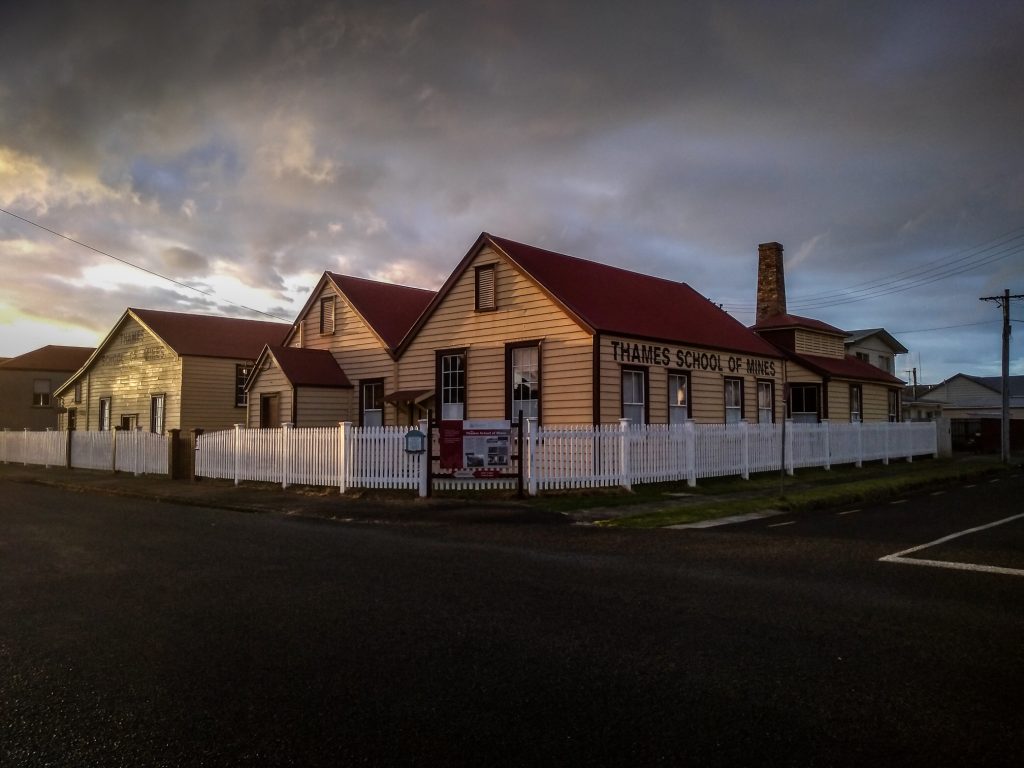
Coromandel, New Zealand
School of Mines & Mineralogical Museum

The Pinnacles Track

After a quick stop in Pak’n’Save to stock with food, I moved on towards Coromandel Forest Park and Kauaeranga Valley. From visitor centre (you may want to ask for maps or weather conditions) it’s another couple of minutes on unsealed road to the parking and start of the hike.

Official timing says it’s 3 hours one way to the hut and another 30-40 minutes to the summit. If you are in a good shape, it’s perfectly doable to reach the hut in about 2 hours. But as always, better assume more and take it easy.

The Pinnacles Track follows the route used by packhorses when carrying supplies for loggers, gum diggers and gold miners who worked in the area during the early 1900s.

First kilometres are rather moderate but the track goes continuously up at some point you may get tired. After reaching the trails junction, you can either continue on the Webb Creek Track or the Billygoat Track. The best and the most popular scenario is to take Webb Creek Track for ascent and then descent following Billygoat Track. That’s exactly what I did as well.

The views are getting better and better the higher you go and the last section will take you to The Pinnacles Hut. It’s a popular overnight place and indeed it must be nice to admire night sky in such a place. I didn’t have a reservation so had a quick lunch instead and then made a final push to the summit.
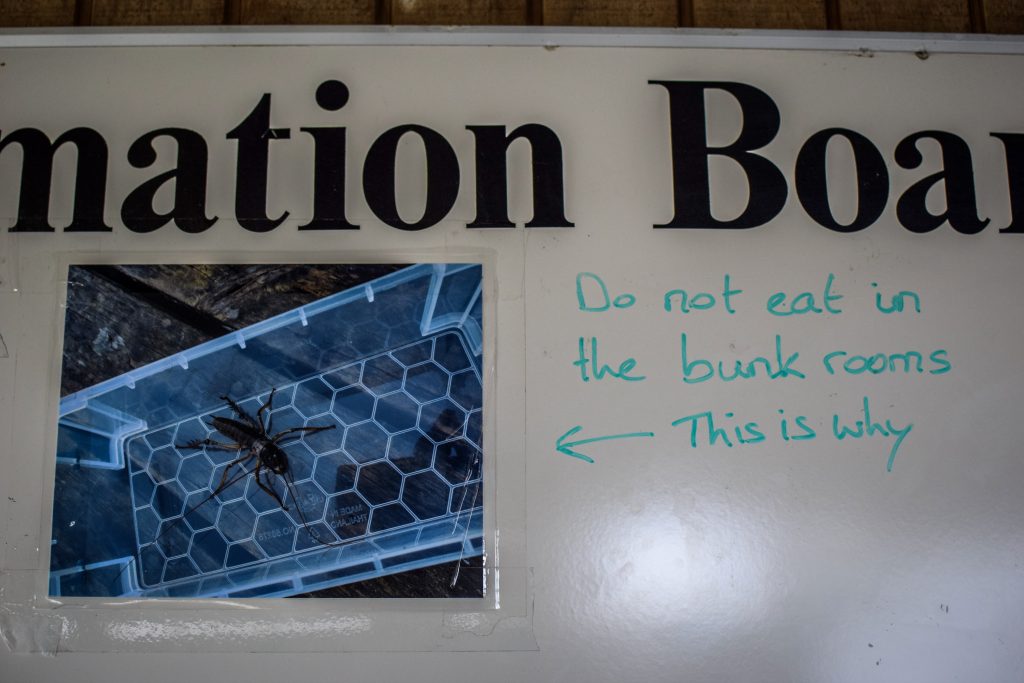
Very clear message from the staff working in The Pinnacles Hut

The summit seems to be very close but it is a tough ascent, first on the wooden stairs and later on a metal ladder attached to the rocks. Stay focused but don’t forget to look around – that views are the main reason of coming here after all 🙂 Once on the summit, you should feel great satisfaction.

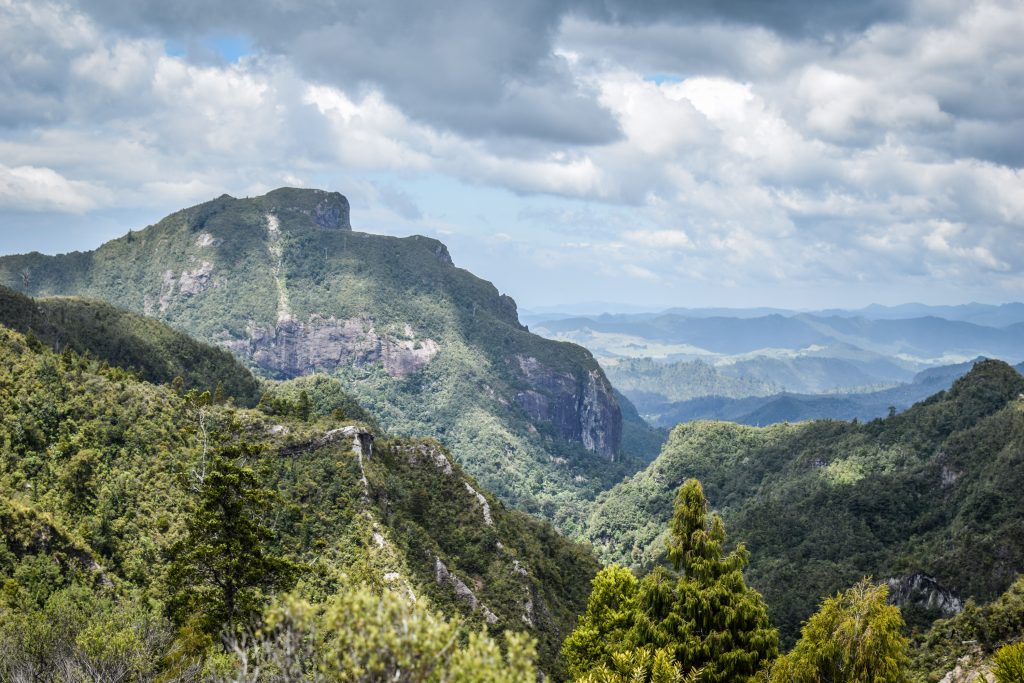
The Pinnacles, Coromandel
The weather was perfect – warm but with some clouds providing shadow
Panorama of the Pinnacles
The Pinnacles, Coromandel
The hike there and back should take between 6-8 hours

I descended back towards the Pinnacles Hut and then continued all the way to the same trail junction as before, but that time I chose Billygoat Track, finally arriving at the parking where I left my van.

That’s all about the trip to the Coromandel Peninsula. It was a wonderful time packed with beautiful places, history and scenic hikes. I hope you will enjoy it too. And if you have a question, don’t hesitate to leave a comment.

Cheers!

Introduction

Probably I wouldn’t come to Tauranga if it wasn’t the place where I had to pick up my campervan. I was super excited because it was supposed to be my vehicle and home for the next several weeks. The plan was simple. Finish all formalities quickly and spend the rest of the day exploring the town!

How did I find a car in Tauranga? Well, it was before I even departed to New Zealand. At my boring job, I had enough time for browsing websites of rental companies, reading blogs and articles from other travellers. This is how I came across Kiwi Road Trips and checked their offer of self-contained vans.

After another week of thinking about all pros and cons, I made my mind that it’s the most convenient and affordable way to have my own 4 wheels for a longer period of time. It comes with guaranteed buy-back so I didn’t have to worry about looking for buying in April, which is already after peak season. Karen and Pete explained to me all formalities and we set the date for pick up.

Don’t you worry – there will be a separate article describing all the options that travellers have for renting or buying a car in New Zealand. Stay tuned. Meanwhile, let’s focus on Tauranga.

How to get to Tauranga?

Intercity has a bus network all over the country and they have good deals too. You can buy hours-based travel passes and that should be fine to visit the most popular travel destinations. Needless to say, places that are off-the-beaten-track will be difficult to reach and very often it’s possible only with your own vehicle.

Nearby airport isn’t too busy but there are daily flights to and from Auckland, Wellington or Christchurch.

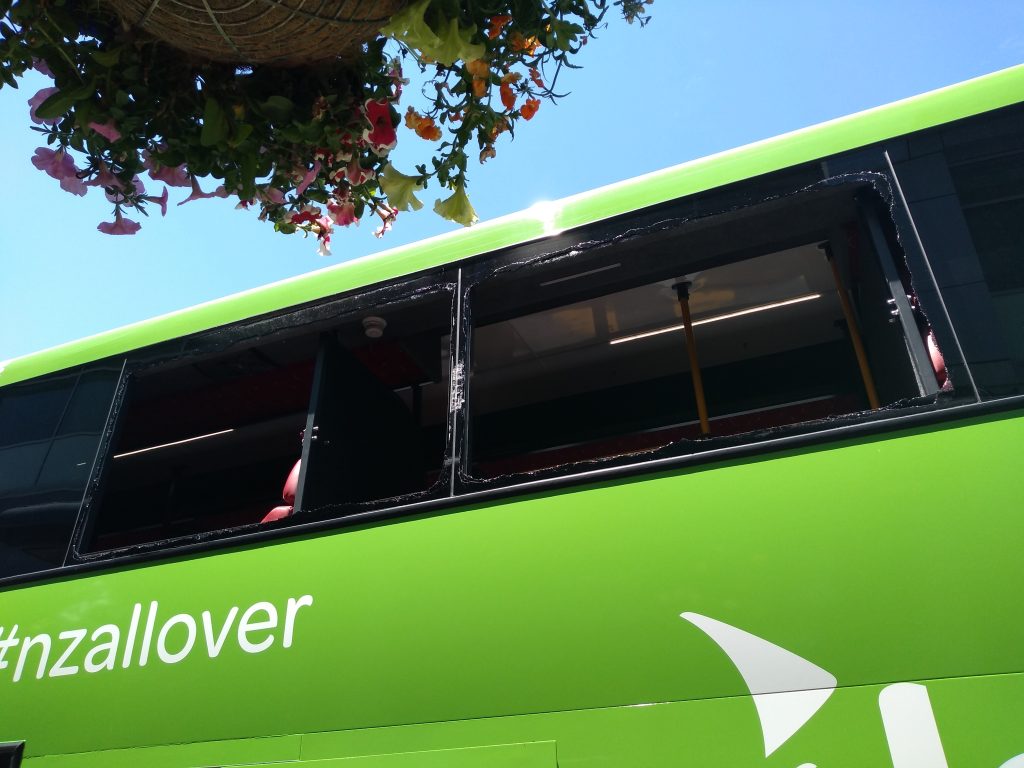
I will describe the bus trip a bit more because I must say, it was quite entertaining. I boarded the bus in Auckland and everything was fine until on one of the turns it hit the wall of rocks with its left side. Not very hard, but everyone could feel a bump and small pieces of glass were all over the floor. A window was broken. The driver stopped, checked the damage and called the company. The window was still there, just a bit broken. Unfortunately, it could fell apart anytime creating the risk for passengers and other drivers. The solution to the problem was very practical and kiwi style. The driver took a broom, smashed remaining parts of the window, told everyone to move to the front of the vehicle and that was it. We continued the journey to Tauranga, just without 2 windows on the side of the bus. At least we couldn’t complain there wasn’t enough fresh air. Such situations certainly don’t happen too often to stay chilled!

I was picked by Karen from Kiwi Road Trips at the bus station and after signing documents, it was time to drive out on kiwi roads.

1-day itinerary

Tauranga is the largest city in the Bay of Plenty and one the biggest in the country. Location is very convenient for further exploration of North Island, with Rotorua, Taupo and Tongariro National Park being a short drive away. The city centre isn’t as popular as beachside suburbs – Mount Maunganui or Papamoa. But you know me guys, I always want to see everything so here is where I started.

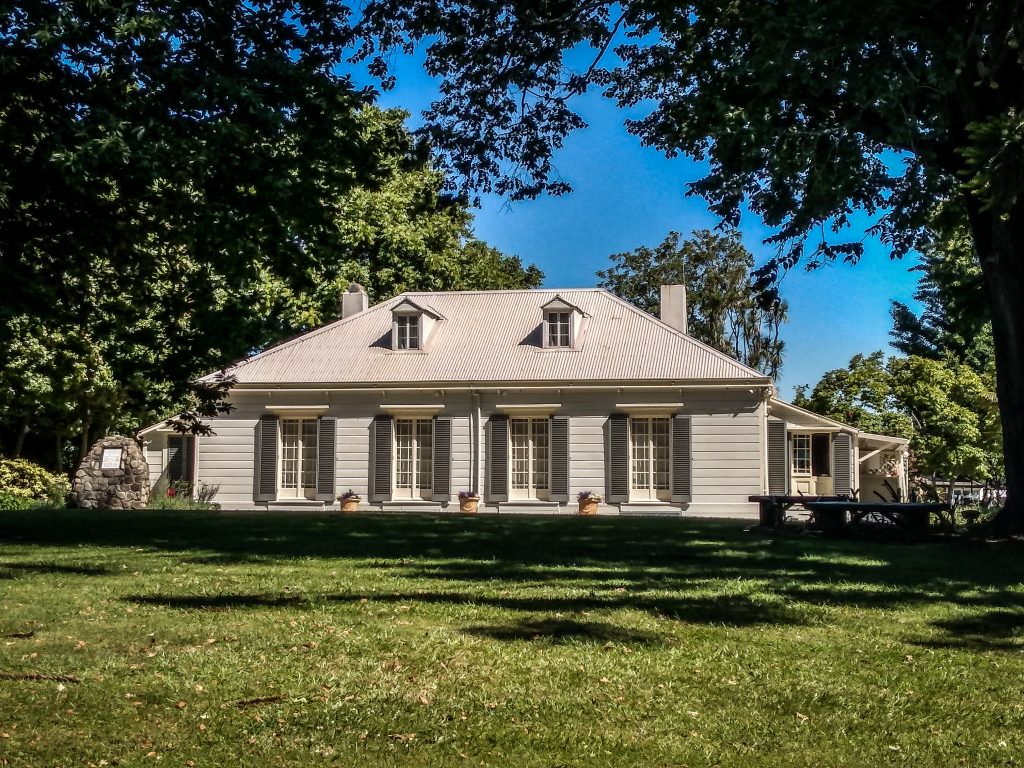
The Elms – Anglican mission was established here in 1838 by priest Alfred Nesbit Brown and the first buildings in the Bay of Plenty were constructed, initiating regular contact between Maori and Pakeha (white people). Brown worked hard, preaching even in the most remote settlements. Unfortunately, after the war, soldiers settled on the land previously occupied by Māori and the mission declined.

The guide was an absolute highlight of the place. So passionate and dedicated! Even though the entrance ticket isn’t cheap (15 NZD for international guests), it’s a solid part of New Zealand history and shouldn’t be missed.

Mission Cemetery – Visiting the memorials commemorating battles between Maori and British government forces is a great continuation to the visit at the Elms mission house.

Tauranga, New Zealand
Mission house in Tauranga
Tauranga, New Zealand
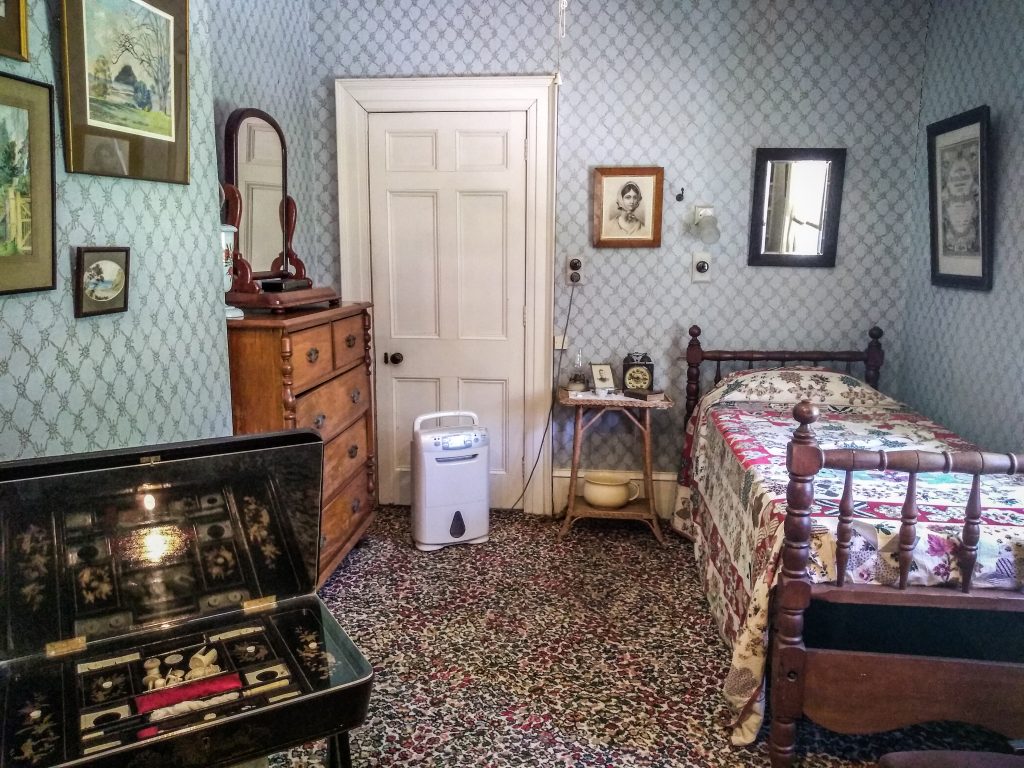
Inside the mission house – guided tour is great!

Monmouth Redoubt – Another memorial place. Maori fortified village (called pa) Taumatakahawai, used to stand here until it was taken over by British forces during the wars to stop the flow of warriors and support for Maori chiefs.

Tauranga Art Gallery – exhibitions of contemporary works. I’m not a fan of such, so gave it a miss but it does have good reviews so you may want to consider it in your itinerary.

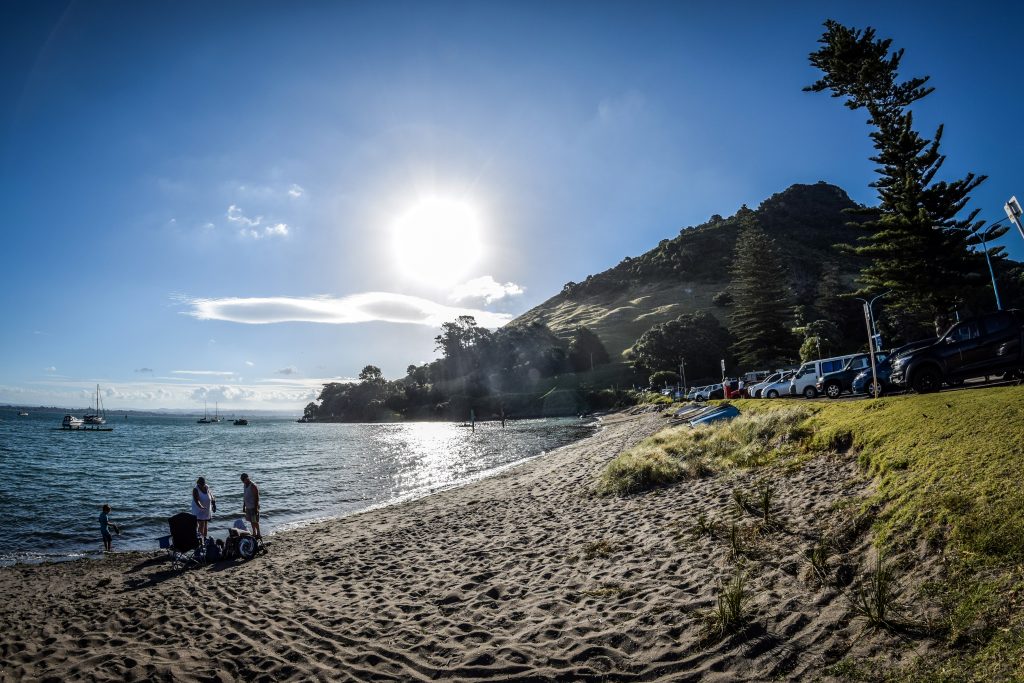
After seeing the most interesting sights in Tauranga, I got into my car and drove to the nearby beachside suburb of Mount Maunganui. It’s hard to miss an extinct volcanic cone at the end of peninsula seen from the distance and that was exactly where I was heading. Maunganui means big mountain but let’s say that with the elevation of 232 m a.s.l. the name is rather overexaggerated.

Mauao Reserve – There has been evidence of three fortified villages (pa) on top of and around Mauao making it an important and sacred site for Maori. Several walking paths run in the area, the most popular being the summit walk. You would need about 35-50 minutes to get to the top and it can be done following Oruahine Track, Waikorire Track or 4WD Track. Check the map here. It’s quite steep and more tiring than it looks like but the views are nice, especially in the direction of the ocean. The base track around the mountain is popular as well and it’s 3.4 km long, taking about 45 minutes to complete.

Tauranga, New Zealand
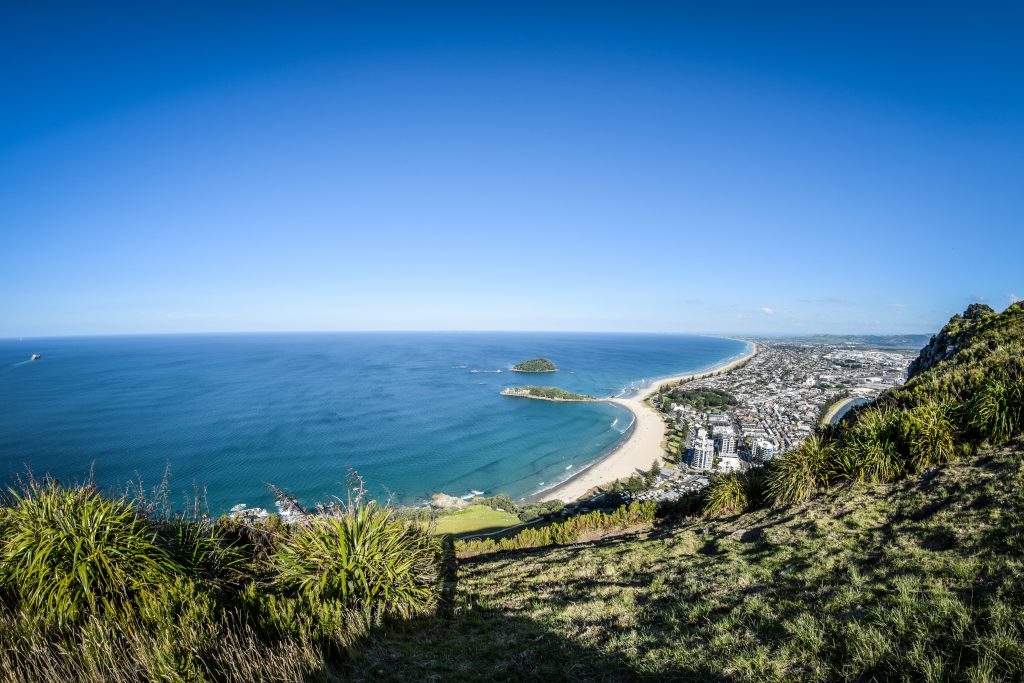
Views nearby the summit of Mount Maunganui
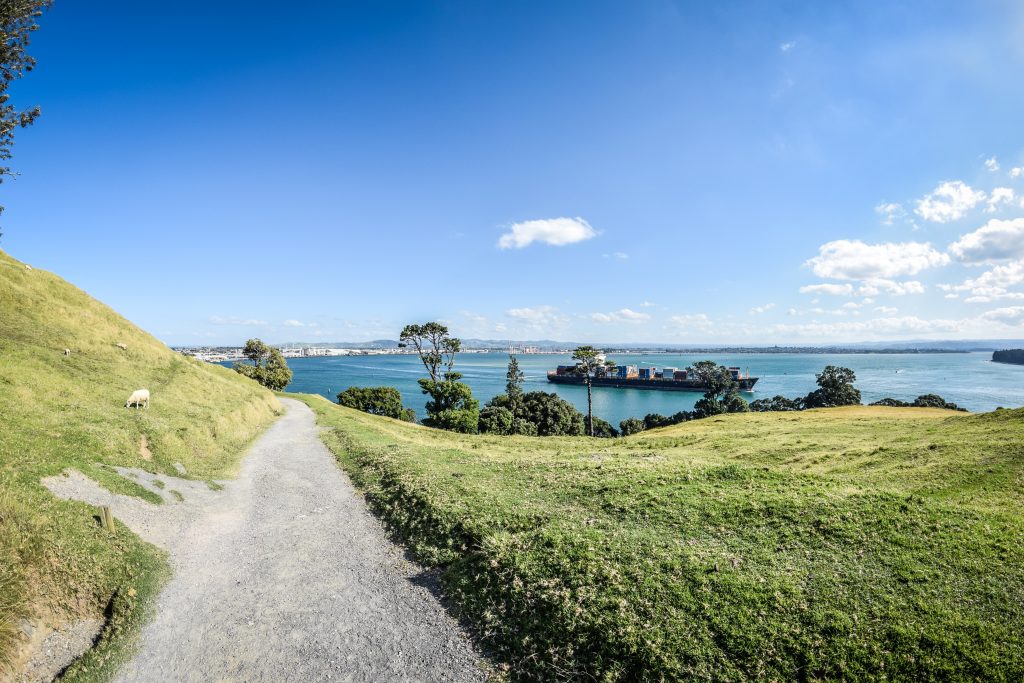
Path to the summit in Mauao Reserve

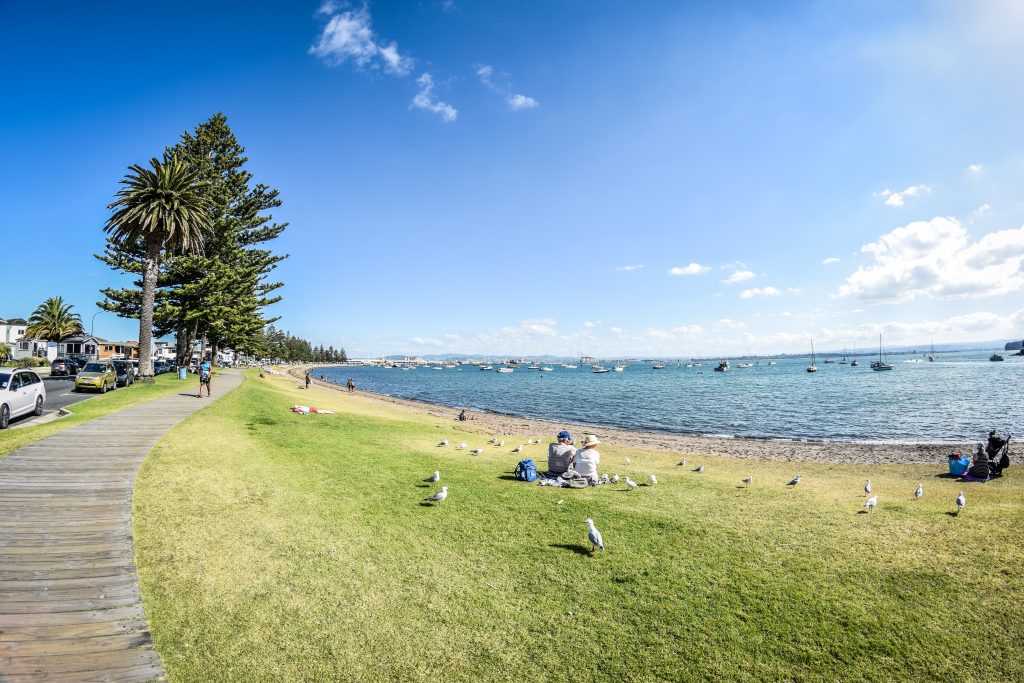
Main Beach and Pilot Bay Beach – The first one is on the side of the ocean, which makes it very popular among those looking for bigger waves. There is also Moturiki Island easily accessible from the beach. The second one is located on the side of the bay and is usually much calmer and better for kids.

Tauranga, New Zealand
Pilot Bay Beach
Tauranga, New Zealand
Pilot Bay Beach

Mount Hot Pools (optional) – Located just at the feet of Maunganui. The bath in hot saltwater doesn’t sound bad and certainly will help you to recover energy after a full day of sightseeing.

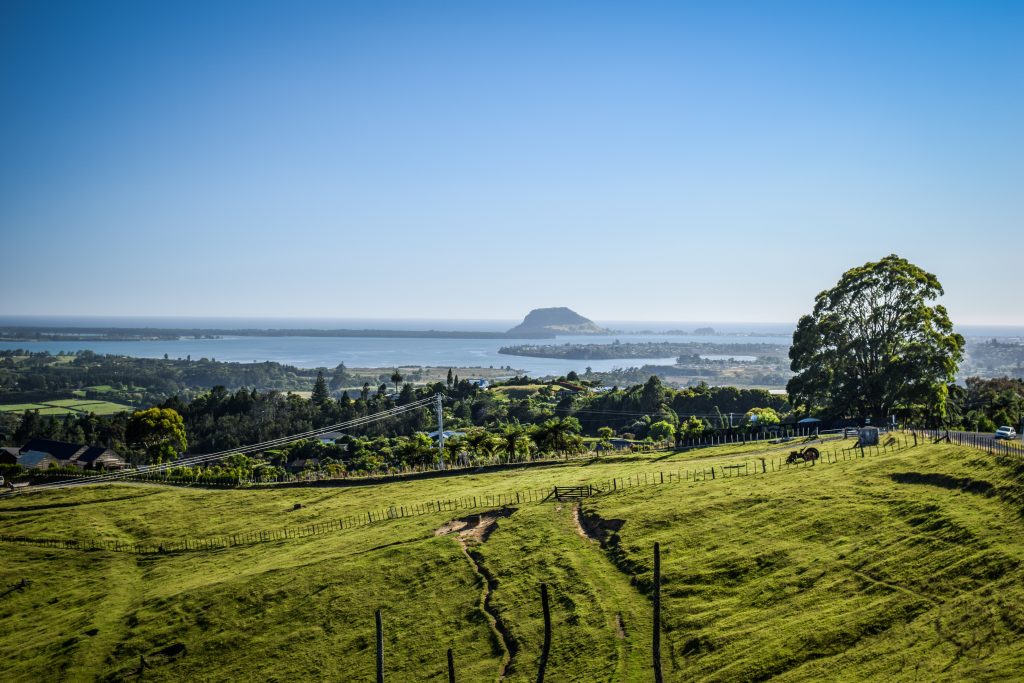
Minden Lookout – Being located about 13 kilometres from the city centre, it was my last stop for that day. The easiest is to follow State Highway 2 and then turn left into Minden Road in Te Puna. Wide panorama of the Bay of Plenty is certainly worth extra kilometres.

Tauranga, New Zealand
View to Mount Maunganui from Minden Lookout

From there, it was time to stock up with groceries so I made my way to Pack’n’Save. It has the opinion of being the cheapest supermarket in New Zealand and they also have discounts for fuel which is another benefit for road trips.

Karen and Pete recommended me to stay the first night in the campervan at McLaren Falls, 190 hectares of parkland set alongside Lake McLaren. Parking for campervans costs 10 NZD and it was indeed a very nice place in nature with clean toilets, sink and electric grills.

Introduction

Semeru is a stratovolcano, which with its 3.676 meters above sea level, can be called the roof of Java. The mountain is also known as Mahameru, meaning ‘The Great Mountain’. The name originates from the Hindu cosmology’s mountain of Meru or Sumeru, the place where gods reside.

It’s a popular hiking destination that provides you with a feeling of real adventure. In the end, you are walking on an active volcano! The activity can be noticed many times, especially when you see volcanic ash coming out of the crater at the summit. On the way up the mountain, you start thinking about how it will look up there. Is it even safe?

Semeru has a long history of eruptions and can be periodically closed for hikers. I was there in August 2019 and felt perfectly safe. Needless to say, care has to be taken on the last kilometers when walking on the steep and exposed slope and later when wandering around the summit. Most probably you will witness small eruption when volcanic ash goes into the air just a few meters from you but that’s the part of the game and the factor that attracts so many tourists. Just don’t come too close to avoid breathing it in. Everyone wants to have a selfie with a small eruption in the background and it happens every 20-30min!

Everything you need to know before you go

Technical details

  • Summit: 3,676 meters above sea level
  • Altitude gain: 1,576 meters
  • Distance: 42 km return
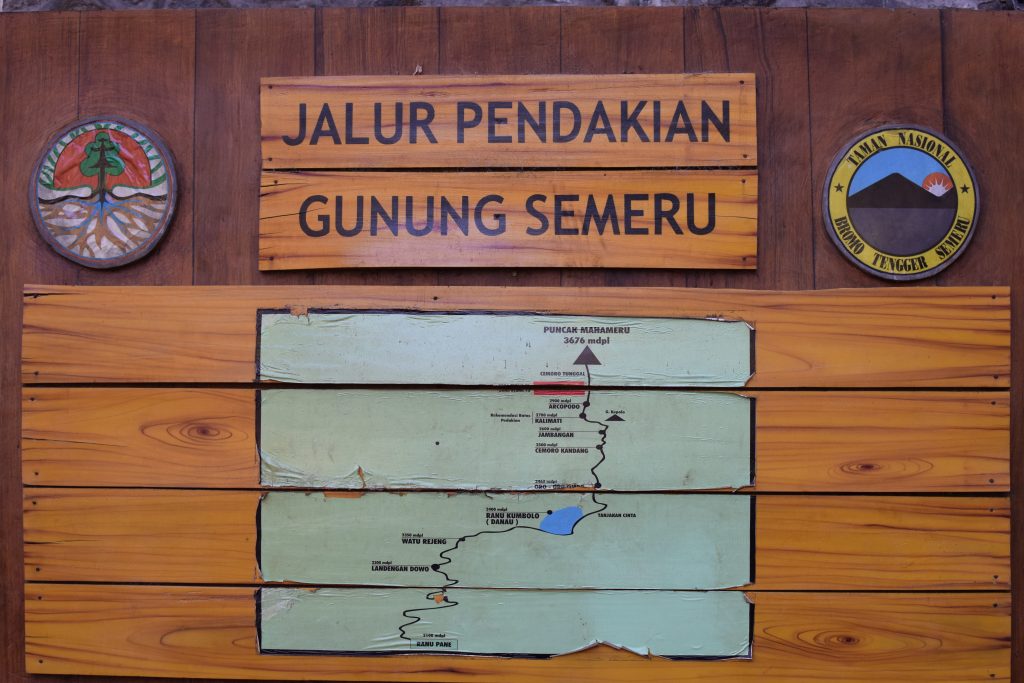
  • Ranu Kumbolo Lake campsite: 2,400 meters above sea level (10.5 km from the starting point)
  • Kalimati campsite: 2,700 above sea level (7.5 km from Ranu Kumbolo Lake)
  • Final ascent: 3 km one way from Kalimati campsite
  • My difficulty rating: medium / hard

Best time to go

The dry season, which is the best time for the hike, starts from late April and lasts until November. During the rainy season from January to late April the trail to the summit may be closed but most importantly going there can be dangerous. It’s also the time to restore the ecosystem of the area.

Hiking Mount Semeru
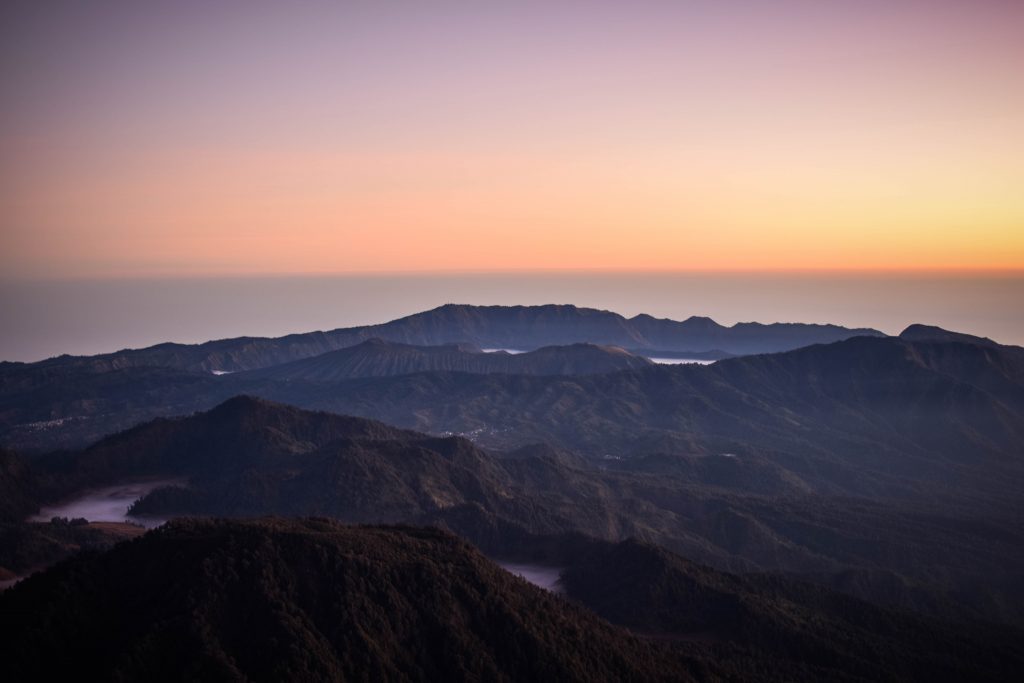
Panoramic views on the way to the summit

How to get there?

We did the route Malang – Tumpang – Ranu Pane. The first leg was really straightforward as we ordered a taxi via the Grab mobile app. Just tell the driver to take you to the jeep’s departure point. Both Grab and Gojek are great ways to get around Indonesia. They work in the same way as Uber but very often have more options available. You can literally order delivery of anything you can imagine!

Being the only hikers there, we waited well over an hour for other people to join in order to lower the costs of jeep ride. Unfortunately, no one came. After bargaining, it cost us 150.000 IDR per person. The rule is simple – the bigger the group, the lower the cost per person is. They charge per vehicle and as it was only two of us, we had to pay a bit more.

Required documents

Medical check – must be obtained from the local hospitals or public health facilities 1 day before the hike. It’s an easy procedure – they just check your weight, high, blood pressure and ask about your general condition. I don’t remember the exact cost, but it was around 20.000-40.000 IDR. We did it in Malang 1 day prior to the hike but you may also do it in Tumpang or even Ranu Pane village.

Passport / ID copy – Photocopy of official identity document that is still valid. For hikers who are less than 17 years old, parents’ approval has to be signed and stamped (6.000 IDR fee) together with a photocopy of parents’ passport / ID.

Registration form – confirmation of online registration or the document filled in the office in Ranu Pane.

Hiking Mount Semeru
Views like that are worth the paperwork

Bookings and prices

Registration for the permit can be done through the website of Bromo Tengger Semeru National Park. Just follow the online booking registration flow, make a payment and wait for the confirmation email. The national park puts a limit of 600 people entering the trail every day, that’s why in high season it’s better to make the booking and secure a spot. Don’t forget to do it at least 3 days before the start of the hike.

There was a problem with processing the payment with my credit card, so if you have the same issue, just take enough cash and pay in the office in Ranu Pane. Apparently, if you don’t make a payment as soon as 5 hours after registration, it will be canceled. Even though, we didn’t have any problems explaining to the ranger that the payment couldn’t be processed and he accepted cash.

Ticket prices for Indonesians:

Working Day 19.000 IDR per person per day

Holidays 24.000 IDR per person per day

Ticket prices for Foreigners:

Working Day 210.000 IDR per person per day

Holidays 310.000 IDR per person per day

Hiking Mount Semeru
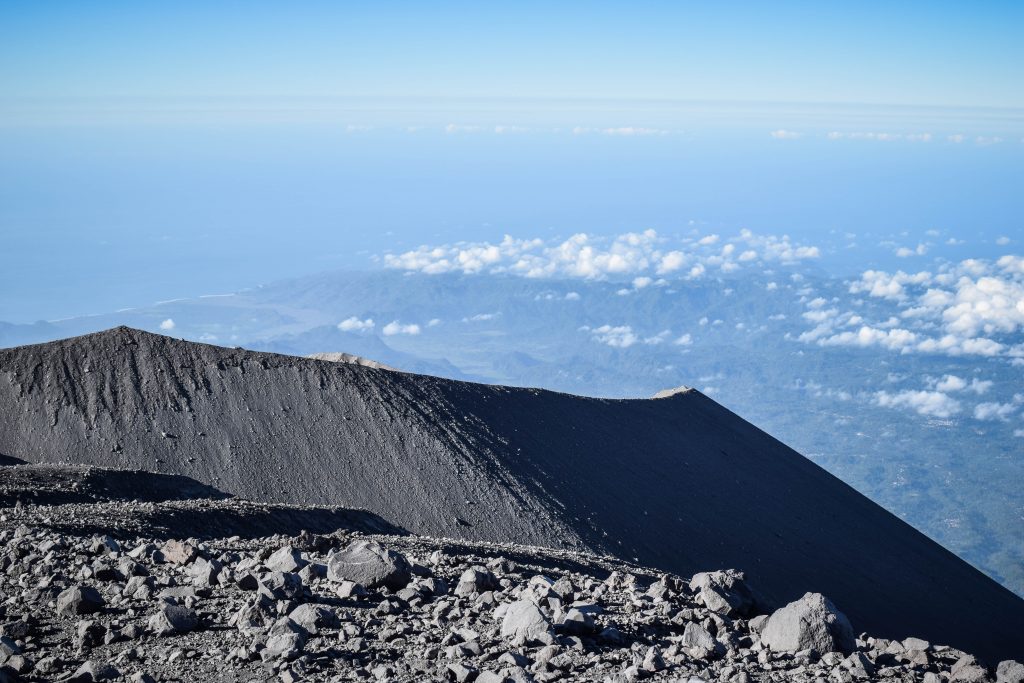
Views from the top of Mount Semeru

Briefing

After picking up the permit in the rangers’ office, you will be invited to the briefing. They explain the route, location of the campsites and some safety tips to keep in mind. One rule is especially worth remembering: whatever you bring in, bring it out with you. There are no rubbish bins and unfortunately, trash can be found around campsites. Indonesia has a big problem with rubbish and makes sure not to leave anything behind. Simply throw it away in Ranu Pane village.

Itineraries

2 DAYS 1 NIGHT

You will walk 42 km in two days and the second one will be especially tiring. Do it only if you are an experienced hiker in decent shape. We did it this way and it was fine, though one extra day to enjoy nature wouldn’t hurt. The campsite at Ranu Kumbalo Lake is only 3 hours walk away from Ranu Pane, that’s why it seemed unreasonable to stay there for the night and we pushed to the end instead.

Day 1: Ranu Pane – Ranu Kumbalo Lake – Kalimati campsite
Day 2: Kalimati campsite – Semeru summit – Kalimati campsite – Ranu Kumbalo Lake – Ranu Pane

3 DAYS 2 NIGHTS

The most popular and optimal version of the hike, giving you more time on the side of nature, taking all the sights at a slower pace. Good idea if you have more time to spend in the national park.

Day 1: Ranu Pane – Ranu Kumbalo Lake – Kalimati campsite
Day 2: Kalimati campsite – Semeru summit – Kalimati campsite – Ranu Kumbalo Lake
Day 3: Ranu Kumbalo Lake – Ranu Pane

4 DAYS 3 NIGHTS

The very long and chilling version of the hike, for me it would be a bit too long though. But if you are with a group of friends, why not 🙂

Day 1: Ranu Pane – Ranu Kumbalo Lake – Kalimati campsite
Day 2: Kalimati campsite – Semeru summit – Kalimati campsite
Day 3: Kalimati campsite – Ranu Kumbalo Lake
Day 3: Ranu Kumbalo Lake – Ranu Pane

Hiking Mount Semeru
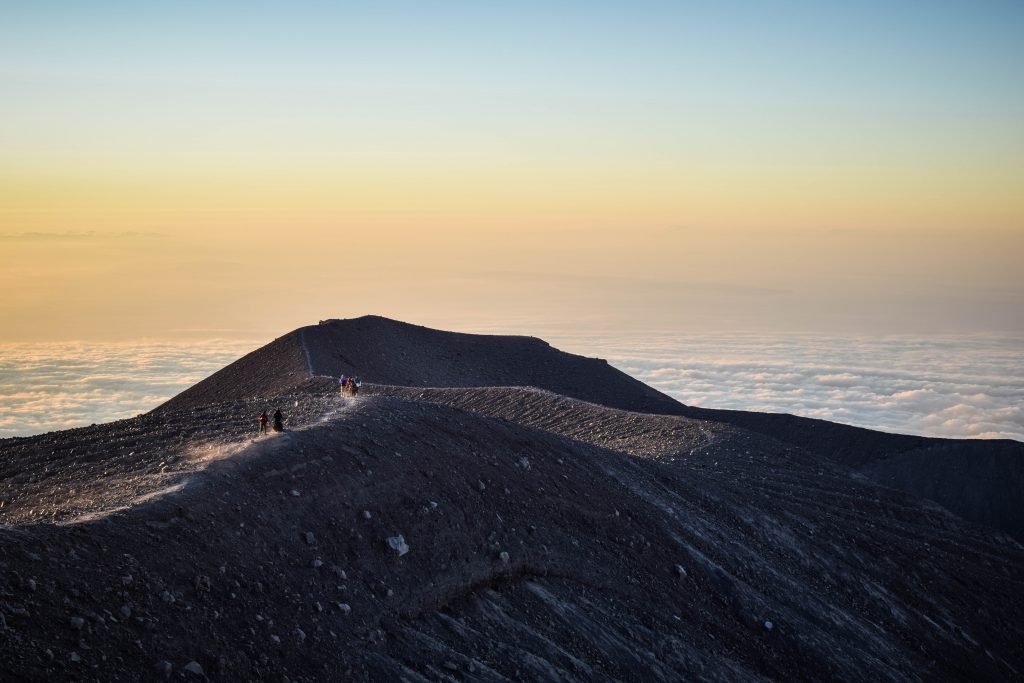
On the top of Mount Semeru

With or without a guide?

Taking a guide is not necessary at all. The trail to Kalimati campsite is very easy to follow, there is a lot of people, small stalls selling food and drinks so it’s impossible to get lost. For the final summit push just follow the lights of other hikers and you will be fine as well.

Equipment

Here is my basic packing list for the hike:

  • Camping: tent, sleeping bag, sleeping mat, gas cooker, cooking pot, lighter.
    If you don’t have your own equipment, you can easily rent it everywhere in Ranu Pane.
  • Clothes: thermals, t-shirts, shorts, long pants, warm sweater/hoodie, gloves, hat, socks, underwear, hiking shoes, jacket.
    Don’t underestimate the weather. Even if it’s warm and nice in Tumpang or even Ranu Pane, the nights at the campsites will be cold as well as final ascent on exposed terrain.
  • Headlamp and spare batteries, hiking poles, sunglasses.
    Good light is essential as you will be walking hours in the night. Hiking poles are extremely useful on the last kilometers of the steep summit push so it’s good to have at least one.
  • First aid kit, basic medications, suncream.
  • Food
    Don’t take too much. Indonesia won’t leave you with an empty stomach. There are small stalls on the way where you can buy fruits, drinks, snacks. You will support the local community and keep your backpack lighter.
  • Camera
Hiking Mount Semeru
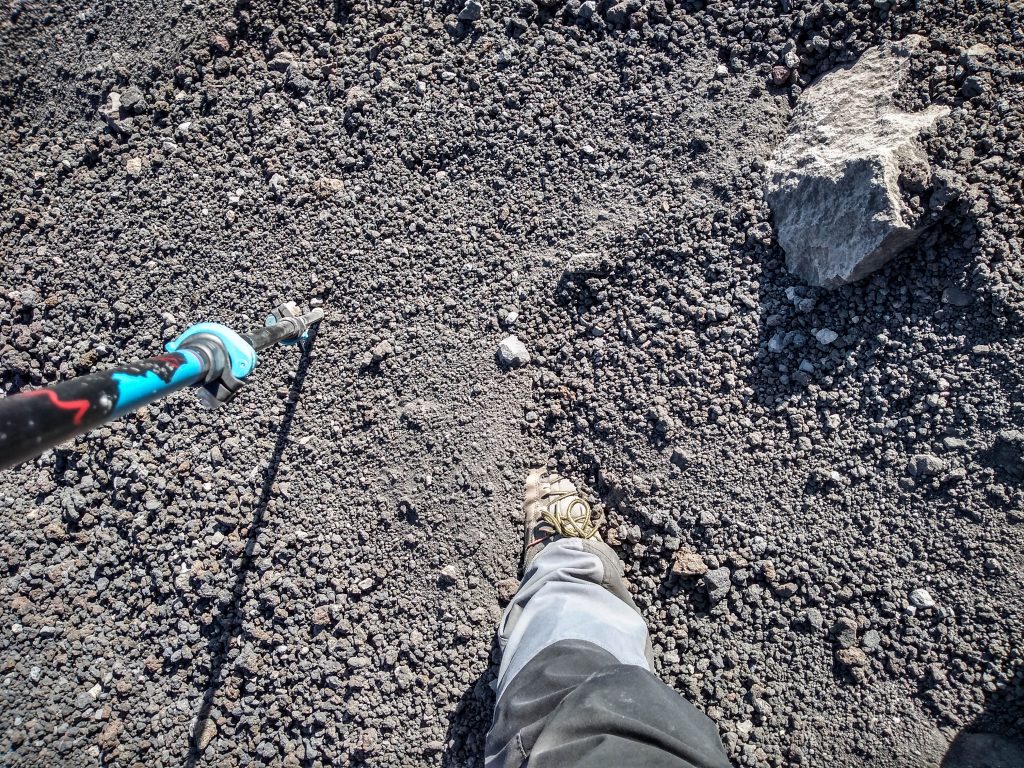
Hiking poles are very useful when walking in volcanic ash

Accommodation in Ranu Pane

There are many accommodation options in the village and the best is to text them through Whatsapp or just come to the village and look around. We chose Thomas Sanjaya Homestay which was simple but perfectly sufficient. There was even a hot water shower which is not always the case in Indonesia. They also run a small shop for those willing to buy some extra noodles, cookies or rent a sleeping bag and gas cooker. The nights can get really cold in the region, giving us a feeling that next night in the tent for sure won’t be too warm!

On the trail – 2 days 1 night

Day 1: Ranu Pane village – Ranu Kumbolo Lake – Kalimati campsite (15km, 5-6h)

Stage 1: Ranu Pane village to Ranu Kumbolo Lake (3-3.5h)

Around 7 am the guesthouse started to be busy with climbers getting breakfast and preparing for departure. The breakfast didn’t surprise – it was a simple nasi goreng (fried rice) with egg. I could say a lot about nasi goreng but let’s just underline that it is absolutely the most popular meal for budget travelers and I had it nearly every day 🙂

Hiking Mount Semeru
Information board at the entrance gate

At around 8 am we were already on the way. First, following asphalt road to the gate of the national park where our permits were checked and then passing through cabbage fields into the forest. Surprisingly, I realized that taking so much food with us was absolutely not necessary. Why? There are warungs (little stalls) on the way! They sell fruits, cakes, drinks and of course fried rice or fried noodles. You can make a stop there and refill your energy, supporting local people running a rather challenging business. They have to descent back to the village every day and then go up again in the early morning, very often simply carrying products on their backs.

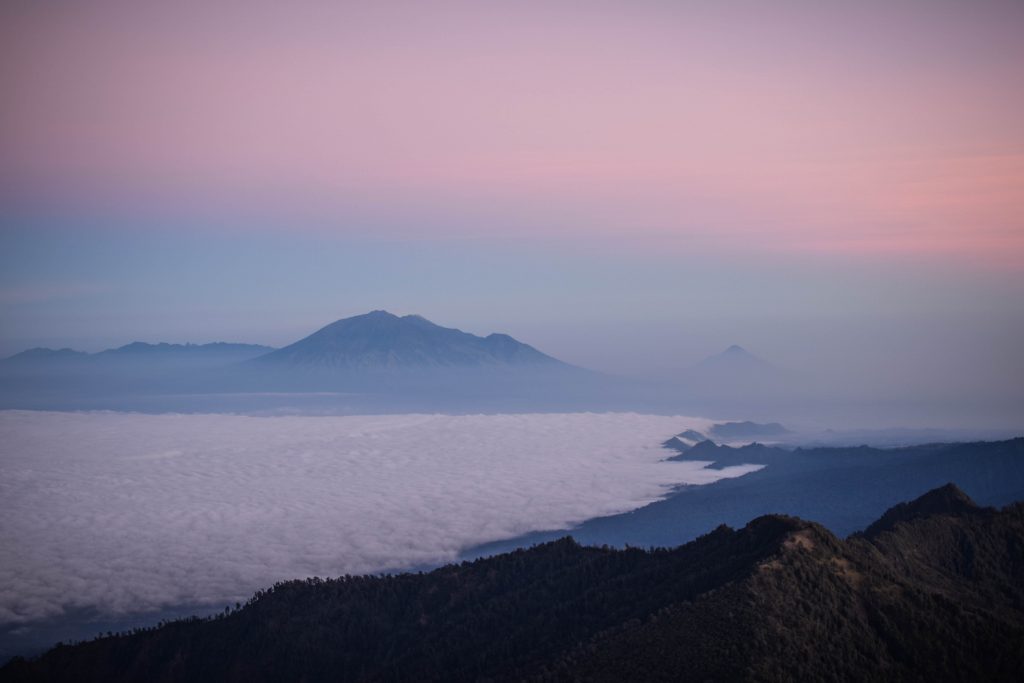
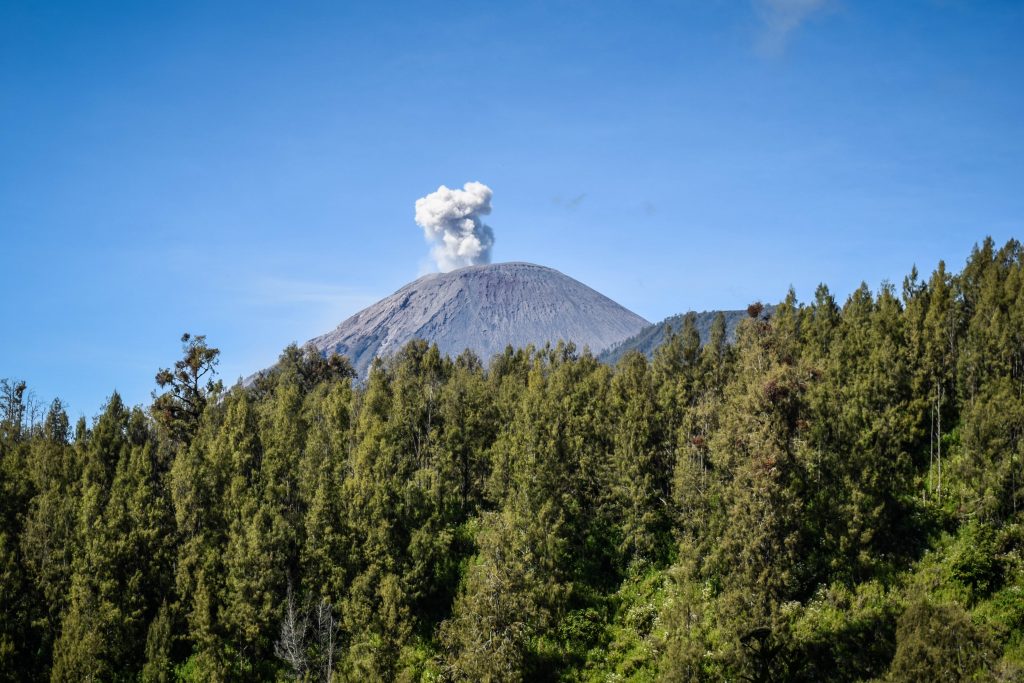
Mt Semeru still looked very far away and we admired its graceful shape from the distance when suddenly the cloud of volcanic ash appeared growing just at the summit! It looked totally amazing and it was the first time for me to actually see a small volcanic eruption. It has a long history of eruptions and since 1967 it is in a state of near-constant activity. Small eruptions can happen even every 20 minutes! While it’s an additional advantage that boosts your adrenaline, for your own safety you should never go off the hiking trail.

Hiking Mount Semeru
Small eruption seen from the distance

After 3 – 3.5 hours since departure from Ranu Pane, we arrived at Ranu Kumbolo Lake. There is a beautiful campsite there at the lakeside and obviously some warungs as well. Swimming in the lake isn’t allowed as the water is used for drinking and cooking. I regret a little bit that we didn’t stay there for an extra night. Next time!

Hiking Mount Semeru
Ranu Kumbolo Lake and campsite

Stage 2: Ranu Kumbolo Lake to Kalimati campsite (2-2.5h)

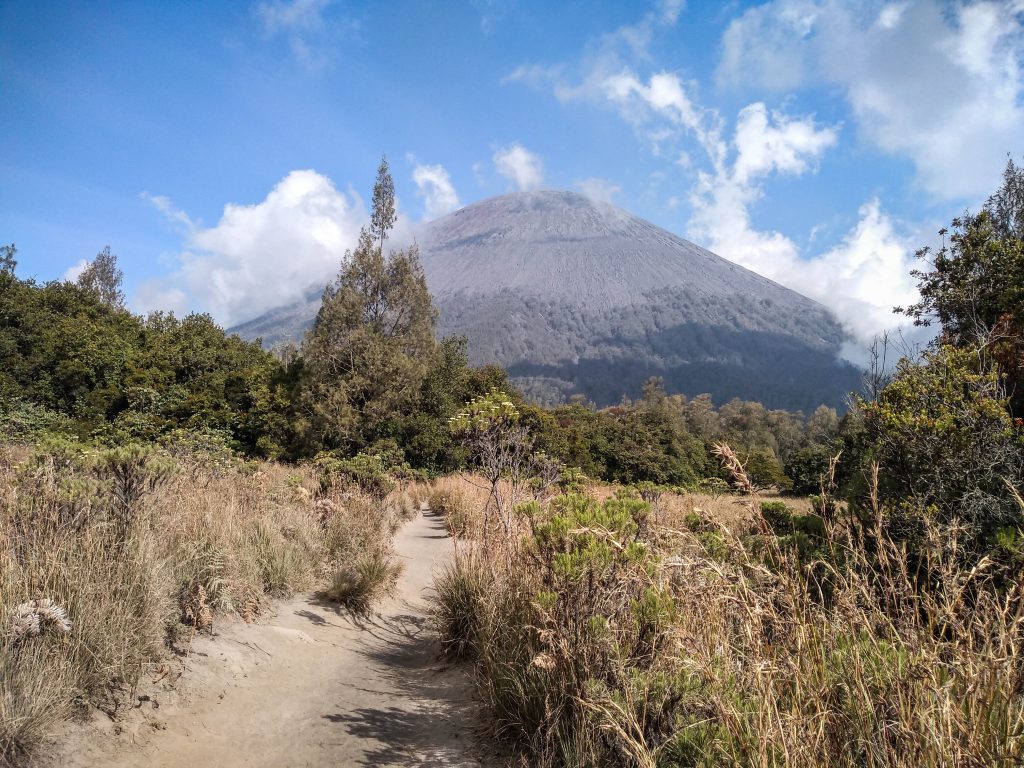
After a lunch break for cooking instant noodles and relaxation at the lake, we continued along much more steep part of the trail leading through forest and grasslands to Kalimati campsite. Here the backpack started to be really heavy and I was glad to have my trekking poles for extra support. Before, we could see Mount Semeru only occasionally, but now it’s getting closer and closer.

Hiking Mount Semeru
View on the way to Kalimati campsite

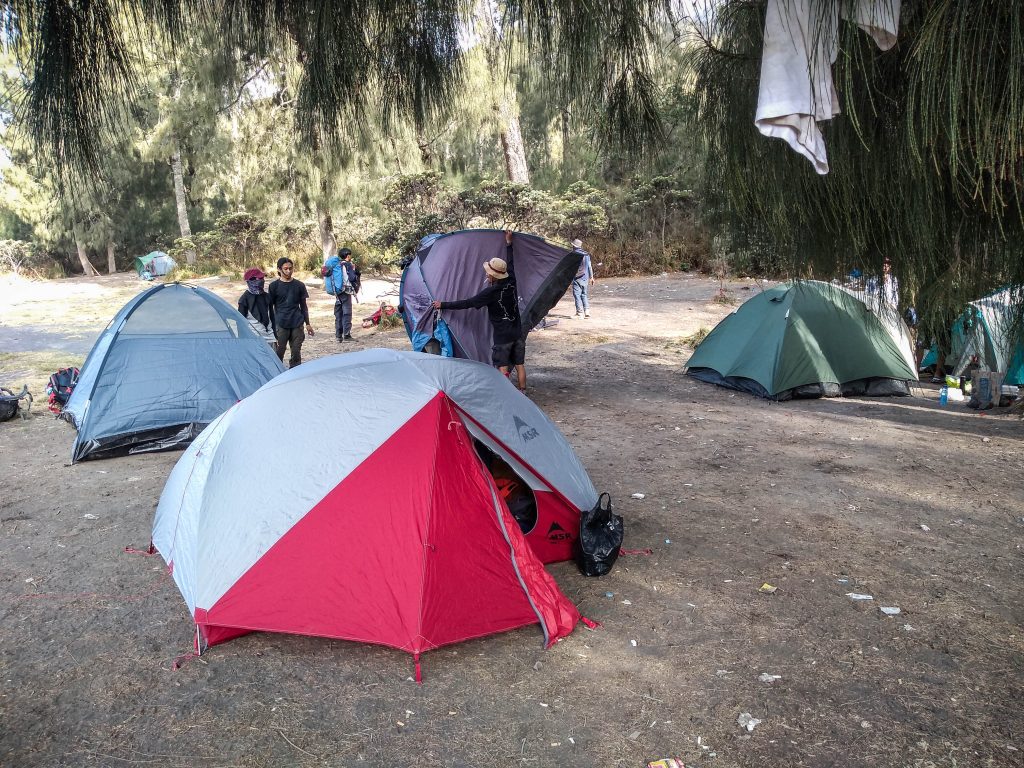
Around 2 – 2.5 hours later I was already setting the tent. The campsite was full of friendly hikers, everyone busy with cooking. If you are short on water, there is a source around 15 min walk from the campsite. Just ask locals for directions.

Having in mind that the night will be short, we tried to get some unstable sleep before the alarm woke us up at midnight.

Hiking Mount Semeru
Kalimati campsite

Day 2: Kalimati campsite – Semeru summit – Kalimati campsite – Ranu Kumbolo lake – Ranu Pane

Stage 1: Kalimati campsite to Semeru summit (4-5h)

The nights at Kalimati campsite can get really cold and the best is to have your own sleeping bag as the rented ones are rather thin. Good idea is to have a thermal layer as well.

We started preparing our breakfast to warm up and feel some energy boost. Most of our things stayed inside the tent and we departed carrying a small backpack with water, snacks, a camera and an extra layer of clothes. Most of the people hit the trail between 00:00 – 01:00 am, so did we. There was a group saying that they want to depart as early as 10:00 pm but I think it’s way too early. Reaching the summit too early leaves you with nothing else to do than wait and get cold. Leave at midnight if you are slower and want to see the sunrise from the summit. If you are faster or it’s enough for you to see the sunrise on the way (which is awesome anyway), then 01:00 – 01:30 am would be enough.

Hiking Mount Semeru
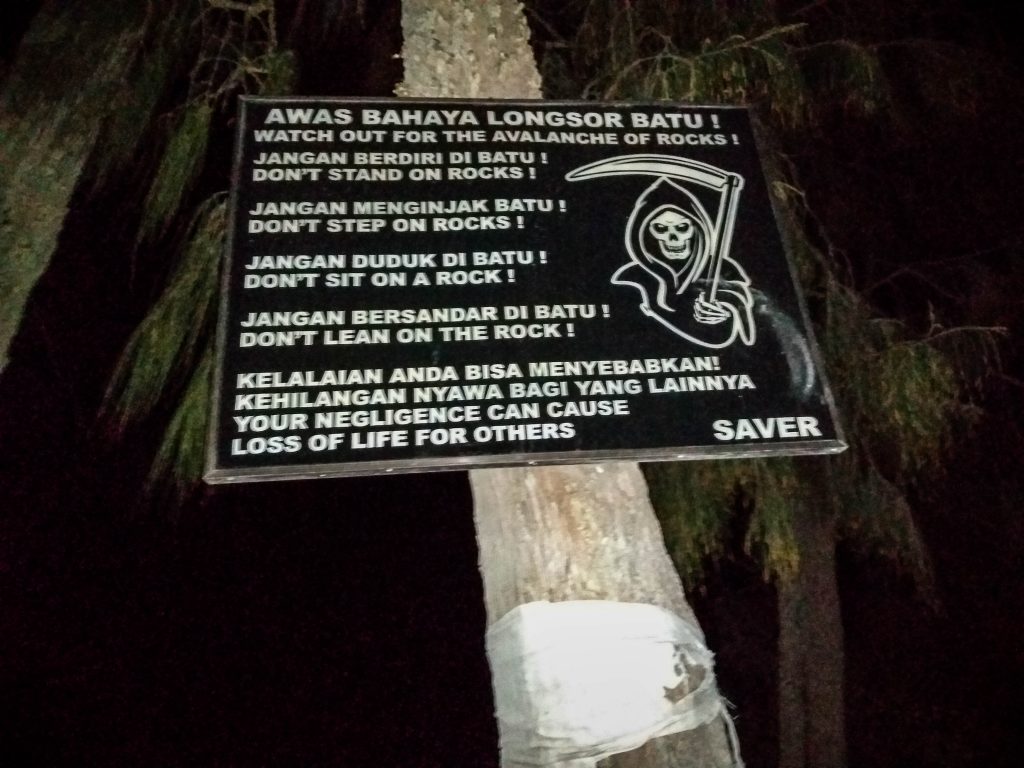
Rocks are your enemies!

I could imagine that the trail is difficult to follow if you go solo, but there were plenty of other hikers getting ready at the same time so we simply followed them. With everyone equipped with head-light, it looked like a moving dotted line in the middle of dark night.

From the campsite, we went into the forest but it didn’t take long to reach infamous volcanic ash and start of the crazy long and slow ascent. So glad that I had my hiking poles! With every 2 steps up, you pretty much slide 1 step down. It’s steep, it’s tiring, it’s cold and it may be very windy due to exposed terrain. You also have to be careful of loose stones rolling down the slope as people walk in front of you. Maybe it’s better that we walked in the darkness? At least we pushed forward not knowing how far we are from the summit.

Hiking Mount Semeru
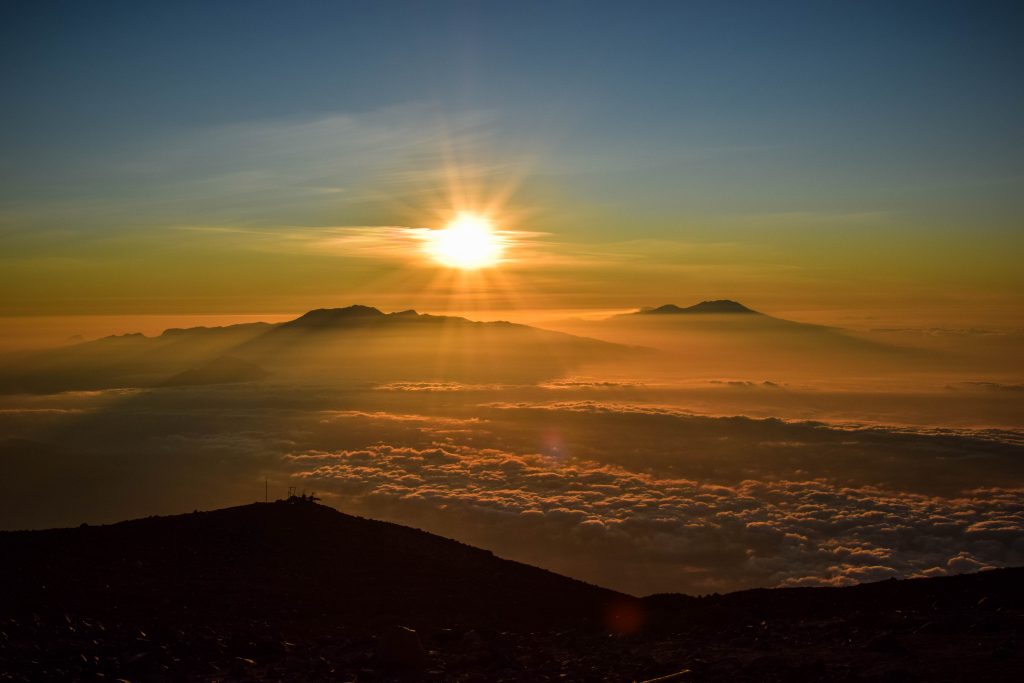
Sunrise on the way to Mount Semeru
Hiking Mount Semeru
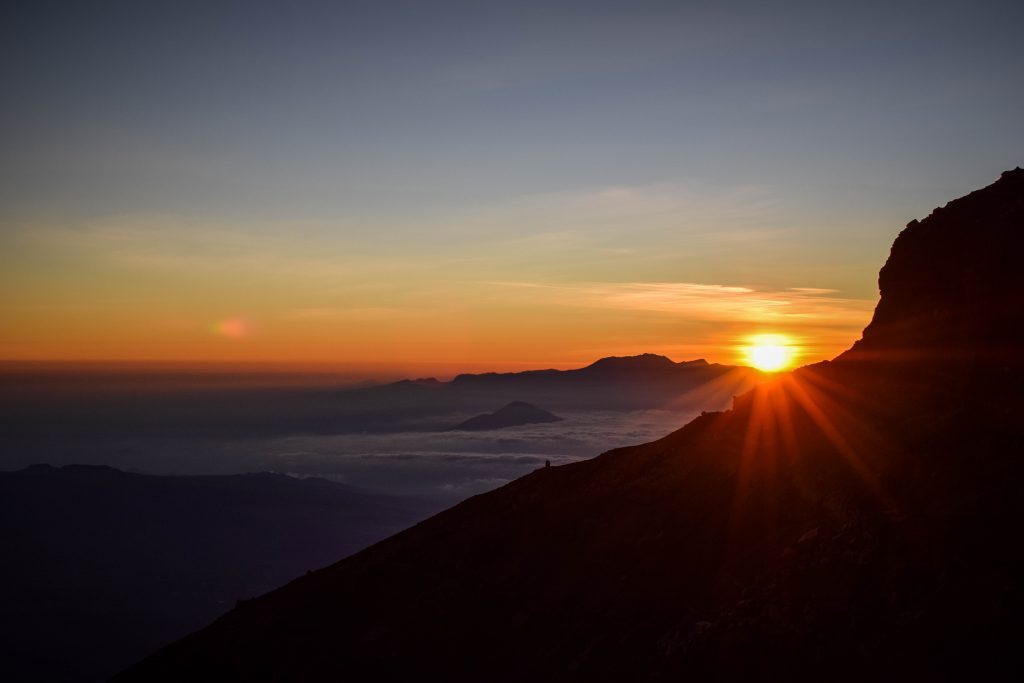
Sunrise on the way to Mount Semeru
Hiking Mount Semeru
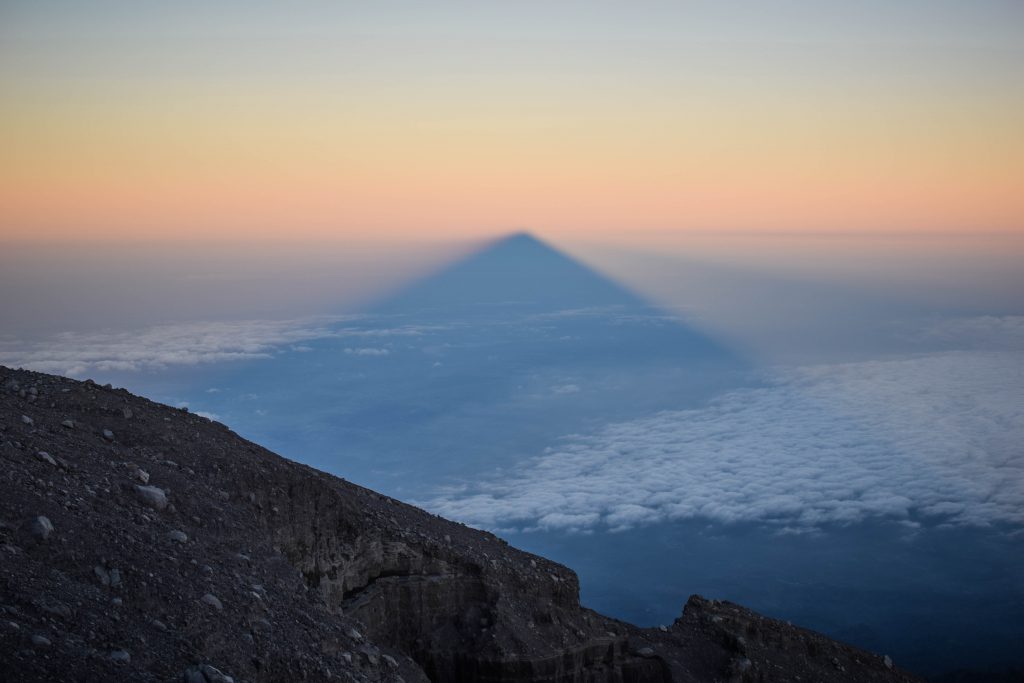
The shadow of the mountain at sunrise

Ok, I don’t want to scare you out! It’s definitely not easy but it’s doable. Just pace yourself properly and take breaks if you are running out of breath.

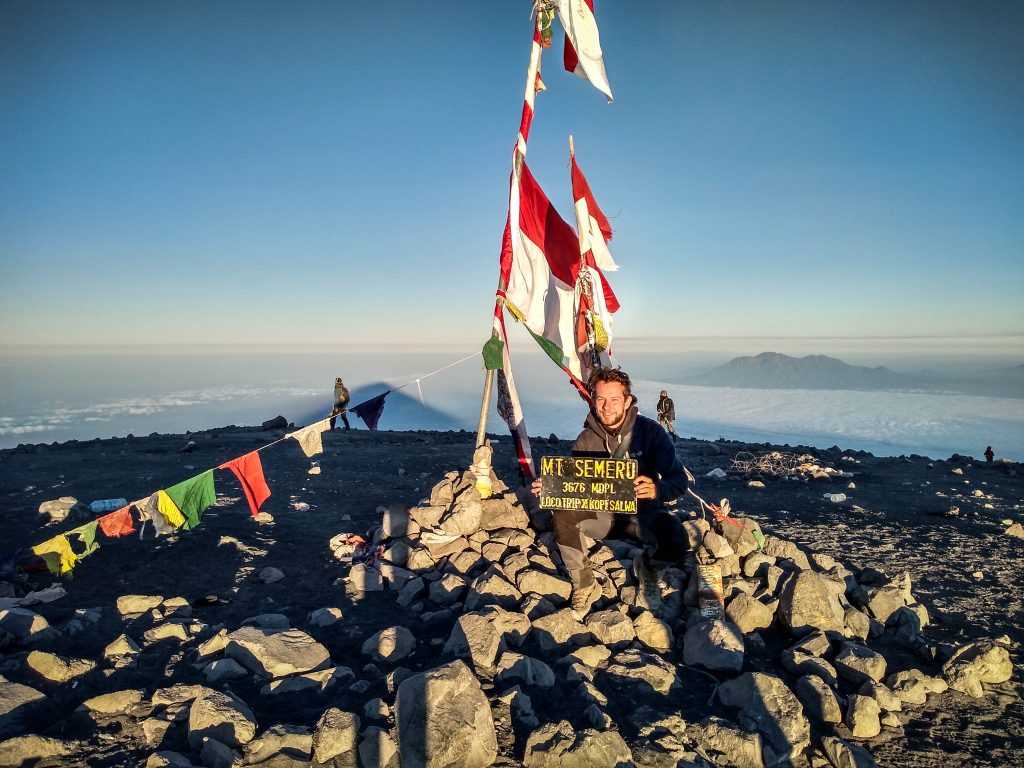
The summit is flat and there is a lot of space to take nice pictures and absorb the views. It’s worth following the trail along the ridge closer to the crater. Being the highest mountain on Java, panorama from Semeru’s top is simply spectacular. We also had a nice chat with a group of Indonesians that treated us with warm ginger drink and a soup! Having something warm in hands when resting on the summit after long and tiring ascent was exactly what we needed.

Hiking Mount Semeru
On the summit of Mount Semeru

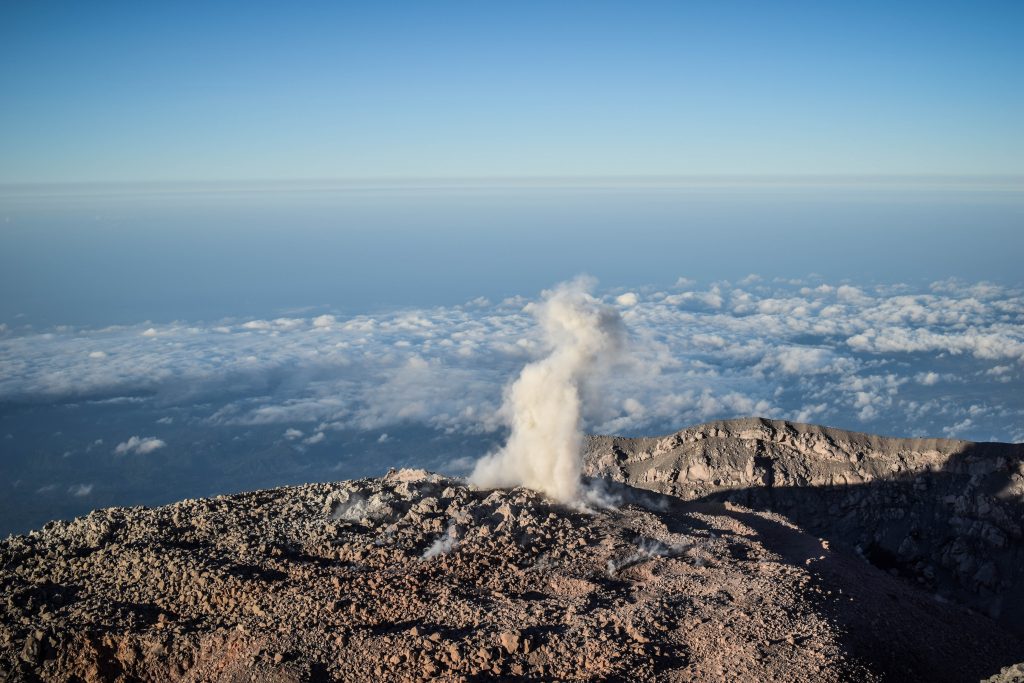
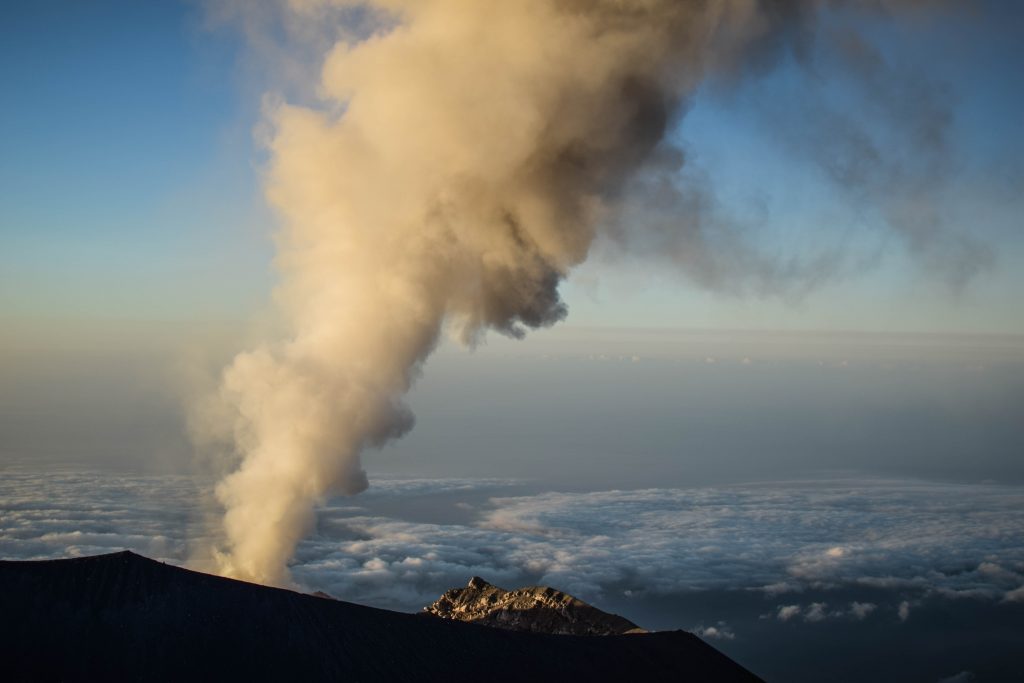
But the best point was witnessing 2 small eruptions that happened just in front of us. Exactly the same style as we saw the day before but this time we were only a few meters away. The cloud was growing and taking its shape, hanging in the air and slowly drifting away. The whole spectacle reminds of frequent volcanic activity and the power of nature in Indonesia. In the case of Semeru, eruptions like that usually happen every 20-30 minutes so just hang around and wait for it. Be ready for one of a kind pictures opportunity!

Hiking Mount Semeru
Small eruptions can happen even every 20-30 min
Hiking Mount Semeru
It’s one of a kind spectacle!

Stage 2: Semeru summit to Ranu Pane village (6-8h)

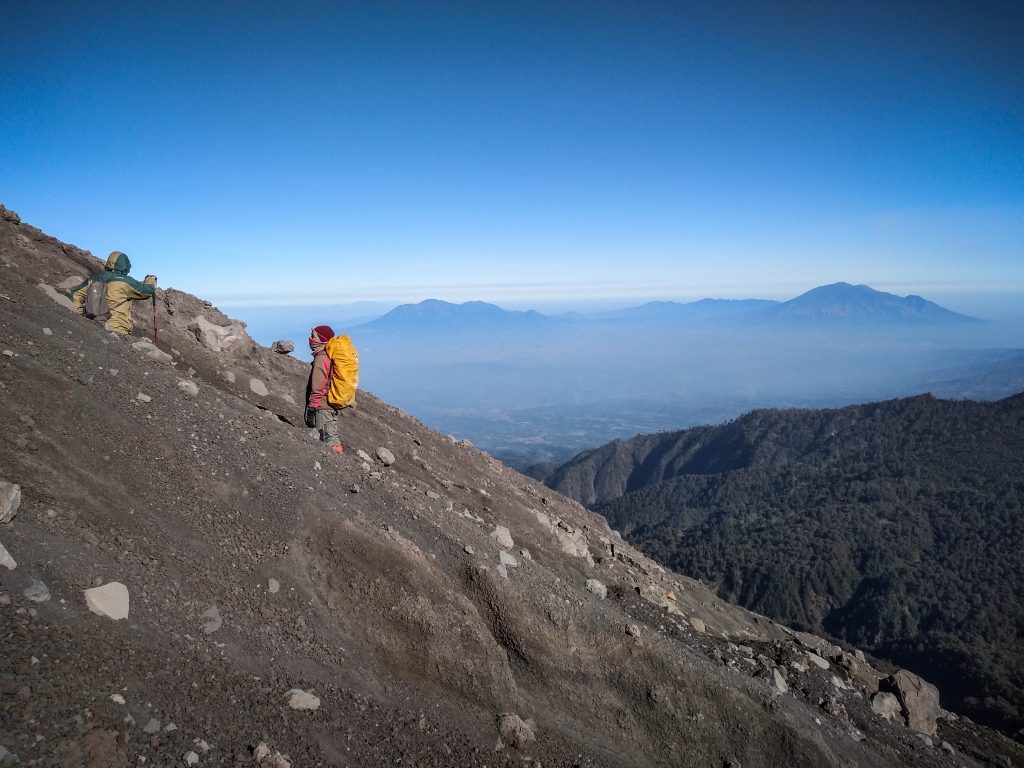
After conquering the summit in 5 hours, the way down to the camp took us… less than 1.5 hours. Using heels and sliding all the way down is the most effective and fastest way to descent. When turning around, it was hard to imagine that we really went up this steep trail in the middle of the night.

Hiking Mount Semeru
The steep slope of Mount Semeru

We did an hour break to cook breakfast, pack all the things and then continued way back to Ranu Pane. After reaching Ranu Kumbolo Lake I started to feel really tired and made breaks more often to take off the backpack and let my shoulders rest for a while. We arrived at the village totally exhausted but extremely satisfied.

The last step was to organize jeep transportation back to Tumpang and from there taxi to the hotel in Malang. As always in Indonesia, negotiate your price and try to join a group of other hikers to split the costs. We couldn’t find anyone and after tough haggling, the driver took us for 200 IDR / person.