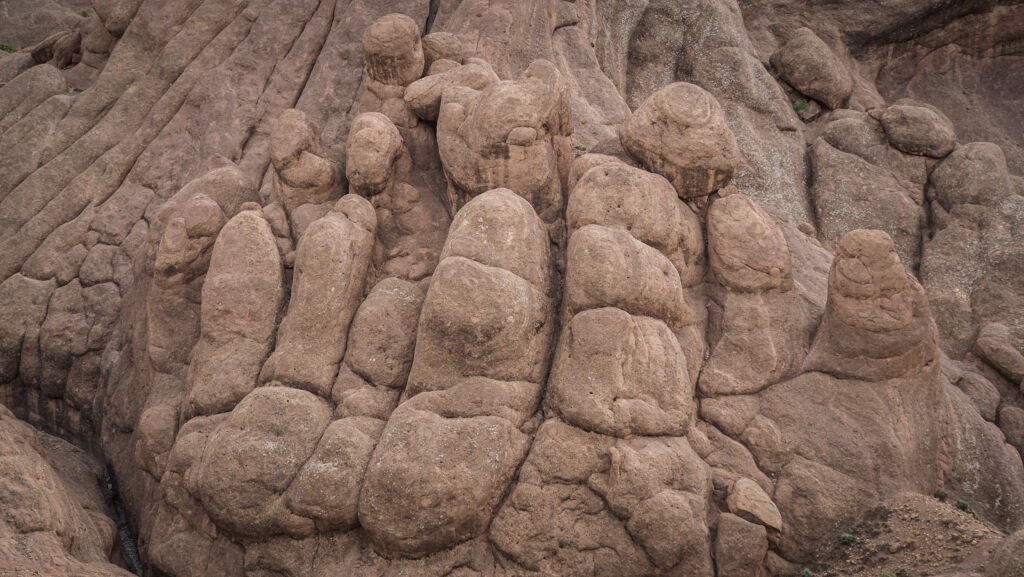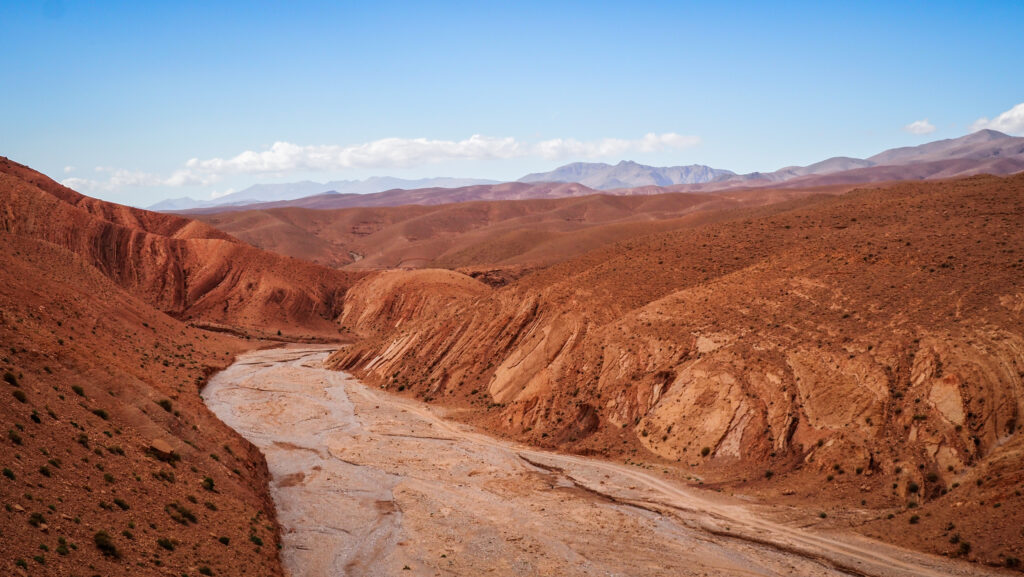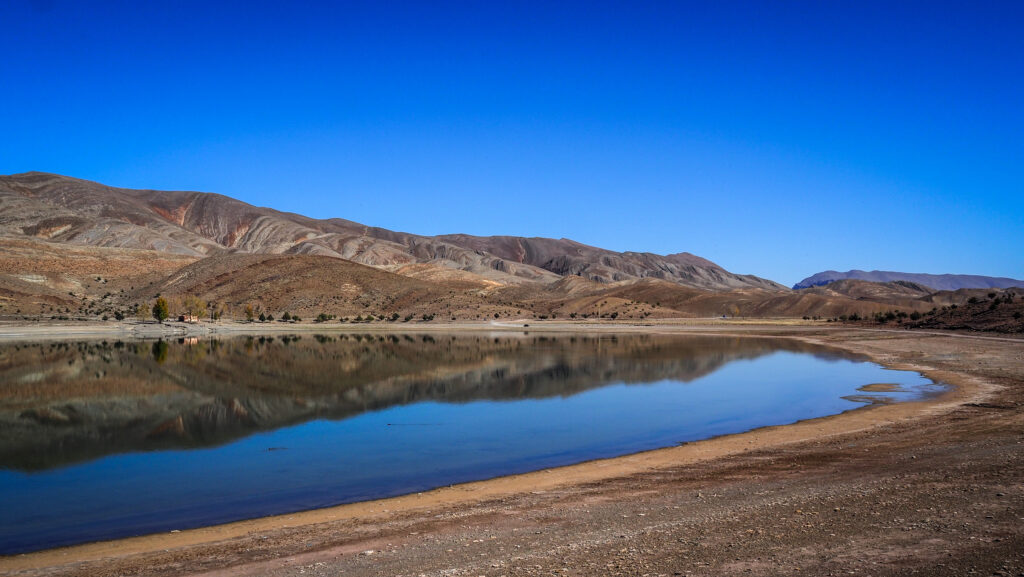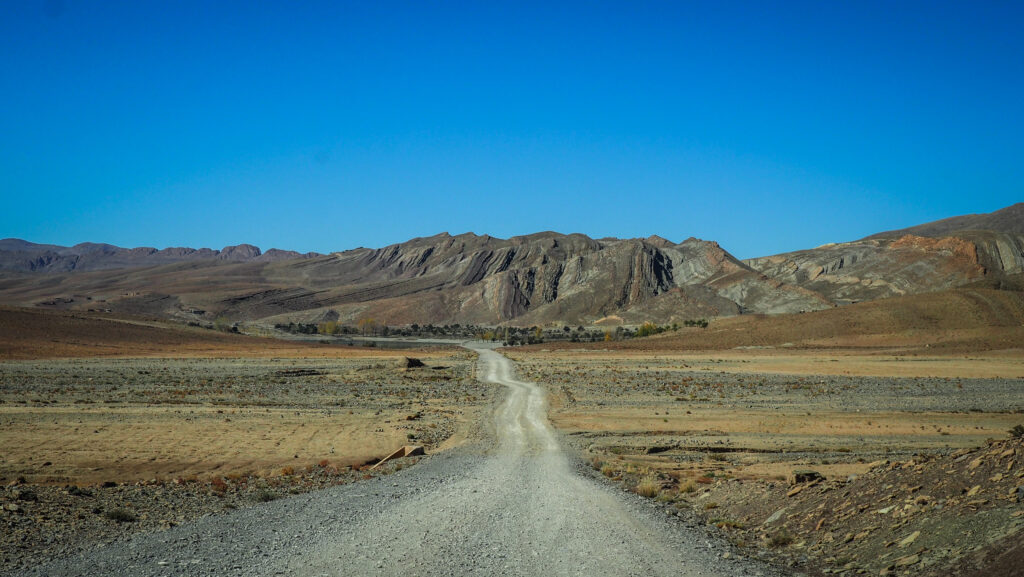
Tag

featured

Browsing

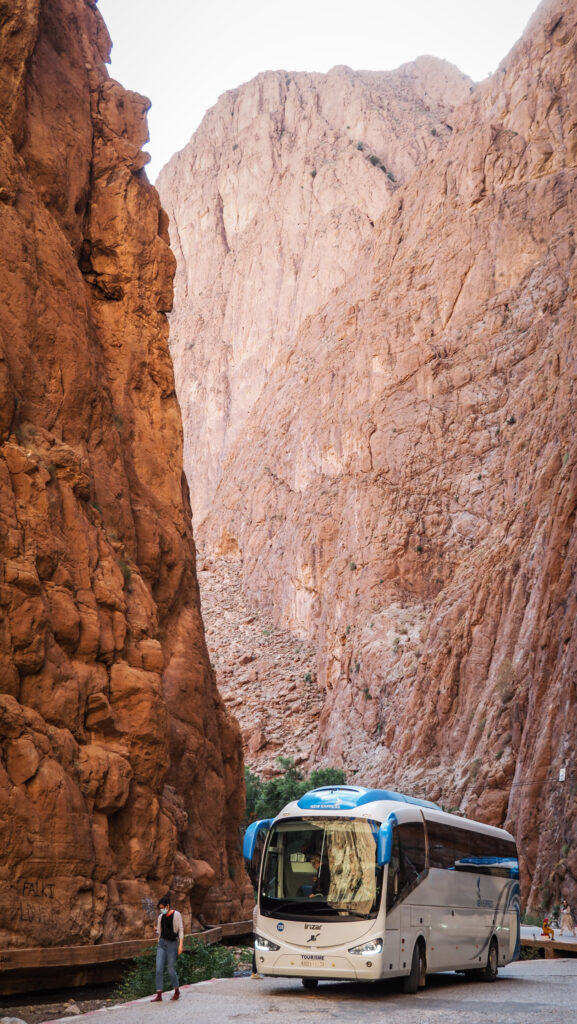
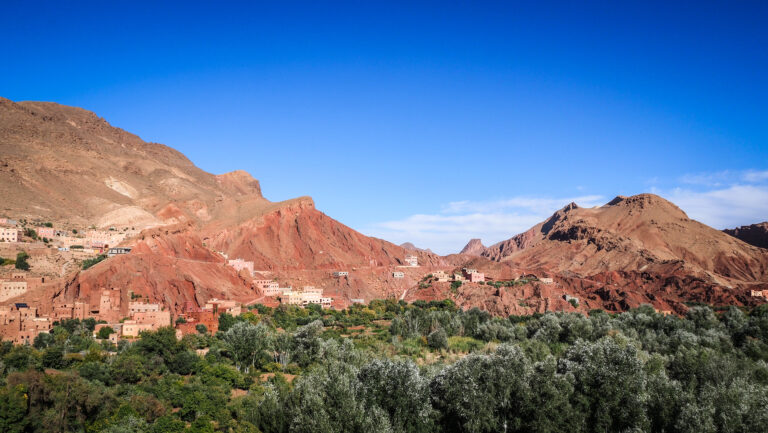
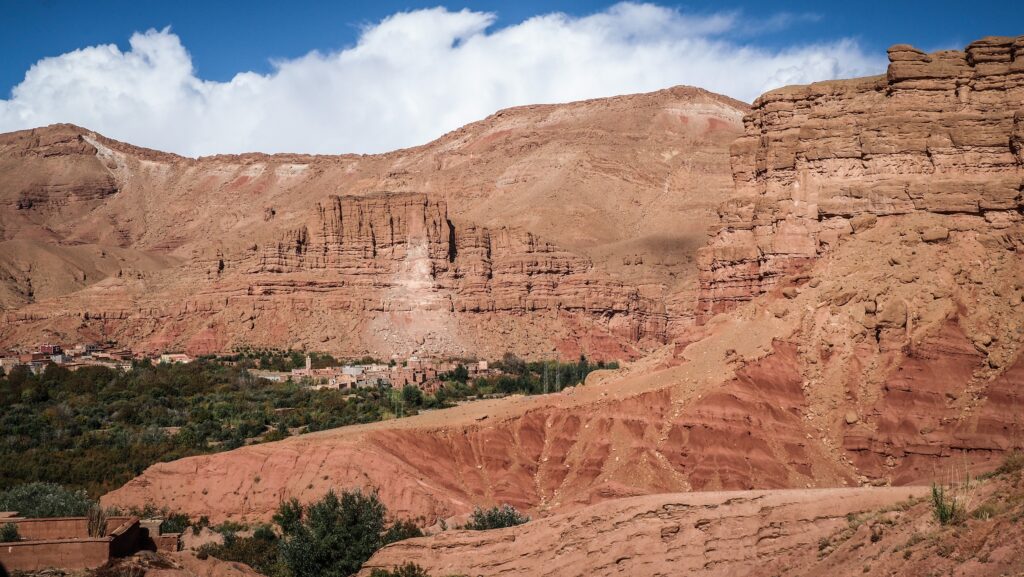
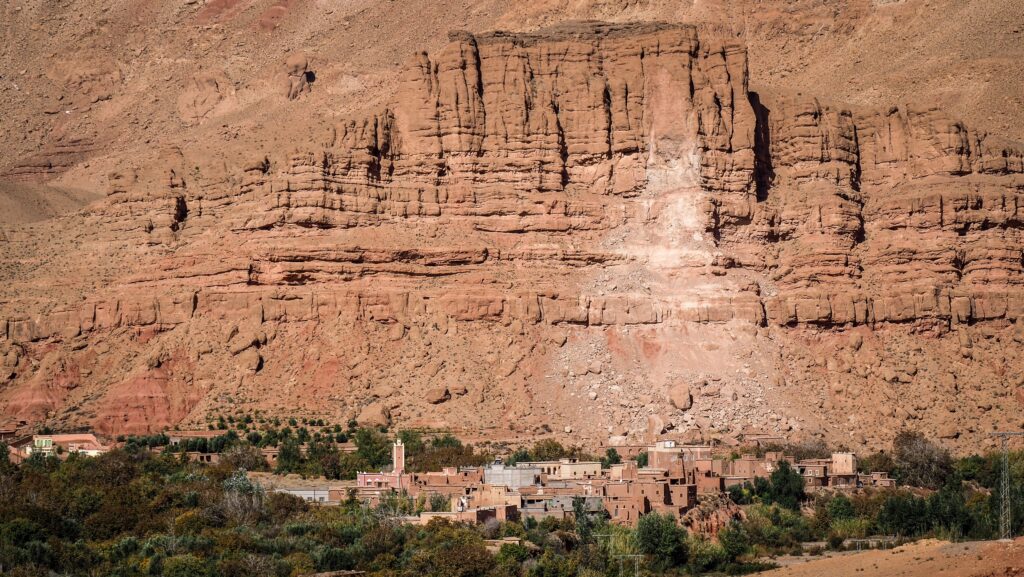
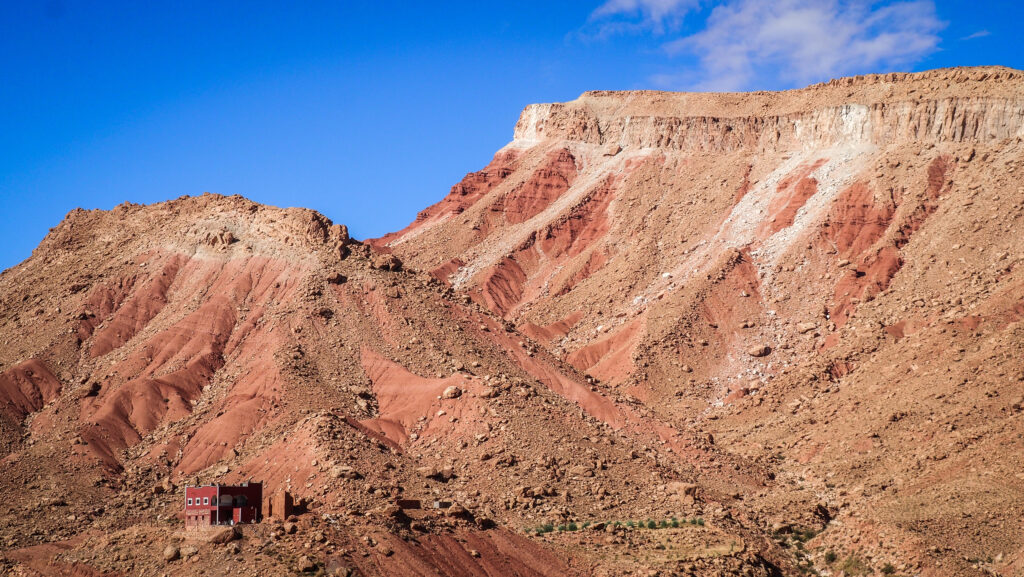
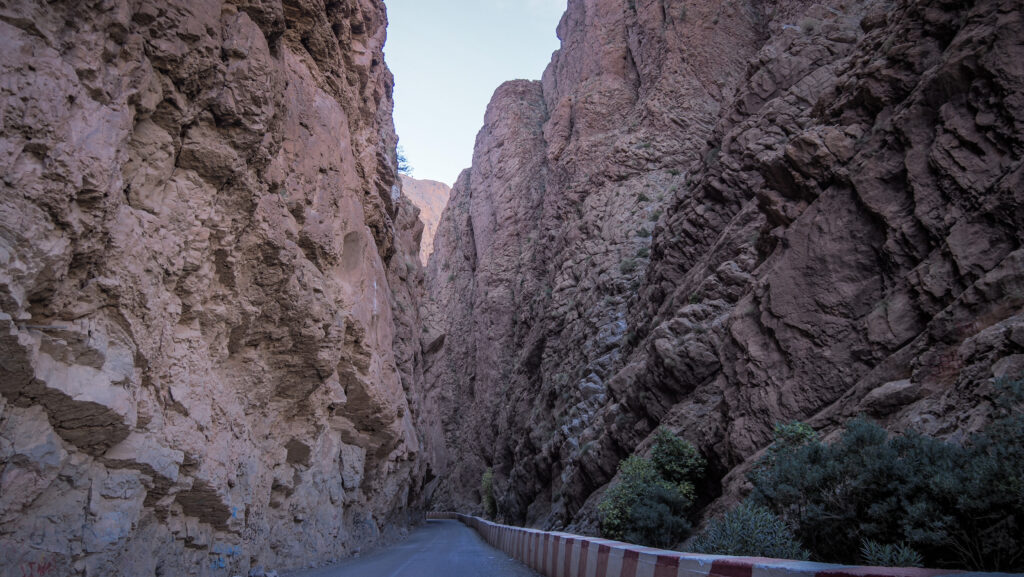
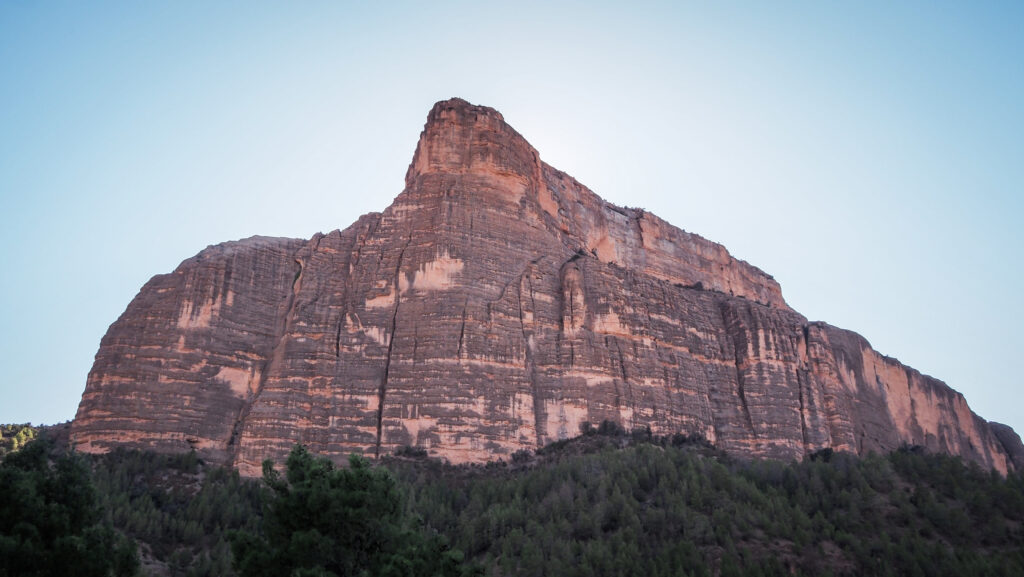
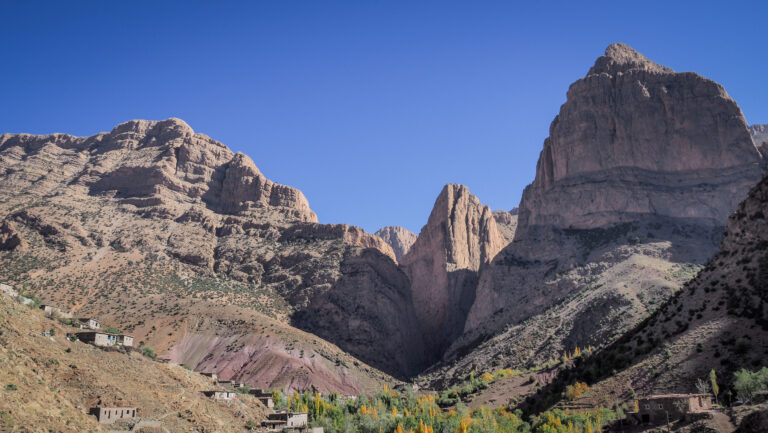
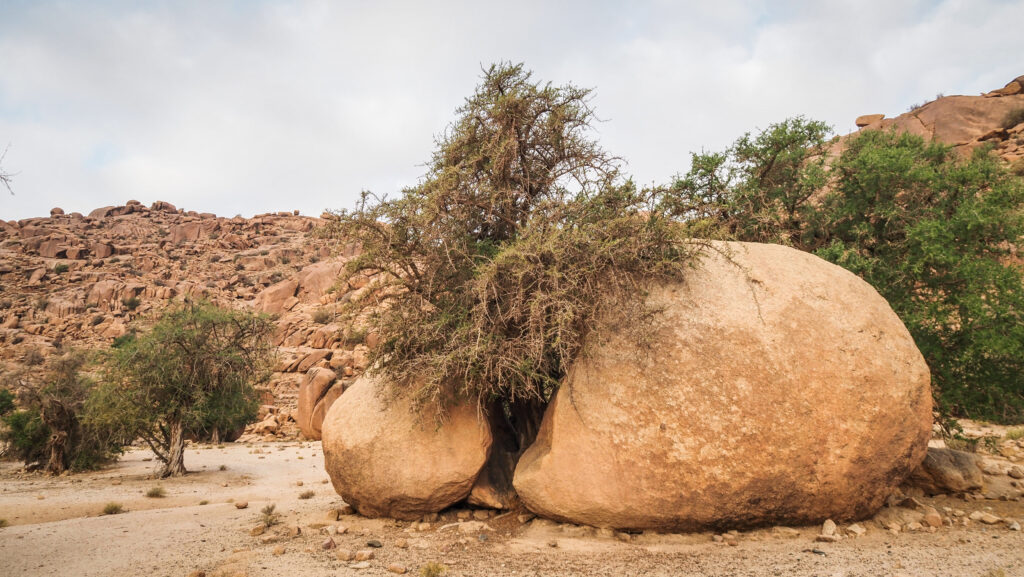
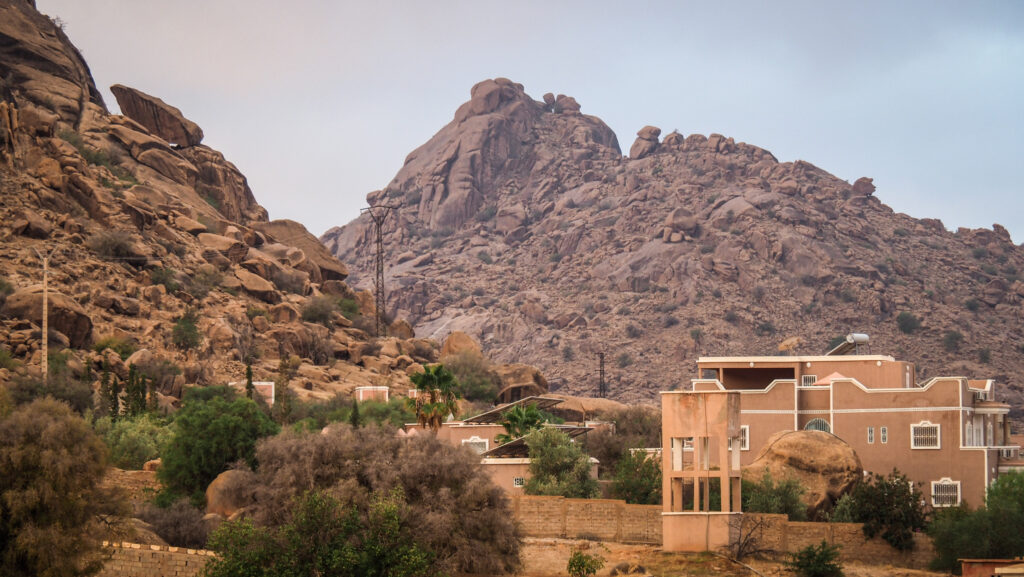
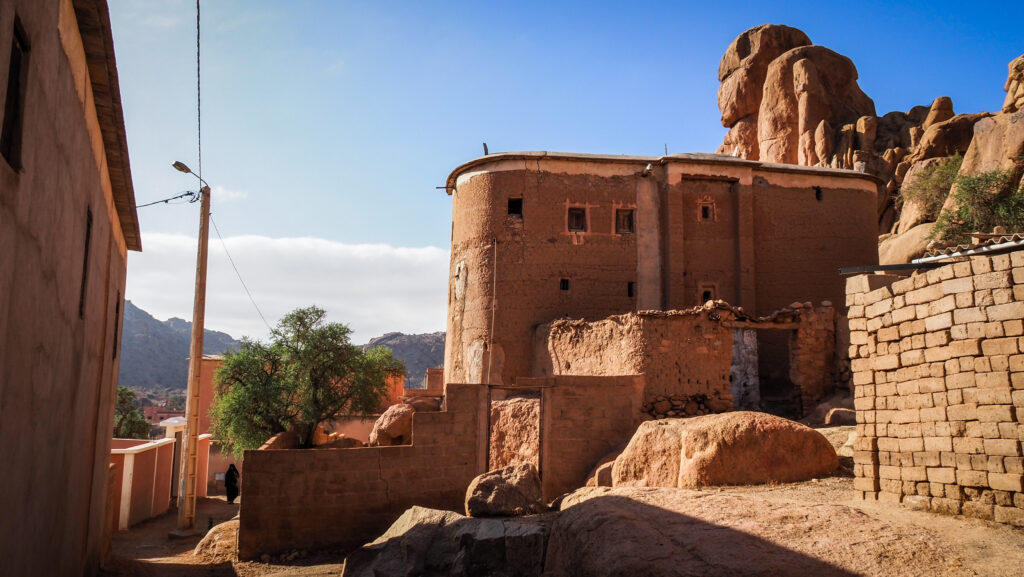
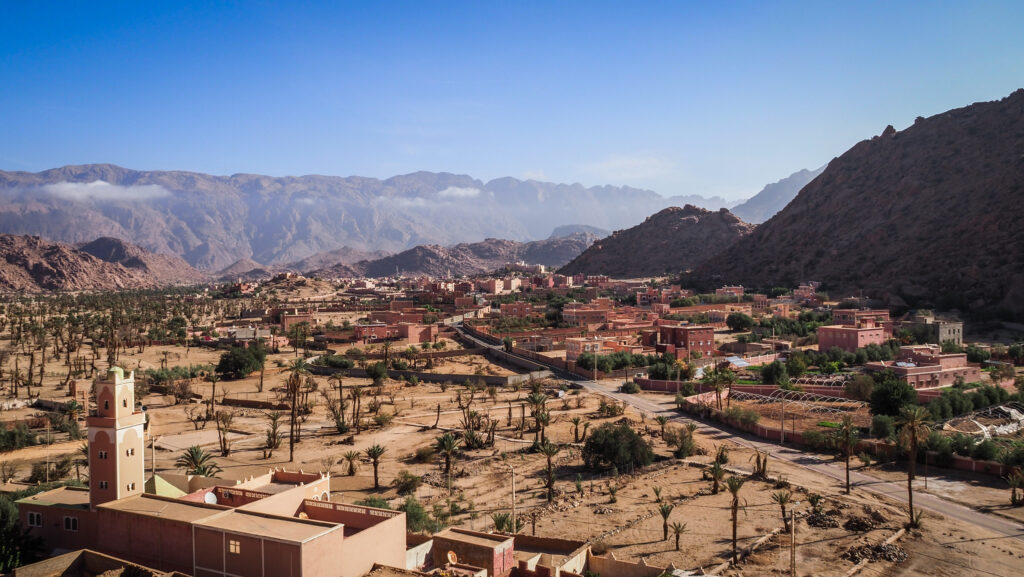
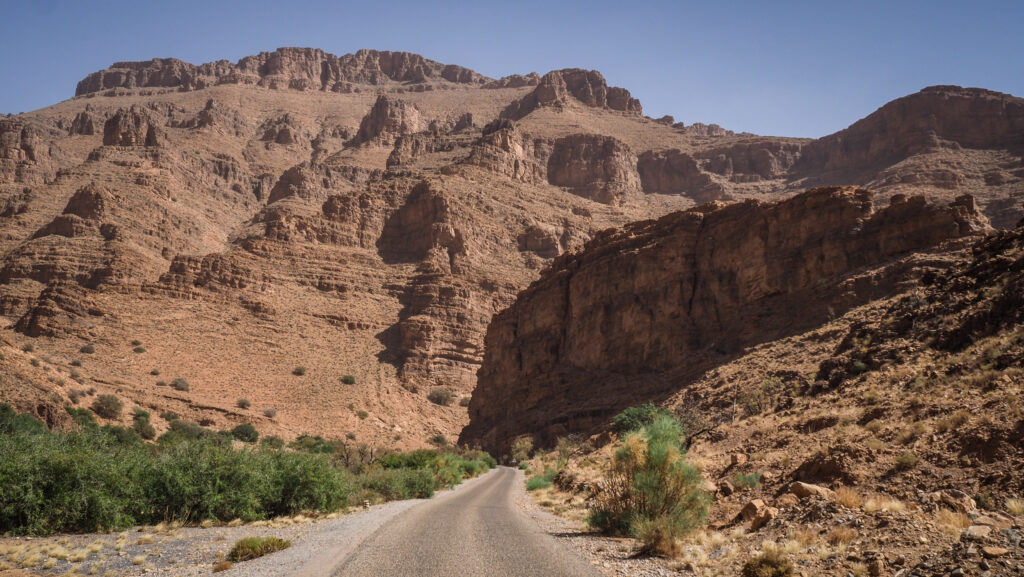
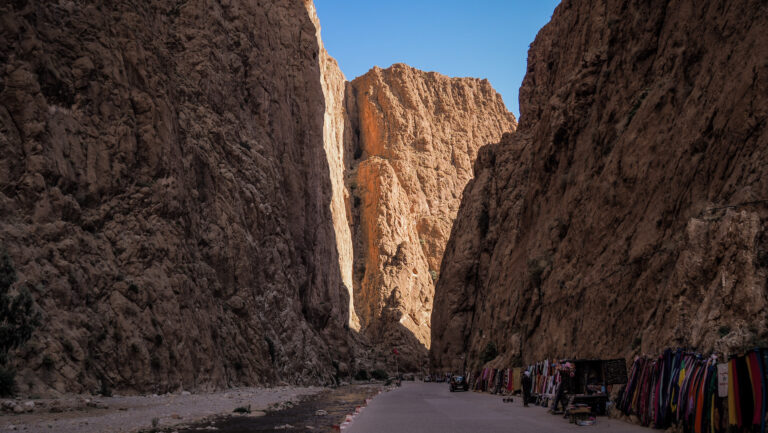
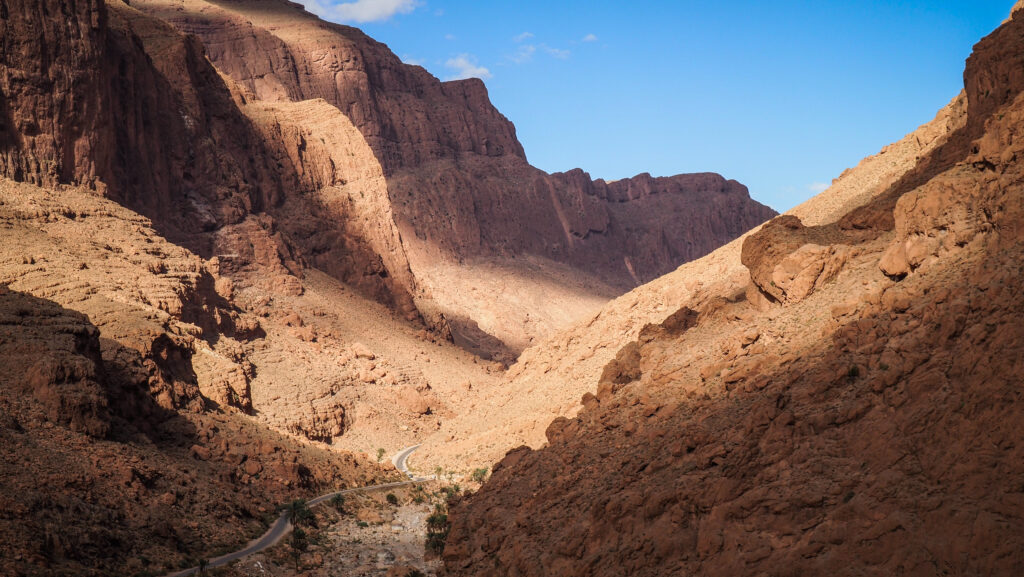
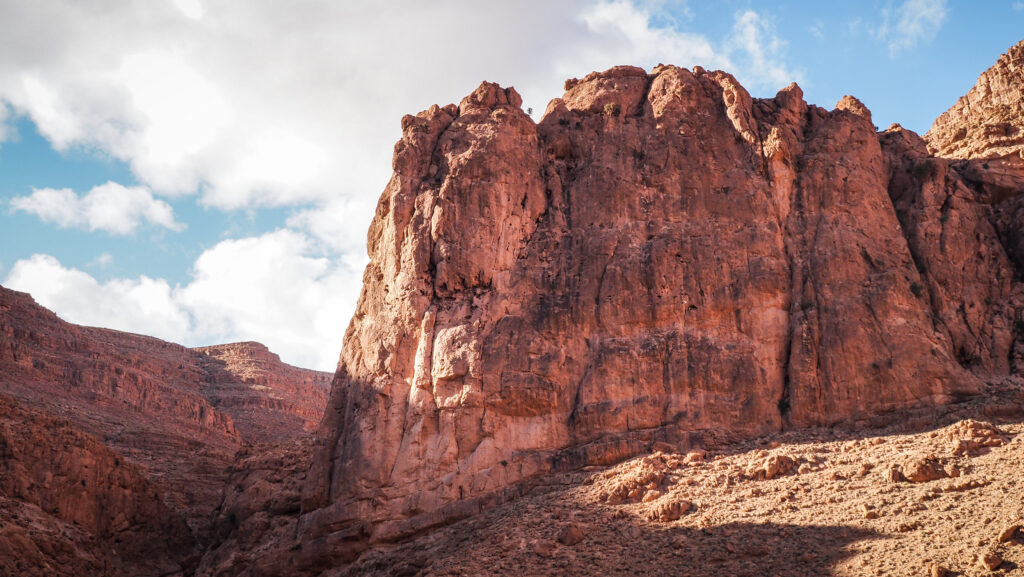
Todra Gorge is a stunning natural canyon located in the eastern part of the High Atlas Mountains near Tinghir in Morocco. It is renowned for its dramatic limestone cliffs that rise vertically up to 400 meters on either side of the Todra River. The canyon creates a narrow passage that is particularly breathtaking at its narrowest point, where it is just 10 meters wide.

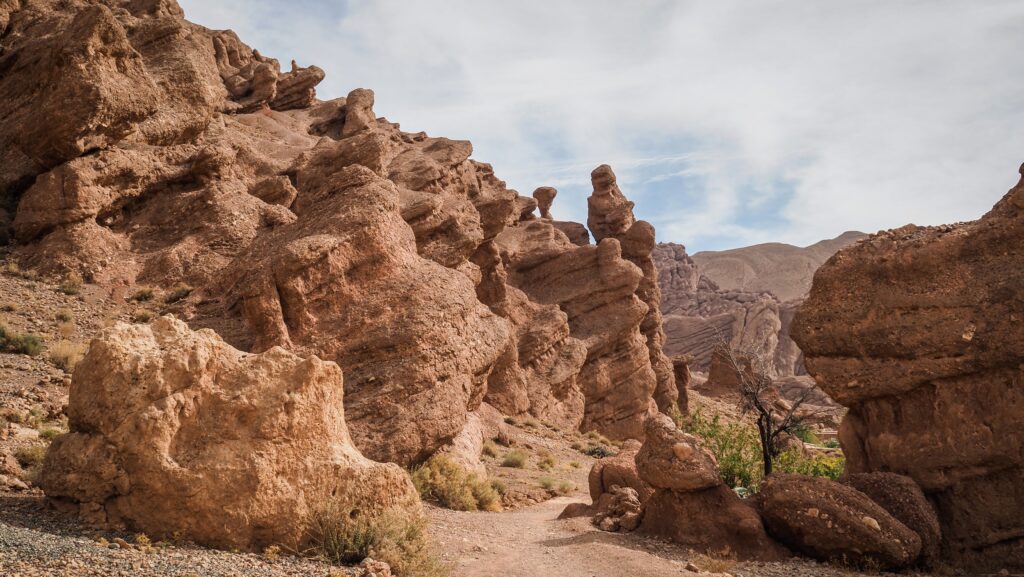
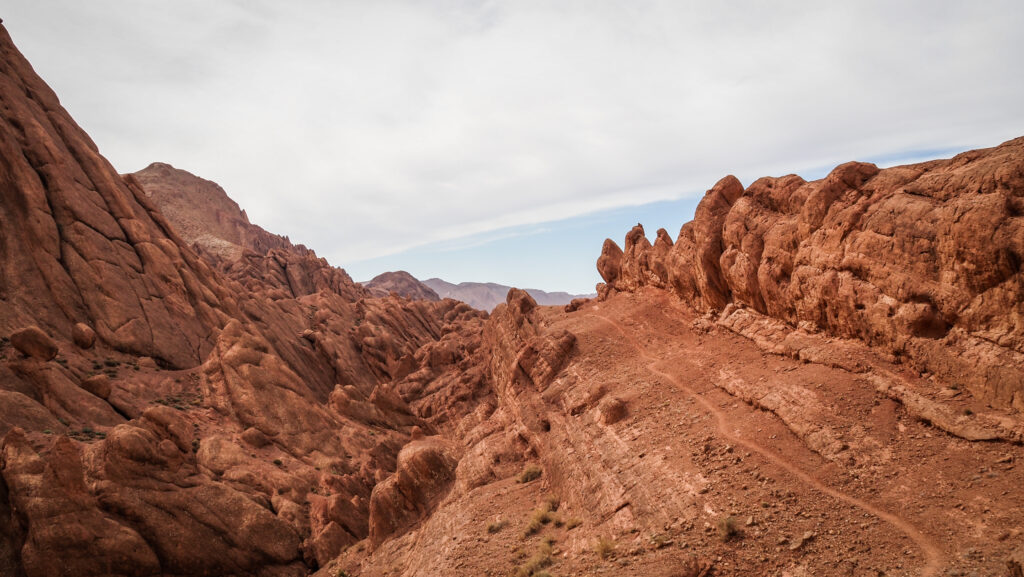
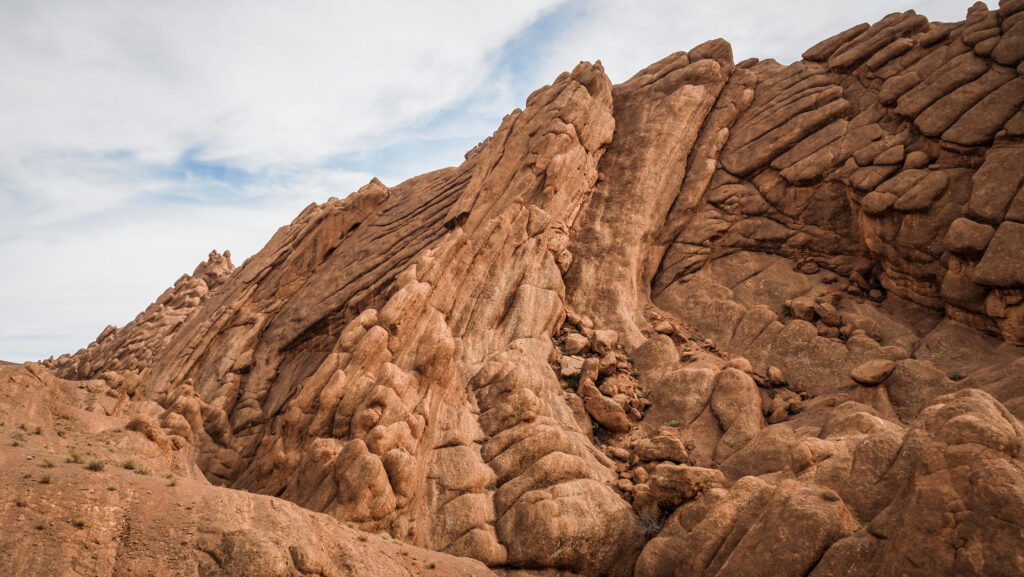
The gorge, shaped by the erosive power of the Todra River over thousands of years, showcases vibrant shades of red, pink, and orange rock that change in hue with the shifting light throughout the day. The gorge is a popular destination for both tourists and adventurers, especially climbers drawn by the sheer cliffs that offer some of the best rock-climbing routes in Morocco.

Trekkers and hikers also frequent the area to experience the raw beauty of the landscape, while casual visitors can enjoy the scenic walk through the canyon’s lower reaches. At sunrise and sunset, the lighting on the cliff faces is particularly photogenic, creating a mesmerizing effect against the rugged terrain. In addition to its natural beauty, Todra Gorge is a culturally rich area. Surrounding villages are inhabited by Berber communities, where visitors can experience local traditions, crafts, and warm hospitality. The gorge itself is easily accessible from nearby towns, making it a must-visit for anyone travelling in Morocco.

How to get there?

To reach Todra Gorge, travellers typically go through the town of Tinerhir, which is the closest major town.

By Car

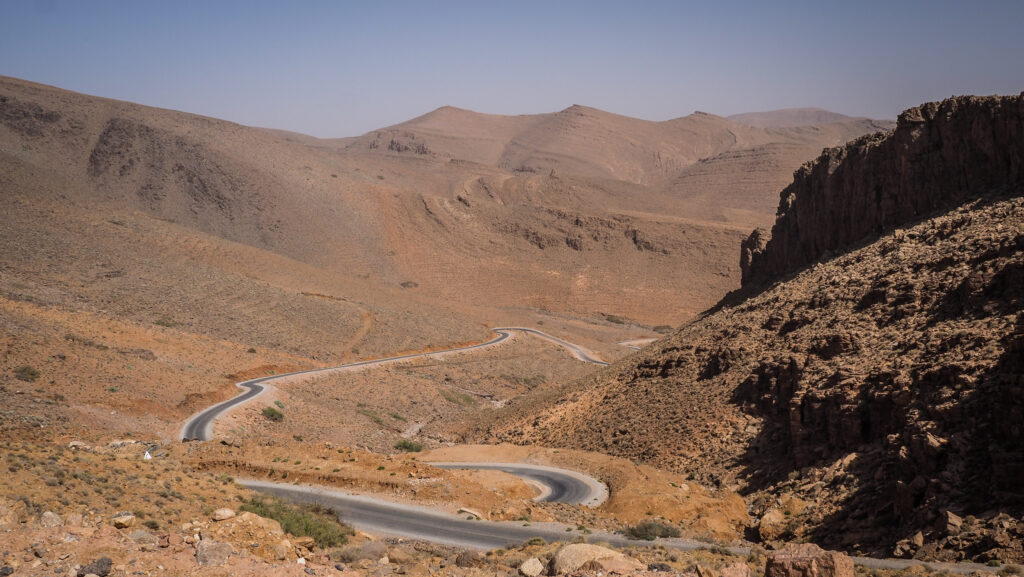
The roads to Todra Gorge are generally paved and well-maintained, though some areas can be winding, especially through the mountain passes.

From Marrakech

The drive from Marrakech to Todra Gorge takes about 6–7 hours. You’ll head east via the N9 highway, cross the scenic Tizi n’Tichka pass, and then join the N10 highway towards Ouarzazate and Tinghir.

From Fes

A drive from Fes takes about 8–9 hours. You’ll drive south through the Middle Atlas, passing Ifrane and Midelt, before reaching Errachidia and then Tinerhir.

From Merzouga

If you’re visiting the Sahara first, you can drive from Merzouga to Todra Gorge in about 3–4 hours. Head west via the N12 highway, then join the N10 to Tinghir.
Todra Gorge, Morocco
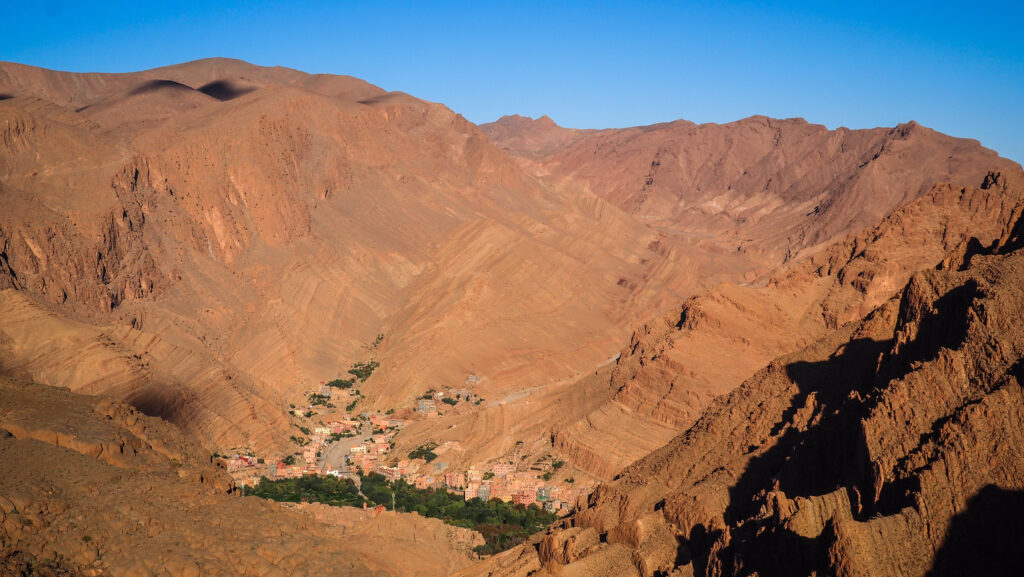
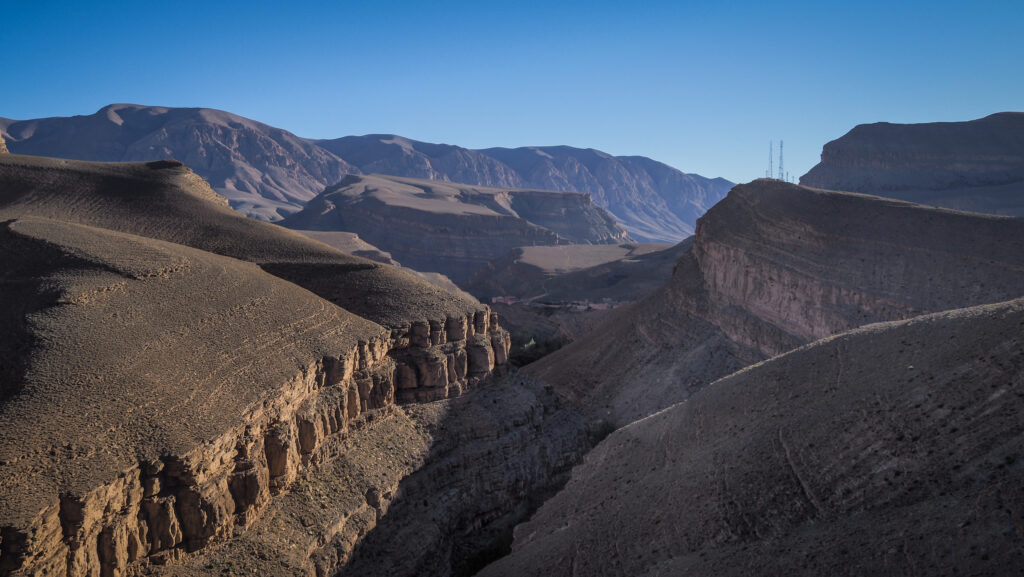
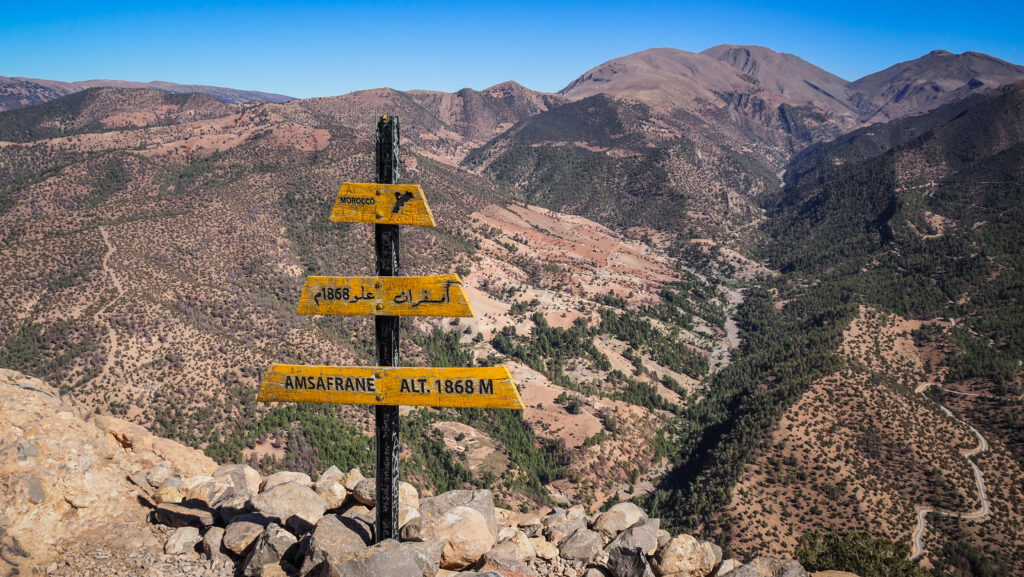
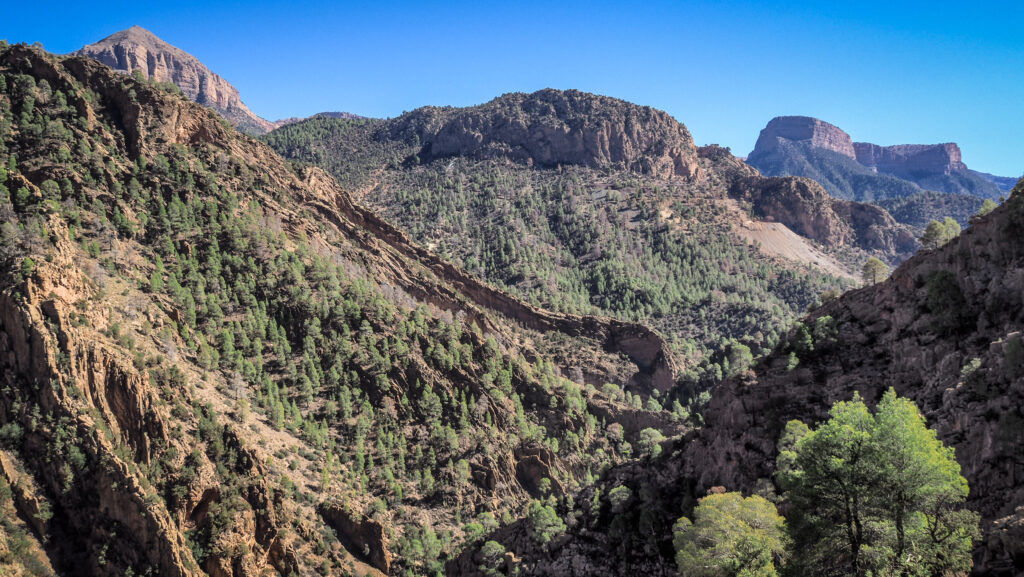
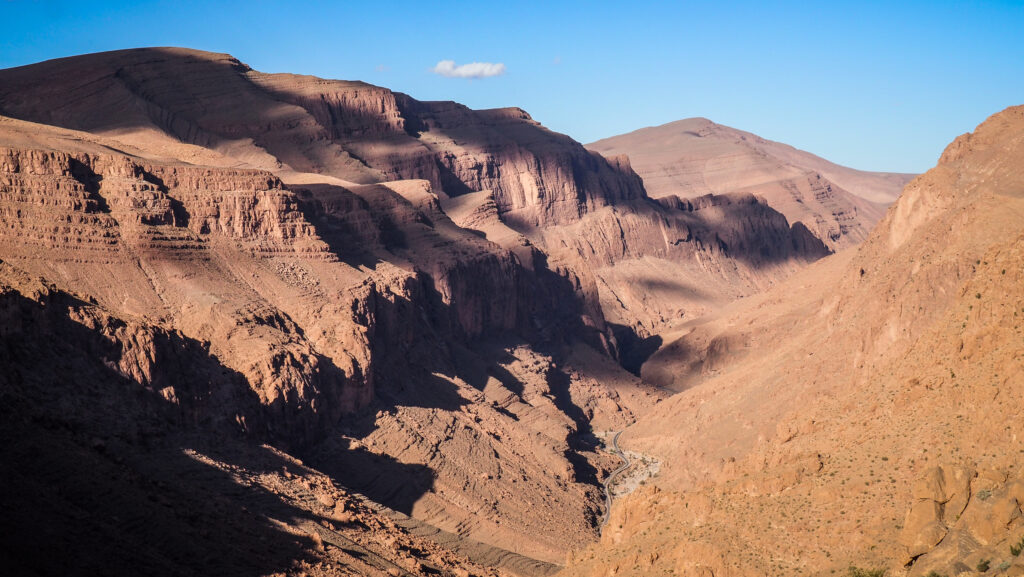
Panorama from the hike near Todra Gorge

By Bus

Tinerhir’s bus station is centrally located, and taxis are available to take you from Tinghir to the gorge itself.

From Marrakech

CTM and Supratours are the main bus companies offering routes from Marrakech to Tinghir. The journey takes around 8–9 hours and typically requires a transfer in Ouarzazate.

From Fes

Direct buses to Tinghir are less common, but you can often find routes that connect through Errachidia or Merzouga. The trip can take 10+ hours depending on the route.

From Merzouga

Supratours and local buses connect Merzouga to Tinghir, with the journey taking about 4–5 hours.

By Taxi

Once in Tinghir, you can easily hire a “grand taxi” to take you directly to Todra Gorge. The distance is about 15 kilometres, and the trip takes 20–30 minutes. Taxis can be shared or hired privately, depending on your preference.

By Tour

Many travellers opt for guided tours from major cities like Marrakech, which often include transport, local guides, and stops at other attractions like Ouarzazate and the Dades Valley. These tours range from one-day excursions to multi-day trips and are a convenient option for those who prefer organized travel.

Where to stay?

I didn’t have any reservations so simply asked for a room at Auberge Restaurant Tizgui and got one without any problems (November). Very well located near the gorge and with great views from the upper terrace. Breakfast was included.

The best time to visit

Spring (March to May): This is one of the most popular times to visit, as temperatures are warm (but not hot), and the landscape is often lush and green from recent rains. Daytime temperatures are generally around 20–25°C, making it ideal for exploring.

Autumn (September to November): Similar to spring, autumn offers pleasant temperatures and fewer crowds. The summer heat has typically subsided by September, making it a great time for hiking, climbing, and enjoying the scenery. Daytime temperatures range from 20–28°C.

Summer (June to August): Summers in Todra Gorge can be extremely hot, with daytime temperatures often exceeding 35°C, especially in July and August. While mornings and late afternoons can still be pleasant, midday heat can make outdoor activities uncomfortable. However, some visitors still come in the summer to enjoy cooler canyon breezes and early-morning hikes.

Winter (December to February): Winters are generally mild in Todra Gorge, with daytime temperatures around 10–15°C. However, nights can be very cold, sometimes dropping close to freezing, especially in January. If you don’t mind the chill, winter can offer a peaceful experience with few crowds.

Plan your trip in spring or autumn for the best weather conditions.  While winter is generally mild, it can get quite cold at night and in the mornings, with temperatures occasionally dropping close to freezing, especially at higher elevations. Summer can be hot, but temperatures are milder in the mountains.

You should always have some warmer layers, regardless of the season. In the end, it’s mountains there!
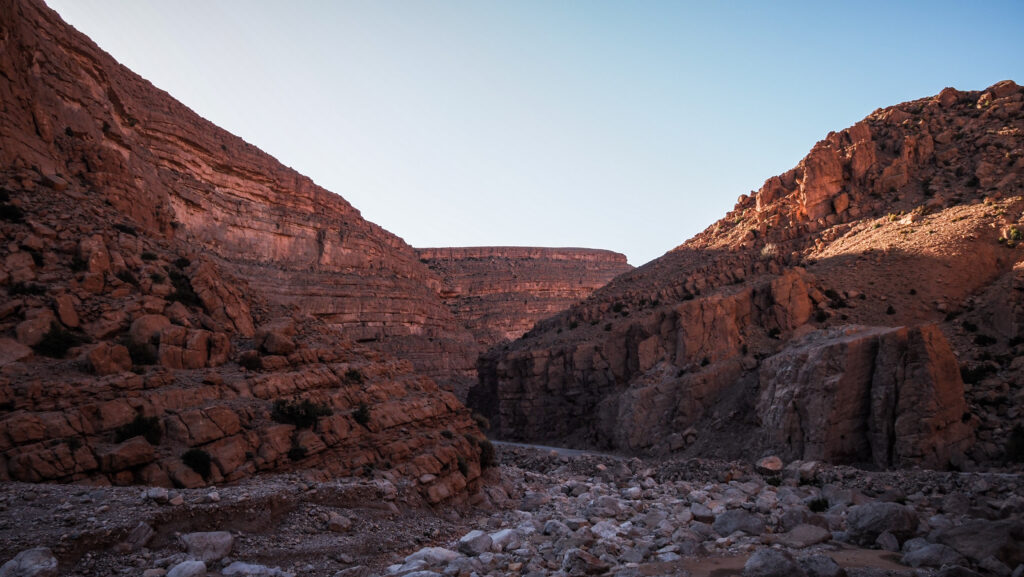
Todra Gorge, Morocco
Todra Gorge

Tinghir

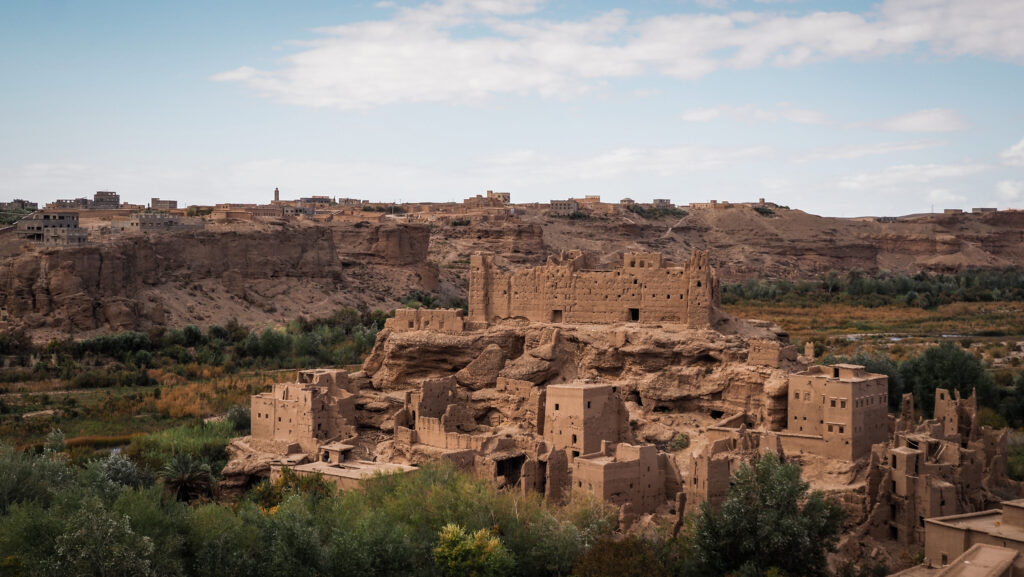
Most tourists just drive through Tinghir without stopping but it’s worth a stop for an hour or two. Check out the historic Kasbah, for a nice view of the city and mountains in the background. Other than that, it’s a ruin and there’s not much to see. Walking around is free of charge.

Another sight worth mentioning is Ikalalne Mosque, a beautiful building with an interesting history and unique architecture. There is a guardian, a Berber man who is renovating it by himself and maintaining it. Very kind and enthusiastic person who will certainly show you around for a donation.

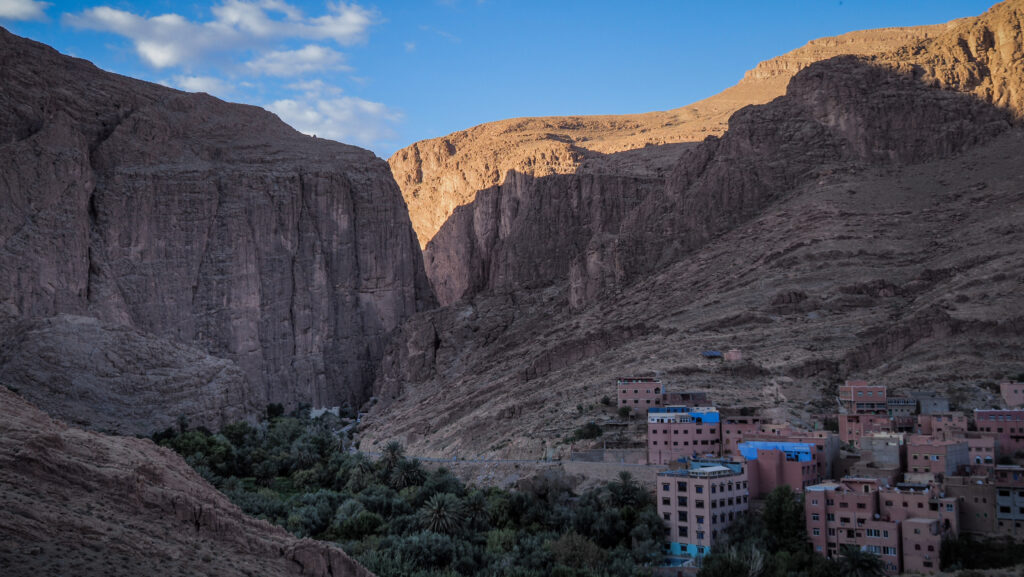
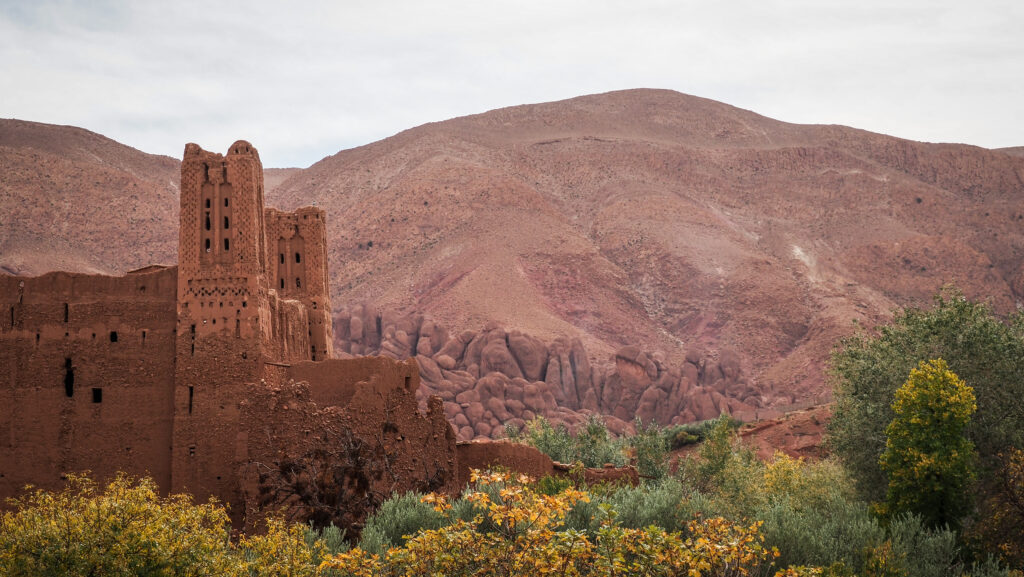
The road R703 which goes towards Todra Gorga, passes by Palmeraie de Tinghir, a stunning haven of greenery in the middle of the arid south of Morocco. The oasis is maintained by a traditional irrigation system called khattara, which dates back centuries. The technique is a marvel of traditional engineering, where underground canals bring water from distant mountains to irrigate fields.

You can admire the panorama from a lookout point along the road or drive down to one of the villages and get closer.
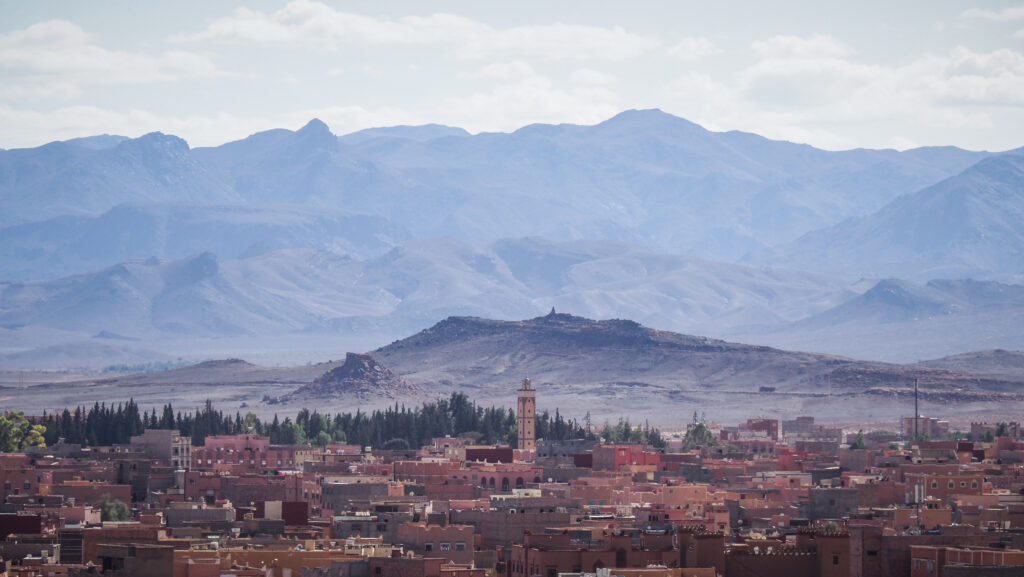
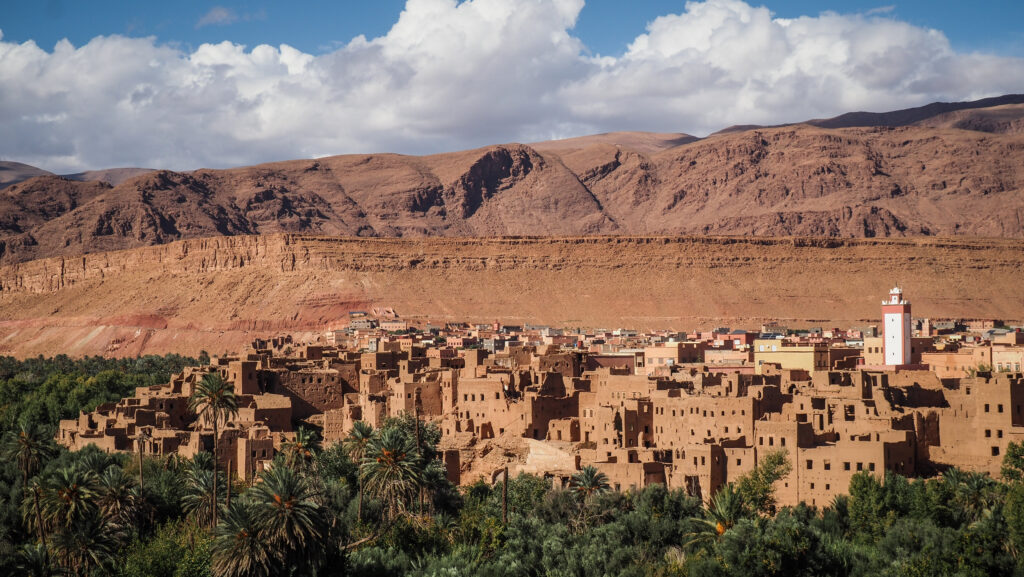
Todra Gorge, Morocco
Panorama seen from the Kasbah
Todra Gorge, Morocco
Palmeraie de Tinghir
Todra Gorge, Morocco
Palmeraie de Tinghir

Todra Gorge

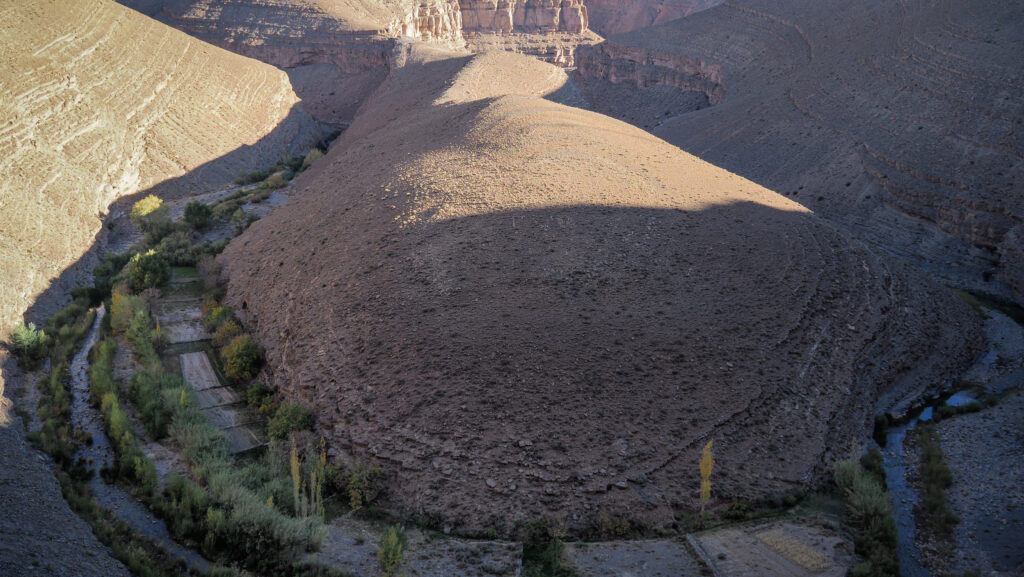
The gorge was formed by the Todra and Dades rivers, which have carved out massive red limestone cliffs over thousands of years. Some of these cliff walls rise up to 400 meters on either side of the canyon, creating a narrow, awe-inspiring passageway. The narrowest point is just 10 meters in width at its most constricted point, emphasizing the height and majesty of the cliffs surrounding it. The best time to visit is early morning or late afternoon. Other than that, expect a lot of bus tours stopping here on the way to Merzouga.
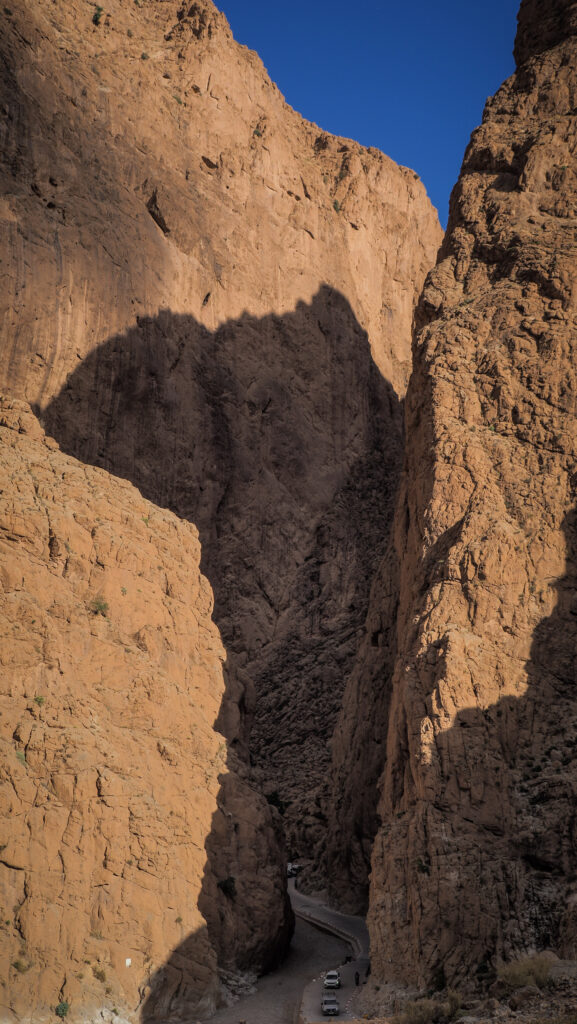
Loop hike

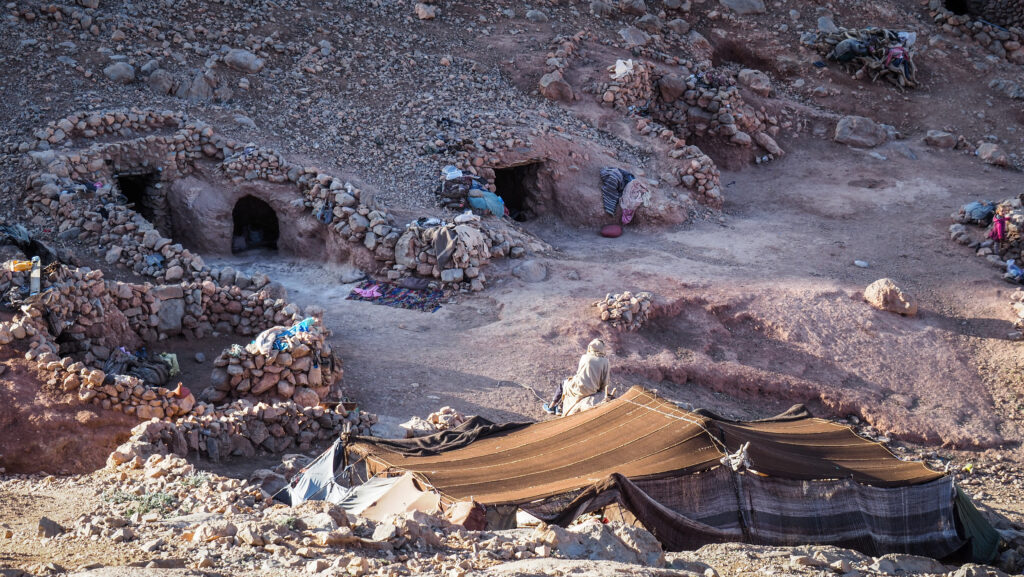
A popular and extremely scenic hike. The distance is 9 kilometres with an elevation gain of ~ 610 meters. It should take about about 3,5 – 4 hours to complete. I started with the ascent from the parking area in Todra Gorge and then descended to Ait Tizgui village and followed the road back to the parking where I left the car. The views of the mountains are breathtaking and about halfway you will come across Berbers living in tents in a nomadic style. They will most likely offer you tea, and it’s hard to imagine a better setting to get one and enjoy it.  

The trail is not really marked but with an offline map on Mapy.cz I didn’t have any issues following it and monitoring my current position.
Todra Gorge, Morocco
A view from the loop hike
Todra Gorge, Morocco
A view from the loop hike
Todra Gorge, Morocco
Berbers’ settlement
Todra Gorge, Morocco
A view from the loop hike
Todra Gorge, Morocco
A view from the loop hike

Drive further

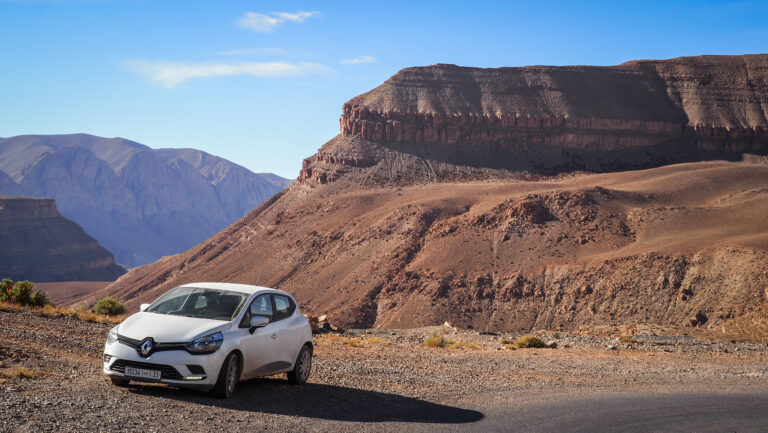
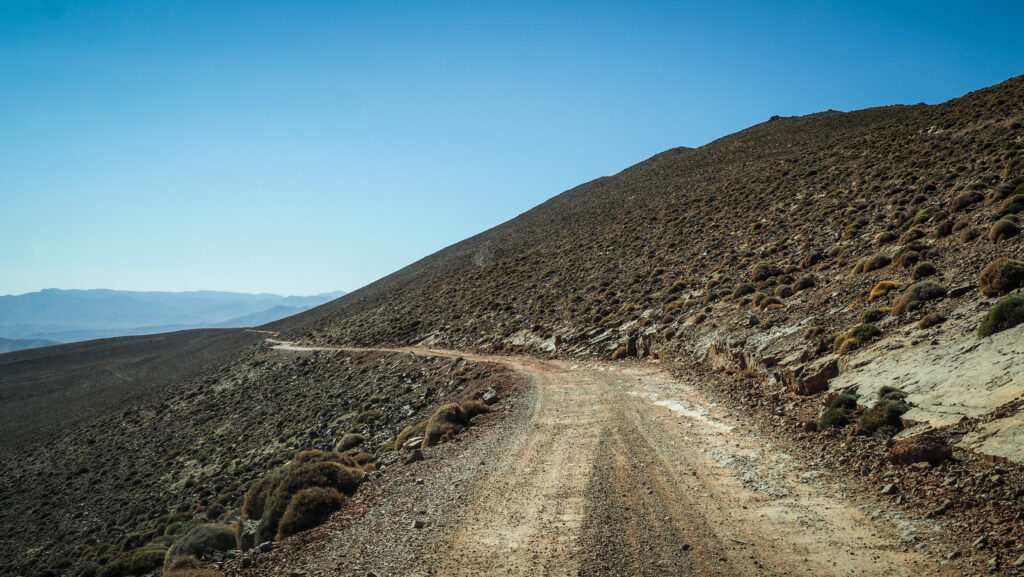
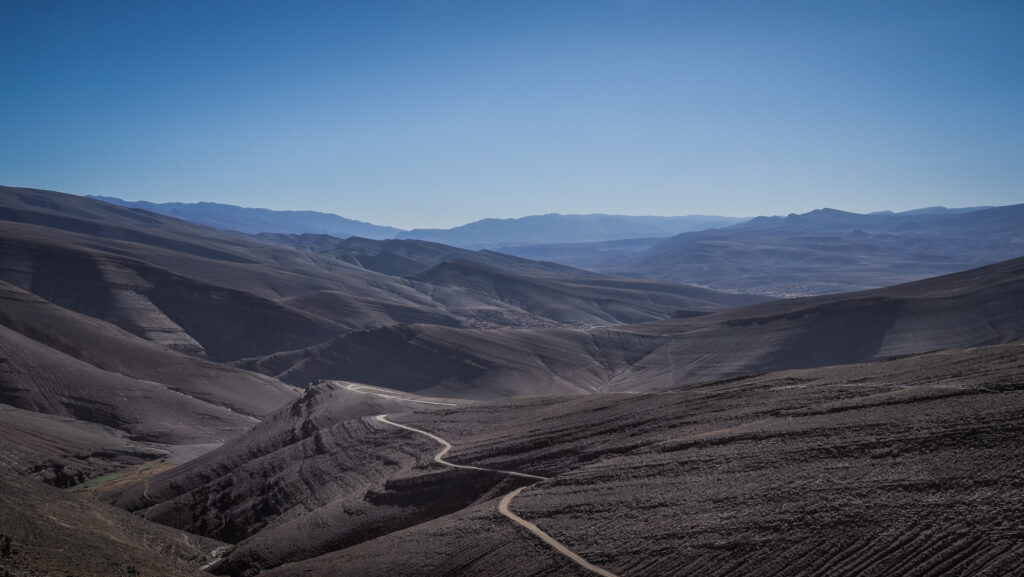
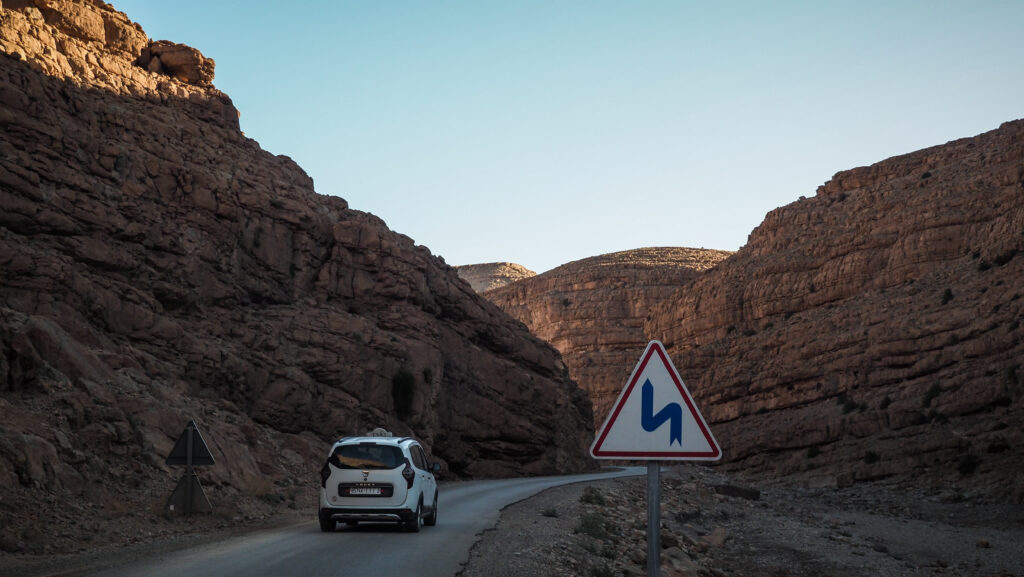
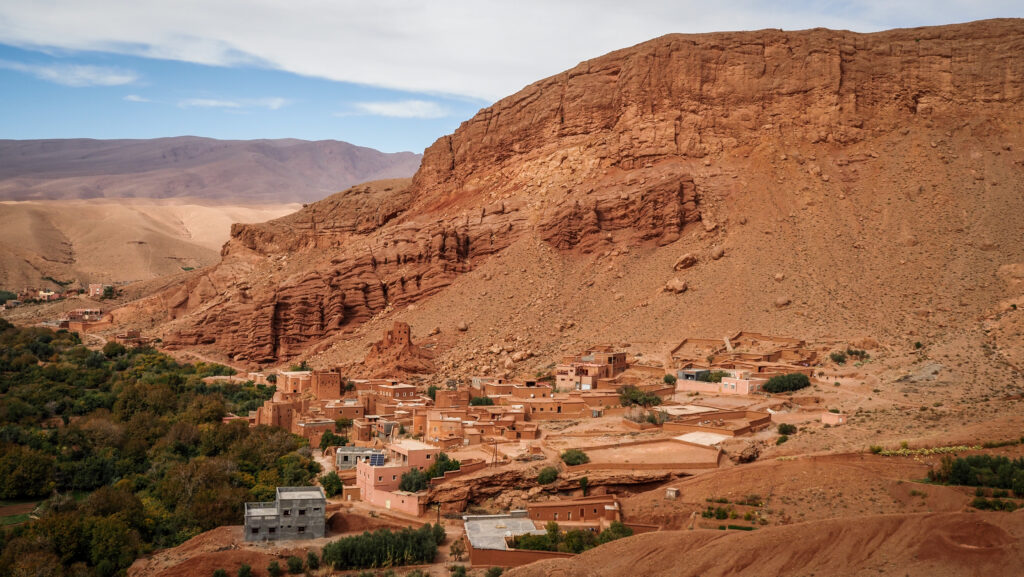
It definitely pays off to continue driving R703 further towards Tamtetoucht. The landscape is still incredible and all bus tours turn around to take another road to Merzouga, so most likely there will be minimal traffic. If you are adventurous and have some extra time, I recommend driving all the way to Er-Rich and then turning towards Merzouga from there, passing by Ziz Canyon on the way. You won’t regret it as the views are breathtaking!
Todra Gorge, Morocco
Driving towards Tamtetoucht
Todra Gorge, Morocco
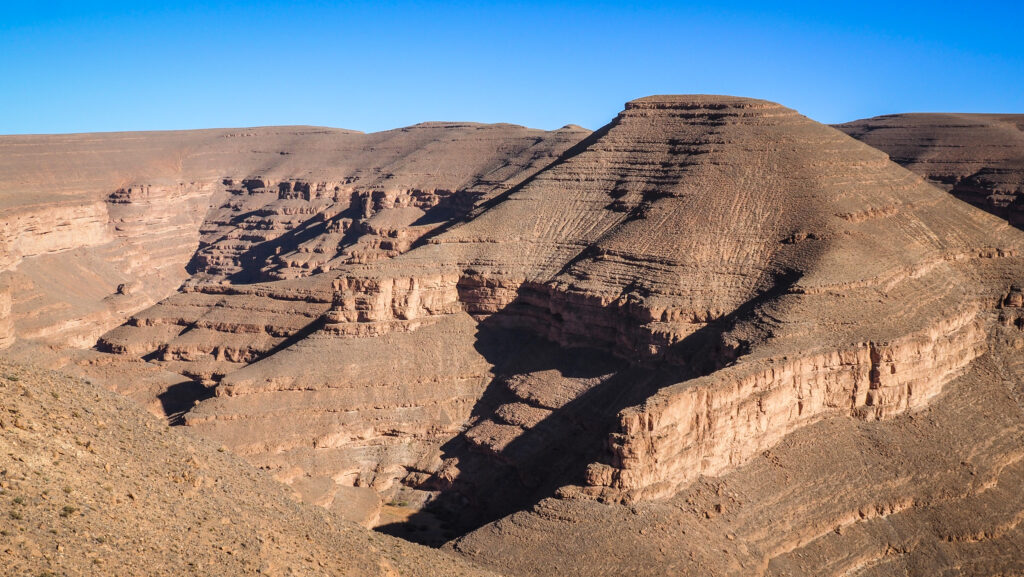
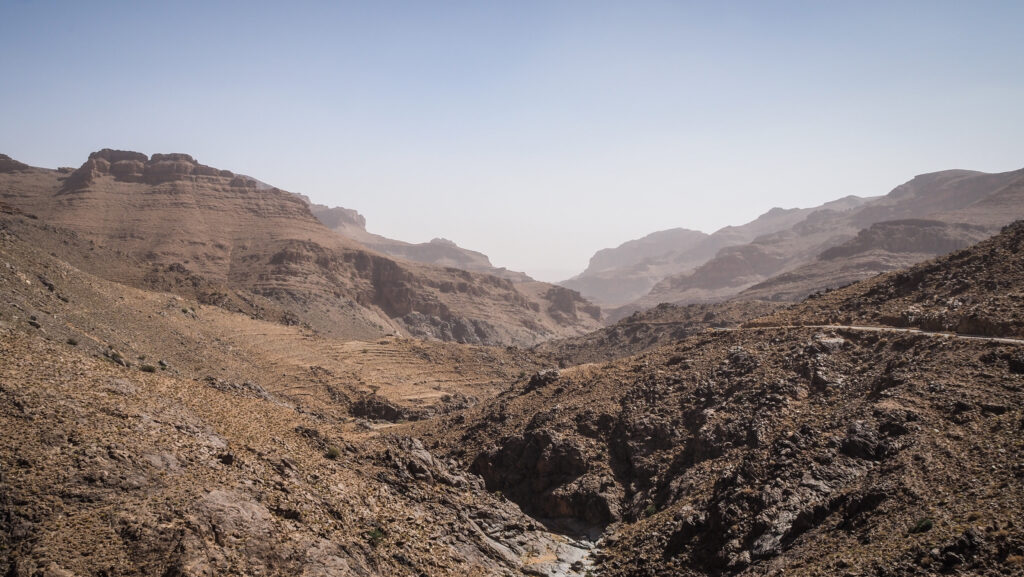
Less popular section of Todra Gorge
Todra Gorge, Morocco
Ziz Gorge

The Valley of Roses, located in the Dades Valley in Morocco, is a picturesque and fertile area renowned for cultivating a special type of rose, Rosa Damascena (Damask rose), particularly in and around the town of Kelaat M’Gouna. It is part of the greater Draa-Tafilalet region in the foothills of the Atlas Mountains, close to Boumalne Dadès.

Roses are harvested to produce a variety of products, including rosewater, essential oils, and perfumes. Moreover, every year in May, the valley celebrates the Festival of Roses, a vibrant and colourful event that marks the end of the rose harvest season. The festival includes music, traditional dancing, parades, and the crowning of a “Miss Rose.” It attracts both locals and tourists who come to enjoy the festivities and purchase rose-based products.

The roses grown in the valley are an important source of income for the local community. Rosewater and rose oil are highly sought after for their use in cosmetics, perfumes, and culinary products. Small cooperatives in Kelaat M’Gouna and surrounding areas produce these items and export them across Morocco and internationally.

Rose Valley, Morocco
Rocky landscape

How to get there?

From Marrakech or Ouarzazate

You can start your journey from Marrakech, about 285 km from Kalaat M’Gouna. Most people combine a visit to Rose Valley with a trip to the Dadès Gorge, Todra Gorge, or the Sahara Desert.

Ouarzazate is closer to the Kalaat M’Gouna (about 95 km).

By Car

Renting a car is the most flexible way to travel. Take the N9 road from Marrakech towards Ouarzazate, passing through the scenic Tizi n’Tichka Pass in the Atlas Mountains. From Ouarzazate, continue on the N10 road towards Kalaat M’Gouna and Boumalne Dadès. It’s about 285 kilometres and 5 hours drive.

By Bus

You can take a bus from Marrakech or Ouarzazate to Boumalne Dadès. The journey from Marrakech takes about 7–8 hours, while it’s roughly 2–3 hours from Ouarzazate. Popular operators include CTM or Supratours.

Once you arrive in Boumalne Dadès, ask around at your accommodation or travel agents on the streets for further sightseeing options and day tours.

The best time to visit

The best time to visit Rose Valley is during the spring, from late April to mid-May. This period is when the valley’s famous rose fields are in full bloom, creating a stunning landscape of fragrant pink roses. The highlight of the season is the Festival of Roses, typically held in May, which celebrates the annual rose harvest with music, dancing, and cultural events.

Rose Valley, Morocco
The landscape of the Rose Valley
Rose Valley, Morocco
Rocky landscape near the Rose Valley

What to see and do in the Rose Valley?

Visit a shop or cooperative

There are plenty of shops and cooperatives where you can get a short tour with an explanation of how they make the oil. They are mostly located along the main road, so you can’t miss them. According to one of the salesmen, 4 tons of roses are needed to make 1 litre of rose oil! If you like the products, it could be a great gift idea for your friends and family.

Walk amond roses

A short stroll through the green oasis is a good idea to see the plants closer. There isn’t any specific trail to follow, just improvise 🙂 Hdida or Taberkhachte are two villages that give quite easy access to the fields.

Kasbah ruins

Large kasbah ruins stand only 3 kilometres from the turn-off from the road N10. The site can be reached easily on foot from the main road.

Rose Valley, Morocco
Kasbah ruins

Gorges Izelmaden

Another beautiful gorge where locals like to chill next to the stream.

Rose Valley, Morocco
Gorges Izelmaden

Further away

Gorges d’Amejgag

A spectacular drive through the gorge takes you sometimes at river level and other times on the road excavated in the rock wall. It attracts offroad fans and can be explored by motorcycle or 4X4.

Drive through Tizi n’ Aït Hamad to Aït Bouguemez

If you are adventurous enough, you can drive through the highest mountains pass in Morocco – Tizi n’ Aït Hamad – to Aït Bouguemez. The road is not an easy one, it has many crazy bends and in some sections, the surface is really bad. Drive slowly and carefully!

The distance from Kalaat M’Gouna to Aït Bouguemez is 122 km but you should budget at least 4 hours to drive it.

You can see more about Aït Bouguemez in a separate post HERE.

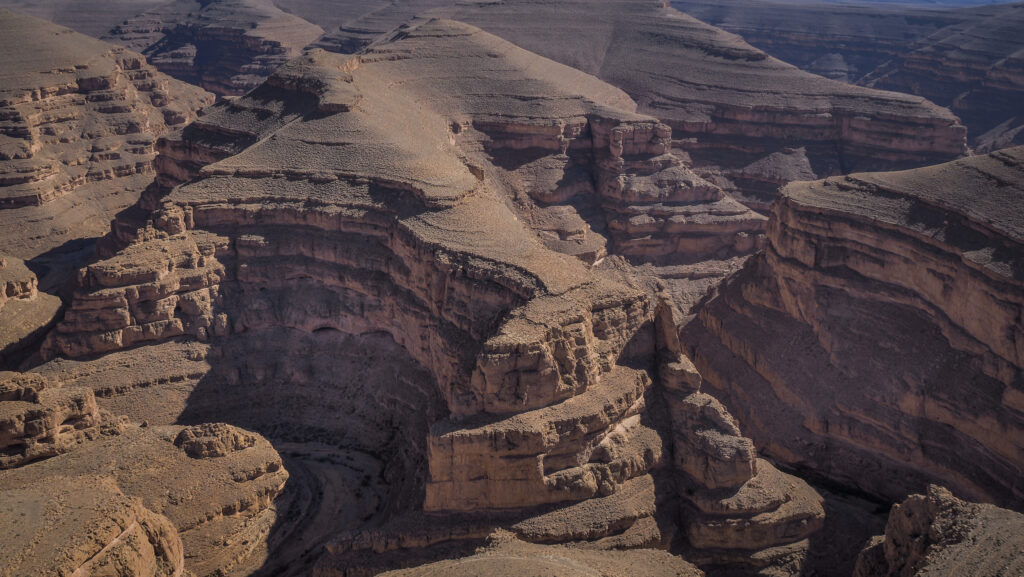
The Dades Gorges is a stunning natural formation located in the High Atlas Mountains of Morocco, carved by the Dades River over thousands of years. This dramatic series of gorges and canyons offers some of the most spectacular scenery in the country. It lies between the towns of Boumalne Dades and Agoudal but most of the tourists don’t go further than M’semrir.

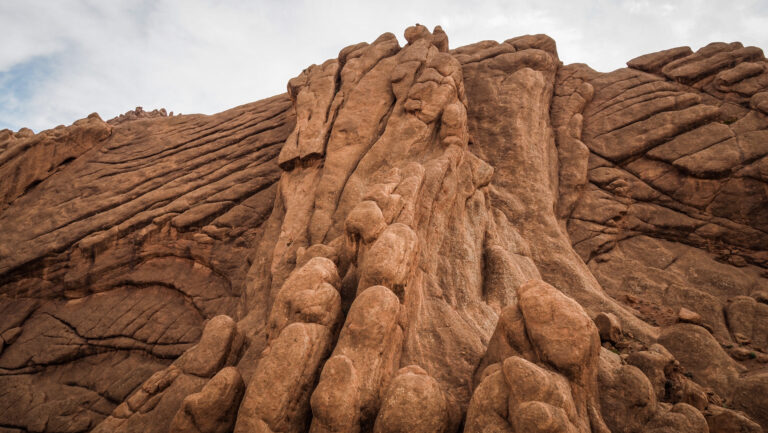
The Dades Gorges is famous for its jagged cliffs, red and orange-hued rocks, and unusual geological formations, including the well-known “Monkey Fingers” rock formations near the village of Tamellalt.

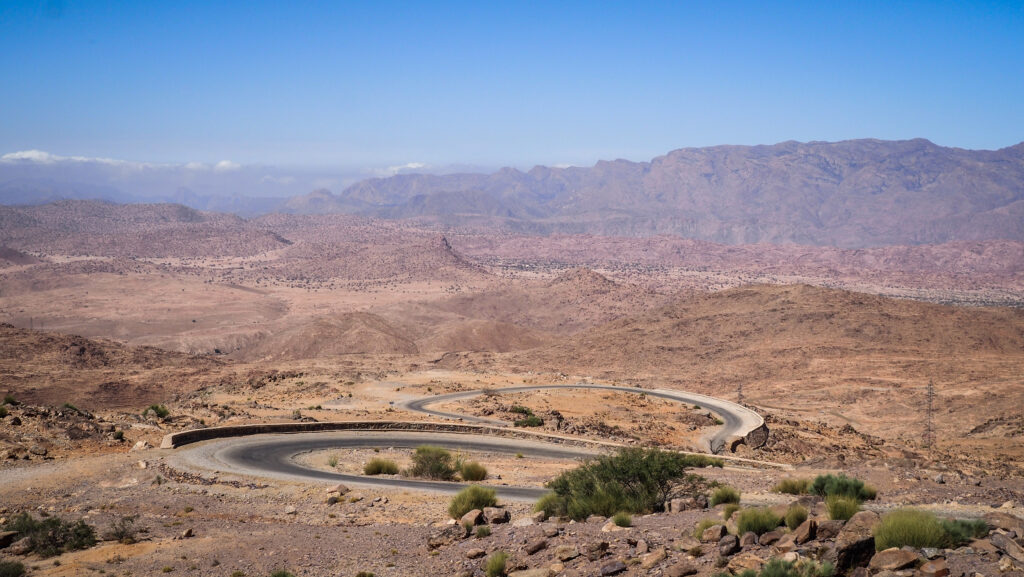
The gorges are also renowned for their scenic, hairpin-turn roads, particularly the stretch that climbs up the mountainside, providing breathtaking views of the valley below. This road is often a highlight for road trips and attracts photographers for its dramatic curves.

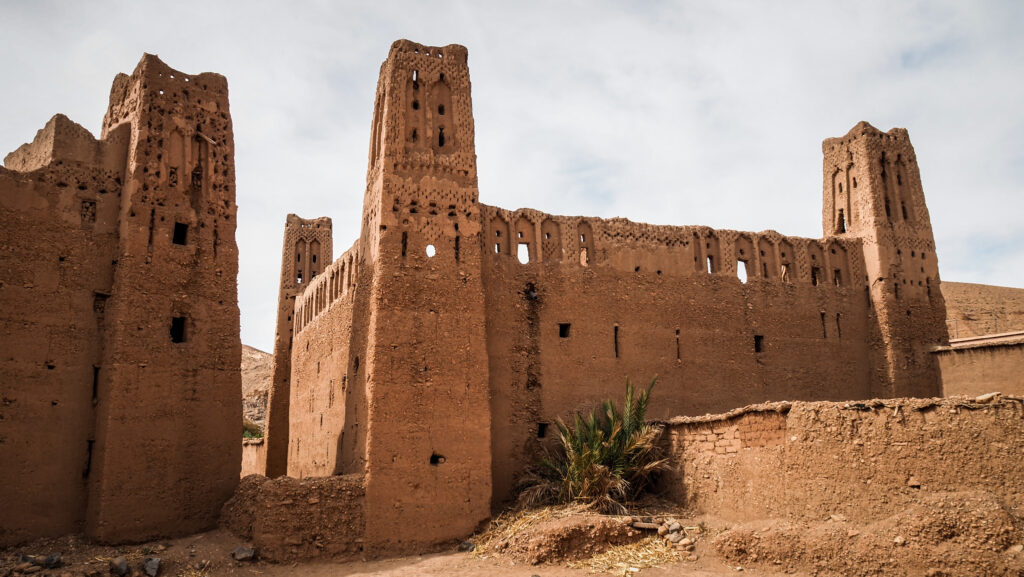
The Dades Valley is home to several small Berber villages that maintain a traditional way of life. The architecture includes ancient kasbahs (fortified homes) and ksars (fortified villages), built from mud and straw, blending into the landscape.

The Dades Gorges are close to other notable sites, such as the Todra Gorge, another impressive canyon. Many travellers visit both in one trip, often as part of a broader route that includes the Sahara Desert (Merzouga) and Aït Benhaddou, a UNESCO World Heritage site.

Dades Gorges, Morocco
Dades Gorge

How to get there?

From Marrakech or Ouarzazate

You can start your journey from Marrakech, about 300 km from the Dadès Valley. Most people combine a trip to the Dadès Valley with a tour of the Sahara Desert.

Ouarzazate is closer to the Dadès Valley (about 140 km) and is often a stopover point. Many travellers visit Ouarzazate for its proximity to the Dadès and Todra Gorges.

By Car

Renting a car is the most flexible way to travel. Take the N9 road from Marrakech towards Ouarzazate, passing through the scenic Tizi n’Tichka Pass in the Atlas Mountains. From Ouarzazate, continue on the N10 road towards Boumalne Dadès.

Approach from Boumalne Dades or Agoudal?

Most tourists drive in Dades Gorges from Boumalne Dades. In such case, you will have a tarmac road more or less until Bouljam which is roughly 70 kilometres away. After that, it’s a dirt road which climbs up to Agoudal. It is doable but stressful in rental sedan cars. It will be your choice to continue or turn around and come back the same way.

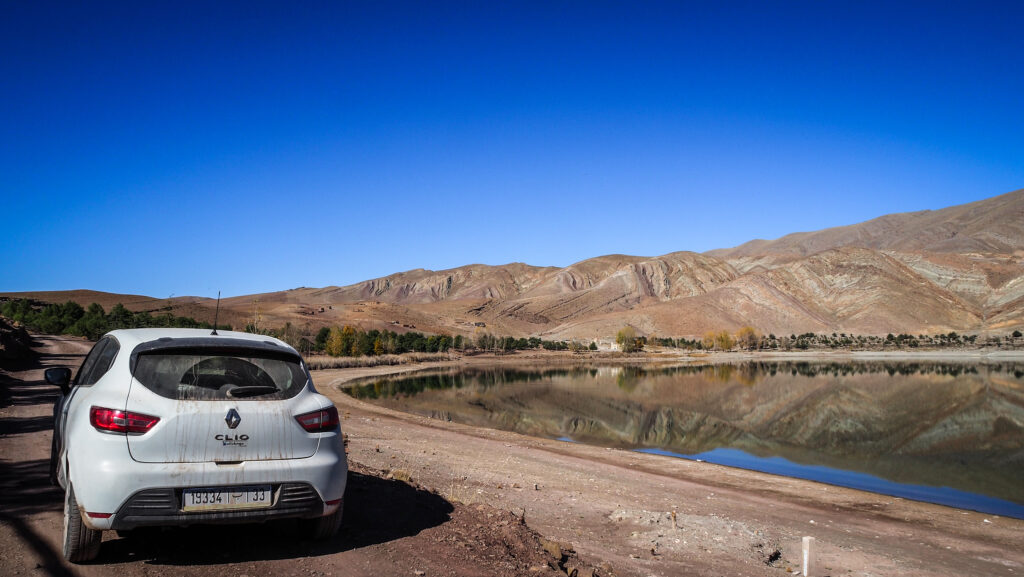
If you really want to cover the whole distance of Dades Gorges, probably it’s better to start in Agoudal and drive down towards Boumalne Dades. I did it this way in Renault Clio and damn, it was certainly the most difficult road that I have taken in Morocco! On the other hand, the views were magnificent, with an impressive gorge on the left side wriggling like a snake. Make sure you go slowly!

Dades Gorges, Morocco
Dades Gorge

By Bus

You can take a bus from Marrakech or Ouarzazate to Boumalne Dadès. The journey from Marrakech takes about 7–8 hours, while from Ouarzazate, it’s roughly 2–3 hours. Popular operators include CTM or Supratours.

Once you arrive in Boumalne Dadès, ask around at your accommodation or travel agents on the streets for further sightseeing options and day tours.

Powered by 12Go system

By Tour

Many tour operators offer guided trips to the Dadès Valley from Marrakech or Ouarzazate, often as part of multi-day desert tours that include the Sahara, Ait Benhaddou, and Todra Gorge. These tours will handle all transportation and logistics, making it a more convenient but less flexible option if you want to explore at your own pace.  

The best time to visit

Plan your trip in spring or autumn for the best weather conditions.  While winter is generally mild, it can get quite cold at night and in the mornings, with temperatures occasionally dropping close to freezing, especially at higher elevations. Summer can be hot, but temperatures are milder in the mountains.

You should always have some warmer layers, regardless of the season. In the end, it’s mountains there!

Dades Gorges, Morocco
Dades Gorge

Where to stay?

There are several nice riads and homestays in the villages or along the road R704. I stayed in Hotel Babylon Dades and was perfectly satisfied. The room was cosy and the tajine for dinner was one of the best I have had in Morocco. It’s also located very close to another beautiful and narrow gorge. Ideal for a morning walk!

Boumalne Dades

A small town located at the entrance to the Dadès Gorge. It is a popular stop for travellers exploring the High Atlas, as well as those heading towards the Sahara Desert. If you travel by bus, this is most likely where you will arrive. Walk around the town and do your research at travel agents about the tours exploring Dades and Todra gorges.

Sidi Boubker Gorge

Just 15 kilometres from Boumalne Dades in this harder accessible gorge – Sidi Boubker. You can park the car near Hotel Atlas Gorge Dades and walk down. On my visit in November, there was a lot of water in the gorge so I was not able to explore it deeper.

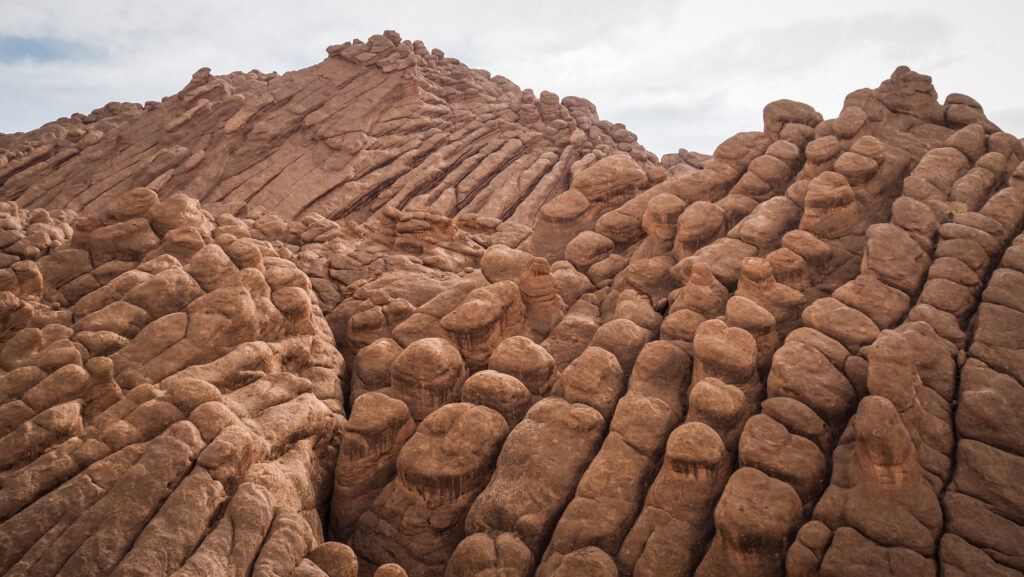
Monkey Fingers

The Monkey Fingers is a scenic trek, specifically in an area known for its unique rock formations that resemble the fingers of a monkey’s hand. These formations are located near the village of Tamellalt.

The hike offers an exciting combination of dramatic landscapes, towering red rock canyons, and narrow gorges, making it a popular destination for adventurous travellers and nature lovers. Hikers can explore the rock formations and the surrounding valleys, discovering small Berber villages, and beautiful viewpoints over the gorge. The area is also dotted with kasbahs (traditional mud-brick fortresses), adding a cultural dimension to the experience.

More about it HERE.

Monkey Fingers, Morocco
Monkey Fingers

Little canyon near Hotel Babylon Dades

If you turn left from Hotel Babylon Dades, in a few meters you will see the path on the right side, crossing over a creek. It will take you to a beautiful narrow gorge. Explore as far as you can! I had to turn back after around 1.5 – 2 kilometers as there was quite a bit of water and climbing over the rocks was getting more and more difficult. Great adventure though!

Bends and viewpoint

The bends are a series of sharp, switchback turns that snake their way up the steep canyon walls. These hairpin turns are dramatic and provide some of the most breathtaking views of the gorge and surrounding mountains.

For the best view of famous bends on the road going through Dades Gorge, stop for a drink at the Cafe and Restaurant Timzzillite Chez Mohamed.

Dades Gorges, Morocco
Famous bends
Dades Gorges, Morocco
Dades Gorge

Narrow section

One of the most scenic parts of the gorge, with a road on one side and a stream on the other, surrounded by towering rocky walls. Unbelievable!

Dades Gorges, Morocco
A narrow section of Dades Gorge

Aweddim

The ruins of a watchtower which was built during the French colonial era.

Amouguer

Here you can drive down to the village and then walk towards the bottom of Dades Gorge.

Kefroun (turtle’s back)

Spectacular landscape and the rock formation which resembles a turtle shell. Park on the roadside and enjoy.

Dades Gorges, Morocco

Between Bouljam and Agoudal

The road linking these two towns is unpaved and bumpy. It’s doable in a normal 2WD car but it will take a long time and you must be extra careful. The scenery is amazing though and traffic is minimal. There are rumours that soon this section will be paved, so let us know in the comments if you have driven it recently!

Dades Gorges, Morocco
Narrow and unpaved road near Agoudal
Dades Gorges, Morocco
A view of Dades Gorge
Dades Gorges, Morocco
A view of Dades Gorge
Dades Gorges, Morocco
Unpaved road among amazing scenery

Worth a detour

Rose Valley

The Valley of Roses is a picturesque and fertile area renowned for its cultivation of fragrant roses, particularly in and around the town of Kelaat M’Gouna. It is part of the greater Draa-Tafilalet region in the foothills of the Atlas Mountains, close to Boumalne Dadès.

The valley is known for growing a special type of rose, Rosa Damascena (Damask rose), which has been cultivated in the region for centuries. These roses are harvested to produce a variety of products, including rosewater, essential oils, and perfumes.

The valley itself is stunning, with terraced fields of roses stretching across the landscape, interspersed with orchards of fruit trees, especially almonds and figs. The contrast between the lush green valley and the rugged mountains of the High Atlas makes it a scenic destination for nature lovers.

Rose Valley, Morocco
Rose Valley
Rose Valley, Morocco
Rose Valley

The Monkey Fingers is a scenic trek through the Dadès Gorge region, specifically in an area known for its unique rock formations that resemble the fingers of a monkey’s hand. These formations are located near the village of Tamellalt in the High Atlas Mountains.

The hike offers an exciting combination of dramatic landscapes, towering red rock canyons, and narrow gorges, making it a popular destination for adventurous travellers and nature lovers. Hikers can explore the rock formations and the surrounding valleys, discovering small Berber villages, and beautiful viewpoints over the gorge. The area is also dotted with kasbahs (traditional mud-brick fortresses), adding a cultural dimension to the experience.

How to get there?

From Marrakech or Ouarzazate

You can start your journey from Marrakech, which is about 300 km from the Dadès Valley. Most people combine a trip to the Dadès Valley with a tour of the Sahara Desert.

Ouarzazate is closer to the Dadès Valley (about 140 km) and is often a stopover point. Many travellers visit Ouarzazate for its proximity to both the Dadès and Todra Gorges.

By Car

Renting a car is the most flexible way to travel. From Marrakech, take the N9 road towards Ouarzazate, passing through the scenic Tizi n’Tichka Pass in the Atlas Mountains. From Ouarzazate, continue on the N10 road towards Boumalne Dadès (the town nearest to the Monkey Fingers).

From Boumalne Dadès, you’ll drive a further 25 km into the Dadès Gorge until you reach the village of Tamellalt, the starting point for the Monkey Fingers hike.

Monkey Fingers, Morocco
Panorama of the village

By Bus

You can take a bus from Marrakech or Ouarzazate to Boumalne Dadès. The journey from Marrakech takes about 7–8 hours, while from Ouarzazate, it’s roughly 2–3 hours. Popular operators include CTM or Supratours.

Once you arrive in Boumalne Dadès, you can hire a taxi or arrange for local transport to Tamellalt and the entrance to the Monkey Fingers trail.

By Tour

Many tour operators offer guided trips to the Dadès Valley from Marrakech or Ouarzazate, often as part of multi-day desert tours that include the Sahara, Ait Benhaddou, and Todra Gorge. These tours will handle all transportation and logistics, making it a more convenient but less flexible option if you want to explore at your own pace.  

The best time to visit

Plan your trip in spring or autumn for the best weather conditions.  While winter is generally mild, it can get quite cold at night and in the mornings, with temperatures occasionally dropping close to freezing, especially at higher elevations. Summer can be hot, but temperatures are milder in the mountains.

You should always have some warmer layers, regardless of the season. In the end, it’s mountains there!

Where to stay?

If you decide to spend a night in the area, you won’t have problems finding a place to stay. A good choice might be Monkey Fingers House by Fatima Mellal.

Monkey Fingers, Morocco
Kasbah

How long is the hike?

The distance of the loop is about 8 kilometers and you should plan at least 3 hours to walk it comfortably.

Do you need a guide?

You may want to hire a local guide from the village to lead the hike, especially if you’re unfamiliar with this kind of activity. A guide can also help you up in case you choose to follow the trail that goes to the top of the rocks and involves some scrambling. Ask about one at your accommodation.

For hiking enthusiasts, there is absolutely no need to hire a guide. Just get yourself a good offline map such as Mapy.CZ to check your position on the trail in case of doubts.

The hike around Monkey Fingers

I parked the car at the roadside near Imzzoudar and walked through Ait Arbi village. Very atmospheric place but it looked like abandoned, without any inhabitants visible around it. I was following the trail anti-clockwise in the direction of the rocks.

Monkey Fingers, Morocco
Remains of Kasbah in the village
Monkey Fingers, Morocco
The first interesting rock formations

Once you get to the bottom of the rocks, you will need to make a decision. There are 3 routes to choose from. The first leads along the base of the rocks, with interesting formations on your right side. The second one goes in the middle of the gorge, while the third one climbs up the rocks for better panoramic views. Eventually, they all merge.

I chose the trail that goes higher and includes climbing on top of the rock mass. There were sections where I had to think where to put my feet but if you are reasonably fit and you don’t mind pulling yourself up, then it will be alright. The views from up there were simply incredible!

Monkey Fingers, Morocco
The upper path on Monkey Fingers
Monkey Fingers, Morocco
Monkey Fingers
Monkey Fingers, Morocco
Monkey Fingers
Monkey Fingers, Morocco
Monkey Fingers

At some point, I met a group walking in the opposite direction with a guide and he gave me some advice on how to descend to rejoin the track going at the base of the rocks. BTW, he was doing the track in flip flops. People never stop amusing me.

After merging with another track, the rest was a piece of cake. At the crossroads of trails, I turned left and then left again into a beautiful valley with a dried riverbed. Soon, I returned to the car. Very glad and satisfied that I decided to go for that hike! Well worth it.

Monkey Fingers, Morocco
Dried riverbed in the valley

Sidi Boubker

A bit further down the road towards Boumalne Dades in another gorge – Sidi Boubker. You can park the car near Hotel Atlas Gorge Dades and walk down. On my visit in November, there was a lot of water in the gorge so I was not able to explore it deeper.

Imilchil is a small village located in the Atlas Mountains of Morocco, specifically in the High Atlas range. It is best known for its remote beauty, the annual Imilchil Marriage Festival and two beautiful lakes nearby: Tislit and Isli. The town sits at a high altitude, around 2,200 meters (7,200 feet) above sea level, making it a cold, rugged, and mountainous region. Winters can be harsh with snow, while summers are more temperate.

The village is most famous for its marriage festival, an annual event held in September. Historically, it was a time when young men and women from Berber tribes in the region could meet and choose partners, with their families’ approval. Today, visitors can witness traditional Berber customs, music and dancing. It’s a great opportunity to immerse yourself in local culture!

The festival has its roots in the story of two star-crossed lovers from opposing tribes, Isli and Tislit, who were forbidden from marrying. Their grief was so deep that they cried themselves to death, forming the two lakes near the village. As a result, the festival was established to celebrate love and marriage.

How to get there?

From Major Cities

Marrakech to Imilchil (around 300 km / 7-8 hours):

The most common route is by car or bus. You would first drive towards Beni Mellal (about 3-4 hours from Marrakech) and then continue towards Ait M’hamed and Tilmi before arriving in Imilchil. This route will take you through beautiful valleys and mountain roads.

Alternatively, you can take a bus or shared taxi from Marrakech to Azilal, and from there, you may need to arrange private transport to Imilchil.

Fes to Imilchil (around 270 km / 6-7 hours):

You can travel via Midelt, a town located on the national road between Fes and Imilchil. From Midelt, you drive through the High Atlas Mountains via Ait Hani to reach Imilchil. The road is scenic but winding and steep, so be prepared for a rugged but rewarding journey.

 Shared taxis and buses can take you as far as Midelt or Rich, but a private taxi or car hire is needed for the final leg.

Ouarzazate to Imilchil (around 240 km / 6-7 hours):

From Ouarzazate, you would drive towards the town of Skoura and continue via Boumalne Dades and Tamtatoucht before reaching Imilchil. This route involves crossing mountain passes and offers beautiful views of gorges and valleys.

Some buses may travel this route to nearby towns, but again, private transportation is often required to complete the trip.

Transportation Options

By Car

Renting a car is the most flexible and comfortable option. It allows you to stop along the way to enjoy the scenery and small Berber villages. The roads are generally good but can be narrow and winding, especially as you climb into the mountains.

By Bus

CTM and other bus companies offer services to nearby towns such as Beni Mellal, Midelt, or Rich. From these points, you will likely need to hire a private taxi or take a shared taxi (called “grand taxis”) to reach Imilchil. Bus travel is the cheapest option, but it can be slower and less flexible than driving yourself.

By Shared Taxi (Grand Taxi)

 Shared taxis are common in Morocco and can be a more affordable alternative to renting a private car. They usually operate between major towns like Azilal, Beni Mellal, Midelt, and smaller villages. These taxis can be crowded and may not always offer the most comfortable ride, but they are a good way to travel if you don’t want to drive.

The best time to visit

The best time to visit Imilchil and the surrounding lakes Tislit and Isli is typically from late spring to early autumn, especially from May to September.

May to September offers the most comfortable weather, as temperatures are mild, and the risk of snow in the High Atlas Mountains is lower.

Summer (June to August) can be ideal because of warmer temperatures in the region, though it remains cooler compared to lower elevations in Morocco due to the altitude.

Autumn (September to October) is also pleasant, especially during the famous Imilchil Marriage Festival in late September.

Winters (November to March) are very cold in Imilchil, with heavy snowfall and harsh conditions, making travel and outdoor activities more difficult.

Lake Tislit, Morocco
Lake Tislit

How long to stay there?

Half a day is enough to comfortably explore the area of the lakes. There is nothing much to do in the town itself other than having a cup of tea and observing local life going on.

Visiting Lakes Tislit and Isli

Lake Tislit and Lake Isli are situated near the village of Imilchil, at an altitude of over 2,000 meters. The lakes are relatively close to each other (8 kilometres) but are in separate basins, surrounded by rugged mountain terrain. Their high-altitude setting makes the area cold in winter, with snow often covering the surrounding peaks.

Lake Tislit, Morocco
The road to Lake Isli

Lake Tislit (often referred to as the “Bride’s Lake”) is smaller and more rounded, while Lake Isli (the “Groom’s Lake”) is larger and more elongated. The lakes are fed by rain and snowmelt from the surrounding mountains, and the area around them is relatively dry, with limited vegetation apart from seasonal grasses and small shrubs.

In the beginning, I had no idea that there were actually two lakes. When I reached Lake Tislit, I immediately saw some other dirt road and quickly checked on the map where it was going. Then, I discovered Lake Isli. I wasn’t very sure about road conditions and I was hesitating if driving in Renault Clio was a good idea but I’m happy I took that risk. In dry conditions, the road is quite easy and doable in 2WD. If you are adventurous and looking for a calm place in nature, these are the spots for you!

Lake Tislit, Morocco
Lake Tislit
Lake Tislit, Morocco
Lake Isli

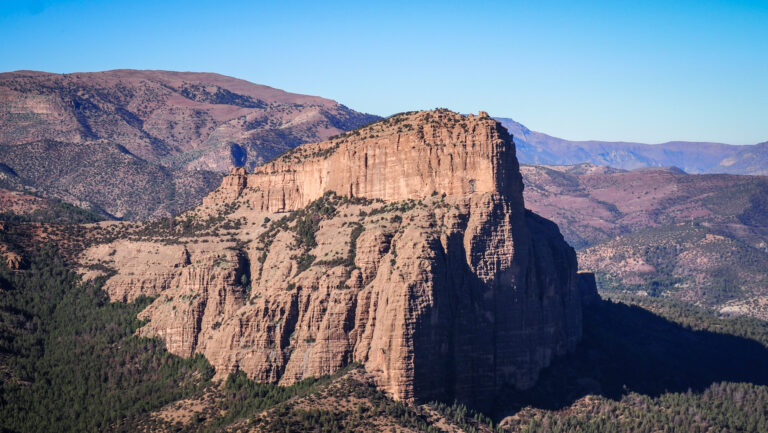
Imsfrane Cathedral has nothing to do with a religious building but it is a striking natural rock formation that rises to 1872 meters above sea level. The term “Cathedral” in this context is used metaphorically to describe the towering and majestic appearance of this rock, which resembles the shape of a cathedral with its steep, vertical cliffs. The rock formation is a popular destination for hikers and nature enthusiasts due to its dramatic geological features.

How to get there?

By Car

From Marrakech, take R210 heading northeast toward Demnate and then continue to Ouaouizeght on R304. It’s going to be about 4 hours drive (216 km). From Ouaouizeght, it’s another 57 km, which takes about 1.5 hours due to the bad condition of the road (doable in a normal car like a Renault Clio).

From Zaouiat Ahansal, take R302 for 43 km. It’s a dirt road so you should count about 1,5 hours to cover that distance.

By Bus/Taxi

You can take a bus from Marrakech to Demnate. Bus companies like CTM operate this route, and the journey takes 2.5 to 3 hours. For further connections, you must ask locals or negotiate the ride with taxi drivers. Be prepared for a long and tiring day.     

The best time to visit

Plan your trip in spring or autumn for the best weather conditions. Winter can bring snow and ice to the higher mountain roads, making them difficult to navigate. Summer can be hot, but temperatures are milder in the mountains.

You should always have some warmer layers, regardless of the season. In the end, it’s mountains there!

How long to stay there?

Half a day is enough to get to the top of Imsfrane Cathedral or even do a longer loop. If you want to explore a bit more or at a slower pace, plan one full day.

Imsfrane Cathedral, Morocco

Where to stay?

If you decide to spend a night in the area, there are some basic options such as Auberge à la Cathedrale Imsfrane or Gîte D’étape La Cathédrale.

The hike to Imsfrane Cathedral

I left early from Zaouiat Ahansal and had a first good look at the rock from the viewpoint “Vue panoramique sur la cathédrale” just on the roadside. You may find it on Google Maps. It looked truly impressive and I was looking forward to standing on top!

I parked the car just next to Gite La Cathedrale, packed water and hit the trail. I recommend using Mapy.CZ as the trailhead isn’t clearly marked. The plan for that day was to do a loop, including the summit of Imsfrane Cathedral, and returning through Ahansal Gorge. The total distance of 15.2 kilometers.

The mornings in this region can be cold but as soon as I started the ascent, I had to remove some of my layers. It was already getting quite hot, therefore I took off my thermal underwear and continued going up. The trail was obvious and there were also some other people around, so I felt perfectly safe.

Imsfrane Cathedral, Morocco
First views while going up

The views were nice and soon I passed a group of goats. It’s crazy how they climb these steep rocks. At some point, there was a short small section which was a bit steeper and I thought it was the beginning of a more difficult climb but it wasn’t. The path flattened again and it was steadily climbing on the side of the rock.

Finally, I reached the summit and there was only me and a local vendor. The views were breathtaking! I also felt that I wanted to appreciate the fact that the guy came up all the way to sell hot tea, drinks and snacks so I bought a juice and a pack of walnuts.
Imsfrane Cathedral, Morocco
At the top of Imsfrane Cathedral

On the way down, I took a different path, on the other side of the mountain. I was descending quickly and this path seemed to be less popular as I met only two other people going in the opposite direction. Once I reached the crossroads, I decided to turn right and head towards the Ahansal Gorge. Unfortunately, it was not exactly what I expected as instead of going down to the canyon, the trail took me to a viewpoint. Well, the view wasn’t bad at all.

Imsfrane Cathedral, Morocco
The view to Ahansal Gorge

I returned the same way and took another trail heading down to the canyon. Unfortunately, there was another obstacle – a fast fast-flowing stream to cross! I didn’t want to get my shoes wet, nor did I want to cross it barefoot. I somehow managed to move forward on the edge of the rocks but when I thought the worst was behind me, then again I reached the point where crossing the stream was the only solution. I just did it without taking off my shoes. Better safe than sorry!
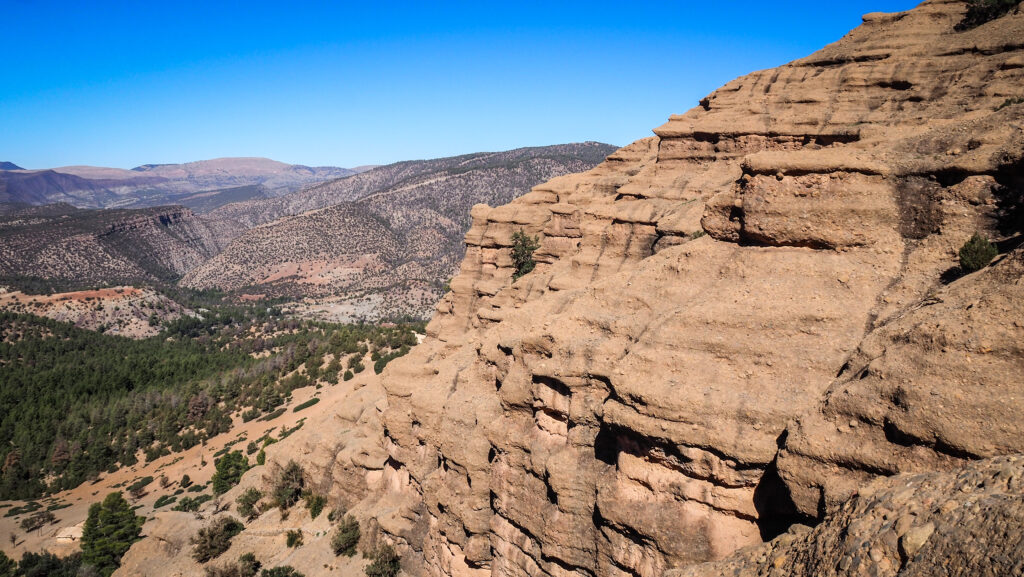
Imsfrane Cathedral, Morocco
Imsfrane Cathedral

Soon I joined the main road that I was driving on in the morning. The last meters to the car were quite boring and felt really long. There was absolutely no traffic so I couldn’t catch a ride. I passed by a popular photo spot that I have seen many times on Instagram, with a ruined car.

Finally, I reached my car, bought some chips and tonic in the nearby shop and started driving towards Ouaouizeght. The hike to Imsfrane Cathedral was beautiful and it was a time well spent in nature!

Zaouiat Ahansal is a small, remote village in Morocco’s High Atlas Mountains. It gets its name from the local “zaouia” (religious school or monastery) founded by Sidi Said Ahansal, a revered Islamic scholar and saint.

The village’s religious roots date back to the 16th century when it became a spiritual hub for the surrounding Berber tribes. Sidi Said Ahansal, the founder of the zaouia, established a religious order that drew followers from the High Atlas region. The influence of the Ahansal family extended over centuries, and the local zaouia was both a centre of learning and a point of unity for the local Amazigh (Berber) communities. Today, the religious significance of the village remains a key part of its identity.

Zaouiat Ahansal is set in a dramatic mountainous landscape, surrounded by towering peaks, rugged valleys, and winding rivers, including the Assif Ahansal River. The area is part of Morocco’s central High Atlas range and is known for its pristine nature, making it a popular destination for adventure tourists, climbers, and hikers.

The population of Zaouiat Ahansal is predominantly Amazigh, and the local culture is deeply rooted in traditional Berber customs, language, and ways of life. The Berber people have preserved their unique customs, dialects, and cultural practices for generations in the face of modern challenges. Traditional festivals, clothing, and crafts remain vital parts of everyday life, though they slowly adapt to the contemporary world.

Taghia Gorge, Morocco
Zaouiat Ahansal
Taghia Gorge, Morocco
Zaouiat Ahansal

In recent years, Zaouiat Ahansal has become an emerging destination for eco-tourism and adventure travel. Visitors come to explore the untouched natural beauty of the High Atlas, engage in trekking, mountain biking, and rock climbing, or experience the quiet, traditional life of the Amazigh people. Due to its relative isolation, the village has managed to retain much of its authenticity, making it attractive to tourists seeking less commercialized experiences.

When it comes to rock climbing, nearby Taghia Gorge has gained a reputation as one of the premier destinations in the country. The steep limestone walls offer a variety of climbing routes, ranging from technical sport climbs to long, multi-pitch trad routes. Due to the complexity and difficulty of many of the climbs, Taghia attracts serious climbers, including professionals from around the world. The routes vary in difficulty, but many are highly challenging, with climbs often exceeding 300 meters. The gorge is often compared to renowned climbing locations in Europe and has been described as a “paradise” for big-wall climbers. The area was relatively unknown in the global climbing community until the late 20th century when international climbers began exploring the region. The remoteness means that amenities and modern conveniences are limited, adding to the appeal for those looking for an immersive adventure in a natural, undeveloped setting.

How to get there?

Getting to Zaouiat Ahansal, a remote village in the High Atlas Mountains of Morocco, requires some planning due to its isolated location and lack of direct transportation options. However, the journey offers a rewarding experience through Morocco’s rugged mountain landscapes. The most common starting point for travellers heading to Zaouiat Ahansal is Marrakech, the nearest major city with an international airport and well-developed infrastructure. From Marrakech, you have two main options: renting a car or using public transport, though the latter will involve multiple steps.

By Car

Renting a car is the most flexible and efficient way to reach Zaouiat Ahansal, as it gives you control over the journey and allows you to explore the surrounding area at your own pace. The drive from Marrakech takes around 5-7 hours, depending on road conditions and stops.

From Marrakech, head northeast toward the town of Azilal. You’ll follow the R210 road toward Demnate, then take the R304 road, which passes through stunning mountainous terrain. After reaching Azilal, continue toward Ait M’Hamed and head to Zaouiat Ahansal via the rural R302 road. This road becomes narrower and more challenging as you ascend into the High Atlas.

By Public Transport

While public transport options are limited, combining buses and taxis to reach Zaouiat Ahansal is possible, though this will take longer and may require flexibility.

Firstly, take a bus from Marrakech to Azilal. Several bus companies operate this route, and the journey takes about 4-5 hours. Buses to Azilal leave from the main bus station in Marrakech (Gare Routière).

Secondly, find a shared taxi from Azilal to Ait M’Hamed. The grand taxis are often crowded and less comfortable than buses but are commonly used for travel in rural Morocco.

From Ait M’Hamed, there may be local taxis or 4×4 vehicles available to take you to Zaouiat Ahansal, though this can depend on demand. Alternatively, you can hire a guide and arrange a multi-day trek from Ait M’Hamed or another nearby village to reach Zaouiat Ahansal, which can be an adventurous option.

The best time to visit

Plan your trip in spring or autumn for the best weather conditions. Winter can bring snow and ice to the higher mountain roads, making them difficult to navigate. Summer can be hot, but temperatures are milder in the mountains.

You should always have some warmer layers, regardless of the season. In the end, it’s mountains there!

How long to stay there?

One day is enough if you just plan to drive to Taghia Gorge and do some hiking there. You should plan some extra time if you are a climbing enthusiast.

Where to stay?

There are some basic guesthouses in Zaouiat Ahansal, and staying with local families is also an option. I spent the night in AUBERGE Kasbah Ouad Ahanssal. The location is magnificent and so are the views around the property. The shower always had hot water and the dinner was delicious.

What to do in Taghia Gorge?

Passage Berbere

A wonderful place to discover but not for people who are quickly affected by dizziness or are afraid of exposition. It is better to start the adventure in the morning if the weather is mild and the path is dry. Good shoes and a warm layer of clothing are a must. Avoid going there solo in case something goes wrong. Taking a guide might be a smart idea. Otherwise, follow the trail which is visible on Mapy.cz, as shown below. The first section is of medium difficulty and involves some easy scrambling. Then, the proper Passage Berbere is something that I didn’t care to cross. It was made with sticks and stones during the colonization of Morocco so that the Moroccan soldiers could escape the enemy army.

Taghia Gorge, Morocco
The views around Passage Berbere
Taghia Gorge, Morocco
Passage Berbere
Taghia Gorge, Morocco
The views around Passage Berbere

Drive from Zaouiat Ahansal to Taghia

The dirt road linking these two villages is very narrow so you may have some problems if there is a car coming from the opposite direction. The distance is about 9 kilometers and the views are simply breathtaking with you being surrounded on both sides by the high walls of rock. In good weather conditions, the road is passable in a standard 2WD car (I did it in a Renault Clio). When I was passing through some village en route, there were quite aggressive kids, wanting money and hitting the car windows with their hands. Moments like this make me sceptic about travelling to Morocco but luckily soon happy feelings take over when I see the landscapes. If that happens to you, just keep the door of the car locked and slowly move forward. Do not give those kids any money!

Taghia Gorge, Morocco
The road between Zaouiat Ahansal and Taghia
Taghia Gorge, Morocco
The road between Zaouiat Ahansal and Taghia

Canyon Tazart

On the way back from Taghia, look for some small village with a few houses on your left. It’s a good idea to make a stop there and check out Canyon Tazart. Just follow the dried river bed and double-check your position on Mapy.CZ.

The gorge is completely different from the one around Passage Berbere and walking felt was much safer. At some point, as it was getting late, I decided to turn around and return taking the same path. You should definitely avoid this place in case of rainy weather due to the risk of flash floods.

Taghia Gorge, Morocco
Canyon Tazart
Taghia Gorge, Morocco
Canyon Tazart

Other hikes

There are other hiking opportunities in the area, for one or multiday adventures involving peaks over 3.000 meters above sea level. However, the trails are not marked and it’s highly recommended to hire a guide or at least consult one before setting off.

Taghia Gorge, Morocco
The panoramic view of Taghia Village

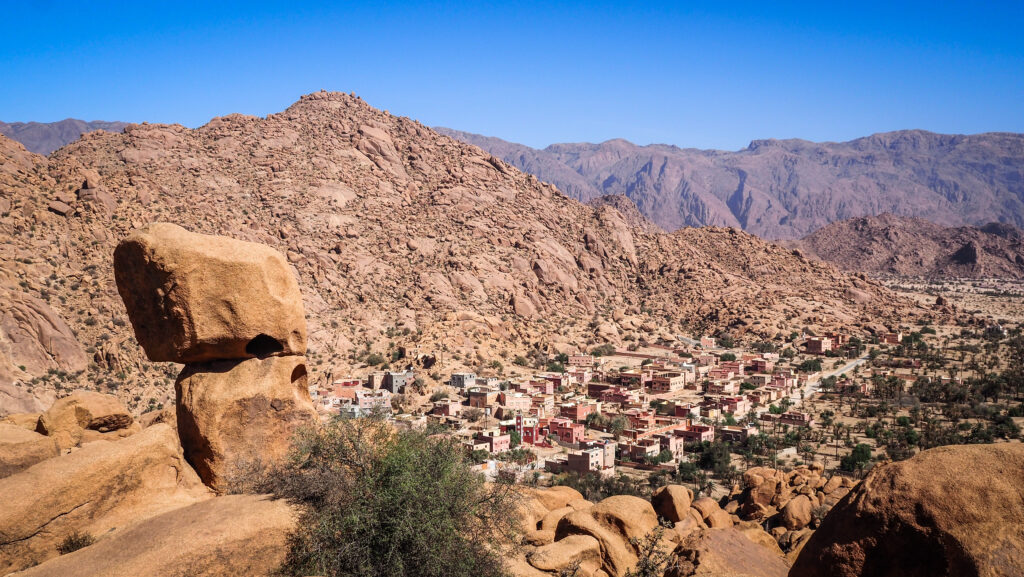
Tafraoute is a small town in southern Morocco, located in the Anti-Atlas mountains in the Souss-Massa region. Its history is deeply connected to its geography and Berber heritage.

Prehistoric rock carvings and petroglyphs found in the area suggest that early human settlers lived here as far back as the Neolithic period. These carvings depict animals such as gazelles, cattle, and giraffes, showing that the region was once more verdant.

The town is at the heart of a region primarily populated by the Berbers, also known as the Amazigh people, the indigenous inhabitants of North Africa. The Berbers of Tafraoute have a long history of resilience and cultural preservation. Throughout history, they resisted outside rule, including from Phoenician, Roman, and later Arab conquests, maintaining their distinct language, culture, and traditions. Tafraoute is in the territory of the Shilha-speaking Berbers, one of the many Berber language groups in Morocco. Over centuries, the people of this area were known for their semi-nomadic lifestyles, agriculture, and trade across the Sahara.

With the arrival of Islam in the 7th and 8th centuries, Tafraoute, like other parts of Morocco, gradually embraced the new religion. However, the mountainous and isolated nature of the region allowed the local Berber population to maintain a degree of autonomy. During the rule of the Almoravid and Almohad dynasties (11th to 13th centuries), Tafraoute remained part of the broader Moroccan realm, but due to its remote location, it was largely on the periphery of political and military conflicts.

Morocco became a French protectorate in 1912, though the Anti-Atlas region remained difficult for French authorities to control. Tafraoute, with its rugged terrain, was a natural refuge for those resisting colonial rule. The town and its surrounding villages played a role in the Berber resistance movements, especially in the 1920s and 1930s. Berber tribes in this region were fiercely independent, and many revolted against French rule. The colonization of Morocco also brought some infrastructural development to the region, including roads and schools, but the Anti-Atlas remained relatively isolated compared to other parts of the country.

After Morocco gained independence in 1956, Tafraoute became part of the newly unified state. However, it continued to be a relatively isolated and underdeveloped part of the country. In the mid-20th century, many inhabitants of Tafraoute emigrated to urban centres such as Casablanca or abroad, especially to France, for economic opportunities. This has led to a strong Tafraoute diaspora, particularly in Europe. In recent decades, Tafraoute has gained recognition as a tourist destination, known for its stunning landscapes of pink granite mountains, the Ameln Valley, and its traditional Berber culture. Its annual almond blossom festival, held in February or March, celebrates the region’s natural beauty and agricultural heritage.

How to get there?

From Agadir:

By Bus:

Buses, operated by companies like CTM and Supratours, run regularly between Agadir and Tafraoute. This is an affordable and comfortable option, but make sure to check the schedule in advance.

By Grand Taxi:

Shared taxis are available and a faster, but less comfortable, option than the bus. You may have to wait until the taxi fills up with other passengers before departing.

By Rental Car:

Renting a car gives you the most flexibility to explore the beautiful scenery along the way, such as the Anti-Atlas mountains. The drive is scenic but involves winding mountain roads. It’s about 165 km and the drive takes 3 hours.

If you decide to start from Agadir, I recommend using the service of Click’n’Go Car Rental. Amiable guys and easy to contact on WhatsApp. I rented a Renault Clio for the whole month and got a nice price.

From Marrakech:

By Bus:

There are no direct buses from Marrakech to Tafraoute. You’ll need to first take a bus to Agadir (about 3 hours) and then continue from Agadir to Tafraoute by bus or taxi.

By Rental Car:

Driving is the most flexible option. The route takes you through the Anti-Atlas mountains, offering stunning landscapes. The distance is about 380 km and the drive takes about 6 hours.

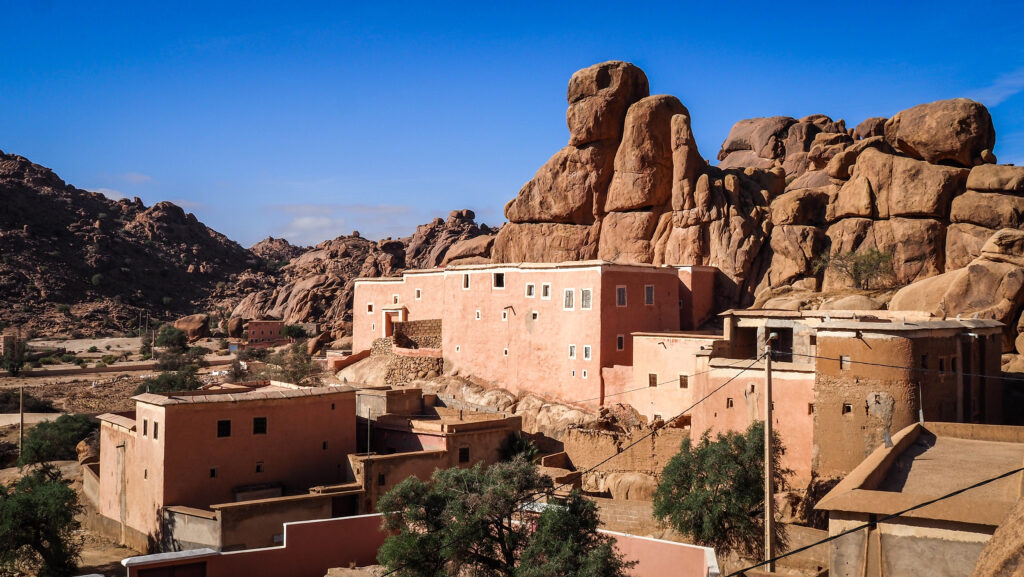
Tafraoute, Morocco
Landscape around Tafraoute

The best time to visit

The best time to visit Tafraoute is between February and April. This period offers mild and pleasant weather with comfortable daytime temperatures, typically ranging from 18°C to 25°C. This is ideal for outdoor activities such as hiking in the Anti-Atlas mountains, exploring the Ait Mansour Gorge, or wandering through the surrounding valleys. Another highlight of visiting Tafraoute during this time is the Almond Blossom Festival when the almond trees in the Ameln Valley are in full bloom. This creates a stunning spectacle of pink and white blossoms, and the festival itself features traditional Berber music, dance, and local crafts.

Tafraoute, like many parts of southern Morocco, can get extremely hot during the summer months, with temperatures often exceeding 40°C in July and August. The heat can make outdoor activities uncomfortable and limit exploration, so it’s best to avoid visiting during this time.

If spring isn’t an option, September to November is another good time to visit. The weather cools down after the summer heat, and temperatures become more pleasant for hiking and sightseeing.

Tafraoute, Morocco
Landscape around Tafraoute

Where to stay?

I stayed in Azur Tafraout. It is located a bit further from the town centre in a very quiet area near the hills but still within walking distance of restaurants. The room was clean and cosy and breakfast provided in the morning was tasty.

How long to stay there?

You can do both, Tafraoute and the drive through Ait Mansour Gorges in one very long day. If you want to include some longer hikes in the area, then a minimum of two days will be needed.

How to get around?

The best is the have a car but if you like walking, then you will be able to see the places around Tafraoute anyway as they aren’t very far from each other. You could even hike to Painted Rocks, although be careful of the weather and you will be crossing desert-like landscapes which can be extremely hot during the day. Get offline Google Maps for that area or even better Mapy.CZ to make sure you won’t get lost.

What to see in Taroudant?

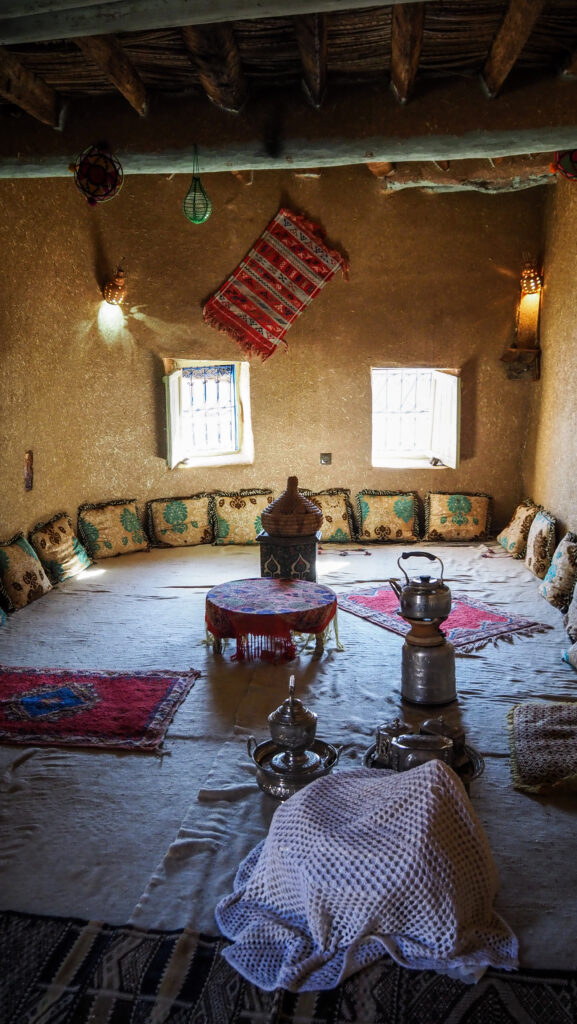
La Maison Berbère Traditionnelle de Tazka

An exciting place where you can learn a lot about the traditional life of the Berbers and see a traditional house with its furnishings. The owner is very nice, and he willingly talks about the current situation in the local community. He also presented old clay pots, tools and the set-up of the house and shared details about how the children studied, where they slept, how they had hammams in the house, how they managed to keep the room steamy, and how the livestock they kept on the ground floor kept the living room and the kitchen warm.

There is a phone number on the door, so if you don’t see anyone around, just give him a call and wait a bit.

Tafraoute, Morocco
La Maison Berbère Traditionnelle de Tazka
Tafraoute, Morocco
The view from La Maison Berbère Traditionnelle de Tazka
Tafraoute, Morocco
The view from La Maison Berbère Traditionnelle de Tazka

Tafraout Valley

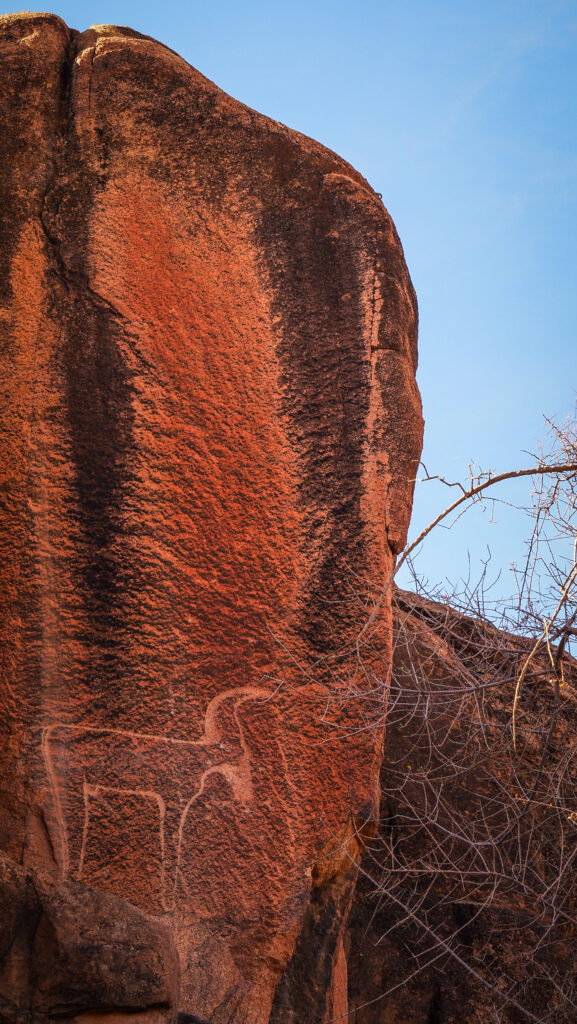
It is a magnificent place with very beautiful rock formations and palm grove walks. Not far from La Maison Berbère Traditionnelle de Tazka, you will find a carved gazelle which is said to be an example of prehistoric rock engravings. I wouldn’t be so sure if it was prehistoric, but anyway, it’s great fun looking for it.

Follow the path further south with the R104 road in the distance on your right. Soon, on the left, you will notice a well-designed path climbing higher up the mountain. At some point, it vanishes but if you do some easy scrambling on the boulders, you will reach a breathtaking viewpoint of the valley.

Tafraoute, Morocco
The viewpoint of Tafraout Valley
Tafraoute, Morocco
The viewpoint of Tafraout Valley

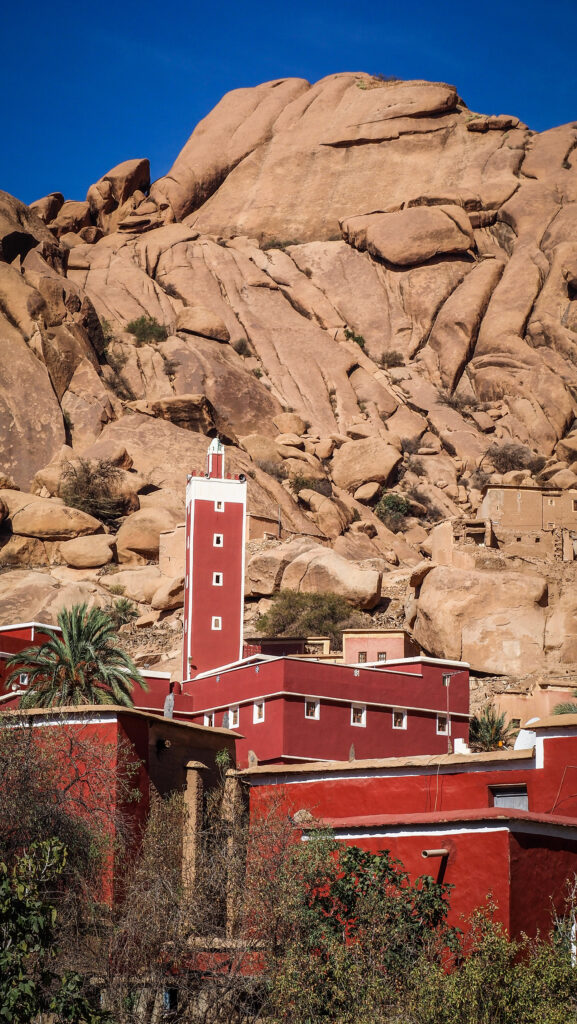
Mosque Aday

A beautiful mosque that contrasts well with the rocky landscape and is surrounded by old traditional houses.

La Maison Touareg

A popular shop which is full of colours and beautiful items, e.g. rugs, jewellery etc. The owner can get you anything that you need and is a wonderful person who doesn’t push you to buy anything.

Finger Mountains / Napoleon’s Hat

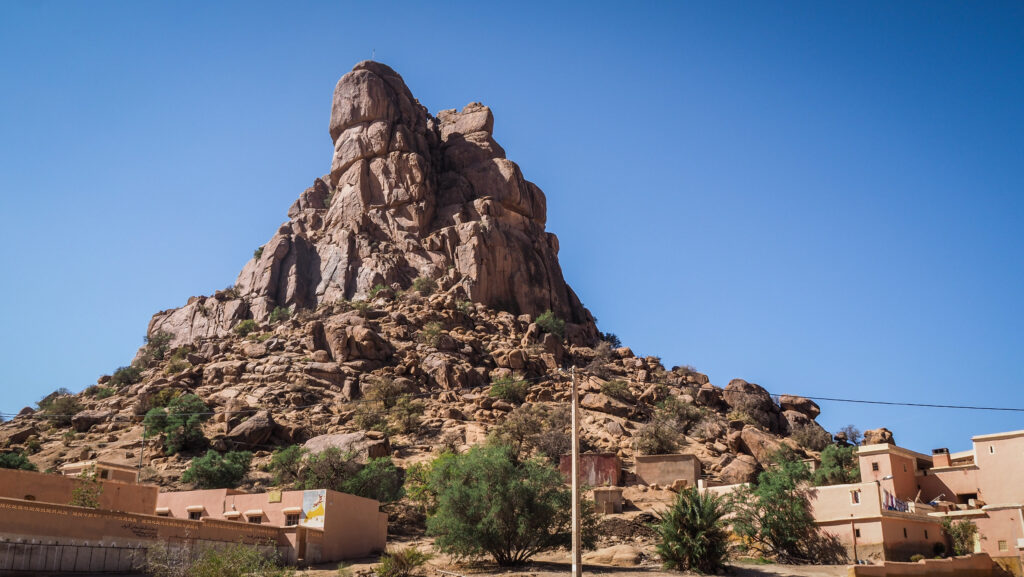
The iconic rock formation is named after its resemblance to the famous Napoleon’s hat. Let’s just say the resemblance is a bit far-fetched.

Tafraoute, Morocco
Napoleon’s Hat

Painted Rocks

Belgian artist Jean Verame created the painted rocks in Tafraoute. The installation lasted three months and required an amazing 18 tonnes of paint.

They are generally known as blue rocks, however they are actually multicoloured. Pink, red, black, yellow, and orange are also present among the blues. Naturally, because the rocks were so exposed, the paint weathered significantly over time. However, they have now been repainted to restore their original vibrancy.

The access road is mostly gravel but suitable for 2WD cars.

Tafraoute, Morocco
Painted Rocks
Tafraoute, Morocco
Painted Rocks

Ait Mansour Gorges

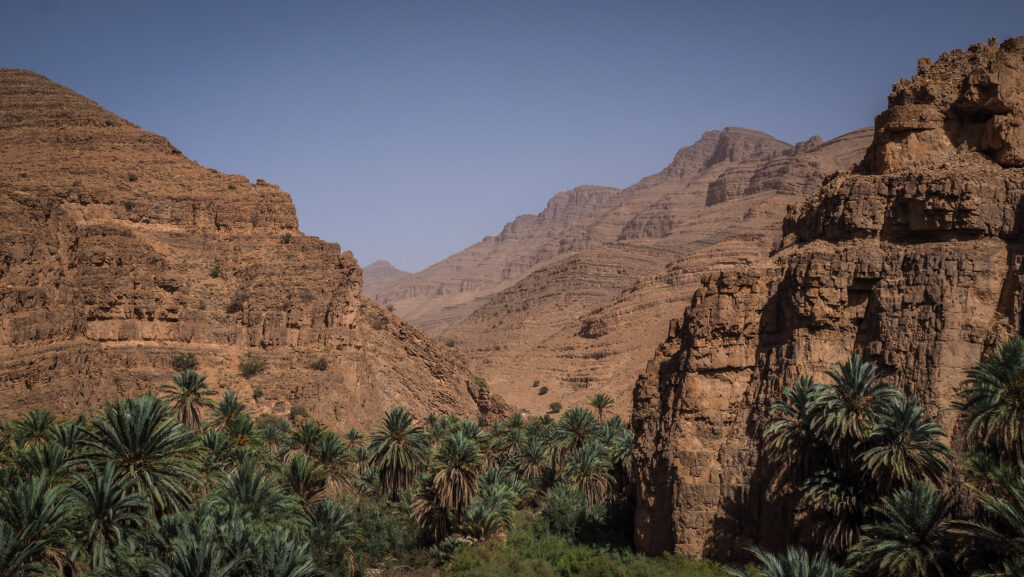
The Ait Mansour Gorges is a stunning natural feature located near Tafraoute in southern Morocco’s Anti-Atlas mountains. Known for their dramatic rock formations and lush palm groves, the gorges offer a striking contrast between the barren, arid mountains and the greenery of the oasis within them.

Ait Mansour is relatively remote, making it a peaceful and less touristy destination compared to other Moroccan attractions. It is located about 30 km southeast of Tafraoute.

I followed the road R107 and just before the Painted Rocks, I took a left turn towards Ait Mansour. The road was very winding but there was minimal traffic so the driving experience was relaxing. With every kilometre, the views were becoming even more spectacular. The gorges are characterized by towering red and pink granite cliffs that rise dramatically on either side of a winding valley. The landscape is a mix of rocky terrain and lush vegetation, with palm trees, olive groves, and small agricultural plots fed by natural springs.

Ait Mansour, Morocco
The winding road is climbing higher and higher

I made a quick stop in Ait Mansour to drink a coffee and have a walk among palms. The oasis is watered by a river that runs through the gorges, providing a life-giving resource to the otherwise dry landscape.

The area around the Ait Mansour Gorges is home to traditional Amazigh (Berber) communities. Small villages are scattered throughout the gorge, where locals live in mud-brick houses and practice subsistence farming.

Ait Mansour, Morocco
The oasis in the valley looks amazing
Ait Mansour, Morocco
Driving through Ait Mansour

From Ait Mansour I continued the drive towards Gdour and then I turned right to continue the loop through Ait Bou Nouh and Ait Ou Said and in the end connecting again with the road R107. It was easily one of the best drives that I have done in Morocco!

The entire loop is about 100 km long and the drive takes 3 hours. Don’t rush it though! You will want to make plenty of stops!

Ait Mansour, Morocco
Driving through Ait Mansour Gorges
Ait Mansour, Morocco
Scenic road continues
Ait Mansour, Morocco
Scenic road continues

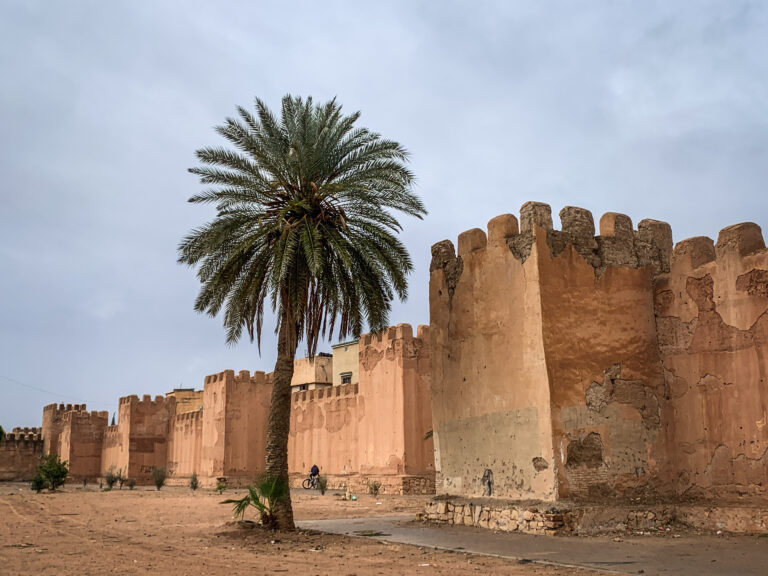
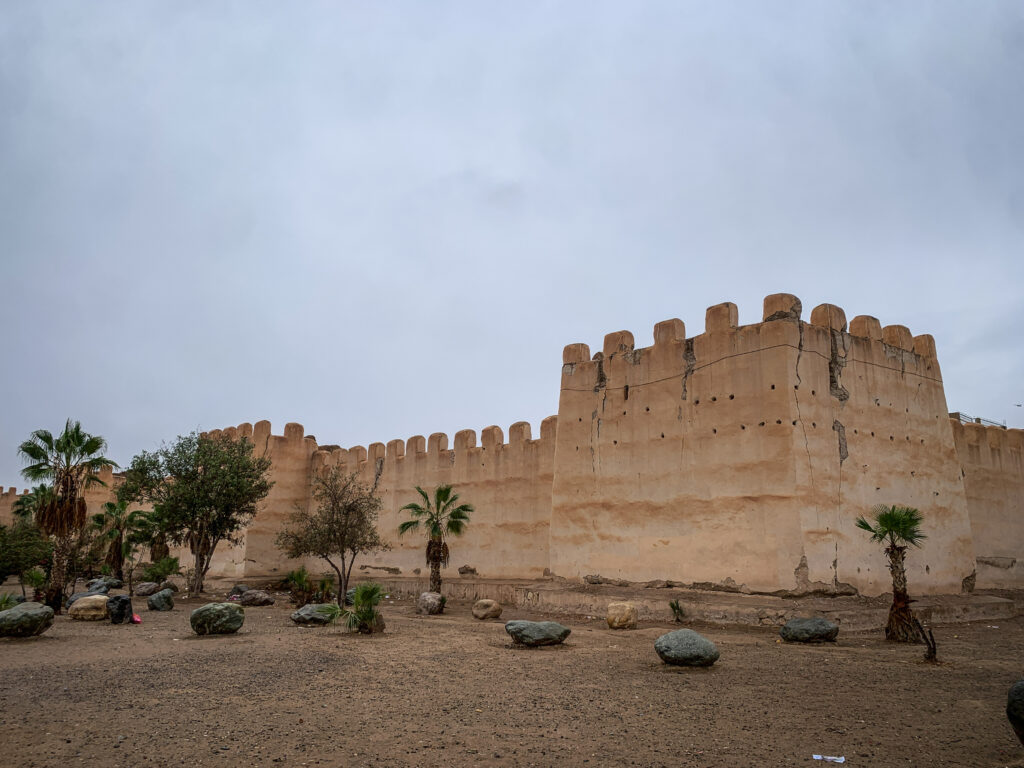
Taroudant is a historic town located in southern Morocco, which is believed to have a similar appearance to Marrakesh, though it’s smaller and less hectic. It is set against a stunning backdrop of the Atlas Mountains and surrounded by well-preserved, reddish-brown walls that give it a fortified, medieval feel. Unlike Marrakesh, it’s less touristy, offering a more authentic experience of Moroccan life.

Taroudant’s history stretches back to ancient times, with its origins likely rooted in a Berber settlement. The town gained prominence in the 11th century during the Almoravid dynasty, which used it as a military base due to its strategic location in the Souss Valley. However, it was during the Saadian dynasty in the 16th century that Taroudant truly flourished. The Saadian sultan, Mohammed ash-Sheikh, transformed the town into a key administrative and military centre. He constructed the impressive city walls and fortifications that still stand today, and Taroudant became a thriving hub of trade and culture, benefiting from its position on important caravan routes linking the Sahara to the Atlantic coast. In the centuries that followed, the town experienced periods of decline, particularly after the capital was moved to Marrakesh. However, Taroudant retained its regional importance, especially as a centre for agricultural production, thanks to the fertile lands surrounding it.

How to get there?

By Air:

The closest major airport to Taroudant is Agadir Al Massira Airport (AGA), about 65 kilometres away. You can take a taxi, arrange a private transfer or rent a car from the airport to Taroudant. The drive takes about 1 to 1.5 hours.

By Bus:

Regular buses run from Agadir to Taroudant and are operated by companies like CTM and Supratours. There are also bus services from Marrakech; the journey takes around 4 to 5 hours.

By Car:

The drive from Agadir to Taroudant is straightforward, and scenic, and takes about 1,5 hours (82 km). From Marrakech, the journey is around 3.5 to 4 hours (270 km).

If you decide to start from Agadir, I recommend using the service of Click’n’Go Car Rental. Amiable guys and easy to contact on WhatsApp. I rented a Renault Clio for the whole month and got a nice price.

By Taxi:

In Morocco, shared taxis also known as ‘grand taxis’ operate on longer routes between cities. You can take one from Agadir or Marrakech directly to Taroudant.

By Train:

There is no direct train service to Taroudant. The nearest train stations are in Marrakech or Agadir, after which you’ll need to take a bus, taxi, or car to reach Taroudant.

Powered by 12Go system
Taroudant, Morocco
Horse carriage in Taroudant

The best time to visit

The best time to visit Taroudant is spring (March to May) and fall (September to November). During these seasons, the weather is pleasantly warm with daytime temperatures typically ranging between 20C and 30C, making it ideal for exploring the town and its surroundings.

Winter (December to February) can also be a good time to visit, as temperatures are cooler, especially in the evenings, but still mild compared to many other destinations.

Summer (June to August) is generally hot, with temperatures often exceeding 35C, which might be uncomfortable for some travellers. However, this is also a low tourist season so you might find fewer crowds and better deals on accommodations.

Taroudant, Morocco
The streets of Taroudant

Where to stay?

I stayed in Chambres d’Hôtes les Amis. It is located within walking distance of the city walls and if you have a car, you can park it in the narrow street beside the building. The room was clean and cosy and so was the shared bathroom. A good breakfast is served on the rooftop terrace. The only negative point was the weak WIFI signal in the room.

How long to stay there?

One full day is enough to discover the city comfortably and even fit a few hours’ trip out of town to Tiout Kasbah if you feel like it.

Taroudant, Morocco
Street seller in Taroudant

How to get around?

The medina is inside impressive city walls and can be easily discovered on foot. To get to Tiout Kasbah, you will need a rental car or negotiate a taxi ride.

What to see in Taroudant?

From my accommodation, the first significant sight I approached when heading towards the city centre was Bab Taryunt, the historical west entrance to Taroudant. A few hundred meters further following Boulevard Mohammed V is Place Assarag. It’s a traditional Moroccan square with mall stalls, preachers, restaurants, and horse and carriage rides. It is said to be a mini version of Jemaa el-Fnaa in Marrakech.

Another square worth mentioning is 20 August Place, located just outside the city wall. You can find there a large area with a fountain in the middle. Nearby is Bab El Kasbah, an impressive city gate.

Constructed by Moulay Ismail, the historic Kasbah section is now a poor but safe residential neighbourhood with narrow streets and low arches leading to small squares and dead ends. Kasbah Garden was created by Hotel Palais Salam but it seems not to be maintained anymore.

I went for a stroll in Brahim Roudani Garden and checked out Fontaine Passage Palmeraie. Nice and relaxing spot, but the fountains don’t seem to be working for a while.

All in all, the best that Taroudant has to offer is its walls. Walking along them, admiring magnificent city gates, having a mint tea at one of the cafes and simply observing local life going on will make for a worthy day in town.

Taroudant, Morocco
Exploring the streets of Taroudant
Taroudant, Morocco
Unfortunately, it was a very rainy day
Taroudant, Morocco
One of the city gates
Taroudant, Morocco
City walls
Taroudant, Morocco
Monument in Taroudant
Taroudant, Morocco
20 August Place

What to see around Taroudant?

Tiout Kasbah

Standing atop a hill, this majestic kasbah is a remnant of the Saadian period (16th century). At the base of the Kasbah is the genuine maze-like palm forest. You can stroll among orange, pomegranate, carob, and more than 20,000 palm trees as you follow the irrigation canals. As soon as you arrive, you will be offered guided tours or donkey rides. Some guides are very persistent! There is also a panoramic restaurant serving traditional Berber dishes. The Kasbah is located 30 km from Taroudant on the route to Tata.

Casablanca, now a bustling metropolis in Morocco, has a rich and varied history shaped by various cultures and influences over the centuries. The area around the town has been inhabited since at least the 7th century BC. The Berbers, the indigenous people of North Africa, were among the first to settle here.

The Phoenicians established a trading post in the region, followed by the Romans, who called it Anfa. By the 8th century, Anfa had become an important port for the Berber Kingdom of Barghawata.

In the 15th century, Portuguese traders and pirates frequently targeted Anfa. In 1468, the Portuguese destroyed the town due to its piracy issues.

In 1515, the Portuguese rebuilt the city and named it Casa Branca, meaning “White House.” They maintained control until the early 18th century and abandoned it following an earthquake and continued conflicts.

Sultan Mohammed ben Abdallah, from the Alaouite dynasty, rebuilt the city in the late 18th century, renaming it Dar el-Beida, which translates to “White House” in Arabic.

In 1912, Casablanca became part of the French Protectorate of Morocco. Under the French administration, the city underwent significant modernization and expansion, with new infrastructure, buildings, and a modern port.

After Morocco gained independence from France in 1956, Casablanca emerged as the country’s economic capital. The town also developed into a cultural centre, symbolizing modernity and progress in Morocco. The famous 1942 film “Casablanca,” though not filmed there, further romanticized the city in global popular culture.

Today, Casablanca is Morocco’s largest city and a key financial centre in Africa. It is home to iconic landmarks like the Hassan II Mosque, one of the largest mosques in the world, and the bustling Corniche seaside district. Unfortunately, the city has a bad reputation for being dirty and chaotic and all is true.

How to get there?

By Air:

Book a flight to Mohammed V International Airport (CMN), the primary airport serving Casablanca. Many major airlines offer direct flights from various global cities.

By Train:

If you’re already in Morocco, you can take a train from cities like Marrakech, Rabat, or Fes. Arrive at Casa Voyageurs or Casa Port, the main train station in Casablanca. ONCF, the national railway operator, provides regular and comfortable services.

By Bus:

Several bus companies, such as CTM and Supratours, offer routes to Casablanca from various Moroccan cities. Buses typically arrive at Gare Routière de Casablanca, from where you can take a taxi or local bus to your destination within the city.

By Car:

If you prefer driving, major highways like the A3 and A7 connect Casablanca with other Moroccan cities. You can rent a car from various international and local companies. Ensure you have a valid driver’s license and familiarize yourself with local driving laws.

Powered by 12Go system
Casablanca, Morocco
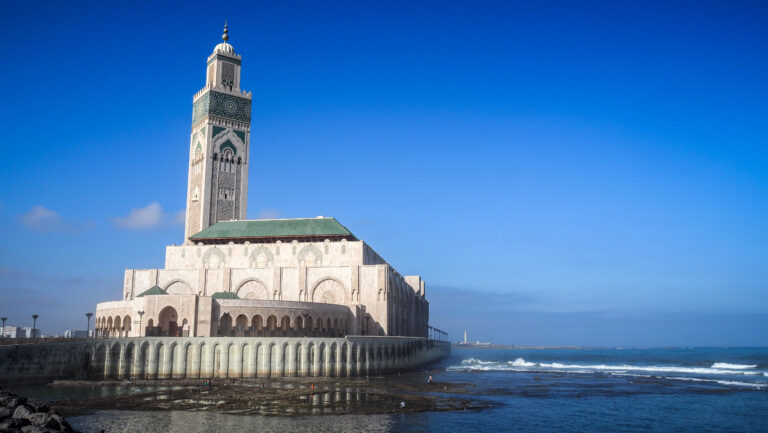
Hassan II Mosque

The best time to visit

The best time to visit Casablanca is during the spring (April to June) and autumn (September to November) seasons. The temperatures are mild and pleasant, typically ranging from 15°C to 25°C. It’s a great time to explore the city’s attractions without the peak summer crowds.

During summer (July to August) Casablanca experiences warm weather with temperatures often exceeding 30°C. While it’s not as hot as inland Moroccan cities, the humidity can be high, making it less comfortable for sightseeing.

Winter (December to February) brings cooler weather with temperatures ranging from 8°C to 18°C. While it’s still a viable time to visit, some days may be rainy or windy.

Where to stay?

I stayed in Stayhere Casablanca – Gauthier 1 – Modern Residence which was nicely located near Arab League Park. The room and bathroom were clean but there were constant problems with electricity. The staff were really helpful and were doing their best to sort it out so I believe it won’t be an issue in the future.

How long to stay there?

Two full days are enough to discover the city comfortably and to take a long walk along the corniche. Casablanca is a very dirty and polluted city so you don’t want to stay there too long. Much better places in Morocco are awaiting your visit!

How to get around?

Casablanca has an efficient tramway system that connects different parts of the city. Petit taxis are an option for short distances within the city and grand taxis are for longer routes. Public buses are available too though it might be difficult to figure out the routes and schedules.

What to see in Casablanca?

Day 1

I left for sightseeing very early in the morning and it was nice to see the city waking up. Mohammed V Boulevard is one of the streets in town that has some fine examples of grand colonial-era buildings in Art Deco style, including the famous Cinema Rialto, which was completed in 1929 according to the designs of French architect Pierre Jabin.

After a quick breakfast in the form of croissant with coffee, I took a petit taxi to the biggest attraction in the city: Hassan II Mosque. Its history is deeply intertwined with the vision of King Hassan II, who sought to create a monument reflecting Morocco’s religious and cultural heritage while also making a statement on the global stage. The idea for the mosque was conceived in the 1980s.

The location chosen for the mosque was particularly significant. Perched on a promontory overlooking the Atlantic Ocean, the mosque would symbolize the connection between the heavens and the earth, a theme central to Islamic belief. Construction began in 1986 and was a massive undertaking, employing thousands of workers, artisans, and craftsmen from across Morocco. The project took seven years to complete, with the mosque finally being inaugurated on August 30, 1993, in time for the late king’s birthday celebrations.

The mosque’s construction was a point of national pride, and many Moroccans contributed to its funding through public donations. Architecturally, the Hassan II Mosque is a masterpiece that blends traditional Islamic design with modern engineering. The mosque’s design was the work of the French architect Michel Pinseau, who collaborated closely with Moroccan artisans to ensure that the structure reflected the country’s rich artistic heritage. The mosque features intricate mosaics, carved plaster, and woodwork, all executed with remarkable precision. One of the most striking aspects of the mosque is its minaret, which soars 210 meters into the sky, making it the tallest in the world. This minaret is equipped with a laser beam that points towards Mecca, a reminder of the direction in which Muslims pray.

The glass floor in some sections of the mosque allows worshippers to see the ocean waves beneath them, reinforcing the sense of connection between the earthly and the divine. The mosque is also equipped with modern amenities, including heated floors, retractable roofs, and sophisticated sound systems, ensuring comfort for the worshippers while preserving the sacred ambience. It can accommodate up to 105,000 worshippers, with space for 25,000 inside and 80,000 in the courtyard.

The guided tour lasts about an hour and is mandatory to participate if you want to visit the interior. It includes Prayer Hall, Minaret Hall and Ablution Hall. The cost is 130 MAD for foreigners. Working hours vary so it’s best to check them on the website HERE. Next to the ticket counter is also a small museum where you can kill time waiting for the guided tour to start.

Casablanca, Morocco
Hassan II Mosque
Casablanca, Morocco
Hassan II Mosque
Casablanca, Morocco
Hassan II Mosque

From the mosque, you can take a long walk along the corniche towards Observation Deck Al Âank and El Hank Lighthouse. Stunning views of the city and the Atlantic Ocean are guaranteed. The lighthouse is also said to be one of the best places in Casablanca to see the sunset. It came into operation in 1920 and helped the development of the city of Casablanca, as it facilitated access to the port, which was previously considered dangerous. In October 2023 it was not possible to climb it but I have seen reports that it used to be open for tourists so you may want to check it out.

The walk can be continued along Boulevard de l’Océan Atlantique to beaches: Plage Lalla Meryem, Plage Aïn Diab and Plage Madame Choual. Then, take a petit taxi back to the centre of the town: United Nations Square. Constructed at the Medina’s entry during Morocco’s French Protectorate era, it currently serves as a vital hub for the city.

The place used to be occupied by Grand Souk, however, the city continued to expand after the French arrived in the early 20th century, permanently altering areas like this one. Thus, the clock tower was constructed in 1918 and the place was named Square of the Clock (later renamed Square of France). It marked the start of the city’s urban development, led by architect Henri Prost. The Excelsior Hotel and the Paris-Maroc department store are two examples of the new constructions that were erected in the square. The clock tower, which united the old and modern Casablanca, vanished in 1948 and was restored with a replica in 1993.

Nearby, across Rue Felix et Max Guedj is St John’s Church, the first Protestant church to be founded in Casablanca (1906). It was built on land owned by the British Crown and it is the oldest church building in the city.

The Medina Market is not as exciting as the ones in Marrakesh or Fes. This is still a traditional Moroccan medina, worth visiting if you don’t plan to go to other bigger cities, but apart from a couple of shops at its southern side, the neighbourhood is only a collection of somehow rundown residential buildings. Be careful about aggressive selling techniques and people promising to show you the way out. They will just lead you to their friend’s shop and ask for a tip.

Inside the walls of the Medina, there are also some interesting mosques, such as the Great Mosque, and the Ould el-Hamra Mosque (erected under Sultan Muhammad III bin Abdellah in 1789). There are some Jewish temples too. The Ettedgui Synagogue was bombarded by the Allies in November 1942 during the Naval Battle of Casablanca and the reconstruction started in 2011. The Beth-El Synagogue in the Jewish quarter is considered the centrepiece of a once vibrant Jewish community. It can be only visited if you are Jewish.

You might end the day at Rick’s Café, which is a restaurant, bar and cafe, opened in 2004 and designed to recreate the bar made famous by Humphrey Bogart and Ingrid Bergman in the movie classic Casablanca. Despite the title, the movie wasn’t filmed in Morocco but in Hollywood.

Day 2

I kicked off the day with a leisurely early morning walk in Arab League Park. Very well-maintained place with pathways lined with palm trees and neatly manicured bushes and plants. At the centre is a gorgeous fountain. Lots of space for people to stroll, jog, walk their dogs, and for children to play.

Arab League Park, Casablanca
Arab League Park

Near the park stands Sacred Heart Cathedral. Actually, it never was a cathedral, as Casablanca is not the seat of a bishopric. There was a sizeable Catholic community in town during the Protectorate times and French architect Paul Tournon designed the church in Art Deco style. Construction began in 1930 and finished in 1953. The country’s Catholic population began to fall three years later, in 1956, when Morocco achieved its independence. As a result, the edifice was no longer used as a church. Most probably you will only see it from the outside as it seems to be permanently closed for renovation.

Another place which is very close to the park is the Villa of Arts. It’s a cultural centre in a 1934 art deco villa, presenting contemporary art exhibitions and events. In my opinion, the building is more interesting than the art itself but of course, it’s a matter of taste 🙂

Mohammed V Square is one of the most lively places in town, especially on the weekends. You will see hundreds of pigeons hanging around (and as a result many objects covered in their shit) and locals feeding them. The square itself is surrounded by some magnificent buildings with traditional designs and rich history: Casablanca Court of First Instance, Poste Maroc and Bank Al-Maghrib.

Other buildings with interesting designs and facades, a bit further away from the square are Café La Princière, Hotel Amouday, Hotel Transatlantique and Hotel Volubilis.

Abderrahman Slaoui Foundation Museum bears the name of a Moroccan businessman and art collector who died in 2001. It showcases an amazing assortment of items, including vintage posters, crystal objects, Moroccan jewellery, Jacques Majorelle’s landscape paintings, Muhammad Ben Ali Rabati’s figurative paintings and much more.

Central Marketplace is an indoor hall built in the early 1900s, known for its selection of seafood. You will be approached by local sellers as soon as you enter it and each of them will do their best to drag you to the restaurant. Be careful as I heard that sometimes unwanted dishes appear on the table (e.g. salad) and the total amount of the bill can increase rapidly. If you notice such a manner, don’t touch the dish and strongly say that they should take it back.

Church of Notre Dame of Lourdes is a modernist Roman Catholic church, about 20 minutes walk from the Arab League Park. It was built in 1954 and the main attraction is the glasswork of world-famous stained glass artist Gabriel Loire.

Further away in the Habbous district, you will the Royal Palace. It’s not open to the public but you can’t see much from the street, other than entrance gates. It is regarded as Morocco’s second most famous royal location after the Royal Palace in Rabat and it has hosted important events. These include Hassan II’s meeting with Pope John Paul II in 1985, the first time a pope visited a Muslim nation at the invitation of an Islamic leader, and the fourth summit of the Organization of Islamic Cooperation in 1984.

Mahkama of Pacha is another interesting building to see in that area but watch out for scams. The place is apparently closed but the guards at the entrance tend to ask for about 100 MAD to let you in but it’s just a bribe and not an official ticket.

If you still have time and energy, visit the Museum of Moroccan Judaism. This institution is housed in a lovely garden home formerly used as a Jewish orphanage. It chronicles the 2000-year history of Jews in Morocco, with a focus on Casablanca’s Jewish community which was the biggest.

It is inconveniently located out of the main tourist zone so the best is the take a taxi to get there. The entrance fee is 50 MAD.