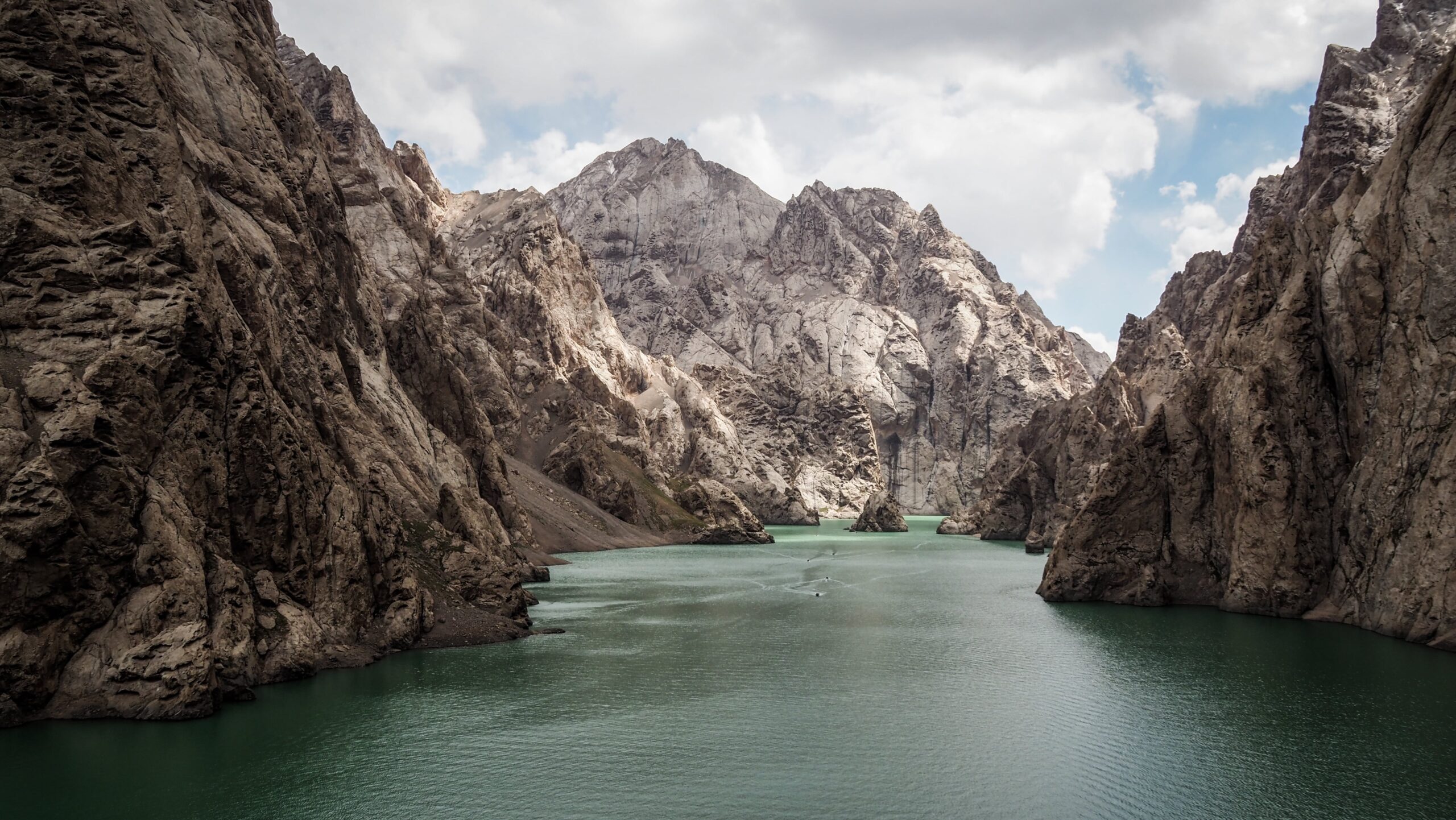
Kel-Suu is a remarkable high-mountain lake tucked into the rugged Naryn Region of eastern Kyrgyzstan, very close to the border with China. It sits at a significant altitude of over 3,400 meters above sea level, surrounded by tall rocky ridges and dramatic alpine scenery that change with the seasons.
The name comes from the Kyrgyz language and relates to the idea of “flowing” or transient water. This reflects one of the lake’s most unusual traits: its water level doesn’t always behave predictably. At times, much of the lake’s water can drain away through underground channels and caves, leaving behind stark stone landscapes; at other times, it fills up again with meltwater from nearby glaciers and snowfields.
Although it looks like a classic glacial lake, Kel-Suu was actually created in the 1980s when a massive landslide blocked a valley, and water began to accumulate behind the natural dam. Today, its waters stretch roughly 9 km in length and vary in width from several hundred meters to almost two kilometres in places, though it remains relatively shallow compared with some other alpine lakes.
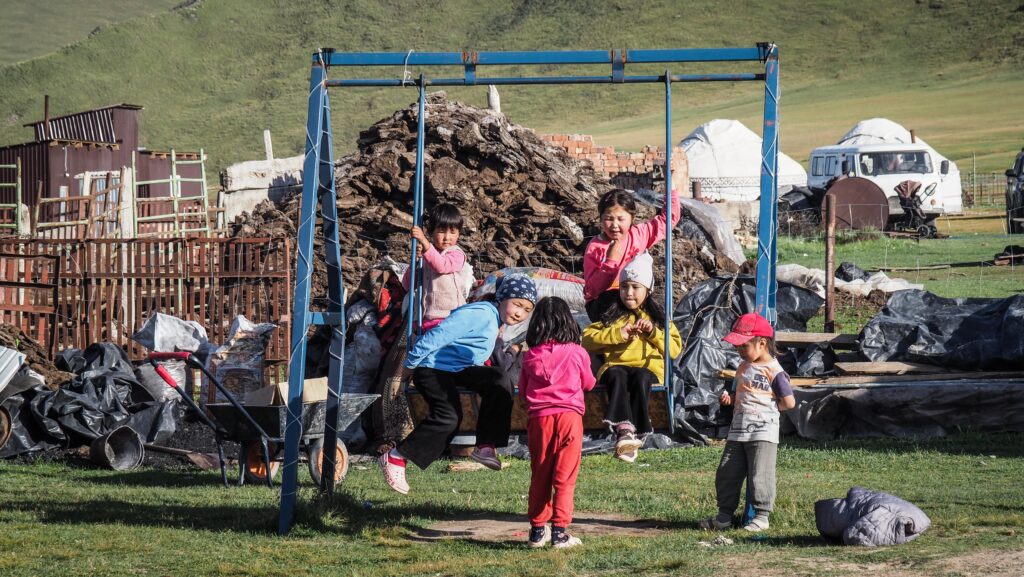
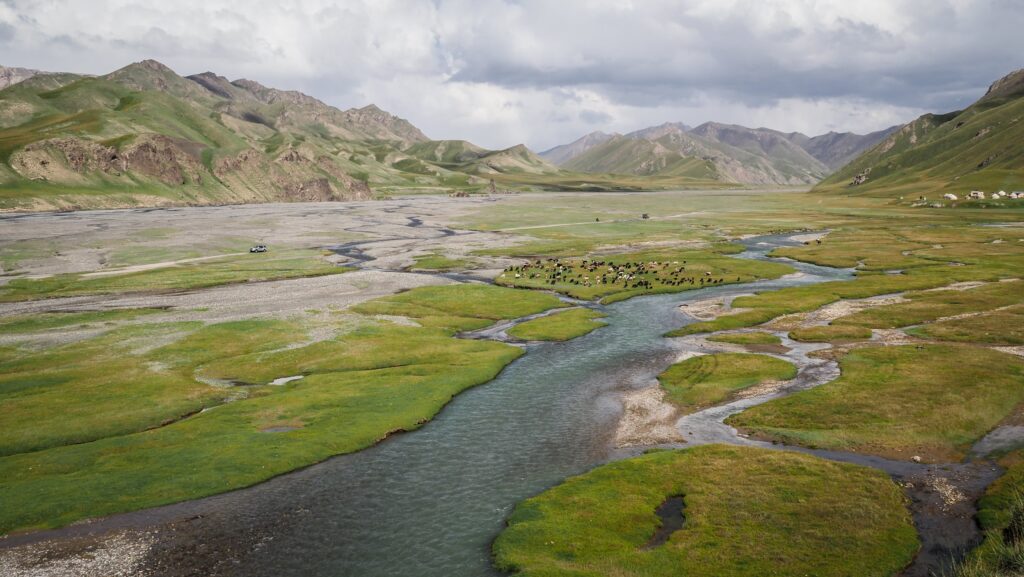
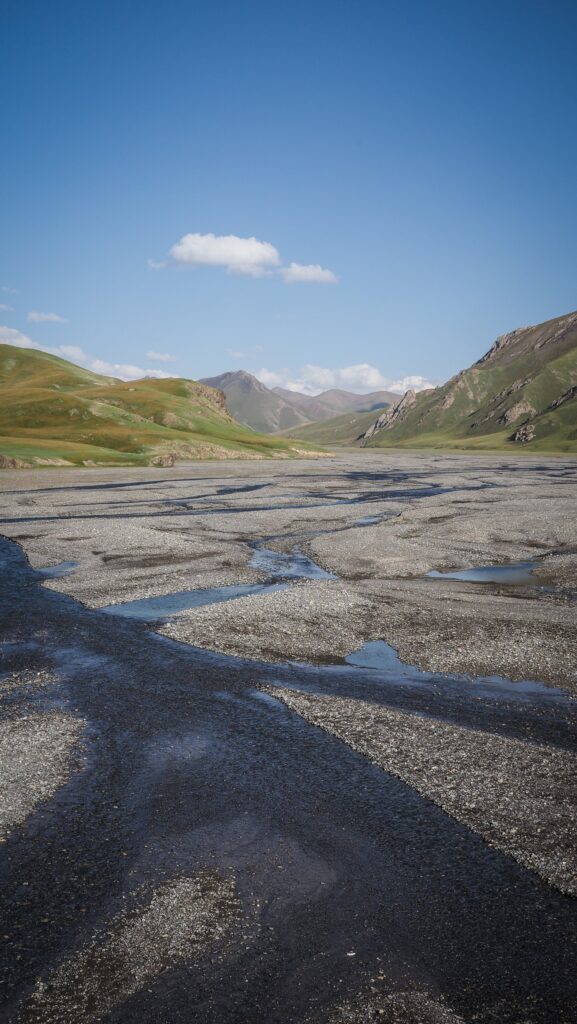
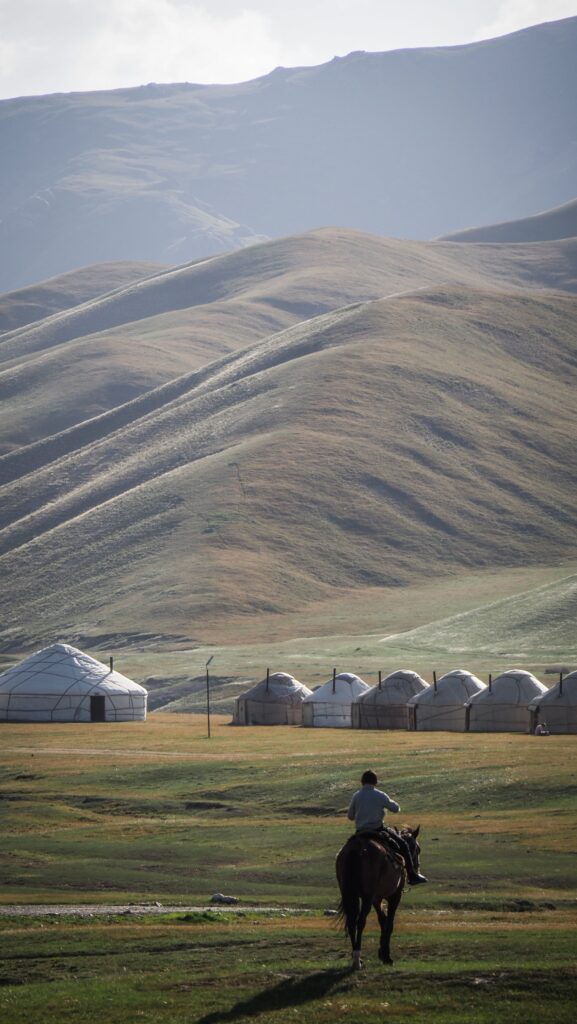
One of the defining aspects of Kel-Suu is how isolated it is. The approach leads through wide valleys, marshy ground, rivers, and high-altitude pastures, and because it lies within a border security zone, visitors must obtain a special permit ahead of time to enter the area. There’s no paved road all the way to the lake, so most travellers continue on foot or horseback from a yurt settlement in the nearby Kok-Kiya valley.
How to get there?
Reaching Kel-Suu is an adventure in itself, as the lake lies in a remote border region of eastern Kyrgyzstan with no direct public transport.
Travel to Naryn city
Most journeys start in Bishkek, the capital. From there, travellers go to Naryn, either by shared taxi, minibus (marshrutka), private car or tour vehicle.
The trip usually takes 6–7 hours, crossing mountain passes and wide valleys.
Naryn to Kok-Kiya Valley
From Naryn, you continue east toward the Kok-Kiya area, which is the closest access point to the lake. This section requires a few hours of driving, depending on the weather and road conditions. In summer, usually a 4WD vehicle is not needed. The roads are unpaved but in very good condition, and even minibuses do this route all the time.
Border permit requirement
Kel-Suu is located in a restricted border zone near China, so foreign visitors must obtain a special permit in advance. This is usually organised through travel agencies in Bishkek or Naryn. If you sign up for an organised tour, they will take care of your permit as well. If you decide to travel independently, visit CBT Naryn (+996559567685, info@cbt-naryn.com), and they will help you out. Remember to apply for a permit a few days before your planned visit. As of 2025, the permit for foreigners cost 2.500 SOM and for locals 1.500 SOM.
Without this permit, access is denied at military checkpoints.
Final approach on foot or horseback
The last stretch to the lake typically involves a hike of 8–12 km (2–3 hours), or a horseback ride, which is common and easier at high altitude. The trail crosses alpine meadows, streams, and sometimes marshy ground.
Which organised tour to choose?
Most visitors arrange the visit to Kel See Lake through a tour operator. They offer an almost identical itinerary, which is usually a 3-day 2-night trip departing from Bishkek. Some popular companies are Kettik, Intourists, or Fun Travells. The prices are the same.
They can also pick you up in Naryn or drop you off there after the trip, in case you are not in Bishkek.
The best time to visit
The lake is usually accessible from late June to early September. Outside this window, snow, flooding, or drained water levels can make the trip difficult or unrewarding.
Where to stay in Bishkek?
During my several-day stay in Bishkek, I stayed in five different hotels:
Inter Hotel Bishkek: Probably the best price-to-quality ratio. Good locations, modern room.
Hotel Touristan: The room was huge and clean. The receptionist was super helpful, and I even received a fridge magnet as a gift. The only negative was that the AC didn’t work too well.
Malinka: More like a guesthouse rather than a hotel. The room was well equipped with a kettle, tea, sugar, and toiletries. Very friendly owner who let me leave a part of my luggage for several days as I was hiking in Ala Archa National Park.
Hotel T: Very simple, however, a comfortable room.
Terrasse Hotel & Bar: A luxurious establishment offering stunning panoramic views of the mountains and the city. I had to get a really good deal on booking.com as in the next days the rooms became 4 times more expensive.
Where to stay in Naryn?
If you decide to set off from Naryn, I recommend spending a few nights at Pamko. The place was spacious and clean. There was also a mini kitchen area, and the owner was very friendly. They kept my luggage safe while I was staying overnight in Tash Rabat.
Standard itinerary from Bishkek
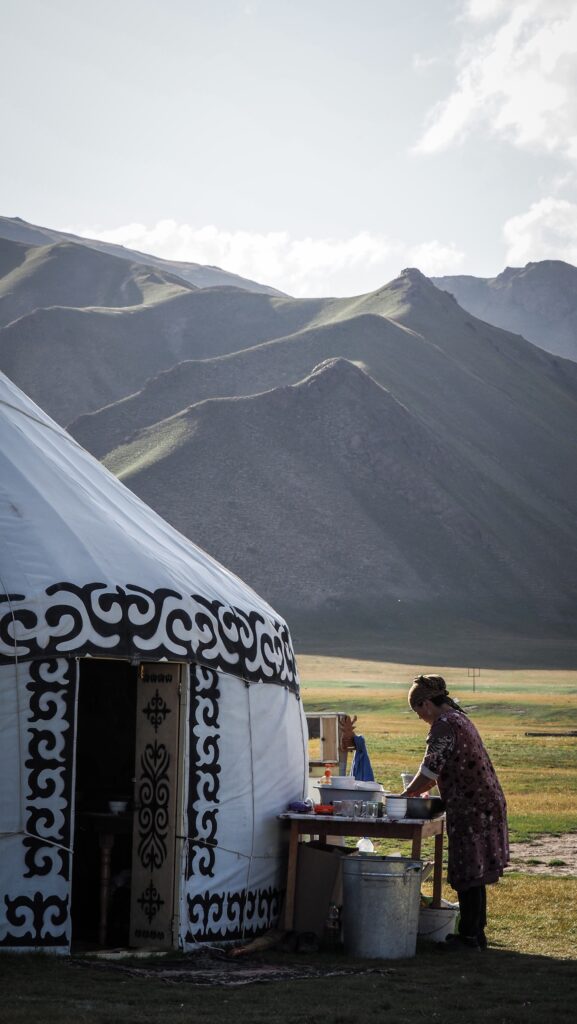
The trips usually take 3 days with 2 nights spent in the yurts. Expect to pay between 9.000 – 10.000 SOM. The price included the transfer, accommodation in a yurt (2 nights), meals (2 breakfasts, 2 dinners, 1 lunch) and guide service. Permit is 2.500 SOM extra for foreigners and 1.500 SOM extra for the citizens of the Kyrgyz Republic.
Day 1
The gathering was at 6:00 AM, with departure planned for around 6:30 AM. Along the way, there were some scenic stops at Boom Gorge and the Orto-Tokoy Reservoir. After lunch in Naryn, we continued the journey toward the border control point. In the evening, we arrived at the yurt camp, followed by dinner and free time to relax and enjoy the surroundings. A nice surprise was that the yurts were heated, and it was really warm inside!
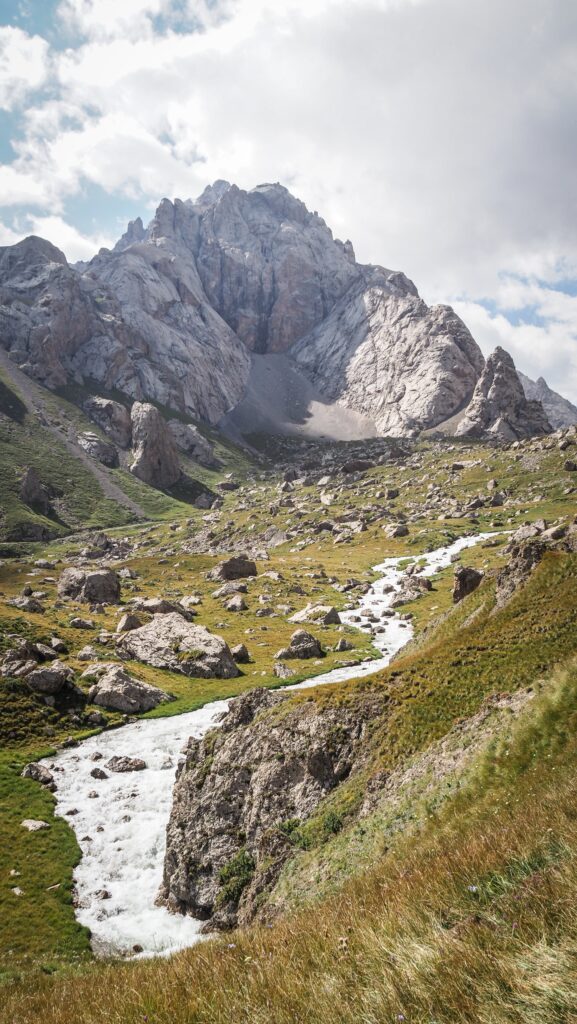
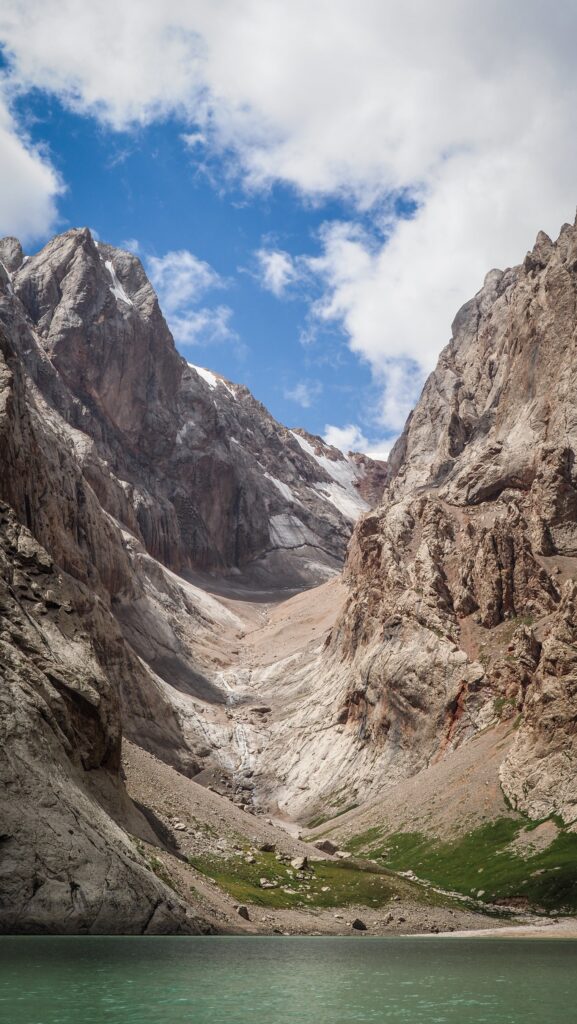
Day 2
After waking up, we enjoyed breakfast before beginning our ascent to the lake. There are several ways to reach Kel Suu: on foot, on horseback, or by 4×4 truck. The latter two options are available at an additional cost. A horseback ride to Kel Suu Lake costs 2,500 som for the horse and an additional 2,500 som for the guide. The guide fee can be shared among the group, making it a more budget-friendly option.
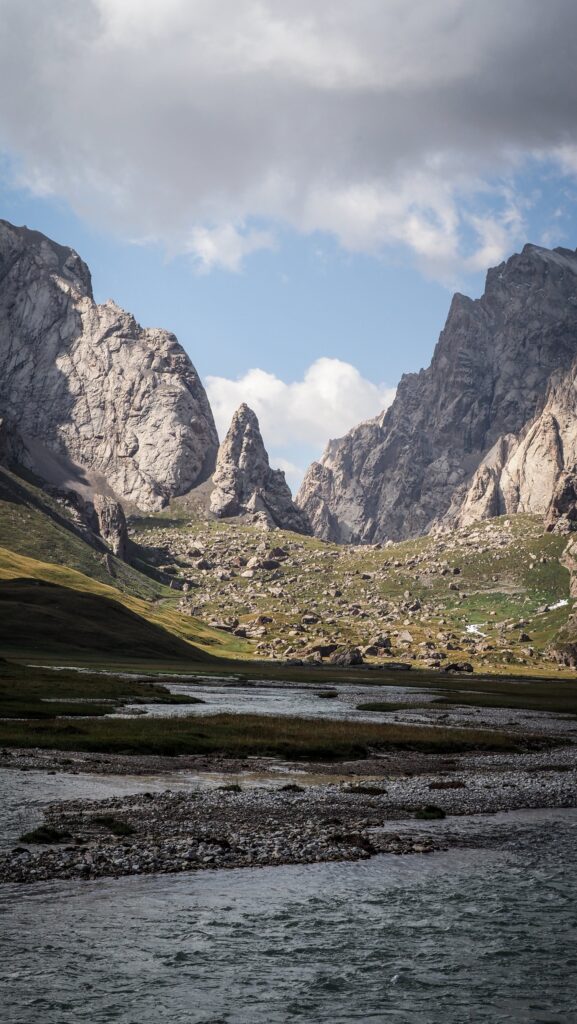
Hiking to the lake takes around 2-3 hours and follows an easy trail, mostly flat at the start, gradually climbing as it approaches the lake. Along the way, we were treated to beautiful views of snow-capped peaks and a fast-flowing river.
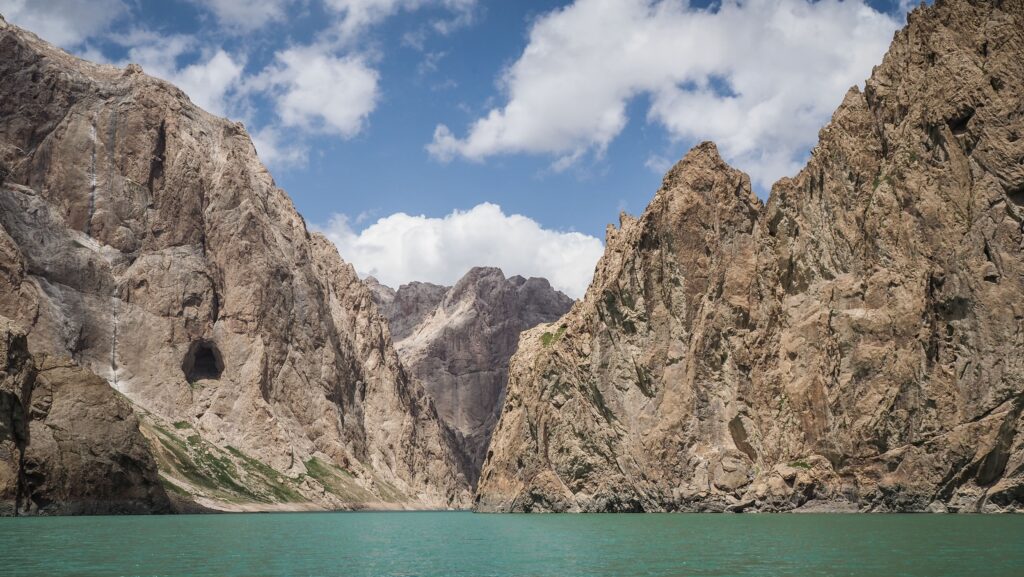
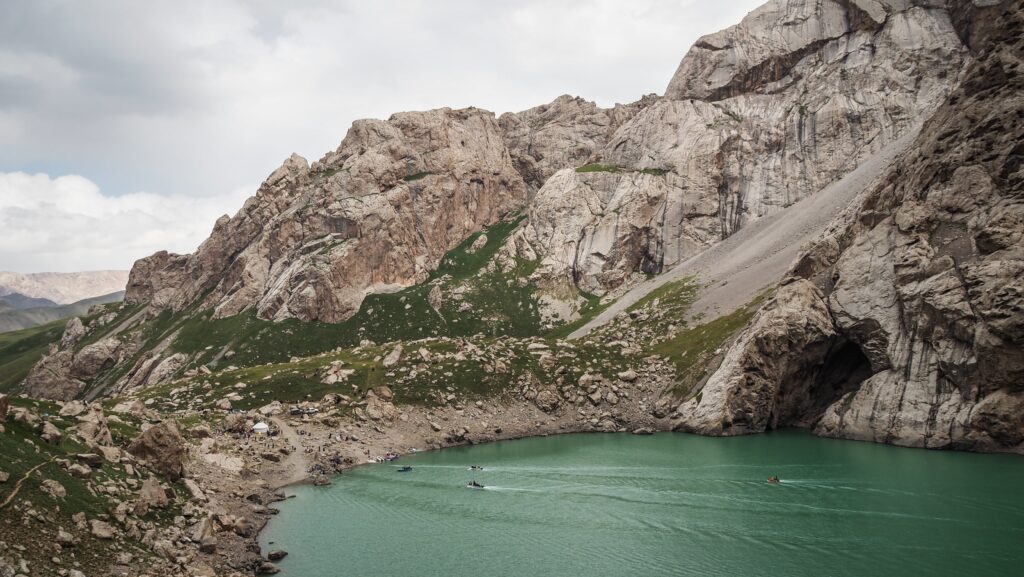
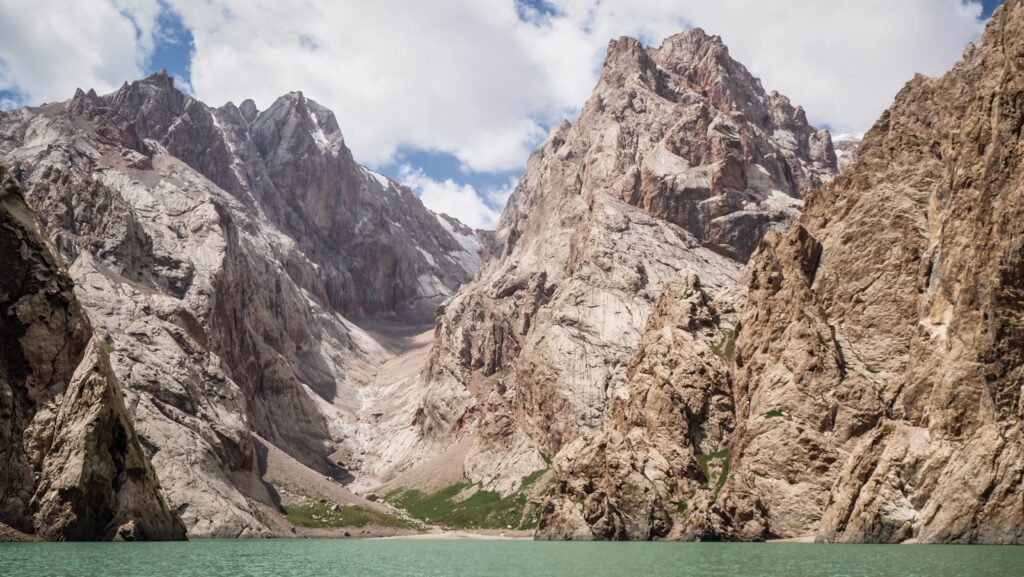
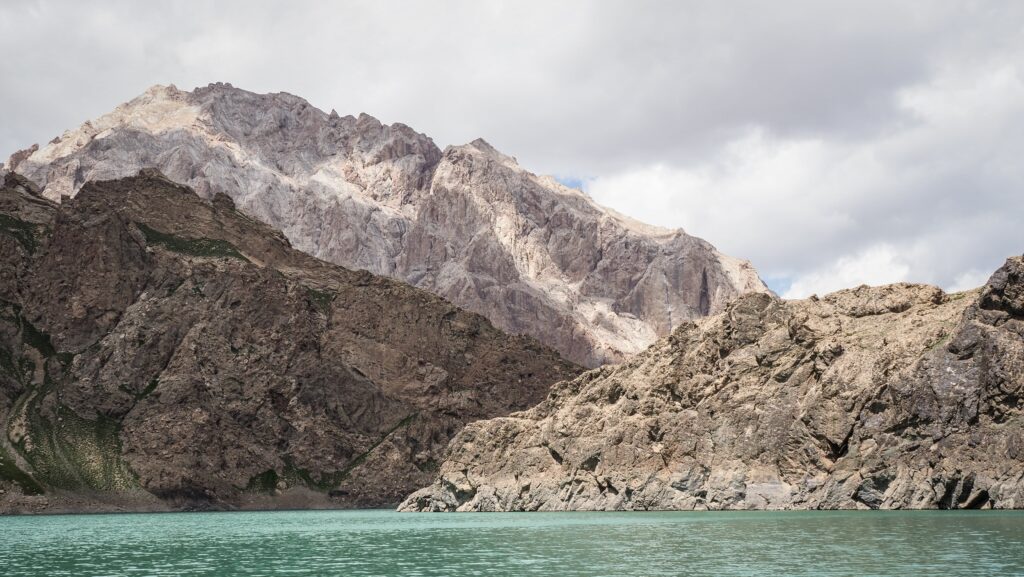
Upon reaching Kel Suu, there are simply no words, just wow. Towering rock formations rise dramatically above the water, while small boats glide quietly across the lake. I highly recommend taking a boat trip, as it was the highlight of the entire journey. The longest option lasts about 2–3 hours and takes you to the far end of the lake, including a stop at a cave. The ride can be chilly, especially as time goes on, so warm clothing is essential.
In the afternoon, we descended back to the yurt camp, where a well-deserved dinner and free time awaited, bringing a perfect end to an unforgettable day.
Day 3
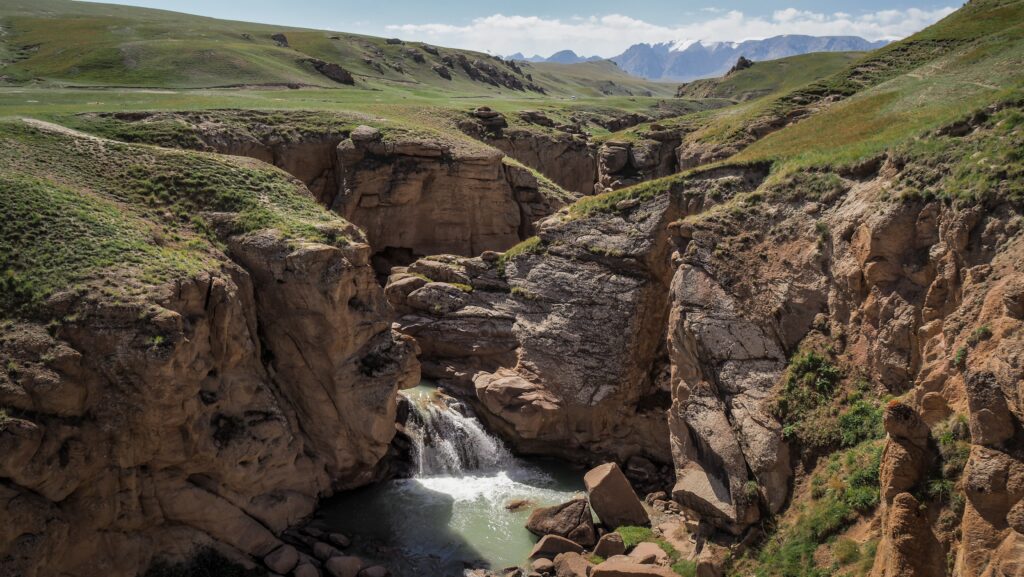
After breakfast, we set off toward Bishkek, making a short stop near the water canyons along the way. It was a pleasant spot to stretch our legs and take in the scenery, with yaks grazing nearby, although the stop itself was fairly brief as we were encouraged to return to the bus.
The drive was smooth and efficient, and we made good time throughout the day. We stopped for lunch in Kemin, and by around 7:00 PM we arrived in Bishkek, much earlier than I had expected, which was a nice surprise.