Tag

beach

Browsing

Introduction

Numerous beaches, ocean, forest, mountains, waterfalls and rich history. It’s a perfect combination for every holiday. Add to it relaxed vibes as well as proximity to Auckland and you will get a very popular place for summer escapes from a big city.

The area was occupied by Maori long time before the arrival of Europeans. Unfortunately, the distance from Auckland, availability of kauri timber and discovery of gold resulted in intense colonisation and Maori lost most of their lands by the 1880s.

The Peninsula was named after HMS Coromandel, a ship of the British Royal Navy that stopped at Coromandel Harbour in 1820 to purchase kauri spars. The ship was named for India’s Coromandel Coast.

The following itinerary encircles the peninsula from east to west and assumes that you have your own transportation.

Day 1 – Waihi, Whangamata, Wentworth Falls, Tairua, Hot Water Beach, Cathedral Cove

The day is busy and packed with attractions so it’s essential to start early. Driving along the east coast of Coromandel Peninsula will reward you with scening summer towns, waterfall, gold and silver mine and hot water beach. All of that finished with the grand finale at famous Cathedral Cove. Let’s start!

Waihi

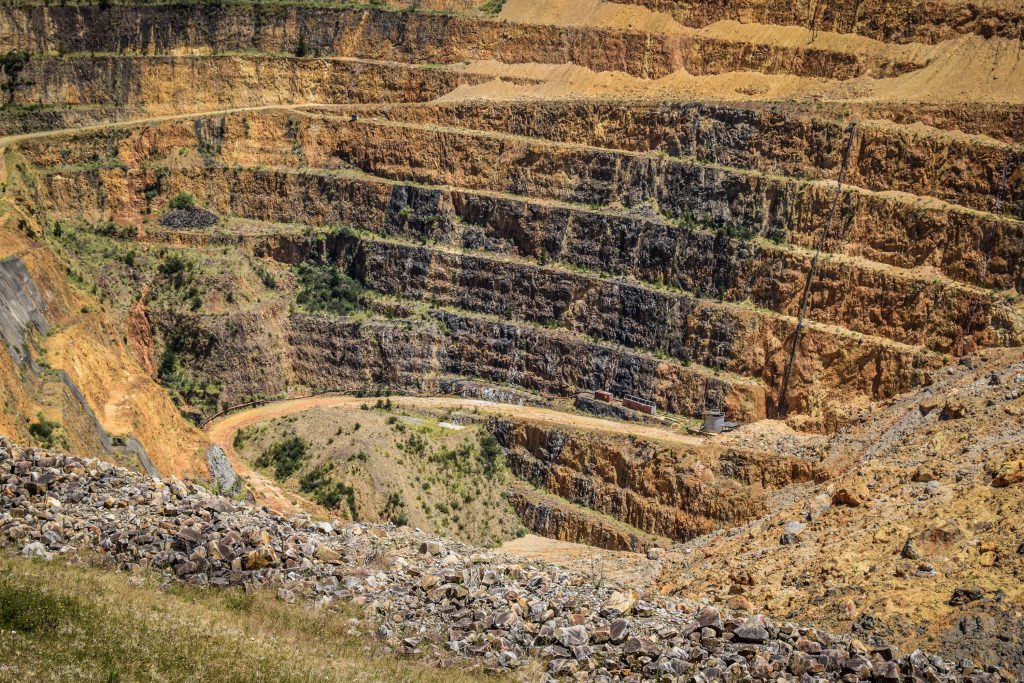
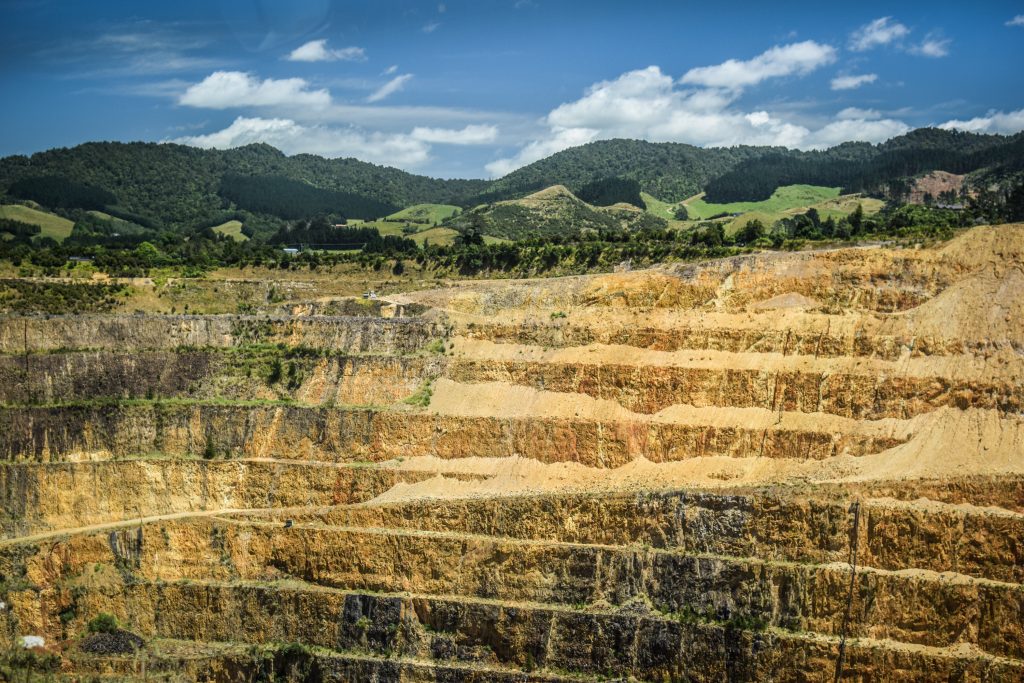
Gold was first discovered here in 1878 and soon after the Martha Mine became one of the most important gold and silver mines in the world and the reachest one in New Zealand. It closed in 1952 due to change in the gold price, outdated machinery and the world depression of the 1930s. In the 1970s, when the gold price went up again, interest in mining at Waihi returned. The site was reopened as an open pit in 1988.

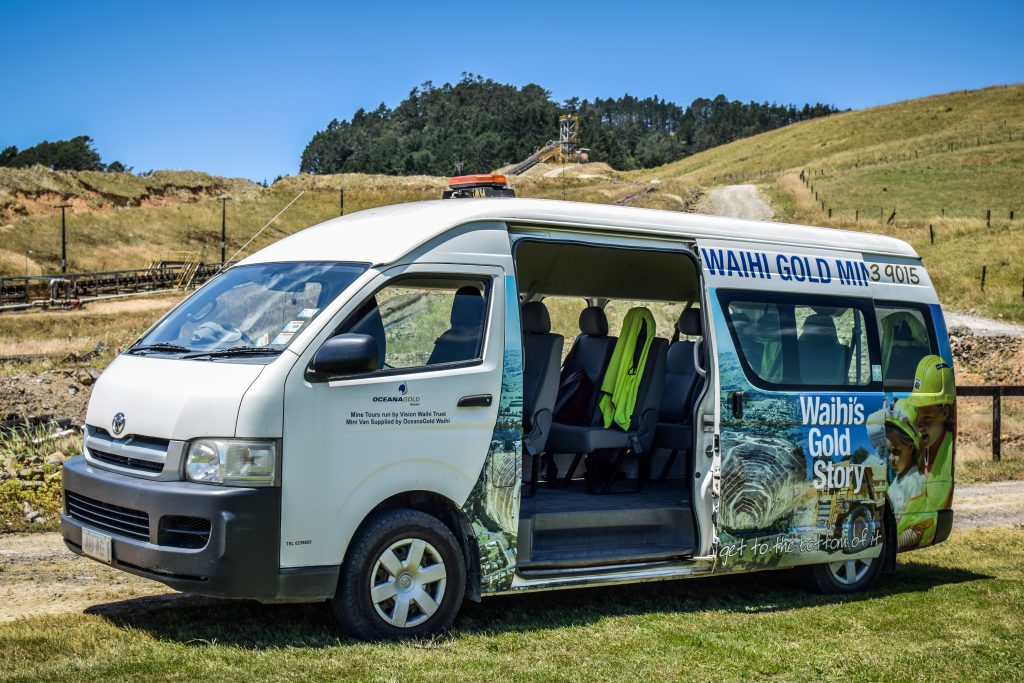
The detailed story is presented in Gold Discovery Centre and additionally, you can join a guided tour to see modern-day gold mining up close. After putting on safety gear, you will board a van driven by a knowledgable guide that stops in many interesting spots along the way. It’s a different kind of experience comparing to historic mines all over North Island, where you walk through old tunnels and see the machinery.

Tickets are quite expensive though – Gold Discovery Centre 25 NZD, guided tour 39 NZD and combo ticket including both 59 NZD (prices for adults).
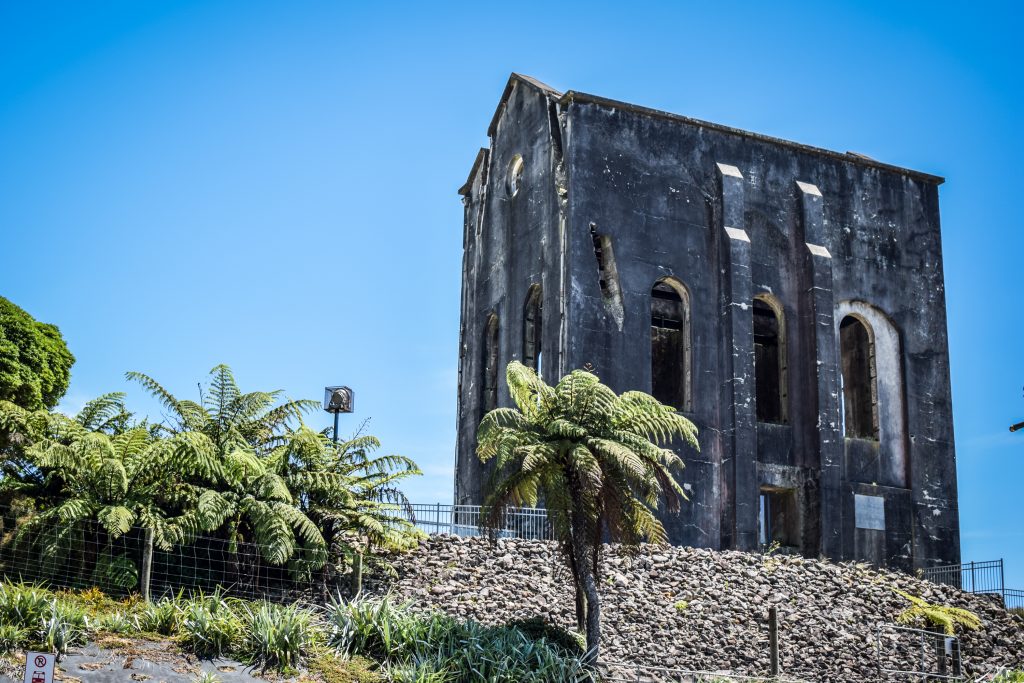
Remainings of old buildings
Waihi, Coromandel in New Zealand
Open pit in Martha Mine
Waihi, Coromandel in New Zealand
Open pit in Martha Mine
Van used for guided tours around the mine

Whangamata

Popular summer-holiday town with restaurants, parties, fine beaches such as Whangamata Beach or nearby Onemana Beach and a wide selection of water attractions.

Wentworth Falls

From Whangamata follow Wentworth Valley Road for around 8 kilometres inland. Park your car and head towards Wentworth campsite. From here, the return hike to the falls should take about 2 hours. The track is easy, mostly flat and crosses two bridges on its way. The falls are in two drops of about 20 metres each.

Tairua

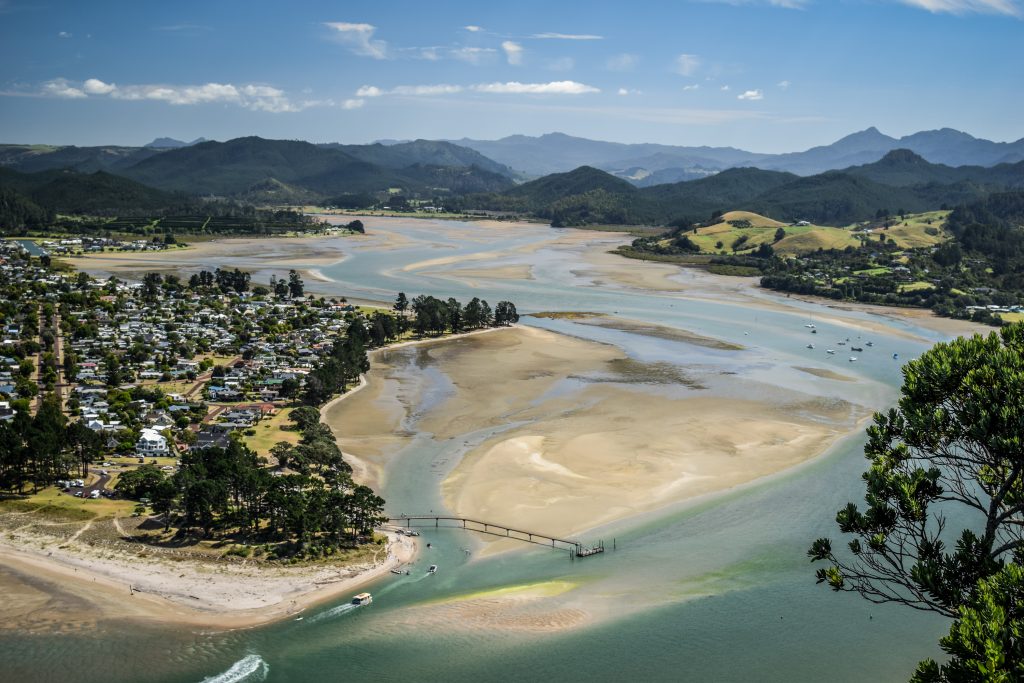
Another popular getaway destination with one particularly nice spot to stop by which was once a volcanic island – Mount Paaku. It’s a short but very steep, half an hour return hike with reward panorama of Pauanui and Tairua. The area was also occupated for a long time by Maori tribes.
Coromandel Pennisula
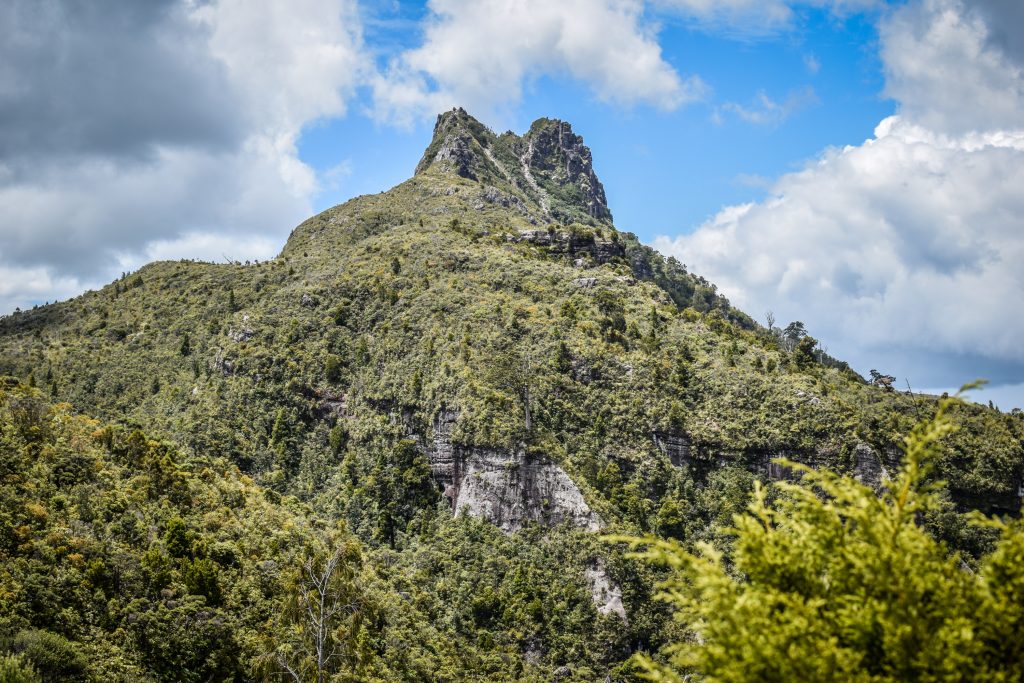
Panorama from Mount Paaku

Hot Water Beach

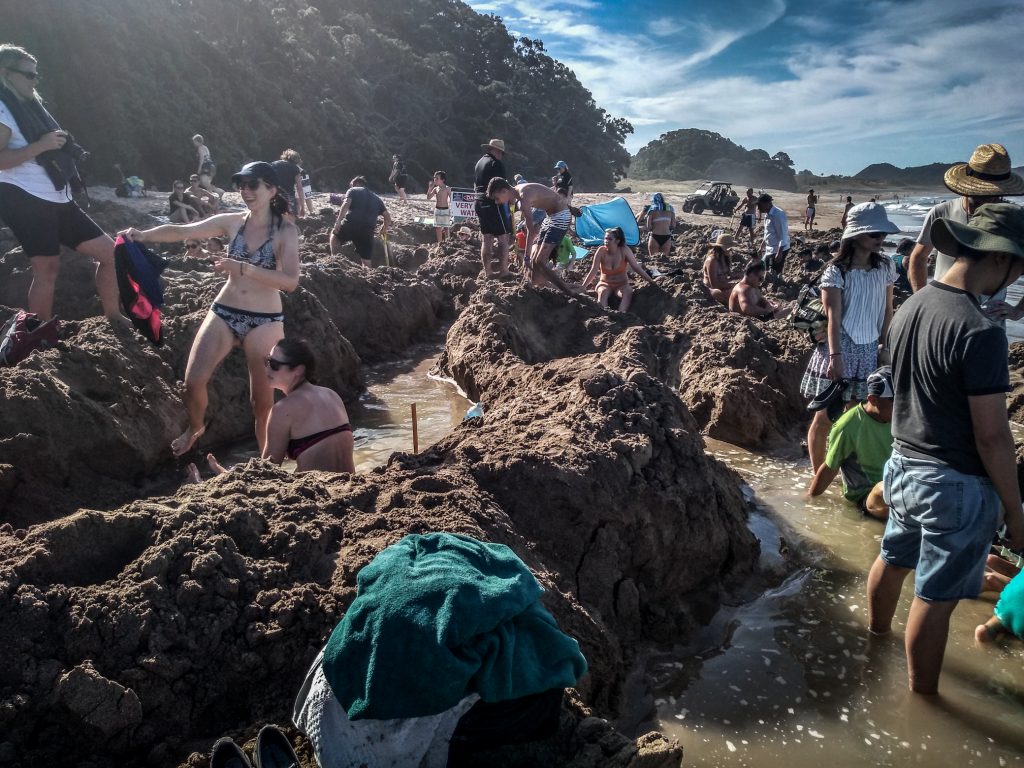
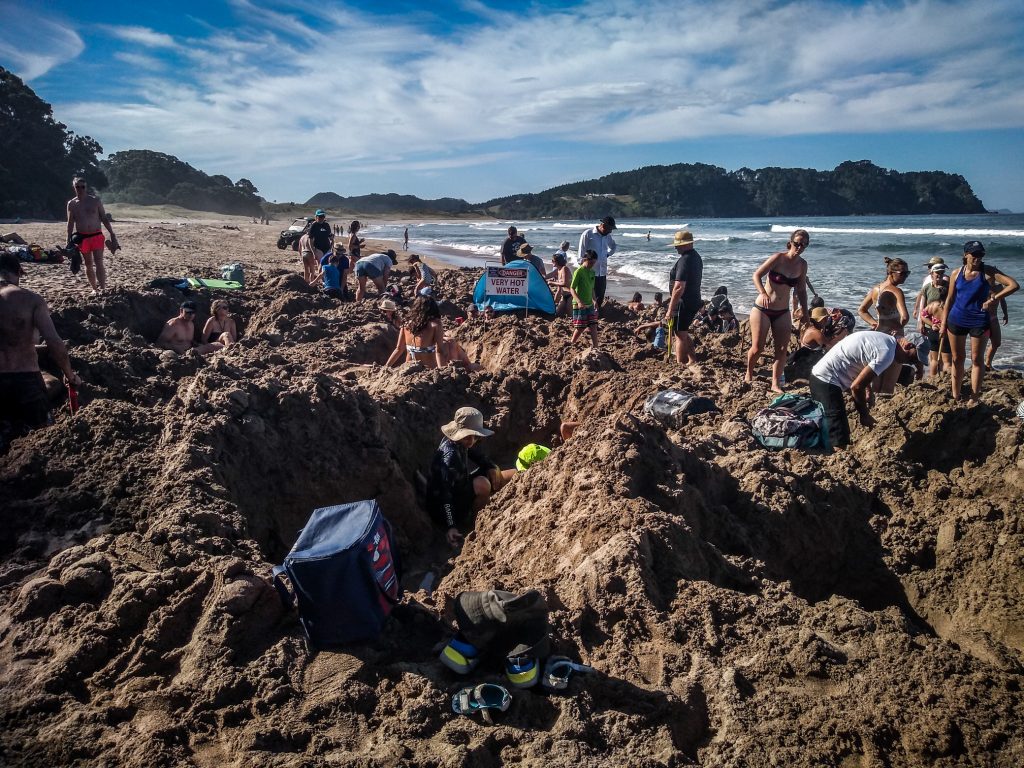
If you see crowds digging holes in the sand and then jumping into them then yes, you are in a good place. It looks quite ridiculous from the distance but in fact, it really is a unique place! Hot water flows from the depths of the earth to surface in the Pacific Ocean exactly here at Hot Water Beach. You can pay a few dollars to rent a spade or simply ask some friendly folks at the beach. Keep in mind that the best time to create your own natural spa is within two hours either side of low tide. Check the times here.
Hot Water Beach, Coromandel
Very popular Hot Water Beach
Hot Water Beach, Coromandel
Dig your own hole and enjoy natural spa!

Cathedral Cove

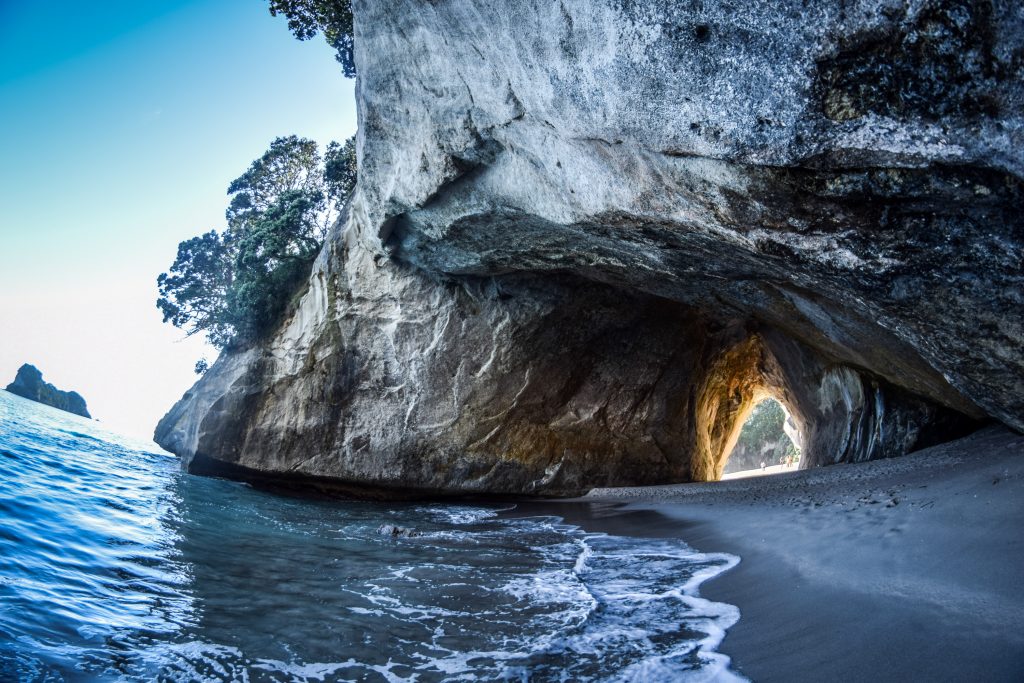
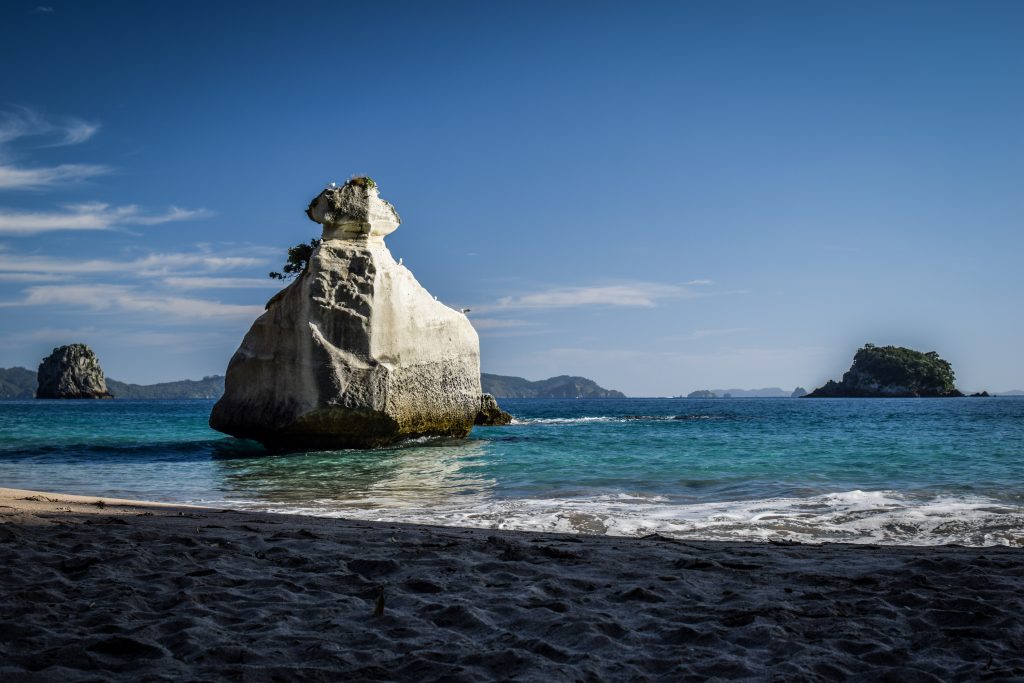
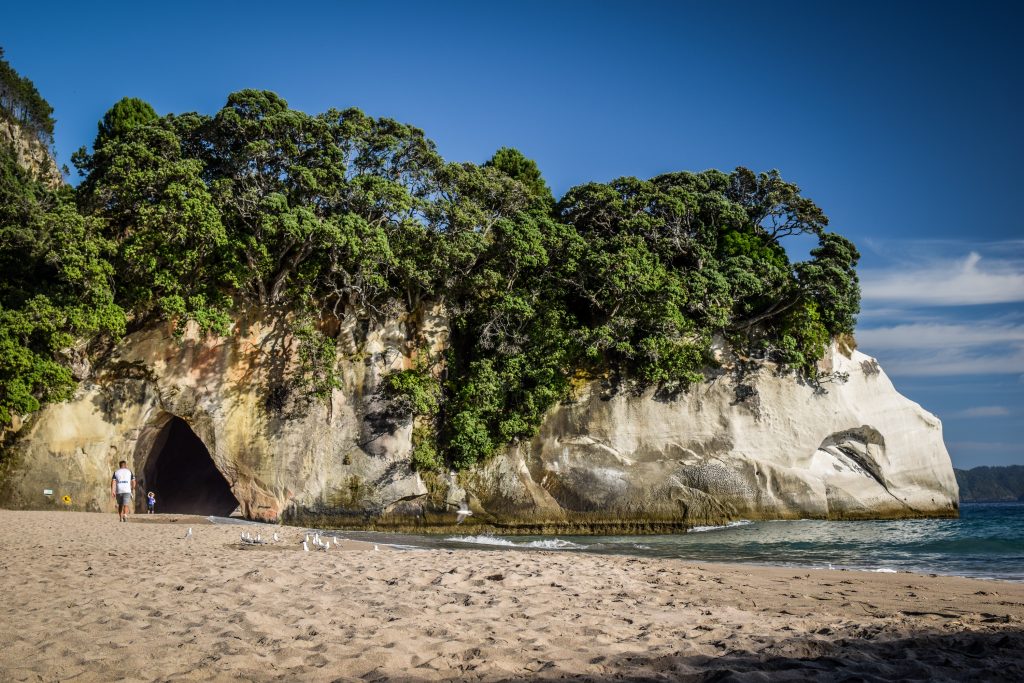
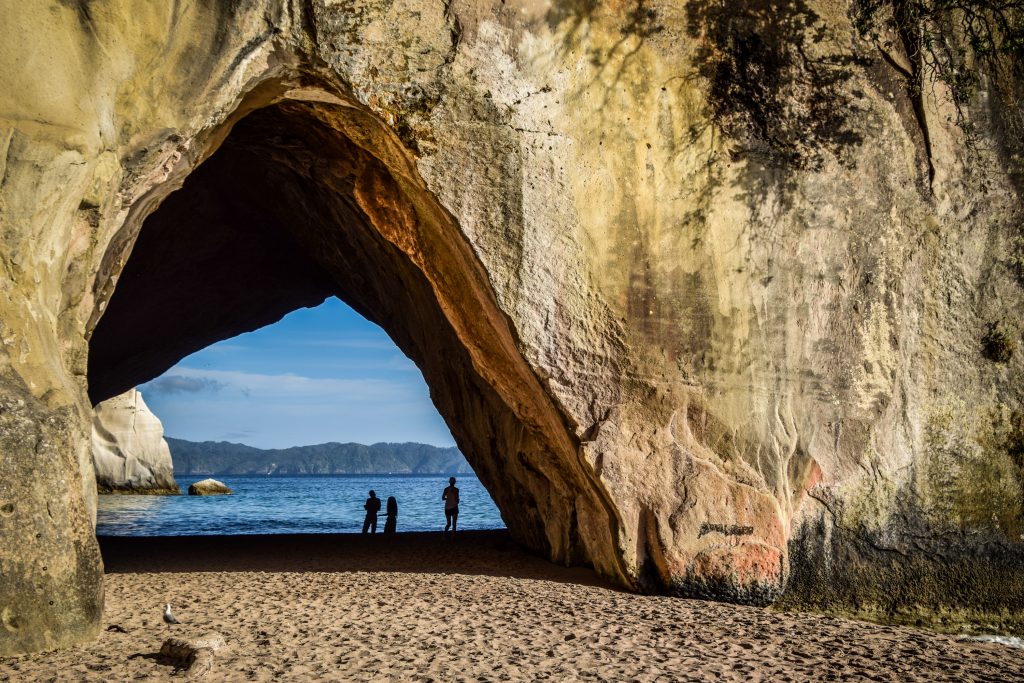
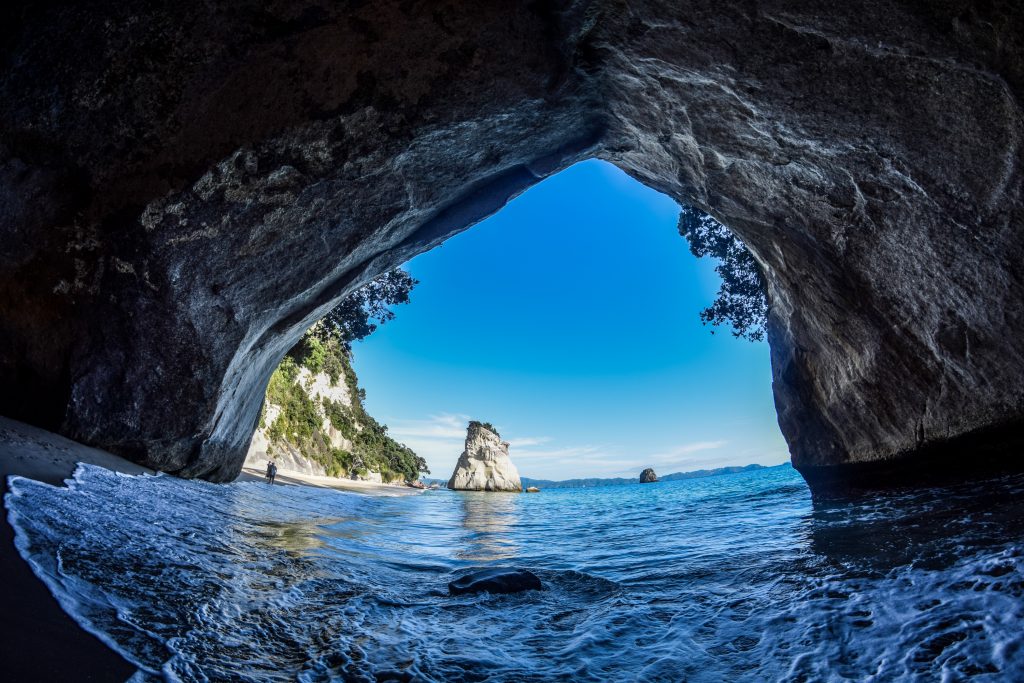
The place with the famous cathedral-like arch is indeed picturesque but somehow I missed that ‘wow effect’. There is too much hype about it and it’s all over Instagram creating false expectations. All those photos with increased colour saturation and extra effects look nice but when you arrive at the actual place… eyes don’t have extra settings 🙂 Best would be to get here in the late afternoon to avoid crowds. From the parking, it’s about 30-45 minutes hike one way. Alternatively, you can park your car in Hahei and walk from there (60-70 minutes one way), take a bus or water taxi.
Cathedral Cove, Coromandel
Famous arch at Cathedral Cove from one side…
Cathedral Cove, Coromandel
…from the inside…
…and from another side
Cathedral Cove, Coromandel
Rock formations in the cove
Cathedral Cove, Coromandel
Beach and rock with the arch at Cathedral Cove

Day 2 – Shakespeare Cliff Lookout, Otama Beach, Opito Bay, Waiau Falls, Kauri Grove, Coromandel Town

The second day is fully focused on nature. You will reach remote beaches but also waterfall as well as majestic kauri trees – a cornerstones of the original forests of the North Island.

Shakespeare Cliff Lookout

Scenic reserve located between Cooks Beach and Flaxmill Bay. A very short walk rewards with memorable views of Mercury Bay. You may also spot a cairn that records the arrival in 1769 of the HMS Endeavour under the command of James Cook.

Otama Beach and Opito Bay

Both spots are accessible via Black Jack Road. It’s mostly unsealed but in a good shape so no problems at all with driving a campervan. The long stretch of Otama Beach comes first. Walk around and enjoy remoteness while listening to the sounds of the ocean.

If you continue driving further along a winding road, you will finally arrive at Opito Bay. Here, I recommend you to do exactly the same as at Otama Beach.
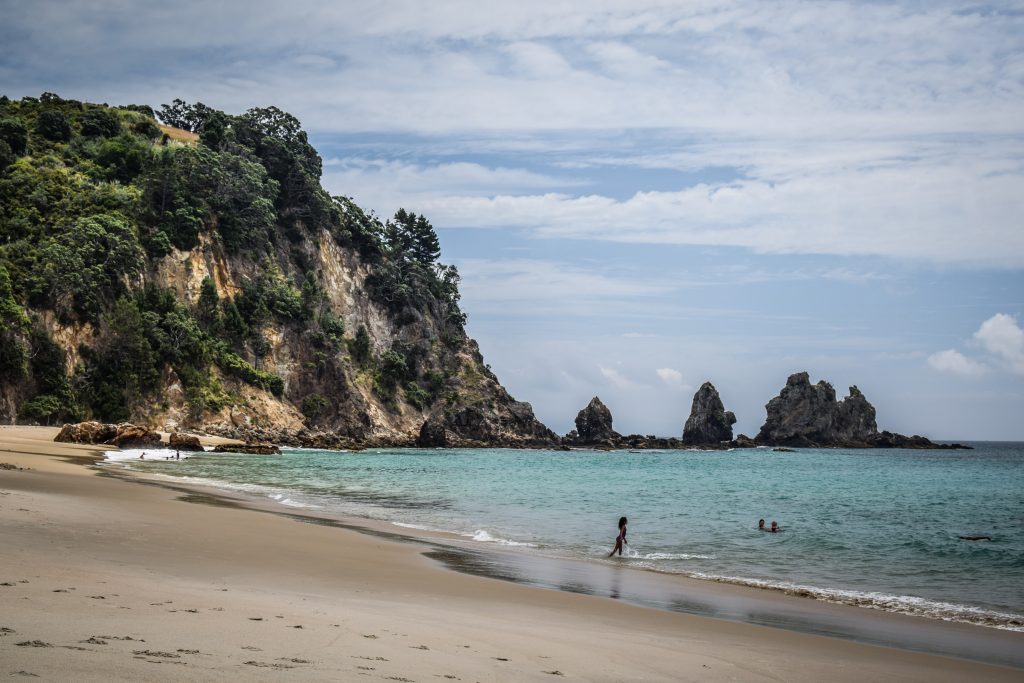
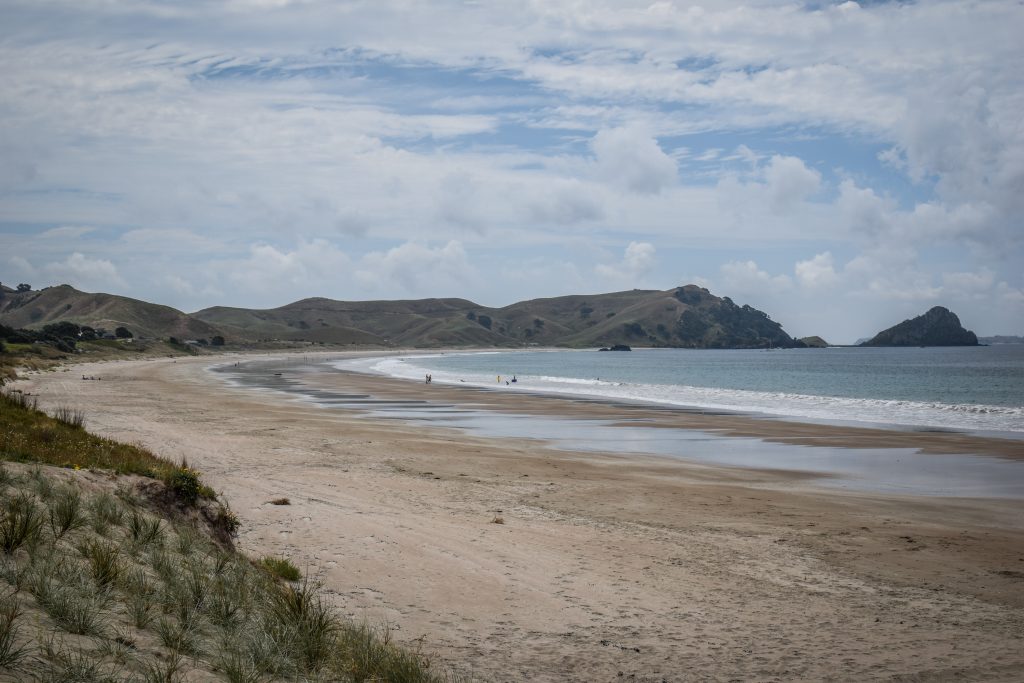
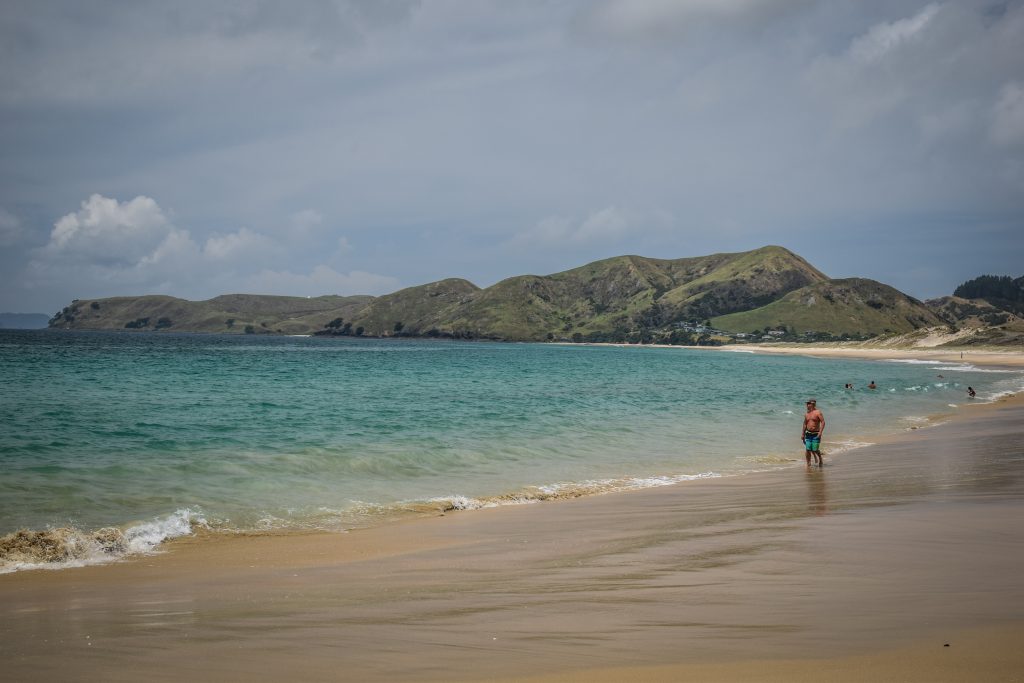
Coromandel Pennisula, New Zealand
Otama Beach
Opito Bay
Coromandel Pennisula, New Zealand
Opito Bay

Waiau Falls and Kauri Grove

Both attractions are located on Road 309 so you need to drive back from Opito Bay towards Kaimarama and then take a turn to Waiau. After half an hour, there will be parking next to Waiau Falls. It’s only 10 metres high but still a very nice place for a quick stop.
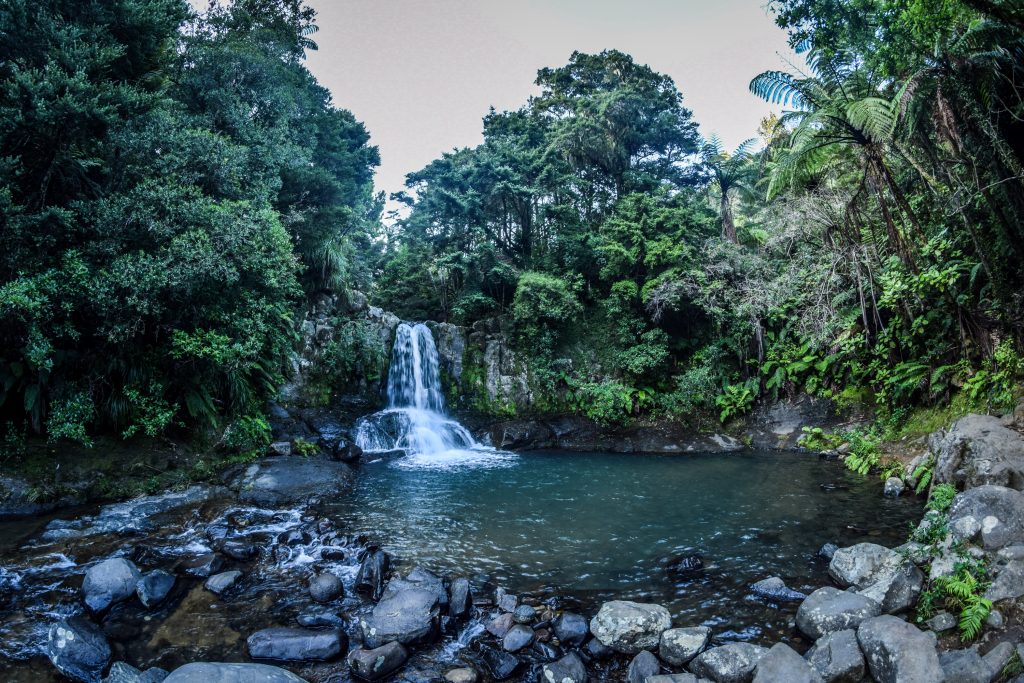
Waiau Falls

From there, is about 10 minutes hike to kauri grove which was probably the highlight of the day. I had never seen this kind of trees before and damn, I was impressed. Just imagine that back then, the whole Coromandel Peninsula was covered by such a forest! The oldest trees are 600 years old and have about 6m circumference.

Kauri trees are a cornerstone of the original forests of the North Island. They are one of the longest-living tree species in the world as well as the largest.

Tane Mahuta with a diameter of 4.6m and height of 52m is the largest kauri tree still standing. It is estimated to be between 1200 and 2000 years old. You certainly shouldn’t miss seeing it when travelling through Northland.

Kauri timber was used by Maori for a very long time, especially for builduing boats and houses or carving. The gum was used as a fire starter and for chewing.

The arrival of Europeans brought the decimation of these magnificent forests. The mature trees were felled to fulfil the high demand for sawn timber of unsurpassed quality for building. The gum was obtained through digging, fossicking in treetops, or more drastically, by bleeding live trees. Finally, more forest was cleared as demand for farmland.
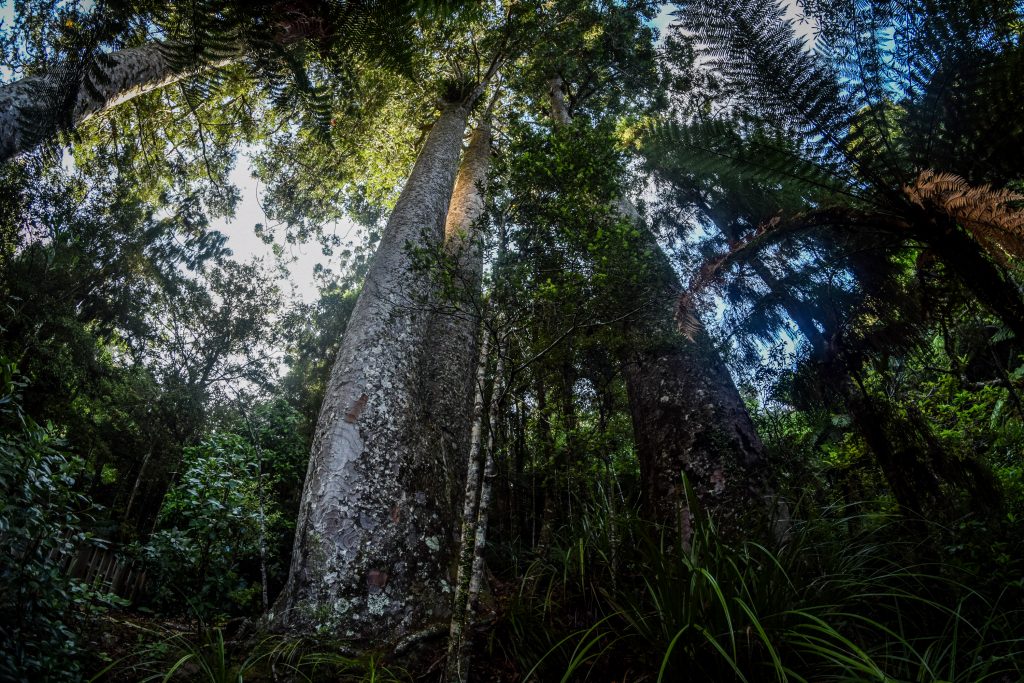
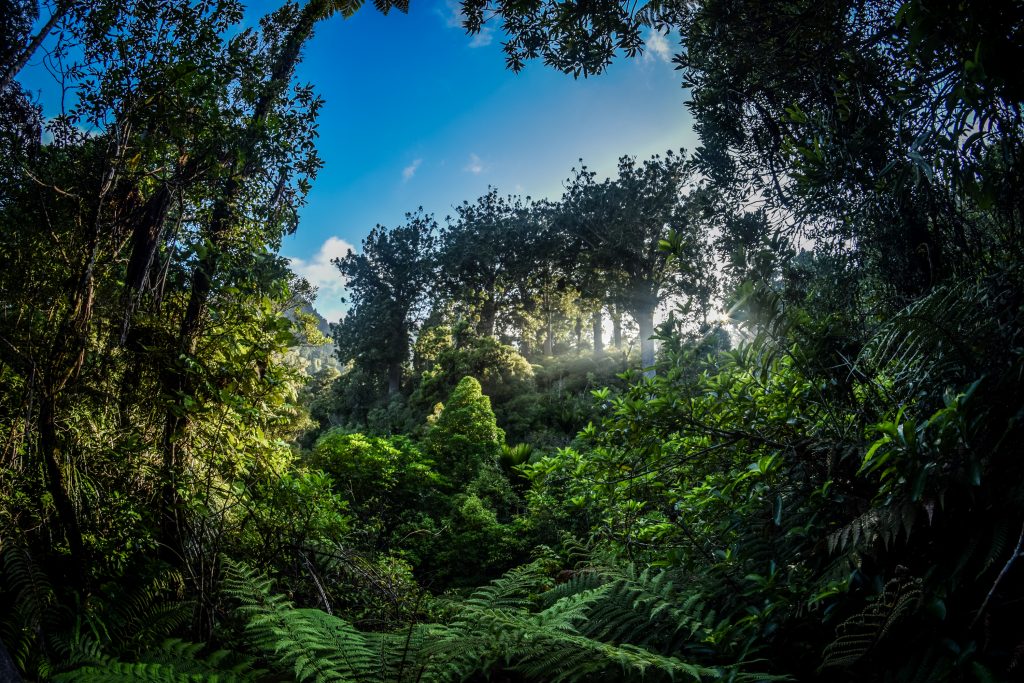
Coromandel Pennisula, New Zealand
My first time to admire kauri trees!
Coromandel Pennisula, New Zealand
Fantastic forest walk at Coromandel Peninsula

Coromandel Town

The discovery of gold in the 1860s resulted in an establishment of settlement that quickly grew to over 10.000 inhabitants. Have a walk around the town admiring the Victorian architecture and finish the day with fish & chips and sunset view at Mcgregors Bay.

Mining & Historic Museum located in the historic Coromandel School of Mines building presents the life of mining and its impact on a small town so you may want to visit it in the morning if you are interested.

Coromandel, New Zealand
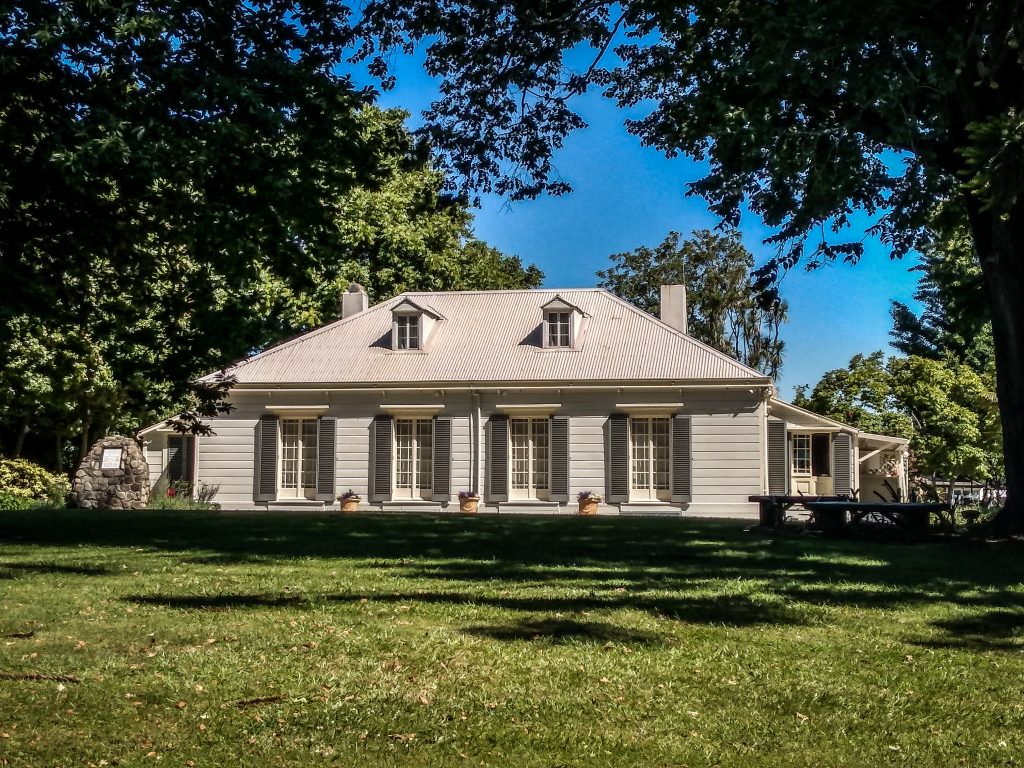
Architecture in Coromandel Town

Alternative: night in Port Jackson / Fletcher Bay

A very scenic road goes from Coromandel Town to the very top of the peninsula. It’s about 60 km but you have to count at least 2 hours to get there. The road is gravel and very shaky, so I felt a bit insecure while pushing my campervan to its limits already in a first week. I arrived at Macdonald Recreation Reserve, which is more or less halfway and made a decision to turn back.

Nevertheless, if you decide to proceed further, coastal views will certainly take your breath away. It makes sense to drive in the afternoon, stay for the night in one of DOC’s campsites in Fletcher Bay or Port Jackson and come back to Coromandel Town the following day in the morning.

Hiking enthusiasts will be happy as Coromandel Coastal Walkway (3 hours one-way) links Fletcher Bay with Stony Bay and provides fantastic views.

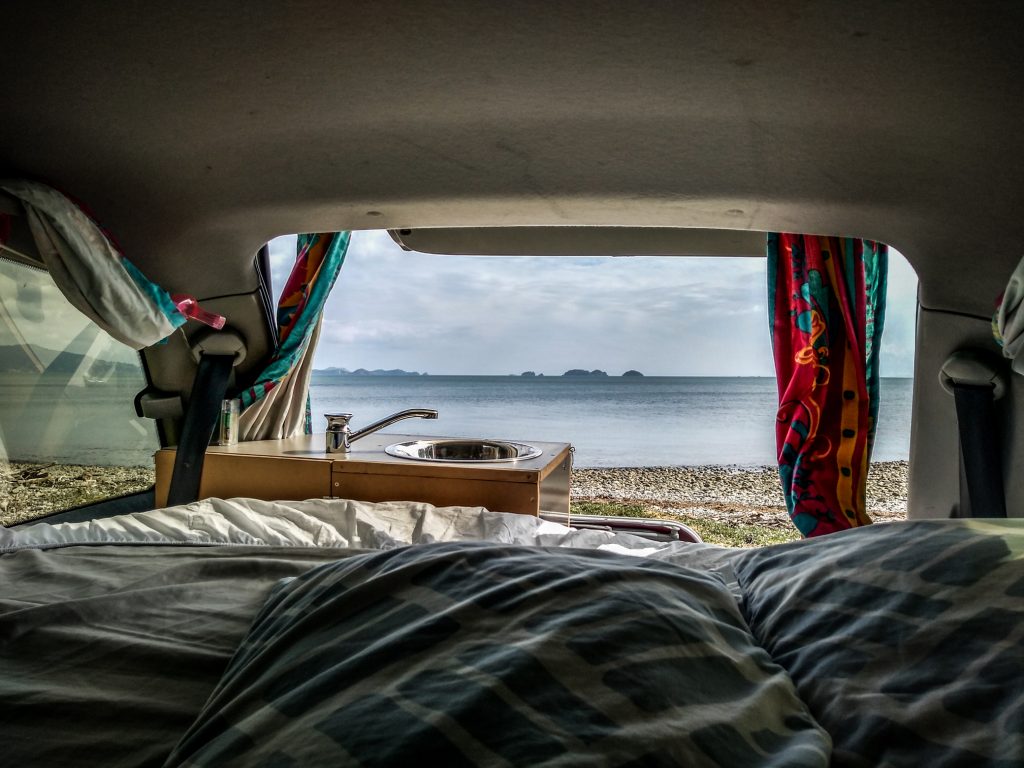
Coromandel Pennisula, New Zealand
Short rest in Macdonald Recreation Reserve
Coromandel Pennisula, New Zealand
Could easily have a nap here!

Day 3 – Thames, Pinnacles

The highlight of the last day at Coromandel Peninsula is without doubt a hike to the Pinnacles. But before you head towards Coromandel Forest Park, dive into the gold rush times at well maintened Goldmine Experience in Thames.

Thames

Currently, it’s the largest city on Coromandel Peninsula but back in time, it was even the second-largest city in New Zealand. As usual, all because of the gold rush. At that time it was discovered in the lower Kauaerange valley. Two smaller settlements (Shortland and Grahamstown) were founded to support mining in the early 1860s and later on merged into one forming Thames.

Visit in Goldmine Experience was worth the time and money as it was completely different than modern mine in Waihi. The staff is lovely too and they will certainly tell you more about the story of that place. Wear a helmet to walk through the tunnel and have a look at still working stamper battery in action. It’s really noisy but no worries, you will get ear protection.

School of Mines & Mineralogical Museum is another historical spot on the map of the city. I decided to skip it though as minerals aren’t that interesting for me and the main plan for the day was a hike to Pinnacles.
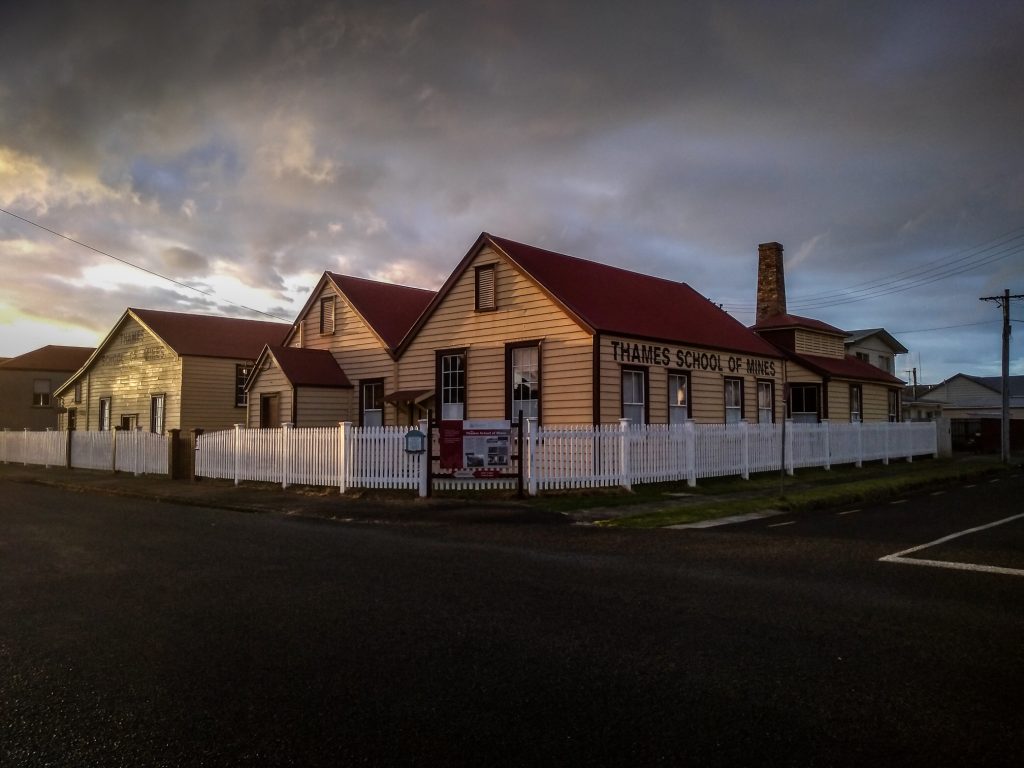
Coromandel, New Zealand
School of Mines & Mineralogical Museum

The Pinnacles Track

After a quick stop in Pak’n’Save to stock with food, I moved on towards Coromandel Forest Park and Kauaeranga Valley. From visitor centre (you may want to ask for maps or weather conditions) it’s another couple of minutes on unsealed road to the parking and start of the hike.

Official timing says it’s 3 hours one way to the hut and another 30-40 minutes to the summit. If you are in a good shape, it’s perfectly doable to reach the hut in about 2 hours. But as always, better assume more and take it easy.

The Pinnacles Track follows the route used by packhorses when carrying supplies for loggers, gum diggers and gold miners who worked in the area during the early 1900s.

First kilometres are rather moderate but the track goes continuously up at some point you may get tired. After reaching the trails junction, you can either continue on the Webb Creek Track or the Billygoat Track. The best and the most popular scenario is to take Webb Creek Track for ascent and then descent following Billygoat Track. That’s exactly what I did as well.

The views are getting better and better the higher you go and the last section will take you to The Pinnacles Hut. It’s a popular overnight place and indeed it must be nice to admire night sky in such a place. I didn’t have a reservation so had a quick lunch instead and then made a final push to the summit.
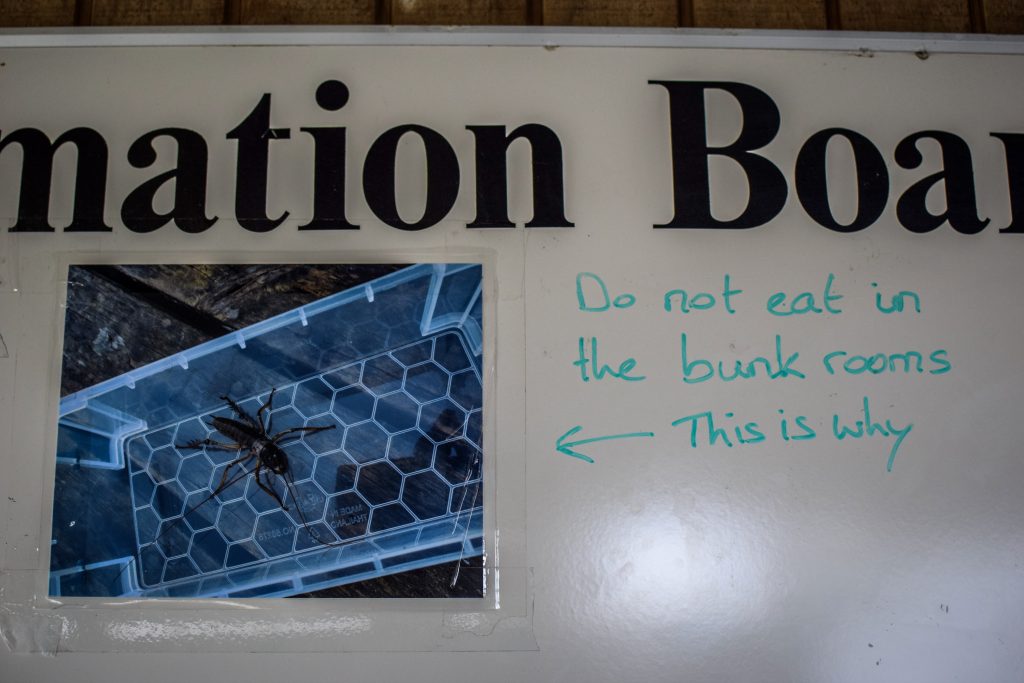
Very clear message from the staff working in The Pinnacles Hut

The summit seems to be very close but it is a tough ascent, first on the wooden stairs and later on a metal ladder attached to the rocks. Stay focused but don’t forget to look around – that views are the main reason of coming here after all 🙂 Once on the summit, you should feel great satisfaction.

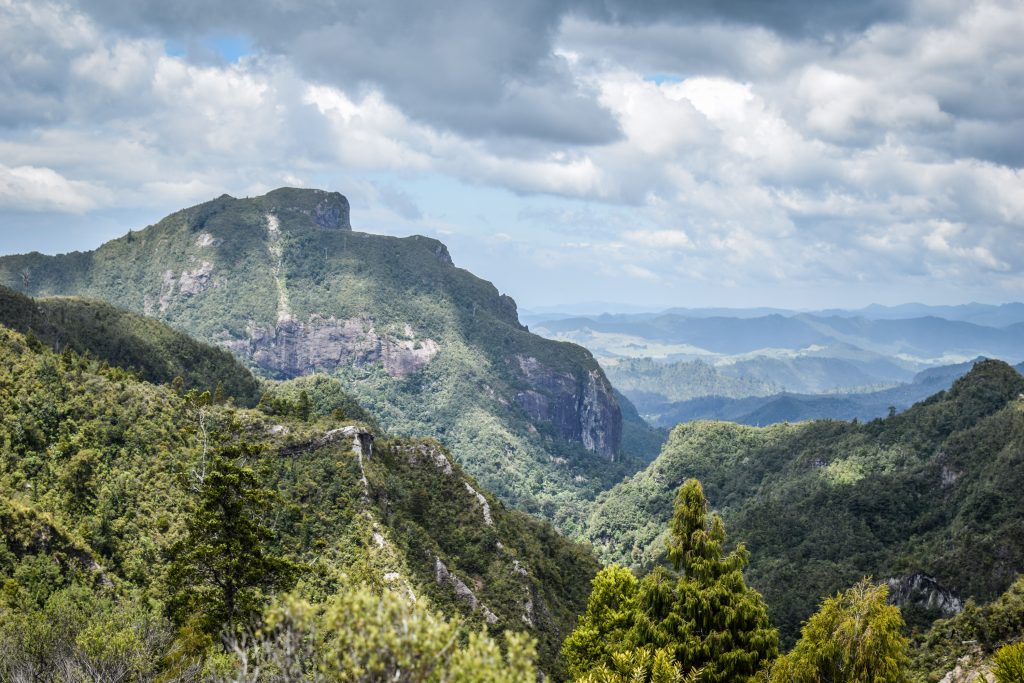
The Pinnacles, Coromandel
The weather was perfect – warm but with some clouds providing shadow
Panorama of the Pinnacles
The Pinnacles, Coromandel
The hike there and back should take between 6-8 hours

I descended back towards the Pinnacles Hut and then continued all the way to the same trail junction as before, but that time I chose Billygoat Track, finally arriving at the parking where I left my van.

That’s all about the trip to the Coromandel Peninsula. It was a wonderful time packed with beautiful places, history and scenic hikes. I hope you will enjoy it too. And if you have a question, don’t hesitate to leave a comment.

Cheers!

Introduction

Probably I wouldn’t come to Tauranga if it wasn’t the place where I had to pick up my campervan. I was super excited because it was supposed to be my vehicle and home for the next several weeks. The plan was simple. Finish all formalities quickly and spend the rest of the day exploring the town!
How did I find a car in Tauranga? Well, it was before I even departed to New Zealand. At my boring job, I had enough time for browsing websites of rental companies, reading blogs and articles from other travellers. This is how I came across Kiwi Road Trips and checked their offer of self-contained vans.

After another week of thinking about all pros and cons, I made my mind that it’s the most convenient and affordable way to have my own 4 wheels for a longer period of time. It comes with guaranteed buy-back so I didn’t have to worry about looking for buying in April, which is already after peak season. Karen and Pete explained to me all formalities and we set the date for pick up.

Don’t you worry – there will be a separate article describing all the options that travellers have for renting or buying a car in New Zealand. Stay tuned. Meanwhile, let’s focus on Tauranga.

How to get to Tauranga?

Intercity has a bus network all over the country and they have good deals too. You can buy hours-based travel passes and that should be fine to visit the most popular travel destinations. Needless to say, places that are off-the-beaten-track will be difficult to reach and very often it’s possible only with your own vehicle.

Nearby airport isn’t too busy but there are daily flights to and from Auckland, Wellington or Christchurch.

I will describe the bus trip a bit more because I must say, it was quite entertaining. I boarded the bus in Auckland and everything was fine until on one of the turns it hit the wall of rocks with its left side. Not very hard, but everyone could feel a bump and small pieces of glass were all over the floor. A window was broken. The driver stopped, checked the damage and called the company. The window was still there, just a bit broken. Unfortunately, it could fell apart anytime creating the risk for passengers and other drivers. The solution to the problem was very practical and kiwi style. The driver took a broom, smashed remaining parts of the window, told everyone to move to the front of the vehicle and that was it. We continued the journey to Tauranga, just without 2 windows on the side of the bus. At least we couldn’t complain there wasn’t enough fresh air. Such situations certainly don’t happen too often to stay chilled!

I was picked by Karen from Kiwi Road Trips at the bus station and after signing documents, it was time to drive out on kiwi roads.

1-day itinerary

Tauranga is the largest city in the Bay of Plenty and one the biggest in the country. Location is very convenient for further exploration of North Island, with Rotorua, Taupo and Tongariro National Park being a short drive away. The city centre isn’t as popular as beachside suburbs – Mount Maunganui or Papamoa. But you know me guys, I always want to see everything so here is where I started.

The Elms – Anglican mission was established here in 1838 by priest Alfred Nesbit Brown and the first buildings in the Bay of Plenty were constructed, initiating regular contact between Maori and Pakeha (white people). Brown worked hard, preaching even in the most remote settlements. Unfortunately, after the war, soldiers settled on the land previously occupied by Māori and the mission declined.

The guide was an absolute highlight of the place. So passionate and dedicated! Even though the entrance ticket isn’t cheap (15 NZD for international guests), it’s a solid part of New Zealand history and shouldn’t be missed.

Mission Cemetery – Visiting the memorials commemorating battles between Maori and British government forces is a great continuation to the visit at the Elms mission house.

Tauranga, New Zealand
Mission house in Tauranga
Tauranga, New Zealand
Inside the mission house – guided tour is great!

Monmouth Redoubt – Another memorial place. Maori fortified village (called pa) Taumatakahawai, used to stand here until it was taken over by British forces during the wars to stop the flow of warriors and support for Maori chiefs.

Tauranga Art Gallery – exhibitions of contemporary works. I’m not a fan of such, so gave it a miss but it does have good reviews so you may want to consider it in your itinerary.

After seeing the most interesting sights in Tauranga, I got into my car and drove to the nearby beachside suburb of Mount Maunganui. It’s hard to miss an extinct volcanic cone at the end of peninsula seen from the distance and that was exactly where I was heading. Maunganui means big mountain but let’s say that with the elevation of 232 m a.s.l. the name is rather overexaggerated.

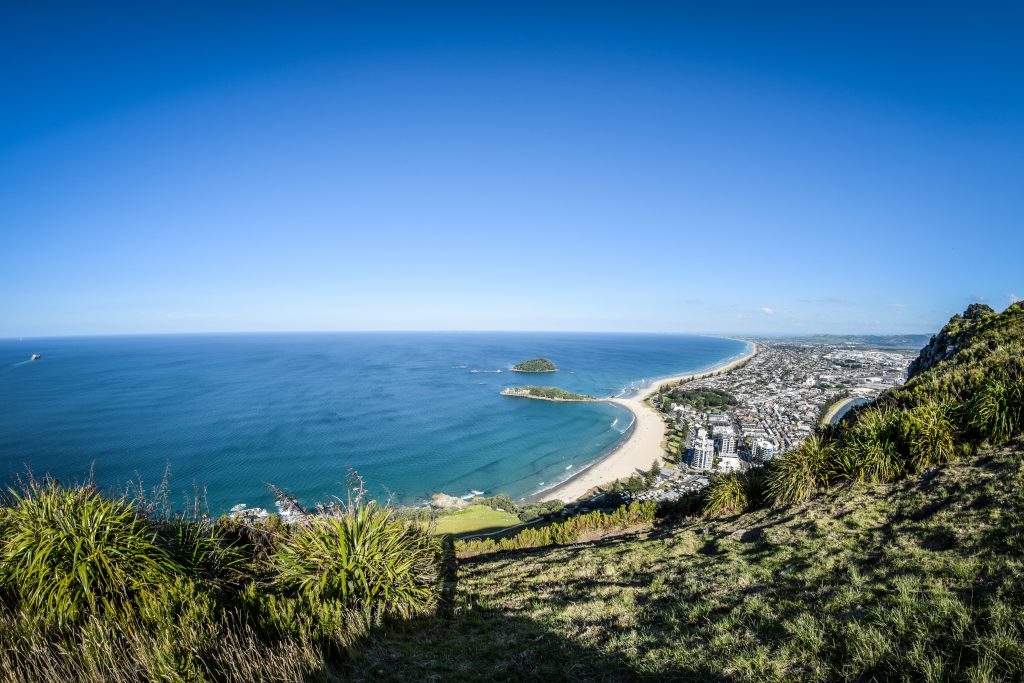
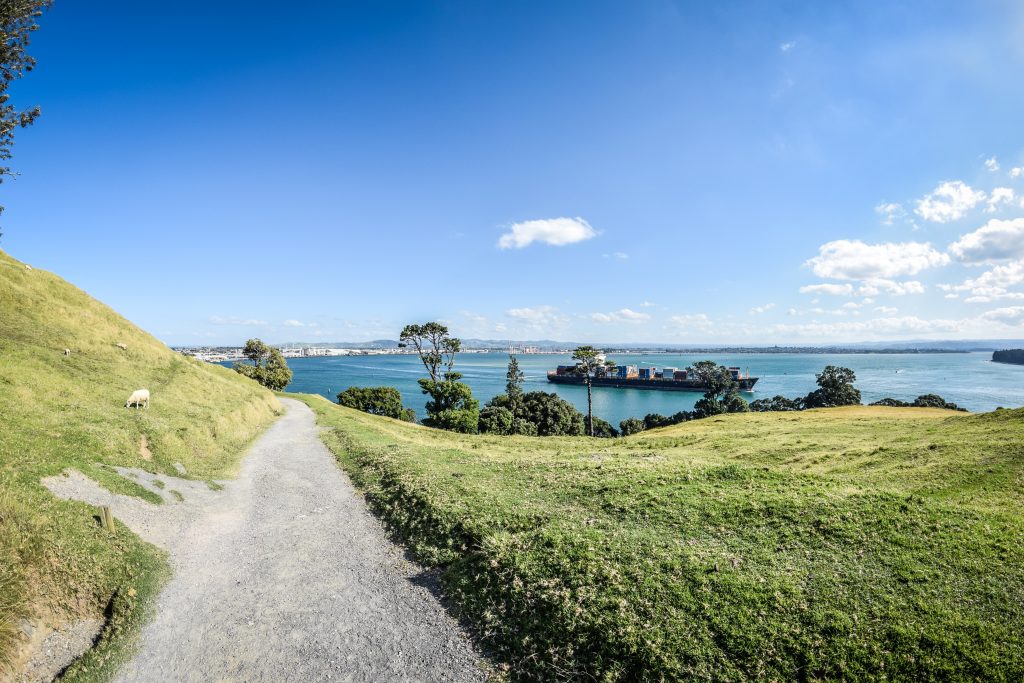
Mauao Reserve – There has been evidence of three fortified villages (pa) on top of and around Mauao making it an important and sacred site for Maori. Several walking paths run in the area, the most popular being the summit walk. You would need about 35-50 minutes to get to the top and it can be done following Oruahine Track, Waikorire Track or 4WD Track. Check the map here. It’s quite steep and more tiring than it looks like but the views are nice, especially in the direction of the ocean. The base track around the mountain is popular as well and it’s 3.4 km long, taking about 45 minutes to complete.

Tauranga, New Zealand
Views nearby the summit of Mount Maunganui
Path to the summit in Mauao Reserve

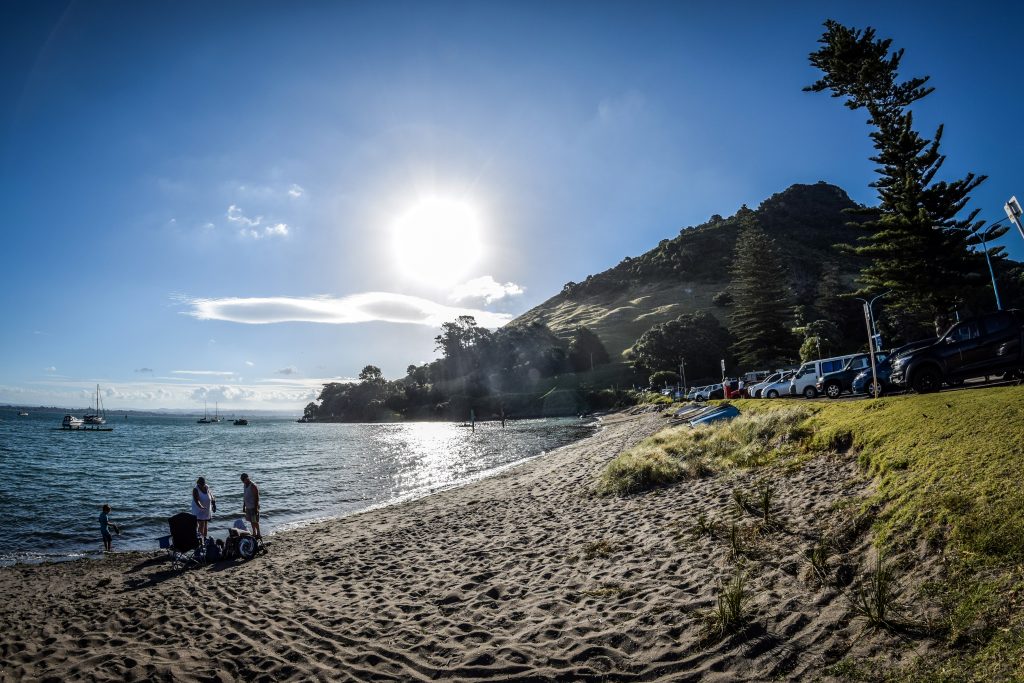
Main Beach and Pilot Bay Beach – The first one is on the side of the ocean, which makes it very popular among those looking for bigger waves. There is also Moturiki Island easily accessible from the beach. The second one is located on the side of the bay and is usually much calmer and better for kids.

Tauranga, New Zealand
Pilot Bay Beach
Tauranga, New Zealand
Pilot Bay Beach

Mount Hot Pools (optional) – Located just at the feet of Maunganui. The bath in hot saltwater doesn’t sound bad and certainly will help you to recover energy after a full day of sightseeing.

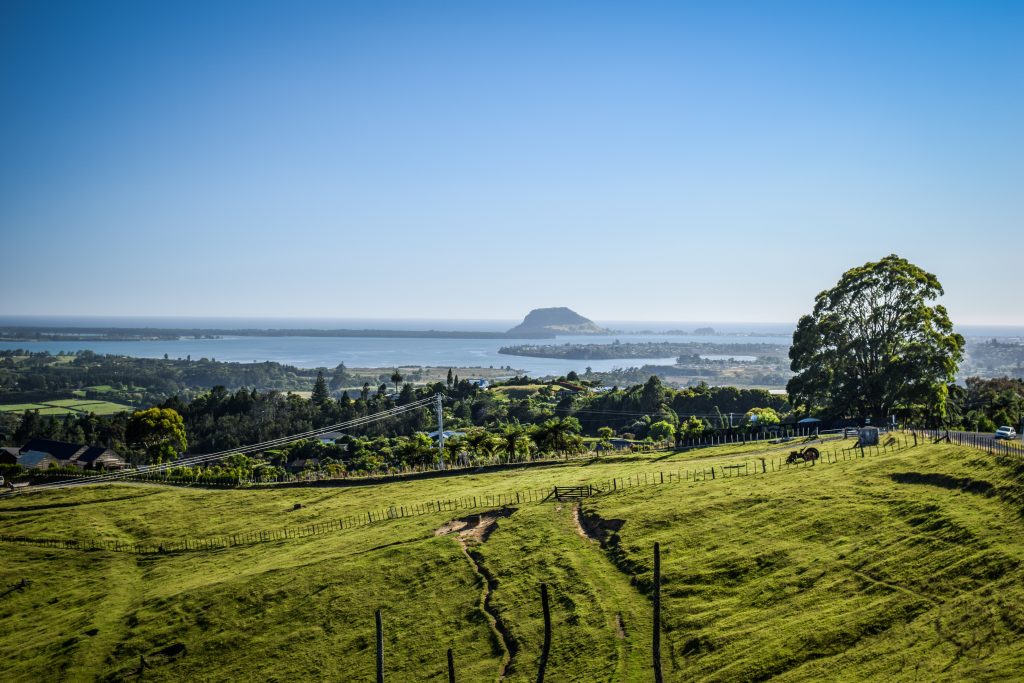
Minden Lookout – Being located about 13 kilometres from the city centre, it was my last stop for that day. The easiest is to follow State Highway 2 and then turn left into Minden Road in Te Puna. Wide panorama of the Bay of Plenty is certainly worth extra kilometres.

Tauranga, New Zealand
View to Mount Maunganui from Minden Lookout

From there, it was time to stock up with groceries so I made my way to Pack’n’Save. It has the opinion of being the cheapest supermarket in New Zealand and they also have discounts for fuel which is another benefit for road trips.

Karen and Pete recommended me to stay the first night in the campervan at McLaren Falls, 190 hectares of parkland set alongside Lake McLaren. Parking for campervans costs 10 NZD and it was indeed a very nice place in nature with clean toilets, sink and electric grills.

Introduction

Trip to Gryfino to the Włóczykij Travel Festival was also my first visit to the West Pomeranian Voivodeship. I have never travelled too much around Poland. This time, covering nearly 400 kilometres one way, I decided to take the opportunity to explore the area: Szczecin, Świnoujście, as well as Międzyzdroje and Woliński National Park, to which I will devote this article.

Międzyzdroje

A seaside town located on the island of Wolin in the northwestern part of the country. The island is surrounded by the waters of the Baltic Sea, the Szczecin Lagoon and the rivers Dziwna and Świna. Very popular among tourists, especially in the summer.

Until the turn of the 19th and 20th century, Międzyzdroje was a small fishing village. At that time, however, the first spa facilities began to appear, bringing more and more tourists and patients.

In February life goes on slowly. Booths with waffles, ice cream, fries, casseroles and everything else that tourists like the most are still closed and waiting for the beginning of the season. I pass many attractions that are focused on families with children: Wax Museum, Miniature Park, 7D Cinema, Labyrinth of Mirrors, Planetarium. They often look quite kitschy and they probably are. I am seriously wondering if I would like to be here this summer.

Beach

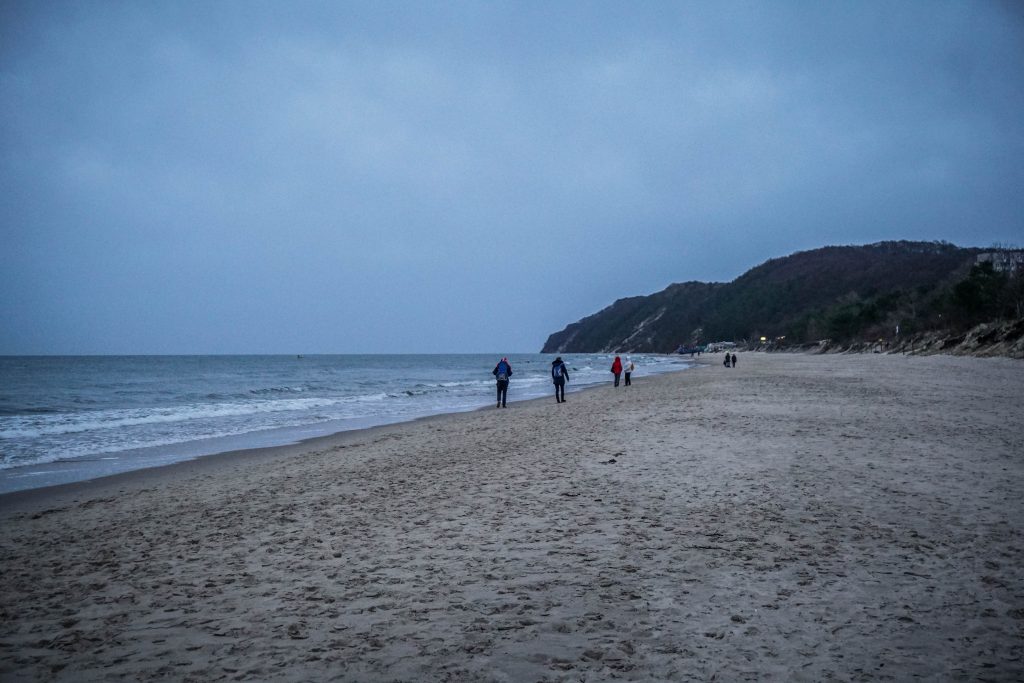
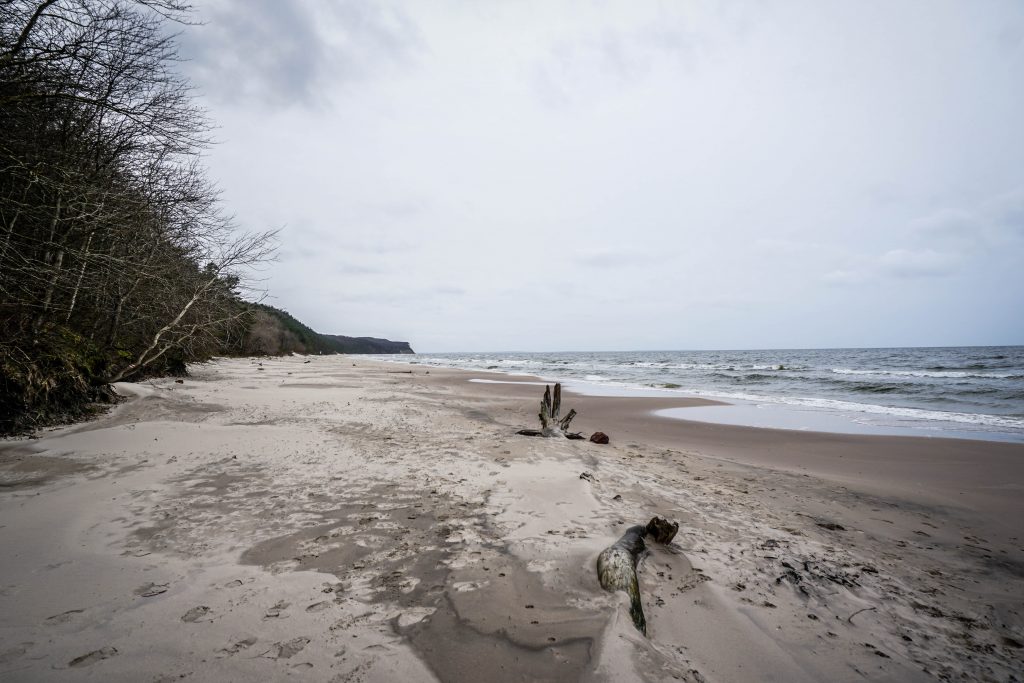
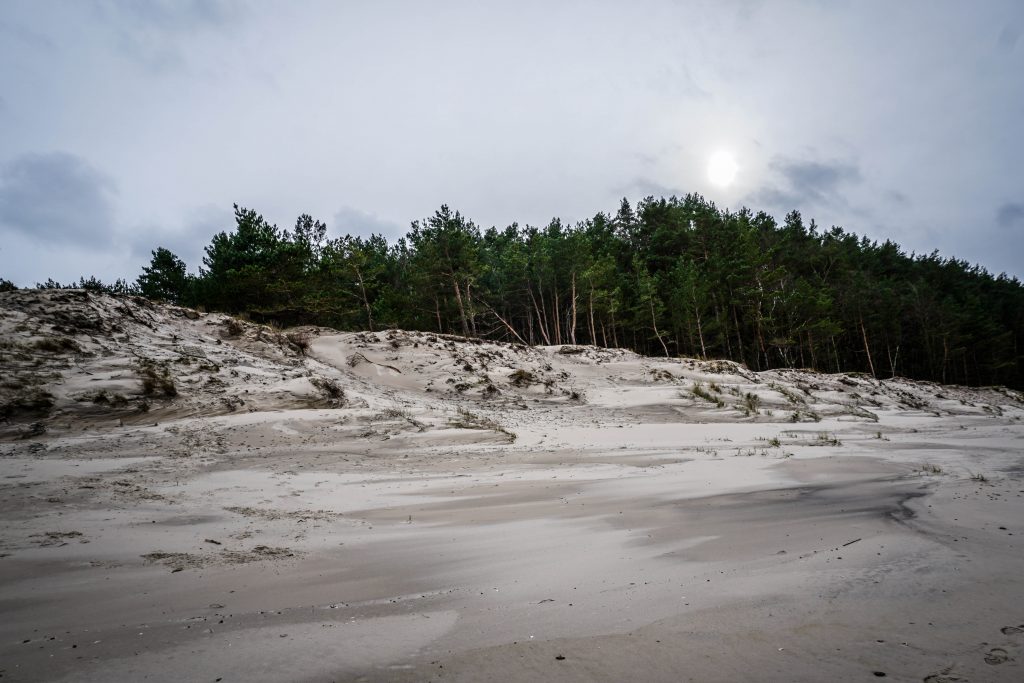
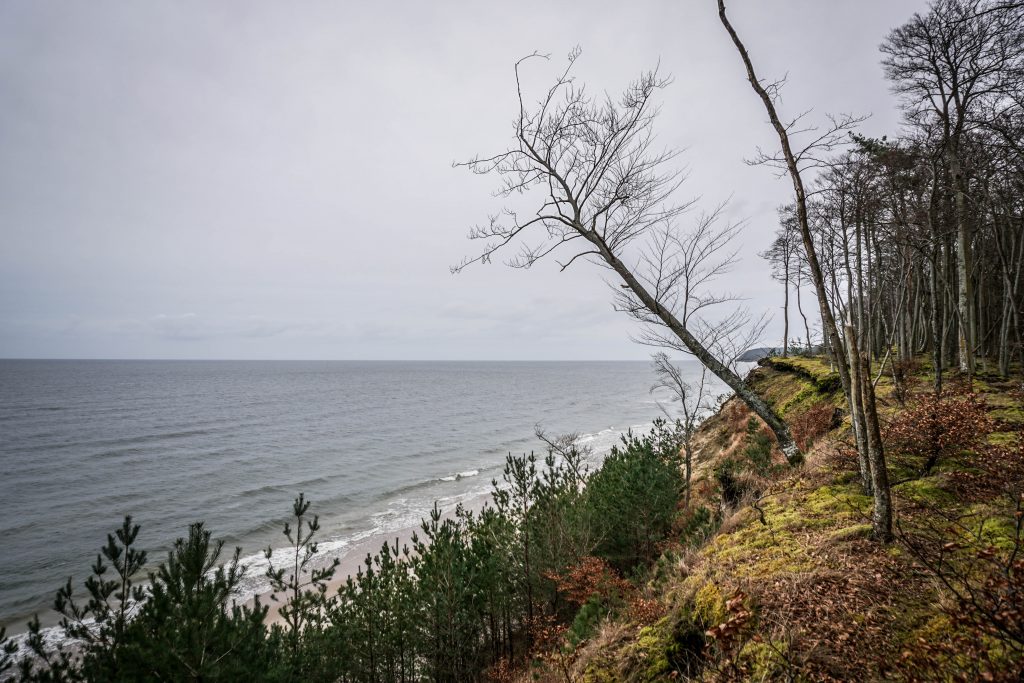
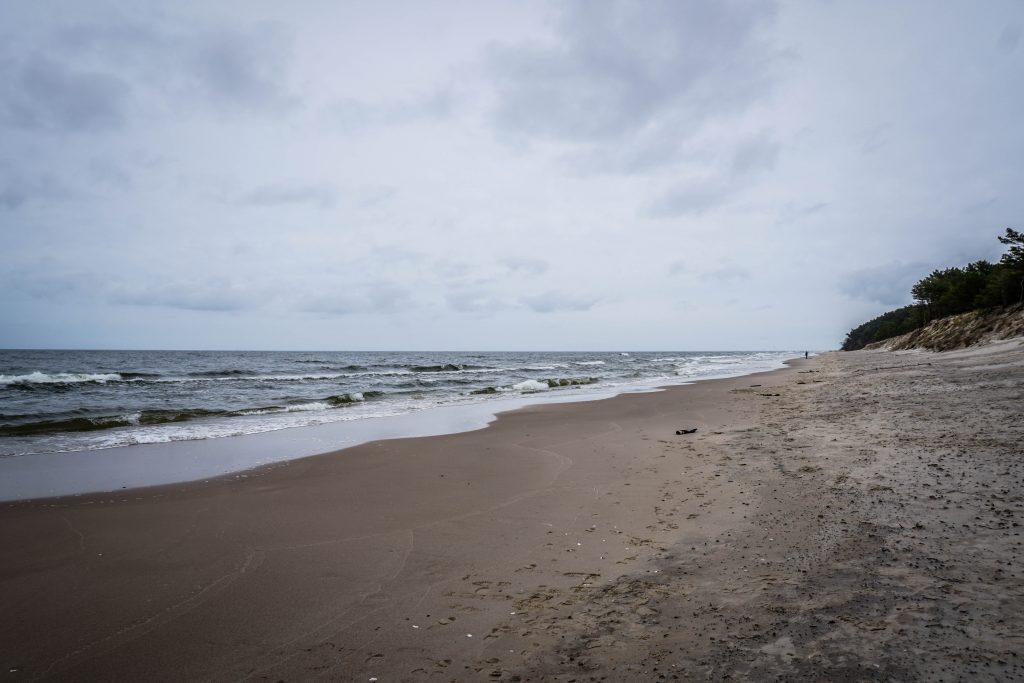
The most interesting attraction in the city is the wide beach, perfect for long walks. The more to the east, the higher the cliffs towering above it, overgrown by forests belonging to the Wolin National Park.

Plaża w Międzyzdrojach

Pier

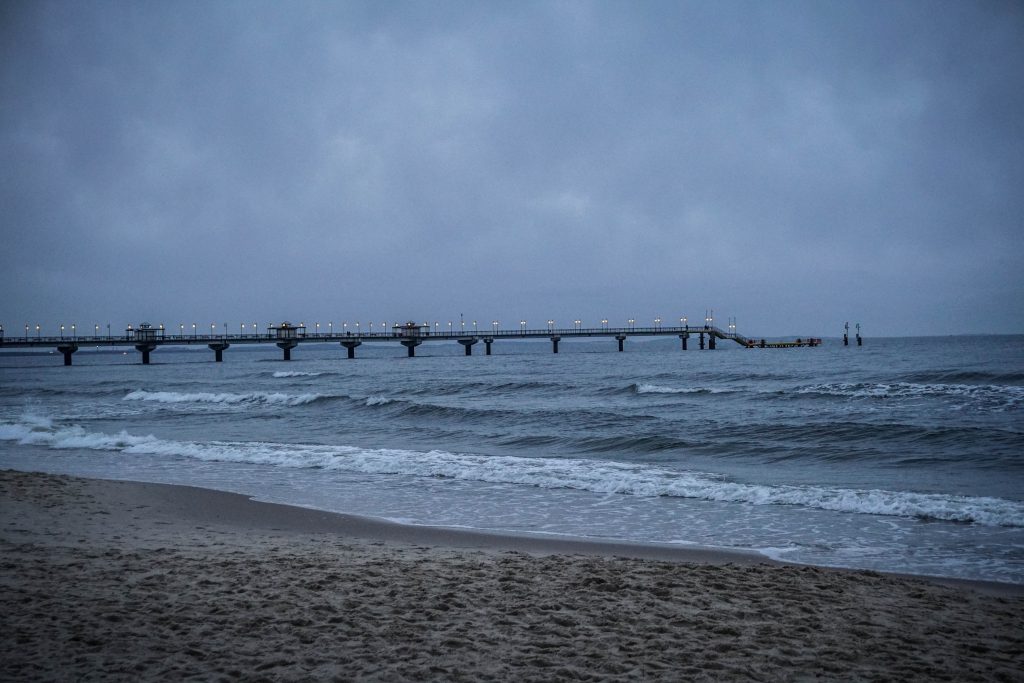
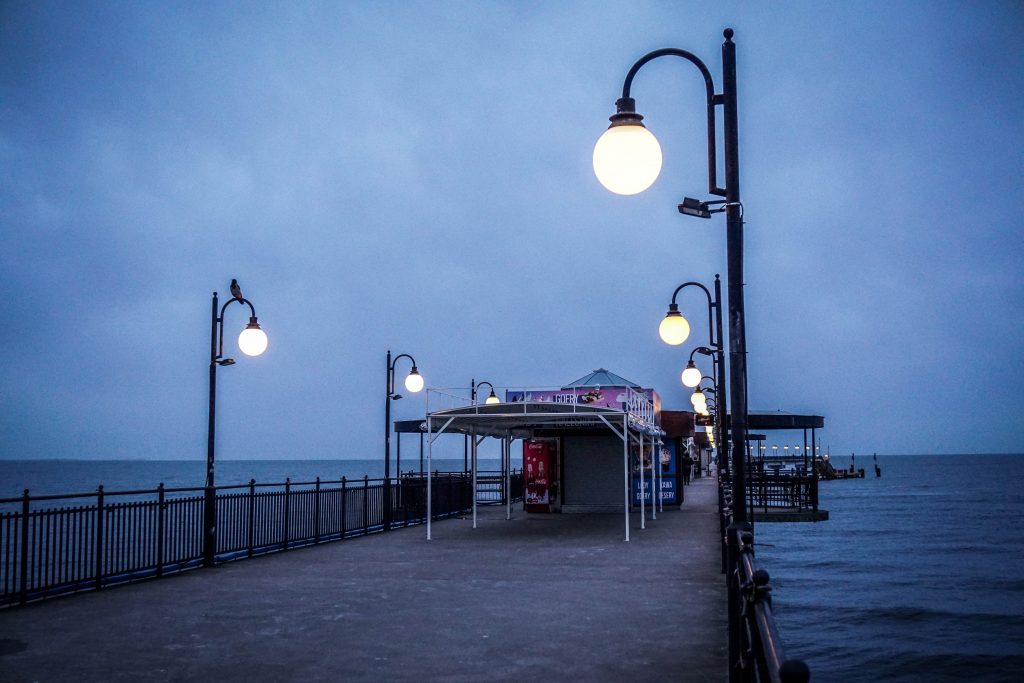
I have no idea what is exciting about a walk on the pier. Maybe because I have access to it every day in Gdańsk. In Międzyzdroje, the first wooden bridge was built in 1885. It was repeatedly destroyed by the sea and warfare. Currently, the pier is 395 meters long and after expansion in 2004, it is also a marina for cruise ships. Its concrete construction, however, gives a rather gloomy impression. Souvenir stalls and pubs reign before the entrance.

Molo w Międzyzdrojach

Aquarium

A three-level, modern facility near the entrance to the pier, commissioned in 2019. Tourists can admire, among others sharks, rays, octopus, jellyfish and eels and go through a 16-meter glass half-tunnel. Opinions about this place are mixed, especially when it comes to the ratio of the size of the place to the price. A normal ticket costs as much as 45 PLN, a reduced ticket 35 PLN.

Promenade of stars

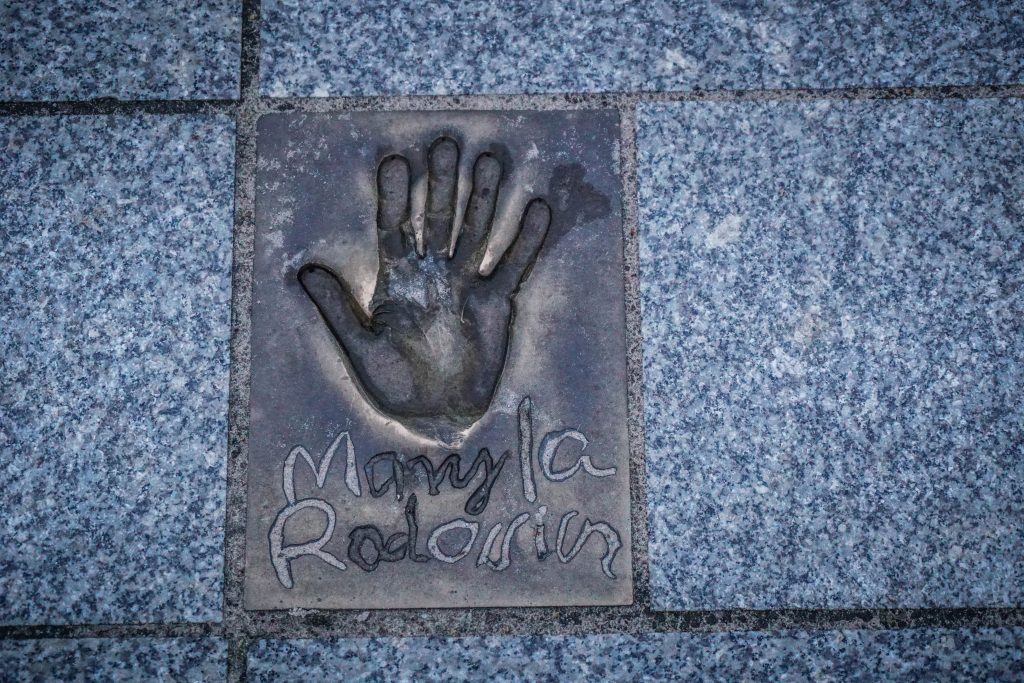
The first palm prints were made in 1996 on the occasion of the Festival of Stars. They were submitted by artists such as Beata Tyszkiewicz, Krystyna Janda, Maja Komorowska, Bogusław Linda, Daniel Olbrychski, Janusz Gajos, Jarosław Jakimowicz, Zbigniew Zamachowski and Zbigniew Preiser. Today in Międzyzdroje there are already over 100 handprints of more or less distinguished representatives of Polish culture.

Międzyzdroje

Woliński National Park

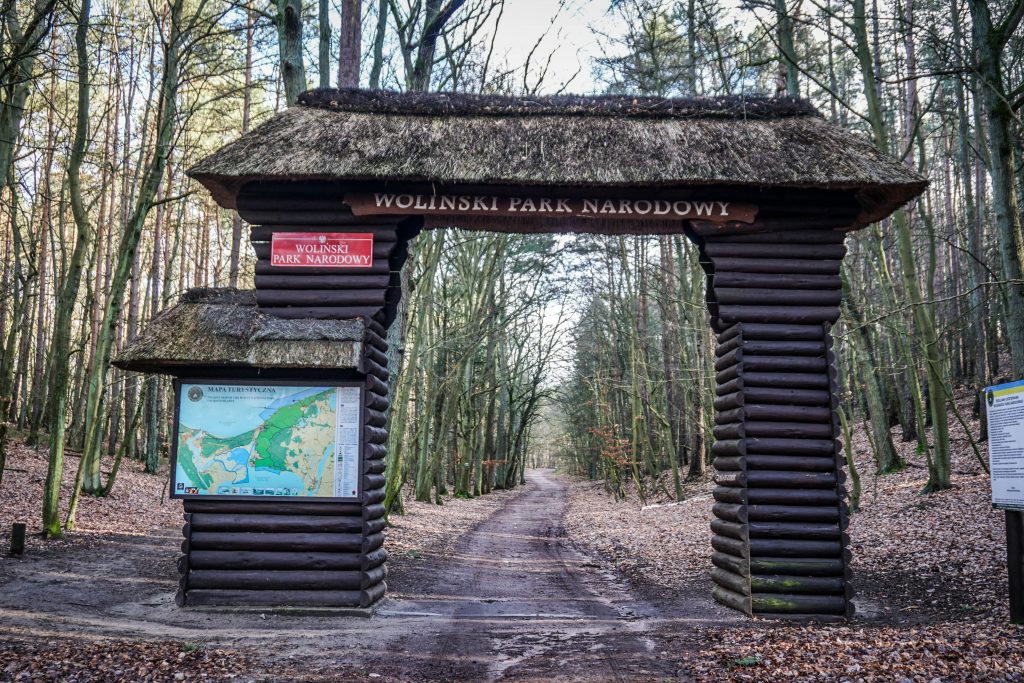
Definitely the most interesting part of my stay in Międzyzdroje and surroundings. The national park was created in 1960 and is located on the largest Polish island – Wolin. The most attractive places in the park are the cliff coast, the Świna delta and the lakes. The park covers 10.937 hectares and it is a very pleasant area for long walks.

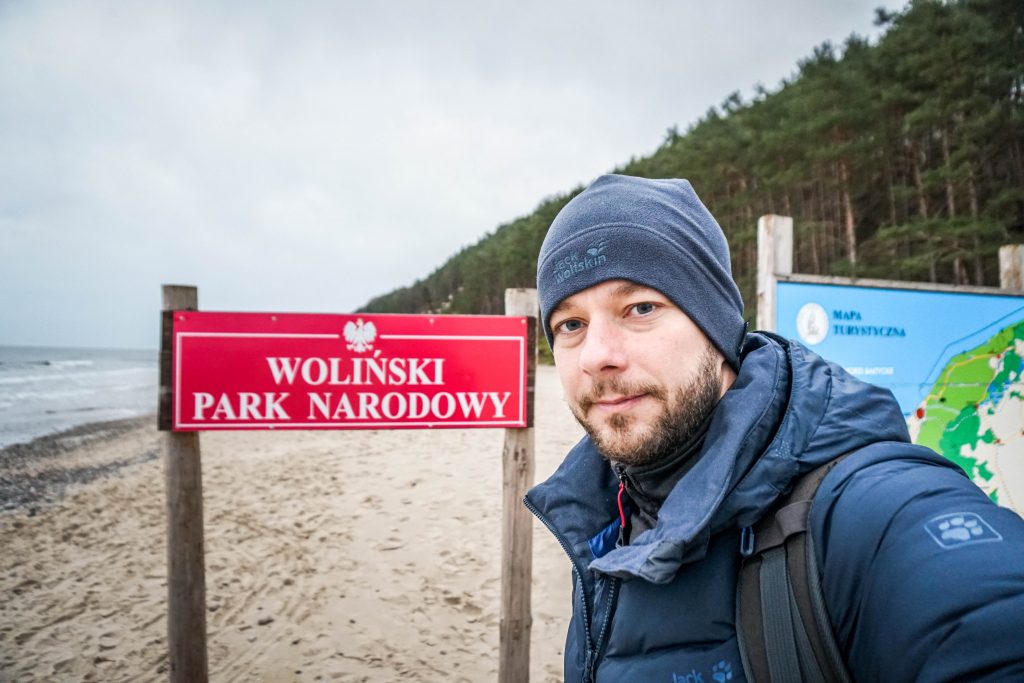
Woliński Park Narodowy

Mount Gosań

The highest cliff of the Polish coast (93 m a.s.l.) located about 4 kilometres from Międzyzdroje. It’s best to get there on foot, but you can also park the car park 600 meters away from the viewpoint.

Museum of Woliński National Park

5 exhibition halls with dioramas depicting flora and fauna occurring in the national park. A normal ticket costs PLN 7, a reduced ticket PLN 5.

Zielonka Hill

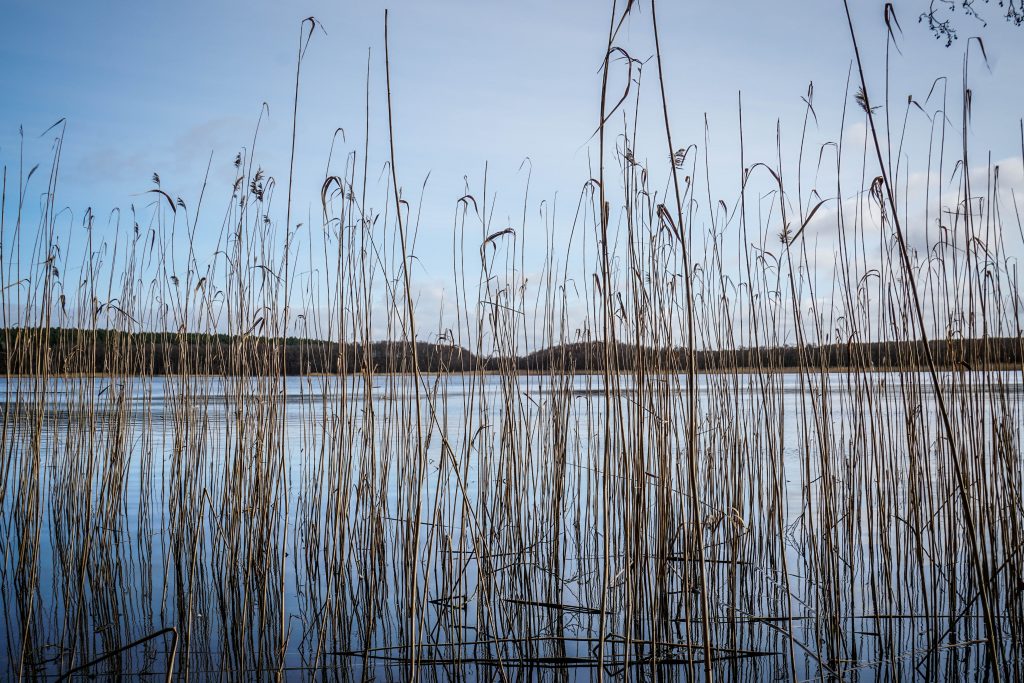
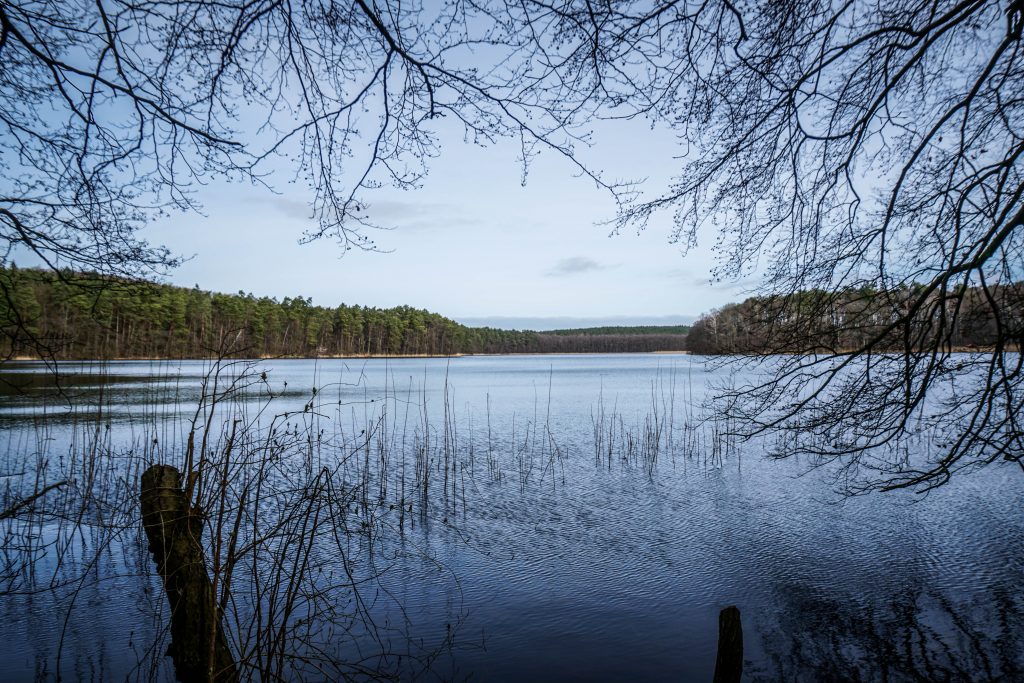
A short walk from the parking lot rewards tourists with the beautiful panorama of the Szczecin Lagoon, the backwaters of the Reversed Delta of Świna and the waters of the Wicko Wielkie Lake. Visible islands are mainly wetlands and close to 150 species of birds nest in their area. They were created as a result of moving sand and mules through the reverse current of the river during strong winds blowing from the north.

Turquoise Lake

Located about 6 km from Międzyzdroje, it is the remains of a chalk mine that operated until 1954. Because of the white chalky bottom and the light reflection, it has a unique green colour.

Mount Kawcza

The vantage point rising 56.9 m a.s.l. is a popular destination for walks in Międzyzdroje. It offers a view of the city, pier and of course the waters of the Baltic Sea. It’s best to get there along the black trail departing from Campingowa Street and return along the beach along the red trail (about 1.5 km in total).

Kikut Lighthouse

Located on the red trail, about 11 km from Międzyzdroje. The lighthouse is fully automated and inaccessible to visitors.

Bisons Show Farm

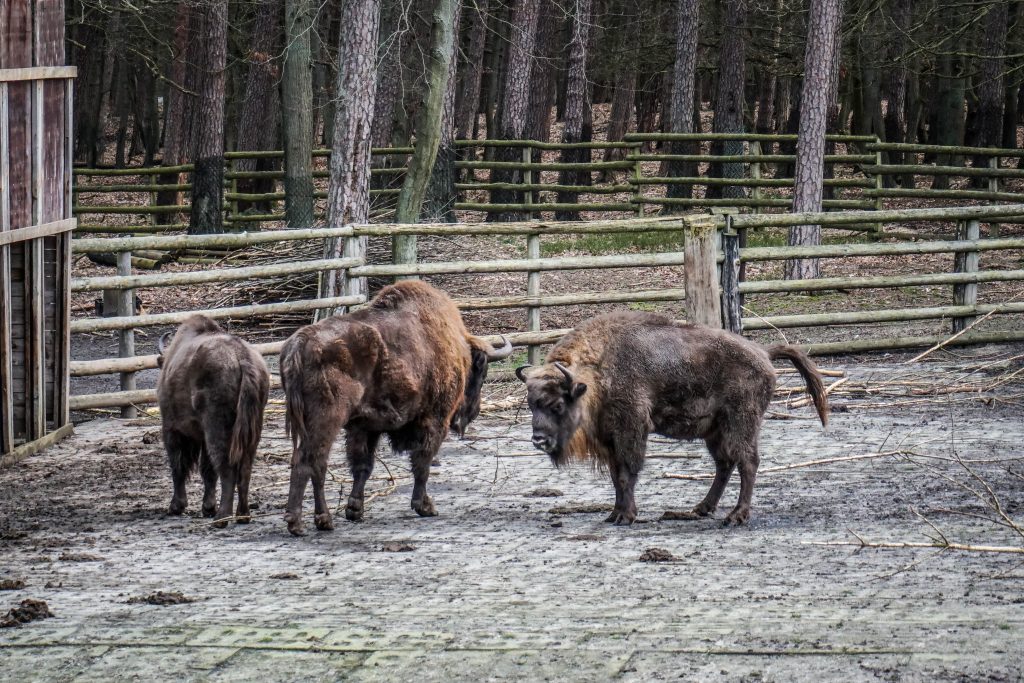
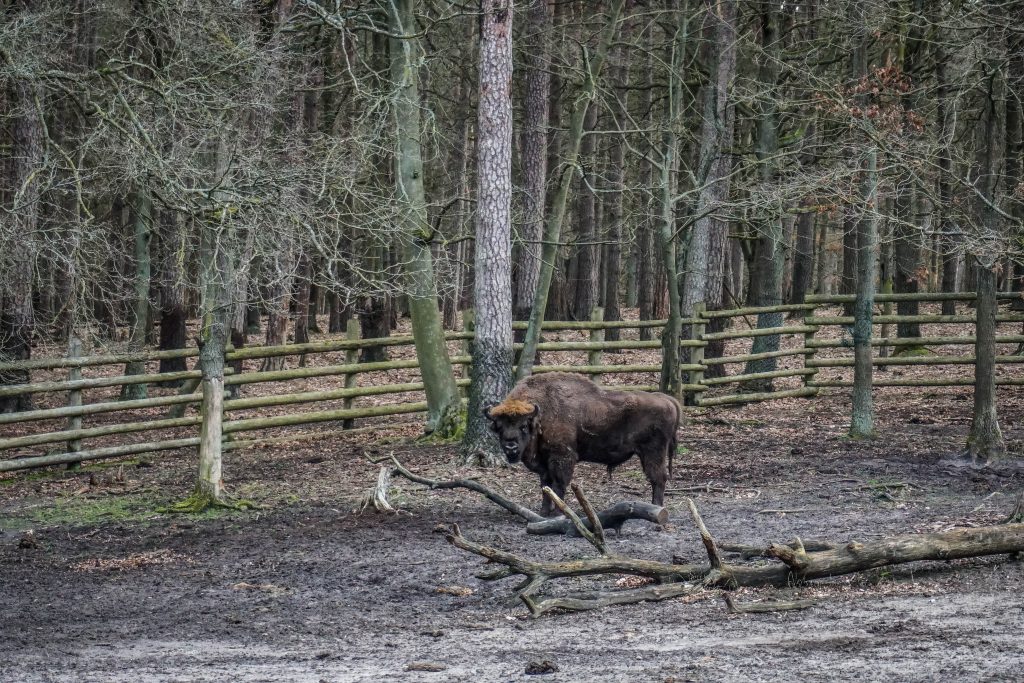
The resort is located in a forest, on a green walking trail, about 1.5 km from the city centre. The main attraction is, of course, bison. In addition, you can also see deer, roe deer, wild boars and white-tailed eagles. A normal ticket costs PLN 7, a reduced ticket PLN 5.

Woliński Park Narodowy

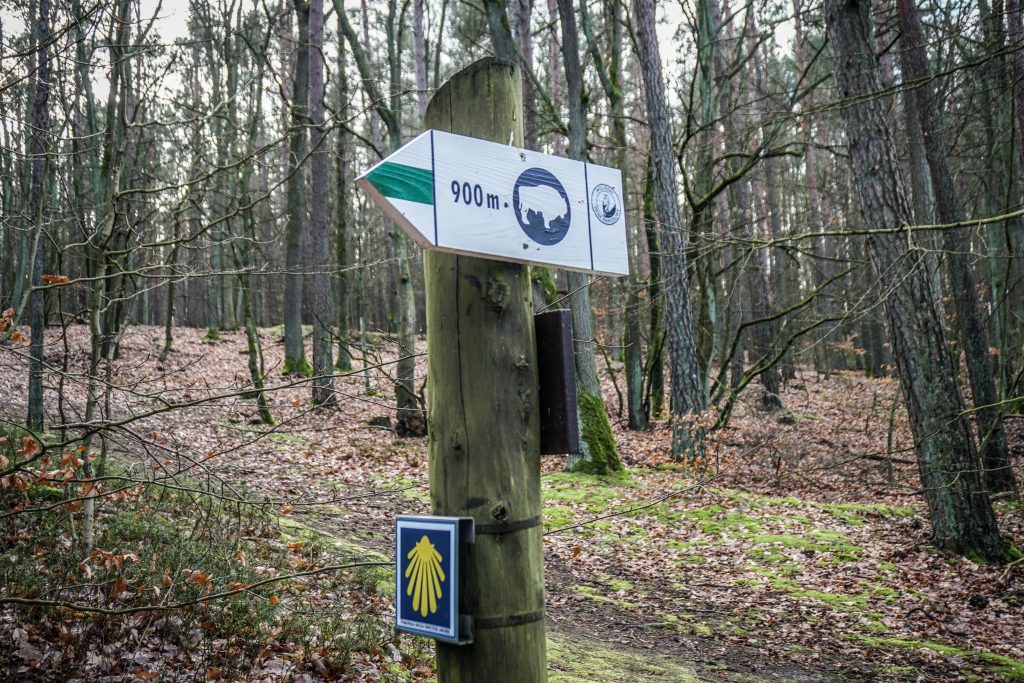
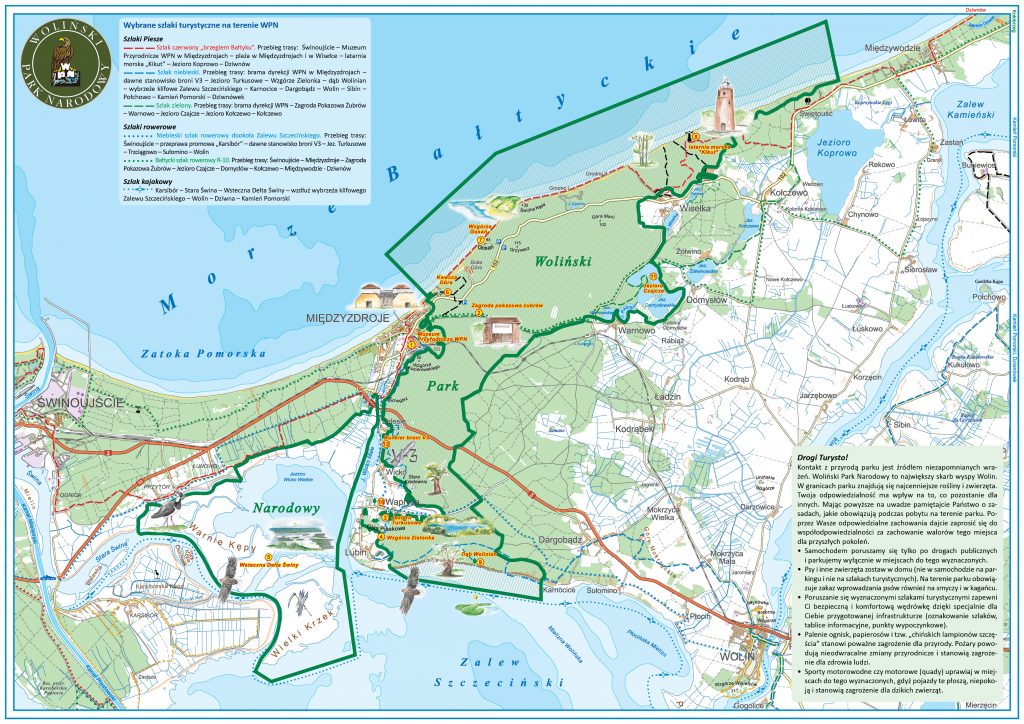
Walking trails

Woliński Park Narodowy
wolinpn.pl

The map can be downloaded from the national park website.

Blue trail (26 km) – National Park office – V3 weapon position – Turquoise Lake – Zielonka Hill – Lubin church – Wolinian oak – Karnocice – Dargobądź – Mokrzyca Mała – Wolin

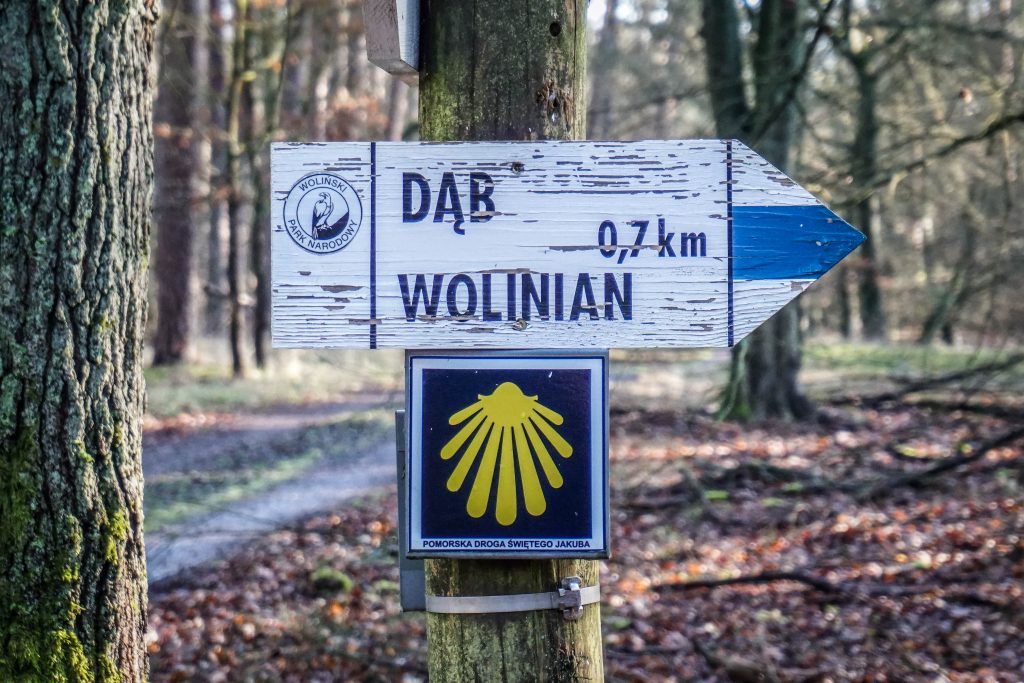
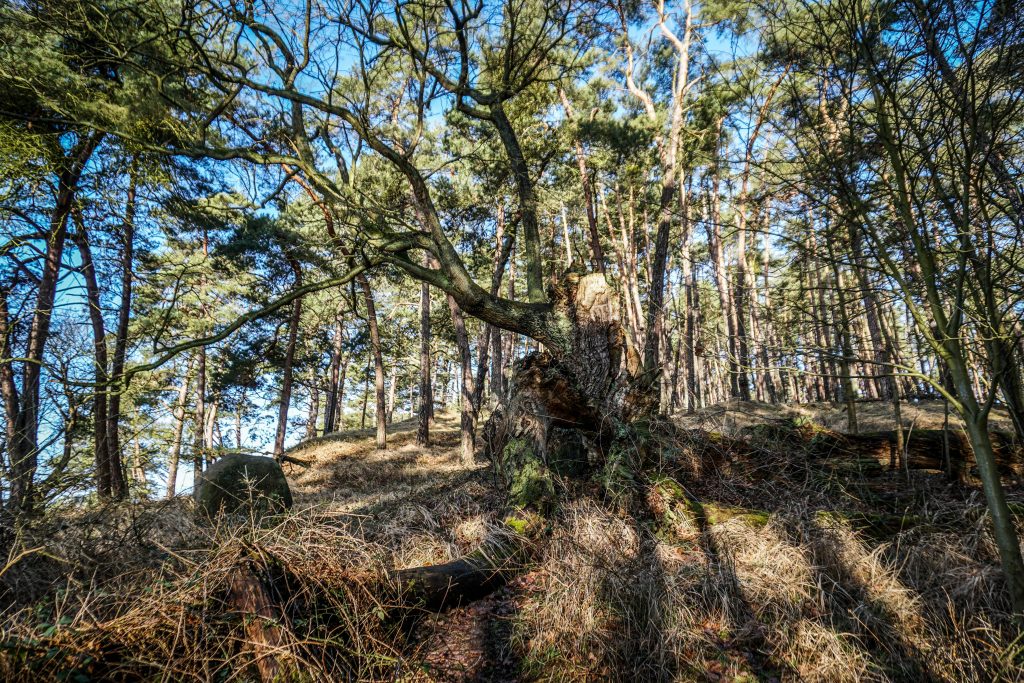
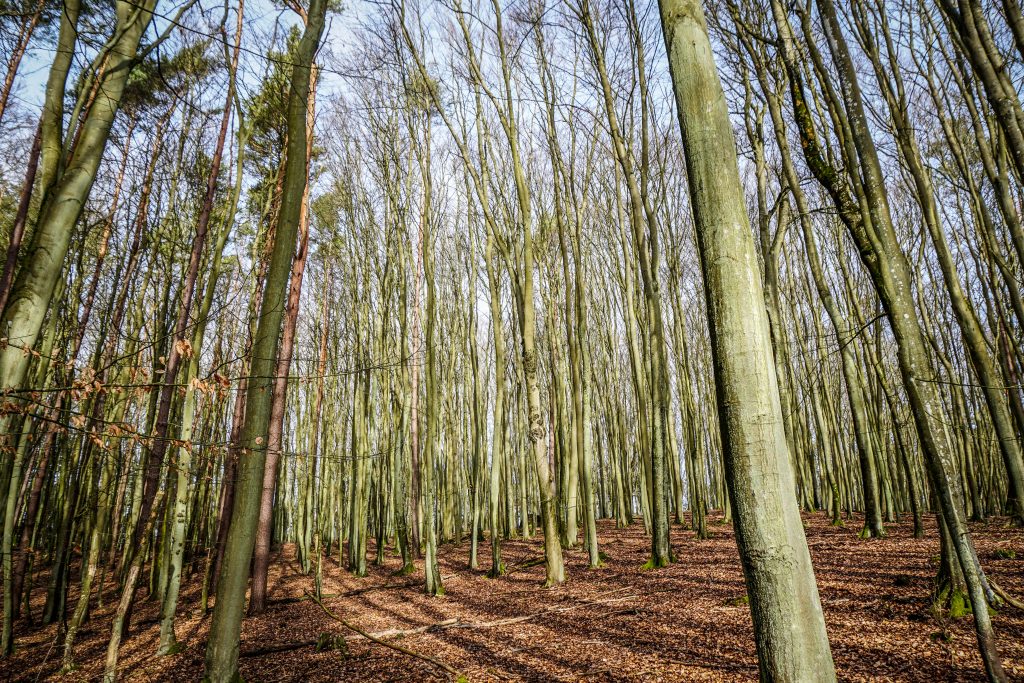
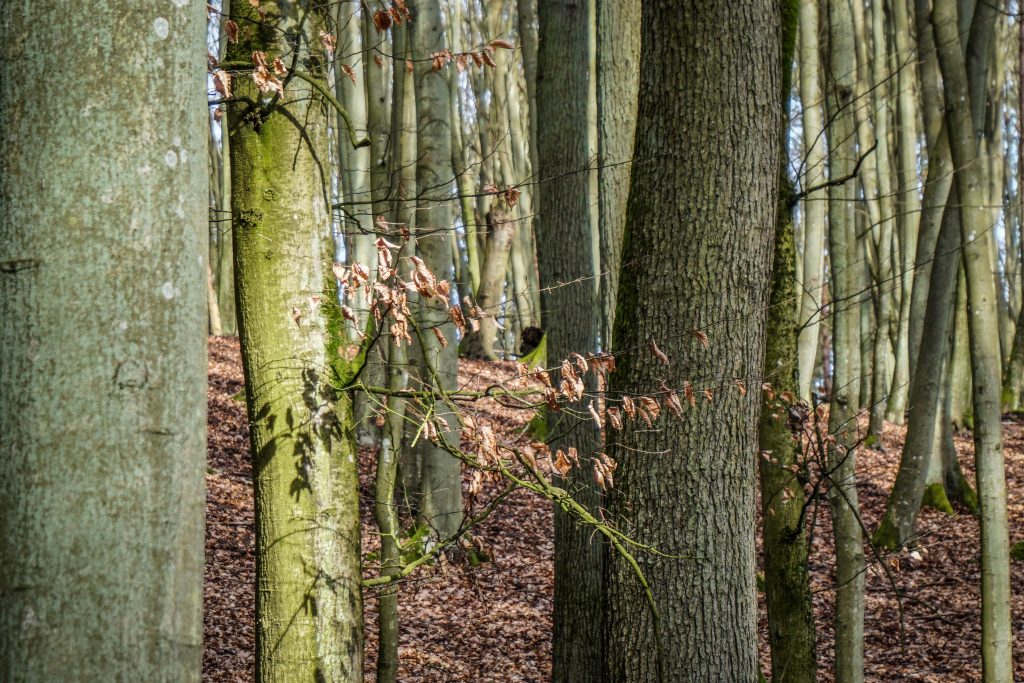
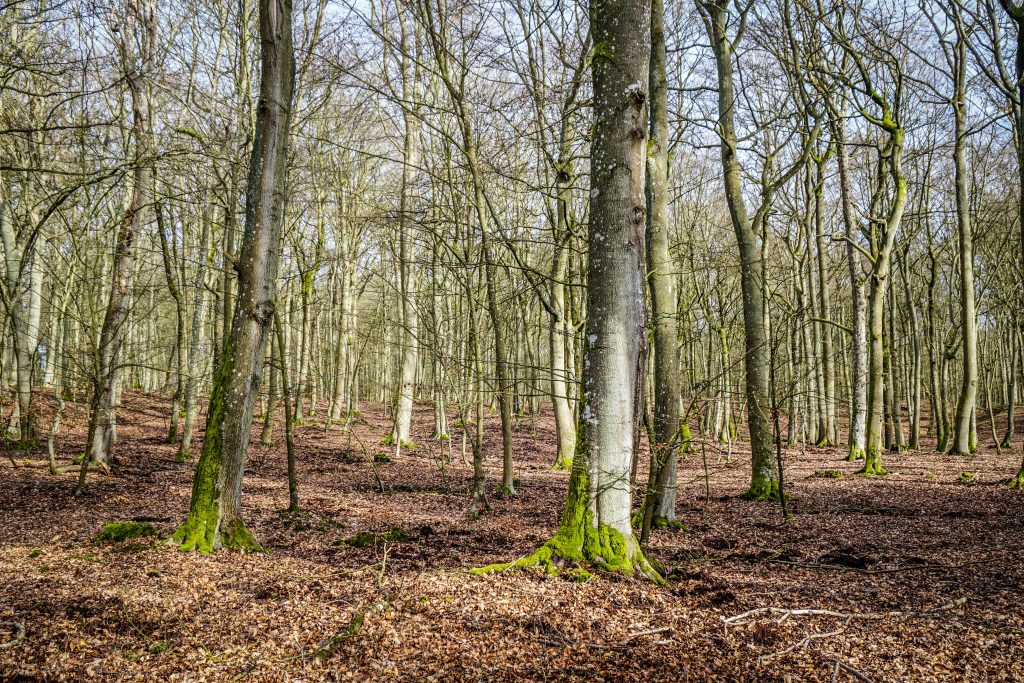
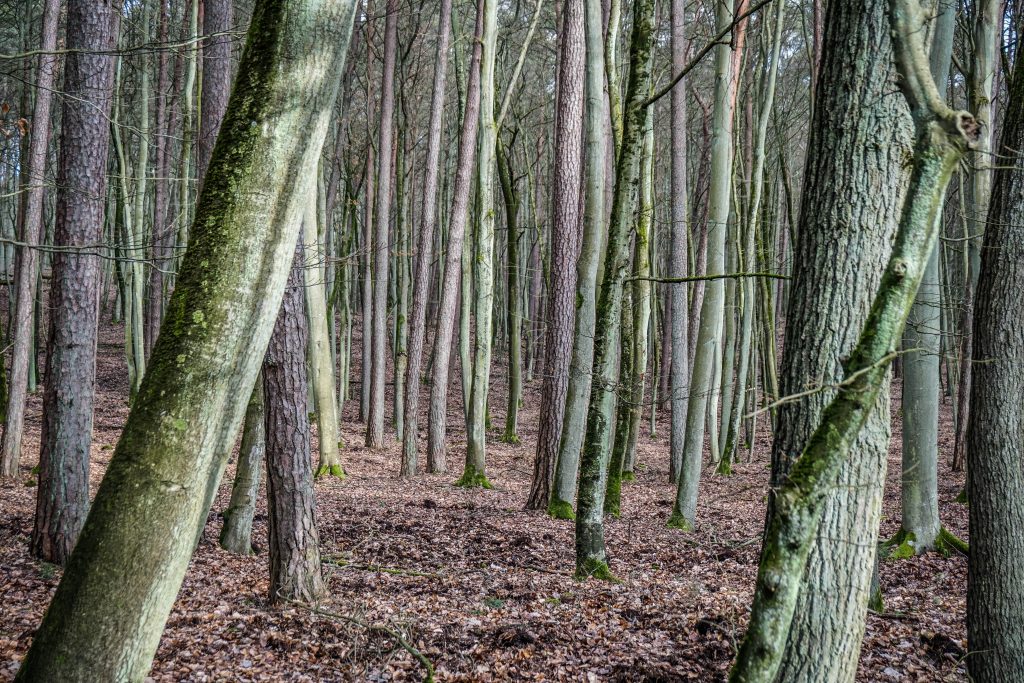
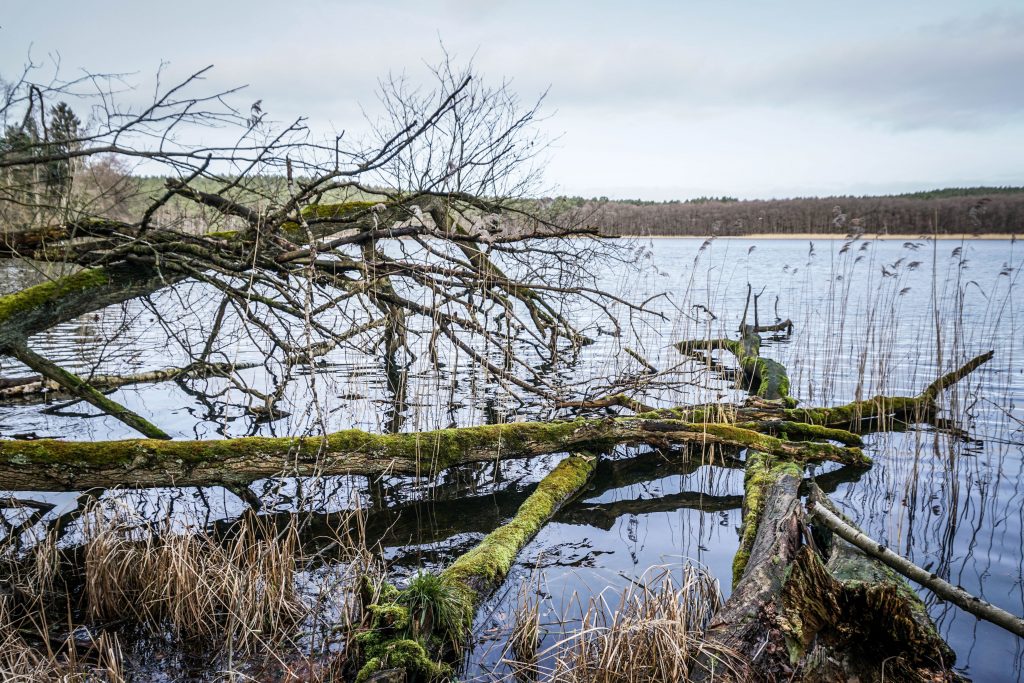
I walked a fragment of the trail from the church in Lubin to the Wolinian oak. It’s about an hour journey through the forest (there and back). On the way in the distance, I saw an animal running across the road, looking like a small wild boar but it quickly disappeared behind the trees.

Wolinian Oak is one of the oldest trees in the Woliński National Park and its age is estimated between 450 and 750 years.

Woliński Park Narodowy

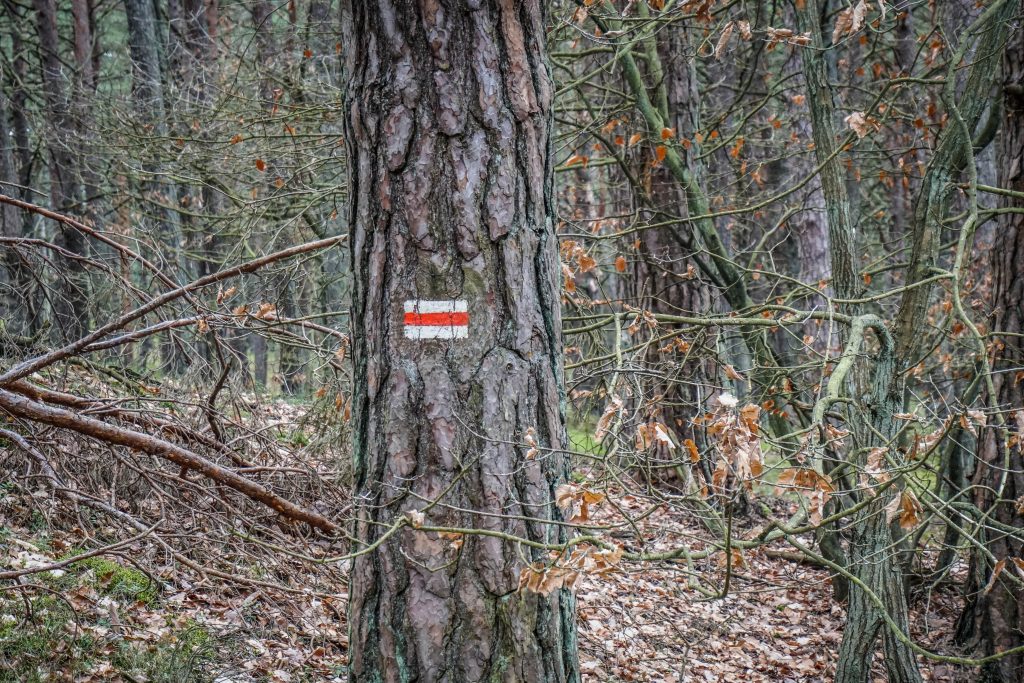
Red trail (19 km): National Park office – beach – Mount Kawcza – beach – Kikut Lighthouse – Kaprowo Lake – Kołczewo

Green trail (15 km): National Park office – Bisons Show Farm – Warnowo – Czajcze Lake – Kołczewo Lake – Kołczewo

I went on long, full-day trekking along the green and red trails.

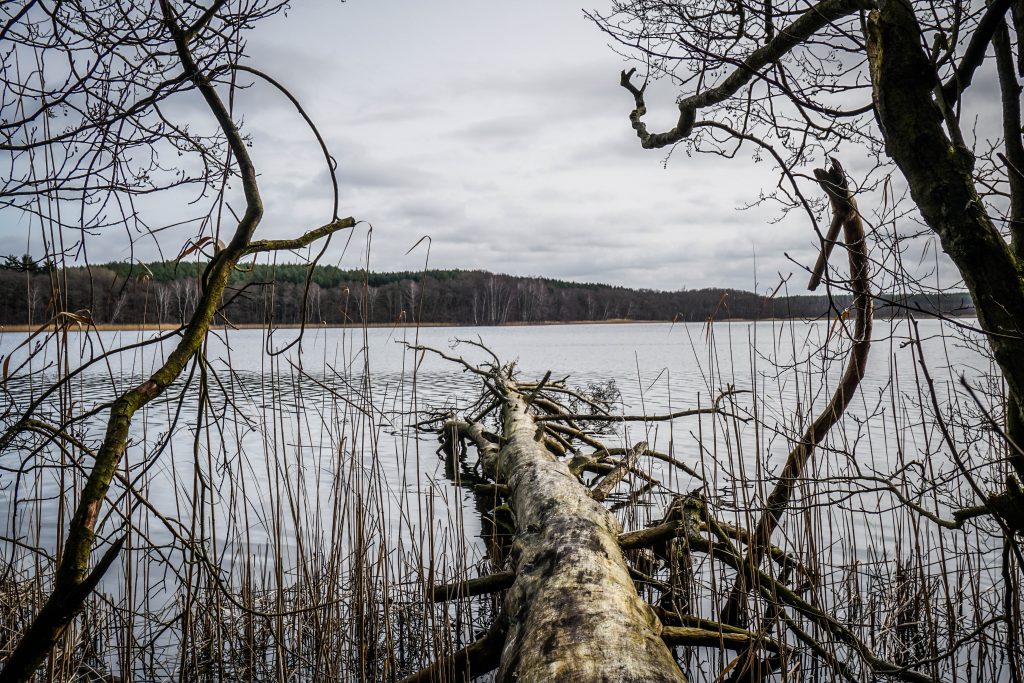
First, passing the lakes Czajcze, Żółwinowskie and Kaprowo I followed the green trail to Kołczewo. From there, I hitchhiked to Wisełka, where I entered the red trail, heading back towards Międzyzdroje.

Woliński Park Narodowy

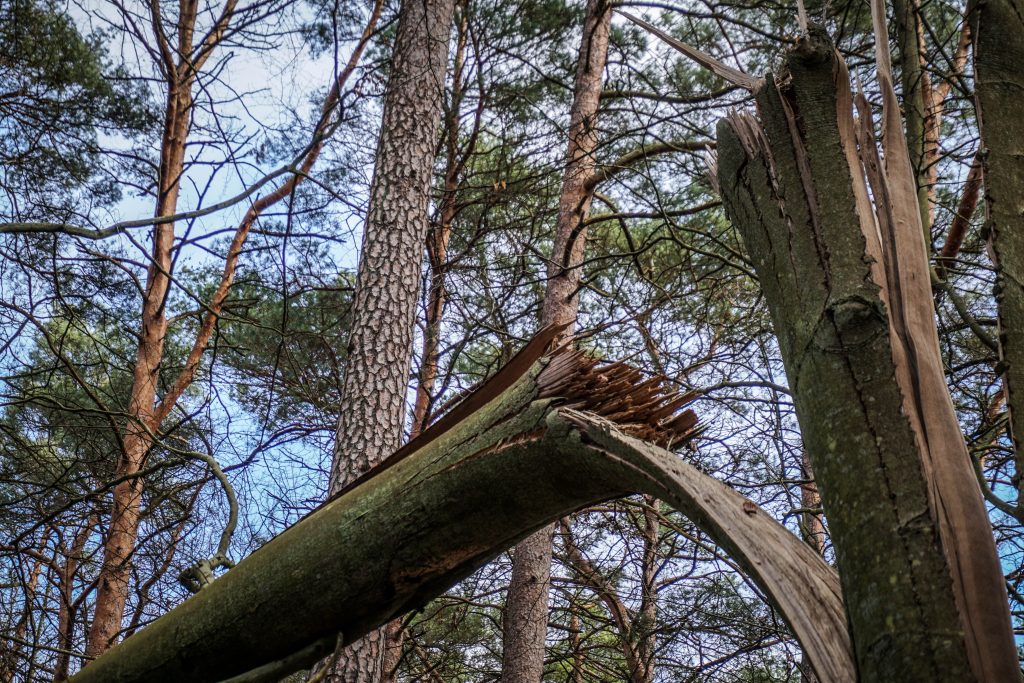
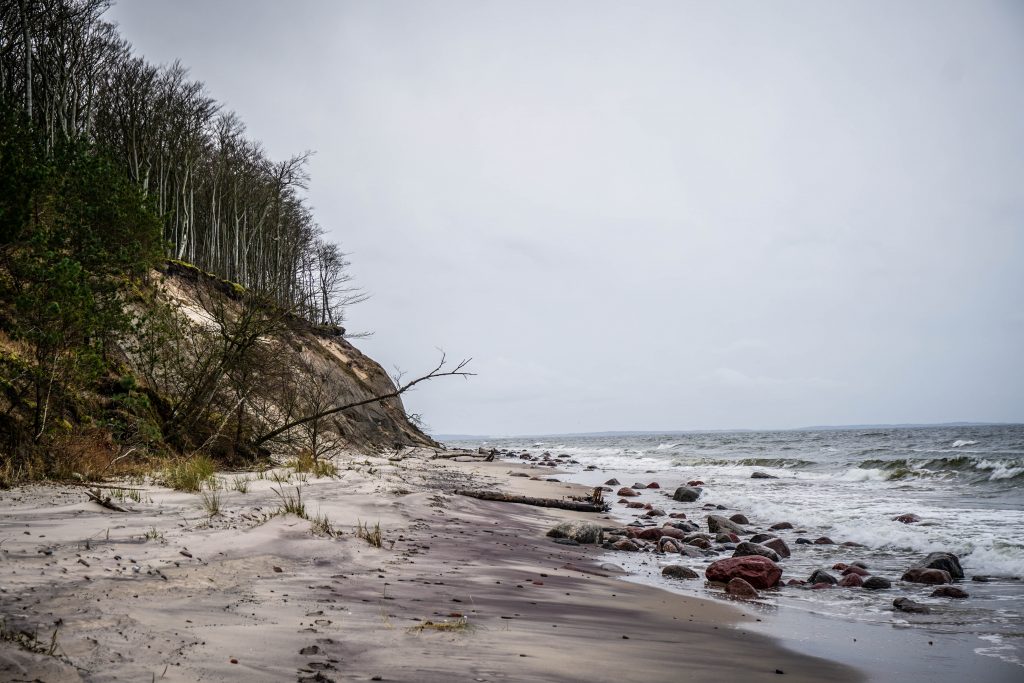
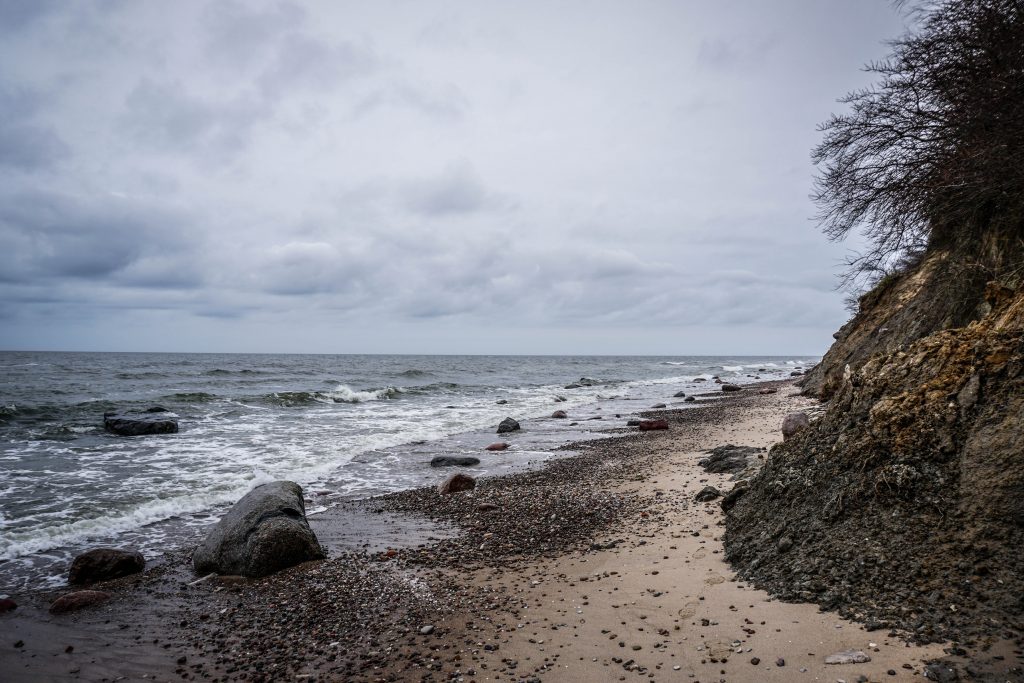
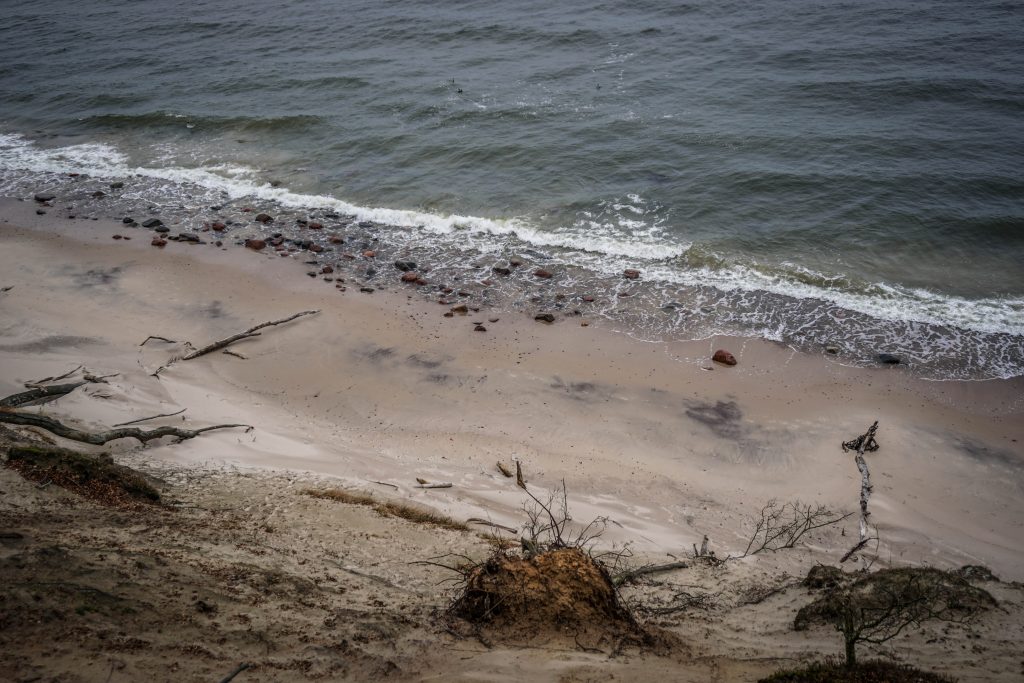
Following the red trail along the beach, the cliffs grew higher and the beach narrowed. At some point, the torn cliff blocked the way to the other side completely. I decided to go back a few hundred meters and try to go up the cliff.

Woliński Park Narodowy

Finally, I found a suitable, less steep place and continued walking towards the city. The path here was much less visible, but it was enough to follow the cliff edge. Finally, I reached Mount Gosań and not far behind it I managed to find a convenient place to descent to the beach.

Woliński Park Narodowy

The whole trip was about 24 km (7 hours).

Is it worth going on a trip to Międzyzdroje and Woliński National Park?

Yes and no. Międzyzdroje is definitely a place where I wouldn’t like to spend my holidays and see all these rather shoddy attractions in the high season. In low season, it is a quiet place with a very nice and wide beach. Just like anywhere in the world – the fewer tourists, the better. Combined with numerous hiking trails in the Woliński National Park, it’s an attractive place for a weekend getaway in the West Pomeranian Voivodeship.