Introduction
Flinders Ranges National Park was my first stop on the way from Adelaide to Darwin. Well, not exactly on the way as I had to make nearly 200 km detour from Port Augusta. However, the first stop on the way through the iconic scenery of outback Australia. I expected it to be marvellous and pristine. Driving from Melbourne to Adelaide was fun. Great Ocean Road, detour to Kangaroo Island and multicultural city of Adelaide. But now it was a time to get inland. To see the Red Centre. To feel the heartbeat of Australia.
I knew that there are long days of driving ahead of me but all emotions were covered by pure excitement. I love desert landscapes. Silence, remoteness, huge open spaces with me standing in the middle like a small pawn on a giant board. I feel I am self-dependent. Far away from the mess of daily life. Free.
I hit the road in the morning and left Adelaide before traffic jams. The day was beautiful with a blue sky and a pleasant temperature of 20-25C. The plan was to get to Port Augusta with a stop in Mount Remarkable National Park. After a short hike there, I still had enough time to visit Australia Arid Lands Botanic Gardens. I didn’t expect more than boring walk among plants just to kill some time but instead, I got one of the biggest positive surprises in South Australia. Learning about the flora doesn’t come with the thrill of joy in my heart, but the walk through the garden was very relaxing and the landscape around it at sunset time was simply stunning. Look at the pictures below and tell me I’m wrong!
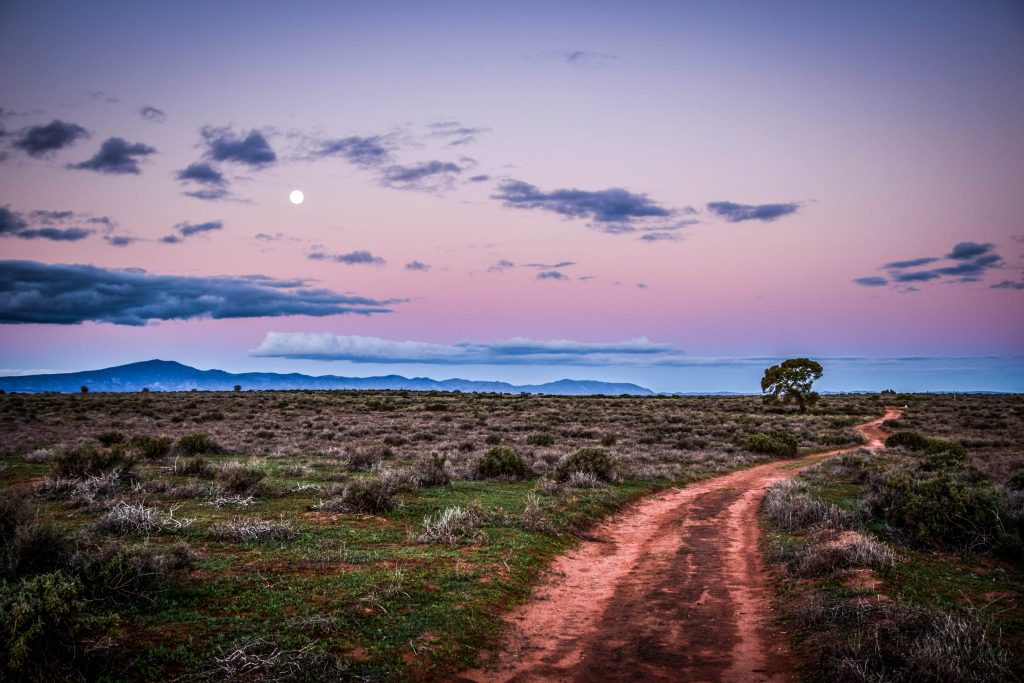
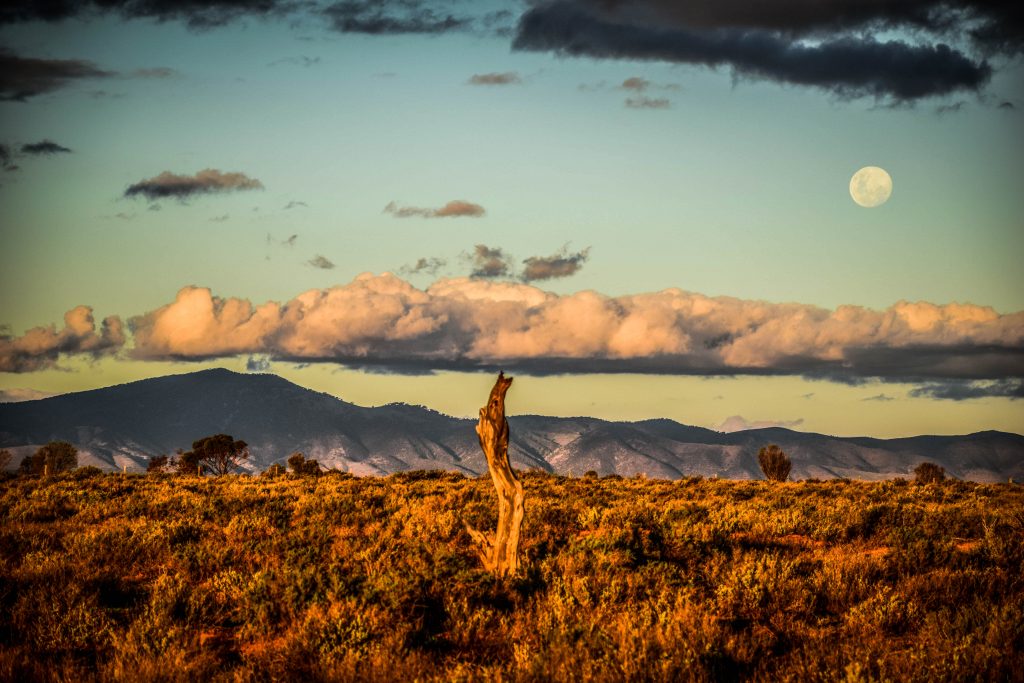
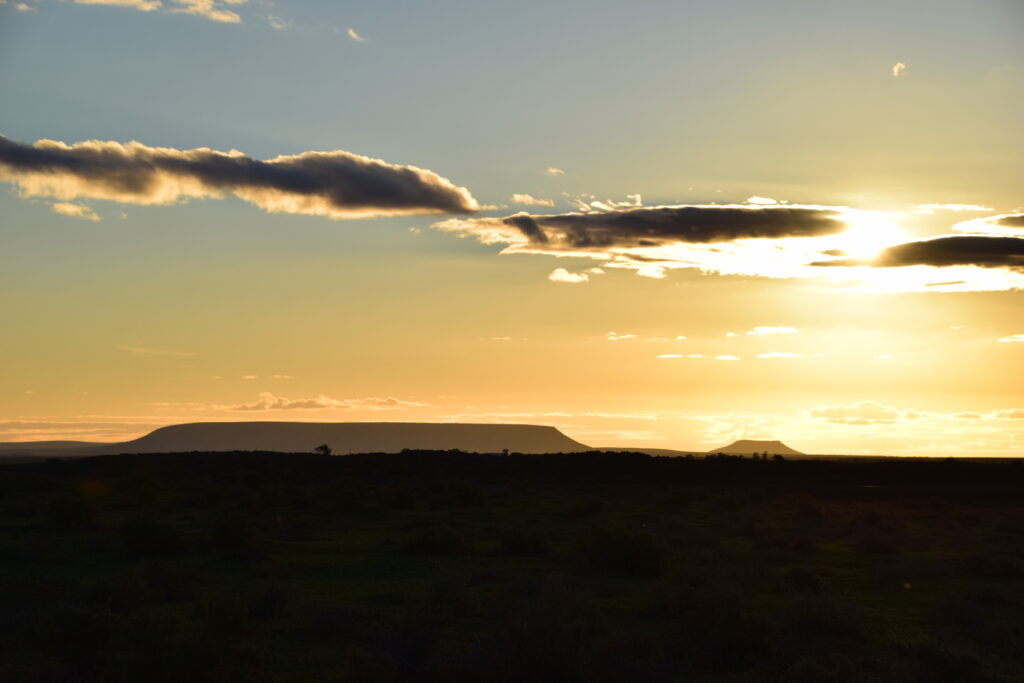
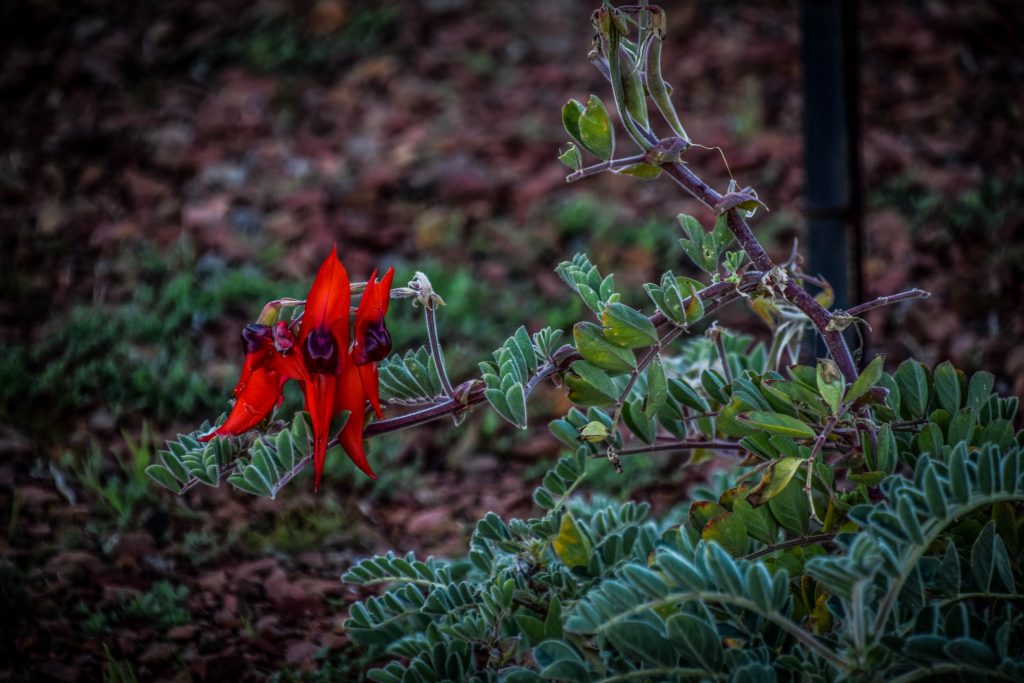
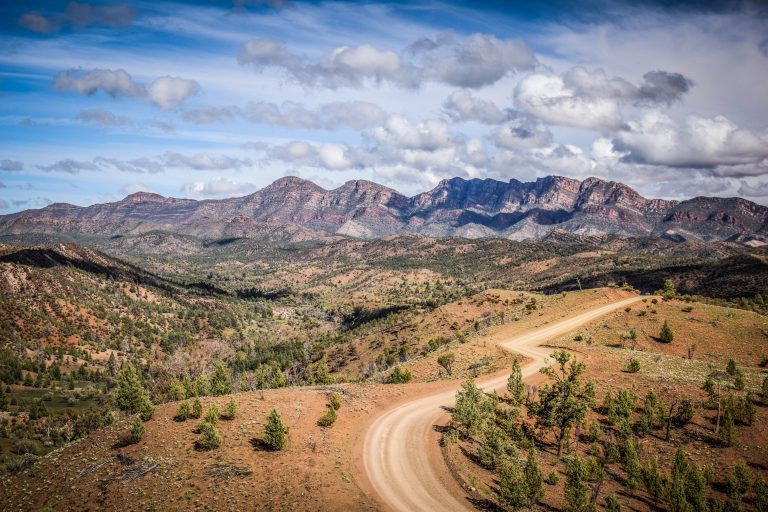
After the night at the gas station, I hit the road well before sunrise. It took me around 2 hours to reach the turn into Brachina Gorge Road. From here, dust road led me as far as I could see, pulling towards mountain ranges growing on the horizon with every second.
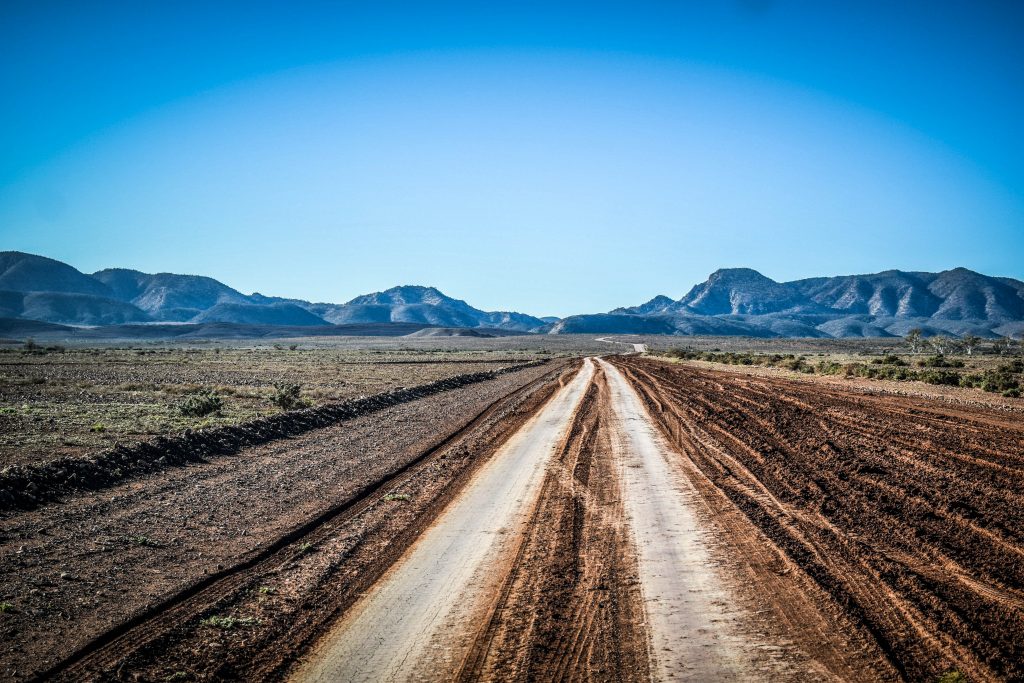
Flinders Ranges National Park was named for Matthew Flinders, the English navigator who sighted and explored the peaks in 1802.
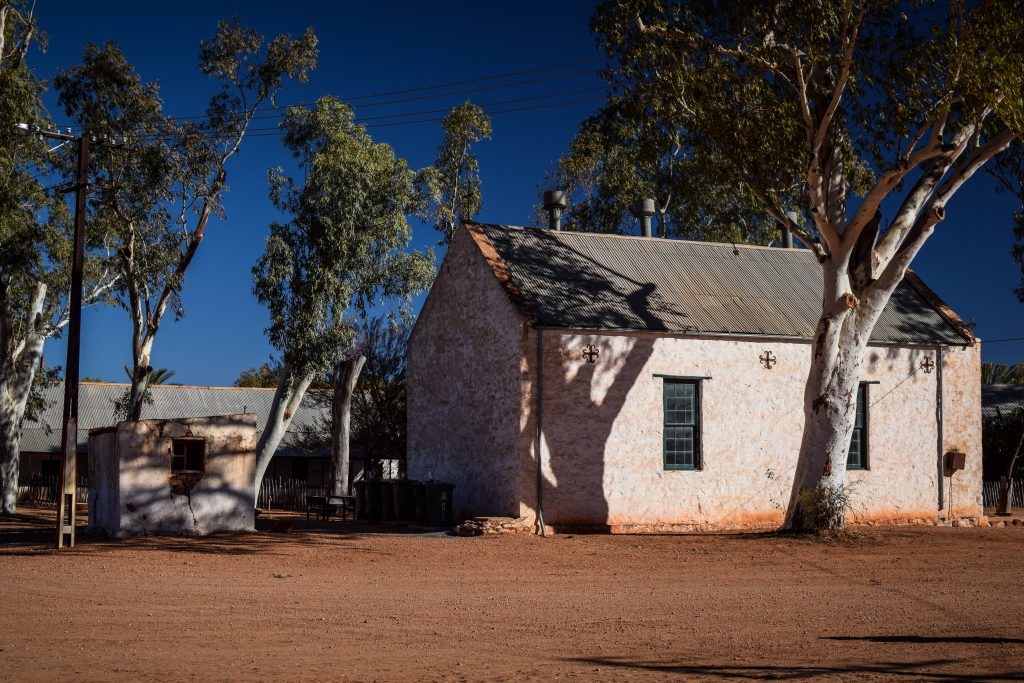
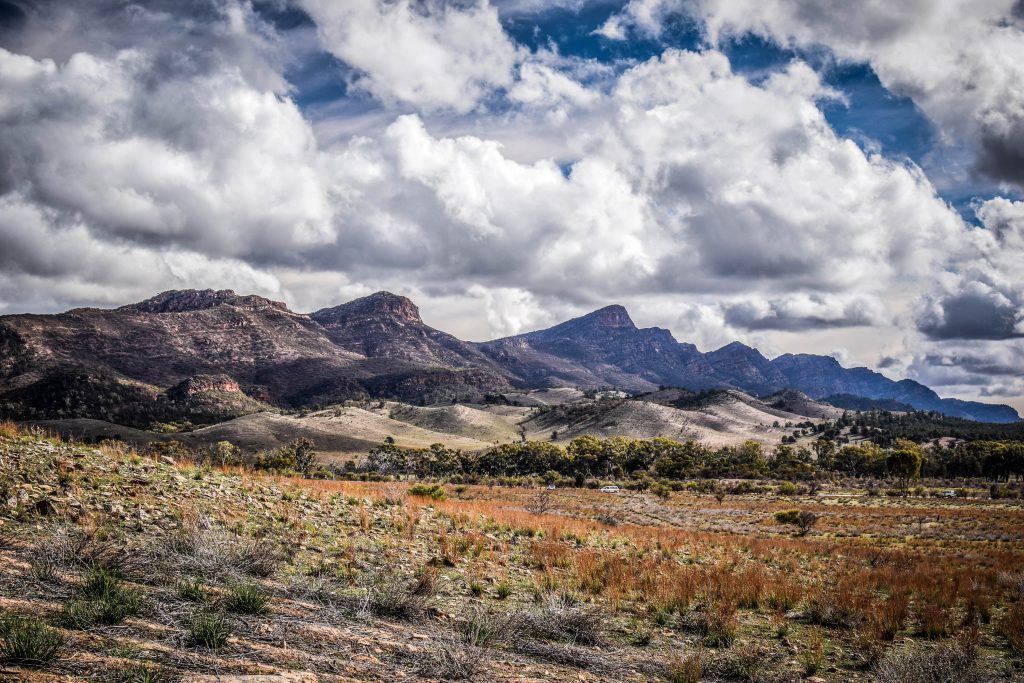
There is a lot to see here. The largest mountains range in South Australia with stunning gorges rich in wildlife as well as historical sites. Ikara/Wilpena Pound is an ancient meeting or initiation place for Aboriginal people and several ruined buildings around Wilpena, Arkaba and Aroona remind about first settlements of Europeans in this region. Contacts between traditional owners (Adnyamathanha people) and newcomers were not always peaceful, especially when it comes to water and land rights.
Best time to visit
The most comfortable time for exploring the area is between April and October. In summer, the temperatures can rise well over 40ºC, which can already be dangerous for your health and safety.
I would suggest staying at least 2 days to do plenty of bushwalks and admire night sky at the campsite.
How to get there
The easiest way is to start from Adelaide and drive around 450 kilometers to the north in the direction of Hawker and Wilpena. You don’t need 4WD at any point.
Alternatively, you can approach Flinders Ranges from the north, following Birdsville Track or from Broken Hill, turning right at Yunta but in both cases don’t think about it without 4WD.
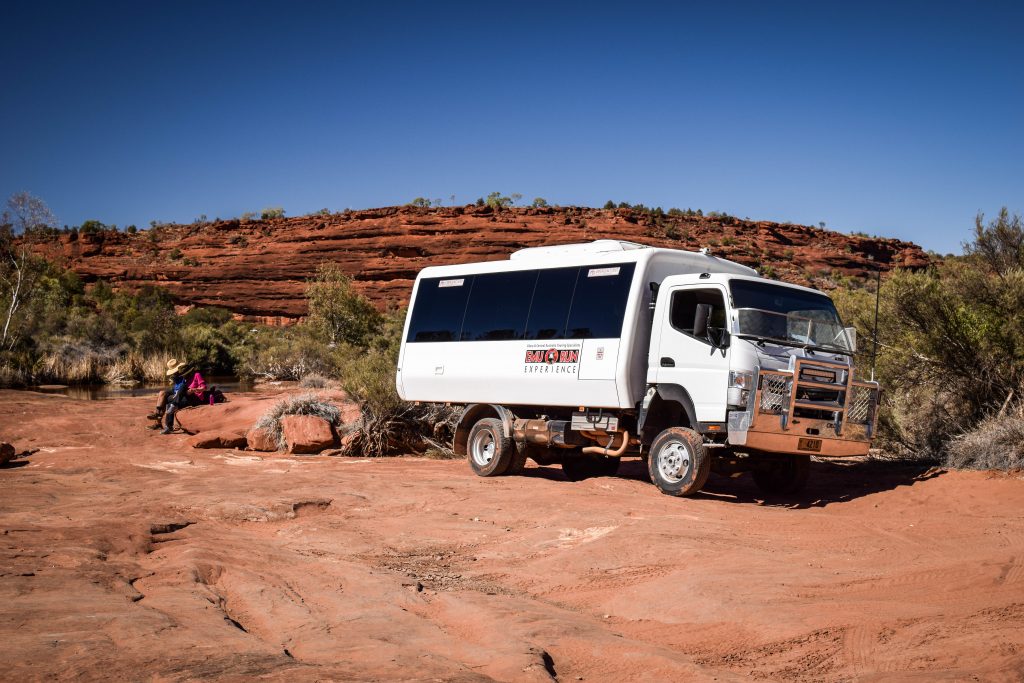
For getting around the park, a 2WD car with high clearance is enough. Roads are unsealed and sometimes rough, especially in Brachina Gorge, but just take it slowly and it’s gonna be fine. I had no problems driving my Toyota Tarago.
Camping
There are 10 campgrounds in the national park. Most of them have basic facilities, such as toilets and fire pits (can be used outside of the fire danger season). As there is no mobile signal at campgrounds, therefore book your spot and vehicle entry fee online or at the Wilpena Pound Visitor Centre. I really recommend staying for the night in Ikara-Flinders Ranges National Park. There is no light source here, so take your own and don’t forget to just turn it off for a while. Then, enjoy the magical spectacle full of stars.
Worth to know
- Take Georama virtual tour – a great chance to have the first look at the national park scenery before heading there in person. Views include Wilpena Pound, Pine Hut, Parachilna Gorge and more.
- Download mobile apps: Discover the Flinders Ranges (iOS / Android) and Flinders Ranges Walks (iOS, Android). The first one includes driving and walking tours as well as information about geology, wildlife and plants. On the other hand, the second one covers 16 walking tracks in the national park.
- Maps can be downloaded from the website National Parks and Wildlife Service South Australia.
- Park Pass is required to access the Flinders Ranges National Park and costs 11 AUD per vehicle. It can be purchased at the Wilpena Pound Visitor’s Centre.
Top sights in Ikara-Flinders Ranges National Park
Wilpena Pound – 80 sq km amphitheatre of mountains that is also known by its Adnyamathanha name of Ikara, meaning “meeting place”. According to Dreaming stories, the surrounding mountains are the bodies of two giant snakes that laid around during the initiation ceremony. After feasting on the people, they couldn’t move and died, creating the most iconic landmark of the national park.
If you have some cash to spare, take a scenic flight and admire this miracle of nature from the sky. Scenic flights can be booked through the Wilpena Pound Visitor Centre and such a pleasure costs between 100-200 AUD.

Pound Gap Track and Wangarra Lookouts – there are several walking tracks starting at the Wilpena Visitor centre, including the Pound Gap Track (8 km return). It follows Wilpena Creek through tall river red gums and pines. After some time, you will reach Hill Homestead which is worth a stop to read information about historic inhabitants of the cottage and difficult conditions they struggled with. Refill your body with water and calories and continue to lower and then to the upper Wangarra Lookouts to fully enjoy spectacular Wilpena Pound from the inside.
If you are lazy, there is an option to take a shuttle bus that stops around 1 km from Hill Homestead. It runs 3 or 4 times a day but check the schedule at Wilpena Pound Resort.

Solar Panel Station – nice short walk on the road towards Wilpena Pound Resort. Nice not because of solar panels but the gang of kangaroos hopping around.
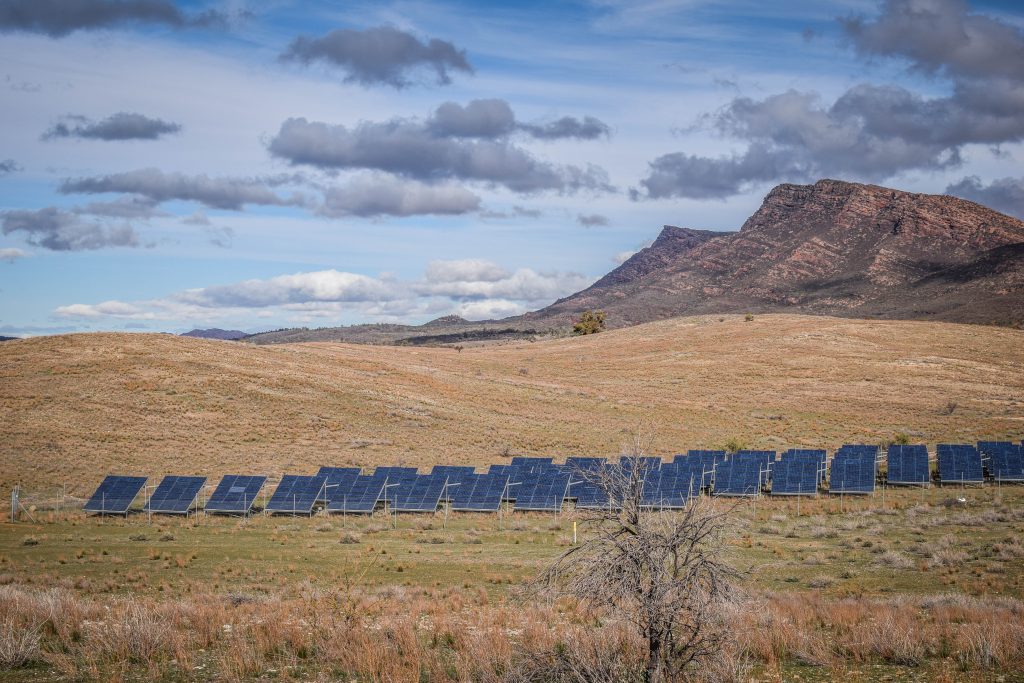
Brachina Gorge – 20 km drive with informative signs along the way telling about the age and formations of the rock and cliffs. Some of the oldest fossils on earth have been found here! If that doesn’t excite you, then just sit back and enjoy the ride with the bumps adding a bit of adventure feel. Amazing experience! If you are lucky, there is a chance to spot a yellow-footed rock wallaby, especially active in the afternoons.
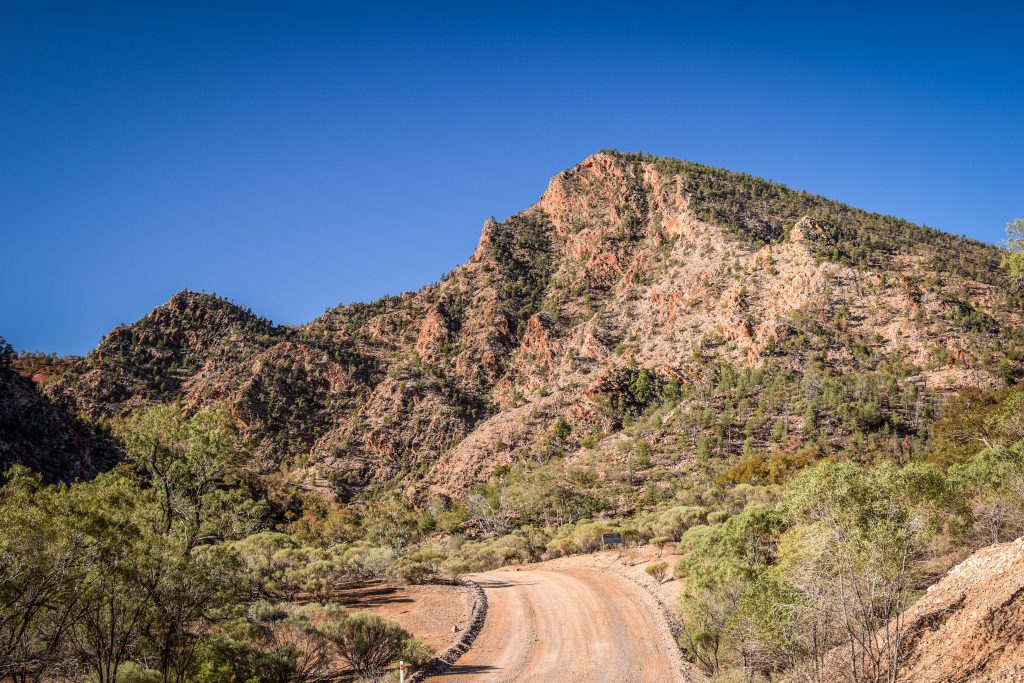
Bunyeroo Gorge – a great opportunity for a walk surrounded by rocks and gum trees. The 7.5 km return hike will take about 3-3.5 hours to complete.
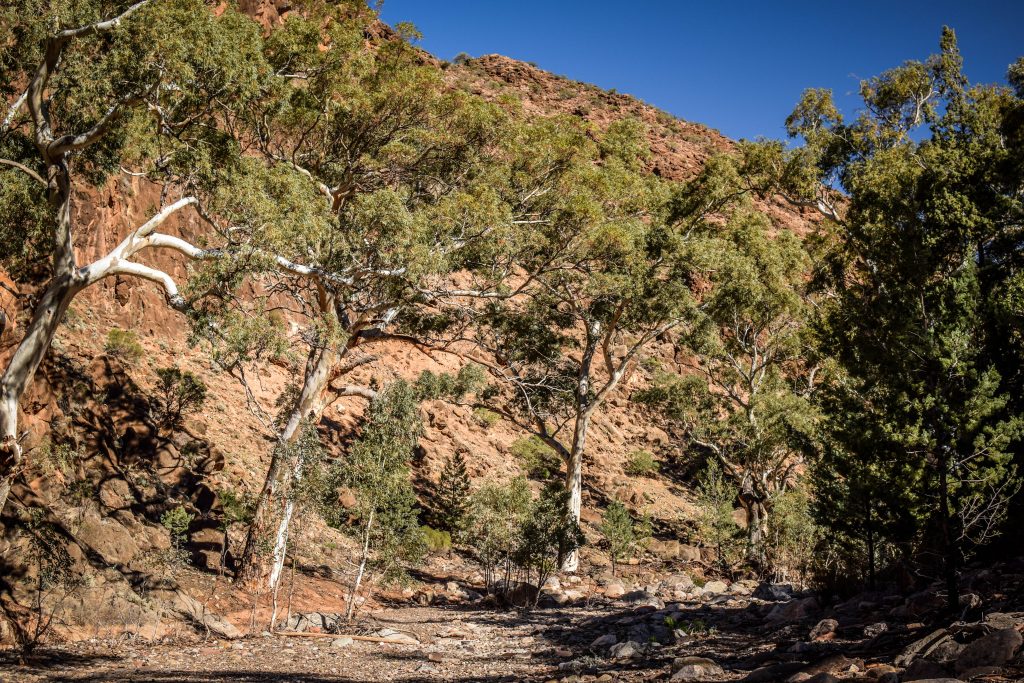
Razorback Lookout – only a short drive away from the parking at Bunyeroo Gorge following scenic Bunyeroo Valley road lays this iconic viewpoint. Breathtaking panorama of Ikara-Flinders Ranges National Park.
Old Wilpena Station – the oldest pastoral site in South Australia, working until 1985. Remainings of old buildings and cemetery remind about harsh conditions that first European settlers faced after arrival to the region. Two options for a walk here: 1km loop or 3.2km loop.
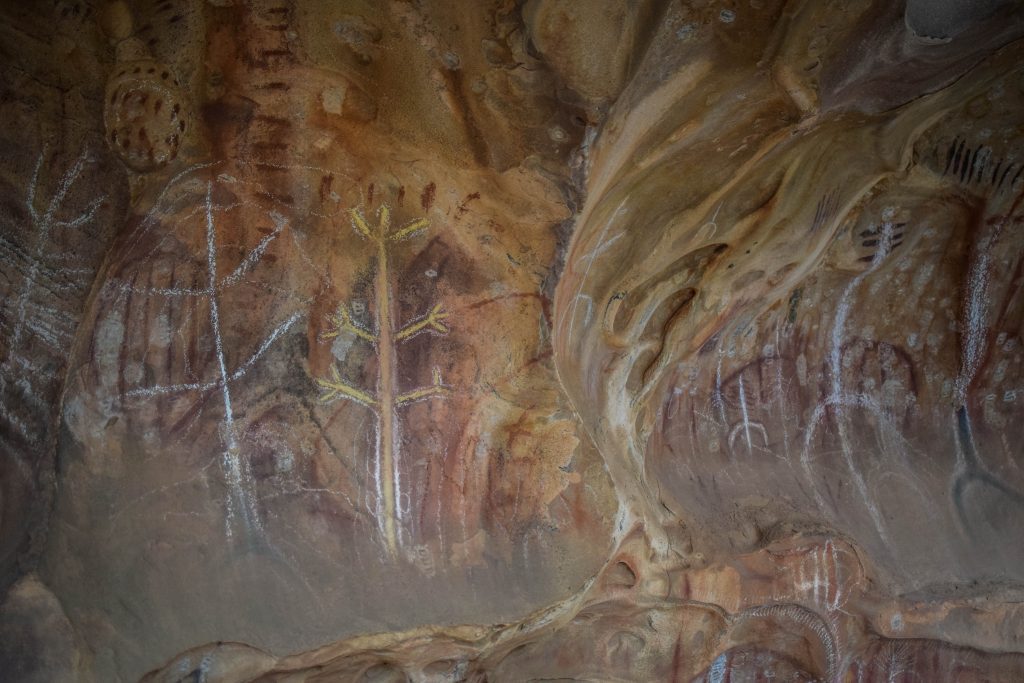
Arkaroo Rock – Short bushwalk taking you to ochre and charcoal rock paintings from the land’s traditional owners. Parking is easily accessible from Ikara/Wilpena Pound (around 17 km). From there, it’s uphill but gentle loop track which shouldn’t take longer than 1-1.5 hours to complete. Other spots to admire aboriginal art are at Perawurtina and Sacred Canyon, however, the last one can be visited only on an organized tour with an Aboriginal guide from Wilpena Pound Resort.
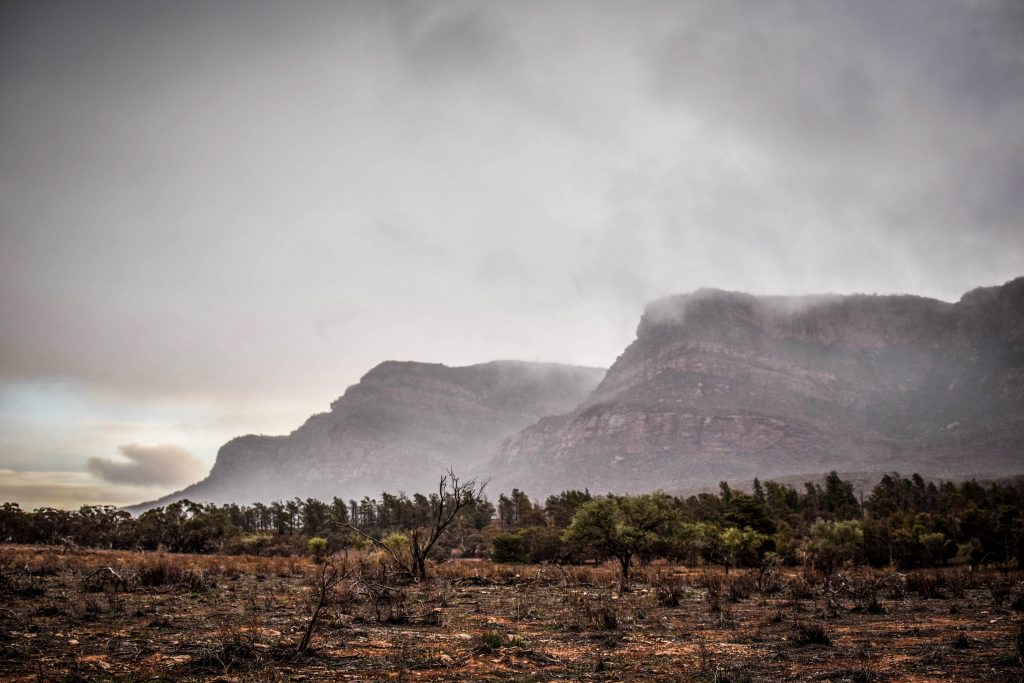
St Mary Peak – The highest point of the Flinders Ranges (1171m above sea level) and significant place for aboriginal people of Adnyamathanha. Due to this fact, it’s recommended to respect the summit and not to go beyond Tanderra Saddle. There are two options: the direct route, which is 14.6 km long and takes about 6 hours or the loop route, which is 21.5 km and takes about 8-9 hours. I didn’t do the hike but I heard it’s pretty difficult so take enough supplies and tell someone about your plans.
Aroona Ruins – Above the spring are the remains of sheep station from the early nineteenth century. The area is strongly connected with Hans Heysen, the German watercolour artist.
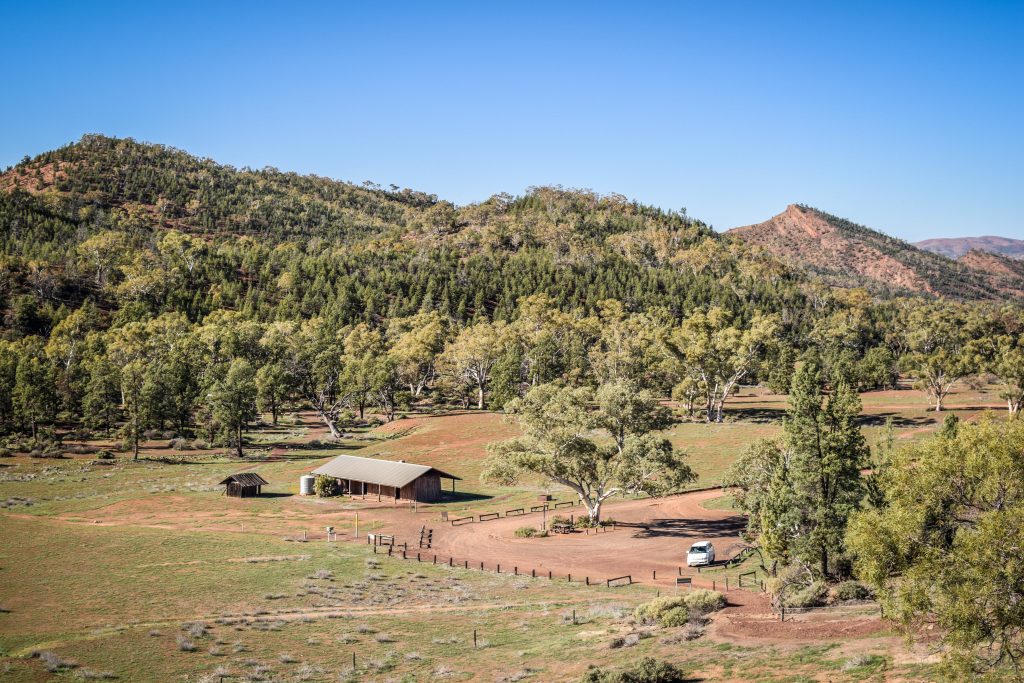
Appealinna Ruins – In the 1850s, Joseph Wills was a local pastoralist who built the homestead and stockyards on the southern side of the creek, while the ruins on the north side were once a busy mining settlement.
Walks and hikes – There are enough tracks to satisfy even the most demanding wanderers and spend several days with nature. Check the full list on the website of the national park and get a map from Wilpena Visitor Centre. Never forget your water and keep in mind safety rules!